Be the first to join. Keep the badge forever.
The first members of this community earn permanent Founding Member status. It shows on your profile and your dog's profile for as long as you're here.
- ✓Founding Member badge on your profile
- ✓Your dog featured first
- ✓First Dog of the Month nomination
- ✓Always free
⭐ Founding Member spots open
First to join gets the badge
🐕 Be the first dog registered
Add your Lab to the community
📷 Add the first photo
Start the photo wall
8
Discussions
0 members
8 discussions
About the Teddy Bear Dog
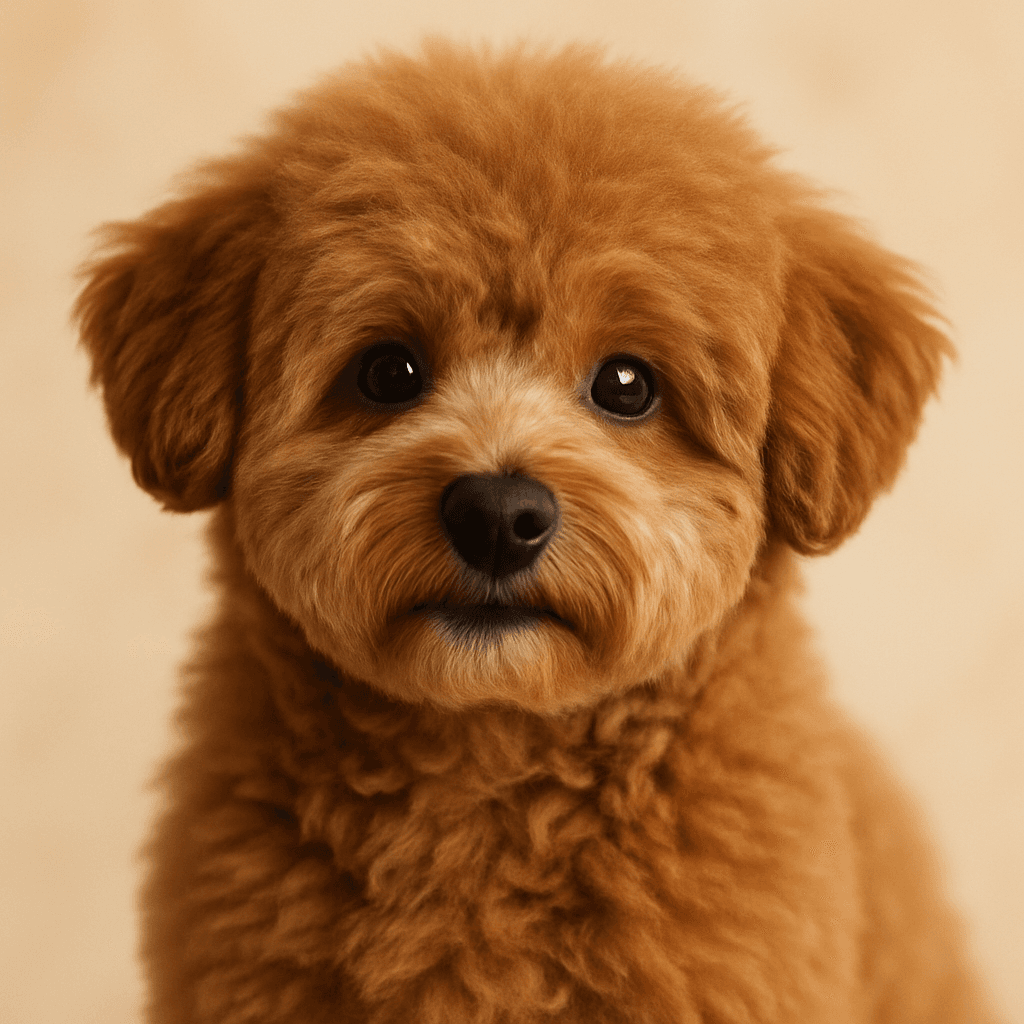
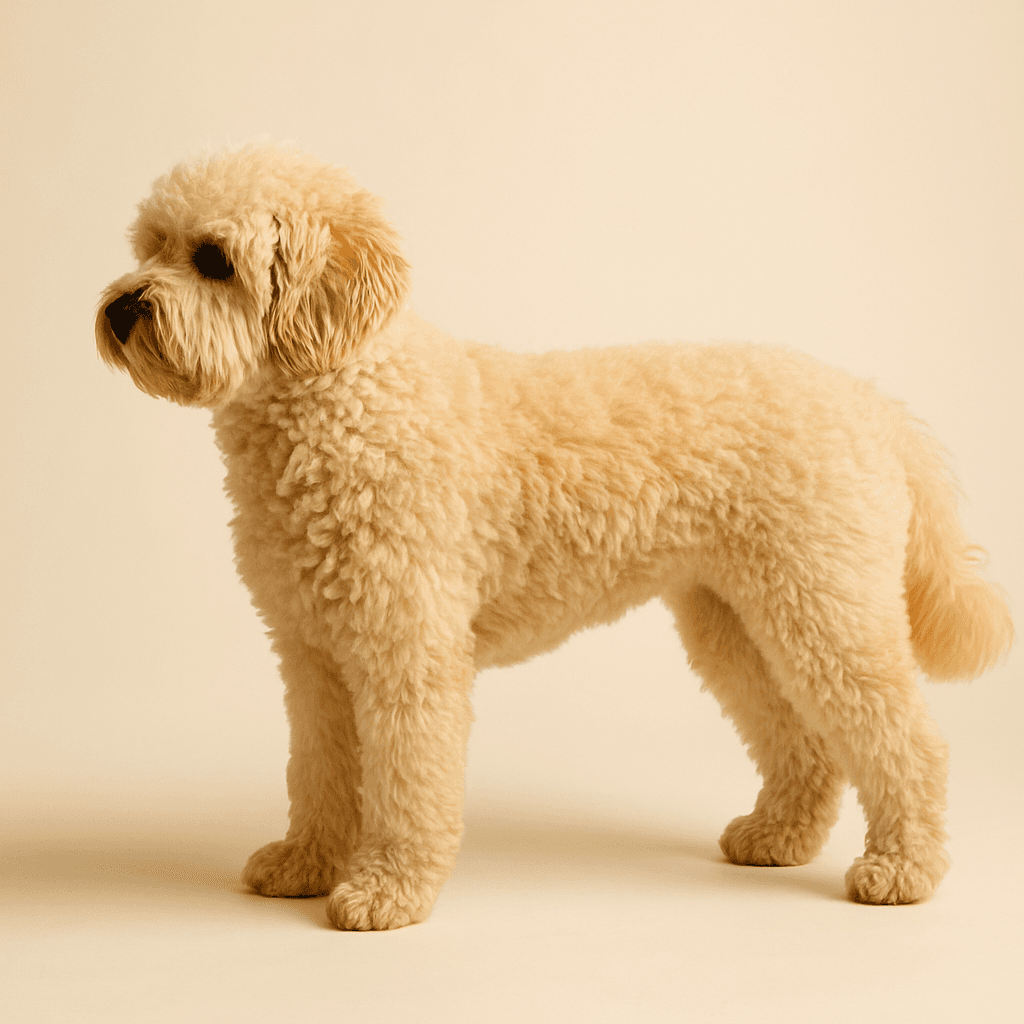
The Teddy Bear Dog is a popular hybrid companion dog produced by crossing a Shih Tzu with a Bichon Frise, known also as a Shichon or Zuchon. The cross combines two small companion breeds with long histories as lapdogs and companion dogs to produce a gentle, low-shedding and sociable small dog that has attracted considerable interest from owners seeking a manageable, affectionate and relatively hypoallergenic companion. The name Teddy Bear Dog refers to the characteristic soft, rounded appearance of the cross - the round face, large dark eyes, soft wavy coat and compact build that together create the resemblance to a stuffed toy that gives the cross its commercial name. The Teddy Bear Dog is not a registered breed with the Kennel Club. The typical Teddy Bear Dog is a small, compact and soft-coated dog with a gently rounded face, large, dark eyes and a wavy to curly low-shedding coat. Coat colour varies widely - white, cream, gold, brown, black and various combinations all occur. The coat has low to moderate shedding, though truly non-shedding cannot be guaranteed as coat type varies between individuals depending on which parent's traits dominate. Adults typically stand 23 to 30 centimetres at the shoulder and weigh 4 to 8 kilograms. The character is gentle, affectionate and sociable - a companion dog in the truest sense, bred from two breeds whose entire purpose was human companionship. The Teddy Bear Dog is typically warm, cheerful and easy to live with. It bonds closely with its family and is good with children, other dogs and often cats when properly introduced. The energy level is modest - daily walks and play sessions meet the cross's exercise needs without demanding the sustained physical activity required by working breeds. The cross does not do well when left alone for extended periods and is best suited to households where someone is present for most of the day. The grooming commitment is meaningful despite the low shedding. The soft, wavy coat mats readily without regular brushing, and professional grooming is typically required every 8 to 10 weeks to keep the coat in good condition. Regular ear checks, dental care and eye cleaning are routine parts of Teddy Bear Dog ownership. Prospective buyers should exercise considerable care in sourcing. The Teddy Bear Dog name is frequently used in puppy farm advertising, and the appeal of the cross to buyers with no prior dog experience can attract unscrupulous producers. Only purchase from breeders who can provide evidence of health testing of both parents, allow visits to see the litter with its mother, and who demonstrate knowledge of both parent breeds. Health considerations include eye conditions from both parent breeds, Patellar Luxation assessment and awareness of brachycephalic tendency in individuals with particularly short muzzles. Avoid purchasing puppies with obviously compromised facial conformation that affects breathing. Purchase prices from responsible breeders range from £800 to £2,000. Monthly running costs average £60 to £100. Shih Tzu Rescue UK and the Bichon Frise Club of Great Britain rescue are the contacts for related animals in rescue.
Quick facts
Meet Our Teddy Bear Dogs
Register your dog on My Dog and it will appear here automatically.
Teddy Bear Dog Photos
No photos yet. Be the first to share yours.
Add a photoActivity Feed
How much exercise does your Teddy Bear Dog really need each day?
Twenty to thirty minutes a day is genuinely sufficient for mine. Short walks, some indoor play, a bit of gentle interaction and she's content. She doesn't have the energy reserves of a working breed and she's not asking to go further. What I've learned to watch is the heat. Some individuals in this type carry a degree of brachycephalic tendency depending on which parent breeds are in the mix, and I avoid exercising her in warm weather during the middle of the day. Early mornings and evenings in summer are much safer. She's a genuinely low-demand dog in terms of exercise and suits someone with a quieter lifestyle. If you want a dog for long hikes, she's not the right choice and that's not a criticism, it's just honesty.
1 July 2026
Any health issues to watch for with Teddy Bear Dogs?
Eye conditions from both parent breeds are possible, so ask what health testing has been done on the parents and get specifics rather than general reassurances. Patellar luxation is worth checking for in small breeds generally, and some Teddy Bear dogs carry a degree of brachycephalic tendency. If you're looking at a litter, watch how the puppies breathe. Any obvious snorting, laboured breathing or visible effort at rest is a warning sign to take seriously. I'd be cautious of any breeder offering specimens with very flat faces and not being upfront about potential breathing compromise. The type varies considerably depending on the cross, so the health profile varies too. Ask questions, get answers in writing, and insist on seeing health certificates.
1 July 2026
What's the one thing you wish you'd known before getting a Teddy Bear Dog?
How much she hates being alone. I knew she'd be sociable and affectionate, that's the whole appeal, but I underestimated how poorly she'd cope with any significant time by herself. She bonds intensely with her family and doesn't have the independence that some breeds naturally develop. I work from home most days and that suits her perfectly, but on days when I have to be out she's clearly unsettled. If you're buying this type of dog expecting it to be self-sufficient for six or eight hours a day, you'll have a problem. Early training to build positive associations with alone time helps, but the fundamental need for company is baked in. The early socialisation matters too: both parent breeds benefit from meeting lots of dogs and people early.
1 July 2026
What do you feed your Teddy Bear Dog, and why?
A small breed complete kibble twice daily, weighed carefully. Mine is on around 140g a day and I'm vigilant about treats counting towards that total because small dogs gain weight surprisingly quickly. An overweight small dog is at risk across a range of health issues and it's easy to let it creep up when they're so cute and enthusiastic about food. I'm also careful about dental health, small breeds are prone to dental disease, so she gets a dental chew daily and regular tooth brushing. Her teeth need more active management than I expected before I had her. A good small breed kibble supports dental health better than wet food fed exclusively, which is another reason I've stayed with dry.
1 July 2026
Teddy Bear Dog of the Month
🏆 September 2026 -- Be the first nominee
Could be your dog.
The first dog registered in this community earns the first Dog of the Month nomination automatically.
Register your dogUpcoming Teddy Bear Dog Meetups
No meetups planned yet. Be the first to organise one.
Sign in to organise a meetupCommunity Members
Be the first to join and become the Teddy Bear Dog Founding Member.
Join Club