Be the first to join. Keep the badge forever.
The first members of this community earn permanent Founding Member status. It shows on your profile and your dog's profile for as long as you're here.
- ✓Founding Member badge on your profile
- ✓Your dog featured first
- ✓First Dog of the Month nomination
- ✓Always free
⭐ Founding Member spots open
First to join gets the badge
🐕 Be the first dog registered
Add your Lab to the community
📷 Add the first photo
Start the photo wall
8
Discussions

0 members
8 discussions
About the Tibetan Terrier
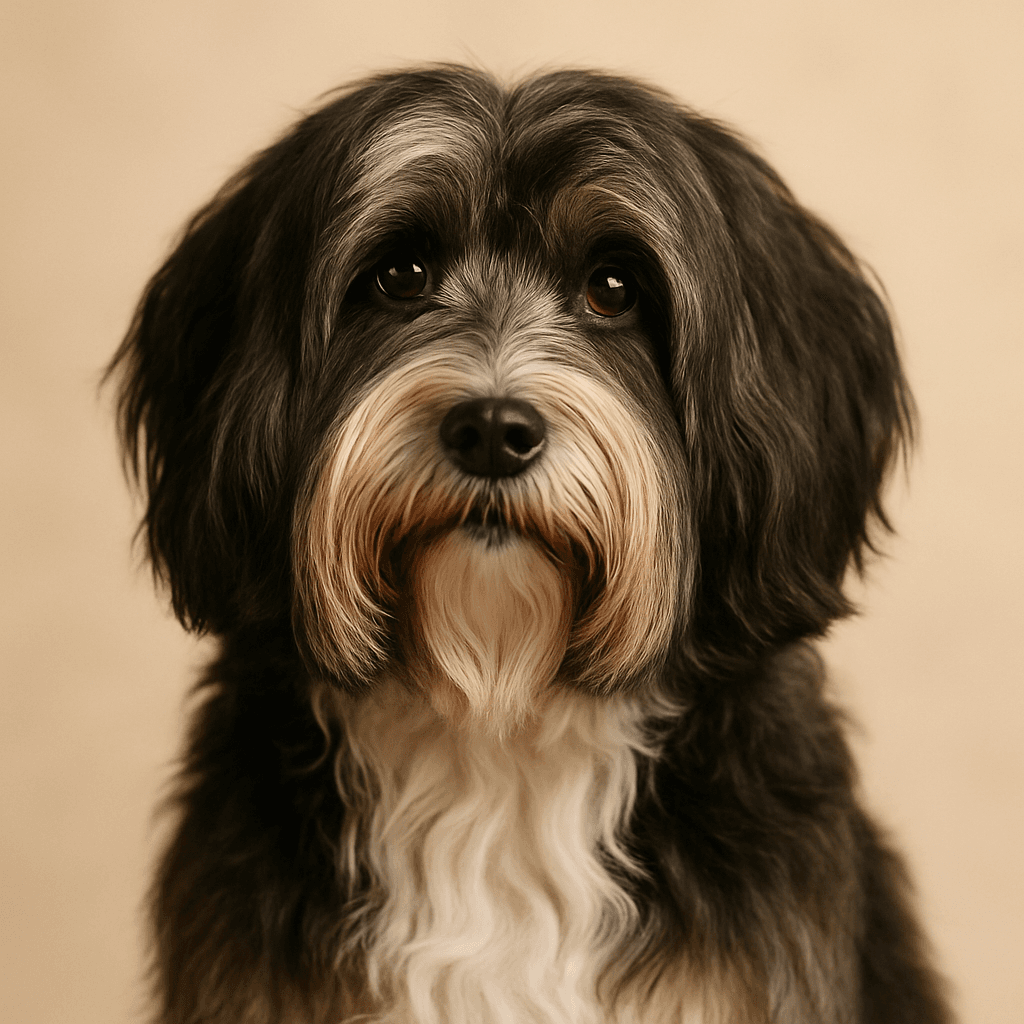
The Tibetan Terrier is an ancient Tibetan breed with a history stretching back over many centuries in the monasteries and nomadic communities of Tibet, where it was kept as a companion and good luck dog - the Tibetan Terrier was traditionally never sold but only given as a gift, as selling one was thought to invite bad fortune - and as a small herding and general farm dog capable of working the high-altitude terrain of the Tibetan Plateau with agility and sure-footedness. The large, flat, round feet of the breed are specifically adapted to walking on snow and rocky mountain terrain, acting as natural snowshoes. The name Tibetan Terrier is a Western misnomer - the breed is not related to the terrier group and does not have the earth-dog character of true terriers. It was named by Westerners who noted a superficial resemblance to known terrier types. The breed was introduced to Britain in the early twentieth century and is registered by the Kennel Club in the Utility Group. The Tibetan Terrier is a medium-sized, well-built and profusely coated dog of considerable physical appeal. The coat is the breed's most immediately striking feature - a long, flowing double coat of fine texture that falls over the face and body in great abundance, in a wide variety of colours including white, golden, cream, grey, black, tricolour, brindle and parti-colour. The large, flat, round feet are a characteristic and distinctive feature. The tail is well plumed and carried in a curl over the back. The expression beneath the flowing facial hair is gentle, alert and intelligent. Adults typically stand 36 to 41 centimetres at the shoulder and weigh 8 to 14 kilograms. The character is loyal, affectionate and observant - a breed of genuine intelligence and quiet self-possession that has lived alongside contemplative people for many centuries. The Tibetan Terrier is devoted to its own family while remaining reserved and watchful with strangers in the characteristic Tibetan breed manner. It bonds deeply with its household and can be sensitive to tension or conflict within the home. The independence and self-sufficiency bred over centuries of Himalayan life means the breed is not naturally biddable in the gundog sense - it cooperates willingly but on its own assessment of the situation. The grooming commitment is significant and must be taken seriously before purchase. The long double coat mats readily and requires thorough brushing at least every other day to prevent the formation of tangles that are difficult and uncomfortable to remove. Professional grooming every 8 to 12 weeks is typical. The coat, though high-maintenance, is low-shedding. Health testing is important. PRA DNA testing and Primary Lens Luxation DNA testing of both parents are essential requirements, alongside Hip Dysplasia assessment. Purchase prices from KC-registered breeders range from £700 to £1,500. Monthly running costs average £75 to £135. The Tibetan Terrier Association is the primary resource for breed information, health testing requirements, responsible breeders and rescue contact. The breed is well suited to active families and experienced dog owners who appreciate an intelligent, loyal companion with genuine character and can commit to the grooming requirements.
Quick facts
Meet Our Tibetan Terriers
Register your dog on My Dog and it will appear here automatically.
Tibetan Terrier Photos
No photos yet. Be the first to share yours.
Add a photoActivity Feed
How much exercise does your Tibetan Terrier really need each day?
Forty-five to sixty minutes a day is the right amount for mine, and she genuinely enjoys a proper outing rather than a perfunctory walk. She likes off-lead running when the environment is right, and she has the stamina for a decent hike. What I find is that the mental side is just as important as the physical. She is a thoughtful, intelligent dog and she needs her brain engaged. Training sessions, nose work and puzzle feeders all help. A Tibetan Terrier that's physically exercised but mentally bored will express that through restlessness and noise. Mix it up. She's a companion dog but not a passive one, she wants to be doing something, not just accompanying you while you do something.
1 July 2026
Any health issues to watch for with Tibetan Terriers?
PRA is the condition every buyer must address first. Both parents should have a current PRA DNA test and the results should be available immediately. Primary lens luxation is equally important and a DNA test exists for it, so ask specifically about that too. Hip dysplasia assessment is advisable, so KC/BVA hip scores on both parents are worth requesting. The Tibetan Terrier Association maintains a health register and I'd recommend engaging with it when researching breeders. Reputable breeders in this breed are genuinely invested in the health scheme and will welcome questions about testing. Any breeder who is vague, dismissive or unable to produce documentation should be avoided regardless of how appealing the puppies are.
1 July 2026
What's the one thing you wish you'd known before getting a Tibetan Terrier?
How sensitive she is to atmosphere and tension in the household. Tibetan Terriers bond deeply and they read the emotional environment closely. When there's stress or conflict in the house, she picks it up and responds to it, becoming more clingy or more unsettled. This isn't a complaint, it makes her a remarkably perceptive companion, but it does mean that she's not the right dog for a chaotic or high-conflict household. She also took longer than I expected to fully trust strangers. She's not aggressive but she is reserved with people she doesn't know, and that wariness can look standoffish to guests who are used to more immediately sociable breeds. It passes once she's decided someone is trustworthy. Patience from visitors is required.
1 July 2026
What do you feed your Tibetan Terrier, and why?
A good quality complete dry kibble twice a day, around 220g split into two meals, though I adjust depending on her activity level. She's not a greedy dog and doesn't tend to overeat, which makes portion management relatively straightforward. The breed doesn't have the specific nutritional requirements that some others do, so I've kept it simple and it's worked well. I focus more on consistency than on switching diets frequently. She's done well on the same food for two years and her coat, weight and energy levels are all good. I'd only change if there were a specific reason to, a health issue, a vet recommendation, or a clear sign that the current food wasn't agreeing with her. If it's working, don't fix it.
1 July 2026
Tibetan Terrier of the Month
🏆 September 2026 -- Be the first nominee
Could be your dog.
The first dog registered in this community earns the first Dog of the Month nomination automatically.
Register your dogUpcoming Tibetan Terrier Meetups
No meetups planned yet. Be the first to organise one.
Sign in to organise a meetupCommunity Members
Be the first to join and become the Tibetan Terrier Founding Member.
Join Club