

Be the first to join. Keep the badge forever.
The first members of this community earn permanent Founding Member status. It shows on your profile and your dog's profile for as long as you're here.
- ✓Founding Member badge on your profile
- ✓Your dog featured first
- ✓First Dog of the Month nomination
- ✓Always free
⭐ Founding Member spots open
First to join gets the badge
🐕 Be the first dog registered
Add your Lab to the community
📷 Add the first photo
Start the photo wall
8
Discussions
0 members
8 discussions
About the Welsh Terrier
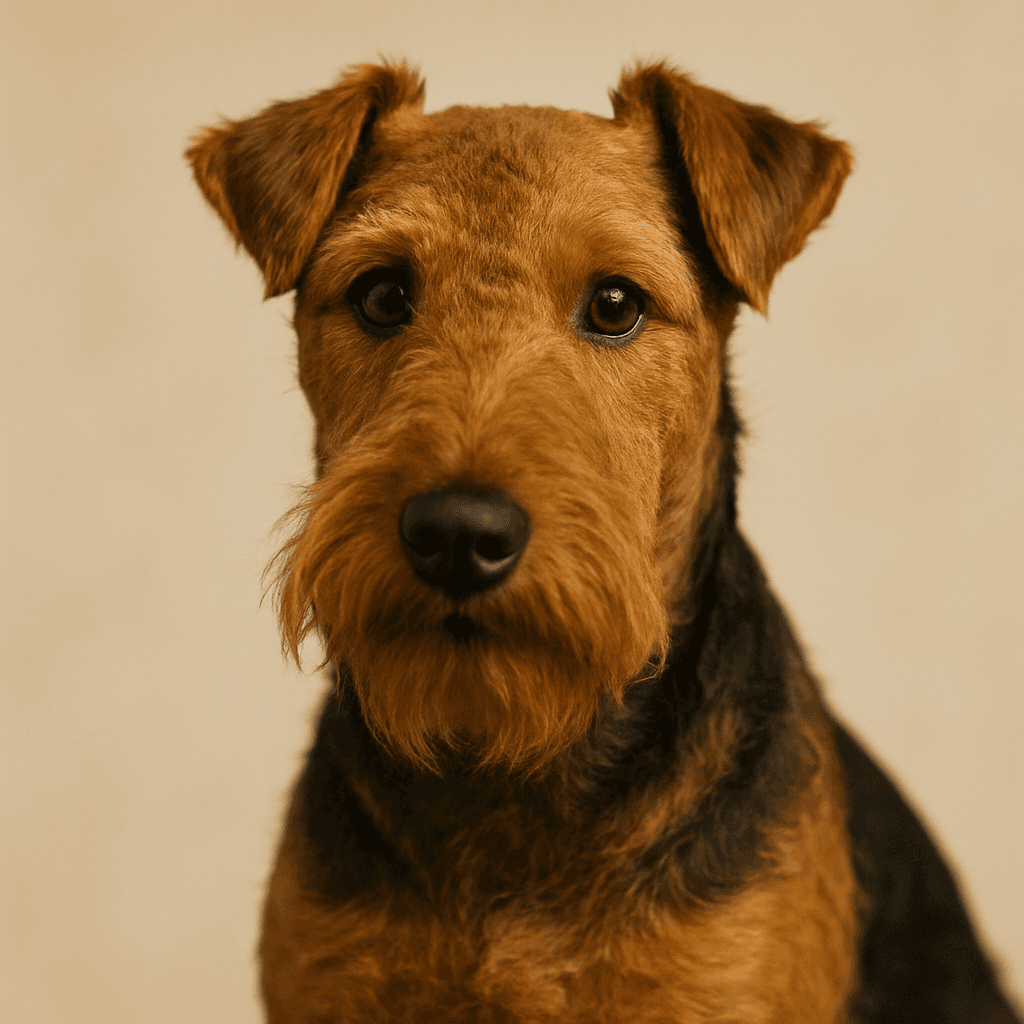
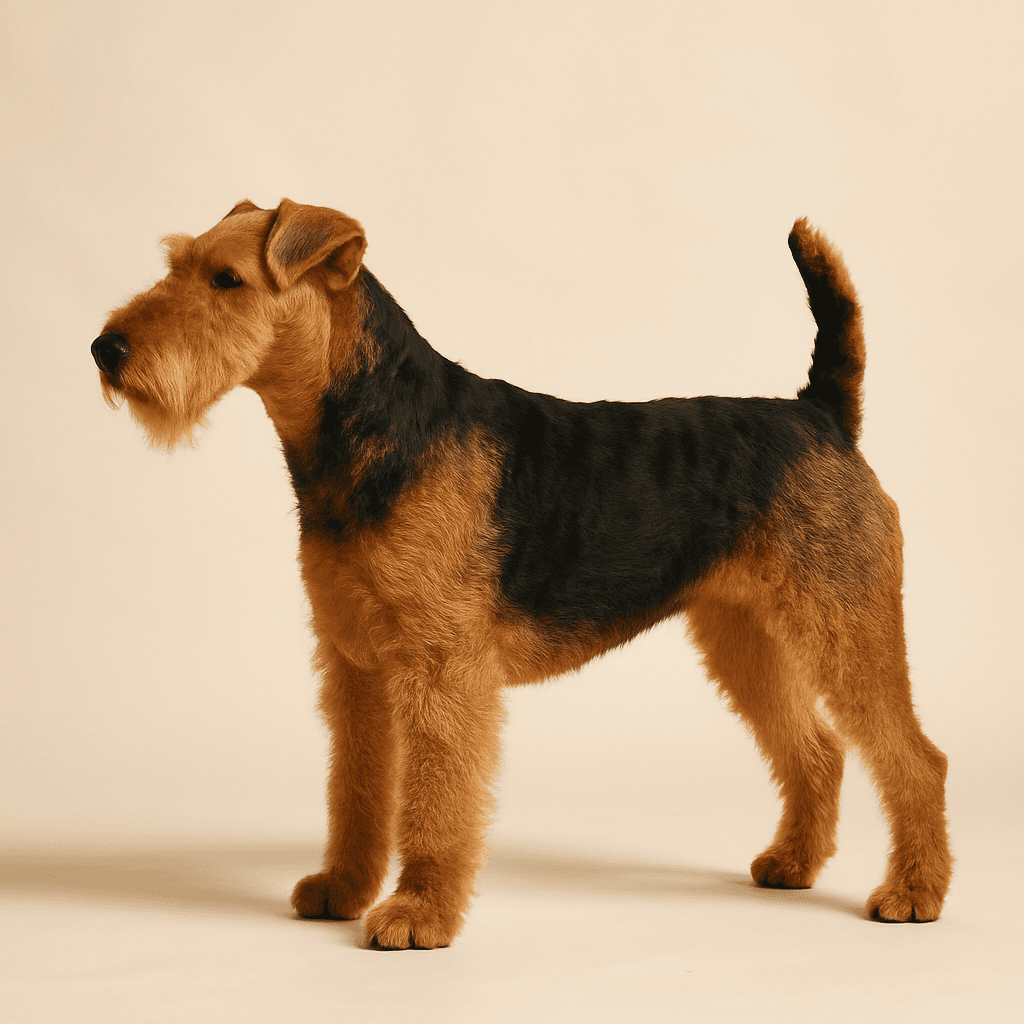
The Welsh Terrier is one of the oldest terrier breeds in Britain, a native Welsh earth dog developed over many centuries across Wales as a working hunting terrier used to bolt foxes, otters and badgers from their earths and underground lairs in the rocky, difficult terrain of the Welsh countryside. The breed's exact origins are debated but it is thought by many authorities to be one of the purest surviving representatives of the ancient black and tan working terrier type from which several modern British terrier breeds descend. The Welsh Terrier closely resembles a small Airedale Terrier in appearance, sharing the black and tan wire coat and general proportions, and was one of the first terrier breeds to be formally recognised and shown in Britain. It is registered by the Kennel Club in the Terrier Group. The Welsh Terrier is a medium-sized, well-built and athletic terrier of genuine working capability and considerable appeal. The coat is hard, wiry and close-lying, in the characteristic black and tan or black grizzle and tan colouring, with a soft, dense undercoat that provides weather protection. The build is sturdy and well-proportioned, the head rectangular and strong, and the overall impression is of a capable, confident terrier of functional elegance. Adults typically stand 36 to 39 centimetres at the shoulder and weigh 9 to 10 kilograms. The character is bold, friendly and lively - a true terrier in both temperament and capability, bred to work independently in challenging conditions and not given to ready compliance with instructions that conflict with its own assessment of the situation. The Welsh Terrier is devoted to its own family and good with children when well socialised, while retaining the independent thinking, prey drive and tenacity that characterise working earth dogs. The prey drive is strong and small animals - cats, rabbits, small rodents - are at risk in households that do not manage this carefully. Training requires consistency, positive reinforcement and the establishment of boundaries from puppyhood. The Welsh Terrier is capable and intelligent but will find and exploit inconsistency. Recall training must be thorough given the prey drive and the terrier's natural inclination to investigate interesting scents regardless of instruction. Health is generally good. Glaucoma and Lens Luxation have been documented in the breed. Hip Dysplasia assessment of parents is advisable. Purchase prices from KC-registered breeders range from £700 to £1,500. Monthly running costs average £70 to £120 including grooming. The Welsh Terrier Club is the primary resource for breed information, health guidance, responsible breeders and rescue contact.
Quick facts
Meet Our Welsh Terriers
Register your dog on My Dog and it will appear here automatically.
Welsh Terrier Photos
No photos yet. Be the first to share yours.
Add a photoActivity Feed
How much exercise does your Welsh Terrier really need each day?
Mine needs a minimum of 60 to 75 minutes a day, and I'd say the quality of that time matters as much as the quantity. A Welsh Terrier that has spent an hour exploring different smells, doing a short training session and having a good run is much better company than one that has done 75 minutes of the same pavement loop. The prey drive is the thing you have to manage. Off-lead access is only safe in genuinely secure areas, fencing checked and confirmed, because once a Welsh Terrier has spotted something worth chasing it is gone. I use a long line in open areas we haven't yet assessed. Mental stimulation matters a lot too: scent games, basic obedience training and anything that gives the brain a workout count toward the daily total. This is not a breed that is satisfied with the bare minimum.
1 July 2026
Any health issues to watch for with Welsh Terriers?
Welsh Terriers are genuinely one of the healthier terrier breeds, which is one of the things I appreciated when I was doing my research. They don't carry the same weight of inherited conditions as some more fashionable breeds. That said, there are a few things worth knowing. Glaucoma and lens luxation have been documented in the breed, and both can progress quickly if not caught, so regular eye checks at annual vet appointments are a good idea. Hip dysplasia testing of both parents before purchase is still advisable: it's not a major breed problem but it's worth confirming. Some lines are prone to skin conditions, which can range from mildly annoying to genuinely expensive to manage if they become chronic. If you're buying from a breeder, ask about the skin history in the lines they're working with. Generally though, a well-bred Welsh Terrier from health-tested parents should be a robust, long-lived dog.
1 July 2026
What's the one thing you wish you'd known before getting a Welsh Terrier?
The independence. I had owned dogs before but not a terrier, and I underestimated what it means to live with a dog that has its own very firm opinion about what constitutes a good idea. Mine is devoted to me and genuinely excellent company. He's also entirely capable of deciding a recall command doesn't apply to him if there's something more interesting happening. The Poodle-cross owners I know talk about how responsive their dogs are. Welsh Terrier ownership is a different arrangement. You get there with consistency, positive reinforcement and realistic expectations, but you have to accept that this is an independent thinker and train accordingly. The cats next door are also a permanent ongoing management situation. I don't think he'd ever fully stop seeing them as fair game. He's brilliant in terrier sports though, and that gives him an outlet that suits his nature perfectly.
1 July 2026
What do you feed your Welsh Terrier, and why?
I feed a high-quality complete dry kibble twice a day. Adults typically need somewhere in the region of 180 to 250 grams daily, though that varies depending on how active the dog is. Welsh Terriers aren't typically the greedy dogs that some other terrier breeds are, but I still weigh the food rather than going by eye, because condition creep in a smaller dog happens faster than you'd expect. When his exercise is higher in the summer he gets a bit more, and I pull it back slightly in quieter weeks. I check body condition monthly: I should be able to feel his ribs without pressing hard, see a clear waist from above, and see a tuck from the side. Adjust based on what you feel and see rather than going by weight alone, because muscle mass varies. Treats are small and counted within the daily total.
1 July 2026
Welsh Terrier of the Month
🏆 September 2026 -- Be the first nominee
Could be your dog.
The first dog registered in this community earns the first Dog of the Month nomination automatically.
Register your dogUpcoming Welsh Terrier Meetups
No meetups planned yet. Be the first to organise one.
Sign in to organise a meetupCommunity Members
Be the first to join and become the Welsh Terrier Founding Member.
Join Club