

Be the first to join. Keep the badge forever.
The first members of this community earn permanent Founding Member status. It shows on your profile and your dog's profile for as long as you're here.
- ✓Founding Member badge on your profile
- ✓Your dog featured first
- ✓First Dog of the Month nomination
- ✓Always free
⭐ Founding Member spots open
First to join gets the badge
🐕 Be the first dog registered
Add your Lab to the community
📷 Add the first photo
Start the photo wall
8
Discussions
0 members
8 discussions
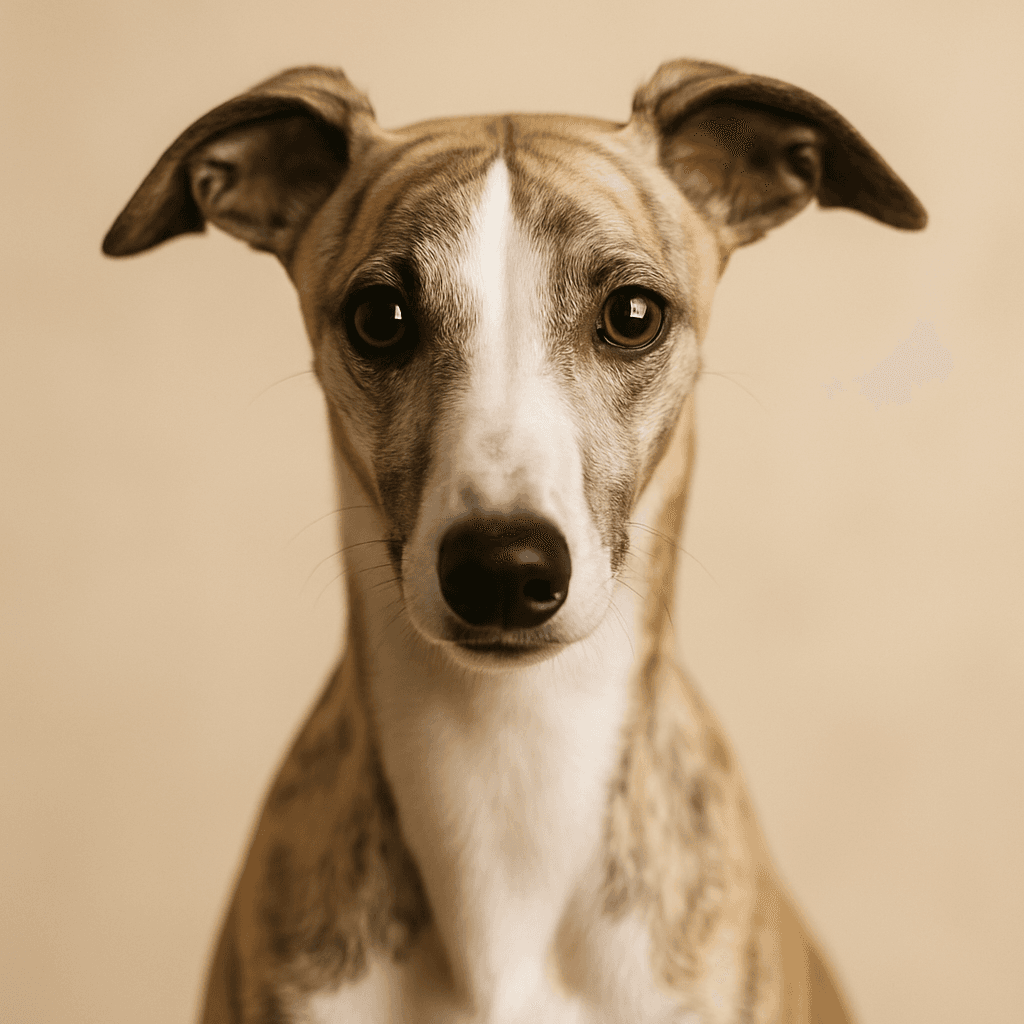
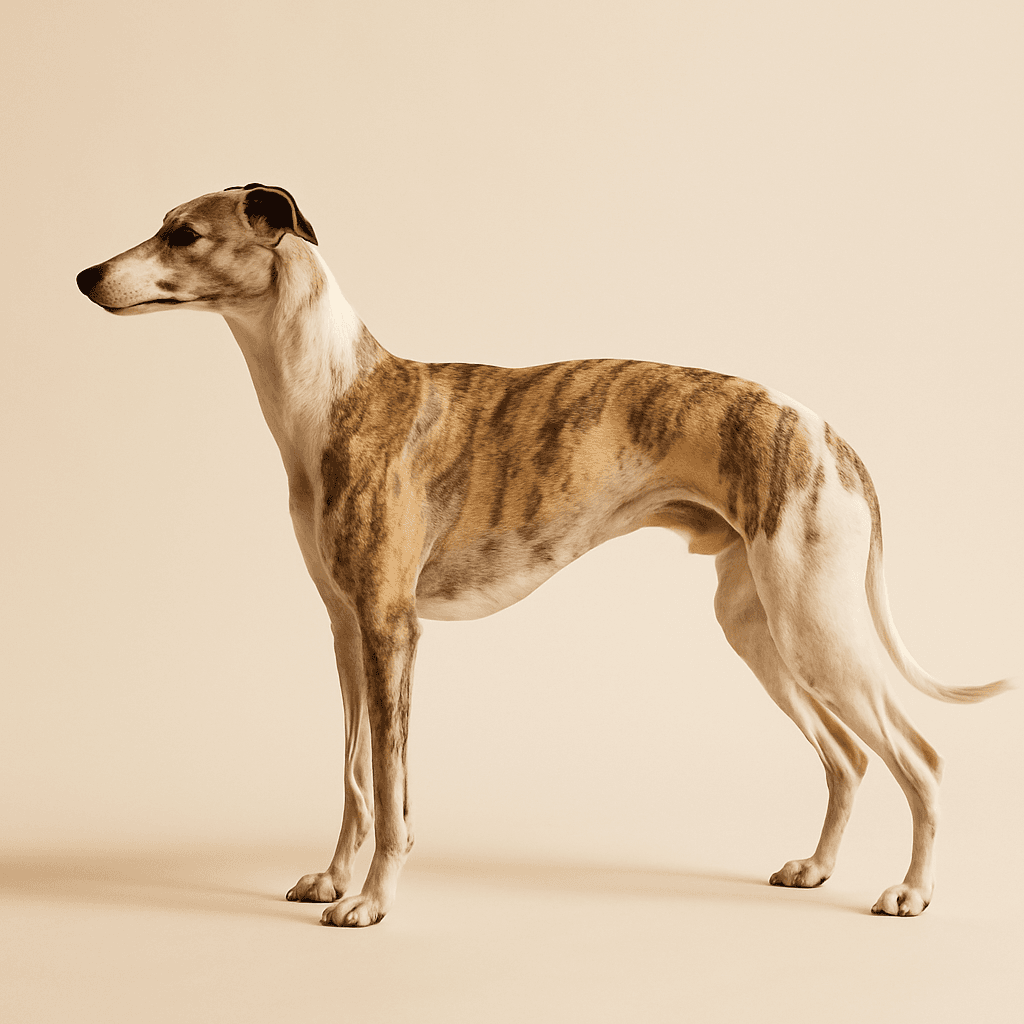
About the Whippet
The Whippet is an elegant, gentle and athletic sighthound registered by the Kennel Club in the Hound Group. Developed in northern England in the 19th century as a racing dog for working-class owners, the modern Whippet combines the speed and instincts of a sighthound with a temperament that makes it one of the most adaptable and affectionate medium-sized breeds available. In the home, Whippets are calm, affectionate and often described as ideal indoor dogs despite their athletic build. They are content to rest for long periods, are not destructive when properly exercised, and form close bonds with their family. Their low-shedding short coat, minimal grooming needs and relatively good health make them one of the lower-maintenance medium-sized pedigree breeds. The prey drive, however, is the defining management consideration and must be understood before acquiring a Whippet. Sighthounds are built to chase visually-triggered prey at high speed, and the Whippet is no exception. Once a chase is initiated, recall and distraction become largely ineffective. Off-lead exercise must take place in securely fenced areas. Gardens must be properly enclosed: Whippets can clear fences below 1.5 metres. Owners with cats or small animals need to manage introductions carefully and maintain vigilance permanently. Whippets are sensitive dogs that feel cold acutely. A well-fitted coat is a welfare requirement in cold or wet weather, not an affectation. Soft bedding is equally important: a Whippet forced to lie on hard floors has minimal body fat for comfort or insulation. Health-wise, Whippets compare very favourably with many pedigree breeds. Serious inherited conditions occur at relatively low rates. Vets should be informed the dog is a sighthound before any anaesthetic procedure due to different drug metabolism in the breed. Purchase prices from KC-registered breeders typically range from £800 to £1,500. Monthly insurance is £25 to £50. Lifespan is 12 to 15 years. Whippet Rescue UK and Just Whippets Rescue rehome dogs nationally. For owners who want a gentle, healthy and adaptable medium-sized companion with a manageable grooming commitment, the Whippet is an outstanding choice. Respect the prey drive, provide enclosed off-lead exercise, and this is one of the most rewarding breeds in the Hound Group. Whippet rescue is accessible and straightforward. Adoption provides a fully assessed dog rather than the uncertainties of a puppy. For owners committed to the enclosed-exercise requirement, a rescue Whippet is an excellent choice.
Quick facts
Meet Our Whippets
Register your dog on My Dog and it will appear here automatically.
Whippet Photos
No photos yet. Be the first to share yours.
Add a photoActivity Feed
How much exercise does your Whippet really need each day?
The thing about Whippets that surprises people is the pattern of exercise rather than the quantity. Mine needs an hour a day but not 60 unbroken minutes of sustained effort. What she genuinely needs is the chance to gallop: proper full-speed running in a safely enclosed space. That sprint, maybe a few of them, matters more to her wellbeing than a longer slow-paced walk. After a good run she comes home and sleeps for most of the afternoon. Outside, the off-lead question is the one every Whippet owner has to answer honestly and permanently. She cannot be recalled once a chase is triggered. Off-lead means enclosed fencing, checked beforehand, with fence height over 1.5 metres because she can clear lower barriers without much effort. Open spaces with a long line are the compromise for everywhere else. A coat is also not optional in cold or wet weather: she genuinely feels the cold and would shiver herself miserable without one.
1 July 2026
Any health issues to watch for with Whippets?
Whippets are genuinely one of the healthier pedigree breeds and I chose mine partly for that reason. The longevity and overall robustness compared to some popular breeds is a real advantage. That said, a few things are worth knowing. Cardiac conditions including dilated cardiomyopathy occur in the breed at a low rate, so annual vet checks should include the vet listening to the heart. Eye conditions including PRA are documented, and responsible breeders test for them under the BVA/KC Eye Scheme. The thing I was most glad to know in advance is the anaesthetic sensitivity. Sighthounds metabolise certain anaesthetics differently because of their low body fat, and it's important your vet knows your dog is a sighthound before any procedure. Most experienced vets adjust dosing as a matter of course, but I flag it explicitly every time. Skin and minor wounds are also more common than in thicker-coated breeds: that thin skin grazes easily on rough ground.
1 July 2026
What's the one thing you wish you'd known before getting a Whippet?
That the prey drive is not a training problem to be solved. Before I got mine I thought with enough work the recall would eventually be reliable enough for open spaces. It isn't, and it isn't supposed to be. A Whippet's chase response overrides everything once it's triggered: her focus, speed and commitment in that moment are extraordinary and completely incompatible with a recall command. That's not a failure of training. It's the breed working exactly as it was designed to work for centuries. The adjustment I had to make was accepting that off-lead exercise is always in enclosed spaces, always, and that this is just how our life together works. Once I genuinely accepted that rather than treating it as a temporary situation I was going to eventually fix, everything became much more relaxed. She's the most affectionate, gentle and enjoyable dog I've owned. The fencing thing is the whole deal with the breed.
1 July 2026
What do you feed your Whippet, and why?
Feeding a Whippet requires recalibrating your idea of what a healthy dog should look like. Mine should look lean: you should be able to see the outline of the last couple of ribs. That's not underweight for a sighthound, it's correct. I've had well-meaning people at the park tell me she looks thin. She doesn't. She looks like a Whippet in good condition. She eats around 220 to 250 grams of a quality dry complete food per day, split into two meals. I check her body condition monthly and adjust if I notice her getting either too lean or filling out too much. She uses more energy in cold weather because maintaining body temperature costs more with minimal body fat, so winter portions go up slightly. I also observe the gap between meals and exercise as a bloat precaution: deep-chested breeds carry some risk and I don't walk her right after eating.
1 July 2026
Whippet of the Month
🏆 September 2026 -- Be the first nominee
Could be your dog.
The first dog registered in this community earns the first Dog of the Month nomination automatically.
Register your dogUpcoming Whippet Meetups
No meetups planned yet. Be the first to organise one.
Sign in to organise a meetupCommunity Members
Be the first to join and become the Whippet Founding Member.
Join Club