

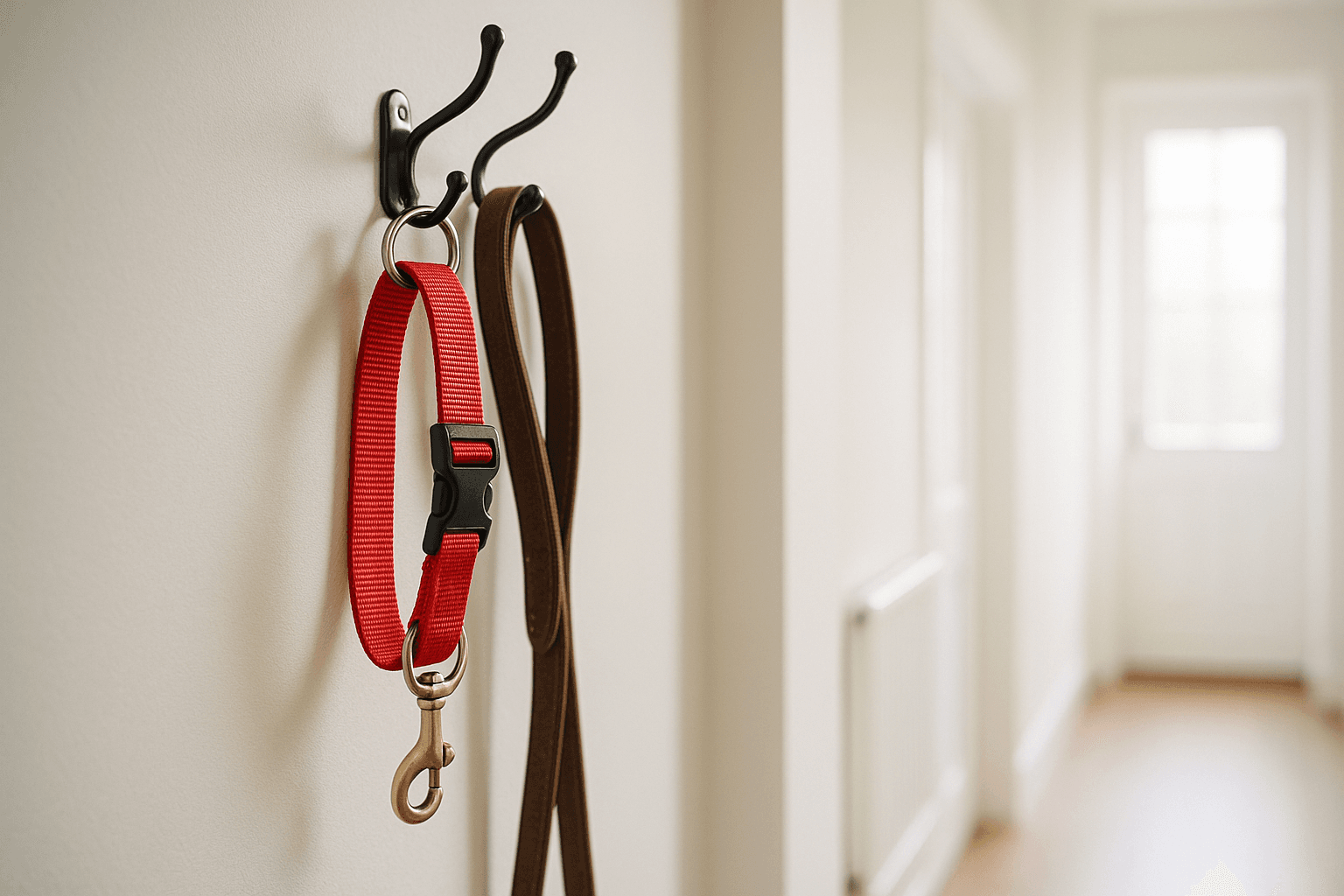
Quick answer
What should I do when my dog dies?
When your dog dies, your first priorities are registering their death with your vet (if they passed at home), arranging collection or aftercare, and deciding between cremation or burial. In the days that follow, giving yourself permission to grieve fully matters as much as any practical step. Dog loss is a recognised form of grief -- it is real, it is valid, and there is no expected timeline for recovery. Losing a dog is not something you ever fully prepare for, even when you know it is coming. The house feels different. The routine collapses. People who have never had a dog may not understand it, and that can make the grief lonelier than it needs to be. This guide covers everything: what to do in the immediate hours after your dog dies, your aftercare options, how to memorialise them, and where to find support when you need it most.
Research consistently shows that pet loss can trigger grief responses as intense as losing a close friend or family member. A 2020 study published in the Journal of Mental Health found that the strength of the human-animal bond means many owners experience complicated grief that can last months. In the UK, attitudes are shifting. A 2024 YouGov survey found that 43% of respondents supported statutory paid leave for pet bereavement. The conversation is changing -- but grief does not wait for social attitudes to catch up. Some people feel embarrassed by how hard they are hit. They should not be. Disenfranchised grief -- grief that society does not fully recognise -- is a well-documented psychological phenomenon. Dog loss fits that category for many people, and that invisibility makes it worse.
There is no right or wrong choice here. What matters is that you feel the decision reflects how much your dog meant to you.
The most common choice in the UK. There are three main types: individual cremation (ashes returned to you), scatter cremation (ashes scattered in a dedicated garden of remembrance), and communal cremation (no ashes returned). Around 7% of UK pet owners arrange individual cremation directly; the majority are handled through vet practices.
[AFFILIATE: Individual pet cremation services UK -- e.g. Dignity Pet Crematorium / local provider directory]
Legal in the UK provided the burial is on land you own, the body is not a risk to water sources, and is buried at sufficient depth. Check current GOV.UK guidance on pet burial regulations before proceeding. External link: GOV.UK guidance on burying a pet at home.
Over 130 dedicated pet cemeteries and crematoria operate across England. The Association of Private Pet Cemeteries and Crematoria (APPCC) maintains a directory of accredited members. External link: APPCC member directory at appcc.org.uk.
A memorial does two things: it marks the significance of the life and it gives grief somewhere to go. There is no single right way to do this.
[AFFILIATE: Pet portrait commission -- Pet Creations Art (Awin merchant 23705)]
[AFFILIATE: Memorial jewellery -- ashes, pawprint, fur -- e.g. Ashes With Art / Silver Dove Memorial Jewellery]
[AFFILIATE: Memorial keepsakes and urns -- e.g. MyPetsAshes.co.uk]
Options include: commissioned portraits, ashes jewellery, pawprint casts, personalised garden stones, star naming certificates, memory boxes, and photo books. A full guide to memorial ideas is linked below. Internal link: 20 ways to honour your dog.
You do not have to navigate this alone. Several UK organisations provide free, confidential support specifically for pet bereavement.
Children grieve differently at different ages. Under-fives may not understand permanence and may ask when the dog is coming back. School-age children often need factual, honest answers. Teenagers may seem unaffected while processing privately. The most important thing is honesty. Avoid euphemisms like 'gone to sleep' that can cause anxiety around sleep itself. Use the words 'died' and 'death' clearly and kindly. Internal link: Full guide to helping children cope when the family dog dies.
There is no correct answer to this, and anyone who gives you one is wrong. Some people feel ready within weeks. Others take years. Some never get another dog. The only question worth asking is whether you are getting a new dog because you genuinely want one now, or because you are trying to fill a grief-shaped hole. The former is fine. The latter tends not to work. Internal link: Getting another dog after loss -- what to think about before you decide.
How long does grief last after losing a dog? There is no fixed timeline. Research suggests acute grief typically reduces in intensity over six to twelve weeks, but many owners experience significant grief for much longer. Factors including the dog's age, how they died, and how central they were to daily routine all affect duration. If grief is significantly disrupting daily life after several months, speaking to a GP or counsellor is worth considering. Is it normal to feel worse losing a dog than losing a person? Yes, for some people. The human-animal bond is built on unconditional companionship and daily physical presence in a way human relationships often are not. There is no hierarchy of grief. Feeling the loss of a dog intensely is not disproportionate -- it reflects the significance of the relationship. What do I do with my dog's belongings after they die? There is no obligation to remove them immediately. Some owners find comfort in keeping things in place for a while; others prefer to act quickly. Donating to a rescue centre, keeping meaningful items, or creating a memory box are all valid approaches. Do what feels right for you, not what you think you should do. Can I bury my dog in my garden in the UK? Yes, in most cases. UK law permits garden burial provided the animal is buried on land you own, the burial site is away from watercourses, and the body is not a public health risk. The pet must be buried deep enough -- generally at least 1.2 metres is recommended. If in doubt, check GOV.UK or contact your local council. How do I tell my children their dog has died? Be direct, calm, and honest. Use the words 'died' and 'death' rather than euphemisms. Explain simply what happened. Invite questions and answer them truthfully. Allow them to see and say goodbye to the dog if they want to. Let them grieve in their own way -- crying, silence, and apparent indifference are all normal responses. How much does pet cremation cost in the UK? Individual cremation (ashes returned) typically costs between £150 and £350 depending on location and the size of the dog. Communal cremation arranged through a vet is usually lower cost. Some crematoria offer additional services including farewell rooms and gardens of remembrance at higher price points. What is pet bereavement counselling? Pet bereavement counselling is a form of professional support specifically for people grieving the loss of an animal. Counsellors qualified in this area understand the human-animal bond and the specific dynamics of pet loss grief. Sessions can be in person or online. The Association of Pet Bereavement Counsellors maintains a directory of accredited practitioners in the UK.
The following organisations provide free support. None of these are affiliate links.
There is no fixed timeline. Research suggests acute grief typically reduces in intensity over six to twelve weeks, but many owners experience significant grief for much longer. Factors including the dog's age, how they died, and how central they were to daily routine all affect duration.
Yes, for some people. The human-animal bond is built on unconditional companionship and daily physical presence. There is no hierarchy of grief.
Yes, in most cases. UK law permits garden burial provided the animal is buried on land you own, away from watercourses, and at sufficient depth -- generally at least 1.2 metres.
Individual cremation typically costs between £150 and £350 depending on location and the size of the dog.
Pet bereavement counselling is professional support specifically for people grieving the loss of an animal. The Association of Pet Bereavement Counsellors maintains a directory of accredited UK practitioners.
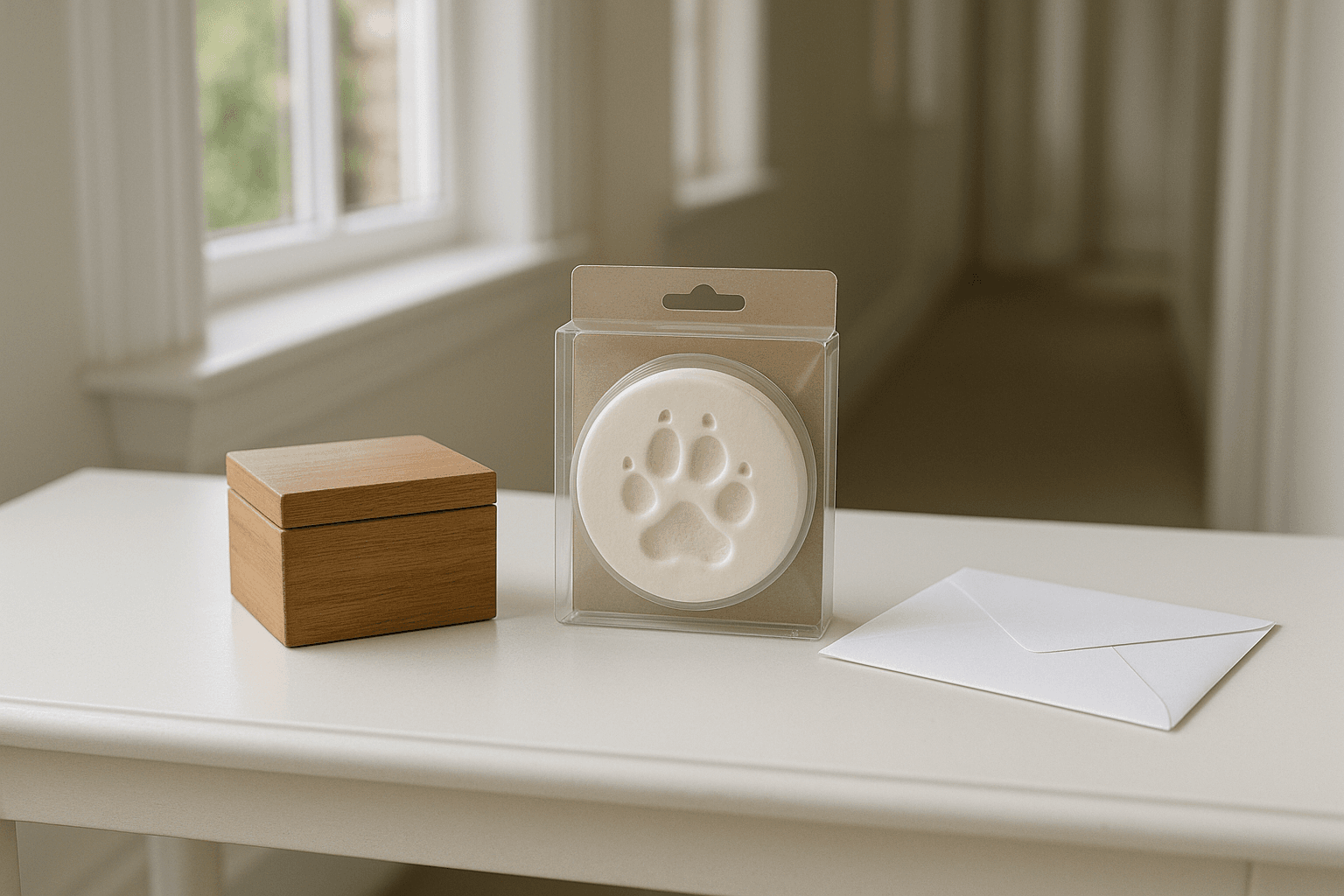
What should I do immediately after my dog dies? Contact your vet, keep your dog somewhere cool if they died at home, and give yourself time before making permanent decisions about aftercare. You do not have to decide everything at once.
Read guide →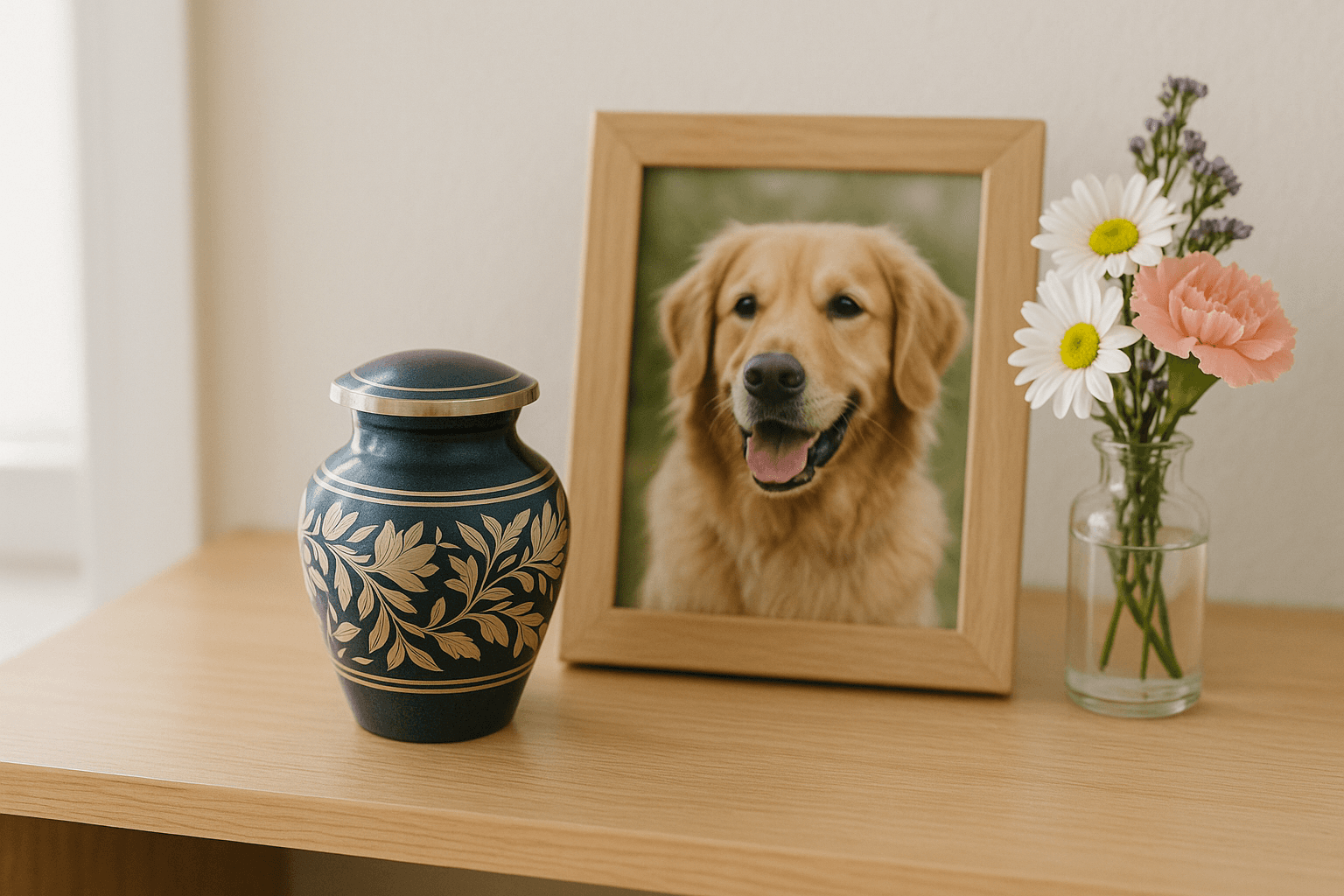
What are the types of dog cremation in the UK? There are three main types: individual cremation (your dog is cremated alone and ashes are returned to you), scatter cremation (ashes are scattered in a garden of remembrance), and communal cremation (multiple animals cremated together, no ashes returned). Individual cremation costs between £150 and £350 depending on the size of your dog and provider.
Read guide →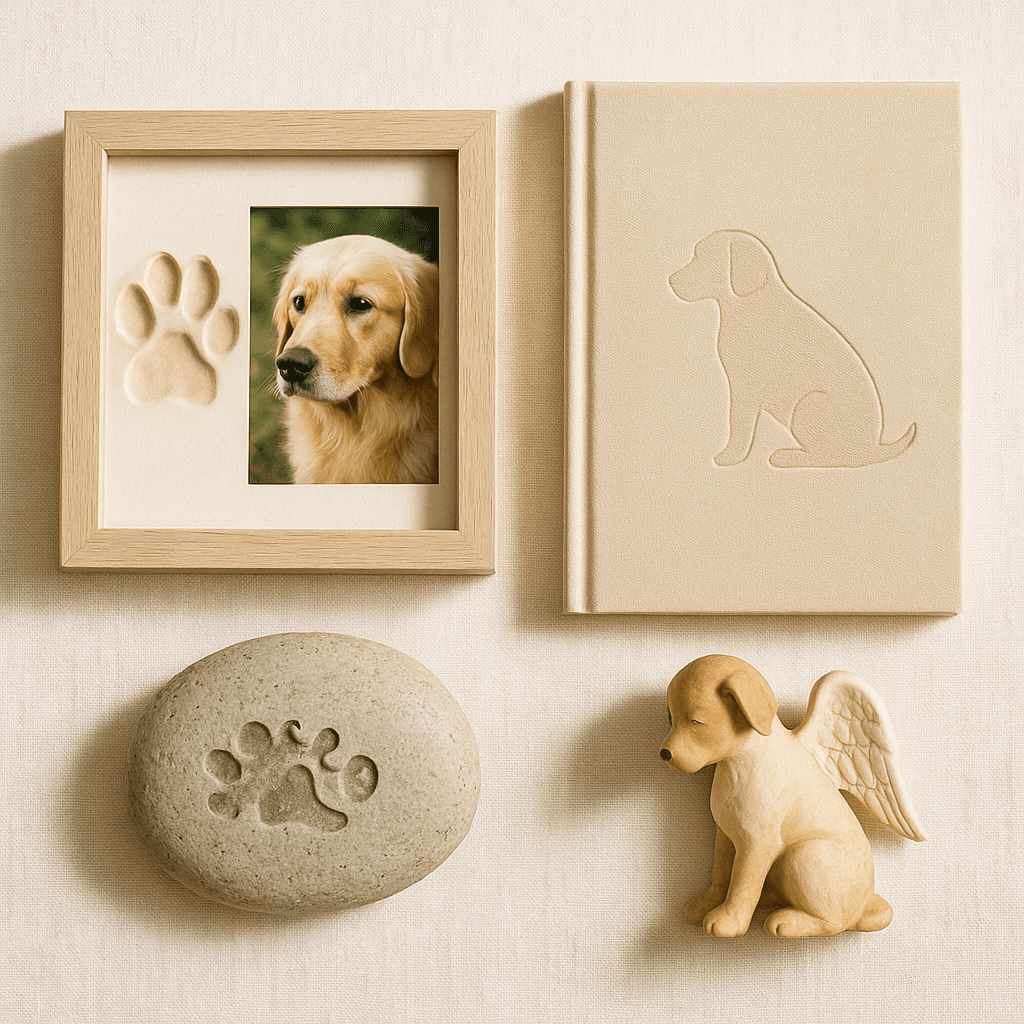
What are the best ways to memorialise a dog? Popular options include commissioned portraits, ashes jewellery, pawprint casts, personalised garden stones, memory boxes, and photo books. The right choice depends on whether you want a physical memorial, something wearable, or a way to give their memory a permanent place in your home or garden.
Read guide →