

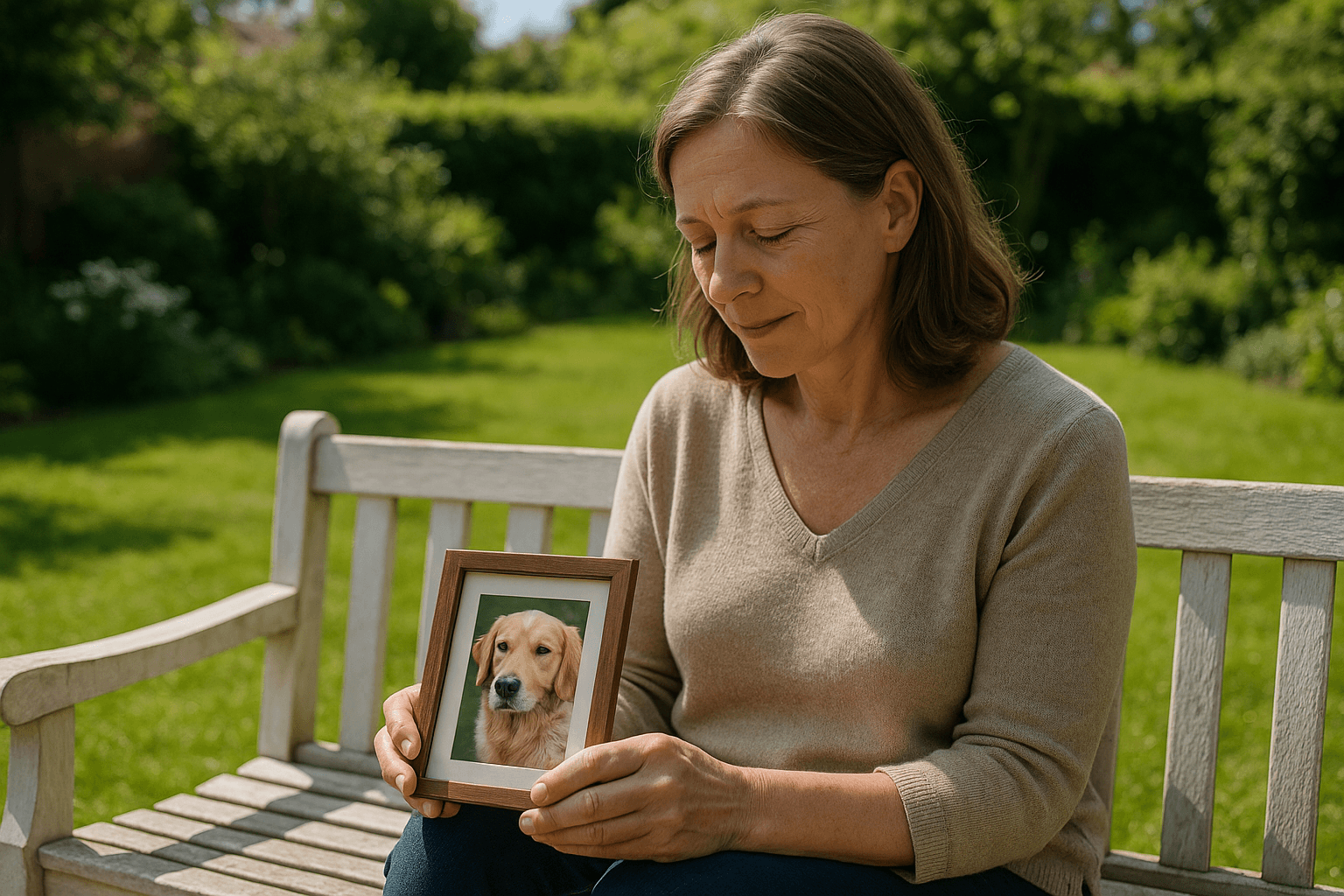
Is What I'm Feeling Normal? Understanding Pet Loss Grief
Quick answer
Is it normal to grieve deeply for a dog? Yes. Research shows that pet loss can trigger grief as intense as losing a close human relationship. The human-animal bond creates patterns of daily attachment, routine, and unconditional connection that, when severed, produce genuine grief responses including shock, sadness, anger, guilt, and physical symptoms.
If you are reading this, you are probably questioning whether what you are feeling is too much. It is not. Here is what the evidence says, and what to expect.
Why Dog Loss Hits So Hard
Dogs are woven into the structure of a day in a way that very few human relationships are. They are there when you wake up, when you come home, when you sit down, when you are at your lowest. The loss of that constant presence is not just emotional -- it is structural. The day itself changes shape. Psychologists use the term 'disenfranchised grief' to describe grief that society does not fully recognise or validate. Pet loss is one of the most common examples. The invisibility of that grief -- people who expect you to be over it quickly, who do not understand why you are still struggling -- often compounds the pain.
What You Might Experience
There is no single sequence of grief. The 'stages of grief' model is widely misunderstood -- it was never meant as a linear checklist. What most people experience is a range of feelings that come and go, sometimes unpredictably.
- Shock and disbelief, even when the death was expected
- Intense sadness that can feel physically heavy
- Guilt -- particularly around end-of-life decisions
- Anger -- at the vet, at the circumstances, at yourself
- Relief (especially after illness), followed by guilt about feeling relief
- Loneliness and an altered sense of daily routine
- Physical symptoms: difficulty sleeping, reduced appetite, low energy All of these are normal. None of them indicate weakness or disproportionate response.
Guilt After Loss
Guilt is one of the most common and least talked-about aspects of dog bereavement. Owners question every decision: Was it the right time? Should I have tried another treatment? Did they know they were loved? In the vast majority of cases, the answer to the last question is yes. Dogs read emotional states with remarkable accuracy. The fact that you are grieving this hard is itself evidence of the relationship they experienced.
When to Seek Help
Grief is not a condition requiring treatment. But if grief is significantly disrupting your ability to function -- work, relationships, basic self-care -- for an extended period, speaking to a professional is not an overreaction. Specific pet bereavement counsellors are available in the UK through the Association of Pet Bereavement Counsellors. A GP referral for general bereavement support is also available. External link: Association of Pet Bereavement Counsellors at apbcounsellors.co.uk.
Frequently Asked Questions
How long does grief last after losing a dog? There is no fixed timeline. Acute grief typically reduces in intensity over six to twelve weeks for most people, but significant grief can persist much longer, particularly for owners for whom the dog was a primary companion. If grief remains severely disabling after several months, professional support is worth seeking. Is it normal to cry a lot after a dog dies? Yes. Crying is a physiological grief response. It does not indicate instability or disproportionate attachment. Some people do not cry at all, which is equally normal. Grief presents differently in different people. Why do I feel guilty after my dog died? Guilt is a near-universal aspect of pet bereavement, especially around euthanasia decisions. In most cases, owners made the best decision they could with the information and circumstances available. Guilt often reflects love and conscientiousness, not failure.
Frequently Asked Questions
Acute grief typically reduces in intensity over six to twelve weeks for most people, but significant grief can persist much longer. If grief remains severely disabling after several months, professional support is worth seeking.
Yes. Crying is a physiological grief response. It does not indicate instability or disproportionate attachment. Some people do not cry at all, which is equally normal.
Guilt is a near-universal aspect of pet bereavement, especially around euthanasia decisions. In most cases, owners made the best decision they could with the information available. Guilt often reflects love and conscientiousness, not failure.
More from Bereavement Support
What to Do When Your Dog Dies: A Practical Step-by-Step Guide
What should I do immediately after my dog dies? Contact your vet, keep your dog somewhere cool if they died at home, and give yourself time before making permanent decisions about aftercare. You do not have to decide everything at once.
Read guide →
Dog Cremation in the UK: Individual, Scatter, and Communal Explained
What are the types of dog cremation in the UK? There are three main types: individual cremation (your dog is cremated alone and ashes are returned to you), scatter cremation (ashes are scattered in a garden of remembrance), and communal cremation (multiple animals cremated together, no ashes returned). Individual cremation costs between £150 and £350 depending on the size of your dog and provider.
Read guide →
20 Ways to Honour Your Dog: Memorial Ideas That Last
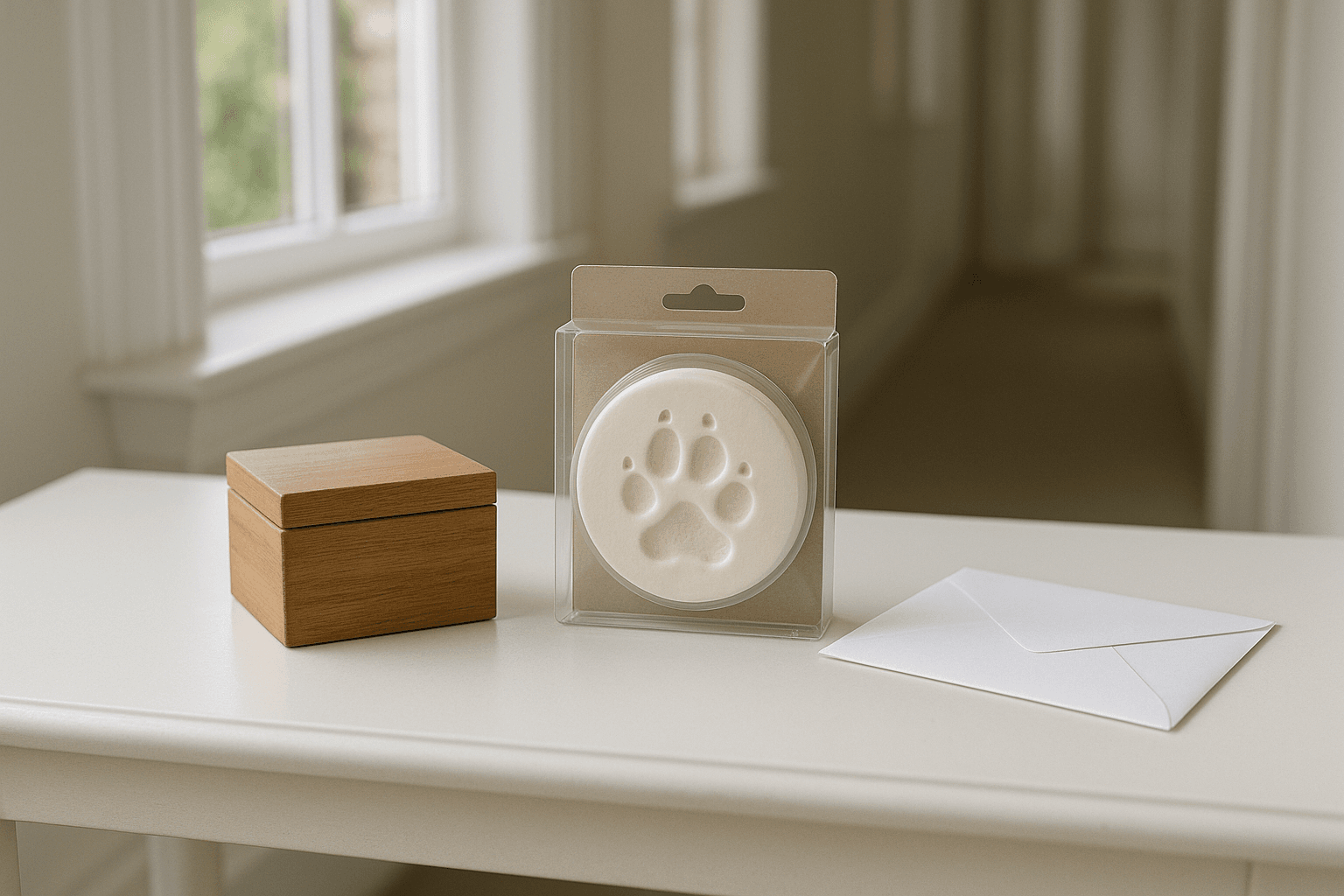
What are the best ways to memorialise a dog? Popular options include commissioned portraits, ashes jewellery, pawprint casts, personalised garden stones, memory boxes, and photo books. The right choice depends on whether you want a physical memorial, something wearable, or a way to give their memory a permanent place in your home or garden.
Read guide →