Afghan Hound
Complete UK breed guide
Quick answer
The Afghan Hound is a large, elegant sighthound of ancient origin requiring 2 or more hours of daily exercise in securely fenced areas. Their long, silky coat demands daily brushing and regular professional grooming. They are independent and can be aloof. Key health concerns include hip dysplasia and cataracts. Lifespan is 12 to 14 years. Prices range from £800 to £1,500.
Quick Facts
- Size
- Large
- Weight
- 26–34 kg
- Lifespan
- 12–14 years
- Breed Group
- Hound
- Exercise
- 120+ mins/day
- Activity Level
- High
- Grooming
- High
- Monthly Cost
- £130–£200/month
- Temperament
- Independent, Aloof, Dignified
- Good with Children
- No
- Good with Dogs
- No
- Good for First Timers
- No
- Suits Flats
- No
Free care guide
Get the Complete Afghan Hound Care Guide
Feeding, health, grooming, training and costs for your Afghan Hound. Free, straight to your inbox.
Getting set up
Getting a Afghan Hound? Here's what you'll need.
Our editors have picked the essentials for Afghan Hound owners.
See the Active Dog Kit →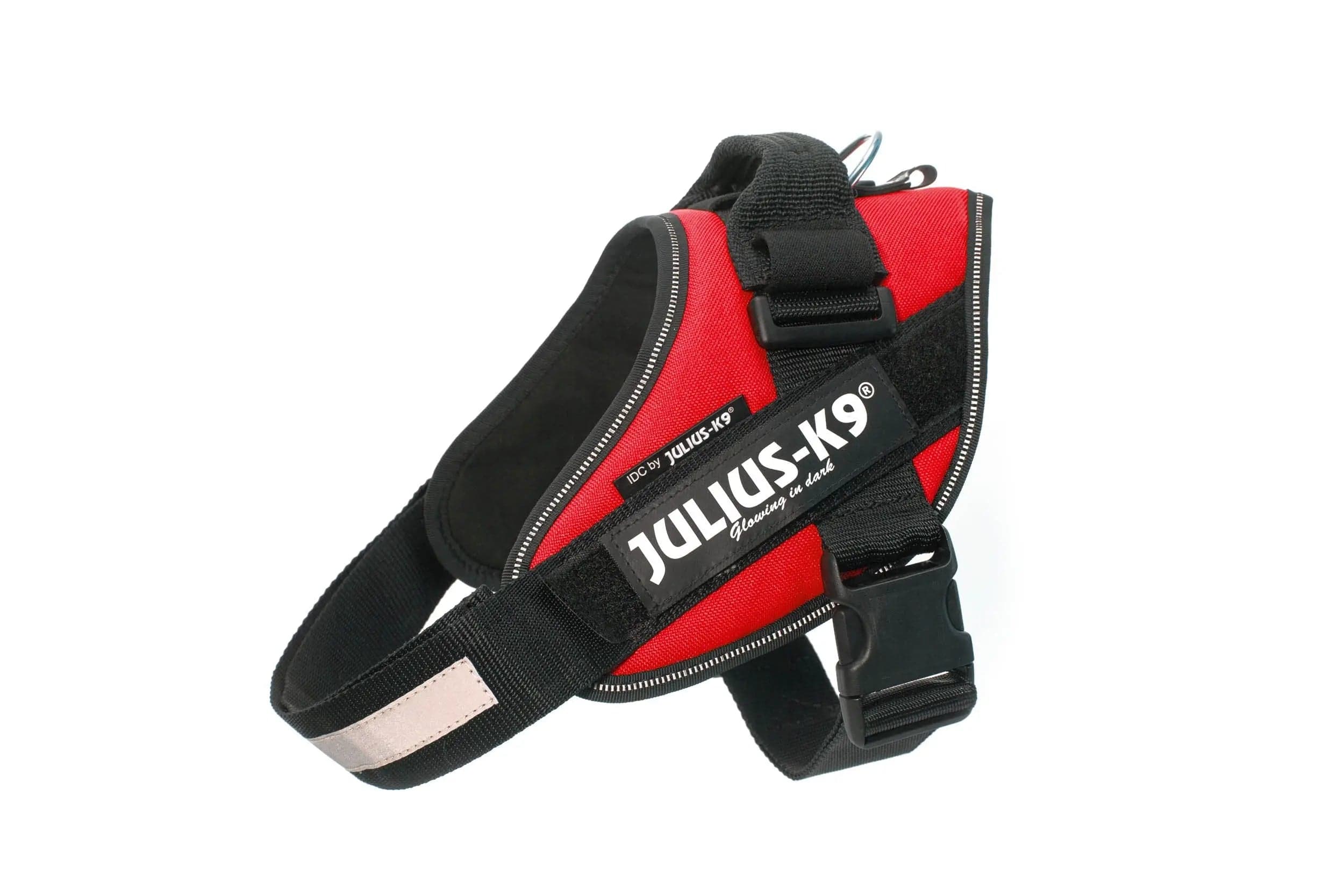
Recommended for Adult Dogs for Afghan Hounds
Products selected for Afghan Hound size, coat type, and life stage. Affiliate disclosure.
PetFusion
PetFusion Ultimate Dog Bed (Large)
Memory foam orthopedic bed with waterproof cover. Ideal for large breeds.
Shop PetFusionTuffies
Shop NowKurgo
Shop NowProDen PlaqueOff
VOHC-accepted. Seaweed-based dental bone with multiple flavours. From the makers of PlaqueOff Powder.
Buy on AmazonHurtta
Hurtta Mudventure ECO Raincoat (Large)
Reflective, eco-friendly raincoat built for UK weather. Large size.
Shop HurttaLily's Kitchen
Shop NowAATU Dog and Cat Food
Shop NowBarking Heads
Shop NowRoyal Canin
Royal Canin Breed-Specific Food
Nutrition precision-tailored to your breed.
Shop Royal CaninHarringtons
The UK's bestselling dry dog food. No artificial colours, flavours or preservatives. Made with natural ingredients including chicken, brown rice and vegetables. Available in multiple sizes.
Shop NowAndis
Shop NowAnimology
The UK groomer standard for removing fox poo and foul odours. Deep cleaning with built-in conditioner and Pro-Vitamin B5. Suitable for all coats from 6 weeks old.
Shop NowBoshel
Shop NowChris Christensen
Shop NowDrontal
Shop NowPets Calm Down
Shop NowRosewood
Shop NowJulius-K9
Julius-K9 IDC Powerharness (Large)
Award-winning harness trusted by dog owners worldwide. Large size (23-30kg).
Shop Julius-K9PitPat
Shop NowFurbo
Shop NowNina Ottosson
Nina Ottosson Dog Puzzle
Level 2 puzzle feeder. Engages your dog mentally and slows eating.
Try Nina OttossonLickiMat
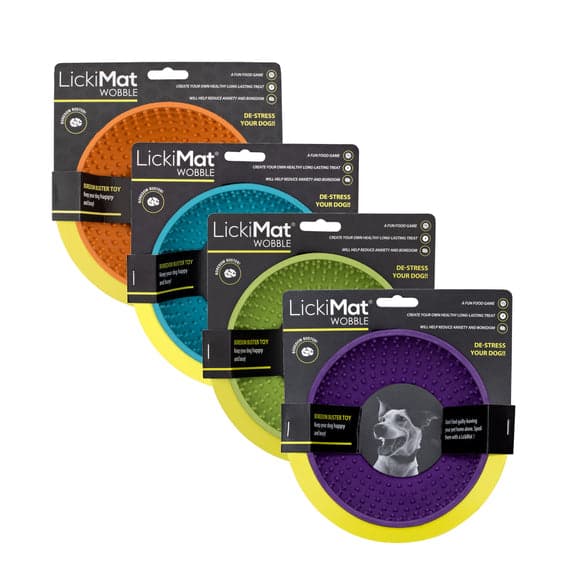
LickiMat Wobble
Slows feeding, reduces anxiety, keeps dogs calm and engaged.
Try LickiMatKONG
KONG Classic (Large)
The classic rubber chew for large and giant breeds.
Shop KONGChuckit
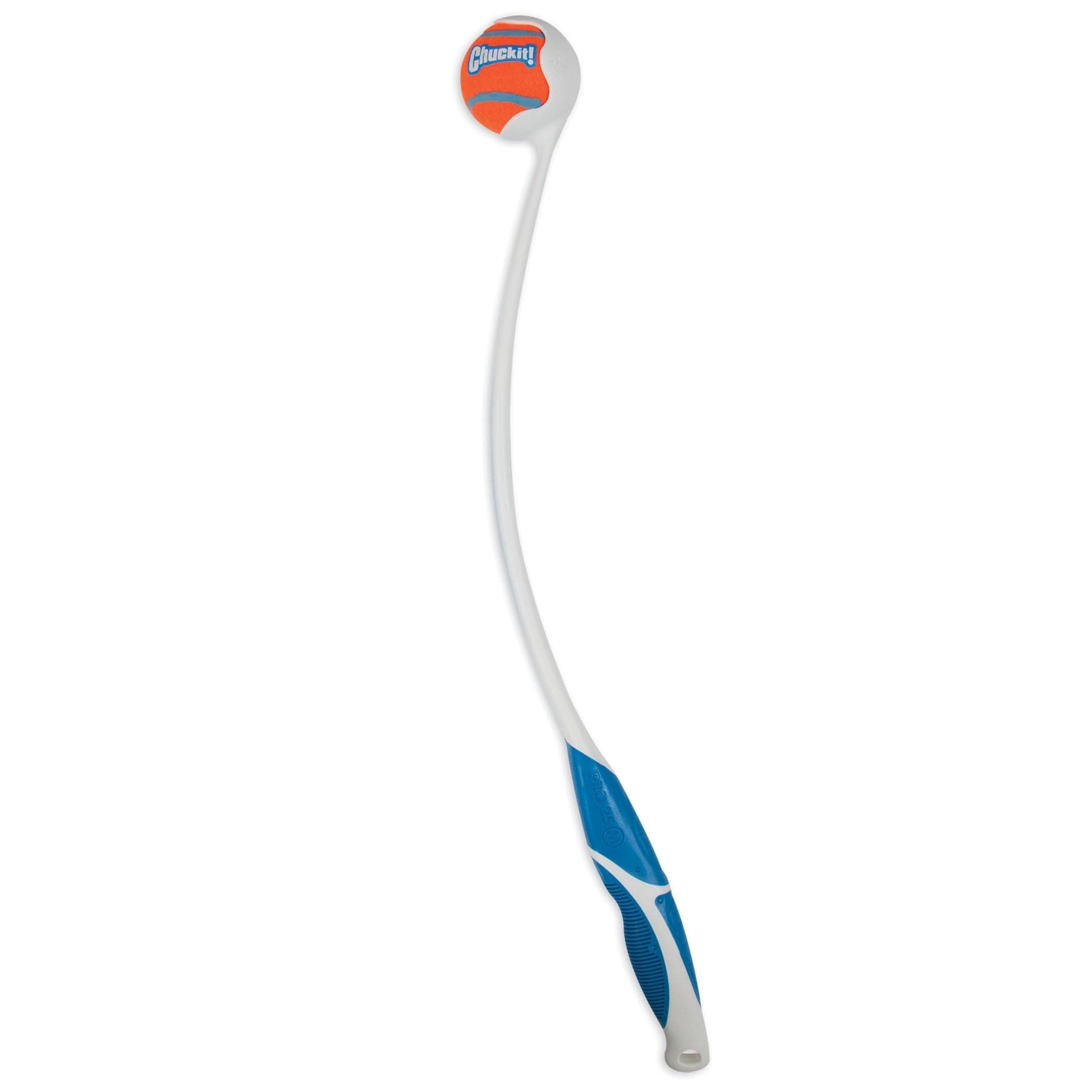
Chuckit! Ball Launcher (Large)
Launch further, throw less. Sport 26L launcher for large dogs.
Shop Chuckit!Trixie
Shop NowDoggone Good
Shop NowFURminator
FURminator Deshedding Tool (Large, Long & Double Coat)
Reduces shedding by up to 90% for large long-coated dogs.
Shop FURminatorBreed Overview
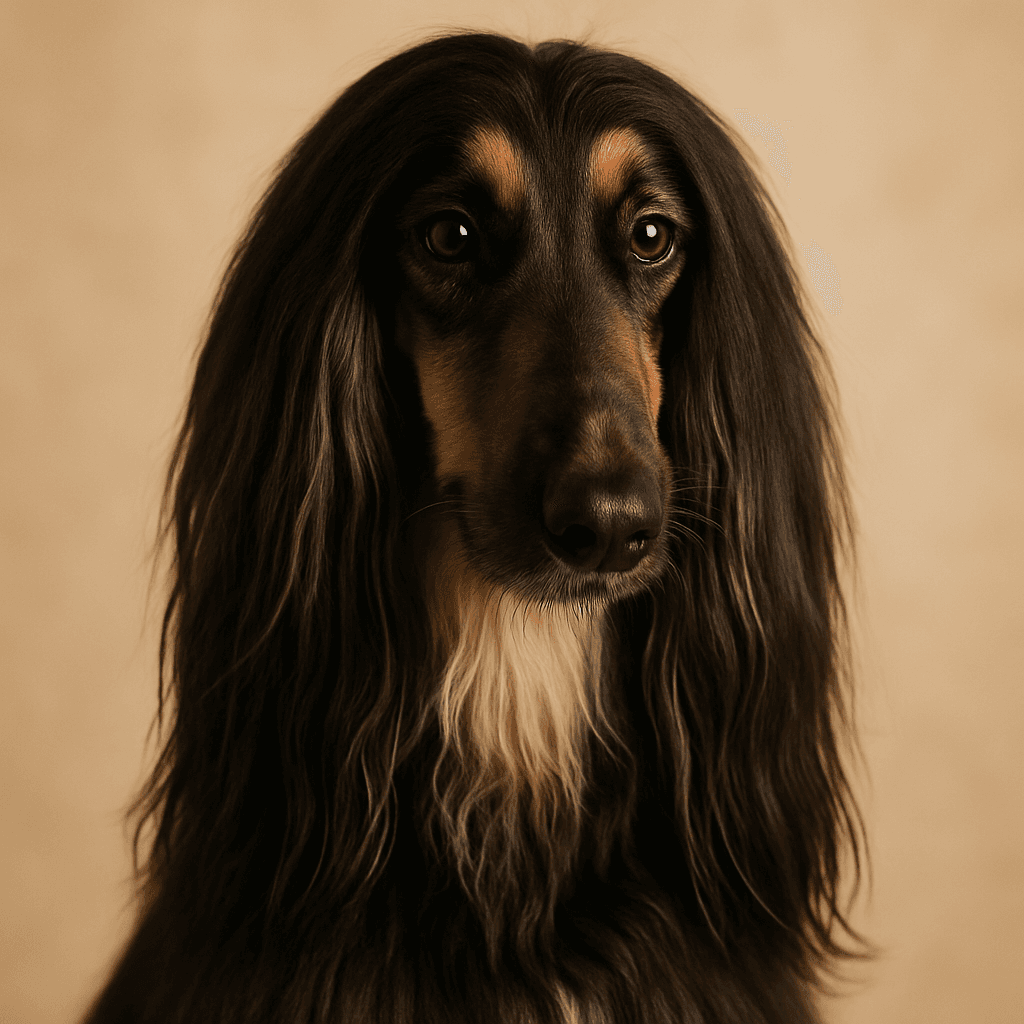
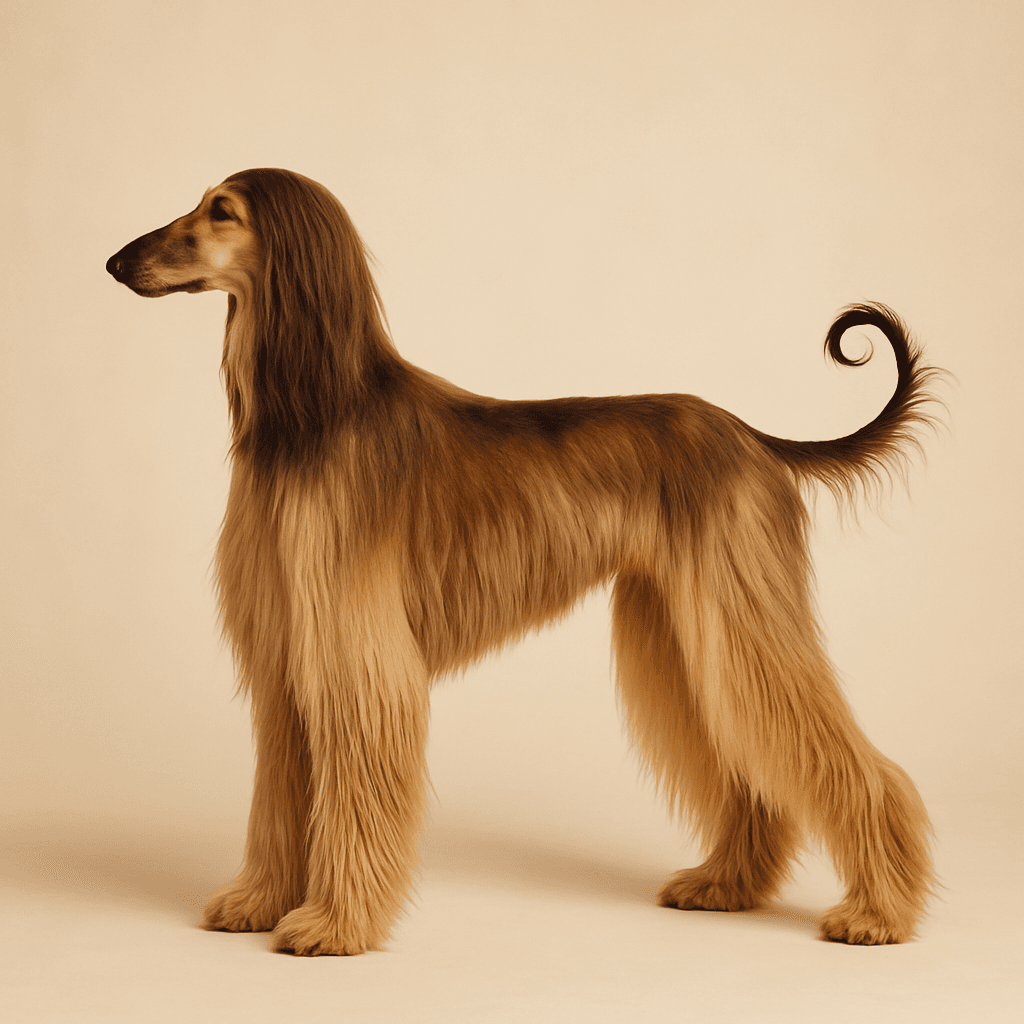
The Afghan Hound is one of the oldest and most visually distinctive breeds in the world. With its flowing silky coat, aristocratic bearing and ancient origins in the mountains of Afghanistan and Pakistan, it occupies a unique position among British-owned dogs: unmistakeable in appearance, entirely unlike any other breed in character, and demanding in ways that owners do not always anticipate before acquiring one. It is registered by the Kennel Club in the Hound Group.
The Afghan Hound was bred over thousands of years as a coursing dog capable of hunting large prey across difficult mountainous terrain at speed. The modern Afghan Hound retains every element of that heritage: the speed, the prey drive, the independence and the stamina. It is not, in any meaningful sense, a companion breed in the mould of a Labrador or Golden Retriever. It is a sighthound of ancient working lineage that has been adapted to domestic life, and those who approach it with that understanding are far better prepared for ownership.
In temperament, the Afghan Hound is dignified, independent and selective with its affection. It forms genuine bonds with its household but on its own terms rather than on demand. It is not a dog that will follow its owner from room to room or perform eagerly for strangers. Its loyalty is real but expressed quietly. New owners expecting overt, retrieverhound-style affection are often surprised by the Afghan's self-contained reserve.
The exercise requirement is substantial. A minimum of 2 hours daily, with access to securely fenced areas where the dog can gallop freely, is essential for physical and mental wellbeing. The prey drive is the governing safety consideration: once an Afghan Hound locks onto a target, its speed and commitment make recall functionally impossible. Off-lead exercise in unsecured areas is never appropriate regardless of how well trained the individual dog is.
The grooming commitment is the defining practical challenge of ownership and the most common reason Afghan Hounds enter rescue. The long, silky coat requires daily brushing of 15 to 30 minutes to prevent matting. Professional grooming every 6 to 8 weeks for bathing, blow-drying and coat maintenance is not optional. The coat cannot be air-dried without matting. Monthly grooming costs of £70 to £120 are a permanent running cost of owning this breed. Anyone unwilling or unable to commit to this daily grooming routine should seriously reconsider this breed.
Training is a study in patience. Afghan Hounds are intelligent and learn quickly, but they apply their learning according to their own judgement. Compliance is selective. Recall in open areas is not achievable. Positive, calm, consistent methods produce the best outcomes. Harsh corrections or repetitive drilling produce disengagement and avoidance.
Health considerations include anaesthetic sensitivity as a sighthound, hip dysplasia, hereditary cataracts and a slightly elevated incidence of chylothorax. All sighthound owners must inform every vet that their dog is a sighthound before any procedure. Insurance premiums of £40 to £80 per month reflect a moderate health risk profile. Purchase prices from KC-registered breeders typically range from £800 to £1,500. Lifespan is 12 to 14 years.
The Afghan Hound rewards owners who come to it with clear eyes, appropriate expectations and a genuine appreciation for independence and elegance over biddability. For those owners, it is one of the most extraordinary breeds available. The grooming is the entry toll. Pay it willingly, or choose a different breed.
Temperament & Personality
Afghan Hounds are dignified, aloof and independent dogs with an elegance that extends to their personality. They are not demonstratively affectionate in the way many popular companion breeds are, but they form genuine bonds with their household on their own terms.
They are sensitive dogs that respond poorly to harsh handling or tense environments. They read atmosphere carefully and will disengage from situations they find uncomfortable. Their independence is not remoteness: it is a dignified self-possession that makes them unique among popular breeds.
The prey drive is the most important practical characteristic. Once a chase is triggered, the Afghan Hound is committed. No amount of training eliminates this: it requires permanent environmental management.
At home, when relaxed and comfortable, Afghan Hounds are gentle, quiet and often affectionate in a restrained way. They are not boisterous and do not demand constant attention. They make excellent companions for those who appreciate a dog with self-contained dignity.
For owners who understand and respect the breed's nature, the Afghan Hound is a deeply rewarding companion. For those expecting easy biddability and overt affection, it is a persistent frustration.
Training
Afghan Hounds are intelligent but famously independent. They are not biddable dogs in the way retrievers or herding breeds are.
Training reality: Afghan Hounds learn quickly but apply what they have learned according to their own judgement. Compliance is not guaranteed. This is a characteristic of the breed, not a training failure.
Positive reinforcement: Food rewards and gentle encouragement work better than repetitive commands or corrections. Keep sessions short and interesting.
Recall: Reliable recall in open unsecured areas is not achievable in most Afghan Hounds. Prey drive is too strong and speed too great. Off-lead exercise in unsecured areas is not appropriate regardless of training history.
Early socialisation: Important for producing confident, well-adjusted dogs. Broad exposure before 16 weeks reduces the tendency toward aloofness.
Patience: The most important attribute for anyone training an Afghan Hound. Impatience and repetition produce disengagement.
Exercise Needs
Afghan Hounds are athletic sighthounds that need substantial exercise with appropriate management for their prey drive.
Daily exercise: A minimum of 2 hours per day, split into sessions.
Off-lead exercise: This is the critical management point. Afghan Hounds have a powerful prey drive and, as sighthounds, can reach speeds that make recall impossible once a chase begins. Off-lead exercise must only take place in securely fenced areas. Fencing must be adequate to contain a large, athletic dog.
Free running: Access to a large, secure enclosed space where the Afghan can gallop freely is important for physical and mental wellbeing.
Mental stimulation: Lure coursing, sighthound meet-ups and scent activities all provide breed-appropriate engagement.
Health & Vet Costs
Afghan Hounds carry several health conditions, with a particular consideration for anaesthetic sensitivity as sighthounds.
Anaesthetic sensitivity: Like all sighthounds, Afghan Hounds metabolise certain anaesthetic agents differently due to their very low body fat percentage. Any vet treating an Afghan Hound must be informed the dog is a sighthound before any anaesthetic procedure. Most experienced vets adjust protocols accordingly.
Hip Dysplasia: Present in the breed. KC/BVA Hip Scoring assesses breeding dogs. Ask breeders for scores on both parents.
Cataracts: Hereditary cataracts occur in the breed. The BVA/KC Eye Scheme assesses breeding dogs. Ask for current eye certificates.
Chylothorax: An uncommon condition in which lymphatic fluid accumulates in the chest cavity. Afghan Hounds appear to have a slightly elevated incidence compared to most breeds.
Hypothyroidism: Occurs in some individuals, causing weight gain, lethargy and coat changes.
Bloat (GDV): Deep-chested breeds carry elevated risk. See nutrition section.
Monthly insurance typically costs £40 to £80. Lifespan is 12 to 14 years.
Feeding & Nutrition
Afghan Hounds are large, lean dogs with the nutritional profile of an athletic sighthound.
Daily food cost: £2.50 to £4 per day.
Monthly food cost: Approximately £50 to £85 per month.
Feeding routine: Two meals per day. As with all deep-chested breeds, avoid vigorous exercise immediately before and after feeding.
Bloat risk: Afghan Hounds are deep-chested and carry some risk of gastric dilatation-volvulus. Feed calmly and monitor after meals. Signs of bloat are a veterinary emergency.
Weight management: Afghan Hounds should be lean. Excess weight on a sighthound frame stresses joints and reduces agility. Ribs should be easily felt.
Feeding your Afghan Hound
How much to feed, which food types suit this breed, and what to avoid.
Grooming & Care
The Afghan Hound's long, silky coat is one of the most demanding grooming commitments of any breed.
Brushing: Daily brushing is required to prevent the coat from matting and tangling. The long coat on the body, legs and ears mats quickly if not maintained. Use a pin brush and work through the coat systematically.
Professional grooming: Every 6 to 8 weeks for bathing, blow-drying and coat maintenance.
Monthly professional grooming cost: £70 to £120 depending on coat condition and location.
Bathing: Afghan Hound coats require thorough bathing and professional-standard blow-drying to maintain condition. This cannot be air-dried without matting.
Coat care products: Conditioning sprays and appropriate shampoos specific to long coats are a running cost.
Time commitment: Daily grooming sessions of 15 to 30 minutes are a realistic expectation for a coat-kept Afghan Hound.
Costs of Ownership
Purchase price: £800 to £1,500 from a KC-registered health-tested breeder.
Monthly food: £50 to £85.
Pet insurance: £40 to £80 per month for lifetime comprehensive cover.
Professional grooming: £70 to £120 every 6 to 8 weeks.
Grooming products: Conditioning sprays, specialist shampoos - budget £20 to £40 per month.
Total estimated monthly running cost: £180 to £320 per month, making the Afghan Hound one of the more expensive breeds to maintain.
Estimated cost breakdown
Estimates based on UK average costs. Actual costs vary by location, vet, and lifestyle.
Owner note
Is your Afghan Hound insured?
Afghan Hound insurance typically costs £30–£75 per month depending on age, cover level and where you live. Getting the right policy before your first vet visit is one of the most important decisions you will make as a new owner.
Compare dog insuranceWe may earn a commission if you buy through our links. This never influences our recommendations.
Where to Find a Afghan Hound in the UK
Whether you are looking for a Afghan Hound puppy from a responsible breeder or hoping to give a rescue Afghan Hound a second chance, there are reliable routes to finding the right dog. The most important thing is that you find them through the right channel — one that puts the dog's welfare first.
Finding a Afghan Hound Puppy
The Kennel Club's Find a Puppy service is the safest starting point for anyone looking for a Afghan Hound puppy. It connects buyers with breeders who register their litters and allows you to verify parental health test results.
For Afghan Hounds, the relevant breed club is Afghan Hound Association. They maintain a breeder register and can be contacted directly for recommendations.
Before you commit, read our complete guide to finding a puppy responsibly — including the red flags that separate an ethical breeder from a puppy farm.
Read the Puppy Buying GuideRescuing a Afghan Hound
Afghan Hound-specific rescue organisations are run by people who know the breed inside out. They assess every dog carefully and match them to homes that genuinely suit their needs. Waiting lists exist but are worth it.
Key Afghan Hound rescues in the UK include:
Our rescue guide covers the full adoption process in detail.
Find a Rescue DogIs a Afghan Hound Right for You?
Best suited to: Experienced dog owners, those who can commit to extensive daily grooming, owners with access to securely fenced off-lead exercise areas.
Not suited to: First-time owners, busy households that cannot meet grooming demands, those wanting a biddable, responsive breed.
Children: Generally tolerant but not particularly demonstrative with children. Better suited to households with older, calm children who respect the dog's independence.
Other dogs: Usually sociable with other dogs, particularly other sighthounds. Can be aloof with unfamiliar dogs.
Cats and small animals: Strong prey drive. Cohabitation with cats and small animals requires very careful introductions and permanent management.
Flat or house: Requires a house with garden access and secure fencing. Not suited to flat living.
First-time owners: Not recommended. The combination of independent temperament, grooming demands and exercise requirements suits experienced owners.
Frequently Asked Questions
Afghan Hounds are not typically recommended for families with children. They are sensitive, aloof dogs that prefer calm environments and can be easily startled or stressed by the noise and unpredictability of young children. They bond closely with their owners but require respectful, gentle handling.
Afghan Hounds require 90-120 minutes of exercise daily to stay healthy and content. They have high energy levels and enjoy long walks, running, and opportunities to stretch their legs in secure spaces. Without adequate exercise, they may become destructive or develop behavioural problems.
Afghan Hounds shed moderately year-round, with heavier shedding during seasonal coat changes. Regular brushing, ideally several times per week, helps manage loose hair and keeps their long coat healthy and tangle-free.
Afghan Hounds are notoriously difficult to train due to their independent and stubborn nature. They respond poorly to harsh corrections and require patient, consistent, positive reinforcement methods. Early socialisation and training are essential, though results may still be limited compared to more obedient breeds.
Afghan Hounds typically live between 12-14 years. With proper care, including regular exercise, a balanced diet, and routine veterinary check-ups, some individuals may live slightly longer.
The monthly cost of owning an Afghan Hound is estimated at £130-£200. This covers food, grooming supplies, routine veterinary care, and other essentials. Grooming costs can be particularly high due to their long, silky coat requiring professional maintenance.
Afghan Hounds are not suitable for first-time dog owners. They require experienced handlers who understand their independent temperament, have the time for extensive grooming, and can provide consistent training and socialisation. Their aloof nature and exercise demands make them challenging for novice owners.
Related Breeds
Borzoi
The Borzoi is a large, elegant Russian sighthound bred to coursing wolves at speed. Gentle and affectionate at home, it ...
View breed guide →Deerhound
The Scottish Deerhound is one of the tallest dog breeds - an ancient sighthound bred to course red deer in the Scottish ...
View breed guide →Saluki
The Saluki is one of the world's oldest dog breeds, a slender, elegant sighthound from the Middle East developed over mi...
View breed guide →Related Guides
Find local services for your Afghan Hound
Search verified UK listings for vets, groomers, trainers and walkers near you.
Upcoming events for Afghan Hound owners
Championship Show
Darlington Dog Show Society Championship Show 2026
18 to 20 September 2026 · Ripon, North Yorkshire
Companion Show
Paws in the Park — Kent 2026
19 to 20 September 2026 · Maidstone, Kent
Championship Show
Belfast Dog Show Society Championship Show 2026
26 to 27 September 2026 · Lisburn, County Antrim
Festival
DogFest at the Palace 2026
3 to 4 October 2026 · Woodstock, Oxfordshire
Championship Show
South Wales Kennel Association Championship Show 2026
8 to 11 October 2026 · Builth Wells, Powys