

Australian Terrier
Complete UK breed guide

Quick answer
The Australian Terrier is a small, hardy working terrier developed in Australia for catching small prey. Bold, loyal and intelligent, they need moderate daily exercise and consistent training to manage their independent terrier nature. Key health concerns include patellar luxation, Legg-Calve-Perthes disease and diabetes mellitus. Lifespan is 12 to 15 years. Prices range from £500 to £1,000.
Quick Facts
- Size
- Small
- Weight
- 6–7 kg
- Lifespan
- 12–15 years
- Breed Group
- Terrier
- Exercise
- 30–45 mins/day
- Activity Level
- Moderate
- Grooming
- Moderate
- Monthly Cost
- £80–£130/month
- Temperament
- Spirited, Loyal, Alert
- Good with Children
- Yes
- Good with Dogs
- Yes
- Good for First Timers
- Yes
- Suits Flats
- Yes
Free care guide
Get the Complete Australian Terrier Care Guide
Feeding, health, grooming, training and costs for your Australian Terrier. Free, straight to your inbox.

Getting set up
Getting a Australian Terrier? Here's what you'll need.
Our editors have picked the essentials for Australian Terrier owners.
See the First Dog Kit →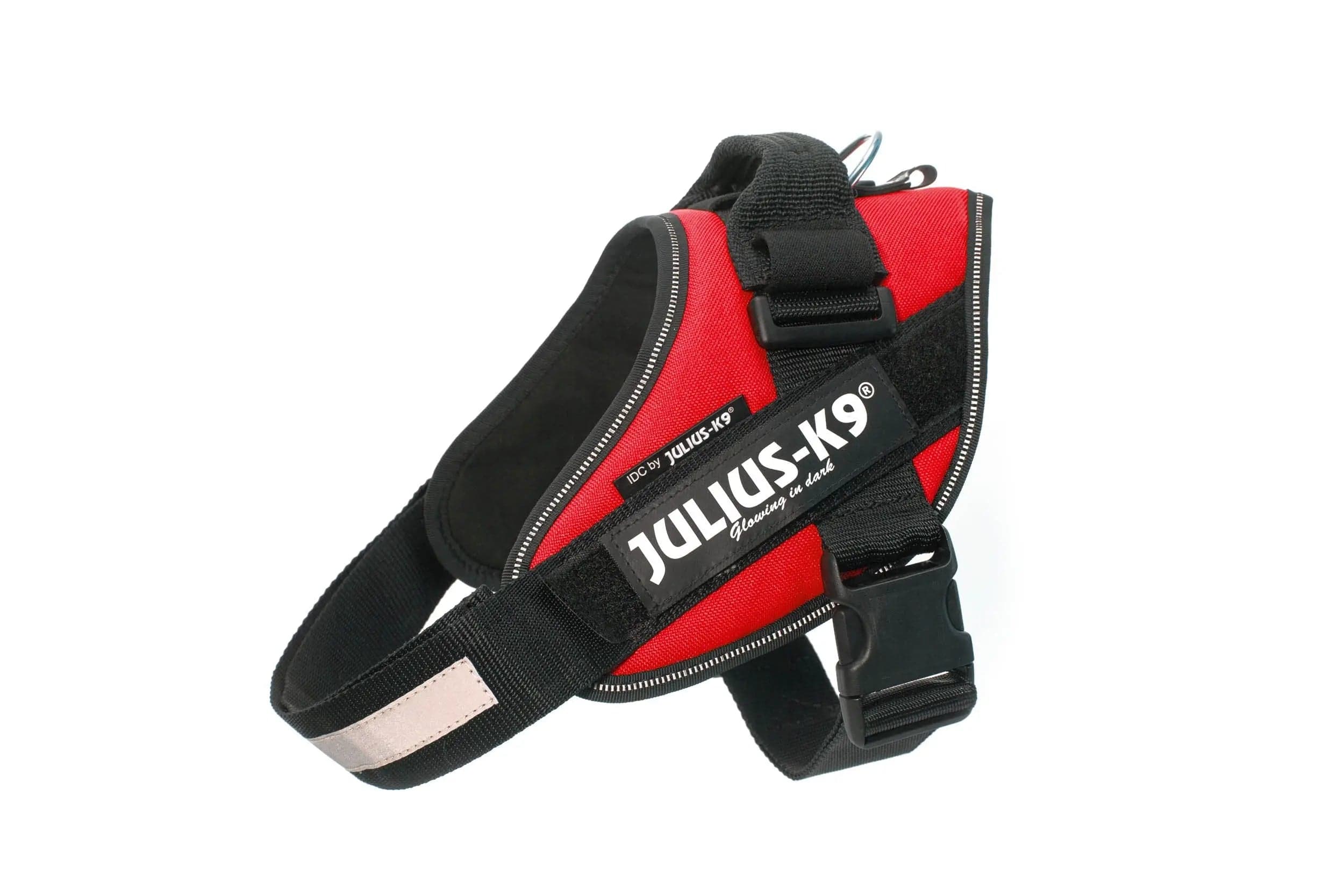
Recommended for Adult Dogs for Australian Terriers
Products selected for Australian Terrier size, coat type, and life stage. Affiliate disclosure.
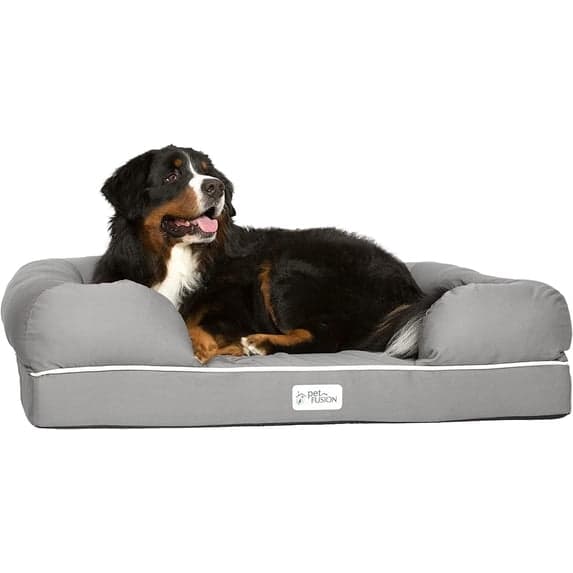
PetFusion
PetFusion Ultimate Dog Bed (Small)
Memory foam orthopedic bed with waterproof cover. Ideal for small and medium dogs.
Shop PetFusionTuffies
Shop NowKurgo
Shop NowWhimzees by Wellness
VOHC-accepted. Plant-based, grain-free. Five sizes. Best all-round dental chew for most dogs.
Buy on AmazonHurtta
Hurtta Mudventure ECO Raincoat (Small)
Reflective, eco-friendly raincoat built for UK weather. Small size.
Shop HurttaHarringtons
The UK's bestselling dry dog food. No artificial colours, flavours or preservatives. Made with natural ingredients including chicken, brown rice and vegetables. Available in multiple sizes.
Shop NowLily's Kitchen
Shop NowAATU Dog and Cat Food
Shop NowBarking Heads
Shop NowRoyal Canin
Royal Canin Breed-Specific Food
Nutrition precision-tailored to your breed.
Shop Royal CaninBoshel
Shop NowAnimology
The UK groomer standard for removing fox poo and foul odours. Deep cleaning with built-in conditioner and Pro-Vitamin B5. Suitable for all coats from 6 weeks old.
Shop NowPets Calm Down
Shop NowDrontal
Shop NowRosewood
Shop NowPitPat
Shop NowJulius-K9
Julius-K9 IDC Powerharness (Small)
Award-winning harness trusted by dog owners worldwide. Small size (7-15kg).
Shop Julius-K9Furbo
Shop NowChuckit
Chuckit! Ball Launcher (Small)
Launch further, throw less. Mini launcher for small dogs.
Shop Chuckit!LickiMat
LickiMat Wobble
Slows feeding, reduces anxiety, keeps dogs calm and engaged.
Try LickiMatKONG
KONG Classic (Small)
The classic rubber chew for small dogs and puppies.
Shop KONGNina Ottosson
Nina Ottosson Dog Puzzle
Level 2 puzzle feeder. Engages your dog mentally and slows eating.
Try Nina OttossonTrixie
Shop NowDoggone Good
Shop NowBreed Overview
The Australian Terrier is a small, hardy and spirited working terrier developed in Australia in the 19th century from crosses of several British terrier breeds including the Dandie Dinmont, Skye, Yorkshire and various rough-coated terriers. The goal was a robust, versatile working dog capable of hunting small prey, controlling snakes and guarding property in the demanding conditions of the Australian frontier. Registered by the Kennel Club in the Terrier Group, the modern Australian Terrier carries that working character intact: alert, bold, loyal and entirely unconcerned about its small stature.
The Australian Terrier is one of the smaller working terrier breeds but is built for function rather than decoration. Its short, rough double coat is weather-resistant; its body is sturdy; its mind is active. It is classified in the Terrier Group rather than the Toy Group, which is a meaningful distinction: this is a proper working terrier, not a companion breed that happens to be small.
In the home, Australian Terriers are loyal, affectionate and engaging companions. They bond closely with their family and are particularly devoted to their primary person. They are energetic and playful, wanting involvement in household activity rather than being sidelined in a corner. They adapt well to smaller homes and flat living when their exercise and stimulation needs are met, which makes them more versatile than their working heritage might suggest.
The terrier character is the key to understanding what ownership involves. Australian Terriers are independent thinkers who test boundaries, act on their own assessment of situations and will selectively apply the training they have received when it suits them. This is not defiance in a negative sense: it is the working intelligence of a breed that was expected to make its own decisions in the field. Consistent, patient, positive training from the first week at home produces well-adjusted, manageable dogs. Inconsistent rules produce dogs that make their own.
The prey drive is strong and permanent. Rabbits, guinea pigs, birds and other small animals are at genuine risk. Cats raised from puppyhood with the dog have a better prospect, but vigilance remains necessary. Off-lead exercise in unsecured areas is inadvisable regardless of the individual dog's training history.
Grooming is relatively straightforward: the rough double coat requires brushing once or twice weekly and professional attention every 8 to 12 weeks. Show dogs are hand-stripped to maintain coat texture; pet owners typically clip, which is simpler and perfectly acceptable.
Health considerations include patellar luxation, Legg-Calve-Perthes disease and a notably higher predisposition to diabetes mellitus than most breeds. Owners should be aware of the signs of diabetes: increased thirst, increased urination and unexplained weight loss. Insurance of £18 to £35 per month reflects a relatively economical health profile. Purchase prices from reputable breeders typically range from £500 to £1,000. Lifespan is 12 to 15 years.
The Australian Terrier is an excellent choice for owners who want a genuine working terrier in a manageable size, can commit to consistent training and appreciate independence and spirit in a dog. It is compact, resilient and entertaining - a proper terrier in a small but capable package.
Temperament & Personality
Australian Terriers are lively, loyal and self-confident dogs with the spirited character typical of working terrier breeds. They are alert to their environment and have a natural watchdog instinct that belies their small size.
Within the home they are affectionate and devoted to their family, often attaching particularly strongly to one person. They are energetic and playful and do not settle well to being ignored or left for long periods.
Their independence is genuine: the Australian Terrier will make its own assessments and act accordingly. This makes training a matter of consistency and patience rather than simple instruction-following.
The prey drive toward small animals is strong and permanent. Cohabitation with rabbits, guinea pigs and birds is high risk regardless of the individual dog's socialisation history. Cats raised with the dog from puppyhood have a better prospect, but vigilance is always required.
For owners who understand and appreciate terrier character, the Australian Terrier is an entertaining, loyal and resilient companion.
Training
Australian Terriers are intelligent and responsive but retain the terrier's independent nature. Consistent, positive training produces good results.
Positive reinforcement: Food and play rewards work well. Keep sessions short, varied and engaging.
Terrier independence: Expect the dog to test rules regularly and comply selectively. Clear, consistent household rules established from day one are essential.
Early socialisation: Broad exposure to people, animals and environments before 16 weeks builds confidence and reduces reactivity.
Prey drive management: This cannot be eliminated through training. Secure fencing and lead discipline are permanent management requirements.
Good to know
Exercise Needs
Australian Terriers are active and energetic for their size but have manageable exercise requirements.
Daily exercise: 30 to 45 minutes per day, ideally including some off-lead time in a securely fenced area.
Off-lead: Prey drive and terrier determination make off-lead exercise in unsecured areas risky. A strong recall and secure fencing are both needed.
Mental stimulation: Terrier intelligence needs engagement. Short training sessions, puzzle feeders and games provide important mental exercise alongside physical activity.
Digging: Australian Terriers are enthusiastic diggers. Be aware of this when planning garden management.
Health & Vet Costs
Australian Terriers share several health conditions with other small terrier breeds.
Patellar Luxation: Common in the breed. Severity ranges from mild to requiring surgery.
Legg-Calve-Perthes Disease: Affects the femoral head in small breeds. Surgical correction is usually effective.
Diabetes Mellitus: The Australian Terrier has a documented higher predisposition to diabetes than most breeds. Early recognition of signs - increased thirst, urination, weight loss - allows prompt management with insulin.
Dental Disease: Prevalent in small breeds. Daily toothbrushing and periodic professional cleaning are important preventive measures.
Monthly insurance typically costs £18 to £35. Lifespan is 12 to 15 years.
Feeding & Nutrition
Australian Terriers are small dogs with moderate energy requirements and a particular health consideration around diabetes.
Daily food cost: £1 to £2 per day.
Monthly food cost: Approximately £20 to £40 per month.
Feeding routine: Two small meals per day. Consistent feeding times and portion control support metabolic health.
Diabetes awareness: The breed has elevated risk of diabetes mellitus. Maintaining healthy weight and a consistent, high-quality diet reduces metabolic stress.
Dental health: Small terrier breeds are prone to dental disease. Daily toothbrushing is recommended from puppyhood.
Feeding your Australian Terrier
How much to feed, which food types suit this breed, and what to avoid.
Grooming & Care
The Australian Terrier has a short, rough double coat that is relatively low maintenance compared to many small breeds.
Brushing: Once or twice per week to remove dead coat and debris.
Hand-stripping: Show dogs are hand-stripped to maintain coat texture. Most pet owners opt for clipping, which simplifies maintenance.
Professional grooming: Every 8 to 12 weeks.
Monthly professional grooming cost: £35 to £55.
Bathing: Every four to six weeks, or when dirty.
Costs of Ownership
Purchase price: £500 to £1,000 from a reputable breeder.
Monthly food: £20 to £40.
Pet insurance: £18 to £35 per month for lifetime comprehensive cover.
Professional grooming: £35 to £55 every 8 to 12 weeks.
Veterinary costs: Routine annual care. Budget for potential patellar luxation management and diabetes monitoring.
Total estimated monthly running cost: £75 to £140 per month for an adult Australian Terrier in good health.
Estimated cost breakdown
Estimates based on UK average costs. Actual costs vary by location, vet, and lifestyle.
Owner note
Is your Australian Terrier insured?
Australian Terrier insurance typically costs £15–£40 per month depending on age, cover level and where you live. Getting the right policy before your first vet visit is one of the most important decisions you will make as a new owner.
Compare dog insuranceWe may earn a commission if you buy through our links. This never influences our recommendations.
Where to Find a Australian Terrier in the UK
Whether you are looking for a Australian Terrier puppy from a responsible breeder or hoping to give a rescue Australian Terrier a second chance, there are reliable routes to finding the right dog. The most important thing is that you find them through the right channel — one that puts the dog's welfare first.
Finding a Australian Terrier Puppy
The Kennel Club's Find a Puppy service is the safest starting point for anyone looking for a Australian Terrier puppy. It connects buyers with breeders who register their litters and allows you to verify parental health test results.
The Australian Terrier breed club maintains a breeder register and can be contacted via the Kennel Club website for recommendations.
Before you commit, read our complete guide to finding a puppy responsibly — including the red flags that separate an ethical breeder from a puppy farm.
Read the Puppy Buying GuideRescuing a Australian Terrier
Australian Terrier-specific rescue organisations are run by people who know the breed inside out. They assess every dog carefully and match them to homes that genuinely suit their needs. Waiting lists exist but are worth it.
General rescues including Dogs Trust, RSPCA and Battersea also occasionally have Australian Terriers available. Contact them directly to register your interest.
Our rescue guide covers the full adoption process in detail.
Find a Rescue DogIs a Australian Terrier Right for You?
Best suited to: Active adults and families with older children, owners who appreciate terrier character and can provide consistent training.
Not suited to: Families with very young children, those wanting a biddable or quiet dog, homes with small pets such as rabbits, guinea pigs or birds.
Children: Better with older, respectful children. Terrier spirit means they will not tolerate mishandling.
Other dogs: Can be assertive. Early socialisation is important. Males can be assertive with other male dogs.
Cats and small animals: Strong prey drive. Cohabitation with small furries and birds is high risk.
Flat or house: Adapts well to smaller homes if exercise needs are met.
First-time owners: Manageable for confident first-time owners who commit to consistent training and understand terrier temperament.
Frequently Asked Questions
Yes, Australian Terriers make excellent family companions. They are affectionate, playful and good with children, though their spirited nature means they suit families who can provide active engagement and consistent training.
Australian Terriers require around 30-45 minutes of exercise daily. They enjoy walks, play sessions and mental stimulation, and their moderate activity level makes them adaptable to various living situations.
Australian Terriers are low shedders, making them a good choice for those concerned about loose hair around the home. Their wiry coat requires regular grooming to maintain its condition and minimise shedding.
Australian Terriers are intelligent and eager to please, but their independent streak means they respond best to consistent, positive reinforcement training. Early socialisation and firm, fair handling help channel their spirited nature productively.
Australian Terriers typically live between 12-15 years, making them a long-term commitment. With proper care, nutrition and regular veterinary check-ups, many enjoy healthy, active lives well into their senior years.
Monthly costs for an Australian Terrier typically range from £80-£130, covering food, routine veterinary care, grooming and other essentials. Costs may vary depending on individual health needs and lifestyle choices.
Yes, Australian Terriers are suitable for first-time owners due to their manageable size, affectionate nature and adaptability. Their moderate exercise needs and trainability make them accessible, though consistent training and socialisation remain important.
Related Breeds
Cairn Terrier
The Cairn Terrier is one of Scotland's oldest terrier breeds, hardy, alert and independent. Good with families, moderate...
View breed guide →Dandie Dinmont Terrier
The Dandie Dinmont Terrier is a rare Scottish terrier named after a fictional character, with a distinctive silky topkno...
View breed guide →Norfolk Terrier
The Norfolk Terrier is one of the smallest of all working terriers, a British breed distinguished from the Norwich Terri...
View breed guide →Related Guides
Find local services for your Australian Terrier
Search verified UK listings for vets, groomers, trainers and walkers near you.
Upcoming events for Australian Terrier owners
Championship Show
Darlington Dog Show Society Championship Show 2026
18 to 20 September 2026 · Ripon, North Yorkshire
Companion Show
Paws in the Park — Kent 2026
19 to 20 September 2026 · Maidstone, Kent
Championship Show
Belfast Dog Show Society Championship Show 2026
26 to 27 September 2026 · Lisburn, County Antrim
Festival
DogFest at the Palace 2026
3 to 4 October 2026 · Woodstock, Oxfordshire
Championship Show
South Wales Kennel Association Championship Show 2026
8 to 11 October 2026 · Builth Wells, Powys