

Basenji
Complete UK breed guide
Quick answer
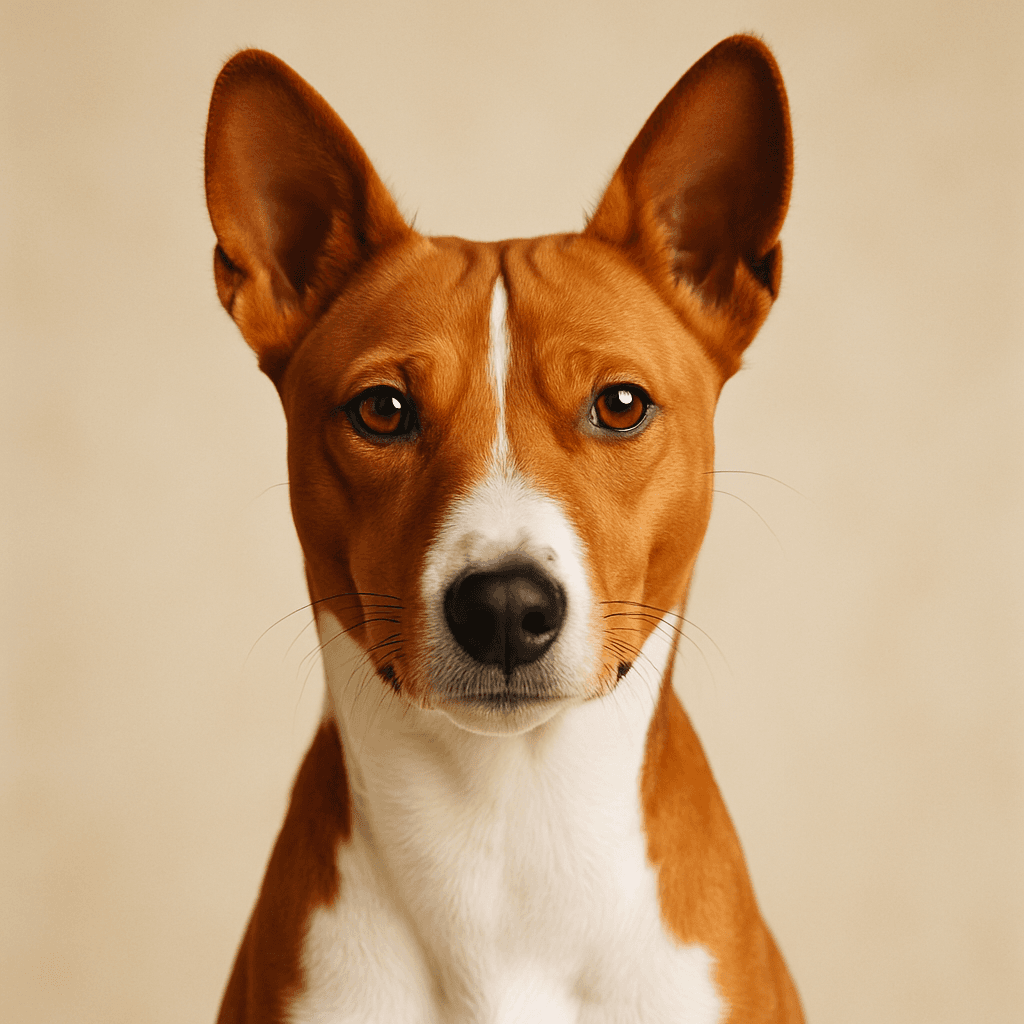
The Basenji is a barkless Central African hunting dog registered in the KC Hound Group. It is highly intelligent, independent and cat-like in behaviour. Fanconi Syndrome DNA testing of both parents is critical before purchase. Exercise needs around one hour daily in secure areas due to strong prey drive. Lifespan 13 to 14 years. Purchase price £800 to £1,500.
Quick Facts
- Size
- Small
- Weight
- 9–11 kg
- Lifespan
- 13–14 years
- Breed Group
- Hound
- Exercise
- 45–60 mins/day
- Activity Level
- Moderate
- Grooming
- Low
- Monthly Cost
- £90–£150/month
- Temperament
- Independent, Alert, Intelligent
- Good with Children
- No
- Good with Dogs
- No
- Good for First Timers
- No
- Suits Flats
- Yes
Free care guide
Get the Complete Basenji Care Guide
Feeding, health, grooming, training and costs for your Basenji. Free, straight to your inbox.
Getting set up
Getting a Basenji? Here's what you'll need.
Our editors have picked the essentials for Basenji owners.
See the First Dog Kit →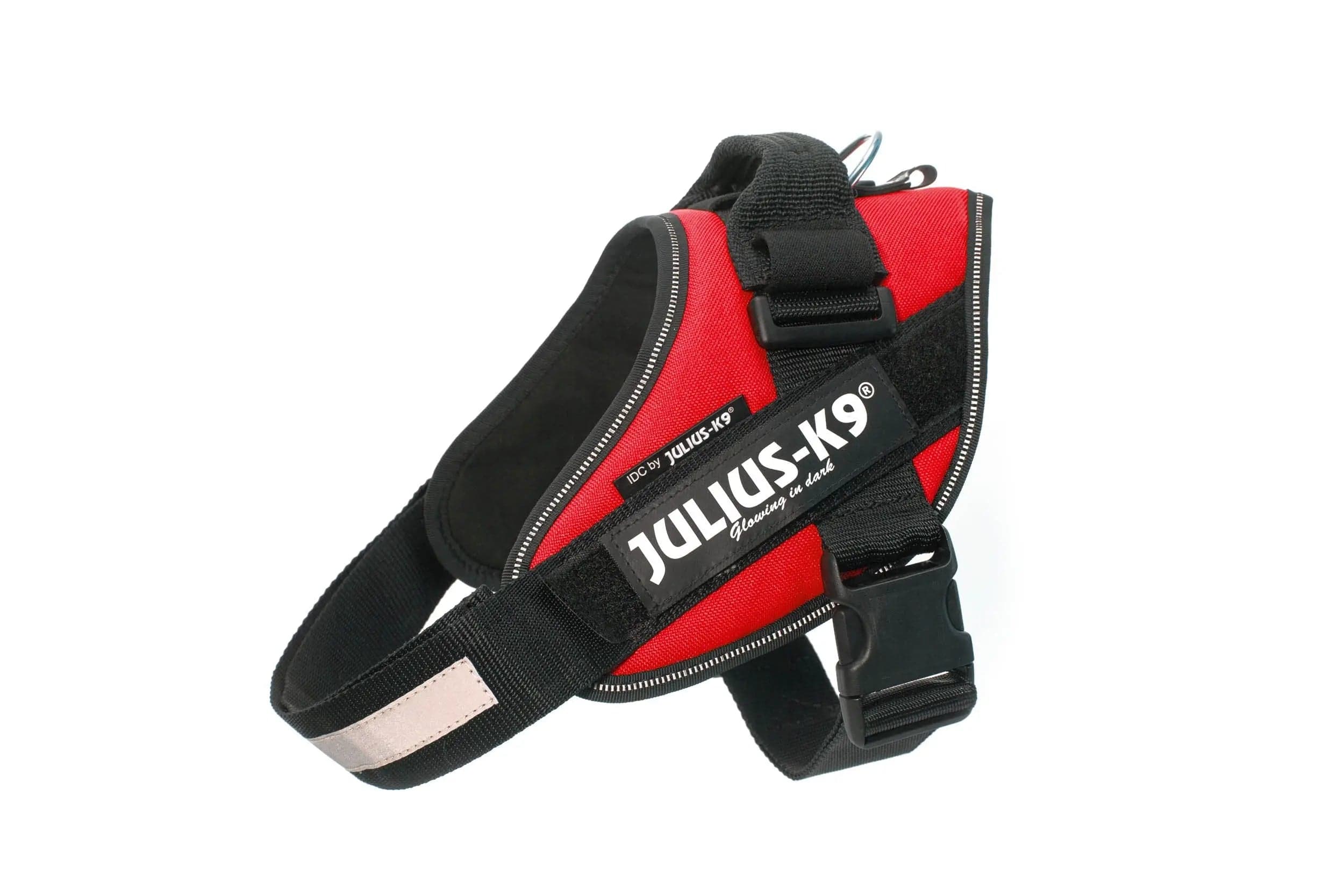
Recommended for Adult Dogs for Basenjis
Products selected for Basenji size, coat type, and life stage. Affiliate disclosure.
PetFusion
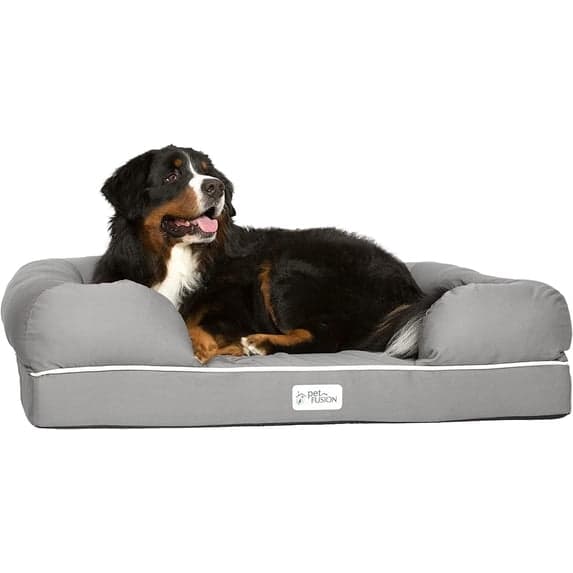
PetFusion Ultimate Dog Bed (Small)
Memory foam orthopedic bed with waterproof cover. Ideal for small and medium dogs.
Shop PetFusionTuffies
Shop NowKurgo
Shop NowWhimzees by Wellness
VOHC-accepted. Plant-based, grain-free. Five sizes. Best all-round dental chew for most dogs.
Buy on AmazonHurtta
Hurtta Mudventure ECO Raincoat (Small)
Reflective, eco-friendly raincoat built for UK weather. Small size.
Shop HurttaHarringtons
The UK's bestselling dry dog food. No artificial colours, flavours or preservatives. Made with natural ingredients including chicken, brown rice and vegetables. Available in multiple sizes.
Shop NowLily's Kitchen
Shop NowAATU Dog and Cat Food
Shop NowBarking Heads
Shop NowRoyal Canin
Royal Canin Breed-Specific Food
Nutrition precision-tailored to your breed.
Shop Royal CaninBoshel
Shop NowAnimology
The UK groomer standard for removing fox poo and foul odours. Deep cleaning with built-in conditioner and Pro-Vitamin B5. Suitable for all coats from 6 weeks old.
Shop NowPets Calm Down
Shop NowDrontal
Shop NowRosewood
Shop NowPitPat
Shop NowJulius-K9
Julius-K9 IDC Powerharness (Small)
Award-winning harness trusted by dog owners worldwide. Small size (7-15kg).
Shop Julius-K9Furbo
Shop NowChuckit
Chuckit! Ball Launcher (Small)
Launch further, throw less. Mini launcher for small dogs.
Shop Chuckit!LickiMat
LickiMat Wobble
Slows feeding, reduces anxiety, keeps dogs calm and engaged.
Try LickiMatKONG
KONG Classic (Small)
The classic rubber chew for small dogs and puppies.
Shop KONGNina Ottosson
Nina Ottosson Dog Puzzle
Level 2 puzzle feeder. Engages your dog mentally and slows eating.
Try Nina OttossonTrixie
Shop NowDoggone Good
Shop NowFURminator
FURminator Deshedding Tool (Small, Short Hair)
Reduces shedding by up to 90% for small short-coated dogs.
Shop FURminatorBreed Overview
The Basenji is one of the most ancient and distinctive breeds in the world. Originating in Central Africa - where it was used by indigenous hunters to drive game into nets and alert their owners to prey - it is registered by the Kennel Club in the Hound Group and remains one of the most unusual dogs available in the UK. It does not bark. Instead it produces a distinctive sound variously described as a yodel, a chortle or a howl, quite unlike anything a conventional dog produces.
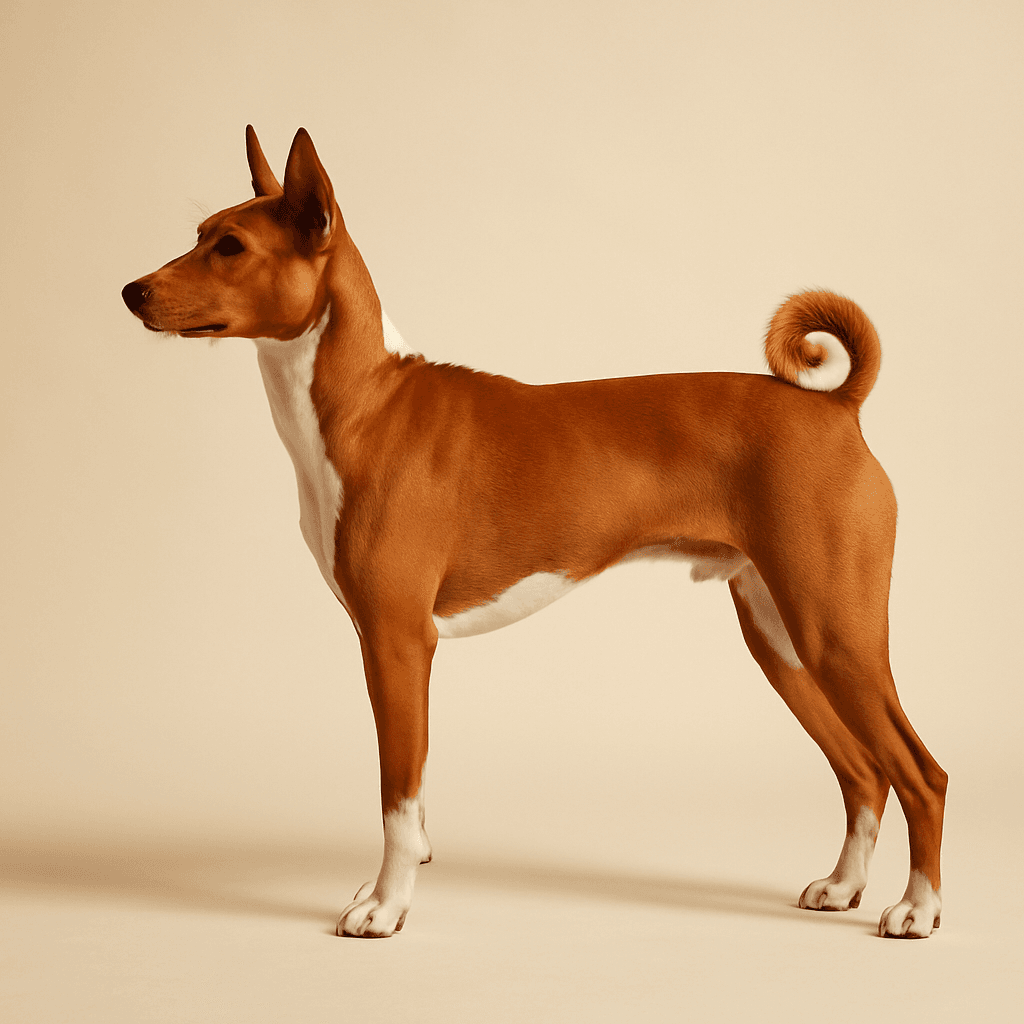
The Basenji's appearance is striking: a compact, athletic build, a wrinkled forehead that gives it a permanently quizzical expression, almond-shaped eyes and erect ears that enhance its air of alert intelligence. The coat is short, fine and easy to maintain, and the breed is exceptionally clean with minimal dog odour - a quality that appeals strongly to owners who are particular about hygiene in the home.
The character is not for everyone. The Basenji is what is sometimes called a primitive breed: its instincts and independence have been shaped by thousands of years of self-sufficient hunting rather than close human partnership. It is highly intelligent, but that intelligence is applied to its own interests rather than the owner's wishes. Owners who have previously kept retrievers, spaniels or herding dogs and expect similar compliance will find the Basenji a genuinely humbling experience.
The relationship a Basenji forms with its family is real and affectionate, but it is a relationship on the dog's terms. It can be reserved with strangers, intensely loyal to its household, and will typically bond most deeply with one or two individuals. It is cat-like in its self-containment and cleanliness, and many owners find this quality genuinely appealing. It is also extremely inquisitive, agile and persistent - a combination that makes it a capable escapologist if given any opportunity.
Prey drive is the critical management consideration. The Basenji is a sighthound-type hunter with the instincts to match. It will chase anything that moves with a single-mindedness that overrides trained responses. Off-lead exercise must only happen in fully secure, enclosed areas. Standard park fencing is often inadequate. Households with cats, rabbits, guinea pigs or other small pets face a permanent and serious management challenge that should not be underestimated.
Fanconi Syndrome is the non-negotiable health concern for anyone purchasing a Basenji puppy. This hereditary kidney condition - which impairs the kidneys' ability to reabsorb important nutrients - can be life-threatening if not managed. A DNA test is available and both parents must be tested clear or carrier before breeding. Purchasing a puppy from untested parents exposes you to a serious, potentially fatal and expensive health condition that could have been avoided entirely. Progressive Retinal Atrophy also occurs in the breed and DNA testing is available. Basenji Enteropathy, a form of inflammatory bowel disease, is an additional documented breed concern worth discussing with any breeder.
Exercise needs are moderate in volume but specific in management. Around one hour of vigorous daily activity is appropriate for an adult Basenji. The challenge is providing it safely given the prey drive and escape artistry. Lure coursing and scent work are excellent outlets that engage both the physical and mental needs of a dog built for hunting.
Training requires patience, creativity and a genuine acceptance of the breed's nature. Recall is not reliably trainable in the way it is with a gundog. The most reliable strategy is environmental management: secure fencing, long lines in open spaces and realistic expectations. The Basenji responds to positive reinforcement and will learn what benefits it.
Purchase prices from reputable breeders range from £800 to £1,500. Monthly running costs average £80 to £150. Insurance costs £25 to £50 per month. Lifespan is typically 13 to 14 years.
The Basenji Club of Great Britain supports breed rescue and can direct prospective owners to reputable breeders with DNA-tested stock. For the right owner - experienced, patient, with secure housing and realistic expectations - the Basenji is a deeply rewarding companion unlike any other breed.
Temperament & Personality
The Basenji is alert, curious, independent and often described as cat-like. It bonds closely with its family but on its own terms. It can be reserved with strangers. It does not bark but produces a distinctive yodel or howl. It is playful and affectionate with people it trusts but retains a strong independence that surprises owners expecting a compliant companion breed.
Training
The Basenji is one of the most challenging breeds to train using conventional methods. It is highly intelligent but applies that intelligence to its own agenda. Positive, reward-based training works better than compulsion. Recall is genuinely unreliable off lead and should not be assumed in open spaces. Managing the environment is more reliable than expecting compliance in high-drive situations. This is a breed trait, not a training failure.
Exercise Needs
The Basenji needs around one hour of vigorous exercise daily. A key requirement is fully secure fencing: the breed has a strong prey drive and exceptional athleticism and will chase and escape with ease. Off-lead exercise should only occur in genuinely secure enclosures. Mental stimulation through lure coursing and scent work suits the breed's hunting instincts well.
Health & Vet Costs
Fanconi Syndrome is the most serious breed-specific health concern. This hereditary kidney condition impairs tubular reabsorption and can be life-threatening if unmanaged. A DNA test is available and both parents must be tested before breeding - this test is non-negotiable before purchasing a puppy. Progressive Retinal Atrophy also occurs in Basenjis and DNA testing is available. Basenji Enteropathy, a form of inflammatory bowel disease, is a documented breed condition. Hip dysplasia is less common than in many breeds. Lifespan is typically 13 to 14 years.
Feeding & Nutrition
Feed a complete, balanced adult food appropriate for a medium-sized active breed. The Basenji is lean by nature and portions should be measured carefully. Basenjis affected by Fanconi Syndrome may have altered nutritional absorption and benefit from veterinary dietary guidance. No specific dietary restrictions apply to unaffected dogs beyond general good practice.
Feeding your Basenji
How much to feed, which food types suit this breed, and what to avoid.
Grooming & Care
The Basenji has a short, fine coat that requires minimal grooming. Weekly wiping with a damp cloth or grooming mitt is sufficient to keep it in good condition. The breed is exceptionally clean and has very little dog odour. Nail trimming every few weeks and routine ear checks complete the grooming requirement. Shedding is minimal.
Costs of Ownership
Purchase price from a reputable breeder typically ranges from £800 to £1,500. Monthly costs including food, insurance and routine veterinary care average £80 to £150 per month. Pet insurance typically costs £25 to £50 per month. Fanconi Syndrome management costs can be significant in affected dogs and reinforce the importance of DNA testing before purchase.
Estimated cost breakdown
Estimates based on UK average costs. Actual costs vary by location, vet, and lifestyle.
Owner note
Is your Basenji insured?
Basenji insurance typically costs £15–£40 per month depending on age, cover level and where you live. Getting the right policy before your first vet visit is one of the most important decisions you will make as a new owner.
Compare dog insuranceWe may earn a commission if you buy through our links. This never influences our recommendations.
Where to Find a Basenji in the UK
Whether you are looking for a Basenji puppy from a responsible breeder or hoping to give a rescue Basenji a second chance, there are reliable routes to finding the right dog. The most important thing is that you find them through the right channel — one that puts the dog's welfare first.
Finding a Basenji Puppy
The Kennel Club's Find a Puppy service is the safest starting point for anyone looking for a Basenji puppy. It connects buyers with breeders who register their litters and allows you to verify parental health test results.
For Basenjis, the relevant breed club is Basenji Club of Great Britain. They maintain a breeder register and can be contacted directly for recommendations.
Before you commit, read our complete guide to finding a puppy responsibly — including the red flags that separate an ethical breeder from a puppy farm.
Read the Puppy Buying GuideRescuing a Basenji
Basenji-specific rescue organisations are run by people who know the breed inside out. They assess every dog carefully and match them to homes that genuinely suit their needs. Waiting lists exist but are worth it.
Key Basenji rescues in the UK include:
Our rescue guide covers the full adoption process in detail.
Find a Rescue DogIs a Basenji Right for You?
The Basenji suits experienced owners who understand independent, primitive breeds. It is not recommended for first-time owners or households expecting biddable compliance. Households with cats or small pets face significant management challenges due to prey drive. It requires secure fencing, experienced handling and an owner who accepts recall limitations.
Frequently Asked Questions
Basenjis are not typically recommended for families with children due to their independent nature and low tolerance for rough handling. They can be aloof and may not enjoy the unpredictability of young children. They are better suited to households with older, respectful children or adult-only homes.
Basenjis require around 45-60 minutes of exercise daily to maintain their physical and mental wellbeing. They are active hunters by nature and enjoy brisk walks, running, and play sessions. Without adequate exercise, they may become destructive or develop behavioural problems.
Basenjis shed minimally throughout the year, making them a relatively low-maintenance breed in terms of grooming. Their short coat requires only occasional brushing to remove loose hair. This makes them suitable for owners who prefer a cleaner home environment.
Basenjis are highly intelligent but notoriously independent and stubborn, making them challenging to train. They were bred to hunt independently and make their own decisions, so they do not respond well to traditional obedience training. Experienced owners with patience and consistent, reward-based methods will have the best results.
Basenjis typically live between 13-14 years, which is a relatively long lifespan for a dog. With proper care, nutrition, and regular veterinary check-ups, some individuals may live even longer. This long lifespan means they are a significant long-term commitment.
The estimated monthly cost of owning a Basenji is between £90-£150, covering food, routine veterinary care, and general maintenance. This can vary depending on the quality of food chosen and any health issues that may arise. Pet insurance is recommended to help manage unexpected veterinary expenses.
Basenjis are not recommended for first-time dog owners due to their independent temperament and training challenges. They require an experienced owner who understands their unique hunting heritage and can provide firm, consistent leadership. First-time owners may find their stubborn nature and aloofness frustrating.
Related Breeds
Cirneco dell'Etna
The Cirneco dell'Etna is an ancient Sicilian hunting breed - slim, elegant and athletic. Gentle and affectionate with it...
View breed guide →Ibizan Hound
The Ibizan Hound (Ca Eivissenc) is an ancient sighthound from the Balearic Islands - elegant, athletic and sensitive. St...
View breed guide →Pharaoh Hound
The Pharaoh Hound (Kelb tal-Fenek) is the national dog of Malta, a sleek and elegant ancient Mediterranean sighthound no...
View breed guide →Related Guides
Find local services for your Basenji
Search verified UK listings for vets, groomers, trainers and walkers near you.
Upcoming events for Basenji owners
Championship Show
Darlington Dog Show Society Championship Show 2026
18 to 20 September 2026 · Ripon, North Yorkshire
Companion Show
Paws in the Park — Kent 2026
19 to 20 September 2026 · Maidstone, Kent
Championship Show
Belfast Dog Show Society Championship Show 2026
26 to 27 September 2026 · Lisburn, County Antrim
Festival
DogFest at the Palace 2026
3 to 4 October 2026 · Woodstock, Oxfordshire
Championship Show
South Wales Kennel Association Championship Show 2026
8 to 11 October 2026 · Builth Wells, Powys