

Border Terrier
Complete UK breed guide
Quick answer
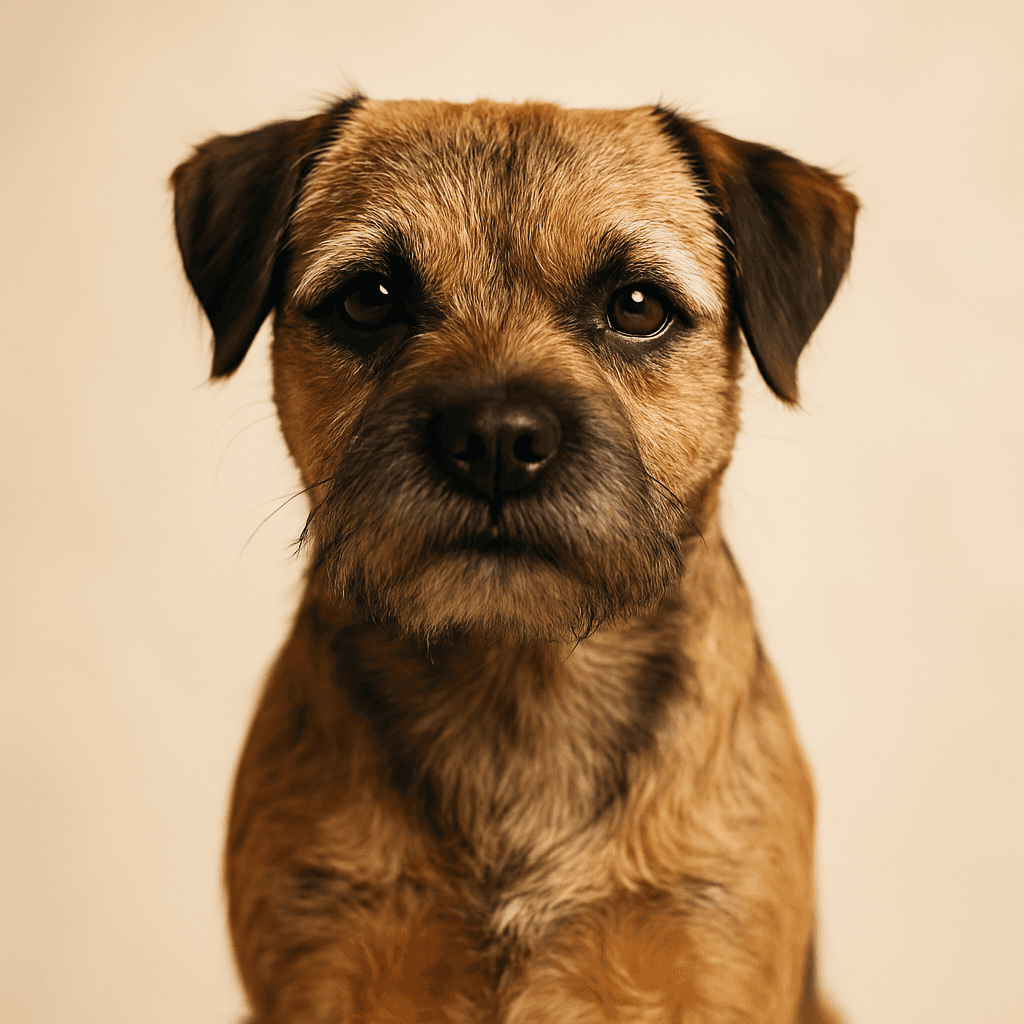
The Border Terrier is a hardy, adaptable working terrier with a wiry double coat and strong prey drive. It is one of the healthier pedigree breeds. Exercise needs are moderate to high. Strong recall training is essential due to chasing instinct.
Quick Facts
- Size
- Small
- Weight
- 5–7 kg
- Lifespan
- 12–15 years
- Breed Group
- Terrier
- Exercise
- 45–60 mins/day
- Activity Level
- High
- Grooming
- Low
- Monthly Cost
- £80–£130/month
- Temperament
- Affectionate, Eager to please, Good with children
- Good with Children
- Yes
- Good with Dogs
- Yes
- Good for First Timers
- Yes
- Suits Flats
- No
Free care guide
Get the Complete Border Terrier Care Guide
Feeding, health, grooming, training and costs for your Border Terrier. Free, straight to your inbox.
Getting set up
Getting a Border Terrier? Here's what you'll need.
Our editors have picked the essentials for Border Terrier owners.
See the Active Dog Kit →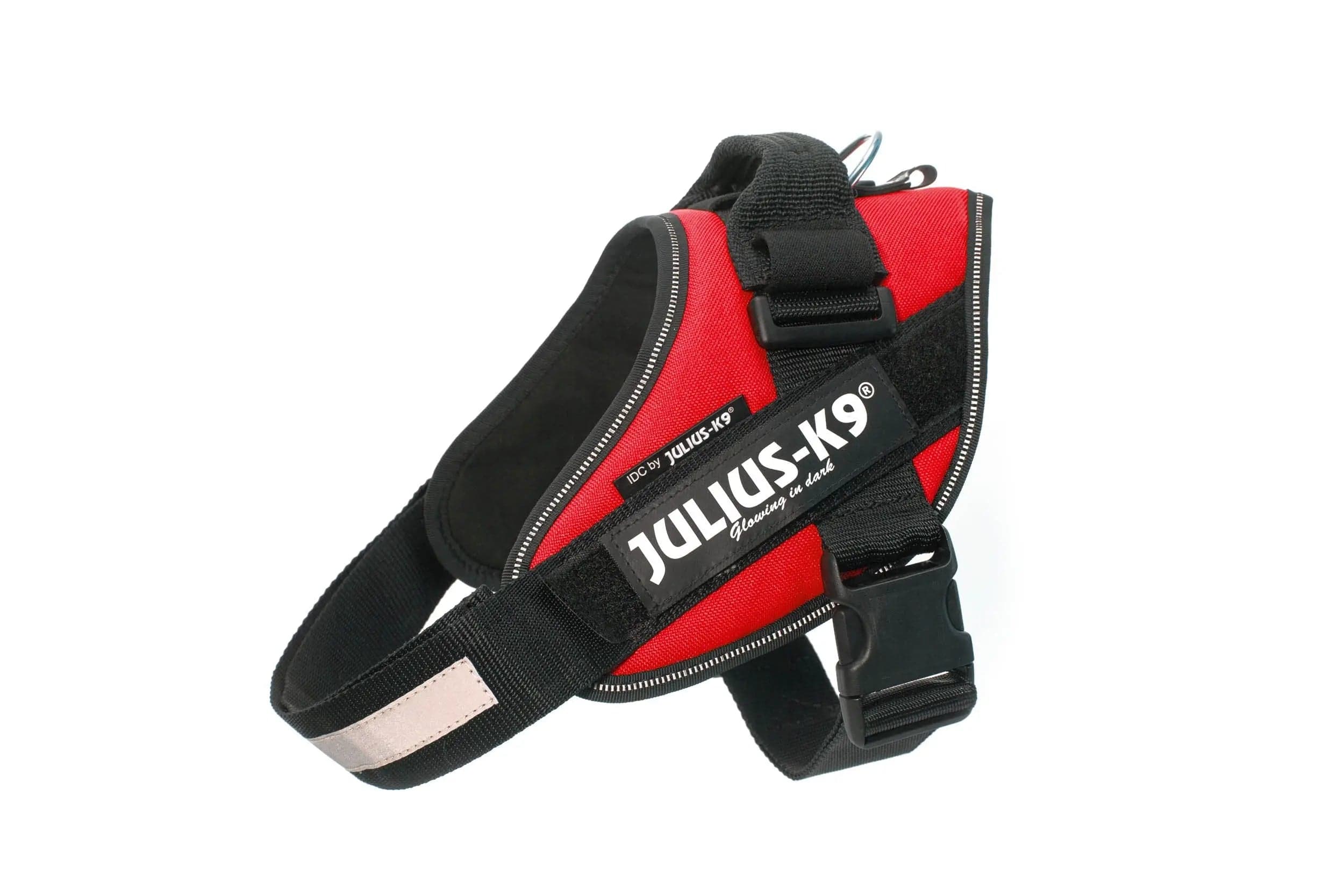
Recommended for Adult Dogs for Border Terriers
Products selected for Border Terrier size, coat type, and life stage. Affiliate disclosure.
PetFusion
PetFusion Ultimate Dog Bed (Small)
Memory foam orthopedic bed with waterproof cover. Ideal for small and medium dogs.
Shop PetFusionTuffies
Shop NowKurgo
Shop NowWhimzees by Wellness
VOHC-accepted. Plant-based, grain-free. Five sizes. Best all-round dental chew for most dogs.
Buy on AmazonHurtta
Hurtta Mudventure ECO Raincoat (Small)
Reflective, eco-friendly raincoat built for UK weather. Small size.
Shop HurttaHarringtons
The UK's bestselling dry dog food. No artificial colours, flavours or preservatives. Made with natural ingredients including chicken, brown rice and vegetables. Available in multiple sizes.
Shop NowLily's Kitchen
Shop NowAATU Dog and Cat Food
Shop NowBarking Heads
Shop NowRoyal Canin
Royal Canin Breed-Specific Food
Nutrition precision-tailored to your breed.
Shop Royal CaninBoshel
Shop NowAnimology
The UK groomer standard for removing fox poo and foul odours. Deep cleaning with built-in conditioner and Pro-Vitamin B5. Suitable for all coats from 6 weeks old.
Shop NowPets Calm Down
Shop NowDrontal
Shop NowRosewood
Shop NowPitPat
Shop NowJulius-K9
Julius-K9 IDC Powerharness (Small)
Award-winning harness trusted by dog owners worldwide. Small size (7-15kg).
Shop Julius-K9Furbo
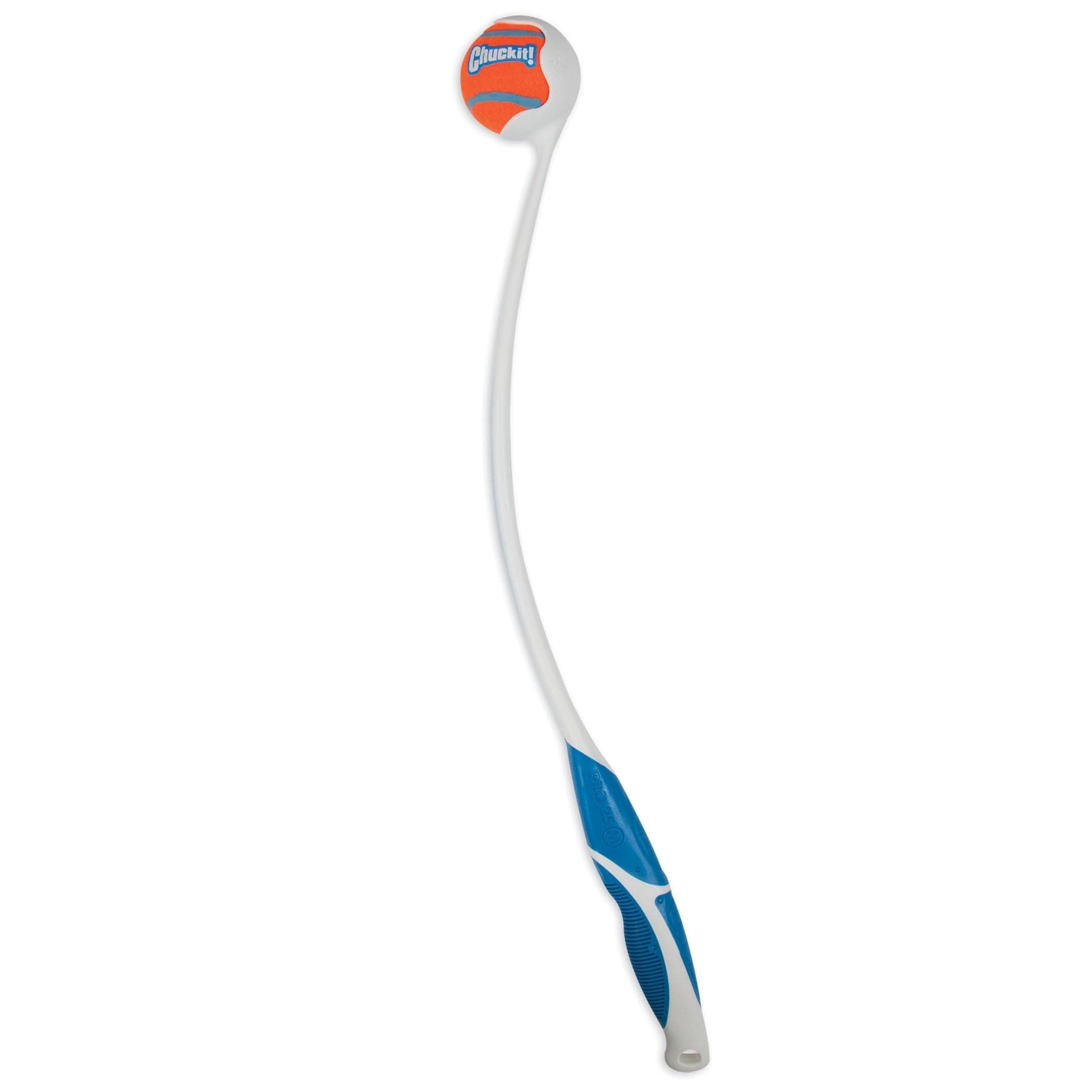
Shop NowChuckit
Chuckit! Ball Launcher (Small)
Launch further, throw less. Mini launcher for small dogs.
Shop Chuckit!LickiMat
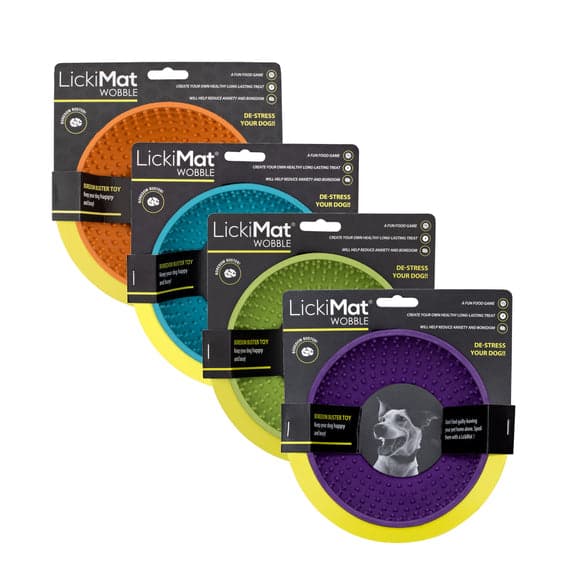
LickiMat Wobble
Slows feeding, reduces anxiety, keeps dogs calm and engaged.
Try LickiMatKONG
KONG Classic (Small)
The classic rubber chew for small dogs and puppies.
Shop KONGNina Ottosson
Nina Ottosson Dog Puzzle
Level 2 puzzle feeder. Engages your dog mentally and slows eating.
Try Nina OttossonTrixie
Shop NowDoggone Good
Shop NowBreed Overview
The Border Terrier is a compact, hardy and adaptable working terrier developed in the border country between England and Scotland to hunt foxes alongside horses and hounds. Registered by the Kennel Club in the Terrier Group, it is one of the most consistently healthy pedigree breeds, with a reputation for a good temperament and relatively straightforward ownership compared to some terrier breeds.
Border Terriers are active, curious and affectionate dogs with genuine terrier character. They engage fully with family life, get on well with other dogs, and are generally reliable with children. Their exercise needs are meaningful: at least an hour a day of genuine activity, not just a slow walk around the block. They are outdoor dogs in a compact frame, with the physical stamina and mental engagement needs of a working breed.
Their prey drive is genuine and should be respected. Border Terriers should not be trusted off lead in unenclosed areas until a reliable recall has been built through consistent positive training, and even then, proximity to rabbits, squirrels and similar quarry will test the best recall. Owners with rabbits, guinea pigs or similar small animals in the home should consider carefully whether a Border Terrier is the right breed.
Health-wise, the Border Terrier compares very favourably with most pedigree breeds. They are generally robust, long-lived dogs. Canine Epileptoid Cramping Syndrome (CECS) is the condition most specific to the breed; other conditions including hip dysplasia, eye problems and luxating patella occur at relatively low rates.
The grooming commitment is moderate: the wiry double coat requires hand-stripping twice a year ideally, with minimal maintenance in between. This is significantly less demanding than long-coated or continuously-growing coat breeds.
Purchase prices from KC-registered breeders typically range from £800 to £1,500. Monthly insurance costs £20 to £45. Lifespan is 12 to 15 years. Border Terrier Welfare rehomes dogs nationally.
For active owners who want a compact, healthy and genuinely characterful companion, the Border Terrier is an excellent choice. Match their exercise needs, manage their prey drive, and this is one of the most rewarding terrier breeds available.
The Border Terrier's relative scarcity of serious health problems is a genuine advantage. In a landscape where many popular pedigree breeds carry significant inherited conditions, the Border Terrier's hardy constitution and typical 12 to 15 year lifespan make it an appealing choice for owners who have researched breed health carefully.
For those who want a compact, outdoor-capable, genuinely healthy terrier with a good temperament and manageable grooming, the Border Terrier is one of the best options in the Terrier Group. It is not a breed for passive owners: it needs exercise, stimulation and an owner who understands and respects terrier instinct. Give it that, and it is a highly rewarding companion.
Temperament & Personality
Border Terriers are affectionate, curious and spirited dogs with genuine terrier character. They are active, engaged with the world around them and possess both the independence and the determination that working terrier breeding produced over centuries.
Within the family they are typically warm, loyal and good-natured. They enjoy being involved in family activity and are playful well into adulthood. They get on well with other dogs generally and are usually reliable with older children. Their prey drive means they are not trustworthy with rabbits, guinea pigs and similar small animals.
They are alert dogs with a working terrier's readiness: they notice things, they investigate, and they react. This makes them engaging companions but also means they need an owner who is attentive to their environment management, particularly around their tendency to give chase.
They are more adaptable than some terrier breeds. Border Terriers that receive sufficient exercise and stimulation can settle well in a range of living situations including urban environments. Those that do not receive sufficient exercise express their boredom through digging, barking or general mischief.
They are less attention-seeking than many companion breeds. A Border Terrier is comfortable with its owner but does not need to be in constant physical contact. This relative independence makes them easier to manage around alone time than more attachment-prone breeds.
Training
Border Terriers are intelligent and capable learners but have genuine terrier independence. They engage well when motivated and the reward is worth their while. Repetitive or low-reward training will be met with selective hearing.
Four priorities for a new Border Terrier owner:
- Recall. This is the most important training investment. Start in an enclosed space, build the association between the recall word and a high-value reward (real meat, not just a biscuit), and build the response reliably before testing it in open areas. Accept that prey triggers may override even a good recall.
- Prey drive management. Introduce carefully and under control to cats and small animals. Do not assume a Border Terrier that tolerates a cat as a puppy is permanently safe: the prey drive develops with maturity. Manage rather than assume.
- Digging management. If you value your garden, establish clear rules from puppyhood. Provide a designated digging area as an outlet. A dog that is never allowed to dig will find its own spot.
- Basic obedience. Sit, stay, down, come and leave it using positive reward-based training. Short, varied sessions work best with terrier breeds.
Common mistakes: Testing recall before it is reliable in an unenclosed area. The prey trigger that costs a Border Terrier its life or an owner their dog typically comes before the recall is adequately reinforced.
Good to know
Exercise Needs
Border Terriers are energetic working terriers that need meaningful daily exercise. They were bred to keep up with horses on the hunt and their physical stamina exceeds what their size might suggest.
Adult Border Terriers: At least one hour of exercise per day, with more always welcome for an active dog. This should include opportunities to use their nose and explore, not just walking on lead. Free running in a safely enclosed area is ideal.
Mental stimulation: As important as physical exercise for a working terrier. Scent games, nose work, agility and training sessions all provide the mental engagement that keeps a Border Terrier settled at home. A mentally under-stimulated Border Terrier will find its own entertainment, which typically involves digging and chewing.
Off-lead safety: Border Terriers have a strong instinct to chase. They should only be exercised off lead in safely enclosed areas until a reliable recall has been built through consistent positive training. Even a reliable recall can be overridden by a strong prey trigger such as a rabbit or squirrel. Assess the environment before releasing on lead.
Digging: Border Terriers are bred to go to ground after quarry. They will dig given opportunity. Garden security is important: a fence that cannot be dug under is essential.
Puppies: Short play sessions and brief walks, increasing gradually as the puppy matures. Do not over-exercise growing joints.
Health & Vet Costs
Border Terriers are one of the healthier pedigree breeds, with fewer widespread hereditary conditions than many popular breeds. However, several conditions are seen in the breed.
Canine Epileptoid Cramping Syndrome (CECS), also known as Spike's Disease, is a condition specific to Border Terriers characterised by episodes of muscle cramping, abnormal gait and sometimes collapse. Episodes typically last seconds to minutes and the dog recovers fully. The exact cause remains under investigation; dietary gluten sensitivity is suspected in some cases, and gluten-free diets have helped manage symptoms in some affected dogs. A DNA test is not yet available. Ask breeders about CECS in their lines. The Border Terrier Breed Council monitors the condition.
Hip dysplasia occurs in some lines, though at lower rates than in many larger breeds.
Eye conditions including hereditary cataracts and progressive retinal atrophy occur in the breed. The BVA/KC Eye Scheme tests breeding dogs; ask for current testing certificates.
Luxating Patella is seen in some individuals.
Heart conditions including Pulmonic Stenosis have been reported in the breed at low rates.
The breed's relatively hardy constitution means many Border Terriers live full, healthy lives with few significant veterinary issues. Monthly insurance typically costs £20 to £45. Lifespan is 12 to 15 years.
Feeding & Nutrition
Border Terriers are active dogs with a good metabolism but can become overweight if exercise decreases or food intake is excessive. They are not generally fussy eaters.
Daily feeding: Adult Border Terriers typically need 120 to 180g of a good quality dry complete food per day, split into two meals. Quantities depend on the food's caloric density, the dog's activity level and body condition.
Working weight maintenance: Border Terriers are a working terrier breed and are meant to be lean. Excess weight compromises their agility and long-term joint health. If you can see the last two ribs, the dog is underweight; if you cannot feel the ribs at all without pressing, it is overweight. A visible waist from above and a slight tuck behind the ribs when viewed from the side is the target.
Treats during training: Border Terriers respond well to food rewards in training. Account for treats within daily caloric intake to avoid overconsumption.
Foods to avoid: Grapes and raisins are toxic. Onion, garlic, chocolate and xylitol are also toxic. Avoid table scraps and processed human food.
Puppy feeding: Three to four times daily until 12 weeks, reducing to three times until six months, then twice daily. Do not leave food down continuously.
Feeding your Border Terrier
How much to feed, which food types suit this breed, and what to avoid.
Grooming & Care
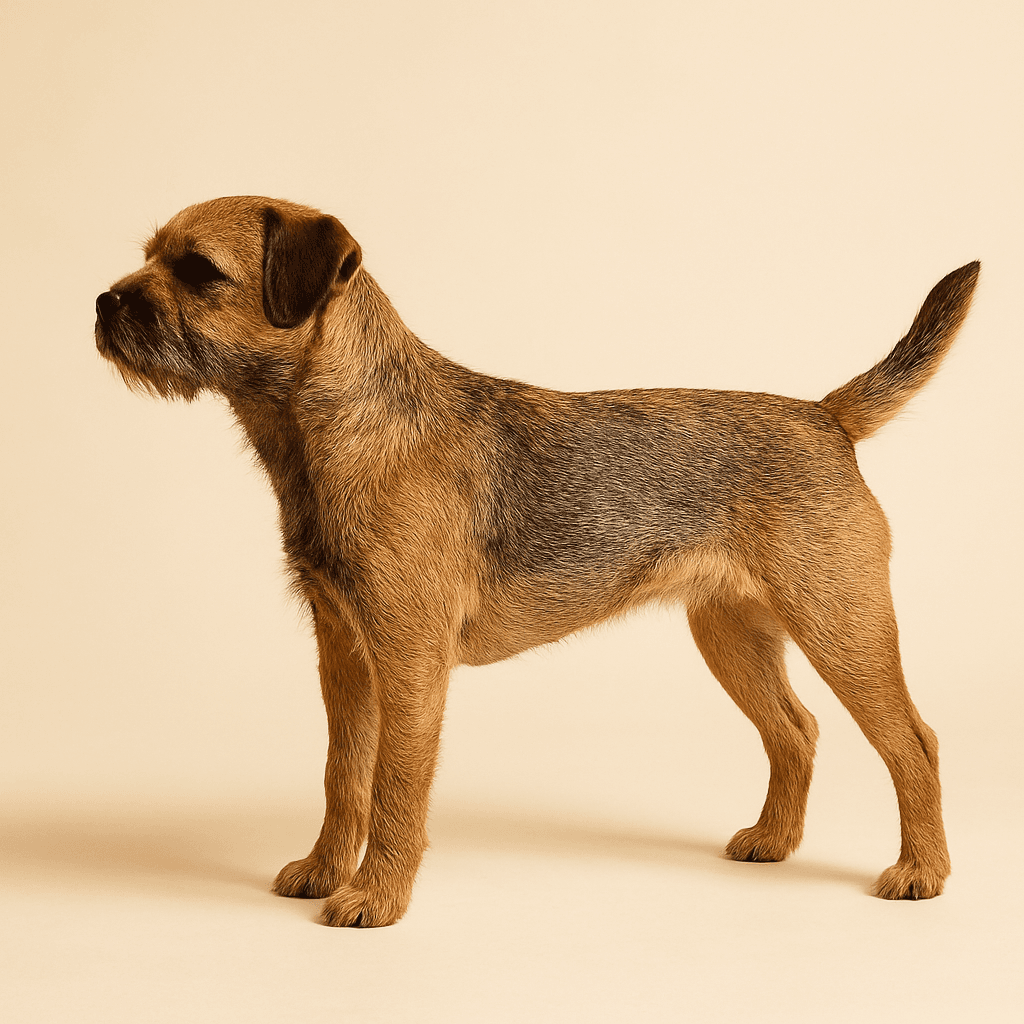
The Border Terrier has a harsh, dense double coat that is weather-resistant and relatively low maintenance compared to many other breeds.
Brushing: Once or twice weekly with a stiff bristle brush or grooming mitt is sufficient to remove loose hair and debris. The Border Terrier's coat does not tangle or mat in the way that long-coated breeds do.
Stripping: The Border Terrier's wiry outer coat should ideally be hand-stripped rather than clipped. Stripping removes dead outer coat and allows the new coat to grow in correctly with its characteristic harsh texture and colour. Clipping softens the coat texture and alters the colour over time. Hand-stripping is typically done twice a year and can be done by the owner who has learned the technique or by a groomer experienced with terrier coats. Cost is approximately £50 to £80 per session.
Bathing: Every six to eight weeks or as needed when dirty. The coat has some natural weather-resistance; excessive bathing can strip this.
Ear care: Check weekly for signs of redness, discharge or smell. Clean with a vet-recommended cleaner if needed.
Nails: Clip every four to six weeks or as needed. Active dogs that walk on hard surfaces will wear nails down naturally between clips.
Beard and face: Border Terriers grow a characteristic beard and moustache. Keep this clean and free from food residue.
Costs of Ownership
Border Terriers are among the more affordable pedigree breeds to own, with relatively good health and moderate running costs.
Purchase price: £800 to £1,500 from a KC-registered breeder. The breed has good health in general but health-tested breeders who DNA test for CECS and eye conditions should be prioritised.
Monthly insurance: £20 to £45 for comprehensive lifetime cover. The breed's relative health hardiness keeps insurance lower than many pedigrees.
Food: £25 to £40 per month for a good quality complete dry food.
Routine veterinary care: Annual vaccination and health check approximately £60 to £80.
Grooming: Hand-stripping twice a year, approximately £50 to £80 per session. Between strips, minimal professional grooming is needed.
Total estimated monthly cost: £100 to £180 when insurance, food, grooming (amortised) and routine care are combined. The Border Terrier is one of the lower-cost pedigree breeds to maintain.
Estimated cost breakdown
Estimates based on UK average costs. Actual costs vary by location, vet, and lifestyle.
Owner note
Is your Border Terrier insured?
Border Terrier insurance typically costs £15–£40 per month depending on age, cover level and where you live. Getting the right policy before your first vet visit is one of the most important decisions you will make as a new owner.
Compare dog insuranceWe may earn a commission if you buy through our links. This never influences our recommendations.
Where to Find a Border Terrier in the UK
Whether you are looking for a Border Terrier puppy from a responsible breeder or hoping to give a rescue Border Terrier a second chance, there are reliable routes to finding the right dog. The most important thing is that you find them through the right channel — one that puts the dog's welfare first.
Finding a Border Terrier Puppy
The Kennel Club's Find a Puppy service is the safest starting point for anyone looking for a Border Terrier puppy. It connects buyers with breeders who register their litters and allows you to verify parental health test results.
For Border Terriers, the relevant breed club is The Border Terrier Club. They maintain a breeder register and can be contacted directly for recommendations.
Before you commit, read our complete guide to finding a puppy responsibly — including the red flags that separate an ethical breeder from a puppy farm.
Read the Puppy Buying GuideRescuing a Border Terrier
Border Terrier-specific rescue organisations are run by people who know the breed inside out. They assess every dog carefully and match them to homes that genuinely suit their needs. Waiting lists exist but are worth it.
Key Border Terrier rescues in the UK include:
Our rescue guide covers the full adoption process in detail.
Find a Rescue DogIs a Border Terrier Right for You?
Best suited to: Active families and individuals who want a compact, hardy companion; owners who enjoy walking and outdoor activity; experienced terrier owners.
Can work with: First-time dog owners who research terrier characteristics thoroughly and commit to training; owners in rural or suburban settings; households with children old enough to interact appropriately.
Not ideal for: Owners wanting a relaxed, low-energy dog; households with rabbits, guinea pigs, hamsters or other small animals; owners who cannot commit to daily exercise and mental stimulation.
Size and living situation: Border Terriers are small to medium dogs (5 to 7kg) and are adaptable to most living situations including flats, provided they get sufficient daily exercise. They are robust dogs that enjoy outdoor life.
Children and other pets: Generally good with children when well socialised. Get on well with other dogs as a rule. Their prey drive means they are unreliable with small animals and should not be trusted with rabbits, guinea pigs or cats they have not grown up with.
Alone time: More independent than many companion breeds, though they should not be left alone for excessive periods without enrichment.
Frequently Asked Questions
Yes, Border Terriers make excellent family dogs. They are affectionate, playful and tolerant with children, though their high energy means they suit active families. They also tend to get on well with other dogs when properly socialised.
Border Terriers require 45-60 minutes of exercise daily to stay happy and well-behaved. They were bred as working terriers and enjoy activities like walks, play sessions and games that engage their natural hunting instincts.
Border Terriers shed minimally, making them a good choice for those concerned about loose hair around the home. Their wiry double coat naturally sheds very little, though regular grooming helps maintain coat health.
Border Terriers are intelligent and eager to please, which makes them relatively easy to train. However, they have an independent streak typical of terriers, so consistent, positive reinforcement works best with this breed.
Border Terriers typically live 12-15 years, making them a long-lived breed. With proper care, regular exercise and a healthy diet, many Border Terriers enjoy a good quality of life well into their senior years.
The estimated monthly cost for a Border Terrier is £80-£130, covering food, routine veterinary care and general maintenance. This can vary depending on the individual dog's health, quality of food chosen and any additional activities or training.
Yes, Border Terriers are suitable for first-time owners due to their affectionate nature and trainability. Their small size, low grooming requirements and adaptable temperament make them manageable for inexperienced dog owners willing to provide adequate exercise and socialisation.
Related Breeds
Bedlington Terrier
The Bedlington Terrier is a distinctive curly-coated terrier registered in the KC Terrier Group. Copper Toxicosis is the...
View breed guide →Cairn Terrier
The Cairn Terrier is one of Scotland's oldest terrier breeds, hardy, alert and independent. Good with families, moderate...
View breed guide →Lakeland Terrier
The Lakeland Terrier is a fell and mountain terrier from the English Lake District, bred to hunt foxes in challenging mo...
View breed guide →Related Guides
Find local services for your Border Terrier
Search verified UK listings for vets, groomers, trainers and walkers near you.
Upcoming events for Border Terrier owners
Championship Show
Darlington Dog Show Society Championship Show 2026
18 to 20 September 2026 · Ripon, North Yorkshire
Companion Show
Paws in the Park — Kent 2026
19 to 20 September 2026 · Maidstone, Kent
Championship Show
Belfast Dog Show Society Championship Show 2026
26 to 27 September 2026 · Lisburn, County Antrim
Festival
DogFest at the Palace 2026
3 to 4 October 2026 · Woodstock, Oxfordshire
Championship Show
South Wales Kennel Association Championship Show 2026
8 to 11 October 2026 · Builth Wells, Powys