
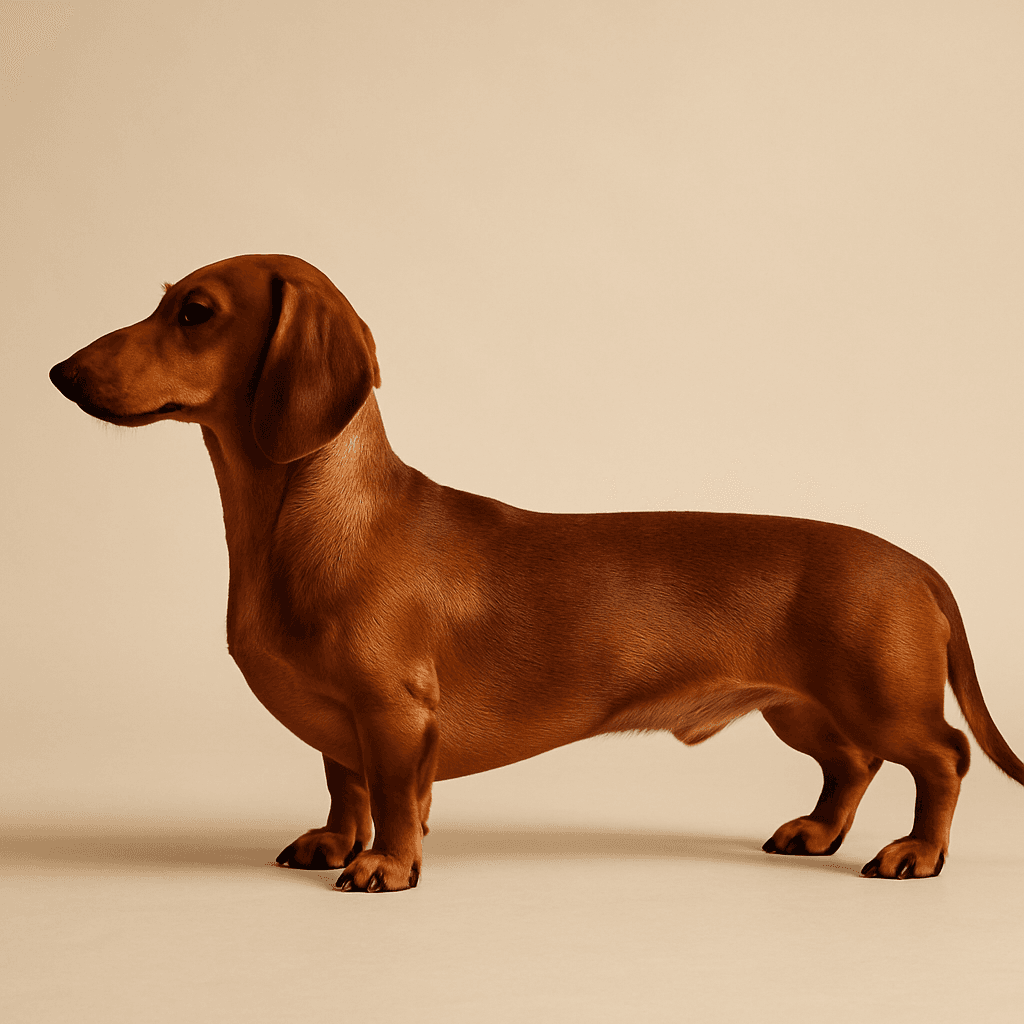
Dachshund
Complete UK breed guide

Quick answer
Dachshunds are long-bodied hound dogs available in two sizes and three coat types, registered in the KC Hound Group. Up to 25 per cent develop intervertebral disc disease (IVDD): no jumping, no stairs, ramps are essential. They are good for flat living when back health is managed. Expect monthly costs of £80 to £170, with a lifespan of 12 to 16 years.
Quick Facts
- Size
- Small
- Weight
- 5–12 kg
- Lifespan
- 12–16 years
- Breed Group
- Hound
- Exercise
- 45–60 mins/day
- Activity Level
- Low
- Grooming
- Low
- Monthly Cost
- £60–£120/month
- Temperament
- Bold, Affectionate, Independent
- Good with Children
- Yes
- Good with Dogs
- Yes
- Good for First Timers
- Yes
- Suits Flats
- Yes
Free care guide
Get the Complete Dachshund Care Guide
Feeding, health, grooming, training and costs for your Dachshund. Free, straight to your inbox.
Getting set up
Getting a Dachshund? Here's what you'll need.
Our editors have picked the essentials for Dachshund owners.
See the First Dog Kit →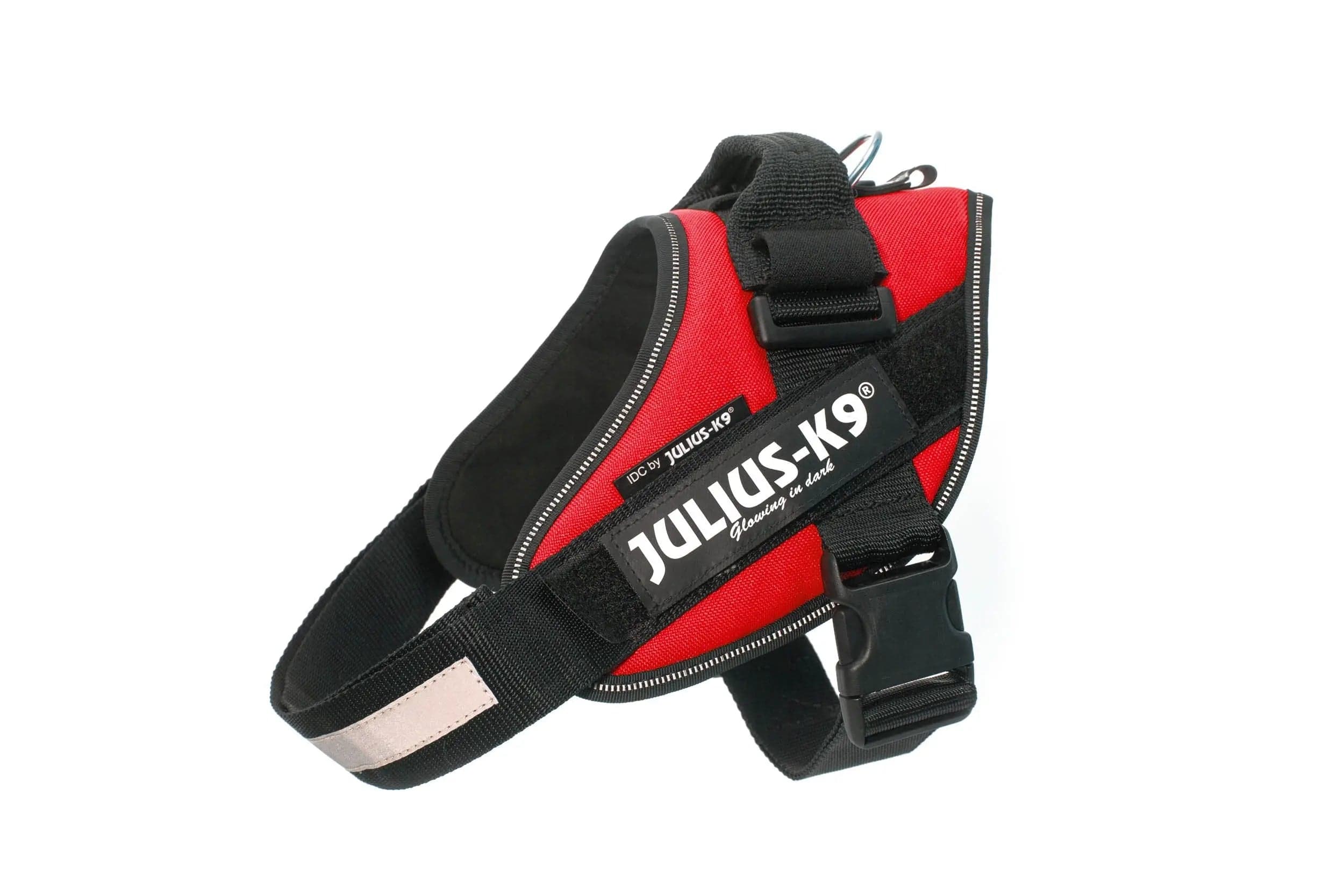
Pros & Cons
Pros
- Long lifespan — 12 to 16 years
- Suited to flats and smaller homes
- Minimal exercise needs
- Low grooming needs for smooth-haired types
- Loyal and entertaining companion
Things to Consider
- Prone to IVDD — back injuries can be serious and expensive
- Stubborn — training requires patience
- Can be vocal and bark frequently
- No stairs, no jumping — lifestyle adaptations required
- Prone to obesity which worsens back problems
Recommended for Adult Dogs for Dachshunds
Products selected for Dachshund size, coat type, and life stage. Affiliate disclosure.
PetFusion
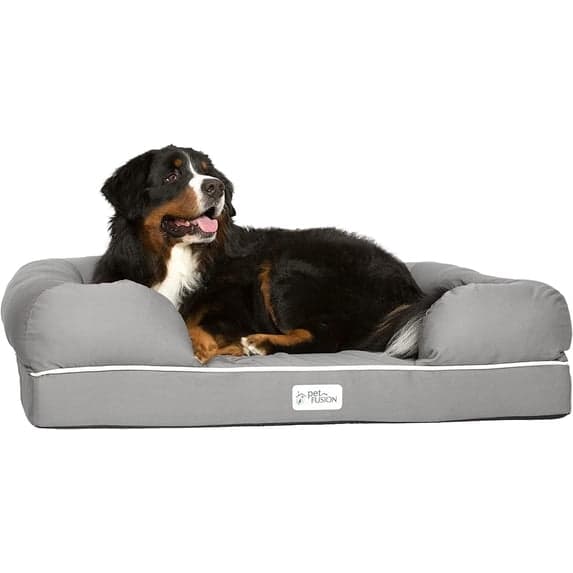
PetFusion Ultimate Dog Bed (Small)
Memory foam orthopedic bed with waterproof cover. Ideal for small and medium dogs.
Shop PetFusionTuffies
Shop NowKurgo
Shop NowWhimzees by Wellness
VOHC-accepted. Plant-based, grain-free. Five sizes. Best all-round dental chew for most dogs.
Buy on AmazonHurtta
Hurtta Mudventure ECO Raincoat (Small)
Reflective, eco-friendly raincoat built for UK weather. Small size.
Shop HurttaHarringtons
The UK's bestselling dry dog food. No artificial colours, flavours or preservatives. Made with natural ingredients including chicken, brown rice and vegetables. Available in multiple sizes.
Shop NowLily's Kitchen
Shop NowAATU Dog and Cat Food
Shop NowBarking Heads
Shop NowRoyal Canin
Royal Canin Breed-Specific Food
Nutrition precision-tailored to your breed.
Shop Royal CaninBoshel
Shop NowAnimology
The UK groomer standard for removing fox poo and foul odours. Deep cleaning with built-in conditioner and Pro-Vitamin B5. Suitable for all coats from 6 weeks old.
Shop NowPets Calm Down
Shop NowDrontal
Shop NowRosewood
Shop NowPitPat
Shop NowJulius-K9
Julius-K9 IDC Powerharness (Small)
Award-winning harness trusted by dog owners worldwide. Small size (7-15kg).
Shop Julius-K9Furbo
Shop NowChuckit
Chuckit! Ball Launcher (Small)
Launch further, throw less. Mini launcher for small dogs.
Shop Chuckit!LickiMat
LickiMat Wobble
Slows feeding, reduces anxiety, keeps dogs calm and engaged.
Try LickiMatKONG
KONG Classic (Small)
The classic rubber chew for small dogs and puppies.
Shop KONGNina Ottosson
Nina Ottosson Dog Puzzle
Level 2 puzzle feeder. Engages your dog mentally and slows eating.
Try Nina OttossonTrixie
Shop NowDoggone Good
Shop NowFURminator
FURminator Deshedding Tool (Small, Short Hair)
Reduces shedding by up to 90% for small short-coated dogs.
Shop FURminatorBreed Overview
Dachshunds are bold, curious and surprisingly stubborn dogs in a long, low package that has made them one of the most recognisable breeds in the world. Registered with the Kennel Club in the Hound Group, they were originally bred in Germany to hunt badgers underground, and that heritage is evident in their fearless character, independent thinking and remarkable tenacity.
The breed comes in two sizes and three coat types in the UK. Miniature Dachshunds weigh under 5kg; Standard Dachshunds typically weigh between 7 and 14kg. Coat types are smooth, long and wire, each with slightly different grooming requirements and, some would argue, slightly different temperaments. All six KC-recognised varieties share the same fundamental character and the same most significant health vulnerability.
That vulnerability is intervertebral disc disease, commonly known as IVDD. Dachshunds are a chondrodystrophic breed: the genetic mutation that gives them their short legs also affects the composition of their spinal discs, making them prone to premature calcification and herniation. Research suggests that up to 25 per cent of Dachshunds will experience a disc-related episode during their lifetime. This is the single most important health fact for any prospective Dachshund owner to understand.
Managing IVDD risk requires lifestyle changes that must be implemented from puppyhood: no jumping on or off furniture, no negotiating stairs where this can be avoided, no high-impact exercise. Ramps for access to beds, sofas and car boots are not optional extras: they are the primary means of reducing the cumulative spinal strain that leads to disc problems. This is not a breed you can manage reactively: prevention is everything.
Despite this, Dachshunds are excellent companion dogs that adapt well to a wide range of living environments including flats, provided stairs are managed and daily walks are provided. They are affectionate with their families, often strongly bonded to one person, and can be surprisingly vocal.
Miniature Dachshunds in particular are among the higher-priced small breeds in the UK, typically £800 to £2,000 from a health-tested breeder. Their popularity makes them a target for irresponsible breeding: always buy from a breeder who tests for IVDD-relevant conditions and is aware of back health in their lines. Lifespan is typically 12 to 16 years.
The Dachshund's combination of long body, short legs and independent spirit has produced one of the most characterful breeds in the UK. For owners who understand the IVDD risk and implement the necessary lifestyle changes from puppyhood, the Dachshund is a devoted, entertaining companion capable of fitting comfortably into a wide range of households. The key is preparation: buy from a breeder who prioritises back health, install ramps before the puppy arrives, and treat spine management as a non-negotiable part of ownership.
Temperament & Personality
Dachshunds have enormous personality for their size. They are confident, curious and often stubborn in a way that is simultaneously frustrating and endearing. Bred to work independently underground without handler direction, they have their own agenda and will pursue it cheerfully unless given a very good reason to do otherwise. This stubbornness is breed-typical rather than disobedience, and it requires patient, consistent training rather than force.
They are typically deeply affectionate with their family, often forming a particularly close bond with one person. Many Dachshunds are devoted companions that prefer to be wherever their person is, including under blankets and on beds. Separation anxiety is a real consideration in the breed: a Dachshund accustomed to constant company will not always cope well when left alone.
Vocality is a characteristic of the breed. Dachshunds have a surprisingly big bark for their size and many are enthusiastic alarm barkers. This can be managed with training but is worth anticipating, particularly in a flat or terraced house where noise is a consideration.
Wire-haired Dachshunds are often described as the most mischievous of the three coat types, with a particularly playful and clownish character. Long-haired Dachshunds tend to be slightly calmer and more gentle. Smooth-haired Dachshunds are considered most typical of the breed's character overall. These are generalisations rather than guarantees.
Dachshunds can be wary with strangers and benefit from thorough socialisation during puppyhood. A well-socialised Dachshund is confident and friendly; an under-socialised one can become snappy or reactive in unfamiliar situations. They tend to get on reasonably well with other dogs but may be selective: early positive exposure makes a significant difference.
Training
Training a Dachshund requires patience, consistency and an understanding that you are working with a dog that was bred to make independent decisions. They are intelligent enough to understand what is being asked but historically inclined to evaluate whether compliance is worth their while. Food motivation is high, which helps considerably.
Four priorities for a new Dachshund owner:
- IVDD management from day one. This is not strictly training but it is the most important behaviour to establish. Teach your Dachshund to use ramps rather than jumping. Do not allow jumping on or off furniture from puppyhood. Establish this consistently before your puppy ever makes a habit of jumping.
- Toilet training. Dachshunds can be notoriously slow to housetrain. Their small size means small accidents are easy to miss, which means less feedback for the dog about what is and is not acceptable. A strict routine of outdoor trips after every meal, nap and play session is essential. Patience and consistency, not punishment, will get there.
- Recall. Dachshunds have a strong scent drive and once on a trail can become completely absorbed. Build a solid recall with high-value food rewards in low-distraction settings before extending off-lead freedom. Never trust recall near roads.
- Bark management. If excessive barking is a concern, address it early with positive reinforcement training. Teaching a reliable quiet cue from puppyhood is far easier than dealing with a habitual alarm barker in an adult dog.
Common mistakes: Owners sometimes find Dachshund stubbornness amusing and accidentally reinforce it. They also frequently allow jumping because the dog is small. Both habits become problems: one creates an unmanageable adult and the other risks a spinal injury.
Good to know
Exercise Needs
Dachshunds need daily exercise but this must be carefully managed to protect their spines. High-impact activity, sustained running on hard surfaces and jumping are all risk factors for IVDD and should be avoided. This does not mean Dachshunds need little exercise: they need appropriate exercise.
Miniature Dachshunds typically need around 30 to 45 minutes of walking per day; Standard Dachshunds need up to an hour. This should be on flat or gently varied terrain. Off-lead play on soft ground is appropriate, but encourage flat play rather than jumping. Avoid repetitive stair use: if you live in a house with stairs, carry your Dachshund up and down or install a stairgating system that limits access.
Swimming is excellent low-impact exercise for Dachshunds and most enjoy it. It provides cardiovascular benefit without spinal loading.
Puppies need very conservative exercise: five minutes per month of age, twice daily. Their spines are particularly vulnerable during the growth phase. Free play in a safe garden is appropriate but jumping must be discouraged consistently from the start.
Mental stimulation through scent work and puzzle feeders provides excellent exercise for the Dachshund's brain without physical risk.
Good to know
Health & Vet Costs
IVDD is the primary health concern for every Dachshund owner and should be understood thoroughly before buying or adopting this breed.
Intervertebral Disc Disease (IVDD) affects up to 25 per cent of Dachshunds during their lifetime. The chondrodystrophic gene that shortens the legs also causes early calcification of the spinal discs, making them brittle and prone to herniation. When a disc herniates, it can press on the spinal cord, causing pain, weakness in the hindlimbs, or in severe cases, complete paralysis. Surgical treatment costs between £3,000 and £7,000 and is time-sensitive: a dog showing signs of paralysis needs emergency assessment. Recovery with surgery is good if treated promptly; delayed treatment risks permanent damage. Prevention involves no jumping from furniture, no staircases where possible, no high-impact play, and the use of ramps for access to beds, sofas and vehicles. The Dachshund Breed Council provides detailed IVDD guidance.
Progressive Retinal Atrophy (PRA) occurs in several Dachshund varieties. A DNA test is available for Cord1-PRA, most common in Miniature Smooth-Haired Dachshunds. Responsible breeders test for this and should be able to provide DNA test results.
Lafora Disease is a hereditary form of epilepsy occurring primarily in Miniature Wire-Haired Dachshunds. A DNA test is available: ask breeders of this variety for test results on both parents.
Hereditary Cataracts occur in some lines and are monitored through the KC Eye Scheme.
Monthly insurance for a Dachshund typically costs £30 to £60 for comprehensive lifetime cover, though premiums have increased as awareness of IVDD costs has grown. Typical lifespan is 12 to 16 years, making Dachshunds one of the longer-lived breeds.
Feeding & Nutrition
Dachshunds are prone to weight gain, and excess weight is a significant risk factor for IVDD. Every extra kilogram of body weight increases the load on the spine. Keeping your Dachshund lean is one of the most meaningful preventive measures against back problems.
Feed a complete, high-quality food appropriate for small breeds (miniature) or small to medium breeds (standard). Follow the feeding guidelines and adjust based on body condition: you should be able to feel the ribs easily without pressing hard. Do not free-feed. Treats are a valuable training tool with this breed but must be counted within the daily calorie allowance.
Dachshunds can be prone to digestive sensitivity, particularly in older dogs. Persistent loose stools or signs of discomfort warrant a veterinary consultation. Some dogs do better on a limited-ingredient or sensitive-stomach formula. Fresh water should always be available.
Feeding your Dachshund
How much to feed, which food types suit this breed, and what to avoid.
Grooming & Care
Grooming requirements vary significantly between the three coat types.
Smooth-haired Dachshunds are the lowest-maintenance of the three, needing only a weekly wipe-down with a damp cloth or rubber mitt to remove dead hair. They shed moderately year-round. Bathing every four to six weeks is sufficient.
Long-haired Dachshunds require brushing two to three times per week to prevent tangles and matting, particularly around the ears and underbelly. The feathering picks up debris on walks and needs regular checking. Professional grooming every two to three months helps maintain a tidy coat.
Wire-haired Dachshunds have a dense, rough outer coat that requires hand-stripping two to three times per year to maintain correct texture, in addition to regular brushing. A groomer experienced with wire coats is advisable.
For all coat types: ears should be checked and cleaned weekly as Dachshunds are prone to ear infections due to their long, floppy ears restricting airflow. Nails should be trimmed every three to four weeks. Teeth should be brushed regularly: small breeds are prone to dental disease. The underside of the belly and groin should be kept clean, particularly in dogs that spend time low to the ground in wet conditions.
Costs of Ownership
Purchase price: Miniature Dachshund puppies from health-tested breeders typically cost £800 to £2,000 in 2025 to 2026; Standard Dachshunds £600 to £1,500. Miniatures at the higher end of demand. Rescue rehoming fees range from £100 to £350.
Setup costs: Crate, ramps (for furniture and car), bedding, harness, bowls, initial vet check, vaccinations, microchip and neutering typically total £500 to £900. Ramps are a breed-essential purchase and should be budgeted from the start.
Monthly running costs:
- Food (small to medium breed): £25 to £50
- Insurance (comprehensive lifetime): £30 to £60
- Routine vet care and parasite prevention: £15 to £25
- Grooming (depending on coat type): £10 to £35
- Total monthly estimate: £80 to £170
Annual estimate: approximately £960 to £2,040, before unexpected vet costs.
Lifetime costs: With a lifespan of 12 to 16 years, lifetime costs range from £12,000 to £33,000 including purchase. IVDD treatment if required adds £3,000 to £7,000 per episode and can recur. Comprehensive lifetime insurance covering spinal conditions is strongly recommended.
Estimated cost breakdown
Estimates based on UK average costs. Actual costs vary by location, vet, and lifestyle.
Owner note
Is your Dachshund insured?
Dachshund insurance typically costs £15–£40 per month depending on age, cover level and where you live. Getting the right policy before your first vet visit is one of the most important decisions you will make as a new owner.
Compare dog insuranceWe may earn a commission if you buy through our links. This never influences our recommendations.
Where to Find a Dachshund in the UK
Whether you are looking for a Dachshund puppy from a responsible breeder or hoping to give a rescue Dachshund a second chance, there are reliable routes to finding the right dog. The most important thing is that you find them through the right channel — one that puts the dog's welfare first.
Finding a Dachshund Puppy
The Kennel Club's Find a Puppy service is the safest starting point for anyone looking for a Dachshund puppy. It connects buyers with breeders who register their litters and allows you to verify parental health test results.
For Dachshunds, the relevant breed club is The Dachshund Club. They maintain a breeder register and can be contacted directly for recommendations.
Before you commit, read our complete guide to finding a puppy responsibly — including the red flags that separate an ethical breeder from a puppy farm.
Read the Puppy Buying GuideRescuing a Dachshund
Dachshund-specific rescue organisations are run by people who know the breed inside out. They assess every dog carefully and match them to homes that genuinely suit their needs. Waiting lists exist but are worth it.
Key Dachshund rescues in the UK include:
Our rescue guide covers the full adoption process in detail.
Find a Rescue DogIs a Dachshund Right for You?
Well suited to: owners in most living environments including flats, provided stairs can be managed (ramps, gates or carrying); households willing to implement IVDD lifestyle modifications consistently; owners who want a small, characterful companion with moderate exercise needs; those who appreciate an independent-minded dog.
Not suited to: households where IVDD management cannot be consistently implemented (multi-storey homes without ramp access, for instance); owners who want a highly obedient, instantly responsive dog; those unable to manage a breed that barks; very active households expecting a jogging companion.
Flat suitability: yes, with caveats. A flat on a ground floor or one accessible by lift is ideal. A flat on multiple flights of stairs with no lift is problematic for a breed that must avoid stair use. Many Dachshunds live successfully in urban environments when their back health is managed correctly.
The Dachshund suits a patient, consistent owner who has researched IVDD thoroughly. The breed offers enormous affection and personality in return for a lifestyle that prioritises back health.
Frequently Asked Questions
Yes — with gentle handling and supervision. They can be intolerant of rough handling, so they suit families with older, considerate children.
45 to 60 minutes of gentle exercise per day. No running, jumping or stairs to protect their backs.
Low to moderate depending on coat type.
They are intelligent but notoriously stubborn. Short sessions, high-value treats and patience are essential.
12 to 16 years — one of the longer-lived breeds.
Around £60 to £120 per month.
Yes — with awareness of IVDD risk and the lifestyle adaptations required to protect their backs.
Related Breeds
Basset Hound
The Basset Hound is a low-slung, gentle French scenthound registered in the KC Hound Group. It requires careful weight m...
View breed guide →French Bulldog
French Bulldogs are compact, affectionate dogs and the second most popular breed in the UK. They need just 20 to 30 minu...
View breed guide →Pug
Pugs are affectionate, sociable Toy Group dogs with serious brachycephalic health needs. BOAS is the primary concern; Pu...
View breed guide →Related Guides
Find local services for your Dachshund
Search verified UK listings for vets, groomers, trainers and walkers near you.
Upcoming events for Dachshund owners
Championship Show
Darlington Dog Show Society Championship Show 2026
18 to 20 September 2026 · Ripon, North Yorkshire
Companion Show
Paws in the Park — Kent 2026
19 to 20 September 2026 · Maidstone, Kent
Championship Show
Belfast Dog Show Society Championship Show 2026
26 to 27 September 2026 · Lisburn, County Antrim
Festival
DogFest at the Palace 2026
3 to 4 October 2026 · Woodstock, Oxfordshire
Championship Show
South Wales Kennel Association Championship Show 2026
8 to 11 October 2026 · Builth Wells, Powys