

Dalmatian
Complete UK breed guide

Quick answer
The Dalmatian is a high-energy, intelligent breed requiring extensive daily exercise. It carries a significant rate of hereditary deafness and a unique predisposition to urate urinary stones requiring a low-purine diet. BAER hearing testing is essential.
Quick Facts
- Size
- Large
- Weight
- 23–32 kg
- Lifespan
- 10–13 years
- Breed Group
- Utility
- Exercise
- 120–180 mins/day
- Activity Level
- very high
- Grooming
- Low
- Monthly Cost
- £120–£190/month
- Temperament
- Energetic, Loyal, Intelligent
- Good with Children
- Yes
- Good with Dogs
- Yes
- Good for First Timers
- No
- Suits Flats
- No
Free care guide
Get the Complete Dalmatian Care Guide
Feeding, health, grooming, training and costs for your Dalmatian. Free, straight to your inbox.
Getting set up
Getting a Dalmatian? Here's what you'll need.
Our editors have picked the essentials for Dalmatian owners.
See the First Dog Kit →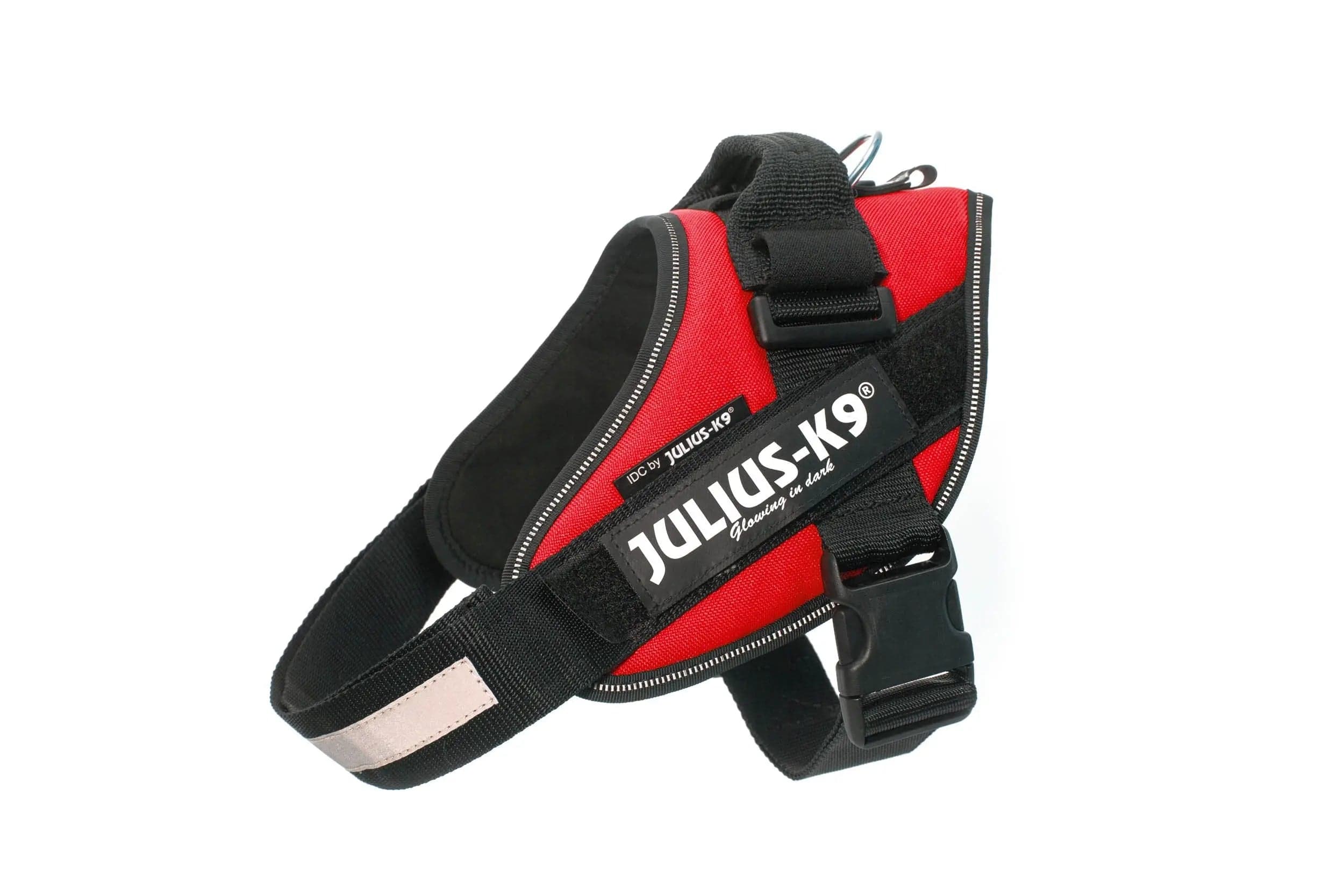

Recommended for Adult Dogs for Dalmatians
Products selected for Dalmatian size, coat type, and life stage. Affiliate disclosure.
Tuffies
Shop NowPetFusion
PetFusion Ultimate Dog Bed (Large)
Memory foam orthopedic bed with waterproof cover. Ideal for large breeds.
Shop PetFusionKurgo
Shop NowProDen PlaqueOff
VOHC-accepted. Seaweed-based dental bone with multiple flavours. From the makers of PlaqueOff Powder.
Buy on AmazonHurtta
Hurtta Mudventure ECO Raincoat (Large)
Reflective, eco-friendly raincoat built for UK weather. Large size.
Shop HurttaLily's Kitchen
Shop NowAATU Dog and Cat Food
Shop NowBarking Heads
Shop NowRoyal Canin
Royal Canin Breed-Specific Food
Nutrition precision-tailored to your breed.
Shop Royal CaninHarringtons
The UK's bestselling dry dog food. No artificial colours, flavours or preservatives. Made with natural ingredients including chicken, brown rice and vegetables. Available in multiple sizes.
Shop NowAnimology
The UK groomer standard for removing fox poo and foul odours. Deep cleaning with built-in conditioner and Pro-Vitamin B5. Suitable for all coats from 6 weeks old.
Shop NowBoshel
Shop NowPets Calm Down
Shop NowRosewood
Shop NowDrontal
Shop NowPitPat
Shop NowJulius-K9
Julius-K9 IDC Powerharness (Large)
Award-winning harness trusted by dog owners worldwide. Large size (23-30kg).
Shop Julius-K9Furbo
Shop NowKONG
KONG Classic (Large)
The classic rubber chew for large and giant breeds.
Shop KONGLickiMat
LickiMat Wobble
Slows feeding, reduces anxiety, keeps dogs calm and engaged.
Try LickiMatChuckit
Chuckit! Ball Launcher (Large)
Launch further, throw less. Sport 26L launcher for large dogs.
Shop Chuckit!Nina Ottosson
Nina Ottosson Dog Puzzle
Level 2 puzzle feeder. Engages your dog mentally and slows eating.
Try Nina OttossonTrixie
Shop NowDoggone Good
Shop NowFURminator
FURminator Deshedding Tool (Large, Short Hair)
Reduces shedding by up to 90% for large short-coated dogs.
Shop FURminatorBreed Overview
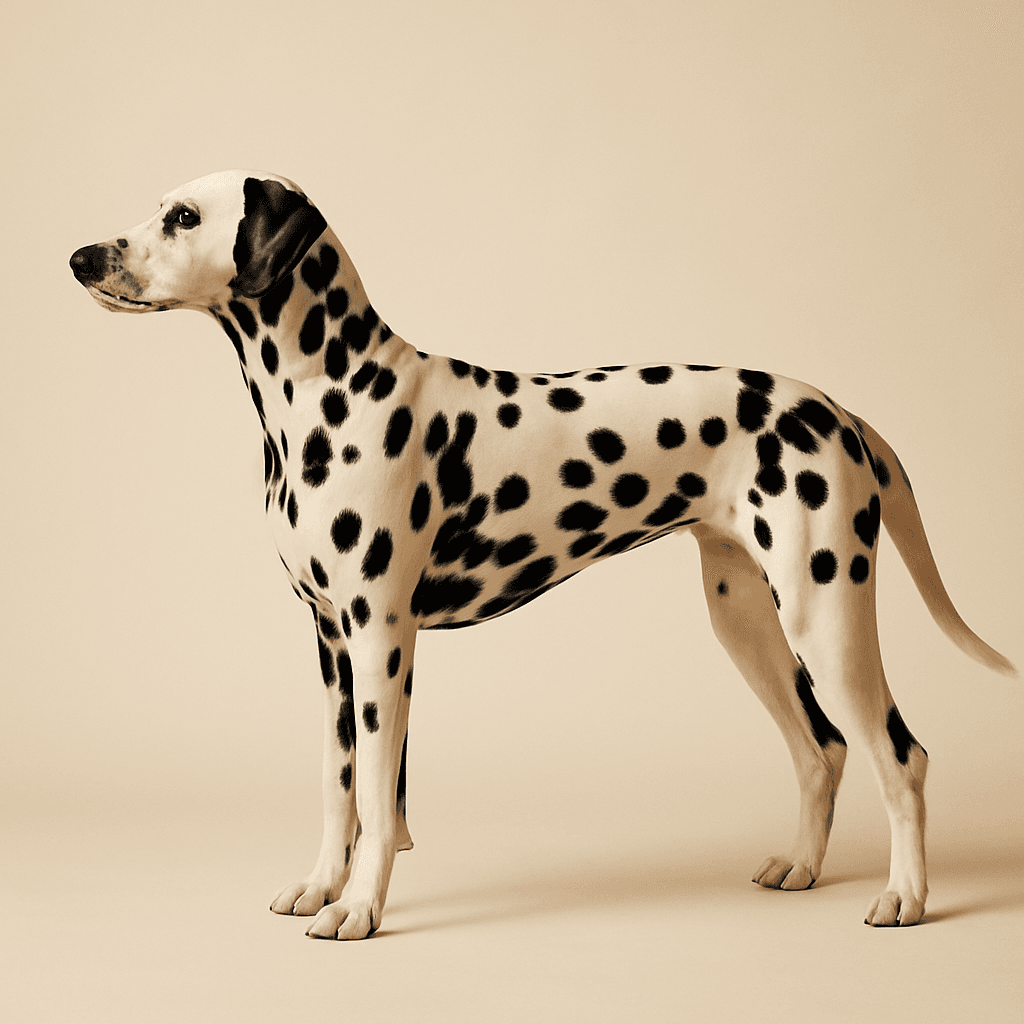
The Dalmatian is one of the most visually distinctive breeds in the world, registered by the Kennel Club in the Utility Group. Its striking white coat with black or liver spots has made it one of the most recognisable dogs globally. It is also a breed with significant practical demands and two breed-specific health conditions that every prospective owner must understand before buying.
Dalmatians are high-energy working dogs. They were bred to run alongside carriages for many miles and retain that stamina and drive in the modern domestic environment. An adult Dalmatian needs a minimum of two hours of vigorous exercise every day. This is not a guideline: it is a practical reality. Owners who do not match this requirement will find themselves with a destructive, hyperactive dog. The frequency with which Dalmatians appear in rescue is a direct reflection of the gap between the breed's visual appeal and the exercise reality.
On the health front, hereditary deafness is the primary concern. Around 8 to 12 percent of Dalmatians are born bilaterally deaf and approximately 20 to 25 percent unilaterally deaf. BAER testing by the breeder is the only way to identify this. Never buy from a breeder who does not BAER test their litters.
The second major health consideration is the breed's unique predisposition to urate urinary stones, arising from an inability to fully metabolise purines. A lifelong low-purine diet and high water intake are important preventive measures. High-purine organ meats and some protein-dense foods should be avoided.
Given these demands, why do so many owners find the Dalmatian deeply rewarding? Because for owners who genuinely match the breed's exercise needs and invest in training and socialisation, the Dalmatian is a warm, loyal and energetic companion with a personality that is hard to match. They are intelligent, people-oriented, and fully engaged with the family.
Purchase prices from BAER-tested KC-registered breeders typically range from £800 to £1,500. Monthly insurance is £30 to £55. Lifespan is 10 to 13 years. Dalmatian Welfare rehomes dogs nationally.
Research the exercise requirement honestly. Confirm BAER testing on the litter. Understand the dietary management. The possibility of urinary stone treatment or surgery means lifetime insurance is important. Do all of that and the Dalmatian is a spectacular and rewarding companion.
Temperament & Personality
Dalmatians are energetic, playful and people-oriented dogs with a lively, exuberant character. They form close bonds with their family and want to be involved in household activity. They are not dogs that are content to be left in the garden or kept at arm's length.
They are alert and responsive, with more intensity than many breeds. A Dalmatian that has received sufficient exercise and mental stimulation is a warm, affectionate and engaging companion. One that has not is boisterous, pushy and difficult to live with.
They can be sensitive to household atmosphere and may become anxious in tense or unpredictable environments. They are not aggressive dogs by nature but can become reactive if under-socialised, particularly toward other dogs.
Their intelligence makes them perceptive companions that learn quickly and respond well to consistent, positive training. The same intelligence means they become bored rapidly with repetitive training and benefit from varied, engaging sessions.
Overall, the Dalmatian is a demanding breed that returns significant investment in exercise and training with genuine warmth, loyalty and engagement. The owners who get the most from Dalmatians are those who genuinely match the breed's energy and commitment needs.
Training
Dalmatians are intelligent but can be independent and wilful, particularly if under-exercised. A well-exercised Dalmatian is a much more trainable dog than an under-exercised one. Getting the exercise right is a prerequisite for effective training.
Four priorities for a new Dalmatian owner:
- Exercise first. Train after exercise, not before. A Dalmatian that has had adequate exercise is far more focused and responsive. Building training into the exercise routine (obedience practice during walks) works well.
- Consistency from day one. Dalmatians are intelligent and will identify and exploit inconsistency. Every member of the household must apply the same rules. A puppy allowed to jump up on some people but not others will jump on everyone.
- Socialisation. Comprehensive positive exposure during the 8 to 16 week window. Well-socialised Dalmatians are confident and manageable. Under-socialised ones can become reactive, particularly toward other dogs.
- Basic obedience. Sit, stay, down, come and leave it using positive reinforcement. Enrol in a class with a trainer experienced with high-energy working breeds.
Common mistakes: Acquiring a Dalmatian and discovering the exercise requirement is unmanageable two or three months in. Research and honest self-assessment before acquisition prevents both human frustration and dog welfare issues.
Exercise Needs
Dalmatians are high-energy working dogs bred to run alongside carriages for many miles. Their exercise needs are substantial and this is the most important practical consideration before acquiring the breed.
Adult Dalmatians: Two hours of vigorous exercise per day is the realistic minimum for a Dalmatian in good condition. This should include genuine running, not just steady walking. Dalmatians excel as running and cycling companions and thrive in canine sports including agility.
Mental stimulation: As important as physical exercise. Dalmatians are intelligent and need mental engagement alongside physical activity. A physically tired but mentally bored Dalmatian will still cause problems. Obedience training, nose work and interactive games all contribute.
Off-lead exercise: Dalmatians can generally be exercised off lead in appropriate areas when recall has been properly trained. They do not have the extreme prey drive of sighthounds, but a reliable recall should be established before off-lead exercise in open areas.
Under-exercise consequences: A Dalmatian that does not receive sufficient exercise will express its energy through destructive chewing, excessive barking, jumping and general hyperactivity indoors. This is the most common reason Dalmatians appear in rescue.
Puppies: Exercise should be carefully managed in puppies to protect developing joints. Use the five-minutes-per-month-of-age guideline for on-lead walks. Free play in a safe area is generally acceptable.
Health & Vet Costs
Dalmatians carry two significant breed-specific health conditions that all prospective owners must understand.
Hereditary Deafness is the most widespread health concern in the breed. Approximately 8 to 12 percent of Dalmatians are born bilaterally deaf (deaf in both ears) and a further 20 to 25 percent are unilaterally deaf (deaf in one ear). Deafness is linked to the piebald gene responsible for the breed's white coat and spotting. It cannot be identified by observation alone: the only reliable method is BAER (Brainstem Auditory Evoked Response) testing. Responsible breeders BAER test all puppies before sale. Bilaterally deaf dogs face significant welfare and management challenges. Do not buy from a breeder who has not BAER tested the litter. Ask to see individual test results for the puppy you are considering.
Urate Urinary Stones arise from the Dalmatian's unique inability to fully metabolise purines, resulting in high uric acid excretion. Urate stones can form in the bladder or urethra, causing pain, blockage and potentially life-threatening obstruction. A low-purine diet, high water intake and monitoring for urinary symptoms are essential management strategies.
Hip dysplasia occurs in the breed. The KC/BVA Hip Scoring scheme assesses breeding dogs.
Monthly insurance typically costs £30 to £55. Lifespan is 10 to 13 years.
Feeding & Nutrition
Dalmatians have a unique metabolic characteristic that directly affects their diet: they are unable to metabolise purines to allantoin in the same way as other dogs, resulting in elevated uric acid levels in their urine. This predisposes them to urate urinary stones (uroliths), which can cause blockages and require surgical removal.
Low-purine diet: Dalmatians should be fed a low-purine diet throughout their lives. High-purine foods include organ meats (kidney, liver), red meats, game, sardines and anchovies. Many standard complete dry foods are appropriate but some working-dog and high-protein foods contain organ meats that should be avoided. Check ingredients carefully.
Hydration: High water intake reduces urine concentration and lowers urolith risk. Feed wet food in addition to dry, use water fountains, and ensure fresh water is always available.
Daily feeding: Adult Dalmatians typically need 250 to 350g of a good quality dry complete food per day, split into two meals.
Monitoring: Signs of urinary stones include straining to urinate, blood in urine, frequent urination and in severe cases complete blockage (emergency). Any Dalmatian showing urinary signs should be assessed promptly by a vet.
Puppy feeding: Three to four times daily until 12 weeks, then three times until six months, then twice daily.
Feeding your Dalmatian
How much to feed, which food types suit this breed, and what to avoid.
Grooming & Care
Dalmatians have a short, dense coat that is relatively easy to maintain but sheds significantly, producing fine white hairs that embed in fabric and are particularly visible on dark clothing.
Brushing: Two to three times per week with a firm bristle brush or rubber grooming mitt reduces shed hair in the home. Dalmatians shed year-round rather than seasonally.
Bathing: Every four to six weeks or when dirty. The short coat dries quickly.
Shedding management: Dalmatian hair is fine and works its way into fabric. Regular brushing and grooming mitts used during stroking sessions help manage it. Accept that Dalmatian ownership involves some degree of dog hair in the home and on clothing.
Ear care: Check weekly for redness, discharge or odour. Dogs that swim should have ears checked more frequently. Clean with a vet-recommended ear cleaner as needed.
Nails: Clip every four to six weeks or as needed. Active Dalmatians that exercise extensively on hard surfaces will wear nails down naturally.
Dental care: Daily toothbrushing with dog-safe toothpaste.
Costs of Ownership
Purchase price: £800 to £1,500 from a KC-registered breeder who BAER tests puppies. Do not purchase from a breeder who does not BAER test: buying an unilaterally or bilaterally deaf Dalmatian from an untested litter creates significant welfare and management issues.
Monthly insurance: £30 to £55 for comprehensive lifetime cover. Urinary stone treatment and surgery can be expensive and makes lifetime cover important.
Food: £35 to £55 per month for a good quality low-purine complete food.
Routine veterinary care: Annual vaccination and health check approximately £60 to £80. Urinary monitoring and periodic urinalysis may be recommended.
Professional grooming: Minimal. Occasional baths and nail clips manageable at home.
Total estimated monthly cost: £120 to £200 when insurance, food and routine care are combined. Urinary stone treatment or surgery can add significantly in affected dogs.
Estimated cost breakdown
Estimates based on UK average costs. Actual costs vary by location, vet, and lifestyle.
Owner note
Is your Dalmatian insured?
Dalmatian insurance typically costs £30–£75 per month depending on age, cover level and where you live. Getting the right policy before your first vet visit is one of the most important decisions you will make as a new owner.
Compare dog insuranceWe may earn a commission if you buy through our links. This never influences our recommendations.
Where to Find a Dalmatian in the UK
Whether you are looking for a Dalmatian puppy from a responsible breeder or hoping to give a rescue Dalmatian a second chance, there are reliable routes to finding the right dog. The most important thing is that you find them through the right channel — one that puts the dog's welfare first.
Finding a Dalmatian Puppy
The Kennel Club's Find a Puppy service is the safest starting point for anyone looking for a Dalmatian puppy. It connects buyers with breeders who register their litters and allows you to verify parental health test results.
For Dalmatians, the relevant breed club is The Dalmatian Club. They maintain a breeder register and can be contacted directly for recommendations.
Before you commit, read our complete guide to finding a puppy responsibly — including the red flags that separate an ethical breeder from a puppy farm.
Read the Puppy Buying GuideRescuing a Dalmatian
Dalmatian-specific rescue organisations are run by people who know the breed inside out. They assess every dog carefully and match them to homes that genuinely suit their needs. Waiting lists exist but are worth it.
Key Dalmatian rescues in the UK include:
Our rescue guide covers the full adoption process in detail.
Find a Rescue DogIs a Dalmatian Right for You?
Best suited to: Active individuals and families who can provide two or more hours of vigorous exercise daily; experienced dog owners who understand high-energy working breeds; those with the time and commitment for consistent training.
Can work with: Active first-time owners who research the breed thoroughly and commit fully to training and exercise; households with children old enough to handle a boisterous, energetic dog; runners and cyclists looking for a canine training partner.
Not ideal for: Owners who cannot provide substantial daily exercise; those wanting a calm, easy-going breed; households with very young children who may be knocked over by an exuberant dog; owners who want a breed that manages alone time easily.
Size and living situation: Dalmatians are medium to large dogs (23 to 32kg) that need space and ideally access to a garden. They can adapt to urban living only if exercise requirements are fully met.
Children and other pets: Generally good with children when well socialised, though their size and energy mean young children may be inadvertently knocked over. Sociable with other dogs. Prey drive is present but generally manageable with socialisation.
Alone time: Dalmatians do not manage extended isolation well. They are people-oriented and can become destructive when under-exercised and left alone.
Frequently Asked Questions
Yes, Dalmatians can be excellent family dogs and are generally good with children, though their high energy means they suit active families. They are loyal and affectionate, but require consistent training and socialisation from puppyhood to ensure they develop good manners around young children.
Dalmatians are very high energy dogs requiring 120-180 minutes of exercise daily. They were originally bred as carriage dogs and need substantial physical activity combined with mental stimulation to prevent boredom and destructive behaviour.
Yes, Dalmatians shed heavily year-round, with increased shedding during spring and autumn. Regular brushing with a rubber curry comb or slicker brush several times weekly will help manage loose hair, though they are not a breed for those bothered by dog hair in the home.
Dalmatians are intelligent but can be independent and stubborn, making them moderately challenging to train. They respond best to consistent, positive reinforcement methods and benefit from experienced handlers who can provide firm, fair leadership without being harsh.
Dalmatians typically live 11-13 years. Responsible breeding and good health screening for conditions such as deafness and hip dysplasia can help ensure a long, healthy life.
Monthly costs for a Dalmatian typically range from £120 to £190, covering food, routine veterinary care, and general maintenance. This estimate may increase if the dog requires specialist treatment or has ongoing health conditions.
Dalmatians are not recommended for first-time owners due to their high exercise requirements, independent nature, and need for experienced training. They require an owner who can provide consistent leadership, substantial daily activity, and understand their working dog heritage.
Related Breeds
Pointer
The Pointer is a classic British gundog renowned for its characteristic pointing stance - freezing with one foreleg rais...
View breed guide →Rhodesian Ridgeback
The Rhodesian Ridgeback is a powerful, athletic South African breed developed to hunt lions and guard farms. The distinc...
View breed guide →Weimaraner
The Weimaraner is a high-energy gundog needing two or more hours of vigorous exercise daily. It is highly prone to separ...
View breed guide →Related Guides
Find local services for your Dalmatian
Search verified UK listings for vets, groomers, trainers and walkers near you.
Upcoming events for Dalmatian owners
Championship Show
Darlington Dog Show Society Championship Show 2026
18 to 20 September 2026 · Ripon, North Yorkshire
Companion Show
Paws in the Park — Kent 2026
19 to 20 September 2026 · Maidstone, Kent
Championship Show
Belfast Dog Show Society Championship Show 2026
26 to 27 September 2026 · Lisburn, County Antrim
Festival
DogFest at the Palace 2026
3 to 4 October 2026 · Woodstock, Oxfordshire
Championship Show
South Wales Kennel Association Championship Show 2026
8 to 11 October 2026 · Builth Wells, Powys