Great Swiss Mountain Dog
Complete UK breed guide
Quick answer
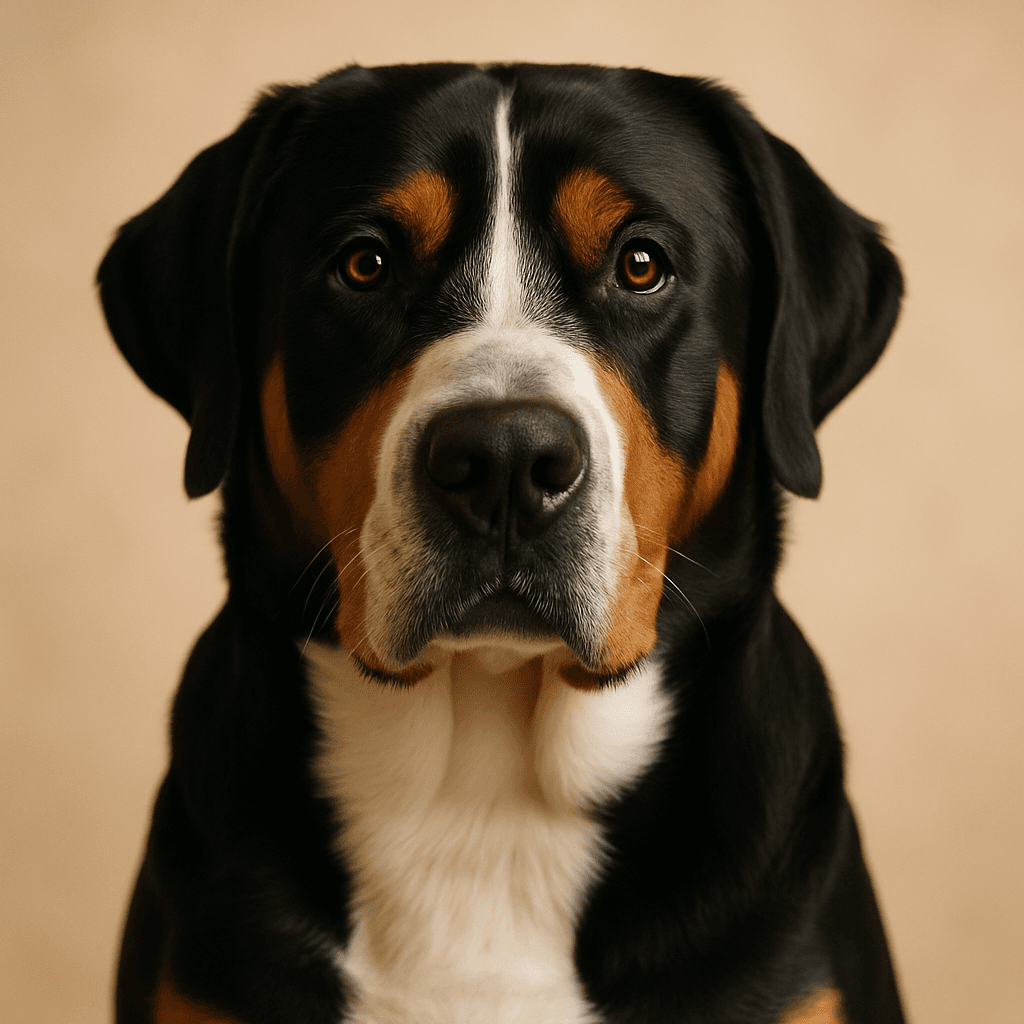
The Great Swiss Mountain Dog (Grosser Schweizer Sennenhund) is the largest of the four Swiss mountain breeds - a powerful, heavy-boned draught and farm dog. Loyal, calm and good-natured. Hip, elbow and eye testing of both parents essential. Not suitable for first-time owners. KC Working Group. Lifespan 8-11 years.
Quick Facts
- Size
- Large
- Weight
- 36–61 kg
- Lifespan
- 8–11 years
- Breed Group
- Working
- Exercise
- 60–75 mins/day
- Activity Level
- Moderate
- Grooming
- Moderate
- Monthly Cost
- £150–£240/month
- Temperament
- Loyal, Confident, Alert
- Good with Children
- Yes
- Good with Dogs
- Yes
- Good for First Timers
- No
- Suits Flats
- No
Free care guide
Get the Complete Great Swiss Mountain Dog Care Guide
Feeding, health, grooming, training and costs for your Great Swiss Mountain Dog. Free, straight to your inbox.

Getting set up
Getting a Great Swiss Mountain Dog? Here's what you'll need.
Our editors have picked the essentials for Great Swiss Mountain Dog owners.
See the First Dog Kit →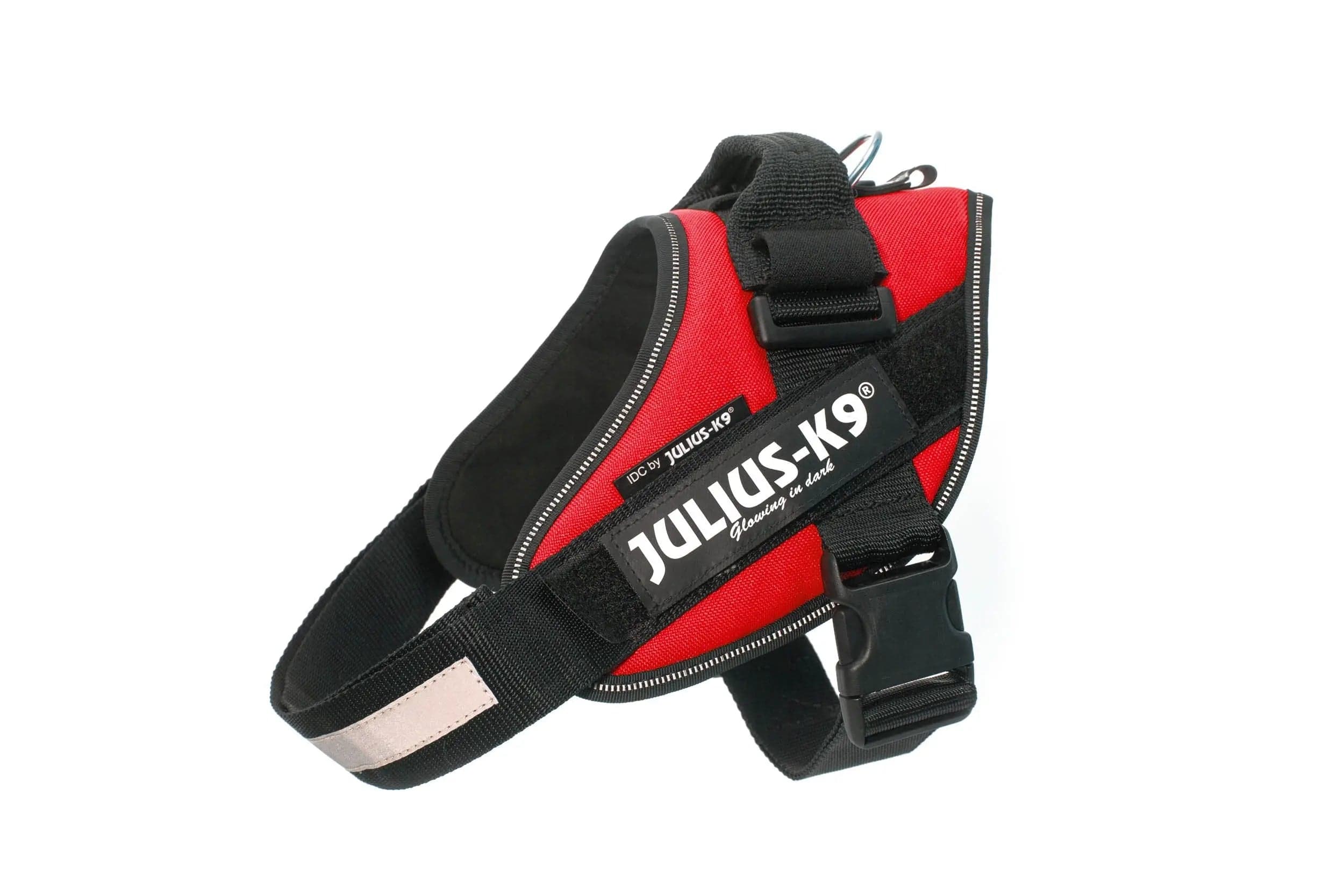
Recommended for Adult Dogs for Great Swiss Mountain Dogs
Products selected for Great Swiss Mountain Dog size, coat type, and life stage. Affiliate disclosure.
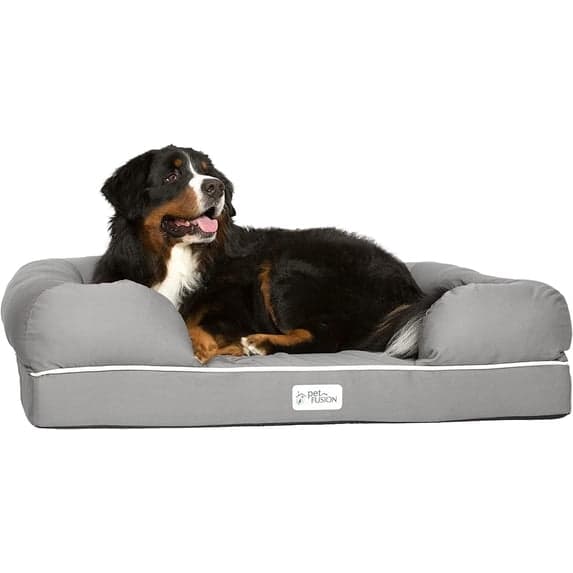
PetFusion
PetFusion Ultimate Dog Bed (Large)
Memory foam orthopedic bed with waterproof cover. Ideal for large breeds.
Shop PetFusionTuffies
Shop NowKurgo
Shop NowProDen PlaqueOff
VOHC-accepted. Seaweed-based dental bone with multiple flavours. From the makers of PlaqueOff Powder.
Buy on AmazonHurtta
Hurtta Mudventure ECO Raincoat (Large)
Reflective, eco-friendly raincoat built for UK weather. Large size.
Shop HurttaBarking Heads
Shop NowRoyal Canin
Royal Canin Breed-Specific Food
Nutrition precision-tailored to your breed.
Shop Royal CaninAATU Dog and Cat Food
Shop NowLily's Kitchen
Shop NowHarringtons
The UK's bestselling dry dog food. No artificial colours, flavours or preservatives. Made with natural ingredients including chicken, brown rice and vegetables. Available in multiple sizes.
Shop NowAnimology
The UK groomer standard for removing fox poo and foul odours. Deep cleaning with built-in conditioner and Pro-Vitamin B5. Suitable for all coats from 6 weeks old.
Shop NowChris Christensen
Shop NowBoshel
Shop NowRosewood
Shop NowDrontal
Shop NowPets Calm Down
Shop NowJulius-K9
Julius-K9 IDC Powerharness (Large)
Award-winning harness trusted by dog owners worldwide. Large size (23-30kg).
Shop Julius-K9PitPat
Shop NowFurbo
Shop NowNina Ottosson
Nina Ottosson Dog Puzzle
Level 2 puzzle feeder. Engages your dog mentally and slows eating.
Try Nina OttossonLickiMat
LickiMat Wobble
Slows feeding, reduces anxiety, keeps dogs calm and engaged.
Try LickiMatKONG
KONG Classic (Large)
The classic rubber chew for large and giant breeds.
Shop KONGChuckit
Chuckit! Ball Launcher (Large)
Launch further, throw less. Sport 26L launcher for large dogs.
Shop Chuckit!Trixie
Shop NowDoggone Good
Shop NowFURminator
FURminator Deshedding Tool (Large, Long & Double Coat)
Reduces shedding by up to 90% for large long-coated dogs.
Shop FURminatorBreed Overview
The Great Swiss Mountain Dog, known in its homeland as the Grosser Schweizer Sennenhund, is the largest of the four Swiss mountain breeds and one of the most physically powerful of all working dog breeds, a draught and farm dog of considerable strength, substance and calm reliability that was developed in the Swiss Alps to serve as a multipurpose working companion on the mountain farms and dairies of the region. Together with the Bernese Mountain Dog, Appenzeller Sennenhund and Entlebucher Mountain Dog, it forms the group of four traditional Swiss mountain and farm dogs, all sharing the characteristic tricolour colouring of black, white and rust. Registered by the Kennel Club in the Working Group, it is an uncommon breed in the United Kingdom with a small but dedicated following.
The Great Swiss Mountain Dog is a large, heavily boned and powerfully muscled dog with the characteristic Swiss mountain dog tricolour pattern - a base of black with rust tan markings and white markings on the muzzle, blaze, chest, paws and tail tip. The coat is short and dense with a thick undercoat suited to mountain conditions. Adults typically stand 60 to 72 centimetres at the shoulder and weigh 36 to 60 kilograms, making this one of the heavier working breeds available. The overall impression is of substantial power and solidity combined with a calm, steady expression.
The character is that of a calm, loyal and devoted farm dog: steady, reliable and good-natured in the home, with genuine devotion to its own family and a tolerant, settled approach to daily life that makes it a surprisingly manageable companion given its size. The breed is good with children and generally good-natured with other dogs. It is reserved rather than openly aggressive with strangers. It is not a high-energy or excitable breed, but it is large, strong and needs experienced owners who can handle its size and provide consistent direction.
Exercise needs are moderate for such a large breed - 1 to 1.5 hours daily is appropriate - reflecting the breed's background as a steady draught dog rather than a fast-moving herder or hunter. The Great Swiss Mountain Dog is not built for speed but has considerable endurance and enjoys steady, purposeful activity including long walks and outdoor work.
Hip and elbow dysplasia are significant health concerns in the breed and both parents should be tested before any breeding programme. Eye conditions have also been documented and eye testing is advisable. Bloat is a risk in all deep-chested large breeds and owners should be familiar with the signs.
Purchase prices from KC-registered, health-tested breeders range from £1,200 to £2,500. Monthly running costs average £160 to £240. Swiss Mountain Dog breed clubs and the relevant KC breed registrations are the primary resources for breed information, health testing, responsible breeders and rescue contact.
Temperament & Personality
Loyal, calm, good-natured and devoted - the Great Swiss Mountain Dog is a gentle giant with the steady, reliable character of a true working farm dog. Good with children and generally good-natured with other dogs. Reserved rather than aggressive with strangers. Not a high-energy or excitable breed. Needs companionship and purposeful activity.
Training
Great Swiss Mountain Dogs are intelligent and trainable but can be independent and strong-willed. Positive reinforcement works well. Early socialisation and obedience training are essential given the breed's size and strength. Consistent, experienced handling from puppyhood is important. Professional guidance is recommended for first-time owners of large breeds.
Exercise Needs
Great Swiss Mountain Dogs need 1-1.5 hours of daily exercise. Moderate for their size - they are a draught breed built for sustained effort rather than speed. They enjoy long walks and outdoor activity. Puppies need restricted exercise during the long growth phase. Adults thrive on regular steady activity.
Health & Vet Costs
Hip and elbow dysplasia are significant concerns - both parents must be scored. Eye conditions including hereditary cataract have been documented and eye testing of parents is advisable. Bloat is a risk in deep-chested large breeds - owners should know the signs. The breed has a relatively short lifespan. Lifespan 8-11 years.
Feeding & Nutrition
High-quality large breed complete food. Adults typically need 500-700g dry food daily across two meals. Monitor body condition carefully - maintain lean build to protect joints. Obesity significantly worsens hip and elbow dysplasia. Fresh water always available.
Feeding your Great Swiss Mountain Dog
How much to feed, which food types suit this breed, and what to avoid.
Grooming & Care
The short, dense double coat is relatively low-maintenance. Weekly brushing removes loose hair - the breed sheds heavily and more so twice yearly. Occasional bathing as needed. Ears need regular checking. Nail trimming required regularly. Dental care important.
Costs of Ownership
Great Swiss Mountain Dog puppies from health-tested KC-registered breeders typically cost £1,200-£2,500. The breed is uncommon in the UK. Annual ongoing costs including food, insurance and routine care average £1,800-£2,800 given the large size.
Estimated cost breakdown
Estimates based on UK average costs. Actual costs vary by location, vet, and lifestyle.
Owner note
Is your Great Swiss Mountain Dog insured?
Great Swiss Mountain Dog insurance typically costs £30–£75 per month depending on age, cover level and where you live. Getting the right policy before your first vet visit is one of the most important decisions you will make as a new owner.
Compare dog insuranceWe may earn a commission if you buy through our links. This never influences our recommendations.
Where to Find a Great Swiss Mountain Dog in the UK
Whether you are looking for a Great Swiss Mountain Dog puppy from a responsible breeder or hoping to give a rescue Great Swiss Mountain Dog a second chance, there are reliable routes to finding the right dog. The most important thing is that you find them through the right channel — one that puts the dog's welfare first.
Finding a Great Swiss Mountain Dog Puppy
The Kennel Club's Find a Puppy service is the safest starting point for anyone looking for a Great Swiss Mountain Dog puppy. It connects buyers with breeders who register their litters and allows you to verify parental health test results.
For Great Swiss Mountain Dogs, the relevant breed club is Great Swiss Mountain Dog Club. They maintain a breeder register and can be contacted directly for recommendations.
Before you commit, read our complete guide to finding a puppy responsibly — including the red flags that separate an ethical breeder from a puppy farm.
Read the Puppy Buying GuideRescuing a Great Swiss Mountain Dog
Great Swiss Mountain Dog-specific rescue organisations are run by people who know the breed inside out. They assess every dog carefully and match them to homes that genuinely suit their needs. Waiting lists exist but are worth it.
General rescues including Dogs Trust, RSPCA and Battersea also occasionally have Great Swiss Mountain Dogs available. Contact them directly to register your interest.
Our rescue guide covers the full adoption process in detail.
Find a Rescue DogIs a Great Swiss Mountain Dog Right for You?
Experienced families and individuals with space. Not suitable for first-time owners. Needs 1-1.5 hours daily exercise. The large size and strong pulling instinct require experienced handling. Good with children. The short coat requires minimal grooming but the breed sheds heavily. Hip, elbow and eye testing of parents non-negotiable.
Frequently Asked Questions
Yes, Great Swiss Mountain Dogs make excellent family companions. They are naturally protective, gentle with children, and thrive in family environments where they receive proper socialisation and training from an early age.
Great Swiss Mountain Dogs require 60-75 minutes of exercise daily to maintain their physical and mental wellbeing. They enjoy walks, play sessions, and activities that utilise their working heritage, though they are not hyperactive dogs.
Yes, Great Swiss Mountain Dogs shed moderately year-round and more heavily during seasonal coat changes. Regular brushing, ideally 2-3 times per week, helps manage shedding and keeps their double coat healthy.
Great Swiss Mountain Dogs are intelligent and eager to please, making them reasonably trainable. However, they require experienced, consistent handling and early socialisation, so they are not ideal for first-time dog owners.
Great Swiss Mountain Dogs typically live between 8-11 years. Like many large breeds, they can be prone to certain health conditions, so regular veterinary care and responsible breeding practices are important.
Monthly costs for a Great Swiss Mountain Dog typically range from £150-£240, covering food, routine veterinary care, grooming, and other essentials. Larger dogs require more food and may have higher healthcare expenses due to their size.
Great Swiss Mountain Dogs are not recommended for first-time owners. They require experienced handling, consistent training, and understanding of their working dog heritage. Their size and strength demand confident, knowledgeable ownership.
Related Breeds
Bernese Mountain Dog
The Bernese Mountain Dog is a large, gentle working breed with a characteristically short lifespan of 7 to 9 years and v...
View breed guide →Leonberger
The Leonberger is a giant German breed created in the nineteenth century by Heinrich Essig of Leonberg, combining Saint ...
View breed guide →Saint Bernard
The Saint Bernard is one of the world's most recognisable giant breeds, developed by the monks of the Great St Bernard H...
View breed guide →Related Guides
Find local services for your Great Swiss Mountain Dog
Search verified UK listings for vets, groomers, trainers and walkers near you.
Upcoming events for Great Swiss Mountain Dog owners
Championship Show
Darlington Dog Show Society Championship Show 2026
18 to 20 September 2026 · Ripon, North Yorkshire
Companion Show
Paws in the Park — Kent 2026
19 to 20 September 2026 · Maidstone, Kent
Championship Show
Belfast Dog Show Society Championship Show 2026
26 to 27 September 2026 · Lisburn, County Antrim
Festival
DogFest at the Palace 2026
3 to 4 October 2026 · Woodstock, Oxfordshire
Championship Show
South Wales Kennel Association Championship Show 2026
8 to 11 October 2026 · Builth Wells, Powys