Greyhound
Complete UK breed guide
Quick answer
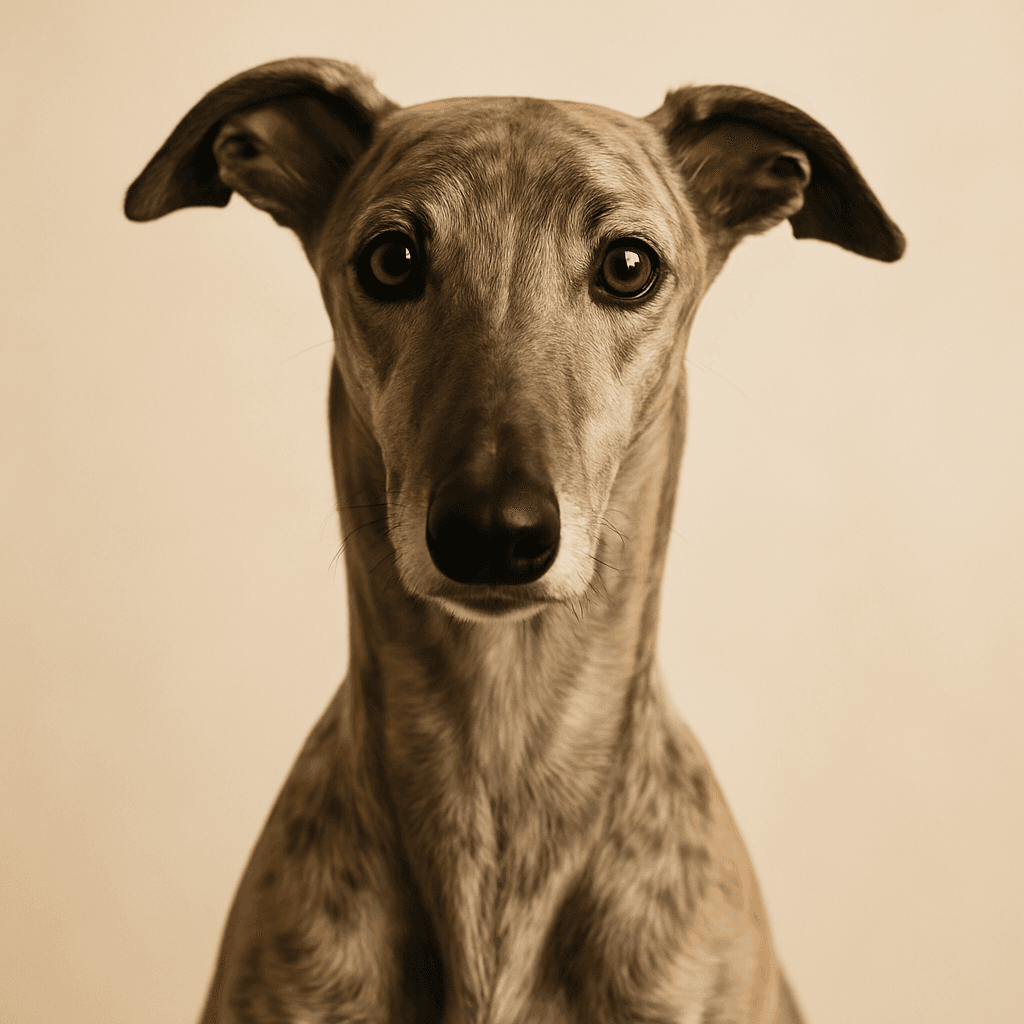
The Greyhound is a gentle, quiet and low-exercise sighthound, mostly rehomed from racing via the Greyhound Trust. It needs only 30 to 40 minutes exercise daily. Off-lead exercise is unsafe in open areas due to prey drive. Suits calm households.
Quick Facts
- Size
- Large
- Weight
- 27–40 kg
- Lifespan
- 10–14 years
- Breed Group
- Hound
- Exercise
- 60–75 mins/day
- Activity Level
- Moderate
- Grooming
- Low
- Monthly Cost
- £110–£170/month
- Temperament
- Gentle, Intelligent, Loyal
- Good with Children
- Yes
- Good with Dogs
- No
- Good for First Timers
- Yes
- Suits Flats
- Yes
Free care guide
Get the Complete Greyhound Care Guide
Feeding, health, grooming, training and costs for your Greyhound. Free, straight to your inbox.
Getting set up
Getting a Greyhound? Here's what you'll need.
Our editors have picked the essentials for Greyhound owners.
See the First Dog Kit →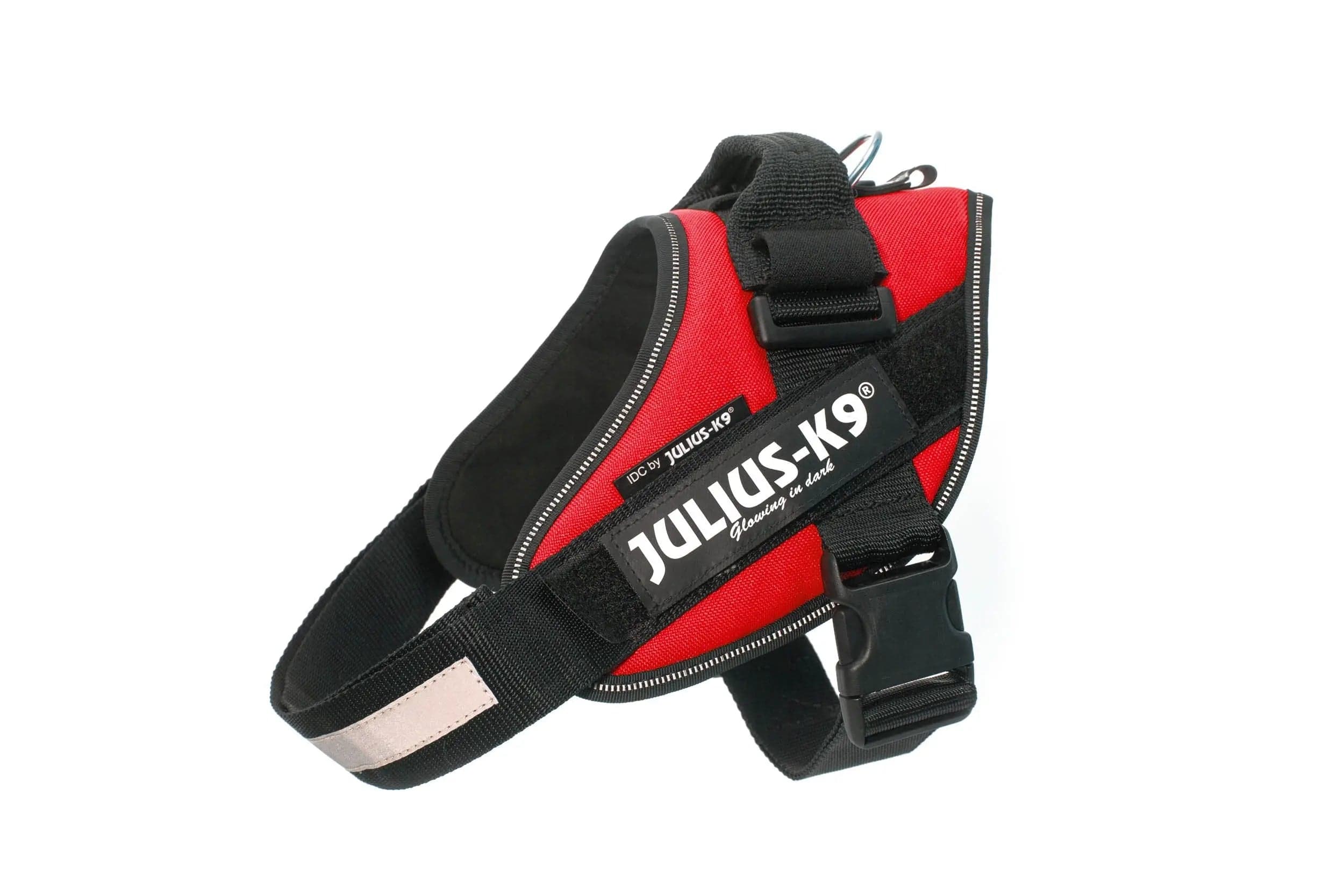
Recommended for Adult Dogs for Greyhounds
Products selected for Greyhound size, coat type, and life stage. Affiliate disclosure.
Tuffies
Shop NowPetFusion
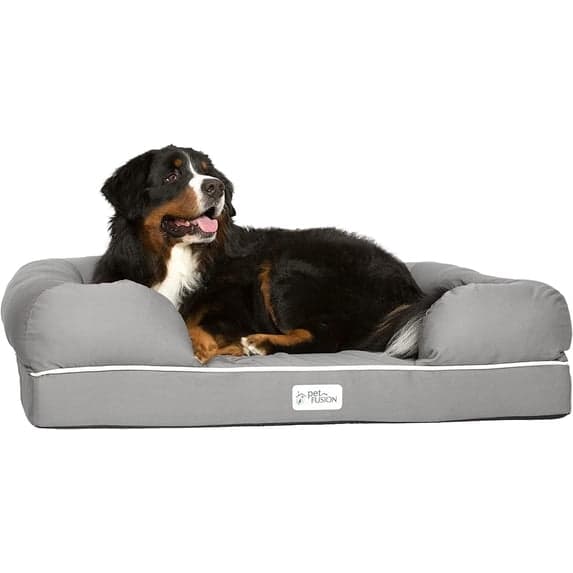
PetFusion Ultimate Dog Bed (Large)
Memory foam orthopedic bed with waterproof cover. Ideal for large breeds.
Shop PetFusionKurgo
Shop NowProDen PlaqueOff
VOHC-accepted. Seaweed-based dental bone with multiple flavours. From the makers of PlaqueOff Powder.
Buy on AmazonHurtta
Hurtta Mudventure ECO Raincoat (Large)
Reflective, eco-friendly raincoat built for UK weather. Large size.
Shop HurttaLily's Kitchen
Shop NowAATU Dog and Cat Food
Shop NowBarking Heads
Shop NowRoyal Canin
Royal Canin Breed-Specific Food
Nutrition precision-tailored to your breed.
Shop Royal CaninHarringtons
The UK's bestselling dry dog food. No artificial colours, flavours or preservatives. Made with natural ingredients including chicken, brown rice and vegetables. Available in multiple sizes.
Shop NowAnimology
The UK groomer standard for removing fox poo and foul odours. Deep cleaning with built-in conditioner and Pro-Vitamin B5. Suitable for all coats from 6 weeks old.
Shop NowBoshel
Shop NowPets Calm Down
Shop NowRosewood
Shop NowDrontal
Shop NowPitPat
Shop NowJulius-K9
Julius-K9 IDC Powerharness (Large)
Award-winning harness trusted by dog owners worldwide. Large size (23-30kg).
Shop Julius-K9Furbo
Shop NowKONG
KONG Classic (Large)
The classic rubber chew for large and giant breeds.
Shop KONGLickiMat
LickiMat Wobble
Slows feeding, reduces anxiety, keeps dogs calm and engaged.
Try LickiMatChuckit
Chuckit! Ball Launcher (Large)
Launch further, throw less. Sport 26L launcher for large dogs.
Shop Chuckit!Nina Ottosson
Nina Ottosson Dog Puzzle
Level 2 puzzle feeder. Engages your dog mentally and slows eating.
Try Nina OttossonTrixie
Shop NowDoggone Good
Shop NowFURminator
FURminator Deshedding Tool (Large, Short Hair)
Reduces shedding by up to 90% for large short-coated dogs.
Shop FURminatorBreed Overview
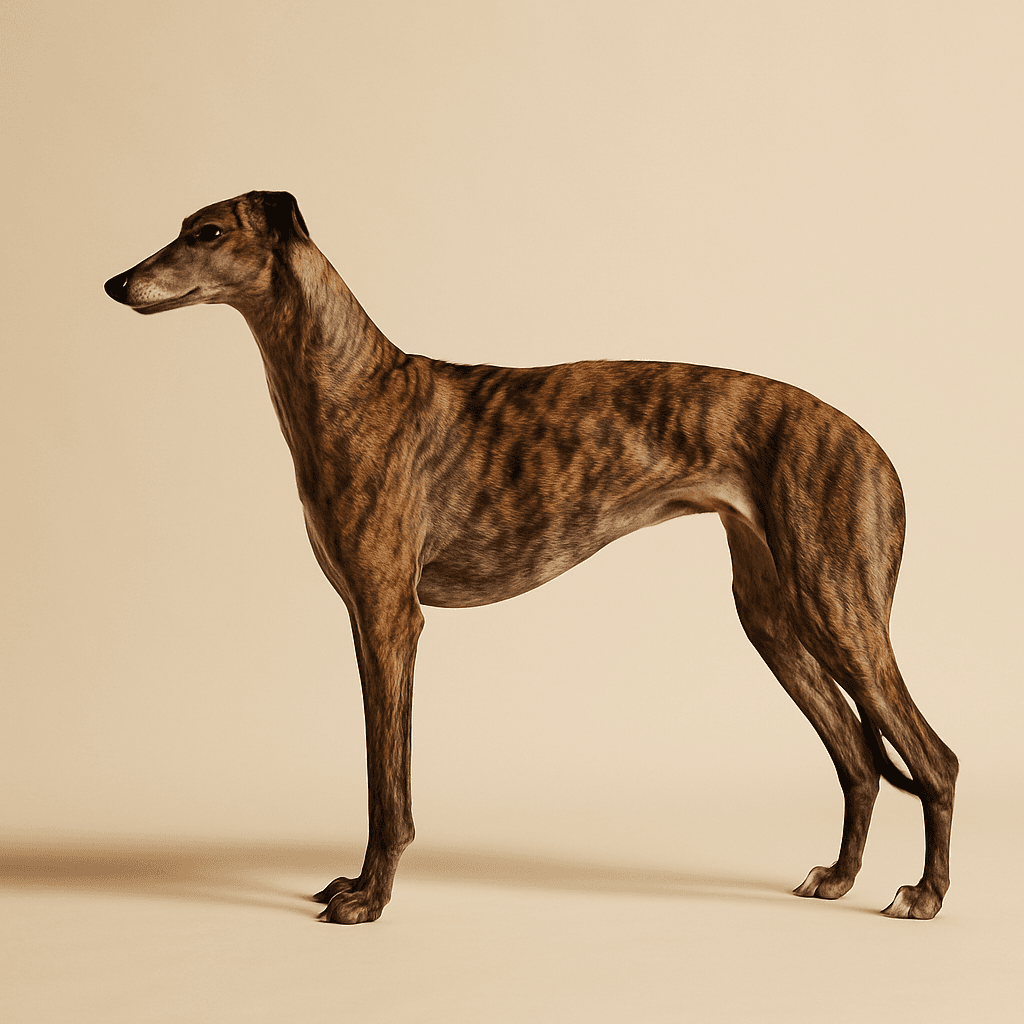
The Greyhound is the world's fastest dog breed and one of the oldest domesticated breeds in existence. In modern UK ownership, the vast majority of pet Greyhounds are ex-racing dogs rehomed through the Greyhound Trust following retirement from the track. They are registered by the Kennel Club in the Hound Group but the great majority of pet Greyhounds in the UK reach their owners via rescue rather than from breeders.
The Greyhound confounds most new owners' expectations. Despite their racing background and extreme speed, Greyhounds are calm, quiet and undemanding pets. They sleep for 18 to 20 hours per day, rarely bark, and need only 30 to 45 minutes of walking daily. They adapt well to urban living including flats, provided they have comfortable bedding and access to exercise areas. They are often described as ideal dogs for less active owners, older people, or those who want a gentle large breed without demanding exercise requirements.
Their dietary and grooming needs are minimal. Their general health is good relative to many popular pedigree breeds. Their acquisition cost, through the Greyhound Trust, is a fraction of typical puppy prices and includes health check, neutering, vaccination and microchipping.
There are genuine management requirements. Off-lead exercise must happen only in securely fenced areas: the Greyhound's speed and prey drive make open-area off-lead exercise genuinely dangerous. Fencing must be substantial: 1.8 metres minimum. Cat and small animal compatibility is variable: the Greyhound Trust assesses and cat-tests dogs before rehoming, which is the only reliable way to determine an individual dog's safety around cats.
Cold sensitivity is real: Greyhounds have almost no body fat and a single-layer thin coat. A well-fitting dog coat is a welfare requirement in cold weather, not optional. Thick bedding is equally important to prevent pressure sores on bony prominences.
Adoption via the Greyhound Trust costs £130 to £250. Monthly running costs of £120 to £200 make the Greyhound one of the most economical large breeds to own. Lifespan is 10 to 14 years.
For owners who do the preparation - secure fencing, cat-tested matching where needed, appropriate bedding and coats - the Greyhound is one of the most rewarding and surprising breed choices available. The commitment required is primarily environmental management rather than extensive exercise or training. Do that, and this is a breed of exceptional character.
Temperament & Personality
Greyhounds are gentle, quiet and typically undemanding dogs. They are not boisterous, do not bark excessively, and are content to spend most of their time resting. Owners frequently describe the transition to Greyhound ownership as unexpectedly easy.
Ex-racing greyhounds have been conditioned to human handling from a young age: they are comfortable being touched, examined and handled. They are typically not reactive or anxious around people, though the initial transition to home life requires patience as they encounter domestic environments for the first time.
They form warm bonds with their household but are often not intensely attachment-dependent in the way companion breeds are. They are affectionate without being clingy.
The critical temperament characteristic is the sighthound prey drive. The Greyhound's entire evolutionary and selective history is built around visual prey detection and pursuit. A moving target can trigger this response instantly and completely. This is not modifiable through training: it requires permanent environmental management.
With cats and small animals, the picture is genuinely variable. Some greyhounds are cat safe with proper introductions; others are not. The Greyhound Trust's cat testing process identifies this before adoption. Do not place a non-tested greyhound in a home with cats.
Overall, the Greyhound is one of the most gentle and low-maintenance large breeds available. Its needs are straightforward, its temperament is consistently calm, and its care requirements are modest relative to its size.
Training
Ex-racing greyhounds have never experienced normal home life. The training required is primarily about teaching them that domestic life is safe and predictable, rather than advanced obedience.
Four priorities for a new Greyhound owner:
- Home life introduction. Stairs, glass doors, reflective surfaces, television, appliances and traffic may all be unfamiliar and potentially frightening. Introduce patiently and positively. Most greyhounds transition remarkably quickly.
- Lead and collar safety. Greyhounds have narrow heads that can slip out of standard collars. Use a greyhound-specific martingale collar that tightens slightly when pressure is applied. Never rely on a standard buckle collar alone for this breed.
- Prey drive management. Accept from the start that prey drive cannot be trained away. Manage the environment. Off-lead only in securely enclosed spaces.
- Muzzle training. Many ex-racers are already muzzle-trained. Maintain a positive association with the muzzle for use in appropriate situations.
Common mistakes: Testing off-lead freedom in open areas before the dog's prey response has been thoroughly assessed. The speed and consequence of a triggered chase in an unfenced area cannot be overstated.
Good to know
Exercise Needs
One of the most common misconceptions about Greyhounds is that they need extensive daily exercise. They do not. Greyhounds are sprinters, not endurance athletes, and their exercise needs are genuinely modest.
Adult Greyhounds: 30 to 45 minutes of walking per day is sufficient. Two shorter walks of 15 to 20 minutes each suit the breed well. Greyhounds do benefit from occasional opportunities to have a short sprint in a safely enclosed area, but this is supplementary rather than daily necessity.
Off-lead safety: This cannot be overemphasised. Greyhounds can reach 45mph within seconds of triggering a chase. They cannot be recalled once pursuit begins. Off-lead exercise happens only in securely fenced enclosed areas. Fencing must be at least 1.8 metres high and secured at the base. Even at this height, highly motivated individuals may attempt to scale or jump it.
Muzzle use: Many ex-racing greyhounds are conditioned to accept a muzzle. Using a basket muzzle in unfamiliar off-lead situations reduces risk to wildlife and other small dogs until the individual's prey response is assessed.
Cold sensitivity: Greyhounds have almost no body fat and a single-layer, very thin coat. They feel cold significantly more than most breeds. In cold or wet weather a well-fitted dog coat is essential.
Post-adoption period: Newly homed ex-racing dogs may initially find walking on lead strange. They may freeze, refuse to move, or become overwhelmed by traffic noise. This typically resolves with patient, positive exposure over days to weeks.
Health & Vet Costs
Greyhounds are generally a healthy breed, with fewer widespread genetic health conditions than many popular large breeds. However, several breed-specific considerations are important.
Sensitivity to anaesthetic: This is the most important health consideration for any Greyhound owner to communicate to their vet. Greyhounds have almost no body fat and process certain anaesthetic agents differently from other breeds. They are also sensitive to some drugs including certain tick and flea treatments. Veterinary practices experienced with sighthounds will adjust protocols accordingly. Always inform any vet that your dog is a sighthound before any procedure.
Dental disease: Greyhounds have significantly higher rates of dental disease than most breeds. The cause is not fully understood but is likely related to immune function and genetics. Regular dental care and periodic professional cleaning under appropriate anaesthetic are important.
Osteosarcoma (bone cancer): Large breeds including Greyhounds have elevated rates of osteosarcoma. Limb swelling, lameness and pain are signs. Treatment is expensive and prognosis is guarded.
Bloat (GDV): Deep-chested breeds including Greyhounds carry risk. See nutrition section.
Hypothyroidism occurs in some individuals, causing weight gain, lethargy and skin changes.
Alabama Rot: Greyhounds appear in some reports to be represented among affected dogs. The cause of Alabama Rot is under investigation. Wash mud off legs and paws after woodland walks.
Monthly insurance typically costs £30 to £60. Lifespan is 10 to 14 years.
Feeding & Nutrition
Greyhounds are large, lean athletes with a distinctive body composition: minimal body fat, substantial muscle mass. Their nutritional needs reflect this.
Daily feeding: Adult Greyhounds typically need 300 to 450g of a good quality dry complete food per day, split into two meals. Quantities depend on the food, the dog's size and activity level.
Lean body condition: Like all sighthounds, Greyhounds are meant to be lean. Visible outline of the ribs is normal. An overweight Greyhound is not a sign of health: it puts strain on joints, the cardiovascular system, and reduces quality of life. Do not feed to a non-sighthound body standard.
Bloat risk: Greyhounds have deep chests and a meaningful risk of gastric dilatation-volvulus (bloat). Feed twice daily rather than once. Avoid intense exercise for at least one hour before and after meals. Signs of bloat include unproductive retching, distended abdomen and rapid deterioration: this is a life-threatening emergency.
Transition from racing diet: Ex-racing greyhounds may arrive on a high-protein working diet. Transition gradually to a maintenance diet over seven to ten days to avoid digestive upset.
Dental health: Greyhounds are prone to dental disease. Daily toothbrushing is the most effective preventive measure.
Puppy feeding (if applicable): Three to four times daily until 12 weeks, then three times until six months, then twice daily.
Feeding your Greyhound
How much to feed, which food types suit this breed, and what to avoid.
Grooming & Care
The Greyhound's coat is minimal and requires almost no maintenance, making it one of the most straightforward breeds to groom.
Brushing: Once weekly with a rubber grooming mitt to remove loose hair. This takes a few minutes and maintains the coat in good condition.
Bathing: Every six to eight weeks or when dirty. The short coat dries quickly.
Skin care: Greyhounds have thin skin prone to cuts and abrasions. Check after off-lead exercise in rough terrain. Minor wounds heal well but deeper ones may need veterinary attention. Pressure sores can develop on bony prominences (hips, elbows) if bedding is inadequate: ensure the dog has a thick, padded bed.
Ear care: Check weekly for redness, discharge or odour. Clean as needed with a vet-recommended ear cleaner.
Nails: Greyhounds often have long nails from track conditioning. Regular clipping every three to four weeks may be needed initially. Active walking on hard surfaces will help maintain length.
Dental care: Greyhounds are very prone to dental disease. Daily toothbrushing with dog-safe toothpaste is the most important dental preventive measure. Professional dental cleaning under anaesthetic is often needed periodically.
Dog coats: Invest in one or two well-fitting coats. Greyhound-specific coats account for the breed's deep chest and narrow waist.
Costs of Ownership
Greyhounds are very affordable to acquire and maintain, which contributes to their appeal alongside their temperament.
Adoption fee: The Greyhound Trust typically charges £130 to £250, including health check, vaccination, neutering, microchipping and often a starter pack. This compares extremely favourably with puppy purchase costs.
Monthly insurance: £30 to £60 for comprehensive lifetime cover for a large breed. Greyhounds are generally healthy, which keeps premiums reasonable.
Food: £35 to £60 per month for a good quality complete dry food for a large dog.
Routine veterinary care: Annual vaccination and health check approximately £60 to £80. Dental cleaning under anaesthetic may be needed periodically.
Grooming: Minimal. Rubber grooming mitt and occasional nail clips manageable at home.
Dog coats: Budget £40 to £100 for quality greyhound-specific coats.
Bedding: Thick, padded beds are essential and represent a recurring cost as they wear out.
Total estimated monthly cost: £120 to £200 when insurance, food and routine care are combined. The Greyhound is one of the most economical large breeds to own.
Estimated cost breakdown
Estimates based on UK average costs. Actual costs vary by location, vet, and lifestyle.
Owner note
Is your Greyhound insured?
Greyhound insurance typically costs £30–£75 per month depending on age, cover level and where you live. Getting the right policy before your first vet visit is one of the most important decisions you will make as a new owner.
Compare dog insuranceWe may earn a commission if you buy through our links. This never influences our recommendations.
Where to Find a Greyhound in the UK
Whether you are looking for a Greyhound puppy from a responsible breeder or hoping to give a rescue Greyhound a second chance, there are reliable routes to finding the right dog. The most important thing is that you find them through the right channel — one that puts the dog's welfare first.
Finding a Greyhound Puppy
The Kennel Club's Find a Puppy service is the safest starting point for anyone looking for a Greyhound puppy. It connects buyers with breeders who register their litters and allows you to verify parental health test results.
For Greyhounds, the relevant breed club is The Greyhound Club. They maintain a breeder register and can be contacted directly for recommendations.
Before you commit, read our complete guide to finding a puppy responsibly — including the red flags that separate an ethical breeder from a puppy farm.
Read the Puppy Buying GuideRescuing a Greyhound
Greyhound-specific rescue organisations are run by people who know the breed inside out. They assess every dog carefully and match them to homes that genuinely suit their needs. Waiting lists exist but are worth it.
Key Greyhound rescues in the UK include:
Our rescue guide covers the full adoption process in detail.
Find a Rescue DogIs a Greyhound Right for You?
Best suited to: Calm households and individuals who want a gentle, low-maintenance large dog; owners who can access securely fenced areas; those interested in adopting rather than buying a puppy.
Can work with: Older owners; flat or apartment dwellers with access to exercise areas; first-time dog owners willing to understand sighthound characteristics.
Not ideal for: Households with cats or small animals (unless a cat-tested dog is specifically matched through rescue); very active owners wanting a running partner; owners without access to securely enclosed off-lead exercise areas; households with small children who may trigger chasing with fast movement.
Size and living situation: Greyhounds are large dogs (27 to 40kg) that are surprisingly well-suited to flat and urban living. They sleep for 18 to 20 hours per day and are calm and undemanding indoors. A large, comfortable bed is essential.
Children and other pets: Generally gentle with older children. Small, fast-moving children can trigger prey response in some individuals. Cat-safe status must be confirmed for dogs rehomed through rescue before placing in a household with cats.
Alone time: Ex-racing greyhounds are accustomed to kennel routines that can include substantial time in crates. With positive transition training, many manage alone time well.
Frequently Asked Questions
Yes, Greyhounds make excellent family dogs despite their racing heritage. They are gentle, affectionate, and patient with children, though they do have a strong prey drive so supervision with small pets is essential. Many families find them to be calm, loving companions once they settle into home life.
Greyhounds require 60-75 minutes of exercise daily, which can include walks, play sessions, and off-lead running in secure areas. Despite their reputation as sprinters, they are surprisingly content to rest indoors and do not need excessive daily activity compared to some other large breeds.
Greyhounds shed minimally due to their short, fine coat. Regular brushing with a soft brush once or twice weekly will help manage loose hair and keep their coat in good condition. They are an excellent choice for owners who prefer low-maintenance grooming.
Greyhounds are intelligent and eager to please, making them reasonably easy to train with consistent, positive reinforcement methods. However, they can be sensitive to harsh corrections, so gentle guidance works best. Many ex-racing Greyhounds adapt quickly to home life with patience and understanding.
Greyhounds typically live between 10-14 years. Ex-racing dogs often live well into their senior years with proper care, good nutrition, and regular veterinary check-ups. Their lifespan is comparable to other large dog breeds.
Monthly costs for a Greyhound typically range from £110-£170, covering food, routine veterinary care, and general maintenance. This estimate may vary depending on the individual dog's health needs, quality of food chosen, and any ongoing medical requirements. Adoption through rescue organisations often involves lower initial costs than purchasing from breeders.
Yes, Greyhounds can be excellent for first-time owners, particularly ex-racing dogs from rescue organisations. They are generally calm, well-behaved indoors, and require less intensive exercise than many other large breeds. Their gentle nature and lower grooming demands make them manageable for inexperienced dog owners willing to provide patience during the settling-in period.
Related Breeds
Italian Greyhound
The Italian Greyhound is the smallest of all sighthound breeds - a delicate, elegant and intensely devoted companion. Fr...
View breed guide →Saluki
The Saluki is one of the world's oldest dog breeds, a slender, elegant sighthound from the Middle East developed over mi...
View breed guide →Whippet
The Whippet is a gentle, affectionate sighthound with a strong prey drive and moderate exercise needs. It is one of the ...
View breed guide →Related Guides
Find local services for your Greyhound
Search verified UK listings for vets, groomers, trainers and walkers near you.
Upcoming events for Greyhound owners
Championship Show
Darlington Dog Show Society Championship Show 2026
18 to 20 September 2026 · Ripon, North Yorkshire
Companion Show
Paws in the Park — Kent 2026
19 to 20 September 2026 · Maidstone, Kent
Championship Show
Belfast Dog Show Society Championship Show 2026
26 to 27 September 2026 · Lisburn, County Antrim
Festival
DogFest at the Palace 2026
3 to 4 October 2026 · Woodstock, Oxfordshire
Championship Show
South Wales Kennel Association Championship Show 2026
8 to 11 October 2026 · Builth Wells, Powys