Norwegian Lundehund
Complete UK breed guide
Quick answer
The Norwegian Lundehund is one of the rarest and most anatomically unique dog breeds in the world, developed in Arctic Norway to hunt puffins on sheer cliff faces. It has six toes on each foot, extreme skeletal flexibility and an unusual digestive condition affecting most individuals. Exceptionally rare in the UK. KC Hound Group.
Quick Facts
- Size
- Small
- Weight
- 6–9 kg
- Lifespan
- 12–14 years
- Breed Group
- Hound
- Exercise
- 30–45 mins/day
- Activity Level
- Moderate
- Grooming
- Moderate
- Monthly Cost
- £90–£140/month
- Temperament
- Alert, Energetic, Loyal
- Good with Children
- Yes
- Good with Dogs
- Yes
- Good for First Timers
- Yes
- Suits Flats
- Yes
Free care guide
Get the Complete Norwegian Lundehund Care Guide
Feeding, health, grooming, training and costs for your Norwegian Lundehund. Free, straight to your inbox.
Getting set up
Getting a Norwegian Lundehund? Here's what you'll need.
Our editors have picked the essentials for Norwegian Lundehund owners.
See the First Dog Kit →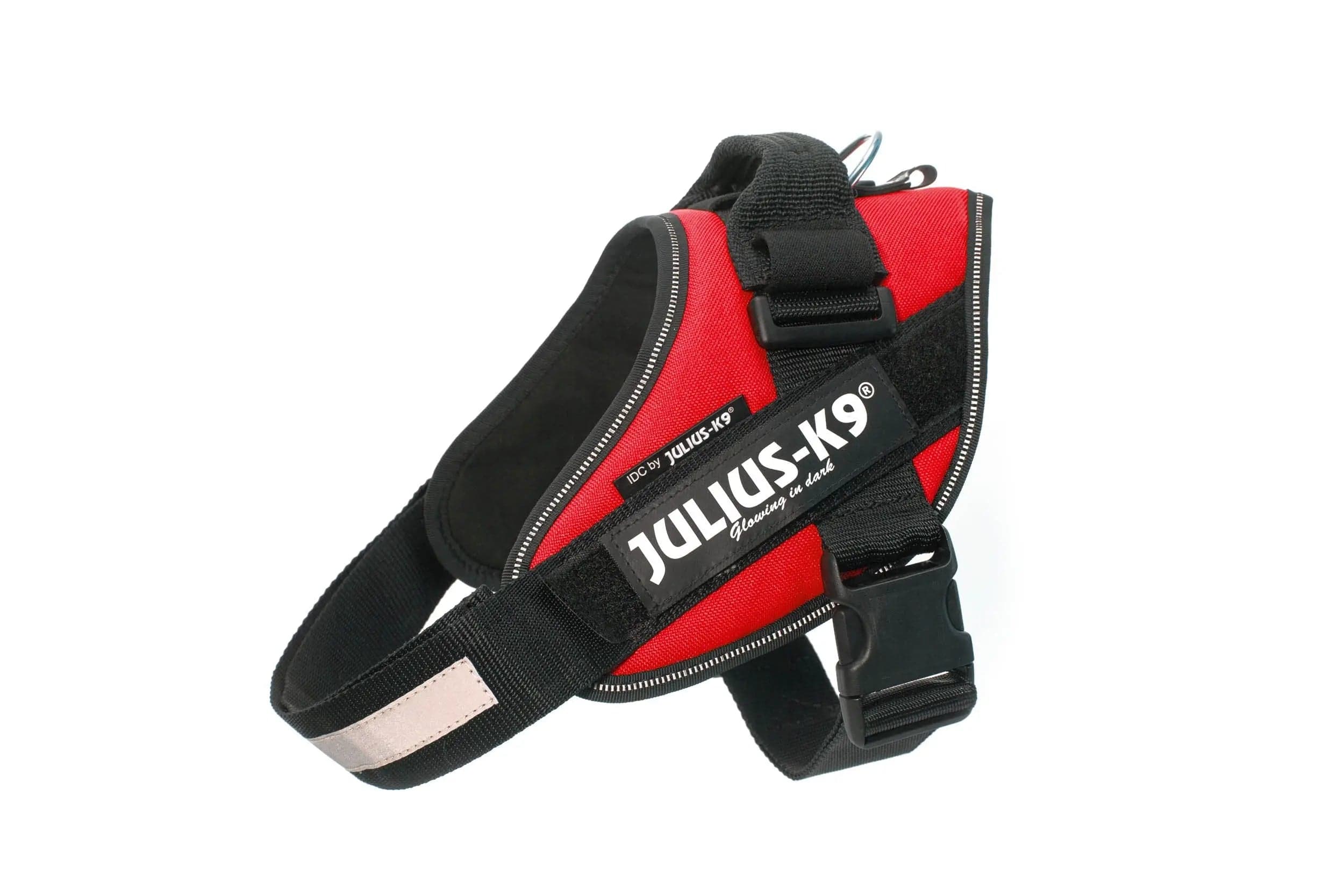
Recommended for Adult Dogs for Norwegian Lundehunds
Products selected for Norwegian Lundehund size, coat type, and life stage. Affiliate disclosure.
PetFusion
PetFusion Ultimate Dog Bed (Small)
Memory foam orthopedic bed with waterproof cover. Ideal for small and medium dogs.
Shop PetFusionTuffies
Shop NowKurgo
Shop NowWhimzees by Wellness
VOHC-accepted. Plant-based, grain-free. Five sizes. Best all-round dental chew for most dogs.
Buy on AmazonHurtta
Hurtta Mudventure ECO Raincoat (Small)
Reflective, eco-friendly raincoat built for UK weather. Small size.
Shop HurttaHarringtons
The UK's bestselling dry dog food. No artificial colours, flavours or preservatives. Made with natural ingredients including chicken, brown rice and vegetables. Available in multiple sizes.
Shop NowLily's Kitchen
Shop NowAATU Dog and Cat Food
Shop NowBarking Heads
Shop NowRoyal Canin
Royal Canin Breed-Specific Food
Nutrition precision-tailored to your breed.
Shop Royal CaninChris Christensen
Shop NowBoshel
Shop NowAnimology
The UK groomer standard for removing fox poo and foul odours. Deep cleaning with built-in conditioner and Pro-Vitamin B5. Suitable for all coats from 6 weeks old.
Shop NowDrontal
Shop NowPets Calm Down
Shop NowRosewood
Shop NowPitPat
Shop NowJulius-K9
Julius-K9 IDC Powerharness (Small)
Award-winning harness trusted by dog owners worldwide. Small size (7-15kg).
Shop Julius-K9Furbo
Shop NowKONG
KONG Classic (Small)
The classic rubber chew for small dogs and puppies.
Shop KONGLickiMat
LickiMat Wobble
Slows feeding, reduces anxiety, keeps dogs calm and engaged.
Try LickiMatChuckit
Chuckit! Ball Launcher (Small)
Launch further, throw less. Mini launcher for small dogs.
Shop Chuckit!Nina Ottosson
Nina Ottosson Dog Puzzle
Level 2 puzzle feeder. Engages your dog mentally and slows eating.
Try Nina OttossonTrixie
Shop NowDoggone Good
Shop NowBreed Overview
The Norwegian Lundehund is one of the rarest, most ancient and most anatomically extraordinary dog breeds in the world, a primitive spitz from the remote Arctic islands of northern Norway developed over centuries specifically for the purpose of hunting puffins - lundefugl in Norwegian, hence the breed name - on the sheer sea-cliff faces of islands in the Alesund archipelago, where the birds nested in tight rocky crevices inaccessible to human climbers. To perform this unique task, the Lundehund evolved a set of physical characteristics found in no other breed: six fully developed functional toes on each foot rather than the standard four or five; an extraordinary skeletal flexibility that allows the head to bend backwards to touch the spine, the forelegs to extend horizontally to the side at shoulder level, and the ear cartilages to close and seal the ear canal against water and debris. The breed was registered by the Kennel Club in the Hound Group.
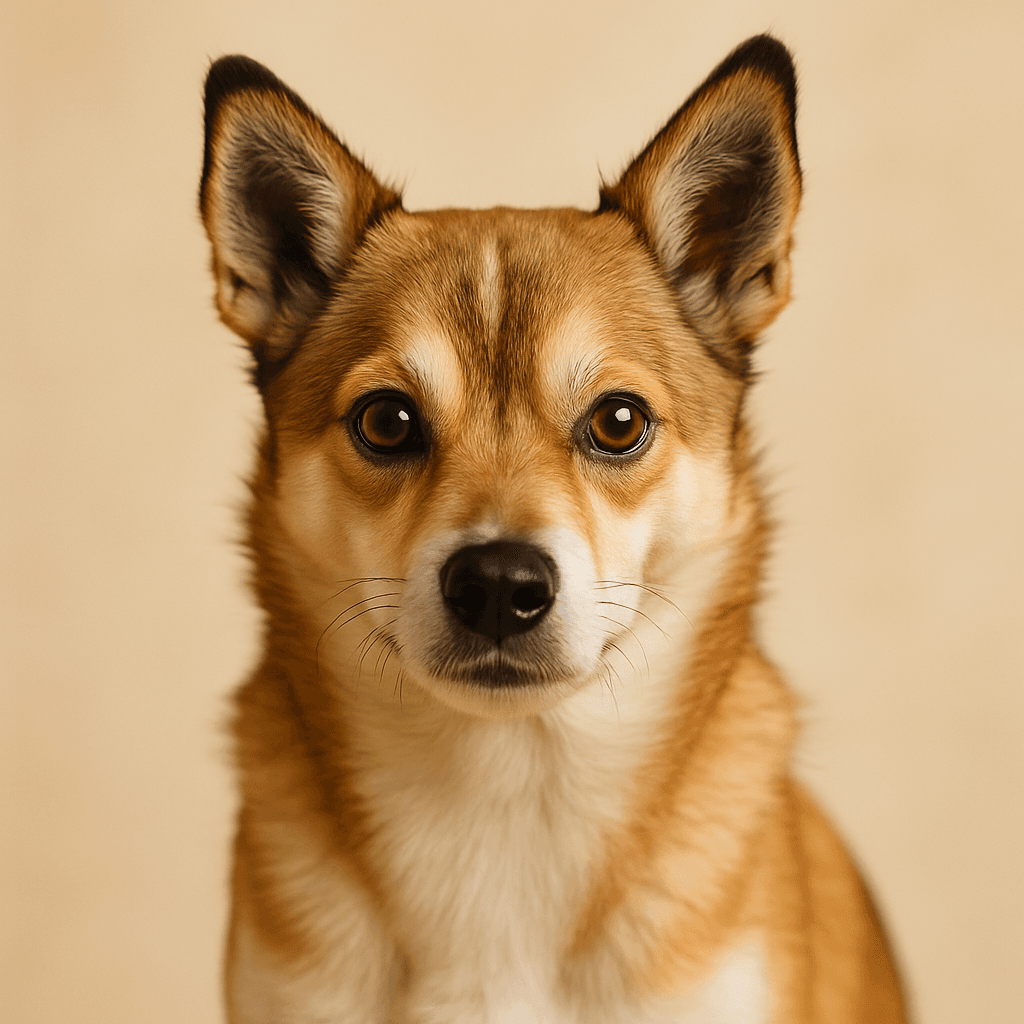
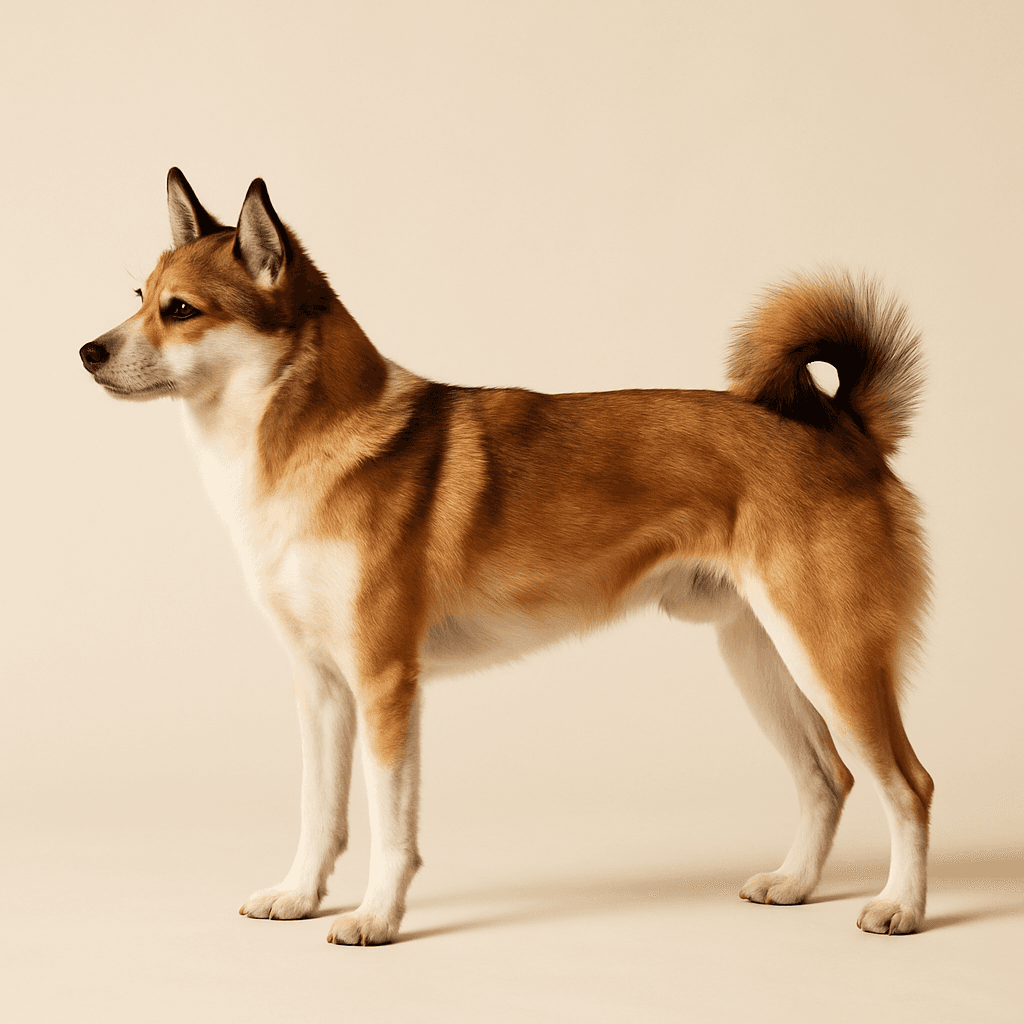
The Norwegian Lundehund is a small, lightly built and agile spitz. The coat is dense, short and double, typically reddish-brown to tan with white markings and a darker saddle. The erect ears fold forward or backward in the characteristic manner. The extraordinary toe structure - six toes including two dewclaws on the hind feet - is visible and palpable. Adults typically stand 31 to 38 centimetres at the shoulder and weigh 6 to 9 kilograms.
The breed nearly became extinct on two separate occasions in the twentieth century - following a distemper epidemic in the 1940s that reduced the population to six individuals, and a subsequent near-extinction in the 1960s. Recovery breeding programmes in Norway restored the breed to survival but the founding population bottleneck has left the entire breed with extremely low genetic diversity, which has significant ongoing health implications.
The most important of these health implications is Lundehund Gastrointestinal Syndrome (LGS), a serious digestive condition involving protein-losing enteropathy, lymphangiectasia and intestinal inflammation that affects the vast majority of Lundehunds to varying degrees. LGS causes malabsorption of nutrients, weight loss, oedema and, in severe cases, life-threatening protein deficiency. It is managed, not cured, through careful dietary management typically involving highly digestible, low-fat foods with supplementation. Every prospective Lundehund owner must research LGS thoroughly before acquiring the breed and must have veterinary support from a practice familiar with the condition.
The character is lively, curious, agile and affectionate with its own household. It is a natural explorer and forager, retaining the primitive instincts of its cliff-hunting heritage. It can be reserved with strangers. The independent character and foraging instinct mean recall requires dedicated training.
The extreme rarity of the breed in the United Kingdom means that sourcing a puppy will almost certainly require research and patience, and very likely importation from Scandinavia. The Norsk Lundehund Klubb in Norway is the primary global resource for breed information and responsible breeding contacts. Monthly running costs are above average given the dietary management requirements of LGS.
Temperament & Personality
Lively, curious, alert and affectionate with its own people. Can be reserved or cautious with strangers - a natural watchfulness reflecting the primitive origin. Energetic and playful. The extraordinary physical flexibility is immediately apparent in movement and behaviour. A fascinating and unique breed for dedicated enthusiasts.
Training
Intelligent and curious but retains the independent hunting-and-foraging character of a primitive working dog. Responds to positive reinforcement but is not naturally biddable. The breed is lively and engaging in training when appropriately motivated. Early socialisation is important. Recall requires particularly dedicated training.
Good to know
Exercise Needs
Moderate exercise needs - the breed is agile and active but not a high-endurance animal. Daily walks and the opportunity to explore and use its remarkable agility are sufficient. The breed is curious and benefits from an enriched environment. Off-lead recall requires thorough training given the hunting and exploration instinct.
Health & Vet Costs
Lundehund Gastrointestinal Syndrome (LGS) is a serious chronic condition affecting the vast majority of Lundehunds to varying degrees. It causes protein-losing enteropathy, malabsorption and, if unmanaged, can be life-threatening. Dietary management is the primary treatment approach. All prospective owners must research LGS thoroughly before acquiring the breed. Hip Dysplasia and eye conditions have also been documented.
Feeding & Nutrition
Lundehund Gastrointestinal Syndrome (LGS) affects the vast majority of individuals to varying degrees, causing protein-losing enteropathy and malabsorption. Dietary management is critical and typically requires a highly digestible, low-fat diet with careful supplementation. This is a specialist nutrition situation requiring veterinary dietetic guidance, not standard off-the-shelf feeding.
Feeding your Norwegian Lundehund
How much to feed, which food types suit this breed, and what to avoid.
Grooming & Care
The dense double coat is relatively low-maintenance. Brushing two to three times weekly keeps it in good condition. Seasonal shedding is significant. The breed is clean and the coat has a natural tendency to shed dirt. No trimming required.
Costs of Ownership
Purchase price is extremely variable given the breed's rarity - owners may need to source from Scandinavia and import. Ongoing costs are above average given the dietary management requirements of LGS. Monthly running costs: £100 to £200 or more depending on dietary needs.
Estimated cost breakdown
Estimates based on UK average costs. Actual costs vary by location, vet, and lifestyle.
Owner note
Is your Norwegian Lundehund insured?
Norwegian Lundehund insurance typically costs £15–£40 per month depending on age, cover level and where you live. Getting the right policy before your first vet visit is one of the most important decisions you will make as a new owner.
Compare dog insuranceWe may earn a commission if you buy through our links. This never influences our recommendations.
Where to Find a Norwegian Lundehund in the UK
Whether you are looking for a Norwegian Lundehund puppy from a responsible breeder or hoping to give a rescue Norwegian Lundehund a second chance, there are reliable routes to finding the right dog. The most important thing is that you find them through the right channel — one that puts the dog's welfare first.
Finding a Norwegian Lundehund Puppy
The Kennel Club's Find a Puppy service is the safest starting point for anyone looking for a Norwegian Lundehund puppy. It connects buyers with breeders who register their litters and allows you to verify parental health test results.
The Norwegian Lundehund breed club maintains a breeder register and can be contacted via the Kennel Club website for recommendations.
Before you commit, read our complete guide to finding a puppy responsibly — including the red flags that separate an ethical breeder from a puppy farm.
Read the Puppy Buying GuideRescuing a Norwegian Lundehund
Norwegian Lundehund-specific rescue organisations are run by people who know the breed inside out. They assess every dog carefully and match them to homes that genuinely suit their needs. Waiting lists exist but are worth it.
General rescues including Dogs Trust, RSPCA and Battersea also occasionally have Norwegian Lundehunds available. Contact them directly to register your interest.
Our rescue guide covers the full adoption process in detail.
Find a Rescue DogIs a Norwegian Lundehund Right for You?
Suitable only for highly experienced, committed owners with a specific interest in the breed. The extreme rarity and Lundehund Gastrointestinal Syndrome affecting most individuals make this unsuitable for the average dog owner. Requires specialist dietary management and veterinary awareness. Not a dog to acquire on impulse.
Frequently Asked Questions
Yes, Norwegian Lundehunds make excellent family dogs. They are affectionate, playful, and good with children, though their independent nature means they benefit from consistent training and socialisation from an early age.
Norwegian Lundehunds require around 30-45 minutes of exercise daily. They are moderately active dogs that enjoy walks, play sessions, and mental stimulation, making them suitable for most UK households.
Norwegian Lundehunds have low shedding levels despite their double coat. Regular brushing during seasonal changes will help manage loose hair and keep their coat healthy.
Norwegian Lundehunds are intelligent but can be independent thinkers, which requires patient, consistent training methods. They respond well to positive reinforcement and benefit from early socialisation and obedience training.
Norwegian Lundehunds typically live between 12-14 years. With proper care, nutrition, and regular veterinary check-ups, many can enjoy a long and healthy life.
Monthly costs for a Norwegian Lundehund typically range from £90-£140, covering food, routine veterinary care, and general maintenance. This can vary depending on individual health needs and lifestyle choices.
Yes, Norwegian Lundehunds can be suitable for first-time owners who are prepared for their independent nature and moderate exercise requirements. They are adaptable, good with children and other dogs, and respond well to consistent, positive training.
Related Breeds
Finnish Spitz
The Finnish Spitz is Finland's national dog - a lively, fox-like spitz breed developed for hunting birds by barking to l...
View breed guide →Icelandic Sheepdog
The Icelandic Sheepdog is Iceland's only native dog breed - a cheerful, medium-sized spitz herder brought to Iceland by ...
View breed guide →Norwegian Elkhound
The Norwegian Elkhound is one of the world's oldest breeds, a Norse hunting spitz used for thousands of years to track a...
View breed guide →Related Guides
Find local services for your Norwegian Lundehund
Search verified UK listings for vets, groomers, trainers and walkers near you.
Upcoming events for Norwegian Lundehund owners
Championship Show
Darlington Dog Show Society Championship Show 2026
18 to 20 September 2026 · Ripon, North Yorkshire
Companion Show
Paws in the Park — Kent 2026
19 to 20 September 2026 · Maidstone, Kent
Championship Show
Belfast Dog Show Society Championship Show 2026
26 to 27 September 2026 · Lisburn, County Antrim
Festival
DogFest at the Palace 2026
3 to 4 October 2026 · Woodstock, Oxfordshire
Championship Show
South Wales Kennel Association Championship Show 2026
8 to 11 October 2026 · Builth Wells, Powys