
Pomeranian
Complete UK breed guide

Quick answer
The Pomeranian is a small, bold spitz-type toy breed with a thick double coat needing regular brushing and professional grooming. It is prone to dental disease, luxating patella and tracheal collapse. Confident and alert, it can be vocal.
Quick Facts
- Size
- Small
- Weight
- 2–3 kg
- Lifespan
- 12–16 years
- Breed Group
- Toy
- Exercise
- 20–30 mins/day
- Activity Level
- Moderate
- Grooming
- High
- Monthly Cost
- £80–£130/month
- Temperament
- Lively, Confident, Loyal
- Good with Children
- No
- Good with Dogs
- No
- Good for First Timers
- Yes
- Suits Flats
- Yes
Free care guide
Get the Complete Pomeranian Care Guide
Feeding, health, grooming, training and costs for your Pomeranian. Free, straight to your inbox.

Getting set up
Getting a Pomeranian? Here's what you'll need.
Our editors have picked the essentials for Pomeranian owners.
See the Anxious Dog Kit →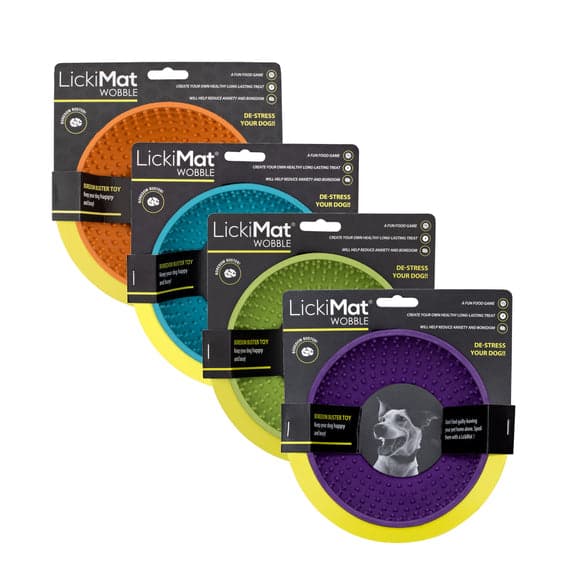
Recommended for Adult Dogs for Pomeranians
Products selected for Pomeranian size, coat type, and life stage. Affiliate disclosure.
PetFusion
PetFusion Ultimate Dog Bed (Small)
Memory foam orthopedic bed with waterproof cover. Ideal for small and medium dogs.
Shop PetFusionTuffies
Shop NowKurgo
Shop NowWhimzees by Wellness
VOHC-accepted. Plant-based, grain-free. Five sizes. Best all-round dental chew for most dogs.
Buy on AmazonHurtta
Hurtta Mudventure ECO Raincoat (Small)
Reflective, eco-friendly raincoat built for UK weather. Small size.
Shop HurttaHarringtons
The UK's bestselling dry dog food. No artificial colours, flavours or preservatives. Made with natural ingredients including chicken, brown rice and vegetables. Available in multiple sizes.
Shop NowLily's Kitchen
Shop NowAATU Dog and Cat Food
Shop NowBarking Heads
Shop NowRoyal Canin
Royal Canin Breed-Specific Food
Nutrition precision-tailored to your breed.
Shop Royal CaninChris Christensen
Shop NowBoshel
Shop NowAnimology
The UK groomer standard for removing fox poo and foul odours. Deep cleaning with built-in conditioner and Pro-Vitamin B5. Suitable for all coats from 6 weeks old.
Shop NowDrontal
Shop NowPets Calm Down
Shop NowRosewood
Shop NowPitPat
Shop NowJulius-K9
Julius-K9 IDC Powerharness (Small)
Award-winning harness trusted by dog owners worldwide. Small size (7-15kg).
Shop Julius-K9Furbo
Shop NowKONG
KONG Classic (Small)
The classic rubber chew for small dogs and puppies.
Shop KONGLickiMat
LickiMat Wobble
Slows feeding, reduces anxiety, keeps dogs calm and engaged.
Try LickiMatChuckit
Chuckit! Ball Launcher (Small)
Launch further, throw less. Mini launcher for small dogs.
Shop Chuckit!Nina Ottosson
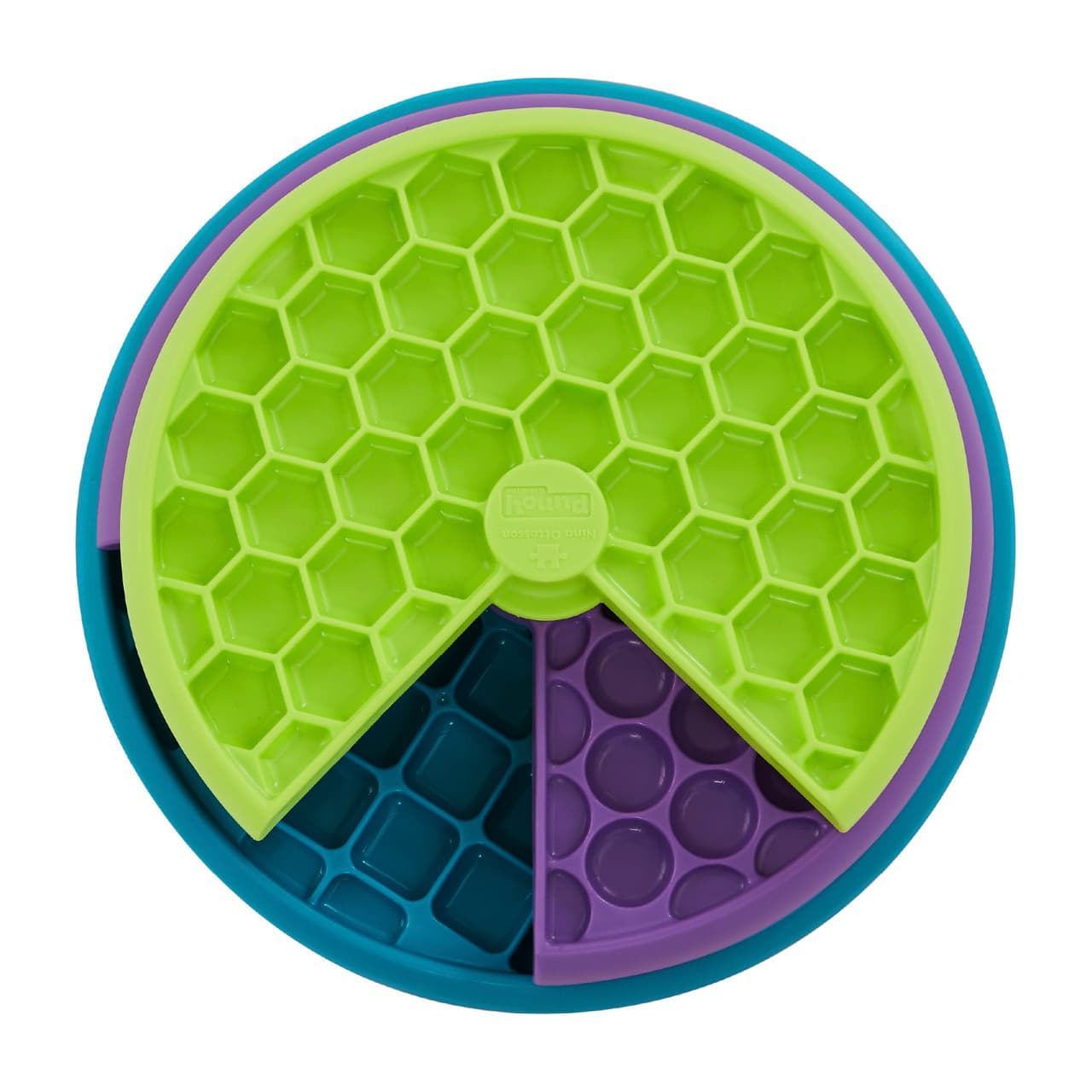
Nina Ottosson Dog Puzzle
Level 2 puzzle feeder. Engages your dog mentally and slows eating.
Try Nina OttossonTrixie
Shop NowDoggone Good
Shop NowBreed Overview
The Pomeranian is a small, vivacious Spitz-type toy breed registered by the Kennel Club in the Toy Group. Descended from much larger sled dogs of northern Europe and popularised by Queen Victoria in the 19th century, the modern Pomeranian combines a striking thick double coat with a bold, alert and affectionate personality.
The Pomeranian is an appealing breed for a wide range of owners: compact enough for flat living, long-lived at 12 to 16 years, adaptable and affectionate. Its alert personality and engagement with its environment make it a lively, entertaining companion. For owners who commit to the grooming requirement and early training, it is an excellent choice.
The grooming commitment is the first practical consideration. The thick double coat requires brushing three to four times per week, with daily brushing during seasonal shedding. Professional grooming every six to eight weeks is required regardless of whether the coat is kept long or in a shorter clip. This is not optional: a neglected Pomeranian coat mats severely and painfully.
Dental disease is the most reliably common health issue. Daily toothbrushing from puppyhood is the most effective preventive measure and the most important single investment a Pomeranian owner can make in their dog's long-term health. Tracheal collapse is also seen at meaningful rates: use a harness rather than a collar, keep the dog lean, and manage triggers for coughing episodes.
Barking is a characteristic Pomeranian behaviour. Their alertness means they respond vocally to stimuli that most breeds would ignore. This can be managed with consistent training from puppyhood but not eliminated. It is a consideration for flat and terraced-house dwellers.
Purchase prices range from £800 to £2,500. Monthly running costs of £90 to £160 make the Pomeranian one of the more affordable breeds to maintain. Lifespan of 12 to 16 years means the commitment is genuinely long-term. For owners prepared for the grooming, the dental care and the training investment, the Pomeranian is a rewarding and long-lasting companion.
The British Pomeranian Club and associated rescue contacts can assist with rehoming. For owners who commit to the grooming routine, manage barking from puppyhood, and provide appropriate company and training, the Pomeranian is a vibrant, long-lived and deeply rewarding companion. Its combination of bold personality, manageable size and long lifespan of 12 to 16 years makes it one of the most enduringly appealing toy breeds. Start the training early, maintain the grooming and this is a breed that earns its place.
Temperament & Personality
Pomeranians are bold, lively and confident dogs that appear to be entirely unaware of their small size. They are alert, curious and engaged with the world around them, approaching new situations with characteristic Spitz assertiveness rather than timidity.
They are affectionate and loyal to their family, typically forming close bonds with their main carer. They are often described as having a larger-dog personality in a toy-breed body.
Their alertness makes them effective watch dogs: they will announce visitors and changes in their environment with enthusiasm. This barking tendency is one of the most commonly reported challenges in the breed. It can be trained to acceptable levels but requires consistent work from puppyhood.
They are sociable dogs when well socialised, typically getting on well with other dogs and people. Some can be selective with strange dogs, but well-socialised Pomeranians are generally good-natured.
They can be prone to separation anxiety if independence has not been built from puppyhood. Small dogs that are carried frequently and never left alone develop a strong expectation of constant company.
Overall, the Pomeranian is a vibrant, affectionate and engaging companion for owners who provide consistent training, regular grooming and appropriate company.
Training
Pomeranians are intelligent and quick to learn but can be vocal and assertive if not trained consistently from puppyhood. Early training is essential before habits become established.
Four priorities for a new Pomeranian owner:
- Bark management. Pomeranians are alert, vocal dogs. Training a quiet or settle cue from puppyhood is important, particularly for flat dwellers and those with neighbours. Do not inadvertently reinforce barking by responding to it with attention.
- House training. Small breeds take longer to house train reliably. Consistent routine, frequent outside trips and immediate reward for correct toileting are essential.
- Separation tolerance. Build positive independence from day one. A Pomeranian that is always in contact or carried will struggle when left alone.
- Basic obedience. Sit, stay, down, come and leave it using positive reinforcement. Keep sessions short and engaging. Pomeranians are eager learners when motivated.
Common mistakes: Allowing small-dog behaviours because the dog is small. Jumping, barking at visitors, growling at other dogs: none of these are acceptable in a Pomeranian simply because the dog is small enough to seem harmless.
Good to know
Exercise Needs
Pomeranians are active and energetic small dogs with exercise needs appropriate to their size.
Adult Pomeranians: 20 to 30 minutes of exercise per day, delivered as one or two short walks plus indoor and garden play. Despite their small size, they are energetic dogs that benefit from daily activity.
Mental stimulation: Pomeranians are intelligent and benefit from trick training, short obedience sessions and puzzle feeders. Mental engagement reduces nuisance barking.
Off-lead exercise: Generally safe in enclosed areas. Recall can be trained with positive reinforcement. Be cautious with small dogs off lead in areas with larger dogs as accidental injury can occur.
Weather considerations: The Pomeranian's thick double coat provides insulation in cold weather, but heat is a genuine risk. Do not exercise in the heat of the day in summer. Monitor for overheating: panting heavily, reluctance to move, excessive drooling.
Puppies: Short, gentle play sessions. Very young Pomeranian puppies are small and fragile.
Good to know
Health & Vet Costs
Pomeranians carry several health conditions that owners should be aware of, some specific to the breed and some common to small dogs generally.
Dental disease is the most reliably common problem. Small jaw, crowded teeth and breed predisposition make dental disease almost inevitable without daily brushing. Many Pomeranians will need professional dental cleaning under anaesthetic regularly.
Luxating Patella (slipping kneecap) occurs at meaningful rates. Grades 1 to 2 are managed conservatively; grades 3 to 4 may require surgery.
Tracheal Collapse is a condition in which the trachea (windpipe) loses structural integrity, causing a characteristic honking cough, particularly during excitement or exercise. It is managed with weight control, harness use instead of a collar, avoiding triggers and in some cases medication or surgery.
Alopecia X (also called black skin disease) is a cosmetic condition causing progressive symmetrical hair loss, most common in Pomeranians and other Spitz breeds. The cause is not fully understood. It is not life-threatening but results in significant coat thinning or loss.
Hypoglycaemia can affect very small toy breed puppies.
Monthly insurance typically costs £20 to £45. Lifespan is 12 to 16 years.
Feeding & Nutrition
Pomeranians are small, active dogs with modest caloric needs and important dental and tracheal health considerations.
Daily feeding: Adult Pomeranians typically need 60 to 100g of a good quality dry complete food per day, split into two or three meals. Small, regular meals are preferable to one large daily feeding.
Dental health: Dental disease is highly prevalent in Pomeranians. Daily toothbrushing from puppyhood is the most effective preventive measure. Dry kibble provides more mechanical dental action than wet food.
Tracheal collapse considerations: Dogs prone to tracheal collapse (common in Pomeranians) should be fed from a bowl at floor level and kept at a healthy weight. Obesity significantly worsens tracheal collapse symptoms.
Hypoglycaemia: Very small toy breeds can be susceptible to low blood sugar, particularly as puppies. Small, frequent meals reduce this risk.
Weight management: Even 200 to 300g of excess weight is meaningful on a 2kg dog. A lean body condition protects joints, heart, trachea and overall health.
Puppy feeding: Three to four very small meals daily for puppies, reducing to twice daily as adults.
Feeding your Pomeranian
How much to feed, which food types suit this breed, and what to avoid.
Grooming & Care
The Pomeranian has a thick double coat that requires significant regular grooming. This is not a low-maintenance breed.
Brushing: Three to four times per week minimum using a pin brush and wide-toothed metal comb. During seasonal shedding periods, daily brushing is required. The dense undercoat mats easily if not maintained. A matt-free coat takes much less time to maintain than a neglected one.
Shedding: Pomeranians shed heavily, particularly during seasonal coat blows. Dog hair on furniture and clothing is a constant reality.
Professional grooming: Every six to eight weeks for bathing, blow-drying and coat maintenance. Cost approximately £40 to £55 per session for a small dog.
Ear care: Check weekly for redness, discharge or odour.
Nails: Clip every four to six weeks or as needed.
Dental care: Daily toothbrushing with dog-safe toothpaste. This is the most important health investment for this breed.
Coat trimming: Many owners keep Pomeranians in a 'teddy bear' or rounded trim rather than the full natural show coat. This requires professional maintenance but is less time-intensive at home than the full coat.
Costs of Ownership
Purchase price: £800 to £2,500. Pomeranians are sometimes priced very high due to demand and colour trends. Price does not indicate health testing quality.
Monthly insurance: £20 to £45 for comprehensive lifetime cover for a small breed.
Food: £15 to £25 per month for a good quality complete dry food.
Professional grooming: £40 to £55 every six to eight weeks.
Dental care: Professional dental cleaning under anaesthetic is likely to be required periodically, costing £200 to £350.
Routine veterinary care: Annual vaccination and health check approximately £60 to £80.
Total estimated monthly cost: £90 to £160 when insurance, food, grooming (amortised) and routine care are combined.
Estimated cost breakdown
Estimates based on UK average costs. Actual costs vary by location, vet, and lifestyle.
Owner note
Is your Pomeranian insured?
Pomeranian insurance typically costs £15–£40 per month depending on age, cover level and where you live. Getting the right policy before your first vet visit is one of the most important decisions you will make as a new owner.
Compare dog insuranceWe may earn a commission if you buy through our links. This never influences our recommendations.
Where to Find a Pomeranian in the UK
Whether you are looking for a Pomeranian puppy from a responsible breeder or hoping to give a rescue Pomeranian a second chance, there are reliable routes to finding the right dog. The most important thing is that you find them through the right channel — one that puts the dog's welfare first.
Finding a Pomeranian Puppy
The Kennel Club's Find a Puppy service is the safest starting point for anyone looking for a Pomeranian puppy. It connects buyers with breeders who register their litters and allows you to verify parental health test results.
For Pomeranians, the relevant breed club is The Pomeranian Club. They maintain a breeder register and can be contacted directly for recommendations.
Before you commit, read our complete guide to finding a puppy responsibly — including the red flags that separate an ethical breeder from a puppy farm.
Read the Puppy Buying GuideRescuing a Pomeranian
Pomeranian-specific rescue organisations are run by people who know the breed inside out. They assess every dog carefully and match them to homes that genuinely suit their needs. Waiting lists exist but are worth it.
Key Pomeranian rescues in the UK include:
Our rescue guide covers the full adoption process in detail.
Find a Rescue DogIs a Pomeranian Right for You?
Best suited to: Individuals, couples and families wanting a small, lively and affectionate companion; those who enjoy grooming or are happy to manage professional appointments; owners with someone home regularly.
Can work with: First-time owners willing to commit to grooming and training; flat and apartment dwellers; older owners; families with gentle children.
Not ideal for: Owners who cannot commit to regular brushing and professional grooming; households with very young or boisterous children who may handle the dog roughly; those wanting a quiet breed (Pomeranians tend to bark); owners who need a breed that tolerates extended time alone.
Size and living situation: Pomeranians are small dogs (1.8 to 3.5kg per breed standard) suited to any living situation. Their alert nature and tendency to bark means noise levels should be considered in flats and shared housing.
Children and other pets: Generally affectionate with gentle children. Their small size makes them vulnerable to injury from rough handling. Usually sociable with other dogs and cats when properly introduced.
Alone time: Companion-oriented. Build independence from puppyhood to prevent anxiety.
Frequently Asked Questions
Pomeranians can be suitable for families with older children who understand how to handle small dogs gently. They are not recommended for households with very young children, as their small size makes them fragile and they may nip if handled roughly or startled.
Pomeranians require around 20-30 minutes of exercise per day, which can be achieved through short walks and indoor play. Despite their small size, they have moderate energy levels and enjoy mental stimulation through games and training.
Yes, Pomeranians shed heavily, particularly during spring and autumn when they blow their coat. Regular brushing several times a week is essential to manage loose hair and keep their double coat healthy and mat-free.
Pomeranians are intelligent but can be stubborn and independent, making training moderately challenging. They respond well to positive reinforcement, consistency, and short training sessions, though they may not be ideal for first-time owners seeking an easily obedient dog.
Pomeranians typically live between 12-16 years, with many reaching their mid-teens with proper care. Good nutrition, regular veterinary check-ups, and appropriate exercise contribute to a long and healthy lifespan.
Monthly costs for a Pomeranian typically range from £80 to £130, covering food, grooming, and routine care. This estimate may increase if professional grooming is required regularly or if unexpected health issues arise.
Pomeranians can be suitable for first-time owners who are prepared for their grooming needs and independent nature. However, potential owners should be aware of their tendency to bark, their fragility, and the commitment required for coat maintenance.
Related Breeds
Chihuahua (Long Coat)
The Long Coat Chihuahua shares the Smooth Coat's bold, loyal temperament but has a soft, flowing coat requiring regular ...
View breed guide →German Spitz (Klein)
The German Spitz Klein is the smaller of the two most common German Spitz varieties in the UK - a lively, alert and adap...
View breed guide →Japanese Spitz
The Japanese Spitz is a beautiful white companion spitz - cheerful, affectionate and relatively low-maintenance. Not cur...
View breed guide →Related Guides
Find local services for your Pomeranian
Search verified UK listings for vets, groomers, trainers and walkers near you.
Upcoming events for Pomeranian owners
Championship Show
Darlington Dog Show Society Championship Show 2026
18 to 20 September 2026 · Ripon, North Yorkshire
Companion Show
Paws in the Park — Kent 2026
19 to 20 September 2026 · Maidstone, Kent
Championship Show
Belfast Dog Show Society Championship Show 2026
26 to 27 September 2026 · Lisburn, County Antrim
Festival
DogFest at the Palace 2026
3 to 4 October 2026 · Woodstock, Oxfordshire
Championship Show
South Wales Kennel Association Championship Show 2026
8 to 11 October 2026 · Builth Wells, Powys