Schnauzer
Complete UK breed guide
Quick answer
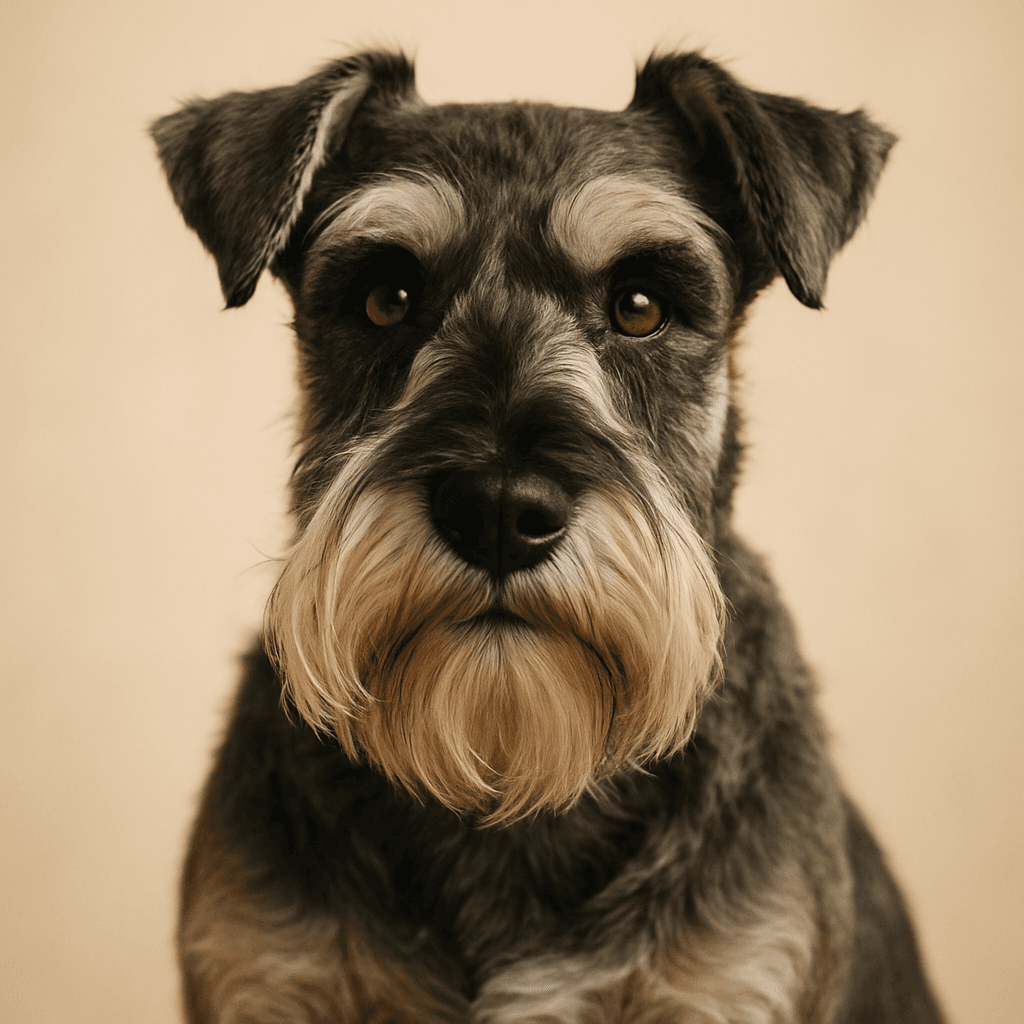
The Schnauzer comes in three sizes - Miniature, Standard and Giant - all sharing the same square build and distinctive beard. Smart, loyal and adaptable, they suit active families. Key health issues include pancreatitis, Schnauzer comedone syndrome and, in Miniatures, a susceptibility to Mycobacterium avium complex. Lifespan is 12 to 15 years for Miniatures, 13 to 16 for Standards.
Quick Facts
- Size
- Medium
- Weight
- 14–20 kg
- Lifespan
- 12–15 years
- Breed Group
- Utility
- Exercise
- 45–60 mins/day
- Activity Level
- Moderate
- Grooming
- High
- Monthly Cost
- £100–£160/month
- Temperament
- Intelligent, Alert, Loyal
- Good with Children
- Yes
- Good with Dogs
- Yes
- Good for First Timers
- No
- Suits Flats
- No
Free care guide
Get the Complete Schnauzer Care Guide
Feeding, health, grooming, training and costs for your Schnauzer. Free, straight to your inbox.
Getting set up
Getting a Schnauzer? Here's what you'll need.
Our editors have picked the essentials for Schnauzer owners.
See the First Dog Kit →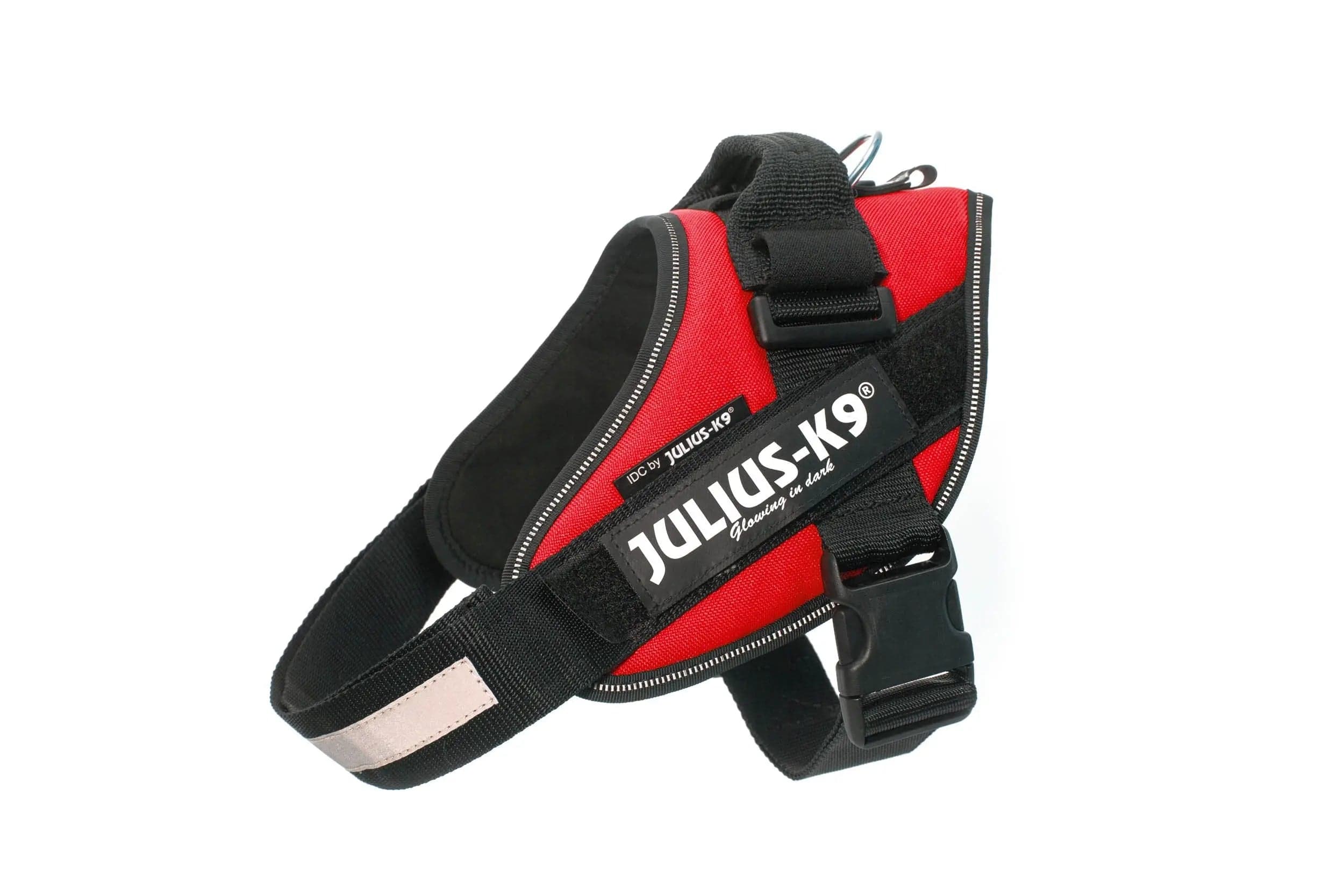
Recommended for Adult Dogs for Schnauzers
Products selected for Schnauzer size, coat type, and life stage. Affiliate disclosure.
Tuffies
Shop NowKurgo
Shop NowPedigree
VOHC-accepted. Most affordable evidence-backed daily chew. Widely available. X-shape targets gumline.
Buy on AmazonHurtta
Hurtta Mudventure ECO Raincoat (Medium)
Reflective, eco-friendly raincoat built for UK weather. Medium size.
Shop HurttaLily's Kitchen
Shop NowRoyal Canin
Royal Canin Breed-Specific Food
Nutrition precision-tailored to your breed.
Shop Royal CaninBarking Heads
Shop NowAATU Dog and Cat Food
Shop NowHarringtons
The UK's bestselling dry dog food. No artificial colours, flavours or preservatives. Made with natural ingredients including chicken, brown rice and vegetables. Available in multiple sizes.
Shop NowBoshel
Shop NowAnimology
The UK groomer standard for removing fox poo and foul odours. Deep cleaning with built-in conditioner and Pro-Vitamin B5. Suitable for all coats from 6 weeks old.
Shop NowPets Calm Down
Shop NowDrontal
Shop NowRosewood
Shop NowJulius-K9
Julius-K9 IDC Powerharness (Medium)
Award-winning harness trusted by dog owners worldwide. Medium size (14-25kg).
Shop Julius-K9PitPat
Shop NowFurbo
Shop NowChuckit
Chuckit! Ball Launcher (Medium)
Launch further, throw less. Sport 25 launcher for medium dogs.
Shop Chuckit!LickiMat
LickiMat Wobble
Slows feeding, reduces anxiety, keeps dogs calm and engaged.
Try LickiMatKONG
KONG Classic (Medium)
The classic rubber chew for medium breeds.
Shop KONGNina Ottosson
Nina Ottosson Dog Puzzle
Level 2 puzzle feeder. Engages your dog mentally and slows eating.
Try Nina OttossonTrixie
Shop NowDoggone Good
Shop NowFURminator
FURminator Deshedding Tool (Medium, Short Hair)
Reduces shedding by up to 90% for medium short-coated dogs.
Shop FURminatorBreed Overview
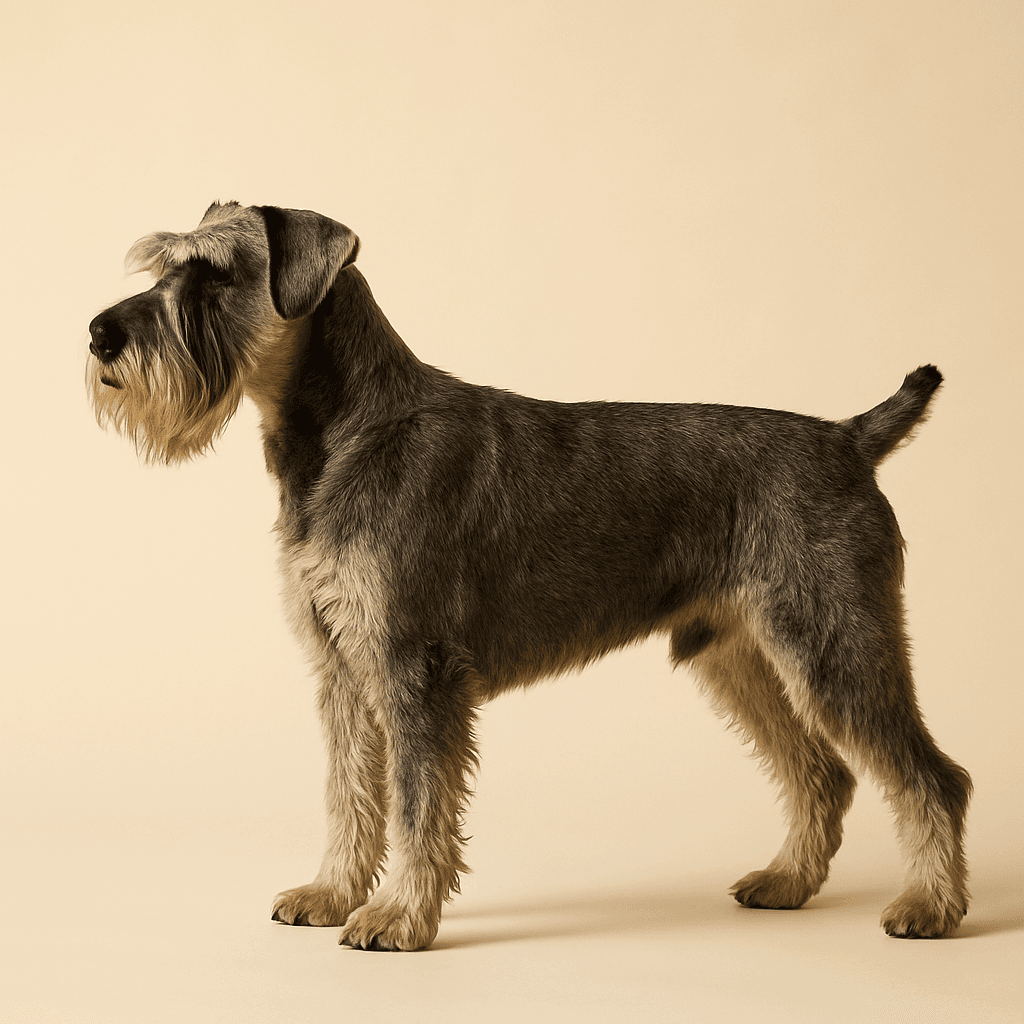
The Schnauzer is a German breed that comes in three sizes - Miniature, Standard and Giant - all sharing the same square, robust build, bold eyebrows and distinctive beard that have made the type one of the most recognisable in the world. All three are registered by the Kennel Club, the Miniature in the Utility Group, and the Standard and Giant in the Working Group. Despite the size differences, the core character traits - intelligence, loyalty, alertness and a slightly opinionated independence - are consistent across all three.
In the home, Schnauzers are engaged, affectionate and animated companions. They form strong bonds with their family, want to be involved in household activity and are not dogs that are content with a walk and a corner. They are watchful and alert, making capable watchdogs, but require early and thorough socialisation to ensure this instinct stays within appropriate limits. A well-socialised, well-trained Schnauzer of any size is a confident, adaptable dog. An under-socialised one becomes suspicious and difficult.
Exercise requirements scale with size. The Miniature needs 45 to 60 minutes of good exercise daily, plus mental stimulation. The Standard needs 1 to 1.5 hours. The Giant is a working dog in every meaningful sense: it needs 1.5 to 2 hours per day and substantial mental engagement alongside physical activity. All three variants benefit from training, scent work and structured engagement - their intelligence demands an outlet.
The Giant Schnauzer deserves particular mention. It is not simply a large Miniature: it is a working and guarding breed with significant drive, intensity and the physical capability to back up its instincts. The Giant requires an experienced handler, early and consistent training, and thorough socialisation. It is not a suitable choice for a first-time owner or a household that cannot provide firm, consistent leadership.
Grooming is a genuine commitment across all three sizes. The double coat - wiry topcoat over soft undercoat - needs brushing two to three times per week and professional attention every 6 to 8 weeks. The characteristic Schnauzer trim, including the breed's signature beard and eyebrows, requires a groomer who knows the type. The beard traps food and moisture and needs regular wiping and checking.
The most important dietary consideration is fat content. Schnauzers have a documented predisposition to pancreatitis, which can range from a mild digestive upset to a serious, potentially life-threatening episode. High-fat foods, rich treats and table scraps must be avoided. A complete diet with moderate fat content is not optional - it is a health requirement.
Other health considerations include Schnauzer Comedone Syndrome (a breed-specific skin condition), urinary stones in Miniatures, and a susceptibility to Mycobacterium avium complex in Miniature Schnauzers specifically. Progressive Retinal Atrophy and hyperlipidaemia also occur. Insurance of £25 to £60 per month reflects a generally manageable but not trivial health profile.
Purchase prices from KC-registered breeders typically range from £800 to £1,500. Lifespan is 12 to 15 years for Miniatures and 13 to 16 years for Standards. Schnauzer Friends Rescue UK and the British Schnauzer Alliance support breed rescue across all three sizes.
For owners who want an intelligent, loyal and characterful companion and are prepared to commit to grooming, diet management and consistent training, the Schnauzer in any of its three sizes is a deeply rewarding choice. The personality - alert, engaged, devoted - is consistent. The size choice determines the scale of the commitment.
Temperament & Personality
Schnauzers are alert, intelligent and loyal dogs with a distinctly characterful personality. They are engaged, responsive and form strong bonds with their family. They have more personality per kilogram than many breeds.
They are watchful and will alert to strangers - not in an aggressive way by default, but with a clear watchdog instinct. Early and thorough socialisation ensures this stays within appropriate limits.
They are affectionate with their family but can be selective with strangers, particularly in the Standard and Giant sizes. The Miniature is typically the most sociable and adaptable of the three.
Their intelligence is both an asset and a demand. A Schnauzer that is not mentally stimulated will occupy itself - generally in ways that are not welcome. They need genuine engagement from their owners.
The Giant Schnauzer is a different proposition from the Miniature and Standard: it is a working breed with guarding instincts, significant drive and the size to back it up. It requires an experienced owner who can provide firm, consistent direction.
Training
Schnauzers are highly intelligent and generally very trainable, though they retain a terrier-like independence that requires consistent handling.
Positive reinforcement: Food and play rewards work well. Schnauzers are quick learners and respond to engaging, varied training sessions.
Early socialisation: Critical, particularly for Giant Schnauzers which have strong guarding instincts. Broad exposure before 16 weeks is essential.
Mental stimulation: Schnauzers need their minds engaged. Trick training, scent work, agility and obedience all channel their intelligence productively.
Giant Schnauzer note: The Giant requires an experienced handler. Their guarding instinct and size make consistent early training a safety matter, not just a preference.
Consistency: The most important variable. Schnauzers with inconsistent boundaries test those boundaries enthusiastically.
Exercise Needs
Exercise needs vary by size but all Schnauzers require more than a token walk.
Miniature Schnauzer: 45 to 60 minutes per day of moderate exercise. Mental stimulation is important - they are quick-minded dogs.
Standard Schnauzer: 1 to 1.5 hours per day of vigorous exercise.
Giant Schnauzer: 1.5 to 2 hours per day. Giant Schnauzers are working dogs with significant energy and drive.
Off-lead: Generally good recall when well trained, though the terrier instinct means vigilance is needed around small animals and fast-moving distractions.
Mental stimulation: All three variants benefit from training, agility, scent work and engagement games. Mental exercise is as important as physical.
Health & Vet Costs
Health profiles differ across the three sizes, but certain conditions apply across the breed.
Pancreatitis is the most important dietary health risk across all three sizes. The Schnauzer appears to have a breed predisposition to pancreatitis, which can range from mild and self-resolving to severe and life-threatening. A low-fat diet is a genuine health requirement, not a preference.
Schnauzer Comedone Syndrome is a breed-specific skin condition causing blackhead-like lesions along the back. It is generally cosmetic but can become uncomfortable if infected.
Mycobacterium avium complex (MAC): Miniature Schnauzers have a documented susceptibility to this uncommon bacterial infection. Awareness of the condition and its signs - chronic diarrhoea, weight loss, lethargy - is important for owners and vets.
Hyperlipidaemia (elevated blood fats) occurs in some Miniature Schnauzers and is a further risk factor for pancreatitis and other conditions.
Urinary stones are more common in Miniature Schnauzers than in most breeds.
Eye conditions including Progressive Retinal Atrophy and cataracts occur. Ask breeders for current eye test certificates.
Monthly insurance typically costs £25 to £60 depending on size. Lifespan is 12 to 15 years for Miniatures, 13 to 16 years for Standards.
Feeding & Nutrition
Schnauzers are prone to pancreatitis, making fat content in the diet a genuine health consideration.
Pancreatitis risk: High-fat foods, table scraps and rich treats must be avoided. Choose a complete dry food with moderate fat content.
Daily food cost: £1.50 to £3.00 per day for Miniatures; £2.00 to £4.00 for Standards and Giants.
Monthly food cost: Approximately £30 to £60 for Miniatures; £50 to £90 for Standards and Giants.
Feeding routine: Two meals per day. Avoid feeding immediately before or after vigorous exercise.
Treats: Use low-fat treats. Avoid processed meat treats with high fat content.
Weight management: Obesity significantly increases pancreatitis risk. Keep Schnauzers lean.
Feeding your Schnauzer
How much to feed, which food types suit this breed, and what to avoid.
Grooming & Care
Schnauzers have a distinctive double coat - hard, wiry topcoat over a soft undercoat - requiring regular professional maintenance.
Brushing: Two to three times per week to prevent matting, particularly in the leg furnishings and beard.
Stripping or clipping: The correct method for maintaining the wiry coat is hand-stripping. Most pet owners opt for clipping, which is simpler but softens the coat texture over time.
Professional grooming: Every 6 to 8 weeks. The Schnauzer trim - including the characteristic beard and eyebrows - requires a groomer experienced with the breed.
Monthly professional grooming cost: £45 to £75 depending on size and coat condition.
Beard maintenance: The beard traps food and moisture. Wipe after meals and check regularly for matting.
Schnauzer Comedone Syndrome: A skin condition specific to the breed, causing blackhead-like lesions along the back. Keep the coat clean and monitor for signs.
Costs of Ownership
Purchase price: £800 to £1,500 from a KC-registered health-tested breeder.
Monthly food: £30 to £90 depending on size.
Pet insurance: £25 to £60 per month for lifetime comprehensive cover. Pancreatitis history significantly increases premiums.
Professional grooming: £45 to £75 every 6 to 8 weeks.
Veterinary costs: Routine annual checks, vaccinations, parasite prevention. Budget for potential pancreatitis treatment.
Total estimated monthly running cost: £100 to £180 per month for an adult Schnauzer in good health.
Estimated cost breakdown
Estimates based on UK average costs. Actual costs vary by location, vet, and lifestyle.
Owner note
Is your Schnauzer insured?
Schnauzer insurance typically costs £20–£55 per month depending on age, cover level and where you live. Getting the right policy before your first vet visit is one of the most important decisions you will make as a new owner.
Compare dog insuranceWe may earn a commission if you buy through our links. This never influences our recommendations.
Where to Find a Schnauzer in the UK
Whether you are looking for a Schnauzer puppy from a responsible breeder or hoping to give a rescue Schnauzer a second chance, there are reliable routes to finding the right dog. The most important thing is that you find them through the right channel — one that puts the dog's welfare first.
Finding a Schnauzer Puppy
The Kennel Club's Find a Puppy service is the safest starting point for anyone looking for a Schnauzer puppy. It connects buyers with breeders who register their litters and allows you to verify parental health test results.
For Schnauzers, the relevant breed club is Schnauzer Club of Great Britain. They maintain a breeder register and can be contacted directly for recommendations.
Before you commit, read our complete guide to finding a puppy responsibly — including the red flags that separate an ethical breeder from a puppy farm.
Read the Puppy Buying GuideRescuing a Schnauzer
Schnauzer-specific rescue organisations are run by people who know the breed inside out. They assess every dog carefully and match them to homes that genuinely suit their needs. Waiting lists exist but are worth it.
Key Schnauzer rescues in the UK include:
Our rescue guide covers the full adoption process in detail.
Find a Rescue DogIs a Schnauzer Right for You?
Best suited to: Active families, experienced owners, homes with gardens, owners who enjoy training and want an engaged companion.
Not suited to: Completely sedentary households, owners who want a very low-maintenance breed, homes where the dog will be alone for long hours.
Children: Generally good with children they have grown up with, particularly Standard and Miniature. Giant Schnauzers require more supervision due to their size and intensity.
Other dogs: Can be assertive, particularly with same-sex dogs. Early socialisation reduces friction.
Cats and small animals: The terrier-type drive in Schnauzers means caution is needed with small animals, particularly in Miniature and Giant variants.
Flat or house: Miniature Schnauzers can adapt to flat living with sufficient exercise. Standards and Giants require more space.
First-time owners: Miniature and Standard Schnauzers can suit confident first-time owners who commit to training. Giant Schnauzers are not recommended for beginners.
Frequently Asked Questions
Yes, Schnauzers make excellent family dogs and are known for being loyal, protective and affectionate with children. They are playful and enjoy being part of family activities, though they do require consistent training and socialisation from an early age.
Schnauzers require around 45-60 minutes of exercise per day to stay healthy and content. They enjoy walks, play sessions and mental stimulation, and benefit from activities that engage their intelligent, working dog nature.
Schnauzers are low shedders, making them a good choice for those concerned about loose hair around the home. However, their wiry coat requires regular grooming and professional stripping or clipping every 8-12 weeks to maintain its texture and appearance.
Schnauzers are intelligent and eager to please, which makes them relatively trainable, but they can be stubborn and independent. They respond best to consistent, positive reinforcement methods and benefit from experienced handlers who can establish clear boundaries.
Schnauzers typically live between 13-16 years, which is a good lifespan for a medium-sized dog. Providing proper nutrition, regular exercise and preventative veterinary care can help ensure they enjoy a long and healthy life.
Monthly costs for a Schnauzer typically range from £100-£160, covering food, routine veterinary care and basic supplies. Professional grooming costs are additional and should be budgeted separately, as their wiry coat requires regular professional maintenance.
Schnauzers are not ideal for first-time owners due to their independent nature and need for consistent, firm training. They require an experienced handler who can manage their spirited temperament and provide the structured training and socialisation they need.
Related Breeds
Airedale Terrier
The Airedale Terrier is the largest of all terrier breeds, bred in Yorkshire as a versatile working dog. They need at le...
View breed guide →Giant Schnauzer
The Giant Schnauzer is a large, powerful German working breed used extensively in police and military service. Highly in...
View breed guide →Miniature Schnauzer
The Miniature Schnauzer is a spirited, intelligent Utility Group breed with a lifespan of 12 to 15 years. Hyperlipidemia...
View breed guide →Related Guides
Find local services for your Schnauzer
Search verified UK listings for vets, groomers, trainers and walkers near you.
Upcoming events for Schnauzer owners
Championship Show
Darlington Dog Show Society Championship Show 2026
18 to 20 September 2026 · Ripon, North Yorkshire
Companion Show
Paws in the Park — Kent 2026
19 to 20 September 2026 · Maidstone, Kent
Championship Show
Belfast Dog Show Society Championship Show 2026
26 to 27 September 2026 · Lisburn, County Antrim
Festival
DogFest at the Palace 2026
3 to 4 October 2026 · Woodstock, Oxfordshire
Championship Show
South Wales Kennel Association Championship Show 2026
8 to 11 October 2026 · Builth Wells, Powys