

Shetland Sheepdog
Complete UK breed guide
Quick answer
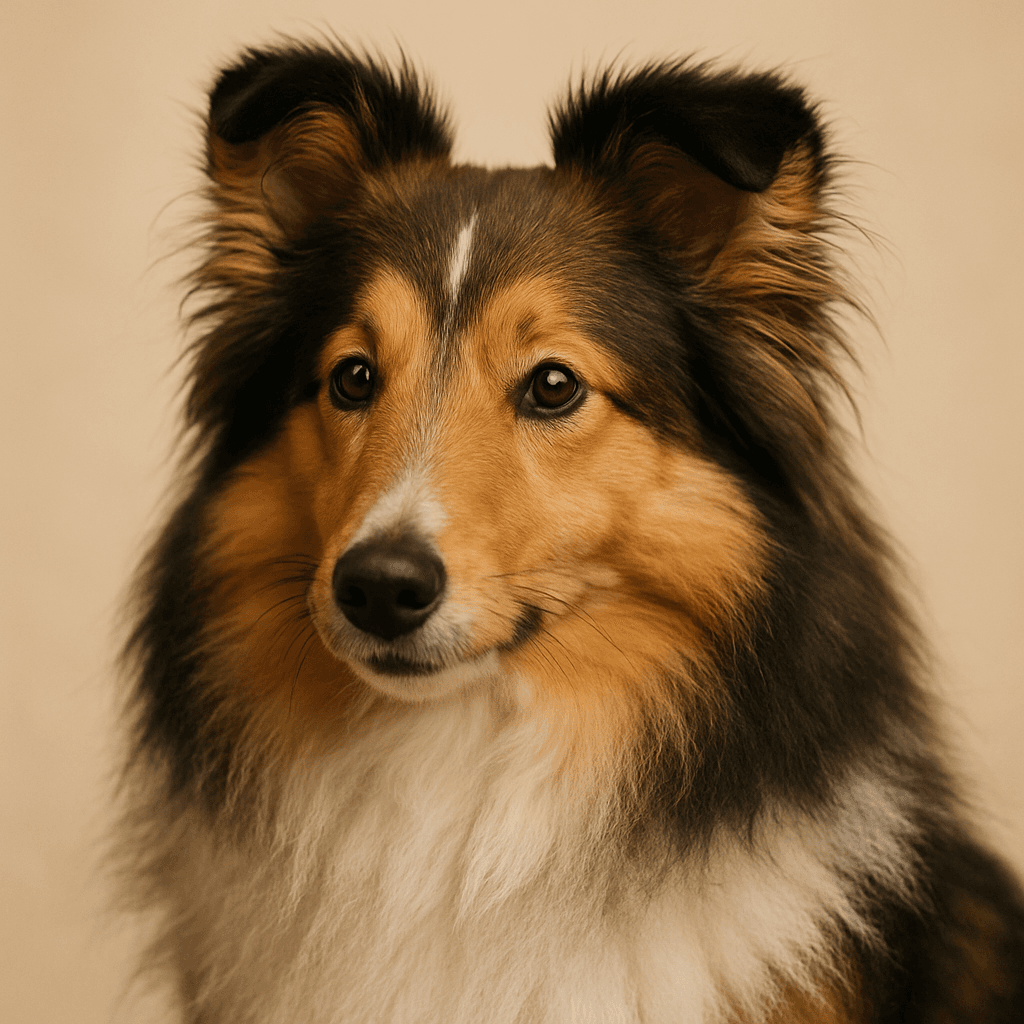
The Shetland Sheepdog is a highly intelligent, sensitive herding breed needing significant mental stimulation and exercise. It is prone to eye conditions and MDR1 drug sensitivity. Known to be vocal. Lifespan of 12 to 13 years.
Quick Facts
- Size
- Medium
- Weight
- 6–10 kg
- Lifespan
- 12–13 years
- Breed Group
- Pastoral
- Exercise
- 45–60 mins/day
- Activity Level
- Moderate
- Grooming
- High
- Monthly Cost
- £90–£150/month
- Temperament
- Intelligent, Loyal, Eager to please
- Good with Children
- Yes
- Good with Dogs
- Yes
- Good for First Timers
- Yes
- Suits Flats
- Yes
Free care guide
Get the Complete Shetland Sheepdog Care Guide
Feeding, health, grooming, training and costs for your Shetland Sheepdog. Free, straight to your inbox.
Getting set up
Getting a Shetland Sheepdog? Here's what you'll need.
Our editors have picked the essentials for Shetland Sheepdog owners.
See the Anxious Dog Kit →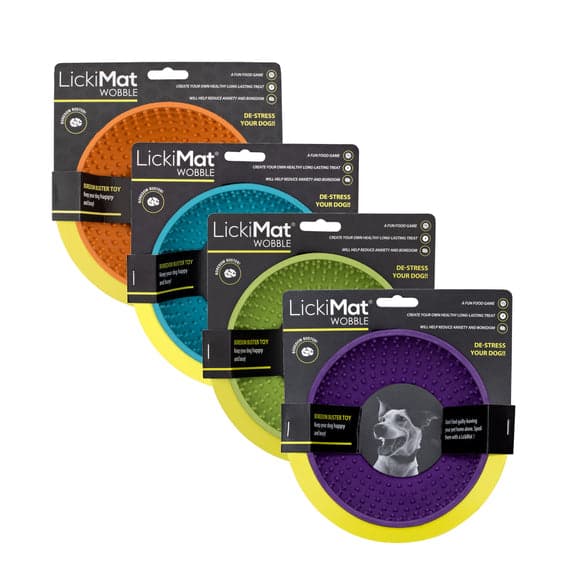
Recommended for Adult Dogs for Shetland Sheepdogs
Products selected for Shetland Sheepdog size, coat type, and life stage. Affiliate disclosure.
Tuffies
Shop NowKurgo
Shop NowPedigree
VOHC-accepted. Most affordable evidence-backed daily chew. Widely available. X-shape targets gumline.
Buy on AmazonHurtta
Hurtta Mudventure ECO Raincoat (Medium)
Reflective, eco-friendly raincoat built for UK weather. Medium size.
Shop HurttaHarringtons
The UK's bestselling dry dog food. No artificial colours, flavours or preservatives. Made with natural ingredients including chicken, brown rice and vegetables. Available in multiple sizes.
Shop NowBarking Heads
Shop NowAATU Dog and Cat Food
Shop NowRoyal Canin
Royal Canin Breed-Specific Food
Nutrition precision-tailored to your breed.
Shop Royal CaninLily's Kitchen
Shop NowChris Christensen
Shop NowBoshel
Shop NowAnimology
The UK groomer standard for removing fox poo and foul odours. Deep cleaning with built-in conditioner and Pro-Vitamin B5. Suitable for all coats from 6 weeks old.
Shop NowDrontal
Shop NowPets Calm Down
Shop NowRosewood
Shop NowPitPat
Shop NowJulius-K9
Julius-K9 IDC Powerharness (Medium)
Award-winning harness trusted by dog owners worldwide. Medium size (14-25kg).
Shop Julius-K9Furbo
Shop NowChuckit
Chuckit! Ball Launcher (Medium)
Launch further, throw less. Sport 25 launcher for medium dogs.
Shop Chuckit!LickiMat
LickiMat Wobble
Slows feeding, reduces anxiety, keeps dogs calm and engaged.
Try LickiMatKONG
KONG Classic (Medium)
The classic rubber chew for medium breeds.
Shop KONGNina Ottosson
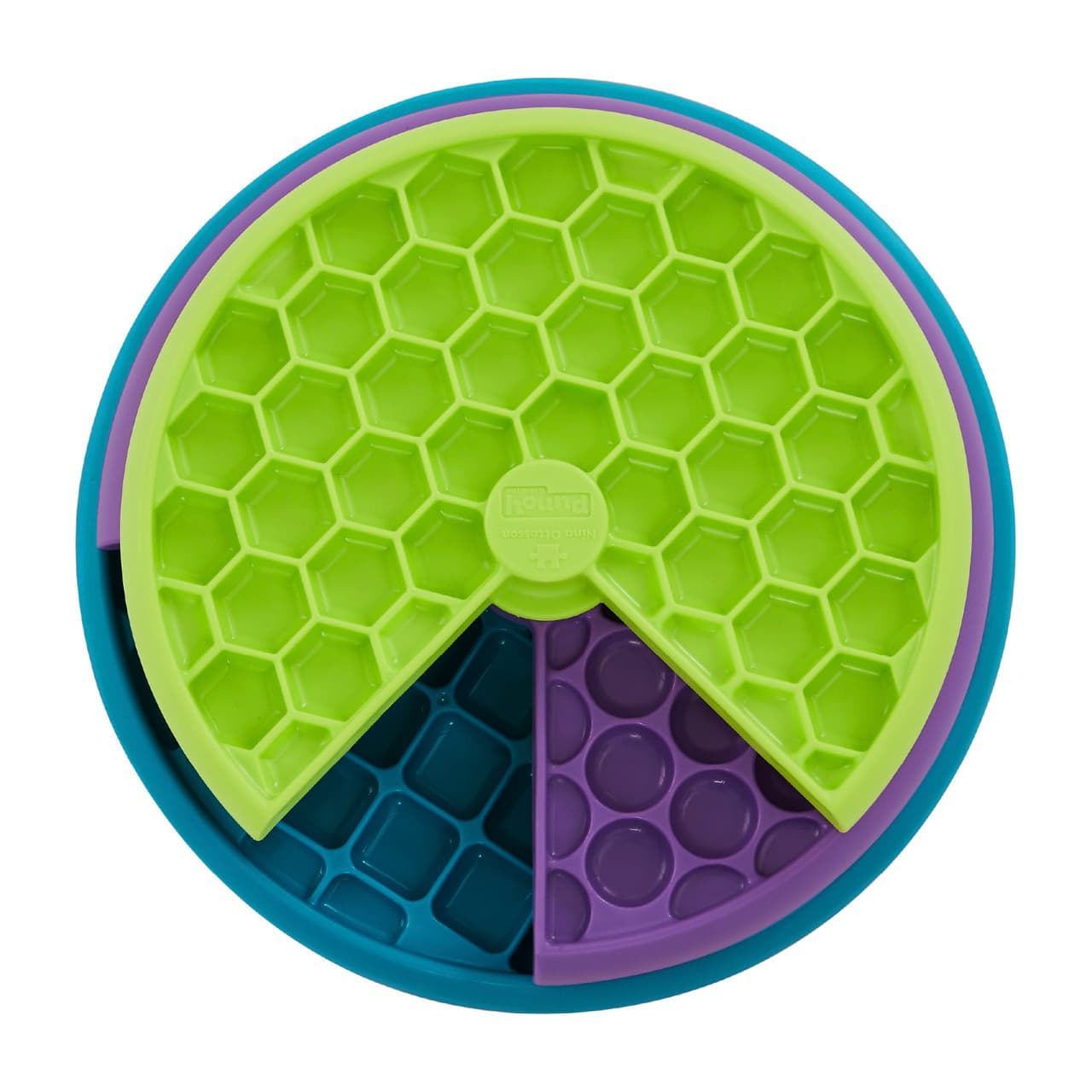
Nina Ottosson Dog Puzzle
Level 2 puzzle feeder. Engages your dog mentally and slows eating.
Try Nina OttossonTrixie
Shop NowDoggone Good
Shop NowFURminator
FURminator Deshedding Tool (Medium, Long & Double Coat)
Reduces shedding by up to 90% for medium long-coated dogs.
Shop FURminatorBreed Overview
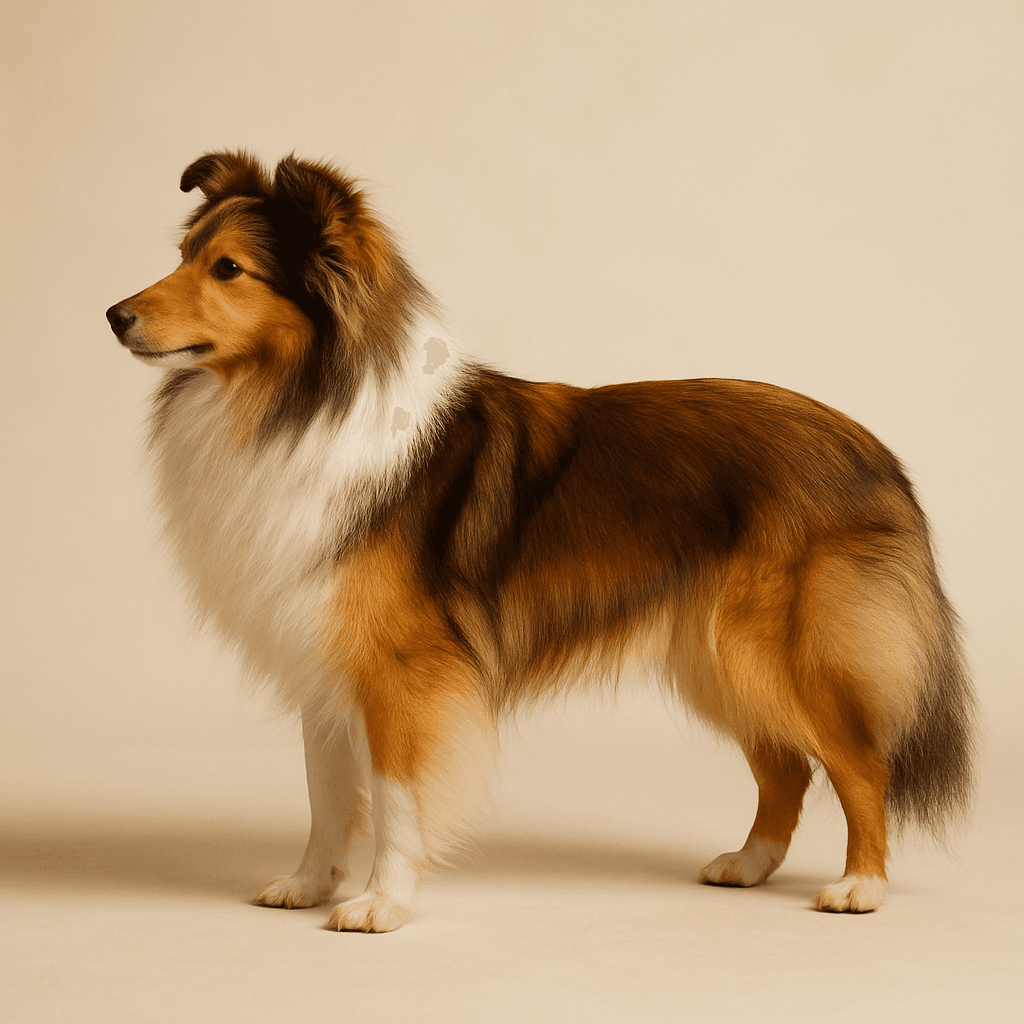
The Shetland Sheepdog is a small but highly capable herding dog from the Shetland Isles, registered by the Kennel Club in the Pastoral Group. The breed combines the working intelligence and responsiveness of a herding dog with a size that is manageable for most households. It consistently ranks among the most intelligent of all dog breeds and is one of the most trainable.
The Sheltie's intelligence is its defining characteristic and its greatest practical consideration. This is a breed that learns with extraordinary speed, needs regular mental engagement, and will develop problematic behaviours when under-stimulated. The physical exercise requirement is moderate; the mental engagement requirement is high. Owners who invest in obedience training, agility, trick training or other structured activities find the Sheltie one of the most rewarding breeds to work with.
Barking is the most commonly reported challenge. The Sheltie is a vocal breed: it barks to alert, to herd, when excited and as a general form of communication. This can be managed and reduced with training but not eliminated. It is a genuine consideration for owners in flats, terraced houses or close-neighbour situations.
Health screening is important. The MDR1 gene mutation is present in a proportion of the breed and can cause severe reactions to commonly used drugs. All Shelties should be tested before any drug treatment is administered, and the result should be held by the owner's vet. Collie Eye Anomaly is the most prevalent eye condition and should be tested in both parents of any puppy.
The breed's sensitivity and loyalty make it a deeply rewarding companion for owners who understand its needs. Those who invest in training, provide mental stimulation and respect its sensitive nature find a partnership that is difficult to match in any other small breed.
Purchase prices from KC-registered breeders typically range from £800 to £1,500. Monthly running costs of £120 to £200 are moderate. Shetland Sheepdog Rescue UK rehomes dogs nationally. Lifespan is 12 to 13 years.
The Shetland Sheepdog is the ideal breed for owners who want a small, beautiful dog with the intelligence and responsiveness of a much larger working dog. Its combination of trainability, sensitivity and loyalty makes it one of the most complete small breeds available. Invest in the training, manage the vocalisation from puppyhood, and the Sheltie is one of the most rewarding canine companions in the KC register. Those who choose the Sheltie for its trainability and intelligence are rarely disappointed. It is a breed that meets its owner's investment fully and returns it with interest across a 12 to 13 year life.
Temperament & Personality
Shetland Sheepdogs are intelligent, sensitive and loyal dogs with a warm, responsive temperament toward their family and a natural reserve toward strangers. They are one of the most perceptive breeds, reading their owner's mood and responding to subtle cues with an intuition that experienced Sheltie owners describe as almost uncanny.
They form close bonds with their family and want to be near their people. Their sensitivity means they are affected by tension, raised voices or disruption in the household.
Their herding instinct is active and present in domestic life. They may attempt to herd children, cats, cyclists or other dogs. This is not aggression: it is breed purpose expressing itself. It requires training to redirect.
They are vocal dogs. Barking is a breed characteristic: they bark at strangers, at sounds, when excited and as part of herding behaviour. This is manageable with training but cannot be eliminated. It is the most commonly cited challenge in the breed.
They are sociable with their own family and known people, and reserved rather than unfriendly with strangers. With proper socialisation, they are comfortable in most situations without becoming reactive.
Overall, the Sheltie is one of the most rewarding breeds for owners who value intelligence, responsiveness and a deep human-dog partnership.
Training
Shetland Sheepdogs are among the most trainable dog breeds. They learn with exceptional speed, are highly responsive to their owner, and genuinely enjoy working. Training a Sheltie is one of the great pleasures of the breed.
Four priorities for a new Sheltie owner:
- Mental stimulation regime. The most important priority for this breed. Enrol in a positive training class from puppyhood and establish a daily routine of mental engagement. A Sheltie with nothing to do is a problem-creating Sheltie.
- Bark management. Shelties are vocal dogs. Training a quiet or settle cue from puppyhood and managing triggers is important, particularly in close-neighbour housing.
- Separation tolerance. Build gradually from puppyhood. The Sheltie's sensitivity means separation anxiety is a real risk if alone time is not built positively.
- Herding management. Redirect the herding instinct into appropriate outlets such as agility or herding classes rather than letting it express toward children or cyclists.
Common mistakes: Under-stimulating the dog because it is physically small. A Sheltie's exercise need is modest; its mental stimulation need is very high.
Good to know
Exercise Needs
Shelties are moderately active herding dogs. Their exercise needs are meaningful but more moderate than larger working breeds.
Adult Shelties: 45 to 60 minutes of exercise per day, delivered as walks plus off-lead running where safe. They are athletic and enjoy a variety of activity.
Mental stimulation: This is as important as physical exercise for the Sheltie. They are highly intelligent dogs that learn extremely quickly and need regular mental engagement. Obedience training, agility, trick training, herding instinct work and flyball are all excellent outlets. A Sheltie with unmet mental stimulation needs will develop anxious or compulsive behaviours.
Herding instinct: The Sheltie's herding instinct is strong. It may attempt to herd children, cyclists, joggers and other dogs. This can be redirected through appropriate training and engagement.
Noise after exercise: Shelties can be vocal when excited. Building a calm pre- and post-walk routine reduces excitable barking.
Health & Vet Costs
The Shetland Sheepdog carries several important health conditions that responsible breeders screen for.
Collie Eye Anomaly (CEA) is the most prevalent eye condition in the breed. It affects the development of the choroid and retina. Severity ranges from subclinical (no effect on vision) to serious retinal detachment. A DNA test is available. Both parents should be DNA tested and the result understood.
Progressive Retinal Atrophy (PRA) causes progressive vision loss. DNA testing available.
MDR1 (Multi-Drug Resistance) Gene Mutation affects drug processing in the breed. Dogs carrying two copies of the mutation can have severe or life-threatening reactions to commonly used drugs including ivermectin, certain chemotherapy agents and some anti-nausea drugs. A DNA test is available. All Shelties should be tested and the result communicated to any vet treating them.
Hip Dysplasia occurs in the breed. The KC/BVA Hip Scoring scheme assesses breeding dogs.
Dermatomyositis is an immune-mediated skin and muscle condition seen in Collies and Shelties.
Monthly insurance typically costs £25 to £50. Lifespan is 12 to 13 years.
Feeding & Nutrition
Shelties are medium-small, active dogs with moderate nutritional requirements.
Daily feeding: Adult Shelties typically need 150 to 250g of a good quality dry complete food per day, split into two meals. Amounts depend on size (which varies significantly in the breed) and activity level.
Weight management: Shelties should be lean with a visible waist. An overweight Sheltie has increased joint, cardiac and thyroid risks.
Coat and nutrition: A quality food with adequate omega fatty acids supports the Sheltie's double coat condition.
Puppy feeding: Three times daily until six months, then twice daily.
Feeding your Shetland Sheepdog
How much to feed, which food types suit this breed, and what to avoid.
Grooming & Care
The Shetland Sheepdog has a beautiful double coat that requires significant grooming.
Brushing: Three to four times per week minimum; daily during shedding seasons. A pin brush, slicker brush and wide-toothed comb are essential. Pay particular attention to the areas behind the ears, under the collar, in the armpits and on the hindquarters where mats form first.
Shedding: Shelties shed significantly, with heavy seasonal coat blows. Dog hair on furniture and clothing is a constant reality.
Bathing: Every six to eight weeks. The double coat takes time to dry thoroughly. A high-velocity dryer speeds the process.
Professional grooming: Every eight to ten weeks for bathing and coat maintenance. Shelties are typically not clipped (show standard requires the natural coat) but trimming around the paws, ears and hindquarters tidies the appearance.
Ear care: Check weekly for redness, discharge or odour.
Nails: Clip every four to six weeks.
Dental care: Daily toothbrushing.
Costs of Ownership
Purchase price: £800 to £1,500 from a KC-registered breeder.
Monthly insurance: £25 to £50 for comprehensive lifetime cover.
Food: £25 to £40 per month for a good quality complete food.
Professional grooming: Every eight to ten weeks, approximately £40 to £60 per session.
Routine veterinary care: Annual vaccination and health check approximately £60 to £80.
Total estimated monthly cost: £120 to £200 when insurance, food, grooming (amortised) and routine care are combined.
Estimated cost breakdown
Estimates based on UK average costs. Actual costs vary by location, vet, and lifestyle.
Owner note
Is your Shetland Sheepdog insured?
Shetland Sheepdog insurance typically costs £20–£55 per month depending on age, cover level and where you live. Getting the right policy before your first vet visit is one of the most important decisions you will make as a new owner.
Compare dog insuranceWe may earn a commission if you buy through our links. This never influences our recommendations.
Where to Find a Shetland Sheepdog in the UK
Whether you are looking for a Shetland Sheepdog puppy from a responsible breeder or hoping to give a rescue Shetland Sheepdog a second chance, there are reliable routes to finding the right dog. The most important thing is that you find them through the right channel — one that puts the dog's welfare first.
Finding a Shetland Sheepdog Puppy
The Kennel Club's Find a Puppy service is the safest starting point for anyone looking for a Shetland Sheepdog puppy. It connects buyers with breeders who register their litters and allows you to verify parental health test results.
For Shetland Sheepdogs, the relevant breed club is English Shetland Sheepdog Club. They maintain a breeder register and can be contacted directly for recommendations.
Before you commit, read our complete guide to finding a puppy responsibly — including the red flags that separate an ethical breeder from a puppy farm.
Read the Puppy Buying GuideRescuing a Shetland Sheepdog
Shetland Sheepdog-specific rescue organisations are run by people who know the breed inside out. They assess every dog carefully and match them to homes that genuinely suit their needs. Waiting lists exist but are worth it.
Key Shetland Sheepdog rescues in the UK include:
Our rescue guide covers the full adoption process in detail.
Find a Rescue DogIs a Shetland Sheepdog Right for You?
Best suited to: Active individuals and families who want an intelligent, responsive and trainable companion; those who enjoy canine sports, obedience or trick training; owners with a garden and space for a medium-active dog; owners who appreciate a sensitive, intuitive dog.
Can work with: First-time owners who research the breed's sensitivity and vocalisation; families with children who interact appropriately.
Not ideal for: Flat dwellers without access to outdoor space; owners in shared housing concerned about barking; those wanting a low-maintenance or lower-energy dog; owners who prefer a more independent breed.
Size and living situation: Shelties are medium-small dogs (5 to 11kg) that adapt to various living situations but benefit from garden access and a household where someone is home regularly.
Children and other pets: Generally excellent with children when well socialised. Their herding instinct may prompt them to try to herd young children. Sociable with other dogs and usually good with cats when introduced appropriately.
Alone time: Sensitive breed that may develop anxiety if left alone for extended periods. Build independence gradually from puppyhood.
Frequently Asked Questions
Yes, Shetland Sheepdogs make excellent family companions. They are affectionate, loyal, and gentle with children, though their herding instinct may occasionally lead them to nip at heels during play. Early socialisation and training help them integrate well into family life.
Shetland Sheepdogs require 45-60 minutes of exercise daily to stay healthy and content. This can include walks, play sessions, and mental stimulation through training or puzzle games. Without adequate exercise, they may develop behavioural problems.
Yes, Shetland Sheepdogs shed heavily, particularly during spring and autumn when they blow their coat. Regular brushing, ideally several times a week, helps manage loose hair and keeps their double coat healthy. During peak shedding seasons, daily grooming is recommended.
Shetland Sheepdogs are highly intelligent and eager to please, making them very responsive to training. They excel in obedience and agility work, though they can be sensitive to harsh corrections. Positive reinforcement methods work best with this breed.
Shetland Sheepdogs typically live 12-13 years with proper care. Maintaining a healthy weight, providing regular exercise, and attending routine veterinary check-ups can help ensure a long and healthy life.
Monthly costs for a Shetland Sheepdog typically range from £90 to £150. This covers food, routine veterinary care, grooming supplies, and other essentials. Costs may increase if the dog requires specialist care or has health issues.
Yes, Shetland Sheepdogs are suitable for first-time owners due to their intelligence, trainability, and affectionate nature. However, potential owners should be prepared for their high grooming needs and regular exercise requirements. Their responsiveness to training makes them manageable for inexperienced dog owners willing to invest time.
Related Breeds
Anatolian Shepherd Dog
The Anatolian Shepherd Dog is a large, powerful Turkish livestock guardian bred to work independently without human dire...
View breed guide →Border Collie
Border Collies are widely regarded as the most intelligent dog breed in the world, registered in the KC Pastoral Group. ...
View breed guide →Rough Collie
The Rough Collie is a loyal, intelligent herding breed with a long, dense double coat requiring significant grooming. It...
View breed guide →Related Guides
Find local services for your Shetland Sheepdog
Search verified UK listings for vets, groomers, trainers and walkers near you.
Upcoming events for Shetland Sheepdog owners
Championship Show
Darlington Dog Show Society Championship Show 2026
18 to 20 September 2026 · Ripon, North Yorkshire
Companion Show
Paws in the Park — Kent 2026
19 to 20 September 2026 · Maidstone, Kent
Championship Show
Belfast Dog Show Society Championship Show 2026
26 to 27 September 2026 · Lisburn, County Antrim
Festival
DogFest at the Palace 2026
3 to 4 October 2026 · Woodstock, Oxfordshire
Championship Show
South Wales Kennel Association Championship Show 2026
8 to 11 October 2026 · Builth Wells, Powys