

Siberian Husky
Complete UK breed guide

Quick answer
Siberian Huskies are striking Working Group dogs that need secure fencing, cannot be trusted off-lead, and howl significantly. They need two or more hours of vigorous exercise daily and shed heavily twice a year. Very high rescue numbers reflect impulse buying. Expect monthly costs of £125 to £215, with a lifespan of 12 to 14 years.
Quick Facts
- Size
- Large
- Weight
- 16–27 kg
- Lifespan
- 12–14 years
- Breed Group
- Working
- Exercise
- 120–150 mins/day
- Activity Level
- very high
- Grooming
- Moderate
- Monthly Cost
- £120–£190/month
- Temperament
- Energetic, Independent, Friendly
- Good with Children
- No
- Good with Dogs
- Yes
- Good for First Timers
- No
- Suits Flats
- No
Free care guide
Get the Complete Siberian Husky Care Guide
Feeding, health, grooming, training and costs for your Siberian Husky. Free, straight to your inbox.

Getting set up
Getting a Siberian Husky? Here's what you'll need.
Our editors have picked the essentials for Siberian Husky owners.
See the First Dog Kit →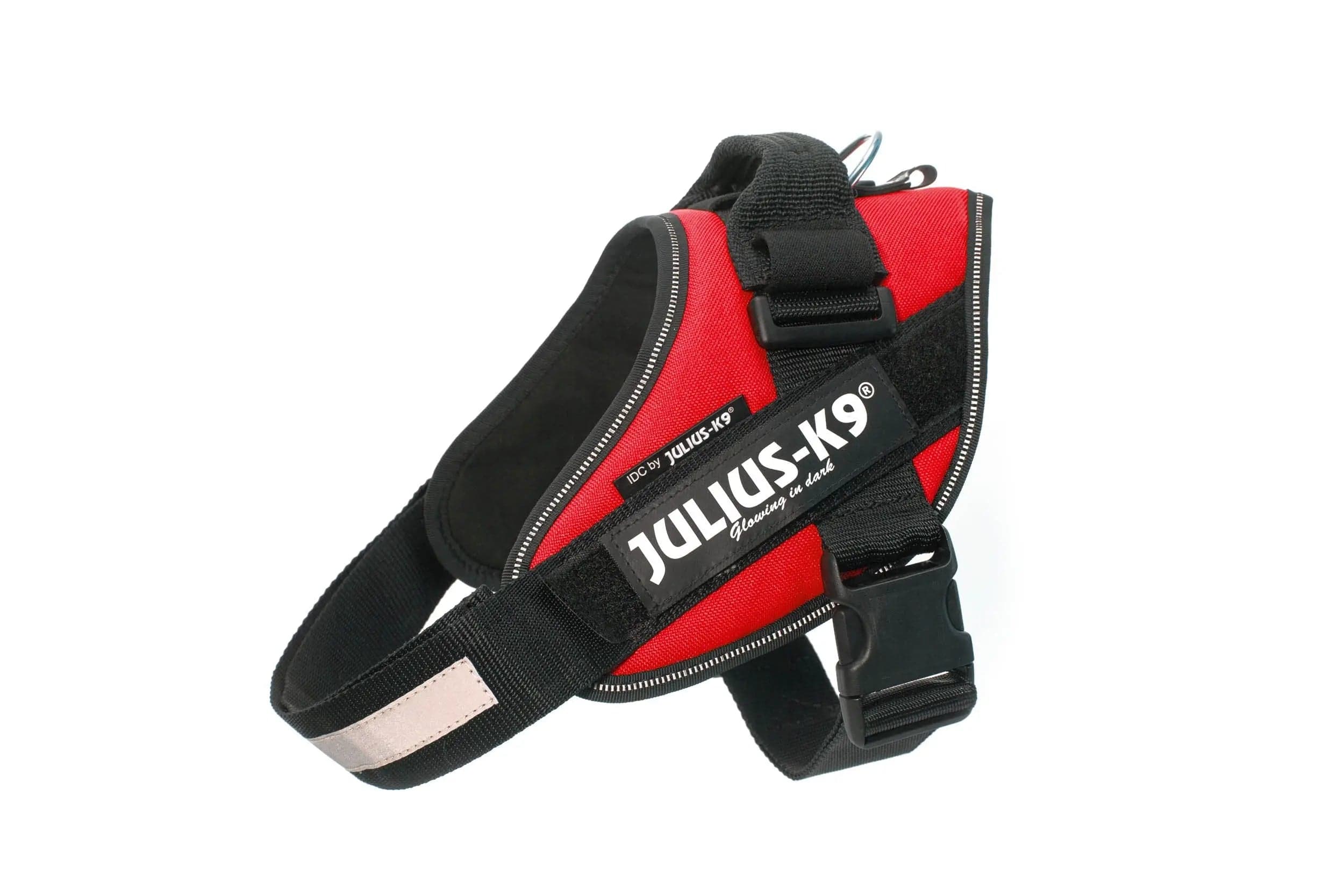
Recommended for Adult Dogs for Siberian Huskys
Products selected for Siberian Husky size, coat type, and life stage. Affiliate disclosure.
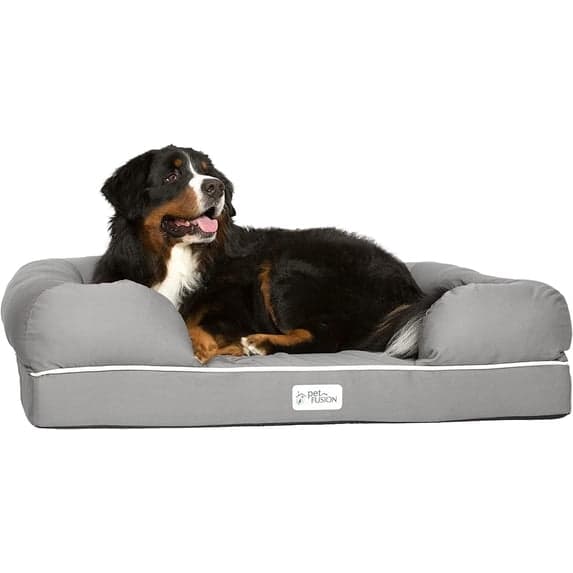
PetFusion
PetFusion Ultimate Dog Bed (Large)
Memory foam orthopedic bed with waterproof cover. Ideal for large breeds.
Shop PetFusionTuffies
Shop NowKurgo
Shop NowProDen PlaqueOff
VOHC-accepted. Seaweed-based dental bone with multiple flavours. From the makers of PlaqueOff Powder.
Buy on AmazonHurtta
Hurtta Mudventure ECO Raincoat (Large)
Reflective, eco-friendly raincoat built for UK weather. Large size.
Shop HurttaBarking Heads
Shop NowRoyal Canin
Royal Canin Breed-Specific Food
Nutrition precision-tailored to your breed.
Shop Royal CaninAATU Dog and Cat Food
Shop NowLily's Kitchen
Shop NowHarringtons
The UK's bestselling dry dog food. No artificial colours, flavours or preservatives. Made with natural ingredients including chicken, brown rice and vegetables. Available in multiple sizes.
Shop NowAnimology
The UK groomer standard for removing fox poo and foul odours. Deep cleaning with built-in conditioner and Pro-Vitamin B5. Suitable for all coats from 6 weeks old.
Shop NowChris Christensen
Shop NowBoshel
Shop NowRosewood
Shop NowDrontal
Shop NowPets Calm Down
Shop NowJulius-K9
Julius-K9 IDC Powerharness (Large)
Award-winning harness trusted by dog owners worldwide. Large size (23-30kg).
Shop Julius-K9PitPat
Shop NowFurbo
Shop NowNina Ottosson
Nina Ottosson Dog Puzzle
Level 2 puzzle feeder. Engages your dog mentally and slows eating.
Try Nina OttossonLickiMat
LickiMat Wobble
Slows feeding, reduces anxiety, keeps dogs calm and engaged.
Try LickiMatKONG
KONG Classic (Large)
The classic rubber chew for large and giant breeds.
Shop KONGChuckit
Chuckit! Ball Launcher (Large)
Launch further, throw less. Sport 26L launcher for large dogs.
Shop Chuckit!Trixie
Shop NowDoggone Good
Shop NowFURminator
FURminator Deshedding Tool (Large, Long & Double Coat)
Reduces shedding by up to 90% for large long-coated dogs.
Shop FURminatorBreed Overview
The Siberian Husky is a working sled dog developed by the Chukchi people of Siberia over thousands of years, registered by the Kennel Club in the Working Group. They are striking, wolf-like dogs with extraordinary stamina, an intensely independent character and a set of ownership requirements that make them one of the most commonly mismatched breeds in UK rescue.
Every prospective Husky owner must understand four non-negotiable realities before acquiring this breed. First, they are escape artists: a secure, reinforced garden fence is not optional. Huskies are athletic, determined and highly motivated to roam when they choose. Standard garden fencing is often insufficient. Second, they cannot be trusted off-lead in unfenced areas. Their prey drive and independence mean that once they decide to go, they go. Recall training cannot reliably override this instinct. Third, they howl. Vocalisation is a core characteristic of the breed and a genuine consideration for neighbours, particularly in densely populated areas. Fourth, they shed excessively: a dramatic coat blow twice a year and consistent moderate shedding year-round.
Siberian Huskies are not flat dogs under any circumstances. They need at least two hours of vigorous exercise per day and significant mental stimulation. An under-exercised Husky will express its frustration through destructive behaviour, vocalisation and escape attempts.
Siberian Huskies are in very high numbers in UK rescue, driven almost entirely by impulse purchases of puppies by owners who were unprepared for what the breed actually requires. The gap between the beautiful dog in a photograph and the reality of owning a working sled breed is significant.
For owners who genuinely match the breed's needs: an active lifestyle, secure outdoor space, tolerance for vocality and shedding, and experience with independent-minded dogs, the Siberian Husky is a remarkable, loyal and genuinely stunning companion. Typical lifespan is 12 to 14 years.
The breed does best in households where the owner has actively researched Arctic breeds, ideally spoken to Husky owners and visited a rescue before committing. The Siberian Husky Club of Great Britain provides breed information and can connect prospective owners with experienced Husky people. The breed is genuinely extraordinary in the right environment: there are few dogs as physically striking or as capable of sustained athletic performance. The key is matching the dog to an owner who can genuinely provide what it needs. The breed's rescue numbers in the UK reflect how many owners discovered too late that their lifestyle did not match the breed's needs. Do not add to those statistics. Research thoroughly, prepare your garden security before the dog arrives, and only proceed if the commitment is genuine.
Temperament & Personality
Siberian Huskies are affectionate, sociable dogs within their family but operate on their own terms to a degree that consistently surprises owners expecting a more conventional large breed. They are not guard dogs: their default with people, including strangers, is friendliness. They are pack-oriented and typically excellent with other dogs, but their prey drive makes them unreliable around cats and small animals.
They are not dogs that bond exclusively to one person. Huskies tend to be sociable across the household and with people generally. This open sociability is charming but means they are not watch or guard dogs.
The Husky's independence is genuinely different from the stubbornness seen in terriers or other breeds. It is the independence of an animal that has been bred to make decisions over long distances without handler input. They assess whether following an instruction makes sense to them and act accordingly. This is not disobedience but a fundamental character trait.
They are playful and retain puppy energy for many years. Mental stimulation, dog sports, scootering, canicross and structured activities channel the breed's energy constructively. Without these outlets, a Husky will create its own stimulation in ways the owner will generally regret.
Their vocalisation, howling, whining, talking, is expressive and breed-typical. It cannot be trained away completely and should not be expected to disappear. Owners who live in close proximity to neighbours need to manage exercise and alone time very carefully to minimise disturbance.
Training
Training a Siberian Husky requires a fundamental shift in mindset. This is not a breed that wants to please you in the way a Labrador or Golden Retriever does. They are capable of learning a great deal but training must work with their nature rather than against it.
Four priorities for a new Husky owner:
- Secure containment. Before you bring a Husky home, walk your entire garden perimeter and identify every gap, weak panel and potential launch point. Huskies can jump, dig and squeeze through spaces that seem impossibly small. Secure fencing is the single most important preparation.
- Recall: manage expectations. Huskies can develop a functional recall in enclosed environments using high-value rewards. They cannot reliably be trusted off-lead in unfenced open areas. Accept this and manage accordingly. Never put the dog in a position where recall needs to override prey drive.
- Lead training. Huskies are strong pullers by breeding. A well-fitted harness and consistent loose lead training from puppyhood are essential. Many owners use specialist no-pull harnesses: get advice from a trainer experienced with the breed.
- Channel the drive. Canicross, scootering, skijoring, pulling sports and structured activities give the Husky a job and make them significantly easier to live with. These are not optional extras for this breed.
Common mistakes: Assuming the Husky will recall reliably off-lead because the owner has worked hard on training. This assumption has resulted in many Huskies being lost or killed on roads. Never test it in an unsafe environment.
Exercise Needs
Siberian Huskies need a minimum of two hours of vigorous exercise per day and many will happily do more. They were bred to run 100 miles per day in Arctic conditions: two hours is not excessive for this breed.
Exercise must be in securely fenced areas for off-lead activity. On-lead exercise in open areas is always necessary when the environment is not fully enclosed. Huskies should never be allowed off-lead in areas with roads, other animals or unfenced boundaries.
Dog sports including canicross (running with the dog harnessed), scootering and bike joring are excellent outlets that satisfy the breed's drive to pull and run. These sports also provide the purposeful activity that makes the Husky significantly more settled in the home.
Huskies are not suited to flat living, small houses without secure garden access, or owners with limited time for daily vigorous exercise. The breed is also very sensitive to heat: exercise should be done in the cooler parts of the day in warm weather, and vigorous summer exercise avoided entirely.
Puppies should follow the five minutes per month of age guideline twice daily to protect developing joints.
Health & Vet Costs
Siberian Huskies are a relatively healthy breed compared to many popular dogs, but there are hereditary conditions that responsible breeders screen for.
Hip dysplasia is assessed through the KC/BVA Hip Scoring scheme. The breed has a moderate incidence: buyers should look for parents with scores below the breed mean. Hip dysplasia management can cost several thousand pounds over the dog's lifetime.
Hereditary Cataracts (HC) are tested through the KC Eye Scheme. Annual eye testing of breeding dogs is recommended. The condition can progress to significant vision impairment.
Progressive Retinal Atrophy (PRA) causes gradual deterioration of vision and eventually blindness. A DNA test is available for the forms seen in the breed. Responsible breeders test for this.
Hypothyroidism occurs in some lines, causing lethargy, weight gain and coat changes. It is manageable with daily medication once diagnosed.
Zinc-responsive dermatosis is a skin condition specific to Arctic breeds in which the dog cannot absorb sufficient zinc from the diet. It causes crusting and scaling, particularly around the face, and responds well to zinc supplementation.
Monthly insurance typically costs £40 to £70 for comprehensive lifetime cover. Typical lifespan is 12 to 14 years. Huskies are generally robustly healthy when bred responsibly.
Feeding & Nutrition
Siberian Huskies are efficient dogs that do not require large amounts of food relative to their size and activity level. They were bred to travel long distances on relatively small food rations. Owners accustomed to feeding other large breeds may be surprised by how little a Husky needs.
Feed a complete, high-quality food appropriate for active large breeds. Monitor body condition carefully: Huskies should be lean and muscular, not carrying excess weight. An overweight Husky is at risk of joint problems and reduced performance. Do not free-feed.
Working or highly active Huskies in cold climates require significantly more calories than pet dogs in a UK household. Adjust portions to body condition and activity level. Some Huskies are fussy eaters, particularly when the weather is warm: this is normal for the breed.
Feeding your Siberian Husky
How much to feed, which food types suit this breed, and what to avoid.
Grooming & Care
Siberian Huskies have a thick double coat designed for Arctic conditions. They are moderate shedders for most of the year and extreme shedders twice annually during seasonal coat blows, when they shed their entire undercoat over several weeks. During coat blow, daily brushing and significant vacuuming are non-negotiable realities.
Brush two to three times per week year-round using an undercoat rake and slicker brush. During coat blows, brush daily and use a deshedding tool to remove the vast quantities of dead undercoat. Professional deshedding treatments at a groomer during coat blow periods are extremely helpful.
Never clip a Husky's coat. The double coat provides insulation in both cold and warm weather and its integrity should not be compromised. Clipping disrupts the coat's structure and can affect regrowth.
Huskies are naturally clean dogs and generally require baths only every few months unless they have found something unpleasant to roll in. Nails should be trimmed every three to four weeks. Ears should be checked weekly. Teeth benefit from regular brushing.
Costs of Ownership
Purchase price: A Siberian Husky puppy from a KC-registered, health-tested breeder (eye tested, hip scored) typically costs £800 to £1,500 in 2025 to 2026. Rescue rehoming fees range from £100 to £350.
Setup costs: Crate (large), reinforced secure fencing (potentially significant cost), harness, bowls, initial vet check, vaccinations, microchip and neutering typically total £600 to £1,500. Secure garden modification can be the largest single setup cost for this breed.
Monthly running costs:
- Food (active large breed): £50 to £80
- Insurance (comprehensive lifetime): £40 to £70
- Routine vet care and parasite prevention: £20 to £35
- Grooming tools and professional deshedding: £15 to £30
- Total monthly estimate: £125 to £215
Annual estimate: approximately £1,500 to £2,580, before unexpected vet costs.
Lifetime costs: With a lifespan of 12 to 14 years, total lifetime costs typically range from £16,000 to £30,000 including purchase.
Estimated cost breakdown
Estimates based on UK average costs. Actual costs vary by location, vet, and lifestyle.
Owner note
Is your Siberian Husky insured?
Siberian Husky insurance typically costs £30–£75 per month depending on age, cover level and where you live. Getting the right policy before your first vet visit is one of the most important decisions you will make as a new owner.
Compare dog insuranceWe may earn a commission if you buy through our links. This never influences our recommendations.
Where to Find a Siberian Husky in the UK
Whether you are looking for a Siberian Husky puppy from a responsible breeder or hoping to give a rescue Siberian Husky a second chance, there are reliable routes to finding the right dog. The most important thing is that you find them through the right channel — one that puts the dog's welfare first.
Finding a Siberian Husky Puppy
The Kennel Club's Find a Puppy service is the safest starting point for anyone looking for a Siberian Husky puppy. It connects buyers with breeders who register their litters and allows you to verify parental health test results.
For Siberian Huskys, the relevant breed club is Siberian Husky Club of Great Britain. They maintain a breeder register and can be contacted directly for recommendations.
Before you commit, read our complete guide to finding a puppy responsibly — including the red flags that separate an ethical breeder from a puppy farm.
Read the Puppy Buying GuideRescuing a Siberian Husky
Siberian Husky-specific rescue organisations are run by people who know the breed inside out. They assess every dog carefully and match them to homes that genuinely suit their needs. Waiting lists exist but are worth it.
Key Siberian Husky rescues in the UK include:
Our rescue guide covers the full adoption process in detail.
Find a Rescue DogIs a Siberian Husky Right for You?
Well suited to: very active owners who can provide two or more hours of vigorous exercise daily; households with large, reinforced secure gardens; owners who participate in or want to take up canicross or dog-pulling sports; those experienced with independent, high-drive breeds; tolerant of significant shedding and vocalisation.
Not suited to: flat dwellers or those without secure outdoor space; owners with limited time for exercise; those wanting a reliably off-lead dog; neighbours or owners who cannot tolerate significant howling; first-time dog owners without experienced support and guidance.
Flat suitability: not recommended under any circumstances. The Siberian Husky's needs cannot be met in a flat environment.
Research the breed thoroughly, speak to Husky owners and visit a rescue before committing. The breed is extraordinary in the right home. In the wrong home, it is one of the most challenging dogs in UK rescue.
Frequently Asked Questions
Siberian Huskys are not recommended for families with young children due to their high energy, strong prey drive, and independent nature. They require experienced owners who can provide firm, consistent training and understand their working dog heritage. They do better with older children who can handle their boisterous play.
Siberian Huskys require 120-150 minutes of vigorous exercise daily to prevent destructive behaviour and maintain their physical and mental wellbeing. They were bred as sled dogs and have exceptional stamina, so regular running, hiking, or similar activities are essential. Without adequate exercise, they become frustrated and may escape or cause damage to your home.
Yes, Siberian Huskys shed heavily, particularly during their twice-yearly coat blows when they shed their entire undercoat. Regular brushing, ideally several times per week, helps manage loose hair and keeps their double coat healthy. During shedding season, daily brushing is recommended to prevent excessive hair around your home.
Siberian Huskys are intelligent but notoriously independent and stubborn, making them challenging to train for first-time owners. They have a strong prey drive and pack mentality, requiring experienced handlers who can establish clear leadership and use consistent, positive reinforcement methods. They are escape artists and need secure fencing and reliable recall training.
Siberian Huskys typically live 12-14 years when properly cared for. They are generally a healthy breed with few breed-specific health issues, though hip dysplasia and eye conditions can occur. Regular veterinary check-ups and maintaining their fitness throughout their life helps ensure longevity.
The monthly cost of owning a Siberian Husky is estimated at £120-£190, covering food, routine veterinary care, and general maintenance. This estimate does not include initial purchase price, training classes, or emergency veterinary treatment. Their high exercise requirements and grooming needs may incur additional costs for professional services or equipment.
No, Siberian Huskys are not suitable for first-time dog owners. They require experienced handlers who understand their working dog instincts, can provide extensive daily exercise, and can manage their independent, stubborn nature. Their escape artist tendencies and high prey drive demand expertise and commitment that novice owners typically cannot provide.
Related Breeds
Alaskan Malamute
The Alaskan Malamute is a large, powerful Arctic sled dog bred for endurance hauling. They need 2 or more hours of vigor...
View breed guide →Canadian Eskimo Dog
The Canadian Eskimo Dog is one of North America's oldest and most endangered breeds, a powerful Arctic sled dog with hig...
View breed guide →Greenland Dog
The Greenland Dog is one of the oldest dog breeds in existence - an ancient, powerful Arctic sledge dog used by Greenlan...
View breed guide →Related Guides
Find local services for your Siberian Husky
Search verified UK listings for vets, groomers, trainers and walkers near you.
Upcoming events for Siberian Husky owners
Championship Show
Darlington Dog Show Society Championship Show 2026
18 to 20 September 2026 · Ripon, North Yorkshire
Companion Show
Paws in the Park — Kent 2026
19 to 20 September 2026 · Maidstone, Kent
Championship Show
Belfast Dog Show Society Championship Show 2026
26 to 27 September 2026 · Lisburn, County Antrim
Festival
DogFest at the Palace 2026
3 to 4 October 2026 · Woodstock, Oxfordshire
Championship Show
South Wales Kennel Association Championship Show 2026
8 to 11 October 2026 · Builth Wells, Powys