

Skye Terrier
Complete UK breed guide
Quick answer
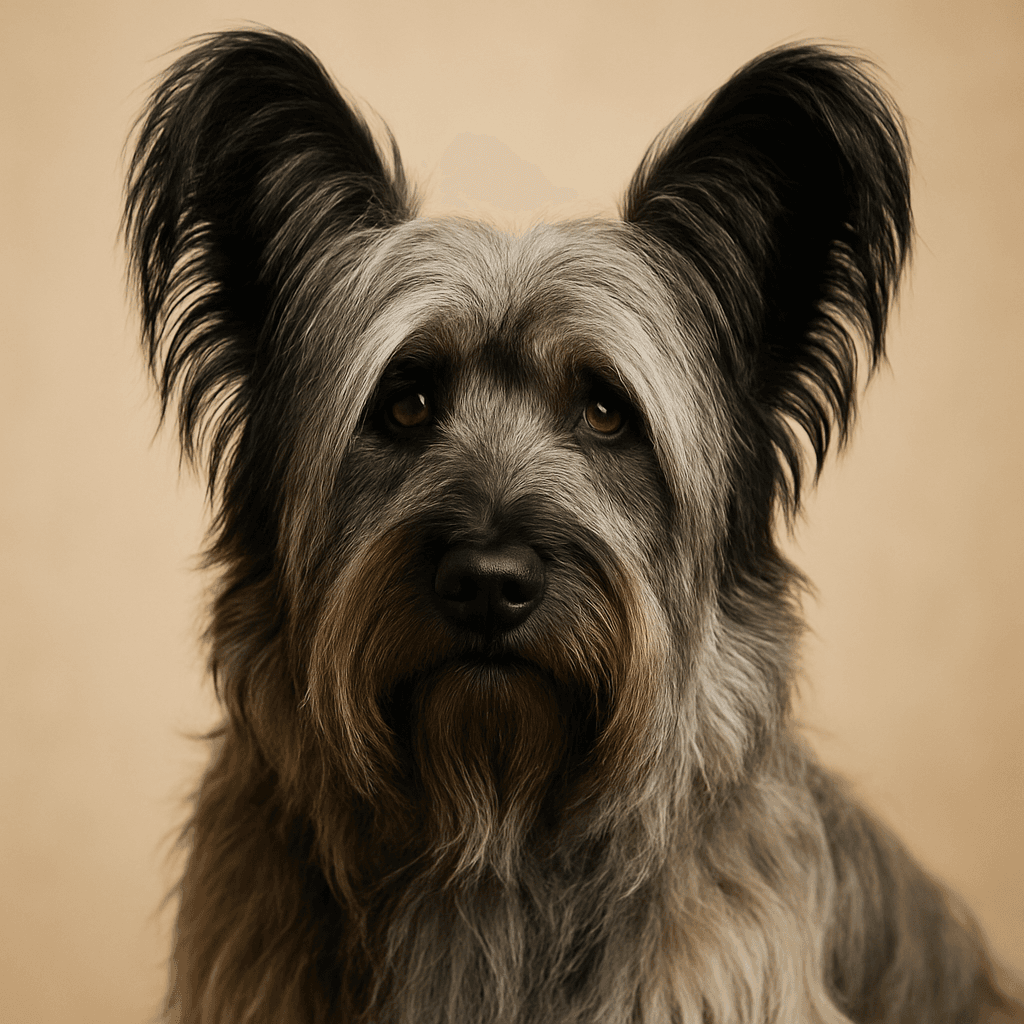
The Skye Terrier is a rare, long-coated Scottish terrier from the Isle of Skye, developed to hunt otter and fox in rocky Highland terrain. Devoted to its owner, reserved with strangers and fiercely independent. On the KC Vulnerable Native Breeds list. KC Terrier Group.
Quick Facts
- Size
- Medium
- Weight
- 8–11 kg
- Lifespan
- 12–14 years
- Breed Group
- Terrier
- Exercise
- 30–45 mins/day
- Activity Level
- Moderate
- Grooming
- High
- Monthly Cost
- £100–£150/month
- Temperament
- Independent, Loyal, Alert
- Good with Children
- No
- Good with Dogs
- No
- Good for First Timers
- No
- Suits Flats
- No
Free care guide
Get the Complete Skye Terrier Care Guide
Feeding, health, grooming, training and costs for your Skye Terrier. Free, straight to your inbox.
Getting set up
Getting a Skye Terrier? Here's what you'll need.
Our editors have picked the essentials for Skye Terrier owners.
See the First Dog Kit →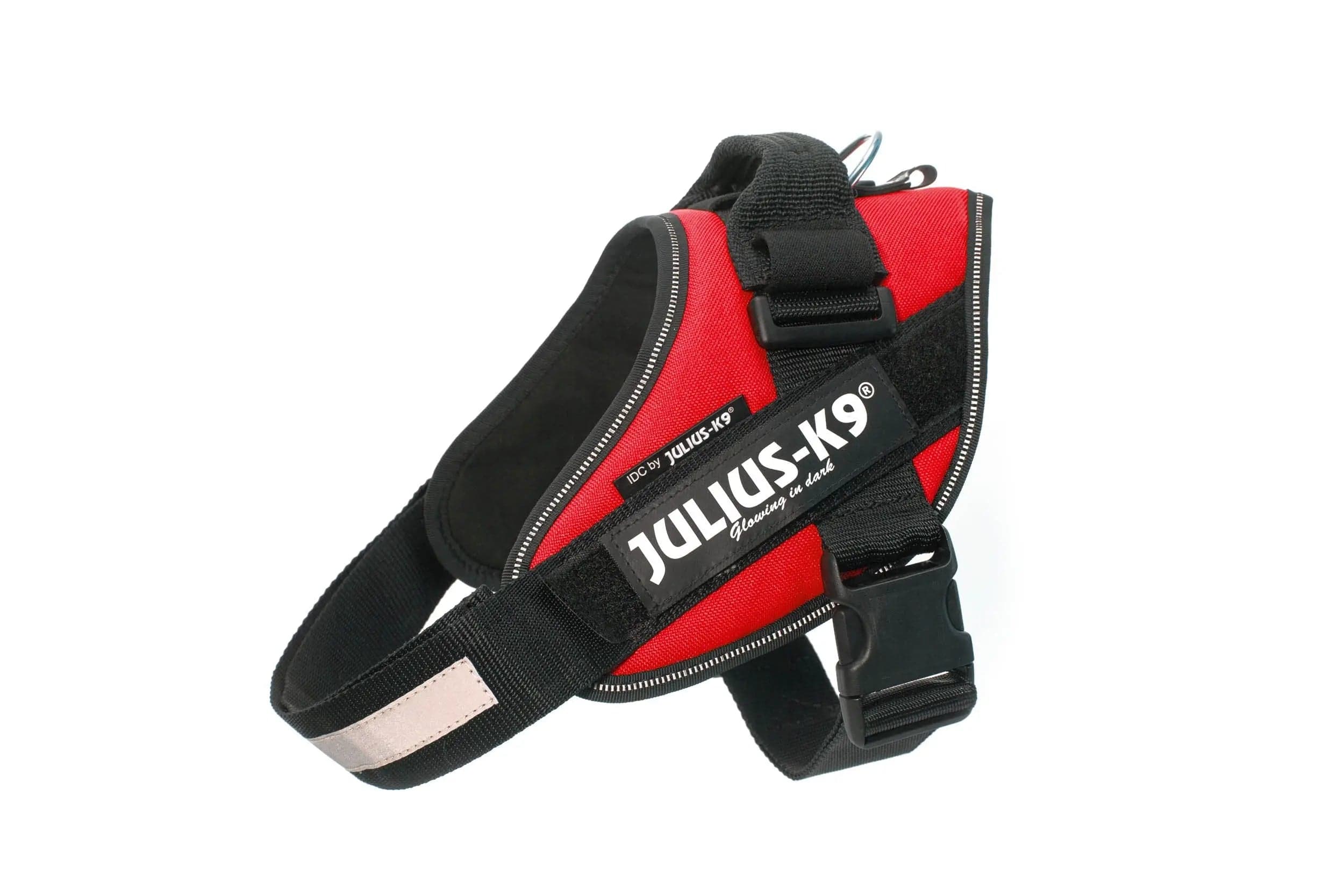
Recommended for Adult Dogs for Skye Terriers
Products selected for Skye Terrier size, coat type, and life stage. Affiliate disclosure.
Tuffies
Shop NowKurgo
Shop NowPedigree
VOHC-accepted. Most affordable evidence-backed daily chew. Widely available. X-shape targets gumline.
Buy on AmazonHurtta
Hurtta Mudventure ECO Raincoat (Medium)
Reflective, eco-friendly raincoat built for UK weather. Medium size.
Shop HurttaLily's Kitchen
Shop NowRoyal Canin
Royal Canin Breed-Specific Food
Nutrition precision-tailored to your breed.
Shop Royal CaninBarking Heads
Shop NowAATU Dog and Cat Food
Shop NowHarringtons
The UK's bestselling dry dog food. No artificial colours, flavours or preservatives. Made with natural ingredients including chicken, brown rice and vegetables. Available in multiple sizes.
Shop NowChris Christensen
Shop NowAndis
Shop NowAnimology
The UK groomer standard for removing fox poo and foul odours. Deep cleaning with built-in conditioner and Pro-Vitamin B5. Suitable for all coats from 6 weeks old.
Shop NowBoshel
Shop NowDrontal
Shop NowRosewood
Shop NowPets Calm Down
Shop NowJulius-K9
Julius-K9 IDC Powerharness (Medium)
Award-winning harness trusted by dog owners worldwide. Medium size (14-25kg).
Shop Julius-K9PitPat
Shop NowFurbo
Shop NowChuckit
Chuckit! Ball Launcher (Medium)
Launch further, throw less. Sport 25 launcher for medium dogs.
Shop Chuckit!LickiMat
LickiMat Wobble
Slows feeding, reduces anxiety, keeps dogs calm and engaged.
Try LickiMatKONG
KONG Classic (Medium)
The classic rubber chew for medium breeds.
Shop KONGNina Ottosson
Nina Ottosson Dog Puzzle
Level 2 puzzle feeder. Engages your dog mentally and slows eating.
Try Nina OttossonTrixie
Shop NowDoggone Good
Shop NowFURminator
FURminator Deshedding Tool (Medium, Long & Double Coat)
Reduces shedding by up to 90% for medium long-coated dogs.
Shop FURminatorBreed Overview
The Skye Terrier is one of Britain's oldest and most distinctive terrier breeds, a low-slung, long-coated and elegantly proportioned earth dog developed on the Isle of Skye in the Scottish Highlands to hunt otter, fox and other quarry in the rocky, broken terrain of the island, where its low build and determination allowed it to follow quarry into tight rock crevices and burrows that would defeat a taller dog. The breed was well established by the sixteenth century and attracted the patronage of Queen Victoria, who kept Skye Terriers and contributed significantly to the breed's popularity in the Victorian era. The Skye Terrier is now one of Britain's most endangered native dog breeds, appearing on the Kennel Club's Vulnerable Native Breeds list with annual registrations consistently very low, and preservation of the breed depends on a small community of dedicated enthusiasts. It is registered by the Kennel Club in the Terrier Group.
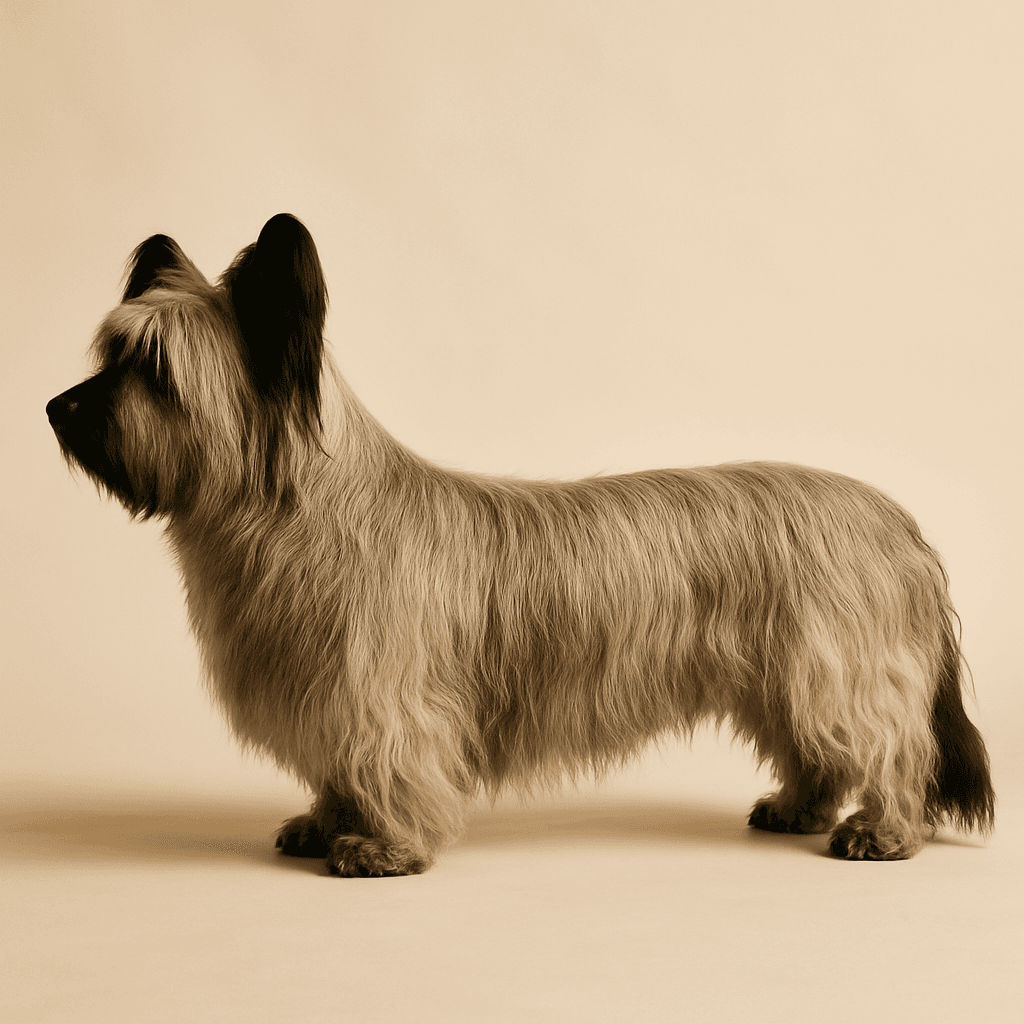
The Skye Terrier is a striking and immediately recognisable dog - low to the ground, twice as long as it is tall, with a profuse, long, flat outer coat that falls either side of the body from a straight parting running from nose to tail, and large, feathered ears that may be either prick or drop. The head is long and the expression alert and intelligent. The coat is hard on the outside with a soft, woolly undercoat. Adults typically stand 23 to 25 centimetres at the shoulder and weigh 8 to 10 kilograms.
The character is one of the most distinctive in the dog world - fiercely devoted to its own person or family to a degree that has become legendary. The story of Greyfriars Bobby, the Skye Terrier who reportedly guarded his owner's grave in Edinburgh for fourteen years after the owner's death in 1858, reflects a trait that is genuinely characteristic of the breed: an intensity of loyalty that borders on obsession. This devotion makes the breed an extraordinarily bonded companion for the right owner while also meaning it is poorly suited to frequent rehoming or handling by many different people.
Training is effective when conducted by the person to whom the dog is bonded, using positive, patient methods. The independent terrier character means the breed will not submit readily to handling by strangers.
Health considerations include Premature Closure of the Distal Radius in puppies and the importance of not over-exercising young dogs before twelve months of age.
Purchase prices from KC-registered, health-tested breeders range from £700 to £1,500. Monthly running costs average £65 to £110. The Skye Terrier Club is the primary resource for breed information, responsible breeders and rescue contact.
Temperament & Personality
Devoted, dignified and courageous. Forms an intense bond with its primary person - the Skye Terrier is one of the most loyal breeds in existence, as illustrated by the famous story of Greyfriars Bobby. Reserved to the point of aloofness with strangers. Independent but deeply affectionate with those it trusts. Not suited to frequent changes of ownership.
Training
Intelligent but deeply loyal to one person and independent in the terrier tradition. Responds well to patient, positive training with the person to whom it is bonded. Can be resistant with unfamiliar handlers. Early socialisation with a wide range of people is important given the reserved character. A consistent, calm approach works best.
Exercise Needs
Needs 45 to 60 minutes of daily exercise. Despite the elegant appearance, the Skye Terrier is a working terrier with drive and stamina. Recall training is important given the prey drive. On-lead management in areas with wildlife is advisable.
Health & Vet Costs
Premature Closure of the Distal Radius (a growth plate condition) has been documented and is associated with excessive exercise in puppies before skeletal maturity - puppies should not be over-exercised in the first year. Autoimmune conditions have been reported. The small population limits comprehensive health data. The Skye Terrier Club is the primary source of health guidance.
Feeding & Nutrition
Feed a high-quality complete food for a small active breed. Two meals daily. Monitor weight - the long coat conceals the body shape and weight gain can be missed. Dental health requires attention.
Feeding your Skye Terrier
How much to feed, which food types suit this breed, and what to avoid.
Grooming & Care
The long, flat, hard outer coat with soft undercoat requires thorough brushing two to three times weekly to prevent matting. The parting runs from nose to tail. Professional grooming several times yearly is standard. The coat should not be clipped as this affects texture.
Costs of Ownership
Purchase price from a KC-registered, health-tested breeder: £700 to £1,500. The breed is very rare. Monthly running costs: £65 to £110.
Estimated cost breakdown
Estimates based on UK average costs. Actual costs vary by location, vet, and lifestyle.
Owner note
Is your Skye Terrier insured?
Skye Terrier insurance typically costs £20–£55 per month depending on age, cover level and where you live. Getting the right policy before your first vet visit is one of the most important decisions you will make as a new owner.
Compare dog insuranceWe may earn a commission if you buy through our links. This never influences our recommendations.
Where to Find a Skye Terrier in the UK
Whether you are looking for a Skye Terrier puppy from a responsible breeder or hoping to give a rescue Skye Terrier a second chance, there are reliable routes to finding the right dog. The most important thing is that you find them through the right channel — one that puts the dog's welfare first.
Finding a Skye Terrier Puppy
The Kennel Club's Find a Puppy service is the safest starting point for anyone looking for a Skye Terrier puppy. It connects buyers with breeders who register their litters and allows you to verify parental health test results.
For Skye Terriers, the relevant breed club is The Skye Terrier Club. They maintain a breeder register and can be contacted directly for recommendations.
Before you commit, read our complete guide to finding a puppy responsibly — including the red flags that separate an ethical breeder from a puppy farm.
Read the Puppy Buying GuideRescuing a Skye Terrier
Skye Terrier-specific rescue organisations are run by people who know the breed inside out. They assess every dog carefully and match them to homes that genuinely suit their needs. Waiting lists exist but are worth it.
Key Skye Terrier rescues in the UK include:
Our rescue guide covers the full adoption process in detail.
Find a Rescue DogIs a Skye Terrier Right for You?
Suits patient, experienced owners who appreciate a devoted and dignified companion with terrier independence. Bonds very closely with one person. Reserved with strangers - not aggressive but not sociable. Rare - expect a waiting list from a reputable breeder. A rewarding breed for those who understand and respect the terrier character.
Frequently Asked Questions
Skye Terriers are not typically recommended for families with children. They are independent, strong-willed dogs that can be intolerant of rough handling and may not tolerate the unpredictability of young children. They are better suited to adult households where their dignified nature is appreciated.
Skye Terriers require around 30-45 minutes of daily exercise to maintain their physical and mental wellbeing. Despite their low-slung build, they are active terriers with a hunting heritage and enjoy regular walks and play sessions in secure areas.
Yes, Skye Terriers shed moderately throughout the year. Their long, double coat requires regular brushing, ideally several times per week, to manage loose hair and prevent matting. Shedding increases during seasonal coat changes.
Skye Terriers are challenging to train due to their independent and stubborn nature. They were bred to work alone as earth dogs, so they have a strong will of their own. Consistent, patient training with positive reinforcement is essential, though they may never be fully obedient.
Skye Terriers typically live between 12-14 years. With proper care, including regular veterinary check-ups, a balanced diet, and appropriate exercise, many can enjoy a long and healthy life.
The estimated monthly cost for a Skye Terrier is between £100-£150. This covers food, routine veterinary care, and general maintenance. Additional costs may arise for professional grooming, which is recommended regularly due to their long coat requirements.
No, Skye Terriers are not recommended for first-time dog owners. Their independent temperament, grooming demands, and training challenges require an experienced owner who understands terrier behaviour and can provide firm, consistent leadership.
Related Breeds
Bedlington Terrier
The Bedlington Terrier is a distinctive curly-coated terrier registered in the KC Terrier Group. Copper Toxicosis is the...
View breed guide →Cairn Terrier
The Cairn Terrier is one of Scotland's oldest terrier breeds, hardy, alert and independent. Good with families, moderate...
View breed guide →Dandie Dinmont Terrier
The Dandie Dinmont Terrier is a rare Scottish terrier named after a fictional character, with a distinctive silky topkno...
View breed guide →Related Guides
Find local services for your Skye Terrier
Search verified UK listings for vets, groomers, trainers and walkers near you.
Upcoming events for Skye Terrier owners
Championship Show
Darlington Dog Show Society Championship Show 2026
18 to 20 September 2026 · Ripon, North Yorkshire
Companion Show
Paws in the Park — Kent 2026
19 to 20 September 2026 · Maidstone, Kent
Championship Show
Belfast Dog Show Society Championship Show 2026
26 to 27 September 2026 · Lisburn, County Antrim
Festival
DogFest at the Palace 2026
3 to 4 October 2026 · Woodstock, Oxfordshire
Championship Show
South Wales Kennel Association Championship Show 2026
8 to 11 October 2026 · Builth Wells, Powys