Be the first to join. Keep the badge forever.
The first members of this community earn permanent Founding Member status. It shows on your profile and your dog's profile for as long as you're here.
- ✓Founding Member badge on your profile
- ✓Your dog featured first
- ✓First Dog of the Month nomination
- ✓Always free
⭐ Founding Member spots open
First to join gets the badge
🐕 Be the first dog registered
Add your Lab to the community
📷 Add the first photo
Start the photo wall
8
Discussions
0 members
8 discussions
About the Afghan Hound
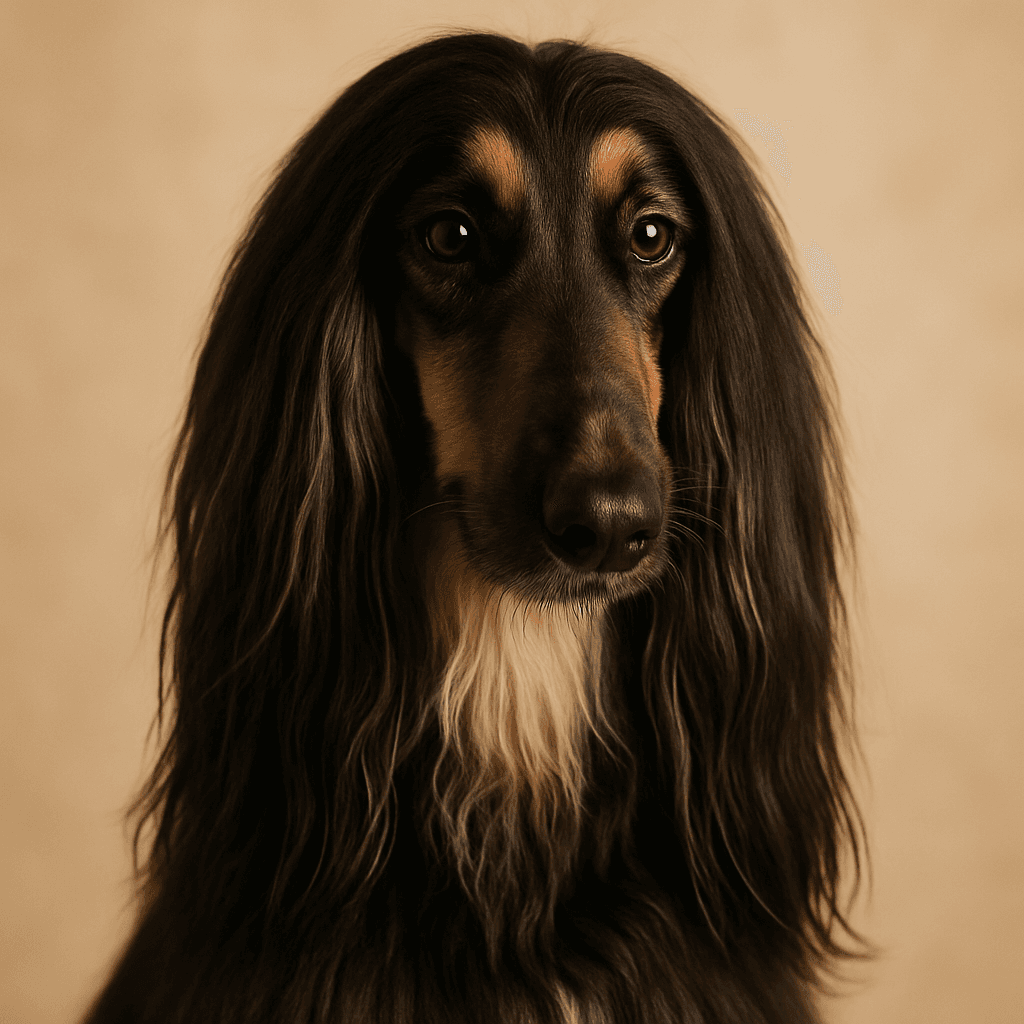
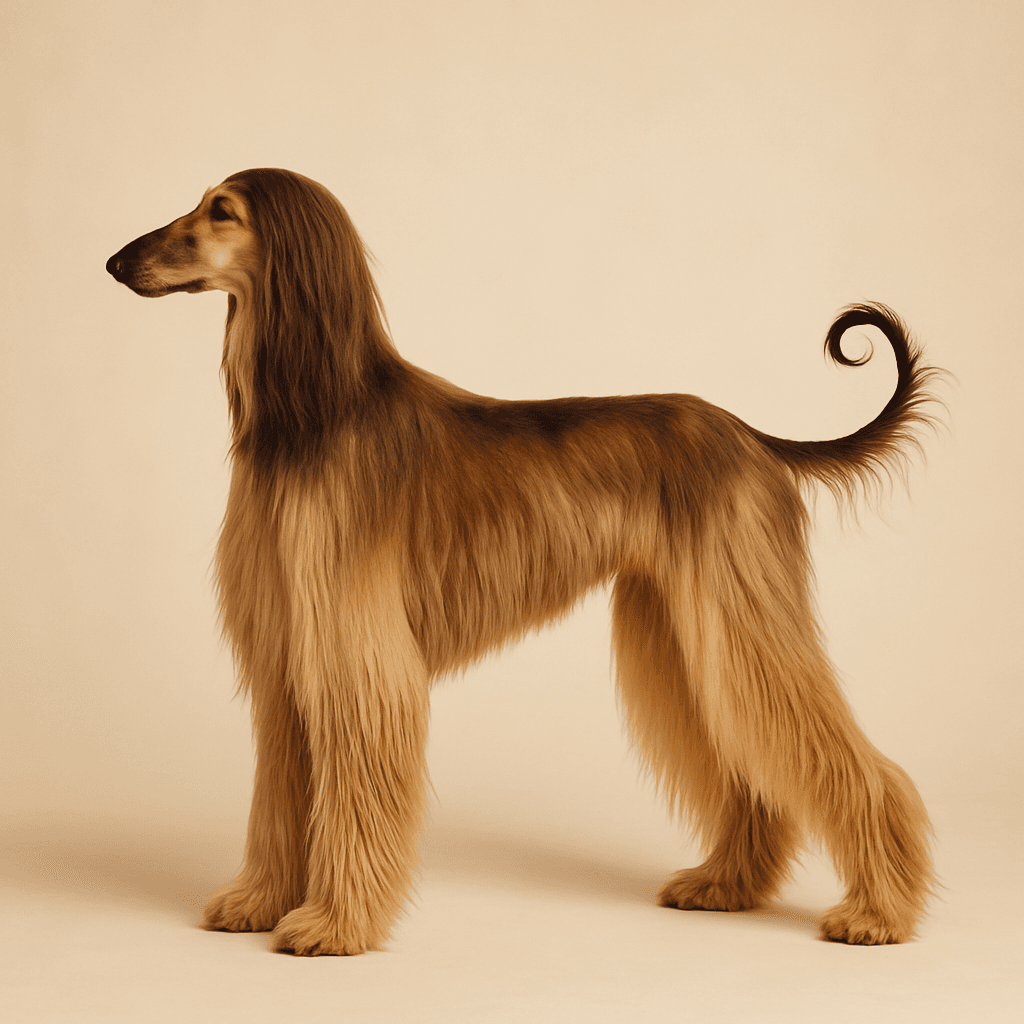
The Afghan Hound is one of the oldest and most visually distinctive breeds in the world. With its flowing silky coat, aristocratic bearing and ancient origins in the mountains of Afghanistan and Pakistan, it occupies a unique position among British-owned dogs: unmistakeable in appearance, entirely unlike any other breed in character, and demanding in ways that owners do not always anticipate before acquiring one. It is registered by the Kennel Club in the Hound Group. The Afghan Hound was bred over thousands of years as a coursing dog capable of hunting large prey across difficult mountainous terrain at speed. The modern Afghan Hound retains every element of that heritage: the speed, the prey drive, the independence and the stamina. It is not, in any meaningful sense, a companion breed in the mould of a Labrador or Golden Retriever. It is a sighthound of ancient working lineage that has been adapted to domestic life, and those who approach it with that understanding are far better prepared for ownership. In temperament, the Afghan Hound is dignified, independent and selective with its affection. It forms genuine bonds with its household but on its own terms rather than on demand. It is not a dog that will follow its owner from room to room or perform eagerly for strangers. Its loyalty is real but expressed quietly. New owners expecting overt, retrieverhound-style affection are often surprised by the Afghan's self-contained reserve. The exercise requirement is substantial. A minimum of 2 hours daily, with access to securely fenced areas where the dog can gallop freely, is essential for physical and mental wellbeing. The prey drive is the governing safety consideration: once an Afghan Hound locks onto a target, its speed and commitment make recall functionally impossible. Off-lead exercise in unsecured areas is never appropriate regardless of how well trained the individual dog is. The grooming commitment is the defining practical challenge of ownership and the most common reason Afghan Hounds enter rescue. The long, silky coat requires daily brushing of 15 to 30 minutes to prevent matting. Professional grooming every 6 to 8 weeks for bathing, blow-drying and coat maintenance is not optional. The coat cannot be air-dried without matting. Monthly grooming costs of £70 to £120 are a permanent running cost of owning this breed. Anyone unwilling or unable to commit to this daily grooming routine should seriously reconsider this breed. Training is a study in patience. Afghan Hounds are intelligent and learn quickly, but they apply their learning according to their own judgement. Compliance is selective. Recall in open areas is not achievable. Positive, calm, consistent methods produce the best outcomes. Harsh corrections or repetitive drilling produce disengagement and avoidance. Health considerations include anaesthetic sensitivity as a sighthound, hip dysplasia, hereditary cataracts and a slightly elevated incidence of chylothorax. All sighthound owners must inform every vet that their dog is a sighthound before any procedure. Insurance premiums of £40 to £80 per month reflect a moderate health risk profile. Purchase prices from KC-registered breeders typically range from £800 to £1,500. Lifespan is 12 to 14 years. The Afghan Hound rewards owners who come to it with clear eyes, appropriate expectations and a genuine appreciation for independence and elegance over biddability. For those owners, it is one of the most extraordinary breeds available. The grooming is the entry toll. Pay it willingly, or choose a different breed.
Quick facts
Meet Our Afghan Hounds
Register your dog on My Dog and it will appear here automatically.
Afghan Hound Photos
No photos yet. Be the first to share yours.
Add a photoActivity Feed
How much exercise does your Afghan Hound really need each day?
A minimum of two hours a day, split across sessions, and that's genuinely a minimum rather than a target. The absolute non-negotiable for me is where that exercise happens. Afghan Hounds cannot be exercised off-lead anywhere that isn't securely fenced. Once the prey drive triggers, you have a dog doing 40 miles per hour in a direction of their choosing, and no amount of recall training changes that equation. I found a local sighthound meet-up that uses a large fenced field, and that's where my Afghan gets to gallop freely. Lure coursing is brilliant for them too if you can find a club. Meet the physical need properly or you'll have a frustrated, restless dog in the house.
30 June 2026
Any health issues to watch for with Afghan Hounds?
The most important thing to communicate to any vet treating your Afghan is that they're a sighthound. Their very low body fat means they metabolise certain anaesthetic agents differently from other dogs. Most experienced vets adjust protocols without being told, but I always say it upfront. Hip dysplasia is worth asking breeders about, with KC/BVA Hip Scoring on both parents a reasonable expectation. Hereditary cataracts occur in the breed, so eye scheme certificates on the parents matter too. Chylothorax, where lymphatic fluid accumulates in the chest, is uncommon but appears more often in Afghans than in many other breeds. And as a deep-chested dog, bloat is a genuine risk. Two meals a day, no vigorous exercise around feeding, and know what GDV looks like.
30 June 2026
What's the one thing you wish you'd known before getting an Afghan Hound?
That the aloofness is not something to work around. It's the point. I came from retrievers and spent the first year trying to get the same kind of engaged, eager response. My Afghan has her own assessment of every situation, and she chooses how to respond based on that assessment, not based on what I'd prefer. She's not cold, she's not difficult, she's genuinely self-possessed in a way I now find fascinating rather than frustrating. The prey drive being permanent and untrainable was also something I understood intellectually but not practically until I saw it happen. The management is for life: secure areas only, full stop. Once you accept that and stop fighting the breed's nature, what you have is one of the most elegant, quietly rewarding dogs available.
30 June 2026
What do you feed your Afghan Hound, and why?
Two meals a day on a quality large-breed complete food, and I'm very deliberate about the gap between eating and exercising. Afghan Hounds are deep-chested, so bloat is a real risk, and calm mealtimes matter. I spend around £60 to £85 a month on food, which is typical for a dog this size. Afghan Hounds should stay lean. They're sighthounds, and carrying excess weight on that frame stresses joints and reduces the agility that's central to their wellbeing. Ribs should be easily felt. I think of it this way: if they look lean to the casual observer, they're probably at the right weight. If they look correct to the casual observer, they're probably too heavy.
30 June 2026
Afghan Hound of the Month
🏆 September 2026 -- Be the first nominee
Could be your dog.
The first dog registered in this community earns the first Dog of the Month nomination automatically.
Register your dogUpcoming Afghan Hound Meetups
No meetups planned yet. Be the first to organise one.
Sign in to organise a meetupCommunity Members
Be the first to join and become the Afghan Hound Founding Member.
Join Club