Be the first to join. Keep the badge forever.
The first members of this community earn permanent Founding Member status. It shows on your profile and your dog's profile for as long as you're here.
- ✓Founding Member badge on your profile
- ✓Your dog featured first
- ✓First Dog of the Month nomination
- ✓Always free
⭐ Founding Member spots open
First to join gets the badge
🐕 Be the first dog registered
Add your Lab to the community
📷 Add the first photo
Start the photo wall
8
Discussions
0 members
8 discussions
About the Australian Cattle Dog
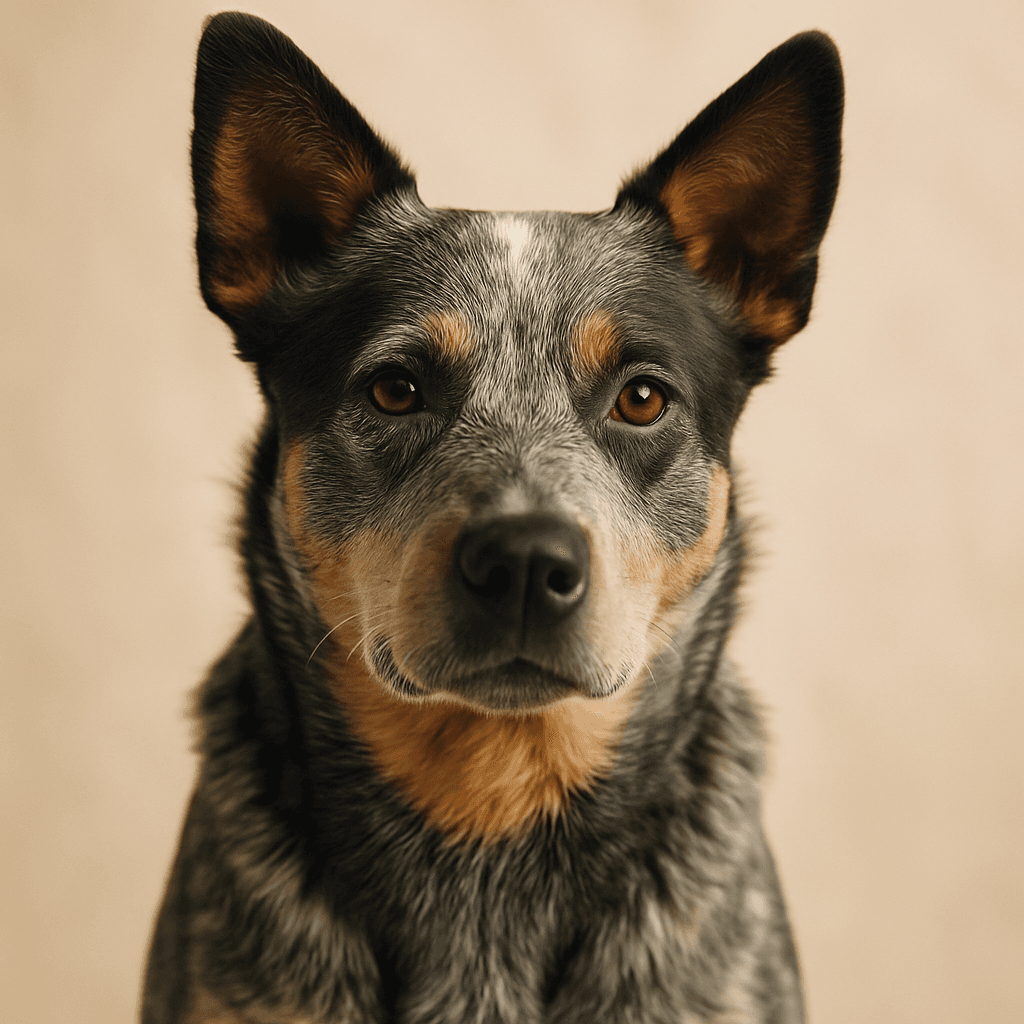
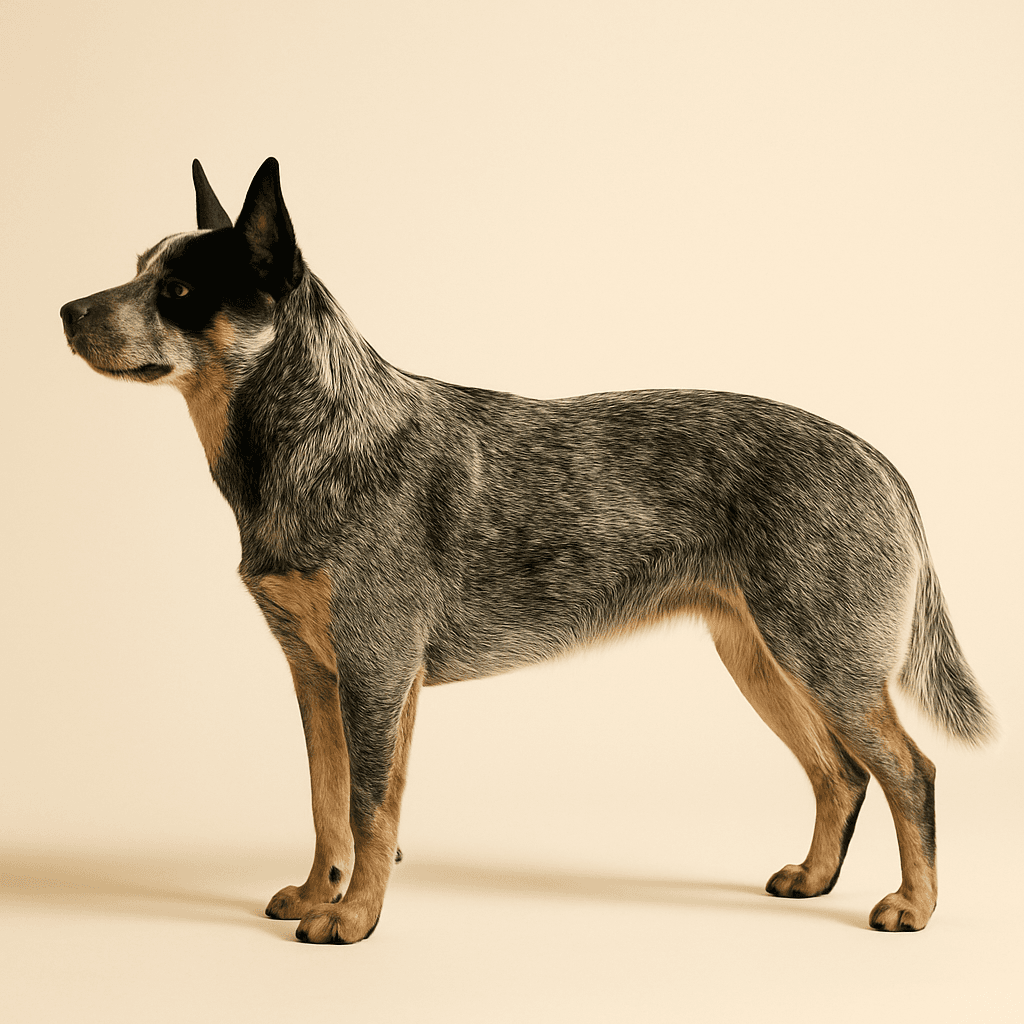
The Australian Cattle Dog, also known as the Blue Heeler or Red Heeler depending on coat colour, is one of the most intelligent and capable working dogs in existence. Developed in Australia in the 19th century by crossing British herding dogs with the native Dingo, it was bred specifically for the demanding task of herding large cattle across vast distances in harsh conditions. Registered by the Kennel Club in the Pastoral Group, it brings the entire output of that selective breeding history into the domestic environment: exceptional intelligence, extraordinary endurance and a working drive that does not switch off when the work stops. The breed's intelligence is frequently cited and is entirely genuine. Australian Cattle Dogs learn commands rapidly, solve problems with initiative and retain training reliably. In trials and working dog sports, they consistently rank among the highest-performing breeds. This intelligence is also the breed's primary management challenge. A highly intelligent dog with unmet mental and physical needs will find its own occupation, and what a working dog invents for itself is rarely welcome in a domestic setting. Exercise requirements are the starting point. A minimum of 2 hours of vigorous daily activity is not a guideline but a practical floor. Above this, mental stimulation is equally important: agility, herding trials, scent work, obedience and trick training all provide the mental engagement the breed needs to remain balanced. Physical exercise alone, without mental challenge, is insufficient. The breed's working intelligence demands genuine engagement. The herding instinct is always present in the domestic environment. Australian Cattle Dogs herd by nipping at heels, and in a domestic setting this behaviour will be directed at children, adults and other animals unless actively and consistently redirected from puppyhood. This is a breed behaviour, not an individual fault, and it requires active management throughout the dog's life. Families with very young children should factor this into their decision carefully. Coat maintenance is relatively simple compared to many breeds: the short, dense double coat requires weekly brushing, with more frequent attention during twice-yearly shedding seasons. Bathing every 4 to 6 weeks keeps the coat in good condition. No professional grooming is routinely required. Health is generally good. Progressive Retinal Atrophy, hereditary deafness and hip dysplasia are the primary concerns. Responsible breeders BAER test all puppies for deafness and have breeding dogs DNA tested for PRA. Ask for evidence of both. Insurance of £25 to £55 per month reflects a good health profile for a medium-sized working breed. Purchase prices from KC-registered breeders range from £600 to £1,200. Lifespan is an impressive 12 to 15 years. For very active owners with experience of working breeds who want a dog they can genuinely train to a high level and engage in structured activities, the Australian Cattle Dog is outstanding. For households that cannot meet its very high needs, it is genuinely difficult. This is a working tool, not a companion breed in the conventional sense. Treat it as one, and it is exceptional.
Quick facts
Meet Our Australian Cattle Dogs
Register your dog on My Dog and it will appear here automatically.
Australian Cattle Dog Photos
No photos yet. Be the first to share yours.
Add a photoActivity Feed
How much exercise does your Australian Cattle Dog really need each day?
Two hours of vigorous activity minimum, every day, and 'minimum' is the right word. This is a dog bred to herd cattle across the Australian Outback for a full working day. Two hours is what stops the destructive behaviour, not what satisfies the dog. The mental stimulation is equally important and I've learned to treat them as separate requirements rather than assuming one substitutes for the other. Agility and scent work are the two things that genuinely change the atmosphere in my house. On the recall front, mine is reliable when trained consistently from an early age, which is one of the breed's genuine practical advantages. But the herding instinct means I stay alert around anything moving fast, children included.
30 June 2026
Any health issues to watch for with Australian Cattle Dogs?
Deafness is the one I'd highlight most urgently for prospective buyers: Australian Cattle Dogs have elevated rates of hereditary deafness linked to the merle and white marking genes, and BAER testing of individual puppies should be standard practice before sale. Ask to see each puppy's individual test result, not just a general statement about the litter. Progressive Retinal Atrophy is also present; DNA testing is available and both parents should be tested. Hip dysplasia exists and KC/BVA Hip Scores on both parents are the expectation from a responsible breeder. Lens luxation occurs in some lines and is worth monitoring for. The relatively good news: this is one of the longer-lived medium-sized breeds at 12 to 15 years, and monthly insurance typically runs £25 to £55, which is reasonable for a working dog.
30 June 2026
What do you wish you'd known before getting an Australian Cattle Dog?
That the heel-nipping has to be actively redirected from the very first week, not just noted and dealt with later. It's natural herding behaviour and my Cattle Dog applied it to everything moving in those early months: children, visitors, the cat, my ankles specifically. It's completely trainable but requires consistent, immediate redirection every single time it happens. Leave it a few months and it becomes a much harder habit to break. The other thing: this breed needs an engaged owner, not just a present one. They're monitoring me constantly, waiting to work, watching for direction. That intensity is extraordinary when you channel it well and exhausting when you haven't prepared for it. Agility and scent work transformed our relationship and my dog's behaviour at home. I wish I'd started both earlier.
30 June 2026
What do you feed your Australian Cattle Dog, and why?
Two meals a day on a quality complete dry food appropriate for an active medium-sized working dog. Mine rarely overeats when his exercise needs are properly met, which is one of the practical benefits of a working breed at full activity level. Monthly cost runs around £45 to £55. I'm careful not to feed immediately before or after vigorous exercise, more out of general caution than specific breed risk. Weight management is genuinely important: Australian Cattle Dogs should be lean and muscular, and excess weight stresses joints and reduces the agility and responsiveness that's core to the breed's wellbeing. If yours looks noticeably heavier than the working dog standard, the exercise and portions both need review. Given they can live 15 years, the habits you form early matter over a long timescale.
30 June 2026
Australian Cattle Dog of the Month
🏆 September 2026 -- Be the first nominee
Could be your dog.
The first dog registered in this community earns the first Dog of the Month nomination automatically.
Register your dogUpcoming Australian Cattle Dog Meetups
No meetups planned yet. Be the first to organise one.
Sign in to organise a meetupCommunity Members
Be the first to join and become the Australian Cattle Dog Founding Member.
Join Club