Australian Cattle Dog
Complete UK breed guide
Quick answer
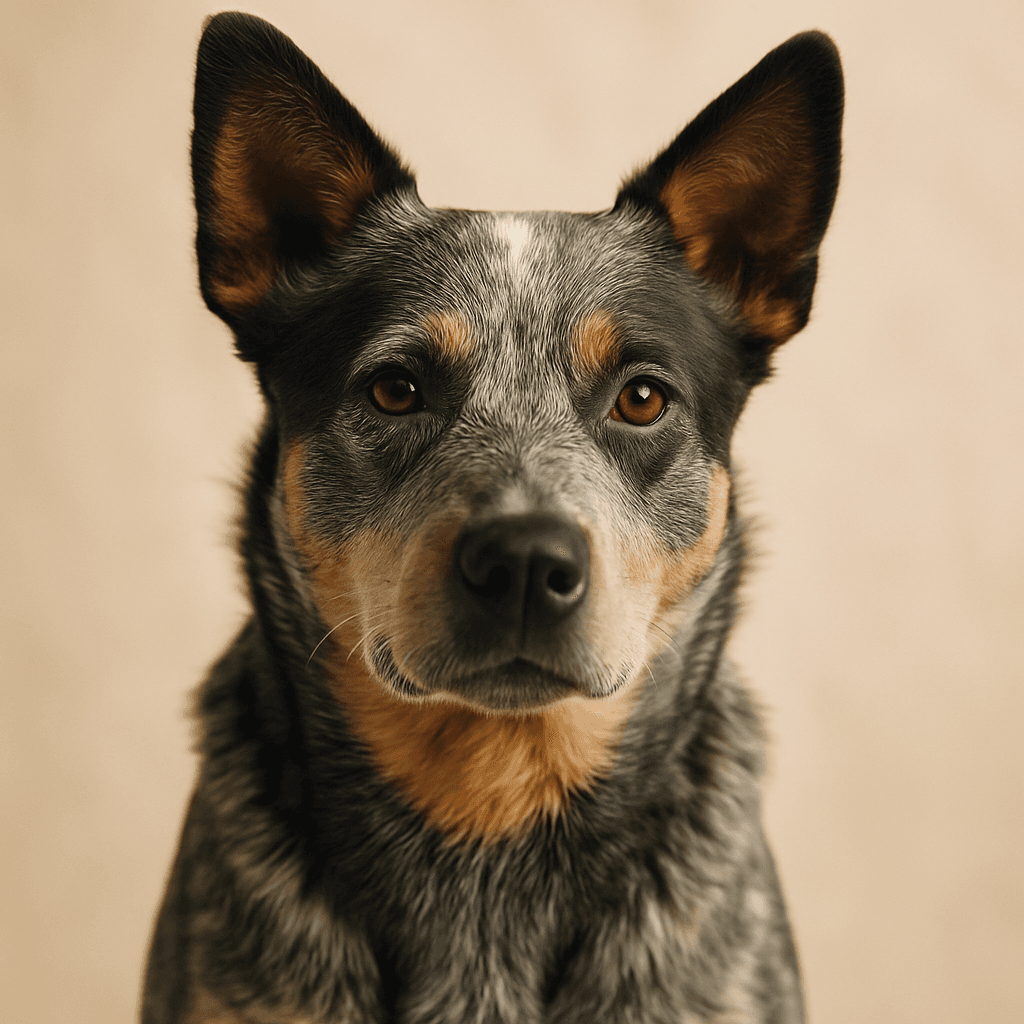
The Australian Cattle Dog, also known as the Blue or Red Heeler, is an exceptionally intelligent and high-energy herding breed from Australia. They need 2 or more hours of vigorous exercise and extensive mental stimulation daily. Not suitable for first-time owners. Key health concerns include progressive retinal atrophy and hip dysplasia. BAER testing for deafness is recommended. Lifespan is 12 to 15 years.
Quick Facts
- Size
- Medium
- Weight
- 15–22 kg
- Lifespan
- 12–15 years
- Breed Group
- Pastoral
- Exercise
- 120+ mins/day
- Activity Level
- very high
- Grooming
- Low
- Monthly Cost
- £100–£160/month
- Temperament
- Highly intelligent, Energetic, Loyal
- Good with Children
- No
- Good with Dogs
- Yes
- Good for First Timers
- No
- Suits Flats
- No
Free care guide
Get the Complete Australian Cattle Dog Care Guide
Feeding, health, grooming, training and costs for your Australian Cattle Dog. Free, straight to your inbox.
Getting set up
Getting a Australian Cattle Dog? Here's what you'll need.
Our editors have picked the essentials for Australian Cattle Dog owners.
See the First Dog Kit →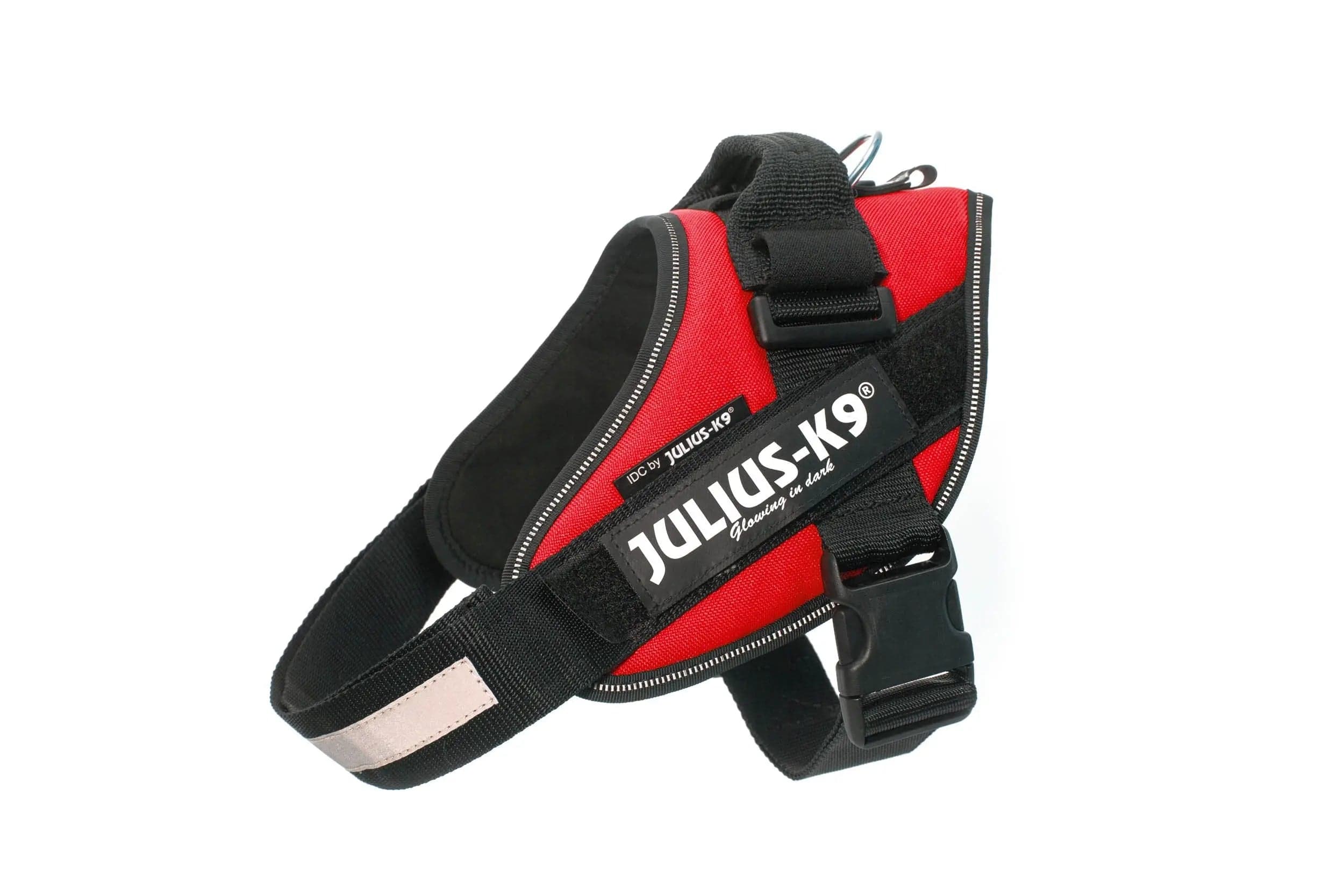
Recommended for Adult Dogs for Australian Cattle Dogs
Products selected for Australian Cattle Dog size, coat type, and life stage. Affiliate disclosure.
Tuffies
Shop NowKurgo
Shop NowPedigree
VOHC-accepted. Most affordable evidence-backed daily chew. Widely available. X-shape targets gumline.
Buy on AmazonHurtta
Hurtta Mudventure ECO Raincoat (Medium)
Reflective, eco-friendly raincoat built for UK weather. Medium size.
Shop HurttaHarringtons
The UK's bestselling dry dog food. No artificial colours, flavours or preservatives. Made with natural ingredients including chicken, brown rice and vegetables. Available in multiple sizes.
Shop NowBarking Heads
Shop NowAATU Dog and Cat Food
Shop NowRoyal Canin
Royal Canin Breed-Specific Food
Nutrition precision-tailored to your breed.
Shop Royal CaninLily's Kitchen
Shop NowChris Christensen
Shop NowBoshel
Shop NowAnimology
The UK groomer standard for removing fox poo and foul odours. Deep cleaning with built-in conditioner and Pro-Vitamin B5. Suitable for all coats from 6 weeks old.
Shop NowDrontal
Shop NowPets Calm Down
Shop NowRosewood
Shop NowPitPat
Shop NowJulius-K9
Julius-K9 IDC Powerharness (Medium)
Award-winning harness trusted by dog owners worldwide. Medium size (14-25kg).
Shop Julius-K9Furbo
Shop NowChuckit
Chuckit! Ball Launcher (Medium)
Launch further, throw less. Sport 25 launcher for medium dogs.
Shop Chuckit!LickiMat
LickiMat Wobble
Slows feeding, reduces anxiety, keeps dogs calm and engaged.
Try LickiMatKONG
KONG Classic (Medium)
The classic rubber chew for medium breeds.
Shop KONGNina Ottosson
Nina Ottosson Dog Puzzle
Level 2 puzzle feeder. Engages your dog mentally and slows eating.
Try Nina OttossonTrixie
Shop NowDoggone Good
Shop NowFURminator
FURminator Deshedding Tool (Medium, Long & Double Coat)
Reduces shedding by up to 90% for medium long-coated dogs.
Shop FURminatorBreed Overview
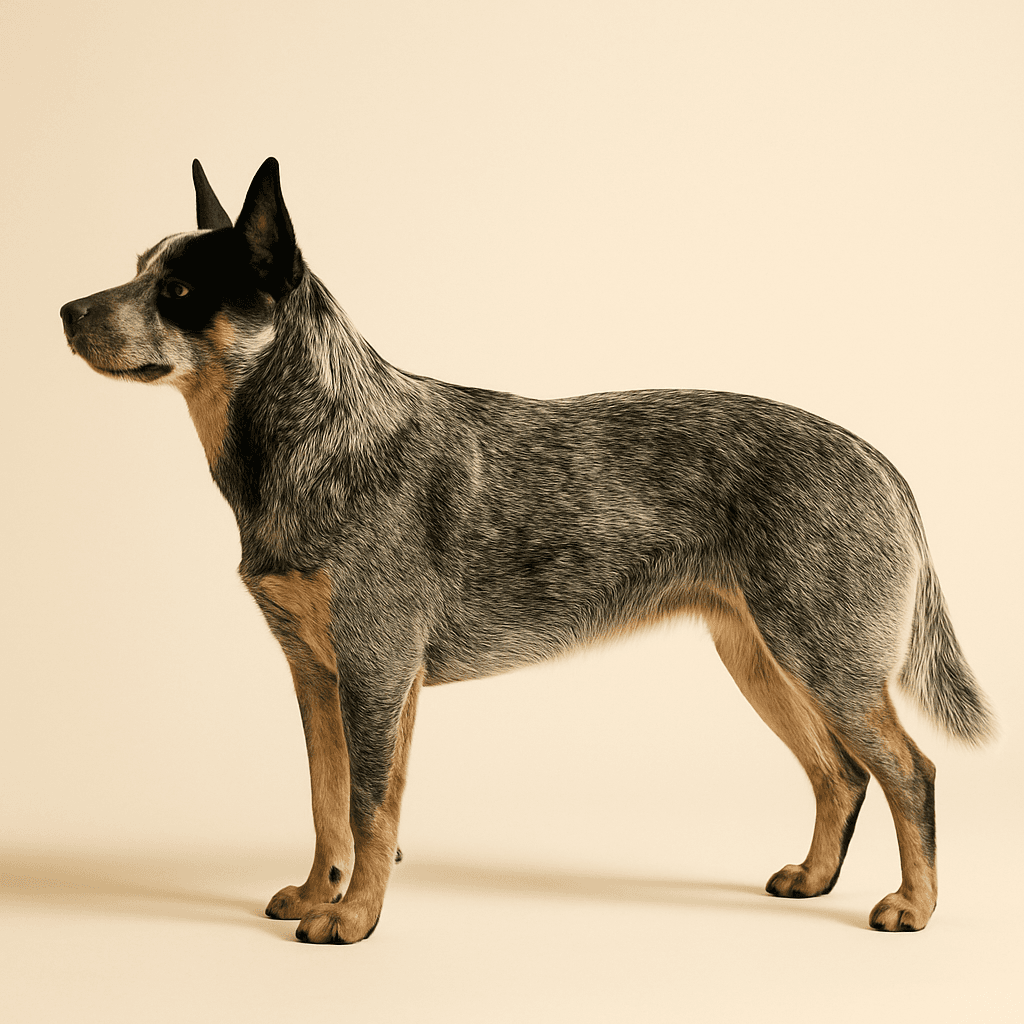
The Australian Cattle Dog, also known as the Blue Heeler or Red Heeler depending on coat colour, is one of the most intelligent and capable working dogs in existence. Developed in Australia in the 19th century by crossing British herding dogs with the native Dingo, it was bred specifically for the demanding task of herding large cattle across vast distances in harsh conditions. Registered by the Kennel Club in the Pastoral Group, it brings the entire output of that selective breeding history into the domestic environment: exceptional intelligence, extraordinary endurance and a working drive that does not switch off when the work stops.
The breed's intelligence is frequently cited and is entirely genuine. Australian Cattle Dogs learn commands rapidly, solve problems with initiative and retain training reliably. In trials and working dog sports, they consistently rank among the highest-performing breeds. This intelligence is also the breed's primary management challenge. A highly intelligent dog with unmet mental and physical needs will find its own occupation, and what a working dog invents for itself is rarely welcome in a domestic setting.
Exercise requirements are the starting point. A minimum of 2 hours of vigorous daily activity is not a guideline but a practical floor. Above this, mental stimulation is equally important: agility, herding trials, scent work, obedience and trick training all provide the mental engagement the breed needs to remain balanced. Physical exercise alone, without mental challenge, is insufficient. The breed's working intelligence demands genuine engagement.
The herding instinct is always present in the domestic environment. Australian Cattle Dogs herd by nipping at heels, and in a domestic setting this behaviour will be directed at children, adults and other animals unless actively and consistently redirected from puppyhood. This is a breed behaviour, not an individual fault, and it requires active management throughout the dog's life. Families with very young children should factor this into their decision carefully.
Coat maintenance is relatively simple compared to many breeds: the short, dense double coat requires weekly brushing, with more frequent attention during twice-yearly shedding seasons. Bathing every 4 to 6 weeks keeps the coat in good condition. No professional grooming is routinely required.
Health is generally good. Progressive Retinal Atrophy, hereditary deafness and hip dysplasia are the primary concerns. Responsible breeders BAER test all puppies for deafness and have breeding dogs DNA tested for PRA. Ask for evidence of both. Insurance of £25 to £55 per month reflects a good health profile for a medium-sized working breed. Purchase prices from KC-registered breeders range from £600 to £1,200. Lifespan is an impressive 12 to 15 years.
For very active owners with experience of working breeds who want a dog they can genuinely train to a high level and engage in structured activities, the Australian Cattle Dog is outstanding. For households that cannot meet its very high needs, it is genuinely difficult. This is a working tool, not a companion breed in the conventional sense. Treat it as one, and it is exceptional.
Temperament & Personality
Australian Cattle Dogs are alert, responsive and intensely loyal to their bonded owner. They are one-person or one-family dogs rather than universally sociable breeds. They work closely with their person and take direction seriously when that relationship is established.
They are not affectionate in an overt, demonstrative way but show loyalty through constant attention and responsiveness. They are watchful, energetic and rarely still when there is something to do.
The herding instinct is always present. It manifests in the domestic environment as chasing, circling and nipping at heels. This is natural breed behaviour that must be redirected consistently. Left unmanaged, it can cause problems with children and visitors.
Boredom is the primary risk. An under-occupied Australian Cattle Dog is a destructive, vocal and difficult dog to manage. An appropriately engaged one is one of the most impressive working companion breeds available.
Training
Australian Cattle Dogs are among the most trainable breeds in the world when their intelligence is properly channelled.
Trainability: Exceptionally high. The breed is quick, responsive and capable of learning complex tasks rapidly. The challenge is not the dog's ability but meeting its need for ongoing engagement.
Herding instinct management: The heel-nipping behaviour must be actively redirected from puppyhood. Consistent correction and alternative behaviour shaping are effective.
Mental stimulation: Training is mental exercise. Daily training sessions are as important as physical exercise for this breed.
Positive reinforcement: Works exceptionally well. Food and toy rewards suit the breed's drive.
Recall: Excellent when trained consistently from an early age.
Exercise Needs
Australian Cattle Dogs are working dogs bred for full-day herding activity and have exercise needs that reflect this.
Daily exercise: Minimum 2 hours per day of vigorous activity. This is a minimum, not a target.
Mental stimulation: Equal in importance to physical exercise. Herding trials, agility, flyball, scent work and obedience provide the mental engagement the breed needs. A physically exercised but mentally under-stimulated Cattle Dog will find its own activities.
Working activities: The breed excels in working dog sports. Owners who channel the breed's drive through structured activity get the best results.
Off-lead: Good recall is achievable with consistent training, but the herding instinct means awareness around moving targets is important.
Health & Vet Costs
Australian Cattle Dogs are generally a healthy, robust breed, but carry several conditions worth screening for.
Progressive Retinal Atrophy (PRA): Hereditary eye condition causing progressive vision loss. DNA testing is available and should be confirmed by breeders for both parents.
Hereditary Deafness: Deafness occurs in Australian Cattle Dogs at elevated rates, linked to the merle and white marking genes. BAER (Brainstem Auditory Evoked Response) testing should be performed on puppies before sale. Ask to see individual test results.
Hip Dysplasia: Present in the breed. KC/BVA Hip Scoring assesses breeding dogs. Ask for scores on both parents.
Lens Luxation: Occurs in some lines. Monitoring for signs of eye discomfort is important.
Monthly insurance typically costs £25 to £55. Lifespan is 12 to 15 years, making this one of the longer-lived medium-sized breeds.
Feeding & Nutrition
Australian Cattle Dogs are lean, athletic dogs with high energy requirements.
Daily food cost: £2 to £3.50 per day.
Monthly food cost: Approximately £40 to £70 per month.
Feeding routine: Two meals per day. Avoid feeding immediately before or after vigorous exercise.
Weight management: Australian Cattle Dogs should be lean and muscular. Excess weight stresses joints and reduces performance. The breed rarely overeats when receiving appropriate exercise.
Feeding your Australian Cattle Dog
How much to feed, which food types suit this breed, and what to avoid.
Grooming & Care
The Australian Cattle Dog has a short, dense double coat that is relatively low maintenance.
Brushing: Once or twice per week under normal conditions. More frequently during the twice-yearly shedding season.
Shedding: Moderate year-round, with heavier seasonal shedding. A de-shedding tool is useful during heavy periods.
Bathing: Every 4 to 6 weeks, or when dirty. Their water-resistant coat dries quickly.
Professional grooming: Not routinely required. The short coat is straightforward to maintain at home.
Monthly grooming cost: Minimal.
Costs of Ownership
Purchase price: £600 to £1,200 from a KC-registered health-tested breeder.
Monthly food: £40 to £70.
Pet insurance: £25 to £55 per month for lifetime comprehensive cover.
Grooming: Minimal home maintenance.
Veterinary costs: Routine annual care. Budget for PRA DNA testing if not already done by the breeder, and potential hip assessment.
Total estimated monthly running cost: £90 to £160 per month for an adult Australian Cattle Dog in good health.
Estimated cost breakdown
Estimates based on UK average costs. Actual costs vary by location, vet, and lifestyle.
Owner note
Is your Australian Cattle Dog insured?
Australian Cattle Dog insurance typically costs £20–£55 per month depending on age, cover level and where you live. Getting the right policy before your first vet visit is one of the most important decisions you will make as a new owner.
Compare dog insuranceWe may earn a commission if you buy through our links. This never influences our recommendations.
Where to Find a Australian Cattle Dog in the UK
Whether you are looking for a Australian Cattle Dog puppy from a responsible breeder or hoping to give a rescue Australian Cattle Dog a second chance, there are reliable routes to finding the right dog. The most important thing is that you find them through the right channel — one that puts the dog's welfare first.
Finding a Australian Cattle Dog Puppy
The Kennel Club's Find a Puppy service is the safest starting point for anyone looking for a Australian Cattle Dog puppy. It connects buyers with breeders who register their litters and allows you to verify parental health test results.
For Australian Cattle Dogs, the relevant breed club is Australian Cattle Dog Society of Great Britain. They maintain a breeder register and can be contacted directly for recommendations.
Before you commit, read our complete guide to finding a puppy responsibly — including the red flags that separate an ethical breeder from a puppy farm.
Read the Puppy Buying GuideRescuing a Australian Cattle Dog
Australian Cattle Dog-specific rescue organisations are run by people who know the breed inside out. They assess every dog carefully and match them to homes that genuinely suit their needs. Waiting lists exist but are worth it.
Key Australian Cattle Dog rescues in the UK include:
Our rescue guide covers the full adoption process in detail.
Find a Rescue DogIs a Australian Cattle Dog Right for You?
Best suited to: Very active, experienced owners who can provide extensive daily exercise and mental stimulation. Those interested in working dog sports.
Not suited to: First-time owners, sedentary households, those wanting a quiet companion, families with very young children unless the herding nipping instinct is actively managed.
Children: Can be good with children they are raised with, but the herding instinct includes nipping at heels, which must be actively redirected. Not recommended as a primary family dog without experience.
Other dogs: Generally manageable with good socialisation.
Cats and small animals: Strong chase instinct. Caution required.
Flat or house: Entirely unsuitable for flat living. Requires space, exercise and mental engagement.
First-time owners: Not appropriate. The combination of intelligence, energy and working drive requires experienced handling.
Frequently Asked Questions
Australian Cattle Dogs are not typically recommended for families with young children due to their herding instinct, which can lead to nipping and chasing. They are better suited to families with older children who understand their high energy and working drive. They form strong bonds with their family but require experienced handling.
Australian Cattle Dogs require 90-120 minutes of exercise daily to stay mentally and physically stimulated. Without adequate activity, they can develop destructive behaviours and become frustrated. They thrive with varied activities including running, training, and interactive play.
Yes, Australian Cattle Dogs shed moderately year-round and heavily during seasonal coat blows. Regular brushing two to three times per week helps manage loose hair and keeps their double coat healthy. During shedding seasons, daily brushing is recommended.
Australian Cattle Dogs are highly intelligent and eager to work, making them responsive to training when handled by experienced owners. They require consistent, firm leadership and mental stimulation to prevent boredom-related behavioural issues. They are not suitable for first-time dog owners due to their independent nature and working drive.
Australian Cattle Dogs typically live between 12 and 16 years with proper care, diet, and regular exercise. They are generally a healthy breed with few breed-specific health concerns when sourced from responsible breeders.
The estimated monthly cost for an Australian Cattle Dog is between £100 and £160, covering food, routine veterinary care, and general maintenance. This can vary depending on the individual dog's health, quality of food, and any additional activities or training.
No, Australian Cattle Dogs are not recommended for first-time owners. They require experienced handling, consistent training, and substantial daily exercise to prevent behavioural problems. Their independent nature and high working drive demand an owner who understands their needs and can provide strong leadership.
Related Breeds
Australian Shepherd
The Australian Shepherd is a highly intelligent American herding breed needing 2 or more hours of exercise and extensive...
View breed guide →Border Collie
Border Collies are widely regarded as the most intelligent dog breed in the world, registered in the KC Pastoral Group. ...
View breed guide →German Shepherd
German Shepherds are loyal, intelligent working dogs registered in the KC Pastoral Group. They need two-plus hours of ex...
View breed guide →Related Guides
Find local services for your Australian Cattle Dog
Search verified UK listings for vets, groomers, trainers and walkers near you.
Upcoming events for Australian Cattle Dog owners
Championship Show
Darlington Dog Show Society Championship Show 2026
18 to 20 September 2026 · Ripon, North Yorkshire
Companion Show
Paws in the Park — Kent 2026
19 to 20 September 2026 · Maidstone, Kent
Championship Show
Belfast Dog Show Society Championship Show 2026
26 to 27 September 2026 · Lisburn, County Antrim
Festival
DogFest at the Palace 2026
3 to 4 October 2026 · Woodstock, Oxfordshire
Championship Show
South Wales Kennel Association Championship Show 2026
8 to 11 October 2026 · Builth Wells, Powys