

Be the first to join. Keep the badge forever.
The first members of this community earn permanent Founding Member status. It shows on your profile and your dog's profile for as long as you're here.
- ✓Founding Member badge on your profile
- ✓Your dog featured first
- ✓First Dog of the Month nomination
- ✓Always free
⭐ Founding Member spots open
First to join gets the badge
🐕 Be the first dog registered
Add your Lab to the community
📷 Add the first photo
Start the photo wall
8
Discussions
0 members
8 discussions
About the Australian Shepherd
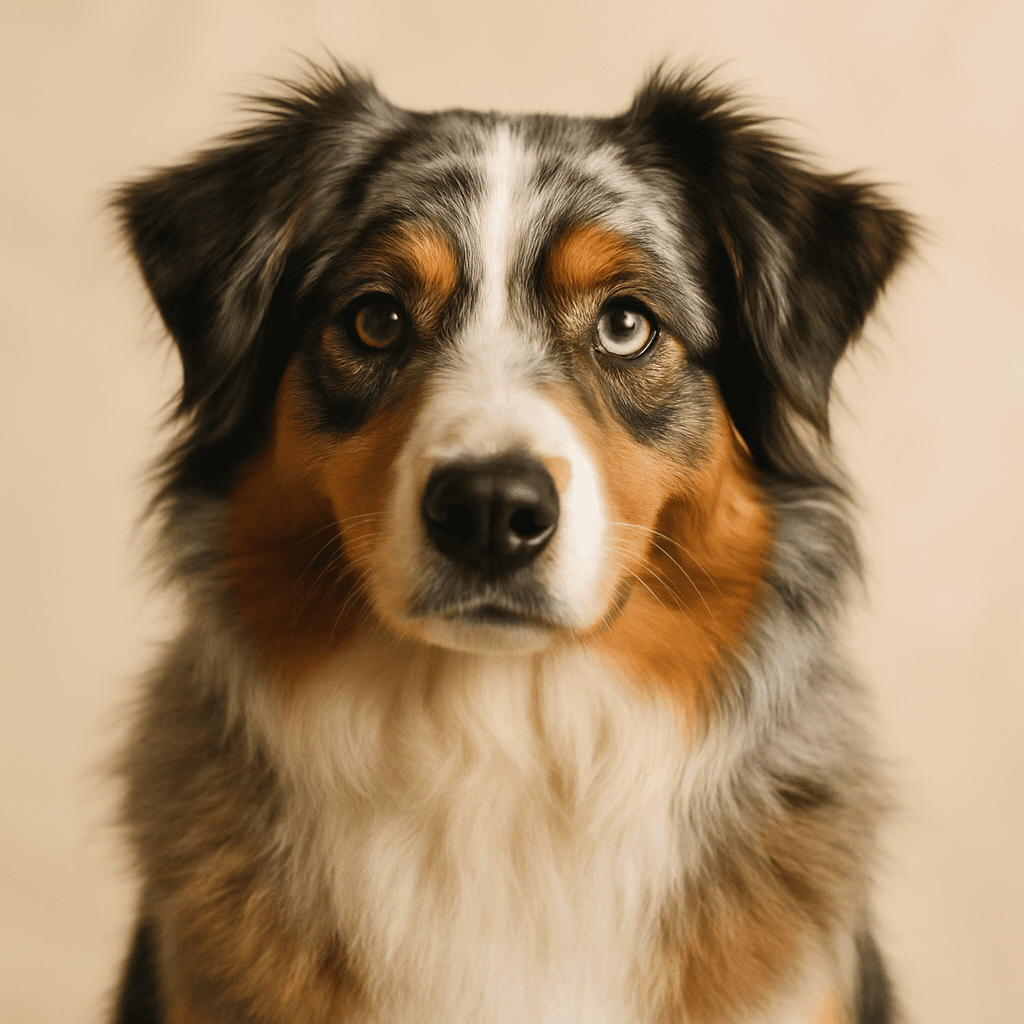
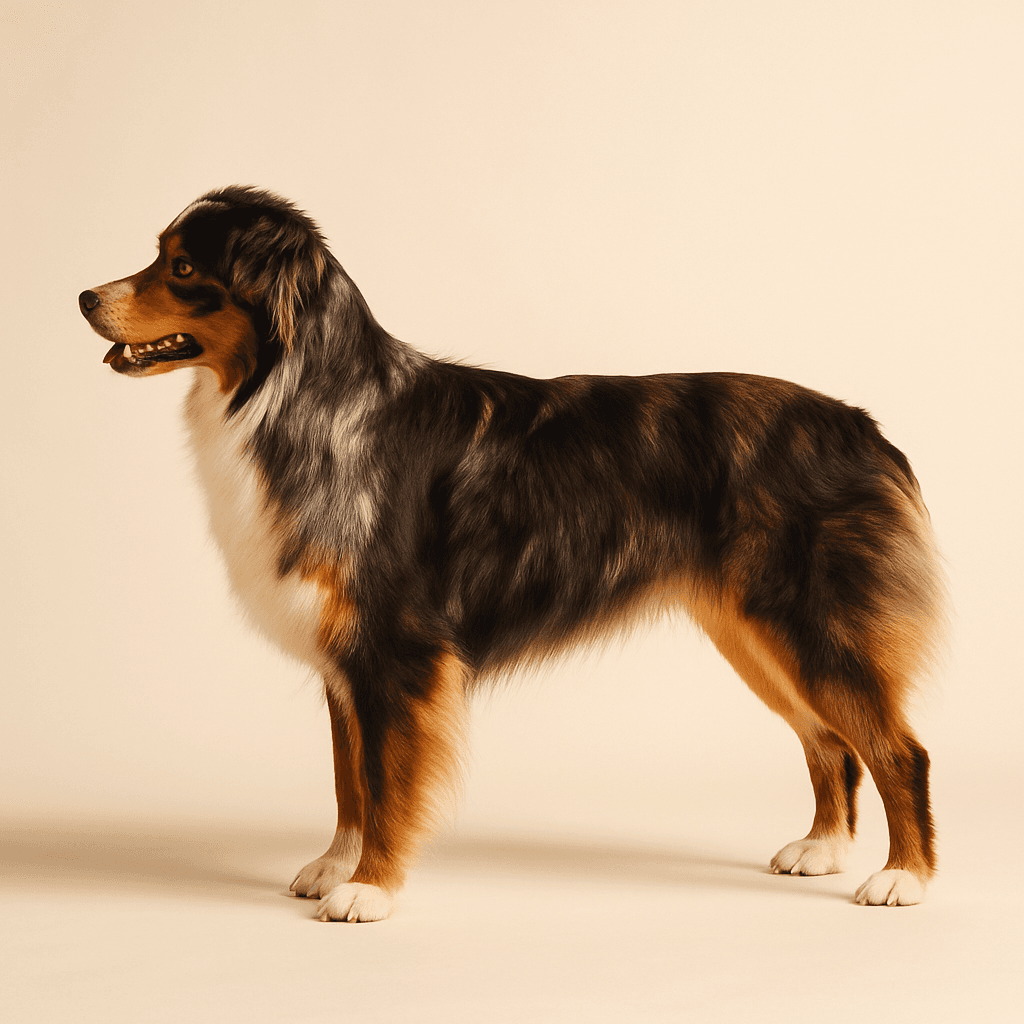
The Australian Shepherd is a highly intelligent, energetic and capable American herding breed registered by the Kennel Club in the Pastoral Group. Despite its name, the breed was developed in the western United States in the 19th century, likely from herding dogs brought to America via Australia. It became one of the most valued working dogs in the American ranching industry and retains all of that working capability in the modern domestic environment. It is also one of the most popular breeds for competitive dog sports, a distinction that reflects both its trainability and its drive. The starting point for any prospective Australian Shepherd owner is the exercise and mental stimulation requirement. A minimum of 2 hours of vigorous daily exercise is not a guideline - it is the practical floor below which the breed's energy and intelligence will find alternative expression. Above the physical requirement, mental stimulation is equally non-negotiable. This is a breed developed for full-day, cognitively demanding work. Without daily mental engagement through training, agility, scent work or structured play, an Australian Shepherd's intelligence becomes a problem rather than an asset. The herding instinct is present in all Australian Shepherds and will manifest in domestic settings as chasing, circling and nudging. This behaviour is not aggression: it is the breed's working drive expressing itself in the available environment. Families with young children need to manage this carefully and redirect it consistently from puppyhood. For owners who channel it through organised activities, the same instinct becomes the foundation of impressive competitive performance. The most important health characteristic to understand and act on is the MDR1 gene mutation. A significant proportion of Australian Shepherds carry this mutation, which causes serious or fatal reactions to certain medications that are routinely used in veterinary practice - including some common worming treatments, anaesthetics and several other drugs. Every Australian Shepherd must be DNA tested for MDR1 status, and that result must be on record with every vet, groomer or anyone who may administer medication. This is not optional: it is a safety requirement. Responsible breeders test their breeding stock. Buyers should confirm test status before purchase and arrange their own test if the breeder has not done so. Additional health considerations include hip dysplasia, hereditary epilepsy, eye conditions including Collie Eye Anomaly and cataracts, and deafness linked to merle colouring. Responsible breeders hip-score both parents and provide current eye certificates and relevant DNA test results. Insurance of £30 to £65 per month reflects a moderate health risk profile. Purchase prices from KC-registered breeders range from £800 to £1,500. Lifespan is 13 to 15 years. For owners who can genuinely meet the exercise demands, provide consistent mental engagement and take the MDR1 consideration seriously, the Australian Shepherd is a rewarding, responsive and capable companion. For owners attracted by appearance alone, the gap between expectation and reality is significant. This is a working breed in the truest sense, and ownership that respects that produces outstanding results.
Quick facts
Meet Our Australian Shepherds
Register your dog on My Dog and it will appear here automatically.
Australian Shepherd Photos
No photos yet. Be the first to share yours.
Add a photoActivity Feed
How much exercise does your Australian Shepherd really need each day?
Two hours minimum every day, split across sessions, and the physical exercise is only half of it. Mental stimulation is equally important and I'd argue more critical for preventing the destructive behaviour that comes with boredom. My Australian Shepherd does agility twice a week and a scent work session at home most evenings, and those things change his demeanour at home in a way that simply walking more doesn't. The herding instinct surfaces constantly: circling, nudging and chasing are all natural behaviours that need consistent redirecting into appropriate outlets rather than suppressing outright. Off-lead recall is achievable with consistent training from early on, which is a genuine practical advantage. But stay alert around fast-moving things, children especially.
30 June 2026
Any health issues to watch for with Australian Shepherds?
MDR1 is the one every Australian Shepherd owner must understand and act on immediately. The Multi-Drug Resistance 1 gene mutation causes affected dogs to have life-threatening reactions to certain medications including common parasite treatments, some anaesthetics and several chemotherapy drugs. Every Australian Shepherd should be DNA tested. The result goes to every vet, every time, without exception. Ask your breeder for both parents' MDR1 status and get your own dog tested regardless. Beyond MDR1: hip dysplasia is a significant concern and KC/BVA Hip Scores on both parents are the minimum expectation. Hereditary epilepsy occurs in some lines and is worth discussing with breeders directly. Eye conditions including Collie Eye Anomaly, cataracts and PRA all occur; BVA/KC Eye Scheme certificates and DNA tests should be requested. BAER testing for deafness matters in merle-to-merle breedings. Monthly insurance runs £30 to £65.
30 June 2026
What's the one thing you wish you'd known before getting an Australian Shepherd?
That the MDR1 gene mutation is not a minor health footnote, it's life-critical information that needs to be in place before the dog ever visits a vet. I found out about it by chance several months in, and the retrospective anxiety about medications he'd already been given was not pleasant. Test immediately, share the result with every vet from the first appointment, and never assume any medication is safe without checking against MDR1 status. The other thing I genuinely underestimated was the sensitivity. Australian Shepherds read the emotional temperature of a room in a way that still surprises me. Tension, harsh handling or unpredictable environments affect them visibly. Calm, consistent training produces a completely different dog to one managed through corrections and repetition.
30 June 2026
What do you feed your Australian Shepherd, and why?
Two meals a day on a quality complete food for active medium-large dogs. Monthly cost runs around £45 to £65 depending on the brand. The MDR1 note from the health side is relevant here too: any supplements, flea treatments or medications given alongside meals need to be checked against the dog's MDR1 status before use. Weight management matters because Australian Shepherds predisposed to hip dysplasia carry the consequences of excess weight on joints over what can be a 13 to 15 year lifespan. They should look lean and athletic. If the ribs need meaningful pressure to feel, the portions need reassessing. Mine is at his best physically and behaviourally when his diet and exercise are both properly calibrated, which in a working breed is not coincidental.
30 June 2026
Australian Shepherd of the Month
🏆 September 2026 -- Be the first nominee
Could be your dog.
The first dog registered in this community earns the first Dog of the Month nomination automatically.
Register your dogUpcoming Australian Shepherd Meetups
No meetups planned yet. Be the first to organise one.
Sign in to organise a meetupCommunity Members
Be the first to join and become the Australian Shepherd Founding Member.
Join Club