Australian Shepherd
Complete UK breed guide
Quick answer
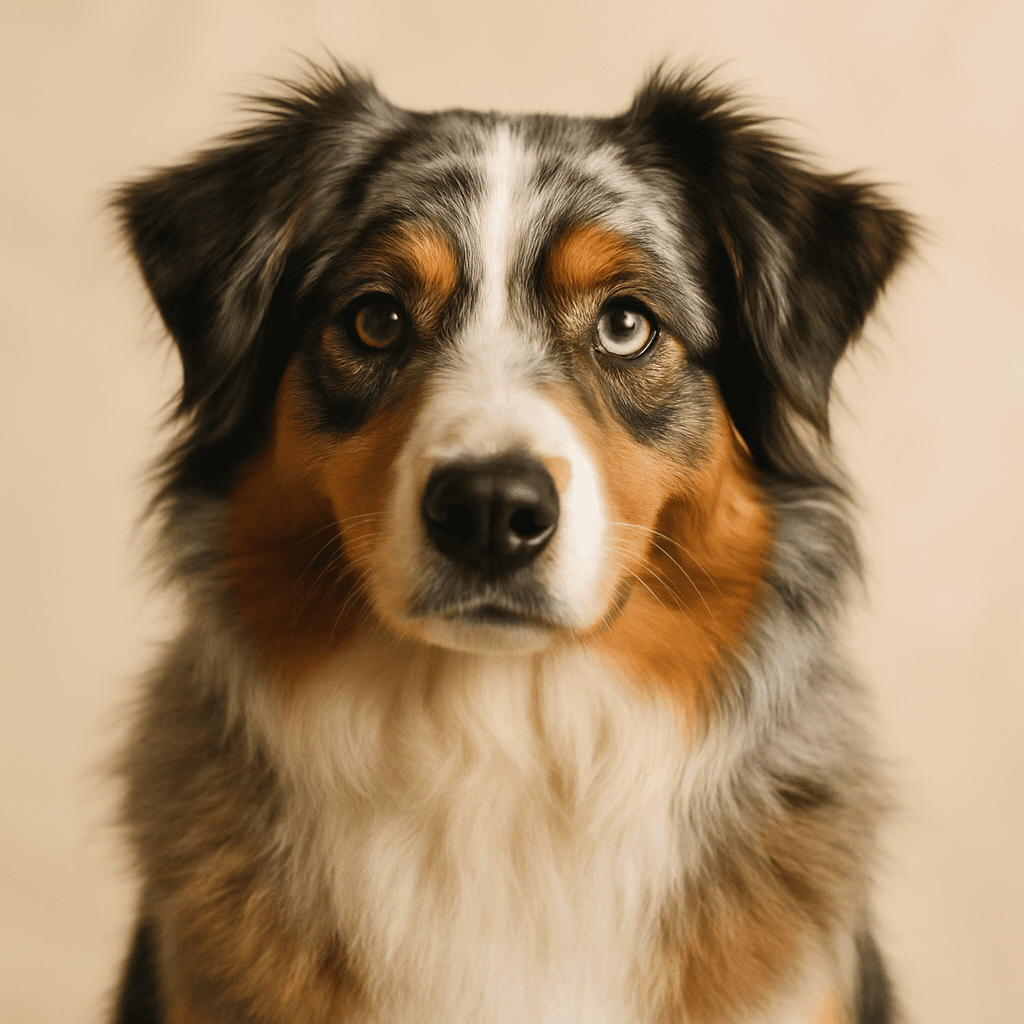
The Australian Shepherd is a highly intelligent American herding breed needing 2 or more hours of exercise and extensive daily mental stimulation. The MDR1 gene mutation causes drug sensitivity and is critical health information every vet must know. Key health concerns also include hip dysplasia, epilepsy and eye conditions. Lifespan is 13 to 15 years. Prices range from £800 to £1,500.
Quick Facts
- Size
- Medium
- Weight
- 18–30 kg
- Lifespan
- 13–15 years
- Breed Group
- Pastoral
- Exercise
- 120+ mins/day
- Activity Level
- very high
- Grooming
- High
- Monthly Cost
- £110–£170/month
- Temperament
- Highly intelligent, Energetic, Loyal
- Good with Children
- Yes
- Good with Dogs
- Yes
- Good for First Timers
- No
- Suits Flats
- No
Free care guide
Get the Complete Australian Shepherd Care Guide
Feeding, health, grooming, training and costs for your Australian Shepherd. Free, straight to your inbox.
Getting set up
Getting a Australian Shepherd? Here's what you'll need.
Our editors have picked the essentials for Australian Shepherd owners.
See the First Dog Kit →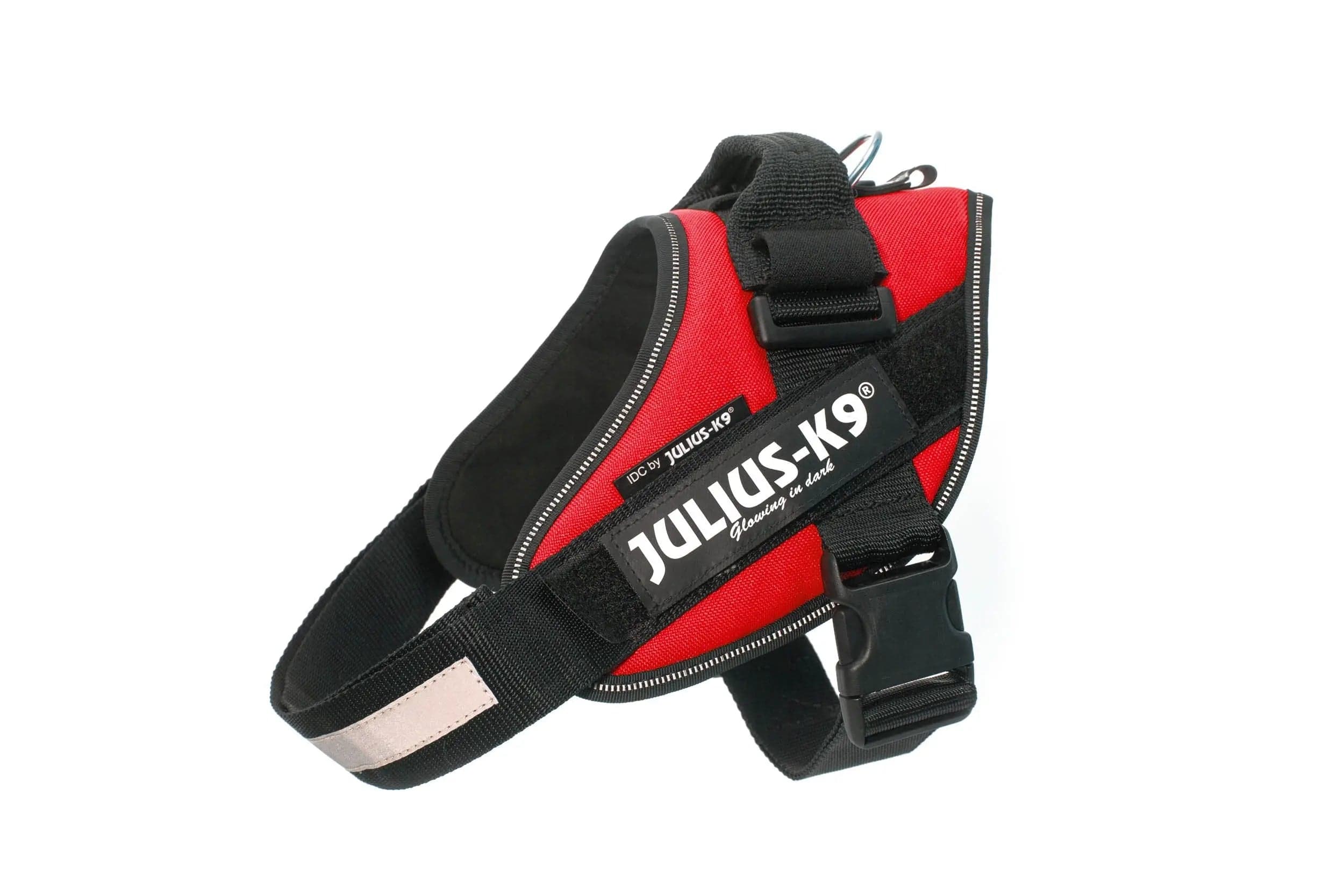
Recommended for Adult Dogs for Australian Shepherds
Products selected for Australian Shepherd size, coat type, and life stage. Affiliate disclosure.
Tuffies
Shop NowKurgo
Shop NowPedigree
VOHC-accepted. Most affordable evidence-backed daily chew. Widely available. X-shape targets gumline.
Buy on AmazonHurtta
Hurtta Mudventure ECO Raincoat (Medium)
Reflective, eco-friendly raincoat built for UK weather. Medium size.
Shop HurttaHarringtons
The UK's bestselling dry dog food. No artificial colours, flavours or preservatives. Made with natural ingredients including chicken, brown rice and vegetables. Available in multiple sizes.
Shop NowBarking Heads
Shop NowAATU Dog and Cat Food
Shop NowRoyal Canin
Royal Canin Breed-Specific Food
Nutrition precision-tailored to your breed.
Shop Royal CaninLily's Kitchen
Shop NowChris Christensen
Shop NowBoshel
Shop NowAnimology
The UK groomer standard for removing fox poo and foul odours. Deep cleaning with built-in conditioner and Pro-Vitamin B5. Suitable for all coats from 6 weeks old.
Shop NowDrontal
Shop NowPets Calm Down
Shop NowRosewood
Shop NowPitPat
Shop NowJulius-K9
Julius-K9 IDC Powerharness (Medium)
Award-winning harness trusted by dog owners worldwide. Medium size (14-25kg).
Shop Julius-K9Furbo
Shop NowChuckit
Chuckit! Ball Launcher (Medium)
Launch further, throw less. Sport 25 launcher for medium dogs.
Shop Chuckit!LickiMat
LickiMat Wobble
Slows feeding, reduces anxiety, keeps dogs calm and engaged.
Try LickiMatKONG
KONG Classic (Medium)
The classic rubber chew for medium breeds.
Shop KONGNina Ottosson
Nina Ottosson Dog Puzzle
Level 2 puzzle feeder. Engages your dog mentally and slows eating.
Try Nina OttossonTrixie
Shop NowDoggone Good
Shop NowFURminator
FURminator Deshedding Tool (Medium, Long & Double Coat)
Reduces shedding by up to 90% for medium long-coated dogs.
Shop FURminatorBreed Overview
The Australian Shepherd is a highly intelligent, energetic and capable American herding breed registered by the Kennel Club in the Pastoral Group. Despite its name, the breed was developed in the western United States in the 19th century, likely from herding dogs brought to America via Australia. It became one of the most valued working dogs in the American ranching industry and retains all of that working capability in the modern domestic environment. It is also one of the most popular breeds for competitive dog sports, a distinction that reflects both its trainability and its drive.
The starting point for any prospective Australian Shepherd owner is the exercise and mental stimulation requirement. A minimum of 2 hours of vigorous daily exercise is not a guideline - it is the practical floor below which the breed's energy and intelligence will find alternative expression. Above the physical requirement, mental stimulation is equally non-negotiable. This is a breed developed for full-day, cognitively demanding work. Without daily mental engagement through training, agility, scent work or structured play, an Australian Shepherd's intelligence becomes a problem rather than an asset.
The herding instinct is present in all Australian Shepherds and will manifest in domestic settings as chasing, circling and nudging. This behaviour is not aggression: it is the breed's working drive expressing itself in the available environment. Families with young children need to manage this carefully and redirect it consistently from puppyhood. For owners who channel it through organised activities, the same instinct becomes the foundation of impressive competitive performance.
The most important health characteristic to understand and act on is the MDR1 gene mutation. A significant proportion of Australian Shepherds carry this mutation, which causes serious or fatal reactions to certain medications that are routinely used in veterinary practice - including some common worming treatments, anaesthetics and several other drugs. Every Australian Shepherd must be DNA tested for MDR1 status, and that result must be on record with every vet, groomer or anyone who may administer medication. This is not optional: it is a safety requirement. Responsible breeders test their breeding stock. Buyers should confirm test status before purchase and arrange their own test if the breeder has not done so.
Additional health considerations include hip dysplasia, hereditary epilepsy, eye conditions including Collie Eye Anomaly and cataracts, and deafness linked to merle colouring. Responsible breeders hip-score both parents and provide current eye certificates and relevant DNA test results. Insurance of £30 to £65 per month reflects a moderate health risk profile. Purchase prices from KC-registered breeders range from £800 to £1,500. Lifespan is 13 to 15 years.
For owners who can genuinely meet the exercise demands, provide consistent mental engagement and take the MDR1 consideration seriously, the Australian Shepherd is a rewarding, responsive and capable companion. For owners attracted by appearance alone, the gap between expectation and reality is significant. This is a working breed in the truest sense, and ownership that respects that produces outstanding results.
Temperament & Personality
Australian Shepherds are loyal, energetic and highly engaged with their owner. They are affectionate within their family and typically good-natured with people generally, but their primary focus is on work and activity.
The herding instinct is pronounced. In domestic settings, this manifests as chasing, circling and nudging family members, other animals and moving objects. Left unmanaged, this behaviour is a significant inconvenience; managed and redirected into structured activities, it becomes the foundation of impressive performance in trials and sports.
They are not dogs that settle easily without activity. A well-exercised, mentally engaged Australian Shepherd is a joyful, responsive companion. An under-occupied one is restless, vocal and destructive.
Sensitivity is a characteristic of the breed. They respond poorly to tension, harsh handling or unpredictable environments. Calm, consistent training produces the most reliable results.
Training
Australian Shepherds are among the most trainable herding breeds and excel in virtually all working dog disciplines.
Trainability: Exceptional. Quick learners that are motivated, responsive and capable of high-level performance in trials and sports.
Mental stimulation through training: Training is essential mental exercise. Daily sessions complement physical exercise and reduce problem behaviour.
MDR1 awareness: Every Australian Shepherd should be tested for MDR1 status, and the result must be communicated to every vet. See health section.
Positive reinforcement: Works exceptionally well. Both food and toy rewards suit the breed's drive.
Early socialisation: Important for reducing the herding breed tendency to be wary of unfamiliar situations.
Exercise Needs
Australian Shepherds are working herding dogs with very high exercise and mental stimulation needs.
Daily exercise: Minimum 2 hours per day, split across sessions. This is a floor, not a ceiling.
Mental stimulation: As important as physical exercise. Agility, herding trials, obedience, scent work, trick training and flyball all channel the breed's working intelligence. Without adequate mental engagement, destructive behaviour is predictable.
Off-lead: Good recall is achievable with consistent training. The herding instinct means awareness around moving targets is important.
Herding instinct: Will manifest as circling, chasing and nudging in domestic settings. Must be redirected consistently from puppyhood.
Health & Vet Costs
Australian Shepherds carry several inherited conditions, with MDR1 being the most important safety consideration.
MDR1 (Multi-Drug Resistance 1) Gene Mutation: This is the most critical health characteristic for all Australian Shepherd owners to understand and act on. The MDR1 mutation causes affected dogs to have life-threatening sensitivity to certain medications including ivermectin (common in parasite treatments), loperamide, acepromazine and several chemotherapy agents. Every Australian Shepherd should be DNA tested for MDR1 status. The result must be communicated to every vet, groomer and anyone who may administer medication. Responsible breeders test their breeding stock. Ask for the result before purchase and get your own dog tested if the breeder has not done so.
Hip Dysplasia: A significant concern in the breed. KC/BVA Hip Scoring assesses breeding dogs. Ask for scores on both parents.
Epilepsy: Hereditary epilepsy occurs in Australian Shepherd lines. Ask breeders about epilepsy in their breeding lines.
Eye Conditions: Collie Eye Anomaly, cataracts and Progressive Retinal Atrophy all occur. The BVA/KC Eye Scheme and DNA tests are available. Ask for current eye certificates and DNA test results.
Hereditary Deafness: Linked to the merle colouring gene. BAER testing of puppies is advisable in merle-to-merle breedings.
Monthly insurance typically costs £30 to £65. Lifespan is 13 to 15 years.
Feeding & Nutrition
Australian Shepherds are lean, athletic herding dogs with significant energy requirements.
Daily food cost: £2 to £3.50 per day.
Monthly food cost: Approximately £40 to £70 per month.
Feeding routine: Two meals per day for adults.
MDR1 dietary note: The MDR1 gene mutation does not directly affect dietary requirements, but medication given in any context must be checked against MDR1 status. See health section.
Weight management: Australian Shepherds should be lean and athletic. Excess weight worsens hip dysplasia risk and reduces the mobility the breed needs.
Feeding your Australian Shepherd
How much to feed, which food types suit this breed, and what to avoid.
Grooming & Care
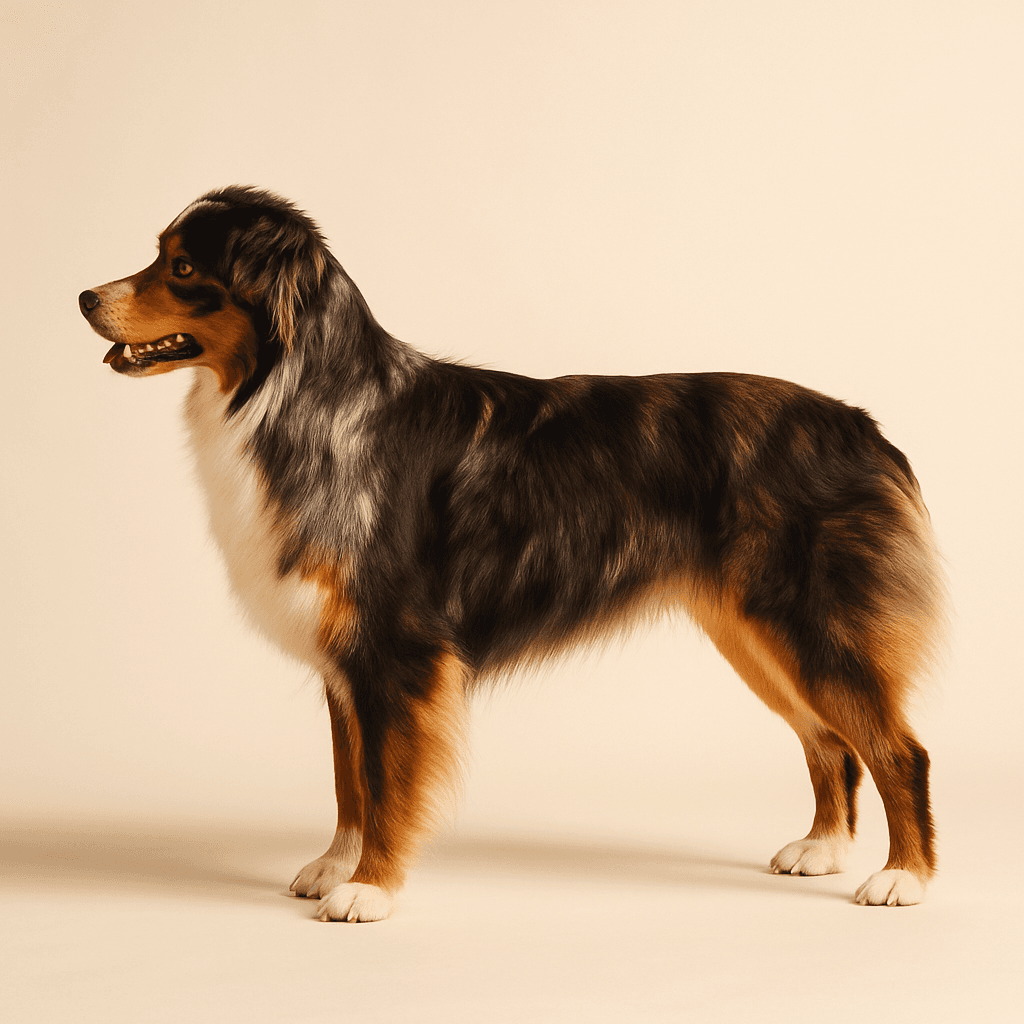
The Australian Shepherd has a medium-length double coat that requires regular maintenance.
Brushing: Three to four times per week to prevent matting, particularly in the feathering on the ears, legs and chest. Daily during heavy shedding seasons.
Shedding: Moderate to heavy, with significant seasonal shedding twice yearly.
Bathing: Every 4 to 6 weeks.
Professional grooming: Every 8 to 12 weeks for trimming and general tidying.
Monthly professional grooming cost: £40 to £65.
Costs of Ownership
Purchase price: £800 to £1,500 from a KC-registered health-tested breeder.
Monthly food: £40 to £70.
Pet insurance: £30 to £65 per month for lifetime comprehensive cover.
Professional grooming: £40 to £65 every 8 to 12 weeks.
MDR1 testing: If not done by the breeder, a DNA test costs approximately £40 to £60 and is a one-off cost worth prioritising.
Total estimated monthly running cost: £120 to £210 per month for an adult Australian Shepherd in good health.
Estimated cost breakdown
Estimates based on UK average costs. Actual costs vary by location, vet, and lifestyle.
Owner note
Is your Australian Shepherd insured?
Australian Shepherd insurance typically costs £20–£55 per month depending on age, cover level and where you live. Getting the right policy before your first vet visit is one of the most important decisions you will make as a new owner.
Compare dog insuranceWe may earn a commission if you buy through our links. This never influences our recommendations.
Where to Find a Australian Shepherd in the UK
Whether you are looking for a Australian Shepherd puppy from a responsible breeder or hoping to give a rescue Australian Shepherd a second chance, there are reliable routes to finding the right dog. The most important thing is that you find them through the right channel — one that puts the dog's welfare first.
Finding a Australian Shepherd Puppy
The Kennel Club's Find a Puppy service is the safest starting point for anyone looking for a Australian Shepherd puppy. It connects buyers with breeders who register their litters and allows you to verify parental health test results.
For Australian Shepherds, the relevant breed club is Australian Shepherd Club of the UK. They maintain a breeder register and can be contacted directly for recommendations.
Before you commit, read our complete guide to finding a puppy responsibly — including the red flags that separate an ethical breeder from a puppy farm.
Read the Puppy Buying GuideRescuing a Australian Shepherd
Australian Shepherd-specific rescue organisations are run by people who know the breed inside out. They assess every dog carefully and match them to homes that genuinely suit their needs. Waiting lists exist but are worth it.
Key Australian Shepherd rescues in the UK include:
Our rescue guide covers the full adoption process in detail.
Find a Rescue DogIs a Australian Shepherd Right for You?
Best suited to: Very active owners, those interested in dog sports and training, experienced handlers who can meet very high mental and physical demands.
Not suited to: First-time owners, sedentary households, those wanting a calm companion, homes where the dog will be left for long periods.
Children: Generally excellent with children they are raised with. The herding instinct may manifest as circling or nudging, which needs redirection.
Other dogs: Usually sociable and good with other dogs when well socialised.
Cats and small animals: Herding and chase instincts require careful management around small animals.
Flat or house: Not suitable for flat living. Requires space and extensive exercise access.
First-time owners: Not recommended. The exercise demands, intelligence and training needs suit experienced owners.
Frequently Asked Questions
Yes, Australian Shepherds make excellent family dogs and are good with children when properly socialised. They are loyal, protective and affectionate with their families, though their high energy means they thrive best with active households that can meet their exercise needs.
Australian Shepherds require 90 to 120 minutes of exercise daily to stay happy and well-behaved. They need both physical activity and mental stimulation, such as training, agility work or herding games, as they were bred for demanding herding work.
Yes, Australian Shepherds shed moderately year-round and more heavily during seasonal coat blows. Regular brushing, ideally several times a week, helps manage loose hair and keeps their double coat healthy.
Australian Shepherds are highly intelligent and eager to please, making them relatively easy to train for experienced owners. However, they need consistent, positive reinforcement and mental stimulation, as boredom can lead to unwanted behaviours like herding family members.
Australian Shepherds typically live between 12 and 15 years with proper care, nutrition and regular veterinary check-ups. Maintaining their fitness and managing their high energy levels throughout their lives contributes to their longevity.
The estimated monthly cost for an Australian Shepherd is between £110 and £170, covering food, routine veterinary care, grooming and other essentials. Costs may vary depending on the individual dog's health, grooming frequency and quality of food chosen.
Australian Shepherds are not recommended for first-time owners due to their very high exercise requirements and need for experienced handling. They require an owner who can provide consistent training, mental stimulation and plenty of physical activity to prevent behavioural problems.
Related Breeds
Australian Cattle Dog
The Australian Cattle Dog, also known as the Blue or Red Heeler, is an exceptionally intelligent and high-energy herding...
View breed guide →Border Collie
Border Collies are widely regarded as the most intelligent dog breed in the world, registered in the KC Pastoral Group. ...
View breed guide →German Shepherd
German Shepherds are loyal, intelligent working dogs registered in the KC Pastoral Group. They need two-plus hours of ex...
View breed guide →Related Guides
Find local services for your Australian Shepherd
Search verified UK listings for vets, groomers, trainers and walkers near you.
Upcoming events for Australian Shepherd owners
Championship Show
Darlington Dog Show Society Championship Show 2026
18 to 20 September 2026 · Ripon, North Yorkshire
Companion Show
Paws in the Park — Kent 2026
19 to 20 September 2026 · Maidstone, Kent
Championship Show
Belfast Dog Show Society Championship Show 2026
26 to 27 September 2026 · Lisburn, County Antrim
Festival
DogFest at the Palace 2026
3 to 4 October 2026 · Woodstock, Oxfordshire
Championship Show
South Wales Kennel Association Championship Show 2026
8 to 11 October 2026 · Builth Wells, Powys