

Be the first to join. Keep the badge forever.
The first members of this community earn permanent Founding Member status. It shows on your profile and your dog's profile for as long as you're here.
- ✓Founding Member badge on your profile
- ✓Your dog featured first
- ✓First Dog of the Month nomination
- ✓Always free
⭐ Founding Member spots open
First to join gets the badge
🐕 Be the first dog registered
Add your Lab to the community
📷 Add the first photo
Start the photo wall
8
Discussions

0 members
8 discussions
About the Australian Terrier
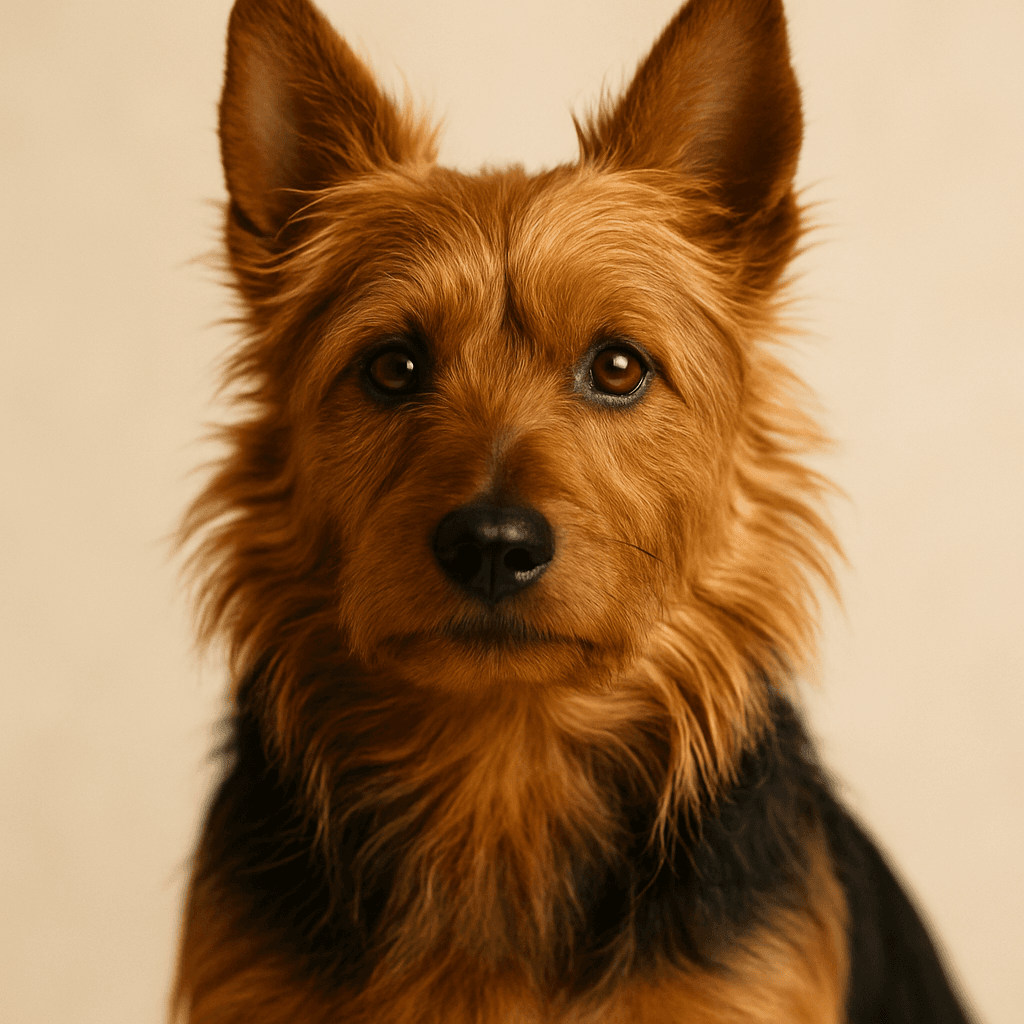
The Australian Terrier is a small, hardy and spirited working terrier developed in Australia in the 19th century from crosses of several British terrier breeds including the Dandie Dinmont, Skye, Yorkshire and various rough-coated terriers. The goal was a robust, versatile working dog capable of hunting small prey, controlling snakes and guarding property in the demanding conditions of the Australian frontier. Registered by the Kennel Club in the Terrier Group, the modern Australian Terrier carries that working character intact: alert, bold, loyal and entirely unconcerned about its small stature. The Australian Terrier is one of the smaller working terrier breeds but is built for function rather than decoration. Its short, rough double coat is weather-resistant; its body is sturdy; its mind is active. It is classified in the Terrier Group rather than the Toy Group, which is a meaningful distinction: this is a proper working terrier, not a companion breed that happens to be small. In the home, Australian Terriers are loyal, affectionate and engaging companions. They bond closely with their family and are particularly devoted to their primary person. They are energetic and playful, wanting involvement in household activity rather than being sidelined in a corner. They adapt well to smaller homes and flat living when their exercise and stimulation needs are met, which makes them more versatile than their working heritage might suggest. The terrier character is the key to understanding what ownership involves. Australian Terriers are independent thinkers who test boundaries, act on their own assessment of situations and will selectively apply the training they have received when it suits them. This is not defiance in a negative sense: it is the working intelligence of a breed that was expected to make its own decisions in the field. Consistent, patient, positive training from the first week at home produces well-adjusted, manageable dogs. Inconsistent rules produce dogs that make their own. The prey drive is strong and permanent. Rabbits, guinea pigs, birds and other small animals are at genuine risk. Cats raised from puppyhood with the dog have a better prospect, but vigilance remains necessary. Off-lead exercise in unsecured areas is inadvisable regardless of the individual dog's training history. Grooming is relatively straightforward: the rough double coat requires brushing once or twice weekly and professional attention every 8 to 12 weeks. Show dogs are hand-stripped to maintain coat texture; pet owners typically clip, which is simpler and perfectly acceptable. Health considerations include patellar luxation, Legg-Calve-Perthes disease and a notably higher predisposition to diabetes mellitus than most breeds. Owners should be aware of the signs of diabetes: increased thirst, increased urination and unexplained weight loss. Insurance of £18 to £35 per month reflects a relatively economical health profile. Purchase prices from reputable breeders typically range from £500 to £1,000. Lifespan is 12 to 15 years. The Australian Terrier is an excellent choice for owners who want a genuine working terrier in a manageable size, can commit to consistent training and appreciate independence and spirit in a dog. It is compact, resilient and entertaining - a proper terrier in a small but capable package.
Quick facts
Meet Our Australian Terriers
Register your dog on My Dog and it will appear here automatically.
Australian Terrier Photos
No photos yet. Be the first to share yours.
Add a photoActivity Feed
How much exercise does your Australian Terrier really need each day?
Thirty to 45 minutes a day is the honest answer, but that time needs to be quality exercise rather than just a potter round the block. Mine needs at least some off-lead time every day, which means a properly fenced area is non-negotiable. The prey drive is strong and the terrier determination is stronger, so I never let her loose anywhere that isn't genuinely secure. Beyond the physical side, the mental stimulation matters just as much. Short training sessions and puzzle feeders are part of our daily routine because without them she gets bored and starts digging up the garden. She is genuinely enthusiastic about digging as a hobby regardless of mental stimulation, if I'm honest. For their size, Australian Terriers have a lot of energy, but 30 to 45 focused minutes leaves mine satisfied rather than bouncing off the walls.
30 June 2026
Any health issues to watch for with Australian Terriers?
The one I wish someone had told me about before I got mine is the diabetes risk. Australian Terriers have a documented higher predisposition to diabetes mellitus than most breeds, which is quite unusual for a small dog. I learned to watch for increased thirst, more frequent urination and unexplained weight loss. Catching it early makes management much more straightforward. Beyond that, patellar luxation is common in the breed, ranging from mild to needing surgery, so worth asking your vet to check regularly. Legg-Calve-Perthes disease affects the femoral head and can appear in smaller breeds including this one, though it is usually correctable surgically. Dental disease is almost universal in small terriers, so I brush teeth daily and we do professional cleans when needed. Insurance runs £18 to £35 a month in my experience, and they typically live 12 to 15 years.
30 June 2026
What's the one thing you wish you'd known before getting an Australian Terrier?
I wish someone had been straight with me about what terrier independence actually means in practice. I assumed that because Australian Terriers are small, they would be straightforward to train. They are intelligent and respond well to positive reinforcement, but they genuinely do make their own assessments about whether your instructions are worth following at any given moment. The rules I established on day one, I still have to enforce now. There is no point where the Australian Terrier simply decides to comply because you have asked nicely. The other thing is the prey drive toward small animals. I have two guinea pigs and I was told that socialisation might help. It has not. That drive is permanent and I manage it through secure separation, full stop. If you go in clear-eyed about the independence and the prey drive, this is a wonderful, loyal, entertaining companion. Just do not expect a biddable dog.
30 June 2026
What do you feed your Australian Terrier, and why?
I feed two small measured meals a day on a strict schedule, and that routine is deliberate given the breed's elevated diabetes risk. Consistent feeding times and portion control support metabolic health, which matters more with Australian Terriers than with most small breeds. I spend roughly £25 to £30 a month on a complete dry food, which puts me comfortably in the £20 to £40 monthly range the breed typically needs. I count training treats against the daily allowance rather than adding them on top. Dental chews are part of the routine too because small terriers are prone to dental disease and every bit helps alongside daily brushing. I have never free-fed and I never would with this breed. Keeping weight stable and diet consistent is the practical thing I can do to reduce her diabetes risk.
30 June 2026
Australian Terrier of the Month
🏆 September 2026 -- Be the first nominee
Could be your dog.
The first dog registered in this community earns the first Dog of the Month nomination automatically.
Register your dogUpcoming Australian Terrier Meetups
No meetups planned yet. Be the first to organise one.
Sign in to organise a meetupCommunity Members
Be the first to join and become the Australian Terrier Founding Member.
Join Club