


Be the first to join. Keep the badge forever.
The first members of this community earn permanent Founding Member status. It shows on your profile and your dog's profile for as long as you're here.
- ✓Founding Member badge on your profile
- ✓Your dog featured first
- ✓First Dog of the Month nomination
- ✓Always free
⭐ Founding Member spots open
First to join gets the badge
🐕 Be the first dog registered
Add your Lab to the community
📷 Add the first photo
Start the photo wall
8
Discussions
0 members
8 discussions
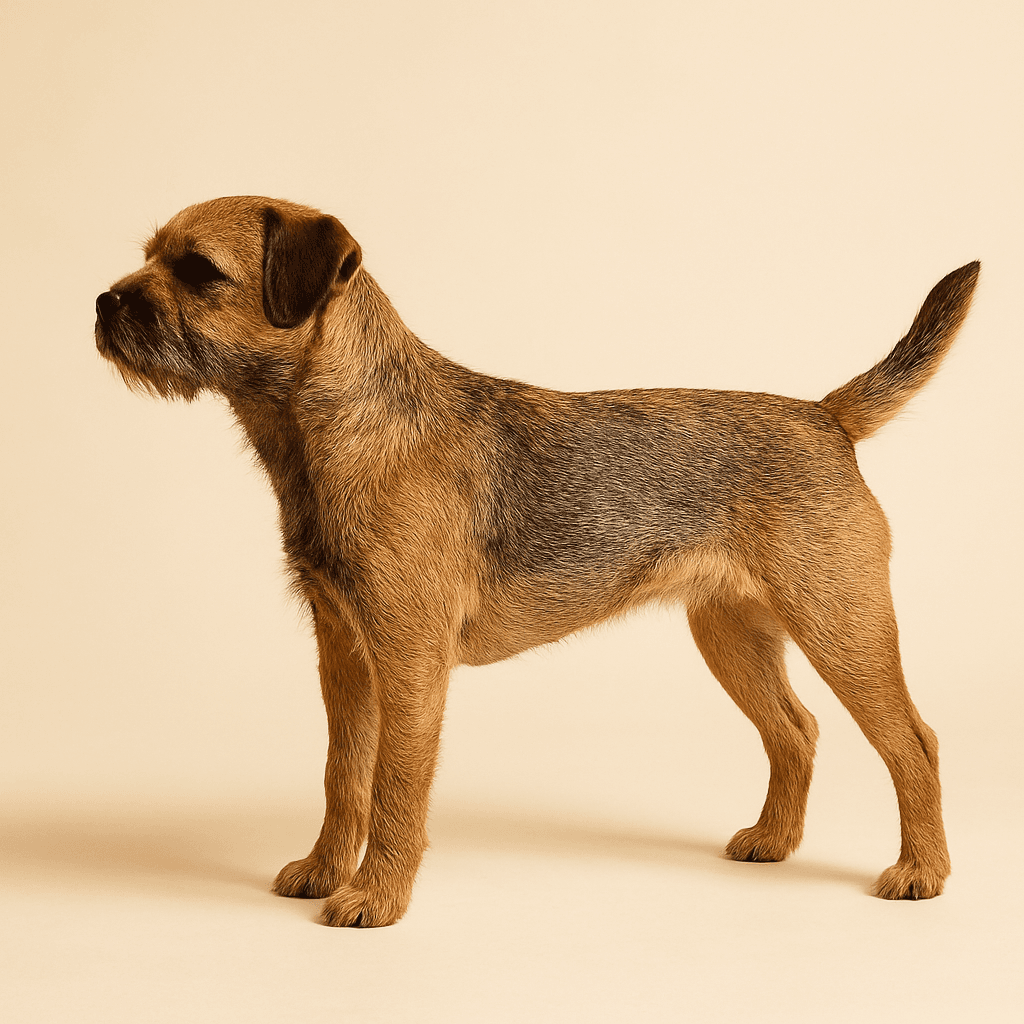
About the Border Terrier
The Border Terrier is a compact, hardy and adaptable working terrier developed in the border country between England and Scotland to hunt foxes alongside horses and hounds. Registered by the Kennel Club in the Terrier Group, it is one of the most consistently healthy pedigree breeds, with a reputation for a good temperament and relatively straightforward ownership compared to some terrier breeds. Border Terriers are active, curious and affectionate dogs with genuine terrier character. They engage fully with family life, get on well with other dogs, and are generally reliable with children. Their exercise needs are meaningful: at least an hour a day of genuine activity, not just a slow walk around the block. They are outdoor dogs in a compact frame, with the physical stamina and mental engagement needs of a working breed. Their prey drive is genuine and should be respected. Border Terriers should not be trusted off lead in unenclosed areas until a reliable recall has been built through consistent positive training, and even then, proximity to rabbits, squirrels and similar quarry will test the best recall. Owners with rabbits, guinea pigs or similar small animals in the home should consider carefully whether a Border Terrier is the right breed. Health-wise, the Border Terrier compares very favourably with most pedigree breeds. They are generally robust, long-lived dogs. Canine Epileptoid Cramping Syndrome (CECS) is the condition most specific to the breed; other conditions including hip dysplasia, eye problems and luxating patella occur at relatively low rates. The grooming commitment is moderate: the wiry double coat requires hand-stripping twice a year ideally, with minimal maintenance in between. This is significantly less demanding than long-coated or continuously-growing coat breeds. Purchase prices from KC-registered breeders typically range from £800 to £1,500. Monthly insurance costs £20 to £45. Lifespan is 12 to 15 years. Border Terrier Welfare rehomes dogs nationally. For active owners who want a compact, healthy and genuinely characterful companion, the Border Terrier is an excellent choice. Match their exercise needs, manage their prey drive, and this is one of the most rewarding terrier breeds available. The Border Terrier's relative scarcity of serious health problems is a genuine advantage. In a landscape where many popular pedigree breeds carry significant inherited conditions, the Border Terrier's hardy constitution and typical 12 to 15 year lifespan make it an appealing choice for owners who have researched breed health carefully. For those who want a compact, outdoor-capable, genuinely healthy terrier with a good temperament and manageable grooming, the Border Terrier is one of the best options in the Terrier Group. It is not a breed for passive owners: it needs exercise, stimulation and an owner who understands and respects terrier instinct. Give it that, and it is a highly rewarding companion.
Quick facts
Meet Our Border Terriers
Register your dog on My Dog and it will appear here automatically.
Border Terrier Photos
No photos yet. Be the first to share yours.
Add a photoActivity Feed
How much exercise does your Border Terrier really need each day?
At least an hour a day, and it needs to be meaningful exercise, not just a lead walk around the block. Border Terriers were bred to keep pace with horses on the hunt, which tells you something about their actual stamina relative to their size. Mine wants to explore, sniff and move with genuine purpose. The physical exercise matters, but so does letting him use his nose. A walk where he can stop and investigate scent trails satisfies him in a way that a march along the pavement simply does not. I only ever exercise him off lead in securely enclosed areas. His prey drive is real, a rabbit or squirrel on the horizon will override even a good recall, and I am not willing to test that in an open field. I also give him mental stimulation alongside the physical: short training sessions, scent games in the garden. That combination keeps him genuinely settled.
30 June 2026
Any health issues to watch for with Border Terriers?
Canine Epileptoid Cramping Syndrome is the condition most specific to the breed and worth understanding before you buy. Episodes involve muscle cramping, strange gait and sometimes collapse, but the dog recovers fully. Dietary gluten sensitivity is thought to be a factor in some cases, a gluten-free diet has helped some affected dogs manage symptoms. There is no DNA test yet, so I asked my breeder directly about CECS in their lines and looked into the Border Terrier Breed Council guidance. Eye conditions including hereditary cataracts and progressive retinal atrophy are present in the breed; I asked to see current BVA/KC Eye Scheme certificates for both parents before buying. Luxating patella is seen in some individuals. The breed is generally hardier than many pedigrees and monthly insurance runs around £25 to £40. Typical lifespan is 12 to 15 years, which for a dog this size and character is genuinely one of their attractions.
30 June 2026
What's the one thing you wish you'd known before getting a Border Terrier?
I wish I had been more hard-headed about the prey drive earlier. I knew the breed had one intellectually but I let myself believe that because mine was gentle and sociable and came back reliably in the park, I had cracked recall. I had not cracked recall; I had not yet encountered the right trigger. The moment a squirrel exploded out of a hedge at close range, he was gone before I had processed what was happening. He came back, fortunately. But I changed my approach immediately and permanently: enclosed areas only for off-lead exercise, always. The temperament in every other respect is thoroughly pleasant, warm with family, good with other dogs, not aggressive, entertaining company. But the prey instinct is not trainable out of a working terrier, it is only manageable. Treat it as a fixed fact from the start rather than something you might eventually resolve through better training.
30 June 2026
What do you feed your Border Terrier, and why?
A good quality complete dry food, around 150g a day split across two meals. Border Terriers should be lean, they are a working terrier breed and excess weight compromises the agility that is part of what they are. I check by feel: running my hands along the ribs, I want to feel them without pressing hard. A visible waist from above and a slight tuck behind the ribs from the side is the target. Mine is a reliable eater and not particularly fussy, which makes life easy. The main discipline is accounting for training treats within the daily total, he gets a lot of food rewards during training sessions and if I am not careful those add up to a real calorie surplus. I also avoid grapes and raisins entirely, which are toxic to dogs and something Border Terriers have been known to investigate opportunistically given their scavenging instincts. Simple, measured and consistent.
30 June 2026
Border Terrier of the Month
🏆 September 2026 -- Be the first nominee
Could be your dog.
The first dog registered in this community earns the first Dog of the Month nomination automatically.
Register your dogUpcoming Border Terrier Meetups
No meetups planned yet. Be the first to organise one.
Sign in to organise a meetupCommunity Members
Be the first to join and become the Border Terrier Founding Member.
Join Club