
Be the first to join. Keep the badge forever.
The first members of this community earn permanent Founding Member status. It shows on your profile and your dog's profile for as long as you're here.
- ✓Founding Member badge on your profile
- ✓Your dog featured first
- ✓First Dog of the Month nomination
- ✓Always free
⭐ Founding Member spots open
First to join gets the badge
🐕 Be the first dog registered
Add your Lab to the community
📷 Add the first photo
Start the photo wall
8
Discussions
0 members
8 discussions
About the Greyhound
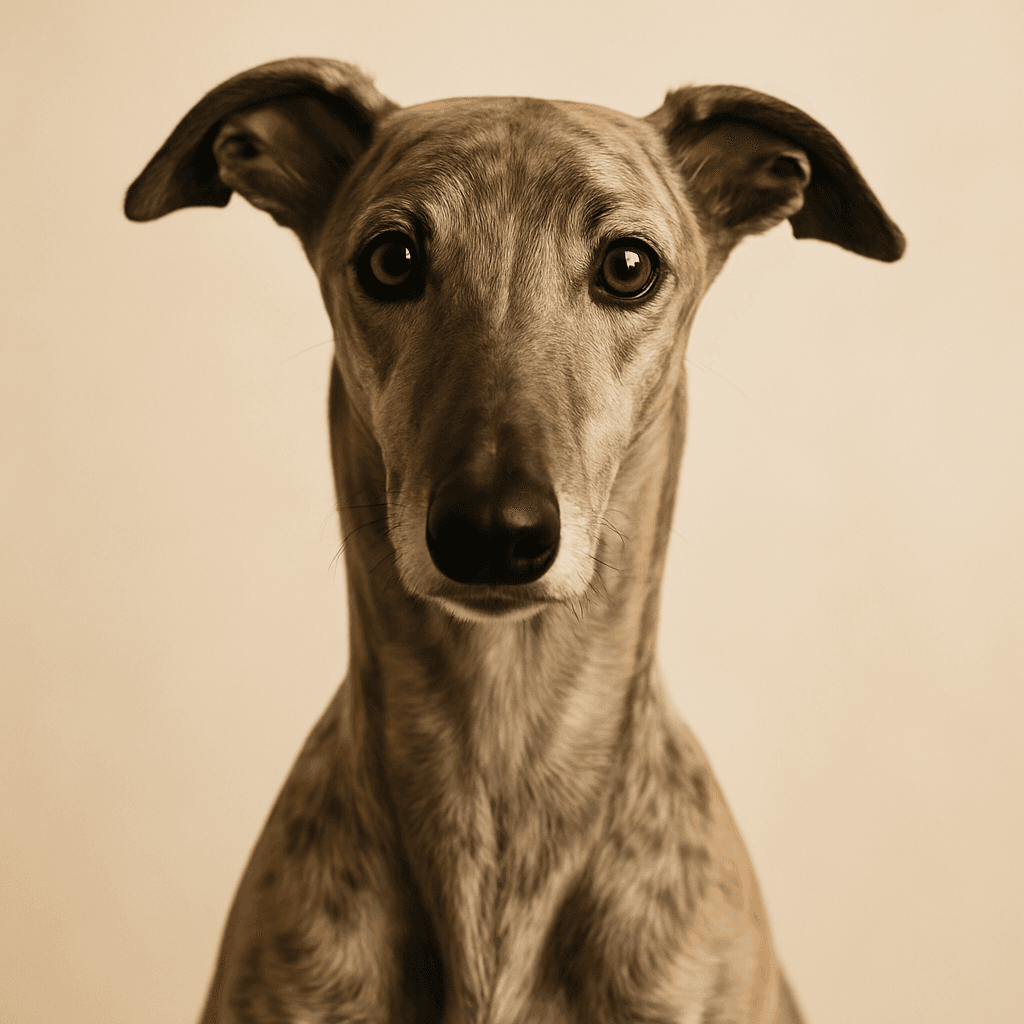
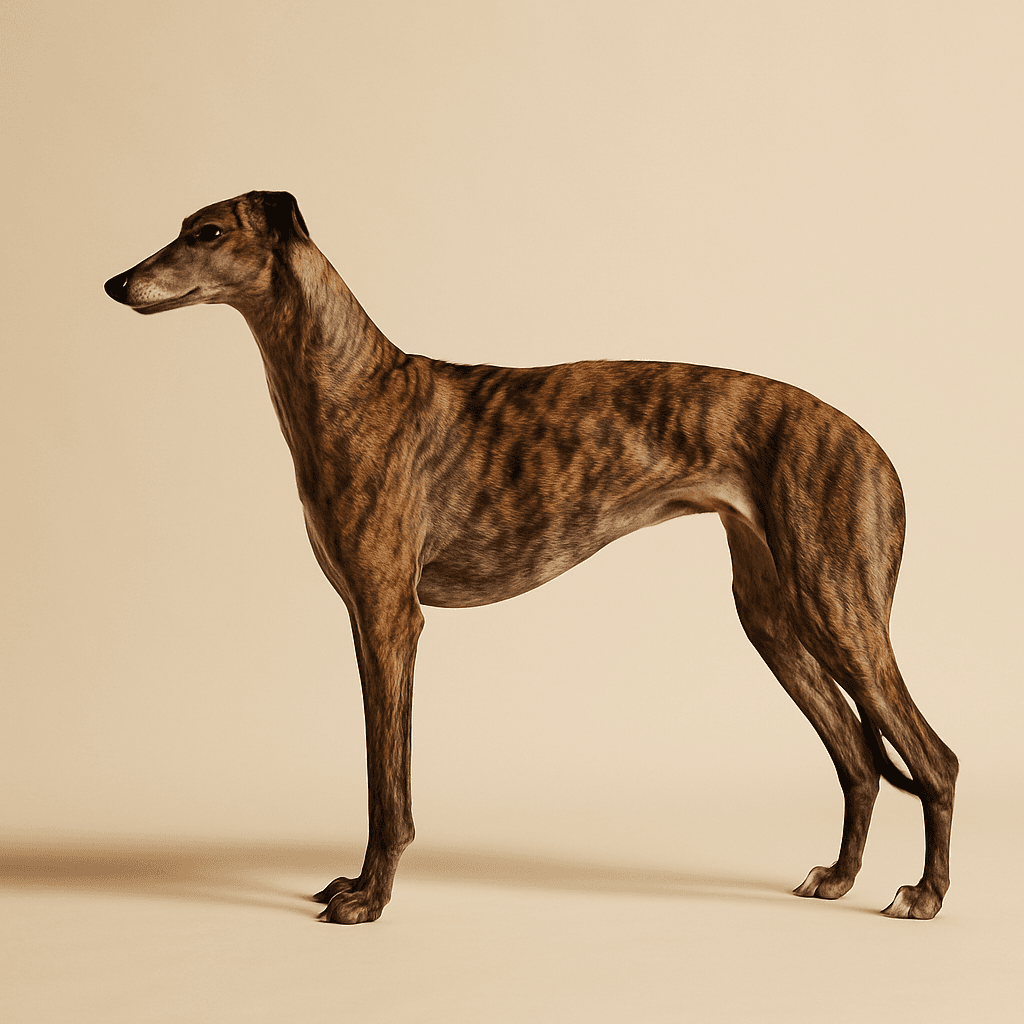
The Greyhound is the world's fastest dog breed and one of the oldest domesticated breeds in existence. In modern UK ownership, the vast majority of pet Greyhounds are ex-racing dogs rehomed through the Greyhound Trust following retirement from the track. They are registered by the Kennel Club in the Hound Group but the great majority of pet Greyhounds in the UK reach their owners via rescue rather than from breeders. The Greyhound confounds most new owners' expectations. Despite their racing background and extreme speed, Greyhounds are calm, quiet and undemanding pets. They sleep for 18 to 20 hours per day, rarely bark, and need only 30 to 45 minutes of walking daily. They adapt well to urban living including flats, provided they have comfortable bedding and access to exercise areas. They are often described as ideal dogs for less active owners, older people, or those who want a gentle large breed without demanding exercise requirements. Their dietary and grooming needs are minimal. Their general health is good relative to many popular pedigree breeds. Their acquisition cost, through the Greyhound Trust, is a fraction of typical puppy prices and includes health check, neutering, vaccination and microchipping. There are genuine management requirements. Off-lead exercise must happen only in securely fenced areas: the Greyhound's speed and prey drive make open-area off-lead exercise genuinely dangerous. Fencing must be substantial: 1.8 metres minimum. Cat and small animal compatibility is variable: the Greyhound Trust assesses and cat-tests dogs before rehoming, which is the only reliable way to determine an individual dog's safety around cats. Cold sensitivity is real: Greyhounds have almost no body fat and a single-layer thin coat. A well-fitting dog coat is a welfare requirement in cold weather, not optional. Thick bedding is equally important to prevent pressure sores on bony prominences. Adoption via the Greyhound Trust costs £130 to £250. Monthly running costs of £120 to £200 make the Greyhound one of the most economical large breeds to own. Lifespan is 10 to 14 years. For owners who do the preparation - secure fencing, cat-tested matching where needed, appropriate bedding and coats - the Greyhound is one of the most rewarding and surprising breed choices available. The commitment required is primarily environmental management rather than extensive exercise or training. Do that, and this is a breed of exceptional character.
Quick facts
Meet Our Greyhounds
Register your dog on My Dog and it will appear here automatically.
Greyhound Photos
No photos yet. Be the first to share yours.
Add a photoActivity Feed
How much exercise does your Greyhound really need each day?
Much less than people expect, and this surprises almost everyone I tell. Two 20-minute walks a day is genuinely sufficient for most greyhounds. They are sprinters not endurance athletes, and once they've had a good walk they are content to sleep for the rest of the day, often for 18 or more hours. Mine gets a couple of walks daily and occasionally a sprint in our fully enclosed garden, and he is completely satisfied with that. The critical exercise rule with greyhounds is not about quantity but about safety. Off-lead exercise only ever happens in a securely fenced enclosed area, with fencing at least 1.8 metres high. They can reach 45mph within seconds and cannot be recalled once they've triggered a chase. That is not a training failure. It is the breed. Also, in cold or wet weather, a well-fitted coat is essential.
30 June 2026
Any health issues to watch for with Greyhounds?
The most important thing to communicate to every vet who treats your greyhound is that it is a greyhound. They process anaesthetic and certain medications differently from other breeds because of their body composition, very little fat and a particular drug metabolism. A vet experienced with sighthounds will adjust protocols accordingly. Always confirm this before any procedure, including routine dental work. Dental disease is genuinely very common in greyhounds and more prevalent than in most other breeds. Daily toothbrushing is the most effective preventive measure and something I wish I'd started earlier. Bloat is also a risk given the deep chest. Feed twice daily rather than once and avoid intensive exercise around mealtimes. Osteosarcoma occurs at elevated rates in large breeds including greyhounds. Insurance runs around £30 to £60 a month and lifespan is typically 10 to 14 years.
30 June 2026
What's the one thing you wish you'd known before getting a Greyhound?
That a narrow greyhound head slips out of standard collars, and this is not something to discover during a walk. I moved to a martingale collar immediately after being told by another greyhound owner, and I'd want everyone to know this before their dog comes home. The collar tightens slightly when pressure is applied and prevents slipping. Never rely on a standard buckle collar with this breed. The other thing I'd emphasise is that the transition home for an ex-racing dog requires patience. Stairs, glass doors, televisions, traffic noise, even the sensation of carpet under their feet may be entirely new. Mine was overwhelmed for the first few days. Most greyhounds adapt remarkably quickly, but those first days need calm and quiet, not lots of visitors and stimulation. The payoff for that patience is a wonderfully gentle, easy companion.
30 June 2026
What do you feed your Greyhound, and why?
A good quality dry complete food, split across two meals, and I give smaller portions than I initially assumed a large dog would need. Greyhounds are lean by design. Being able to see the outline of the ribs is normal for a sighthound and is not a sign of being underweight. Do not feed to the body standard of a retriever or Labrador. Overfeeding a greyhound is genuinely counterproductive. The two-meals rule is also important for bloat risk management. I transitioned my ex-racer gradually from the high-protein working diet he arrived on, over about ten days, which avoided digestive upset. Dental health is the other feeding-adjacent consideration: daily toothbrushing, which I do before his evening meal so there's a clear routine. Greyhounds are prone to dental disease and it's much easier to prevent than to manage.
30 June 2026
Greyhound of the Month
🏆 September 2026 -- Be the first nominee
Could be your dog.
The first dog registered in this community earns the first Dog of the Month nomination automatically.
Register your dogUpcoming Greyhound Meetups
No meetups planned yet. Be the first to organise one.
Sign in to organise a meetupCommunity Members
Be the first to join and become the Greyhound Founding Member.
Join Club