


Be the first to join. Keep the badge forever.
The first members of this community earn permanent Founding Member status. It shows on your profile and your dog's profile for as long as you're here.
- ✓Founding Member badge on your profile
- ✓Your dog featured first
- ✓First Dog of the Month nomination
- ✓Always free
⭐ Founding Member spots open
First to join gets the badge
🐕 Be the first dog registered
Add your Lab to the community
📷 Add the first photo
Start the photo wall
8
Discussions
0 members
8 discussions
About the Havanese
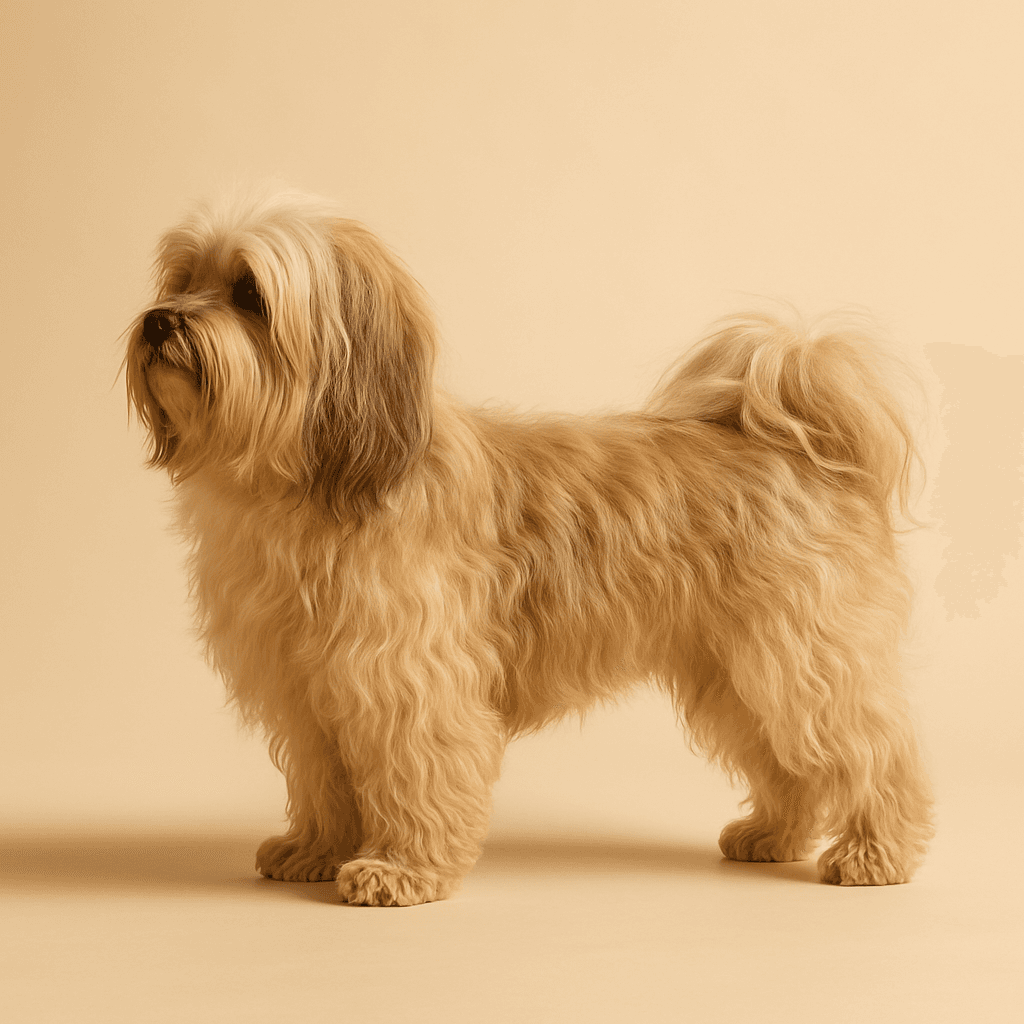
The Havanese is the national dog of Cuba and the country's only native breed, a small, silky-coated and distinctly cheerful companion dog that takes its name from the Cuban capital, Havana, where it was developed as a companion to the Cuban aristocracy during the eighteenth and nineteenth centuries. The breed descends from the Blanquito de la Habana, a now-extinct Cuban dog developed from small dogs brought by Spanish settlers, with possible Poodle or Bichon-type influence contributing to the development of the silky coat. Following the Cuban Revolution in 1959, many wealthy Cubans emigrated to the United States and Europe taking their Havanese with them, and the breed subsequently spread and developed a substantial following in Europe and the UK. Registered by the Kennel Club in the Toy Group, it is a popular and well-established companion breed in Britain. The Havanese is a small, well-proportioned dog with a distinctive long, silky, flowing double coat that comes in a wide range of colours including white, cream, chocolate, blue, silver, black and parti-colour. The coat is soft and silky rather than wiry or cottony, and in show trim it flows to the ground. Adults typically stand 23 to 27 centimetres at the shoulder and weigh 3.5 to 6 kilograms. The tail arches over the back and the overall expression is one of cheerful intelligence. The character is genuinely delightful: sociable, cheerful, gentle and deeply devoted to its people. The Havanese is among the more trainable and biddable of the toy breeds, combining the small size and adaptability of a companion breed with a genuine intelligence and responsiveness that makes training enjoyable and effective. It is good with children, generally excellent with other dogs and cats, and welcoming with strangers. It is not a guard dog and its instinct is social engagement rather than watchfulness. The breed is very people-oriented and forms deep attachments to its household. This devotion can tip into separation anxiety if dogs are not trained from puppyhood to accept periods of independence. The Havanese is not suited to households where it will routinely be left alone for long periods. The silky coat requires consistent grooming attention - regular brushing and professional grooming are necessary to maintain it in good condition, and many owners opt for a shorter practical clip. Purchase prices from KC-registered breeders range from £1,000 to £2,500. Monthly running costs average £80 to £140. The Havanese Club UK is the primary resource for breed information, health testing, responsible breeders and rescue contact.
Quick facts
Meet Our Havaneses
Register your dog on My Dog and it will appear here automatically.
Havanese Photos
No photos yet. Be the first to share yours.
Add a photoActivity Feed
How much exercise does your Havanese really need each day?
Honestly, 30 to 45 minutes is genuinely enough for a Havanese, and that surprised me. Two shortish walks a day covers the physical side without any drama. What I've found matters just as much is keeping their brain busy indoors. Mine goes stir crazy if we skip our little training sessions, even if it's just five minutes of tricks in the kitchen. They're adaptable in a way a lot of small breeds aren't, so they suit flat or city living well, but don't mistake 'manageable' for 'doesn't need anything'. A bored Havanese will let you know about it. They're not high-energy but they are very engaged little dogs, and that engagement needs somewhere to go.
30 June 2026
Any health issues to watch for with Havanese?
The two things I'd tell any new Havanese owner to take seriously are eye testing and dental care. Progressive Retinal Atrophy and hereditary cataracts are the main inherited concerns, so I always ask whether both parents have been tested before recommending a breeder to anyone. Patellar luxation is worth knowing about too, that loose kneecap issue you see across toy breeds. But honestly, the one that sneaks up on people is dental disease. Toy breeds are genuinely prone to it, and if you don't start brushing teeth from puppyhood, you'll be looking at dental procedures under anaesthetic before you know it. Mine has her teeth brushed every other day and the vet remarks on it every time. Start early and don't skip it.
30 June 2026
What's the one thing you wish you'd known before getting a Havanese?
How attached they get, and how quickly. Havanese are extraordinarily people-oriented, which is one of the great joys of the breed, but it means separation anxiety is a real and present risk if you don't work on independence from week one. I was so charmed by how sociable and gentle mine was that I kept her close constantly in those first weeks. That was a mistake. I should have been building short, calm alone-time from the start, gradually extending it. By the time I realised we had a problem, we had to do a lot of work to undo it. They're wonderful with children, other dogs, even strangers, which makes the velcro behaviour easy to overlook. But build that independence early, even when it feels unnecessary.
30 June 2026
What do you feed your Havanese, and why?
I feed a high-quality small breed dry food, split into two meals a day. Mine gets somewhere around 100g, which sounds like nothing but small breeds really don't need much. The portion size is the thing I had to discipline myself about, because Havanese have a talent for looking permanently underfed. They're prone to weight gain and extra weight on a small dog causes real problems with those little joints and knees. I weigh the food rather than eyeball it, which took a week to get used to but is now just habit. Fresh water topped up through the day. I'm not evangelical about any particular brand, but named meat as the first ingredient and specifically formulated for small breeds is the bar I use.
30 June 2026
Havanese of the Month
🏆 September 2026 -- Be the first nominee
Could be your dog.
The first dog registered in this community earns the first Dog of the Month nomination automatically.
Register your dogUpcoming Havanese Meetups
No meetups planned yet. Be the first to organise one.
Sign in to organise a meetupCommunity Members
Be the first to join and become the Havanese Founding Member.
Join Club