

Havanese
Complete UK breed guide

Quick answer
The Havanese is Cuba's only native breed and national dog - a small, silky-coated, cheerful companion with excellent trainability and a genuinely sociable character. Hip and eye testing of parents important. Popular and well-established in the UK. Suitable for motivated first-time owners. KC Toy Group. Lifespan 14-16 years.
Quick Facts
- Size
- Small
- Weight
- 3–6 kg
- Lifespan
- 14–16 years
- Breed Group
- Toy
- Exercise
- 30–45 mins/day
- Activity Level
- Moderate
- Grooming
- High
- Monthly Cost
- £80–£130/month
- Temperament
- Affectionate, Cheerful, Intelligent
- Good with Children
- Yes
- Good with Dogs
- Yes
- Good for First Timers
- Yes
- Suits Flats
- Yes
Free care guide
Get the Complete Havanese Care Guide
Feeding, health, grooming, training and costs for your Havanese. Free, straight to your inbox.
Getting set up
Getting a Havanese? Here's what you'll need.
Our editors have picked the essentials for Havanese owners.
See the Anxious Dog Kit →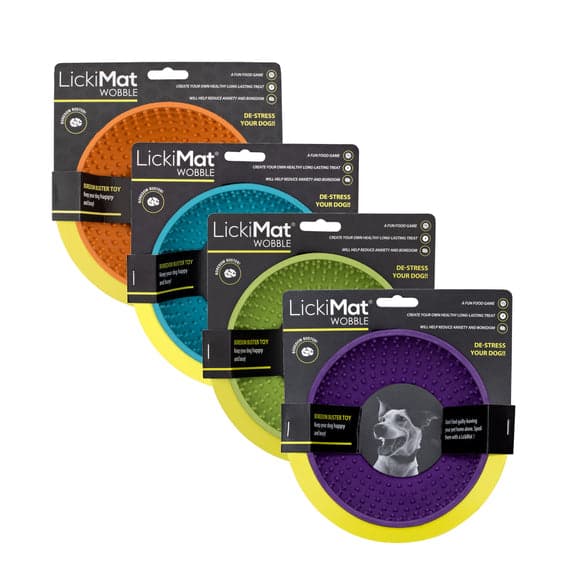
Recommended for Adult Dogs for Havaneses
Products selected for Havanese size, coat type, and life stage. Affiliate disclosure.
PetFusion
PetFusion Ultimate Dog Bed (Small)
Memory foam orthopedic bed with waterproof cover. Ideal for small and medium dogs.
Shop PetFusionTuffies
Shop NowKurgo
Shop NowWhimzees by Wellness
VOHC-accepted. Plant-based, grain-free. Five sizes. Best all-round dental chew for most dogs.
Buy on AmazonHurtta
Hurtta Mudventure ECO Raincoat (Small)
Reflective, eco-friendly raincoat built for UK weather. Small size.
Shop HurttaHarringtons
The UK's bestselling dry dog food. No artificial colours, flavours or preservatives. Made with natural ingredients including chicken, brown rice and vegetables. Available in multiple sizes.
Shop NowLily's Kitchen
Shop NowBarking Heads
Shop NowAATU Dog and Cat Food
Shop NowRoyal Canin
Royal Canin Breed-Specific Food
Nutrition precision-tailored to your breed.
Shop Royal CaninAnimology
The UK groomer standard for removing fox poo and foul odours. Deep cleaning with built-in conditioner and Pro-Vitamin B5. Suitable for all coats from 6 weeks old.
Shop NowAndis
Shop NowBoshel
Shop NowChris Christensen
Shop NowPets Calm Down
Shop NowRosewood
Shop NowDrontal
Shop NowPitPat
Shop NowJulius-K9
Julius-K9 IDC Powerharness (Small)
Award-winning harness trusted by dog owners worldwide. Small size (7-15kg).
Shop Julius-K9Furbo
Shop NowKONG
KONG Classic (Small)
The classic rubber chew for small dogs and puppies.
Shop KONGLickiMat
LickiMat Wobble
Slows feeding, reduces anxiety, keeps dogs calm and engaged.
Try LickiMatChuckit
Chuckit! Ball Launcher (Small)
Launch further, throw less. Mini launcher for small dogs.
Shop Chuckit!Nina Ottosson
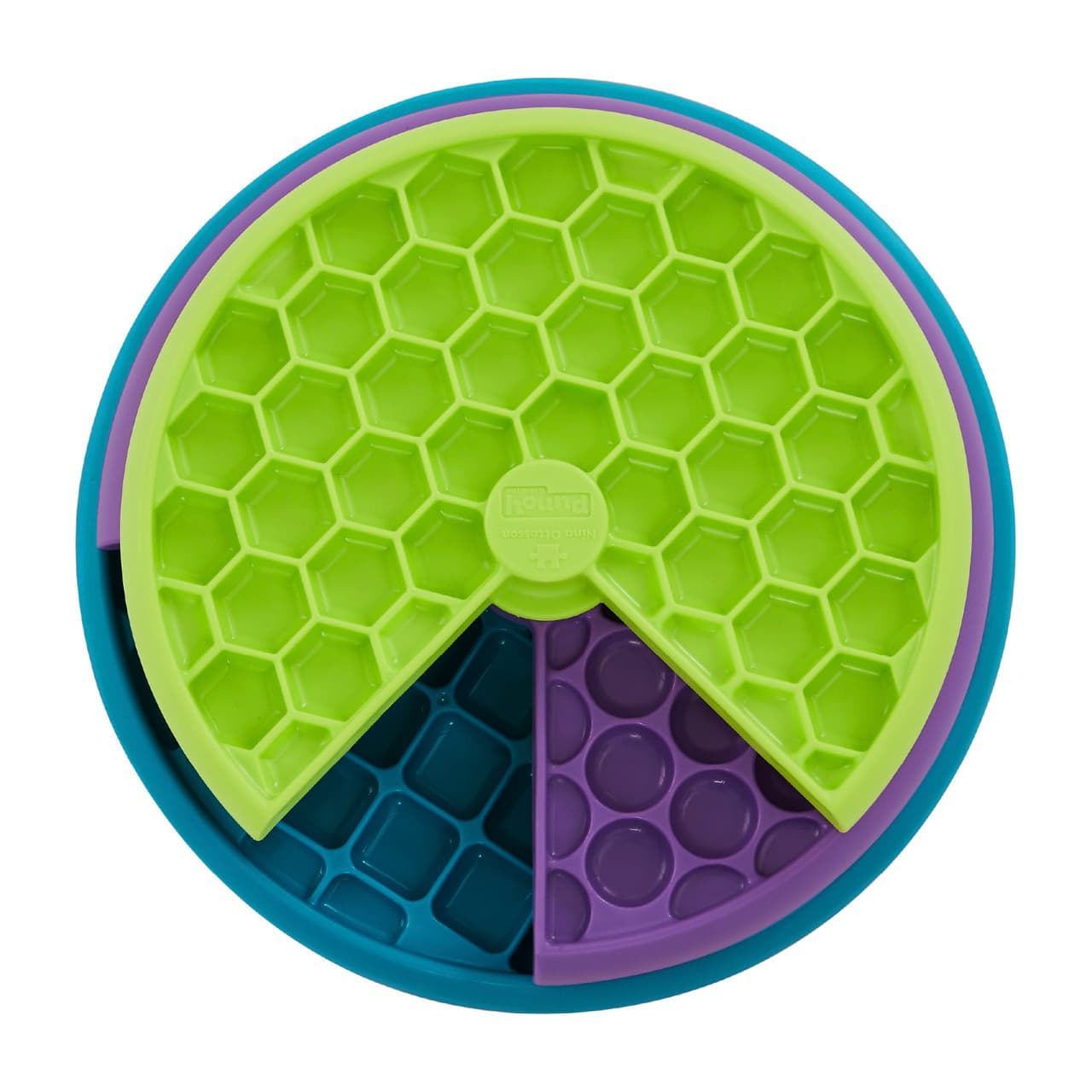
Nina Ottosson Dog Puzzle
Level 2 puzzle feeder. Engages your dog mentally and slows eating.
Try Nina OttossonTrixie
Shop NowDoggone Good
Shop NowFURminator
FURminator Deshedding Tool (Small, Long & Double Coat)
Reduces shedding by up to 90% for small long-coated dogs.
Shop FURminatorBreed Overview
The Havanese is the national dog of Cuba and the country's only native breed, a small, silky-coated and distinctly cheerful companion dog that takes its name from the Cuban capital, Havana, where it was developed as a companion to the Cuban aristocracy during the eighteenth and nineteenth centuries. The breed descends from the Blanquito de la Habana, a now-extinct Cuban dog developed from small dogs brought by Spanish settlers, with possible Poodle or Bichon-type influence contributing to the development of the silky coat. Following the Cuban Revolution in 1959, many wealthy Cubans emigrated to the United States and Europe taking their Havanese with them, and the breed subsequently spread and developed a substantial following in Europe and the UK. Registered by the Kennel Club in the Toy Group, it is a popular and well-established companion breed in Britain.
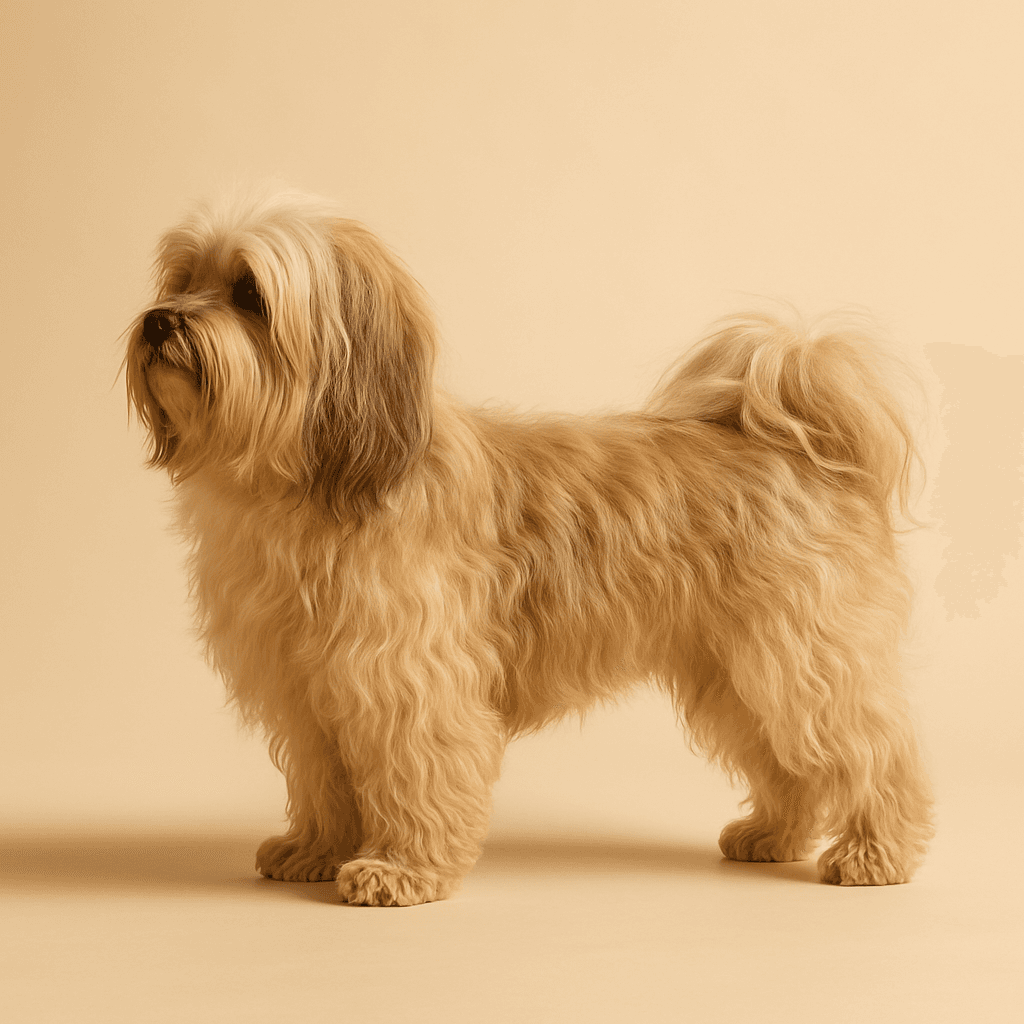
The Havanese is a small, well-proportioned dog with a distinctive long, silky, flowing double coat that comes in a wide range of colours including white, cream, chocolate, blue, silver, black and parti-colour. The coat is soft and silky rather than wiry or cottony, and in show trim it flows to the ground. Adults typically stand 23 to 27 centimetres at the shoulder and weigh 3.5 to 6 kilograms. The tail arches over the back and the overall expression is one of cheerful intelligence.
The character is genuinely delightful: sociable, cheerful, gentle and deeply devoted to its people. The Havanese is among the more trainable and biddable of the toy breeds, combining the small size and adaptability of a companion breed with a genuine intelligence and responsiveness that makes training enjoyable and effective. It is good with children, generally excellent with other dogs and cats, and welcoming with strangers. It is not a guard dog and its instinct is social engagement rather than watchfulness.
The breed is very people-oriented and forms deep attachments to its household. This devotion can tip into separation anxiety if dogs are not trained from puppyhood to accept periods of independence. The Havanese is not suited to households where it will routinely be left alone for long periods.
The silky coat requires consistent grooming attention - regular brushing and professional grooming are necessary to maintain it in good condition, and many owners opt for a shorter practical clip.
Purchase prices from KC-registered breeders range from £1,000 to £2,500. Monthly running costs average £80 to £140. The Havanese Club UK is the primary resource for breed information, health testing, responsible breeders and rescue contact.
Temperament & Personality
Cheerful, sociable, gentle and devoted - the Havanese is an excellent companion breed with a sunny disposition. Good with children, other dogs and strangers. Adaptable and playful. Very people-oriented and does not thrive when left alone for long periods. Can be prone to separation anxiety if not trained to cope with independence from an early age.
Training
Havanese are highly intelligent, eager to please and very trainable - among the more biddable of the toy breeds. They respond well to positive reinforcement. They excel at small dog agility, tricks and obedience. Early socialisation important. Generally very manageable for first-time owners.
Good to know
Exercise Needs
Havanese need 30-45 minutes of daily exercise. Adaptable and manageable in urban settings. They enjoy play and short walks. Mental stimulation through training is important. Not a high-energy breed but active and engaged indoors.
Health & Vet Costs
Hip dysplasia and eye conditions including Progressive Retinal Atrophy and hereditary cataract are the primary health concerns - testing of parents is important. Patellar luxation (loose kneecap) occurs in small breeds. Dental disease is common in toy breeds - dental care from puppyhood is essential. The Havanese Club UK monitors breed health. Lifespan 14-16 years.
Feeding & Nutrition
High-quality small breed complete food. Adults typically need 80-150g dry food daily across two meals. Monitor body condition carefully. Fresh water always available. Small breeds can be prone to weight gain.
Feeding your Havanese
How much to feed, which food types suit this breed, and what to avoid.
Grooming & Care
The long, silky double coat requires brushing several times weekly to prevent tangling and matting. Professional grooming every 6-8 weeks is recommended. Many owners keep the coat in a shorter clip for manageability. Ear checks important. Dental care is critical in small breeds.
Costs of Ownership
Havanese puppies from KC-registered breeders typically cost £1,000-£2,500. Annual ongoing costs including food, grooming and routine care average £1,000-£1,600.
Estimated cost breakdown
Estimates based on UK average costs. Actual costs vary by location, vet, and lifestyle.
Owner note
Is your Havanese insured?
Havanese insurance typically costs £15–£40 per month depending on age, cover level and where you live. Getting the right policy before your first vet visit is one of the most important decisions you will make as a new owner.
Compare dog insuranceWe may earn a commission if you buy through our links. This never influences our recommendations.
Where to Find a Havanese in the UK
Whether you are looking for a Havanese puppy from a responsible breeder or hoping to give a rescue Havanese a second chance, there are reliable routes to finding the right dog. The most important thing is that you find them through the right channel — one that puts the dog's welfare first.
Finding a Havanese Puppy
The Kennel Club's Find a Puppy service is the safest starting point for anyone looking for a Havanese puppy. It connects buyers with breeders who register their litters and allows you to verify parental health test results.
For Havaneses, the relevant breed club is Havanese Club of GB. They maintain a breeder register and can be contacted directly for recommendations.
Before you commit, read our complete guide to finding a puppy responsibly — including the red flags that separate an ethical breeder from a puppy farm.
Read the Puppy Buying GuideRescuing a Havanese
Havanese-specific rescue organisations are run by people who know the breed inside out. They assess every dog carefully and match them to homes that genuinely suit their needs. Waiting lists exist but are worth it.
General rescues including Dogs Trust, RSPCA and Battersea also occasionally have Havaneses available. Contact them directly to register your interest.
Our rescue guide covers the full adoption process in detail.
Find a Rescue DogIs a Havanese Right for You?
Individuals, families and older owners in various settings including apartments. Good with children and other pets. Needs 30-45 minutes daily exercise. Suitable for motivated first-time owners. The long silky coat requires regular grooming. Very people-oriented - not suited to long periods alone. Popular breed - good breeder availability.
Frequently Asked Questions
Yes, Havaneses make excellent family dogs. They are affectionate, gentle, and enjoy the company of children, making them ideal companions for households with kids of all ages. Their small size and cheerful nature mean they integrate well into family life.
Havaneses require around 30-45 minutes of exercise per day, which can be achieved through daily walks and playtime. They are moderately active dogs that enjoy both indoor play and outdoor activities, making them well-suited to various living situations.
Havaneses are low shedders, which is beneficial for keeping your home clean. However, their long, silky coat requires regular grooming to prevent matting and maintain its health, typically needing brushing several times per week.
Havaneses are intelligent and eager to please, making them relatively easy to train. They respond well to positive reinforcement and consistent, gentle training methods, though they can be sensitive to harsh corrections.
Havaneses typically live between 14-16 years, which is a good lifespan for a small dog breed. With proper care, nutrition, and regular veterinary check-ups, many Havaneses enjoy long and healthy lives.
The monthly cost of owning a Havanese is estimated at £80-£130, covering food, grooming, and routine care. This estimate may vary depending on your location, the quality of food you choose, and any specific health requirements your individual dog may have.
Yes, Havaneses are excellent for first-time dog owners. Their affectionate nature, moderate exercise requirements, and trainability make them forgiving and rewarding companions. They are also well-suited to flat living, which appeals to many new dog owners.
Related Breeds
Bichon Frise
The Bichon Frise is a cheerful, sociable small breed with a low-shedding curly coat requiring regular professional groom...
View breed guide →Bolognese
The Bolognese is a small Italian companion breed with a fluffy white non-shedding coat. Gentle, calm and devoted, it bon...
View breed guide →Maltese
The Maltese is a small, elegant toy breed with a long white coat requiring daily brushing and regular professional groom...
View breed guide →Related Guides
Find local services for your Havanese
Search verified UK listings for vets, groomers, trainers and walkers near you.
Upcoming events for Havanese owners
Championship Show
Darlington Dog Show Society Championship Show 2026
18 to 20 September 2026 · Ripon, North Yorkshire
Companion Show
Paws in the Park — Kent 2026
19 to 20 September 2026 · Maidstone, Kent
Championship Show
Belfast Dog Show Society Championship Show 2026
26 to 27 September 2026 · Lisburn, County Antrim
Festival
DogFest at the Palace 2026
3 to 4 October 2026 · Woodstock, Oxfordshire
Championship Show
South Wales Kennel Association Championship Show 2026
8 to 11 October 2026 · Builth Wells, Powys