Be the first to join. Keep the badge forever.
The first members of this community earn permanent Founding Member status. It shows on your profile and your dog's profile for as long as you're here.
- ✓Founding Member badge on your profile
- ✓Your dog featured first
- ✓First Dog of the Month nomination
- ✓Always free
⭐ Founding Member spots open
First to join gets the badge
🐕 Be the first dog registered
Add your Lab to the community
📷 Add the first photo
Start the photo wall
8
Discussions
0 members
8 discussions
About the Norwegian Lundehund
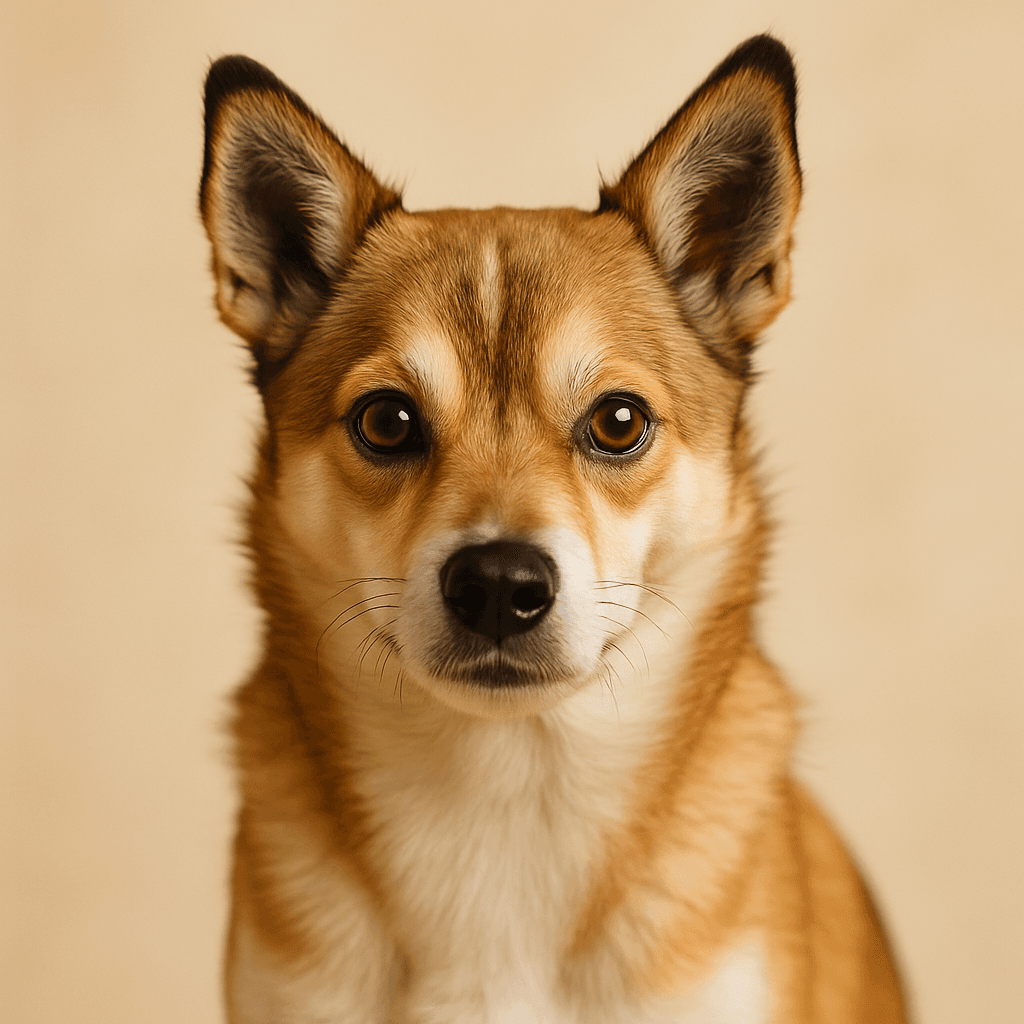
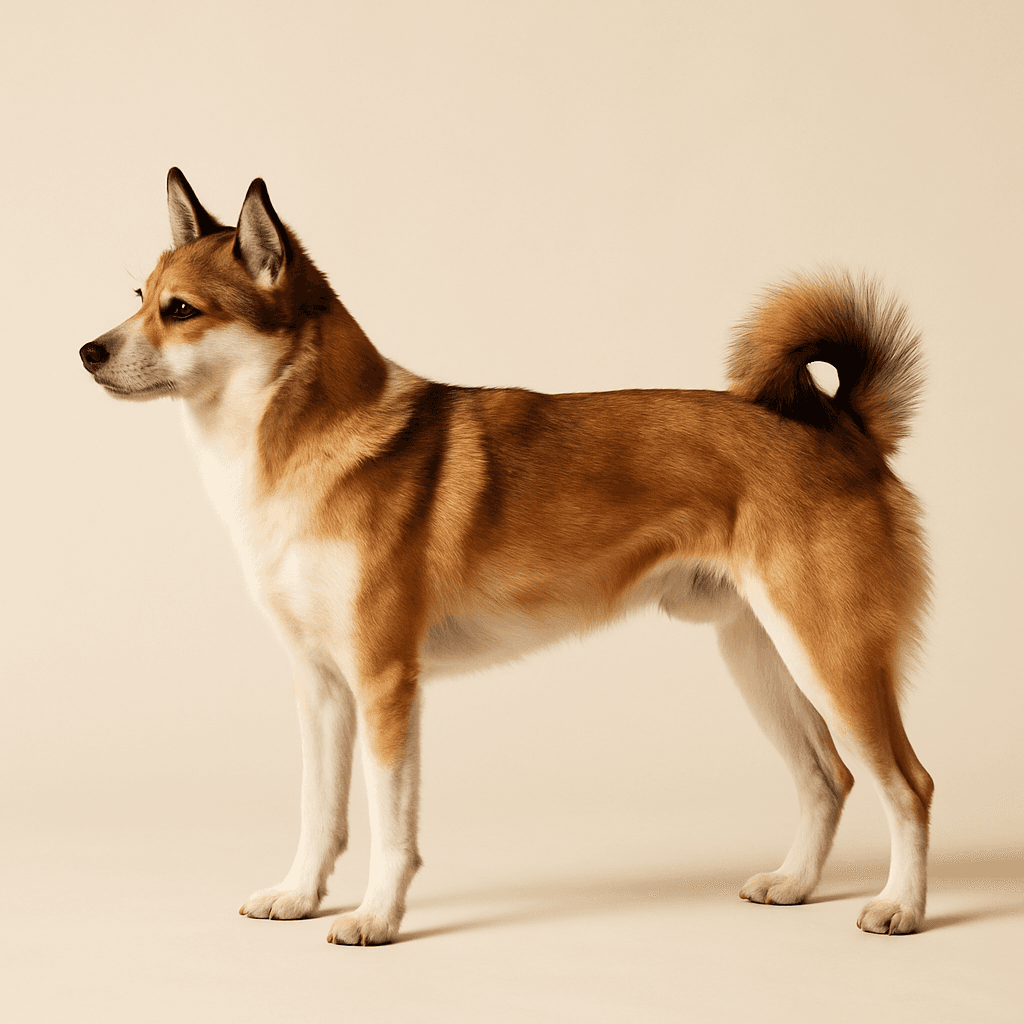
The Norwegian Lundehund is one of the rarest, most ancient and most anatomically extraordinary dog breeds in the world, a primitive spitz from the remote Arctic islands of northern Norway developed over centuries specifically for the purpose of hunting puffins - lundefugl in Norwegian, hence the breed name - on the sheer sea-cliff faces of islands in the Alesund archipelago, where the birds nested in tight rocky crevices inaccessible to human climbers. To perform this unique task, the Lundehund evolved a set of physical characteristics found in no other breed: six fully developed functional toes on each foot rather than the standard four or five; an extraordinary skeletal flexibility that allows the head to bend backwards to touch the spine, the forelegs to extend horizontally to the side at shoulder level, and the ear cartilages to close and seal the ear canal against water and debris. The breed was registered by the Kennel Club in the Hound Group. The Norwegian Lundehund is a small, lightly built and agile spitz. The coat is dense, short and double, typically reddish-brown to tan with white markings and a darker saddle. The erect ears fold forward or backward in the characteristic manner. The extraordinary toe structure - six toes including two dewclaws on the hind feet - is visible and palpable. Adults typically stand 31 to 38 centimetres at the shoulder and weigh 6 to 9 kilograms. The breed nearly became extinct on two separate occasions in the twentieth century - following a distemper epidemic in the 1940s that reduced the population to six individuals, and a subsequent near-extinction in the 1960s. Recovery breeding programmes in Norway restored the breed to survival but the founding population bottleneck has left the entire breed with extremely low genetic diversity, which has significant ongoing health implications. The most important of these health implications is Lundehund Gastrointestinal Syndrome (LGS), a serious digestive condition involving protein-losing enteropathy, lymphangiectasia and intestinal inflammation that affects the vast majority of Lundehunds to varying degrees. LGS causes malabsorption of nutrients, weight loss, oedema and, in severe cases, life-threatening protein deficiency. It is managed, not cured, through careful dietary management typically involving highly digestible, low-fat foods with supplementation. Every prospective Lundehund owner must research LGS thoroughly before acquiring the breed and must have veterinary support from a practice familiar with the condition. The character is lively, curious, agile and affectionate with its own household. It is a natural explorer and forager, retaining the primitive instincts of its cliff-hunting heritage. It can be reserved with strangers. The independent character and foraging instinct mean recall requires dedicated training. The extreme rarity of the breed in the United Kingdom means that sourcing a puppy will almost certainly require research and patience, and very likely importation from Scandinavia. The Norsk Lundehund Klubb in Norway is the primary global resource for breed information and responsible breeding contacts. Monthly running costs are above average given the dietary management requirements of LGS.
Quick facts
Meet Our Norwegian Lundehunds
Register your dog on My Dog and it will appear here automatically.
Norwegian Lundehund Photos
No photos yet. Be the first to share yours.
Add a photoActivity Feed
How much exercise does your Norwegian Lundehund really need each day?
Moderate exercise needs compared to many hunting breeds, which is something that surprised me. Daily walks and the chance to explore and use the remarkable physical agility are what my Lundehund genuinely needs rather than hours of endurance work. She is curious and active and benefits from an enriched environment where she can climb, investigate and move in the ways that her extraordinary physical flexibility allows. Off-lead time requires secure space and thorough recall training because the instinct to hunt and forage is deeply embedded. She is not a couch dog, but she is also not a dog who will fall apart without a 10-mile hike. Engaging the curiosity daily matters as much as the physical exercise. An environment with things to investigate suits this breed very well.
30 June 2026
Any health issues to watch for with Norwegian Lundehunds?
Lundehund Gastrointestinal Syndrome is the thing every prospective owner must research thoroughly before they make any decision about this breed. It affects the vast majority of Lundehunds to varying degrees. It causes protein-losing enteropathy and malabsorption, and if it goes unmanaged it can be life-threatening. This is not a minor background concern. It is central to life with a Lundehund. Dietary management is the primary treatment and it typically requires a highly digestible, low-fat diet with careful supplementation, guided by a vet. Beyond LGS, Hip Dysplasia and eye conditions have also been documented. I would encourage anyone considering this breed to speak to current Lundehund owners and their vet before proceeding. The breed is fascinating and the right owner will manage this well, but going in without knowing is not fair on anyone.
30 June 2026
What's the one thing you wish you'd known before getting a Norwegian Lundehund?
How much the Lundehund Gastrointestinal Syndrome would shape daily life, not in a devastating way, but in a constant and practical way. I knew about it before I got my dog. I had researched it. I thought I understood it. Actually living with it and managing the diet carefully and monitoring her condition regularly is a different thing from reading about it, and I want to be honest about that. Beyond the health management, what I was not quite prepared for was how genuinely primitive and individual this dog is. She is affectionate with me but watchful with strangers in a way that reflects the ancient, self-reliant character of the breed. She is not biddable in the conventional sense. Training her is engaging and she responds to positive methods, but she thinks independently and that is simply who she is.
30 June 2026
What do you feed your Norwegian Lundehund, and why?
This is not a question I can answer with a simple brand recommendation, and any Lundehund owner who tells you otherwise is either very lucky or not paying close enough attention. Lundehund Gastrointestinal Syndrome affects nearly every individual in the breed and it causes protein-losing enteropathy and malabsorption. That means the standard approach to feeding a small active dog does not straightforwardly apply. My dog is on a highly digestible, low-fat diet with specific supplementation that was worked out in consultation with our vet. This is a genuine dietetic management situation, not a case of finding the premium kibble with the nicest packaging. If you are considering a Lundehund, build a relationship with a vet who understands the breed's GI issues before you bring the dog home. It will save you a great deal of stress.
30 June 2026
Norwegian Lundehund of the Month
🏆 September 2026 -- Be the first nominee
Could be your dog.
The first dog registered in this community earns the first Dog of the Month nomination automatically.
Register your dogUpcoming Norwegian Lundehund Meetups
No meetups planned yet. Be the first to organise one.
Sign in to organise a meetupCommunity Members
Be the first to join and become the Norwegian Lundehund Founding Member.
Join Club