Be the first to join. Keep the badge forever.
The first members of this community earn permanent Founding Member status. It shows on your profile and your dog's profile for as long as you're here.
- ✓Founding Member badge on your profile
- ✓Your dog featured first
- ✓First Dog of the Month nomination
- ✓Always free
⭐ Founding Member spots open
First to join gets the badge
🐕 Be the first dog registered
Add your Lab to the community
📷 Add the first photo
Start the photo wall
8
Discussions

0 members
8 discussions
About the Poodle (Toy)
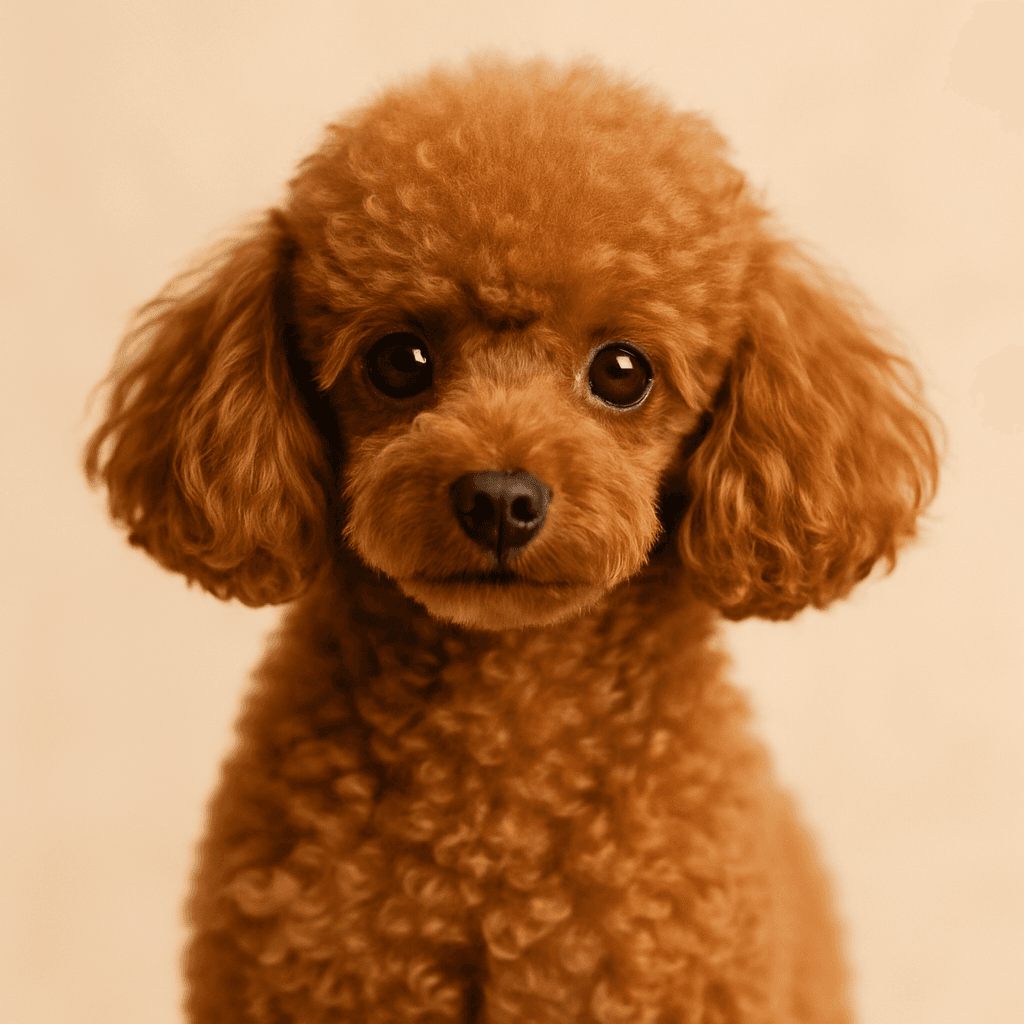
The Toy Poodle is the smallest of the three internationally recognised Poodle varieties - the Standard, the Miniature and the Toy - and shares with its larger counterparts the remarkable intelligence, the distinctive dense and curly low-shedding coat, and the lively, affectionate character that have made Poodles one of the most popular and beloved dog breeds in the world across several centuries. The Poodle originated in Germany as a water retriever and duck hunting dog - the name derives from the German word Pudel, meaning one who splashes in water - and was subsequently refined in France as a companion and performing dog, a role to which the breed's exceptional trainability and desire to engage with humans made it supremely suited. The KC registers all three Poodle varieties separately, with the Toy Poodle placed in the Utility Group. The Toy Poodle is a small, square-proportioned and elegantly built dog with the distinctive dense, curly or corded low-shedding coat of the Poodle family. The coat comes in a wide range of solid colours including black, white, brown, apricot, cream, red, silver and blue. The expression is alert and intelligent. Adults stand up to 28 centimetres at the shoulder and weigh 2 to 3 kilograms. The character is fully Poodle in every dimension despite the compact size - alert, highly intelligent, affectionate, playful and deeply engaged with its family and handler. The Toy Poodle is one of the most trainable of all small breeds, capable of advanced obedience, agility and trick training that would challenge breeds twice its size. This intelligence is a joy to engage with but also means the breed requires genuine mental stimulation - an under-stimulated Toy Poodle becomes restless, invents its own entertainment and sometimes develops behaviours that are less welcome. The low-shedding coat is a genuine practical advantage for households where shedding is a concern, but the non-shedding quality comes at the cost of continuous growth that requires regular professional clipping every 6 to 8 weeks. Without consistent professional grooming the coat mats and cords rapidly. The grooming commitment is real and ongoing. Health considerations are important. Progressive Retinal Atrophy DNA testing of both parents is essential. Patellar Luxation, Epilepsy and Addison's Disease are documented. Purchase prices from KC-registered, health-tested breeders range from £1,000 to £2,500. Monthly running costs, including grooming, average £80 to £140. The Poodle Club is the primary resource for breed information, health testing requirements, responsible breeders and rescue contact.
Quick facts
Meet Our Poodle (Toy)s
Register your dog on My Dog and it will appear here automatically.
Poodle (Toy) Photos
No photos yet. Be the first to share yours.
Add a photoActivity Feed
How much exercise does your Toy Poodle really need each day?
Thirty to 45 minutes a day is the physical exercise side, but that only tells half the story with a Toy Poodle. Mine gets a proper walk morning and evening, but the training sessions and mental work are just as important, sometimes more so. Do not be fooled by the tiny frame into thinking this is a low-effort dog. The Poodle intelligence is fully present in the Toy variety and it demands engagement. A bored Toy Poodle does not just sit quietly. Restlessness, anxiety, and attention-seeking behaviour are what you get when the mental side is neglected. I do scent games, trick training, and puzzle feeders as a regular part of the routine, and the difference it makes to her overall contentment is significant. She is more settled, more confident, and easier to live with on the days when she has genuinely been mentally engaged. The physical exercise needs are modest. The mental stimulation needs are not.
30 June 2026
Any health issues to watch for with Toy Poodles?
Progressive Retinal Atrophy is the one I check for in any Toy Poodle breeding. DNA testing of both parents is not optional if you are buying responsibly. The prcd-PRA form is documented in the breed and there is a test available, so there is no reason an ethical breeder cannot show you results. Patellar luxation, the kneecap slipping, is common in toy breeds and parents should be assessed. I also ask specifically about epilepsy: it has a documented higher incidence in Poodles generally and I always ask breeders about the seizure history in their lines before I consider a puppy. Addison's Disease and sebaceous adenitis have both been documented in the breed. Dental disease is also a practical concern in small-mouthed dogs, so I would start preventive dental care from puppyhood rather than waiting for a problem to develop. The Poodle Club maintains comprehensive health testing requirements and is a useful starting point for understanding what good breeding looks like.
30 June 2026
What's the one thing you wish you'd known before getting a Toy Poodle?
That taking a Toy Poodle seriously as a training candidate is one of the best decisions you can make with this breed. I knew they were clever. I did not initially invest in them the way I would have with a larger working breed, and that was a mistake I corrected fairly quickly. Once I started proper positive reinforcement training, the results were genuinely remarkable. She has learned things that would challenge breeds twice her size, and she loves the work. The other thing I wish I had understood better is the temperament underneath the appealing compact package. This is not a passive lap dog. She is alert, engaged, and deeply connected to me. That is wonderful, but it means she needed active work on building independence from day one. She is devoted in the way all Poodles tend to be, and without deliberate effort to build comfort with alone time early on, that devotion can tip into anxiety. Get the independence work done in the first weeks and you will thank yourself later.
30 June 2026
What do you feed your Toy Poodle, and why?
A high-quality complete food specifically formulated for small breeds, twice a day. The small-breed formulation matters because kibble size and calorie density are calibrated appropriately. I monitor her weight regularly: tiny dogs do not have much margin before extra weight becomes a health issue. Dental health is something I take seriously with a small Poodle because the small jaws and crowded teeth make dental disease a near-certainty without active prevention. I do regular tooth brushing, use dental chews as part of her daily allowance, and the vet checks her teeth at every visit. Starting that from puppyhood rather than trying to introduce it with an adult dog made the whole thing significantly easier. Two small meals rather than one large one suits her well, and I keep treats counted within her daily calorie total rather than adding them on top.
30 June 2026
Poodle (Toy) of the Month
🏆 September 2026 -- Be the first nominee
Could be your dog.
The first dog registered in this community earns the first Dog of the Month nomination automatically.
Register your dogUpcoming Poodle (Toy) Meetups
No meetups planned yet. Be the first to organise one.
Sign in to organise a meetupCommunity Members
Be the first to join and become the Poodle (Toy) Founding Member.
Join Club