Be the first to join. Keep the badge forever.
The first members of this community earn permanent Founding Member status. It shows on your profile and your dog's profile for as long as you're here.
- ✓Founding Member badge on your profile
- ✓Your dog featured first
- ✓First Dog of the Month nomination
- ✓Always free
⭐ Founding Member spots open
First to join gets the badge
🐕 Be the first dog registered
Add your Lab to the community
📷 Add the first photo
Start the photo wall
8
Discussions
0 members
8 discussions
About the Schnauzer
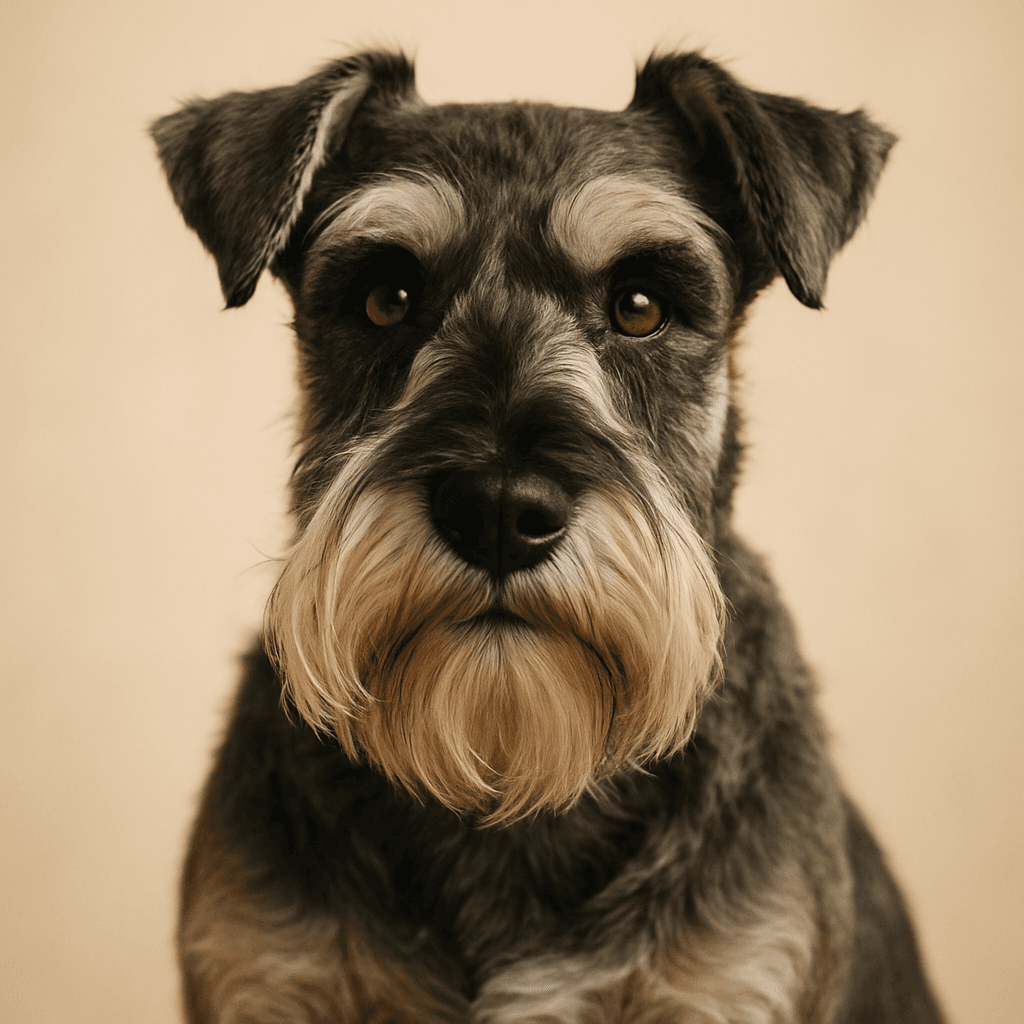
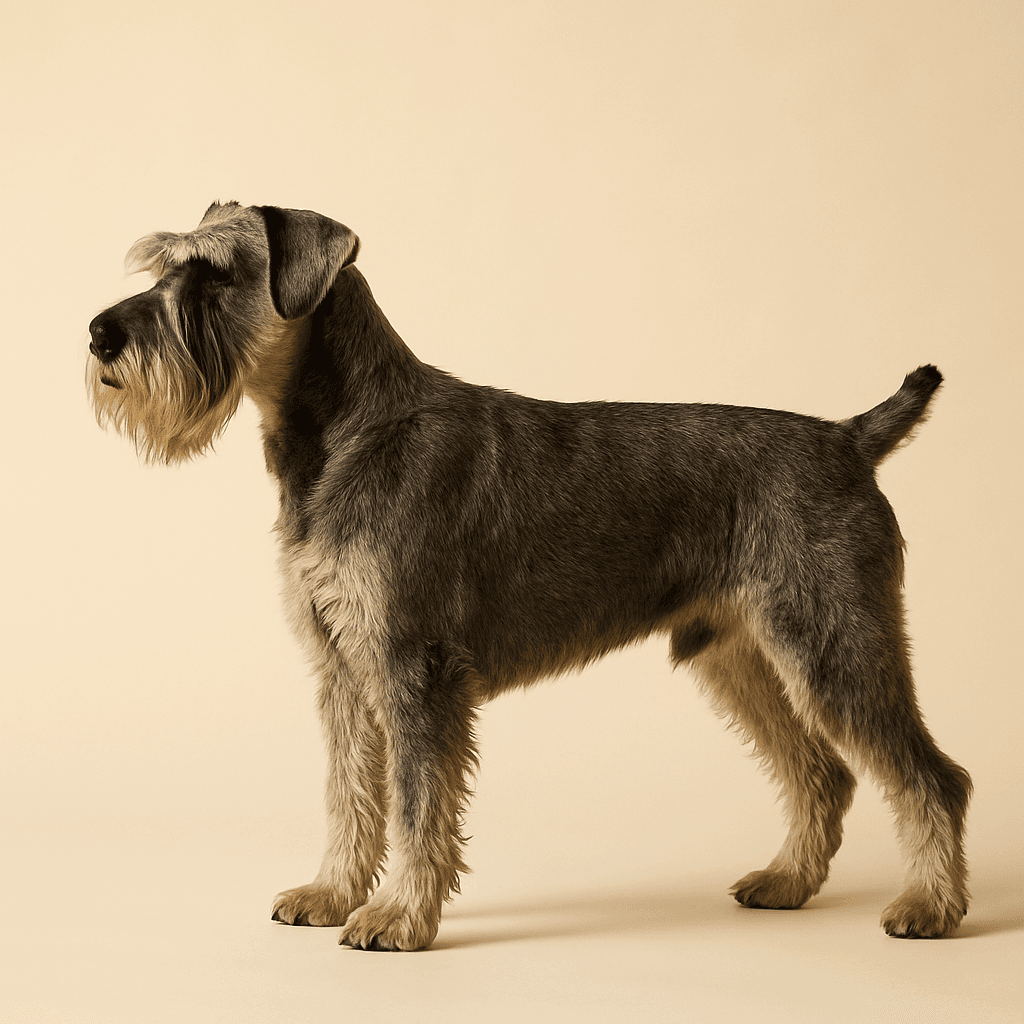
The Schnauzer is a German breed that comes in three sizes - Miniature, Standard and Giant - all sharing the same square, robust build, bold eyebrows and distinctive beard that have made the type one of the most recognisable in the world. All three are registered by the Kennel Club, the Miniature in the Utility Group, and the Standard and Giant in the Working Group. Despite the size differences, the core character traits - intelligence, loyalty, alertness and a slightly opinionated independence - are consistent across all three. In the home, Schnauzers are engaged, affectionate and animated companions. They form strong bonds with their family, want to be involved in household activity and are not dogs that are content with a walk and a corner. They are watchful and alert, making capable watchdogs, but require early and thorough socialisation to ensure this instinct stays within appropriate limits. A well-socialised, well-trained Schnauzer of any size is a confident, adaptable dog. An under-socialised one becomes suspicious and difficult. Exercise requirements scale with size. The Miniature needs 45 to 60 minutes of good exercise daily, plus mental stimulation. The Standard needs 1 to 1.5 hours. The Giant is a working dog in every meaningful sense: it needs 1.5 to 2 hours per day and substantial mental engagement alongside physical activity. All three variants benefit from training, scent work and structured engagement - their intelligence demands an outlet. The Giant Schnauzer deserves particular mention. It is not simply a large Miniature: it is a working and guarding breed with significant drive, intensity and the physical capability to back up its instincts. The Giant requires an experienced handler, early and consistent training, and thorough socialisation. It is not a suitable choice for a first-time owner or a household that cannot provide firm, consistent leadership. Grooming is a genuine commitment across all three sizes. The double coat - wiry topcoat over soft undercoat - needs brushing two to three times per week and professional attention every 6 to 8 weeks. The characteristic Schnauzer trim, including the breed's signature beard and eyebrows, requires a groomer who knows the type. The beard traps food and moisture and needs regular wiping and checking. The most important dietary consideration is fat content. Schnauzers have a documented predisposition to pancreatitis, which can range from a mild digestive upset to a serious, potentially life-threatening episode. High-fat foods, rich treats and table scraps must be avoided. A complete diet with moderate fat content is not optional - it is a health requirement. Other health considerations include Schnauzer Comedone Syndrome (a breed-specific skin condition), urinary stones in Miniatures, and a susceptibility to Mycobacterium avium complex in Miniature Schnauzers specifically. Progressive Retinal Atrophy and hyperlipidaemia also occur. Insurance of £25 to £60 per month reflects a generally manageable but not trivial health profile. Purchase prices from KC-registered breeders typically range from £800 to £1,500. Lifespan is 12 to 15 years for Miniatures and 13 to 16 years for Standards. Schnauzer Friends Rescue UK and the British Schnauzer Alliance support breed rescue across all three sizes. For owners who want an intelligent, loyal and characterful companion and are prepared to commit to grooming, diet management and consistent training, the Schnauzer in any of its three sizes is a deeply rewarding choice. The personality - alert, engaged, devoted - is consistent. The size choice determines the scale of the commitment.
Quick facts
Meet Our Schnauzers
Register your dog on My Dog and it will appear here automatically.
Schnauzer Photos
No photos yet. Be the first to share yours.
Add a photoActivity Feed
How much exercise does your Schnauzer really need each day?
It depends heavily on which size you have, they're quite different propositions. My Miniature needs 45 to 60 minutes of moderate exercise daily, and he's genuinely satisfied with that if it includes some mental engagement alongside the physical side. A Standard wants closer to 90 minutes of vigorous activity. A Giant Schnauzer owner told me once that she budgets nearly two hours a day, they are working dogs with serious drive. What all three sizes share is a real need for mental stimulation. Off-lead is generally fine for well-trained Schnauzers, though the terrier instinct means you stay alert around fast-moving distractions or small animals. Training, scent work and trick sessions all contribute meaningfully to the overall exercise equation. If you're getting a Giant, be honest with yourself about your activity level before committing.
30 June 2026
Any health issues to watch for with Schnauzers?
The most important one across all three sizes is pancreatitis. Schnauzers have a genuine breed predisposition, it can range from mild and self-resolving to severe and life-threatening, and high-fat foods are a real trigger. This isn't a vague warning; it shapes everything about how you feed and treat them. For Miniatures specifically, Mycobacterium avium complex is a documented susceptibility, causing chronic diarrhoea and weight loss, and worth knowing the signs of. Hyperlipidaemia and urinary stones are also more common in Miniatures than in most breeds. Eye conditions including Progressive Retinal Atrophy occur across the sizes. Schnauzer Comedone Syndrome causes blackhead-like lesions along the back, cosmetic mostly, but can get uncomfortable. Insurance typically runs £25 to £60 monthly depending on size. The life expectancy is good: 12 to 16 years with proper care.
30 June 2026
What's the one thing you wish you'd known before getting a Schnauzer?
How much brain they need engaged, and how directly it affects their behaviour when that need isn't met. I understood exercise, I didn't fully grasp that a Schnauzer with insufficient mental stimulation is a Schnauzer with a project, and the project is rarely one you'll enjoy. Mine is extremely quick, which is wonderful during training sessions and genuinely fun to live with day to day. But that same quickness means he's always scanning for something to do, some boundary to test, some rule to probe. Consistent handling isn't optional, it's what keeps the independence within enjoyable limits. I'd also tell anyone getting a Giant Schnauzer that it's a substantially different undertaking from a Miniature or Standard. The guarding instinct and size make early socialisation a safety matter. Go in with experience or excellent support from a trainer who knows the breed.
30 June 2026
What do you feed your Schnauzer, and why?
Low-fat is the governing principle, full stop. Given the pancreatitis risk, I read the fat content on every food I've ever considered and choose a complete dry food with moderate fat levels. Table scraps are off the menu entirely, and I use low-fat treats only, processed meat treats are out. I feed twice daily and avoid vigorous exercise immediately before or after meals. The daily food cost for a Miniature runs roughly £1.50 to £3.00; Standards and Giants cost more, around £2 to £4 a day for a quality food. I keep him lean, obesity significantly increases pancreatitis risk in this breed. It's the one area where I'm genuinely strict because the consequences of getting it wrong are real. His coat, energy and general condition are all better for it, and I haven't had a single pancreatitis episode in six years.
30 June 2026
Schnauzer of the Month
🏆 September 2026 -- Be the first nominee
Could be your dog.
The first dog registered in this community earns the first Dog of the Month nomination automatically.
Register your dogUpcoming Schnauzer Meetups
No meetups planned yet. Be the first to organise one.
Sign in to organise a meetupCommunity Members
Be the first to join and become the Schnauzer Founding Member.
Join Club