

Be the first to join. Keep the badge forever.
The first members of this community earn permanent Founding Member status. It shows on your profile and your dog's profile for as long as you're here.
- ✓Founding Member badge on your profile
- ✓Your dog featured first
- ✓First Dog of the Month nomination
- ✓Always free
⭐ Founding Member spots open
First to join gets the badge
🐕 Be the first dog registered
Add your Lab to the community
📷 Add the first photo
Start the photo wall
8
Discussions
0 members
8 discussions
About the Shetland Sheepdog
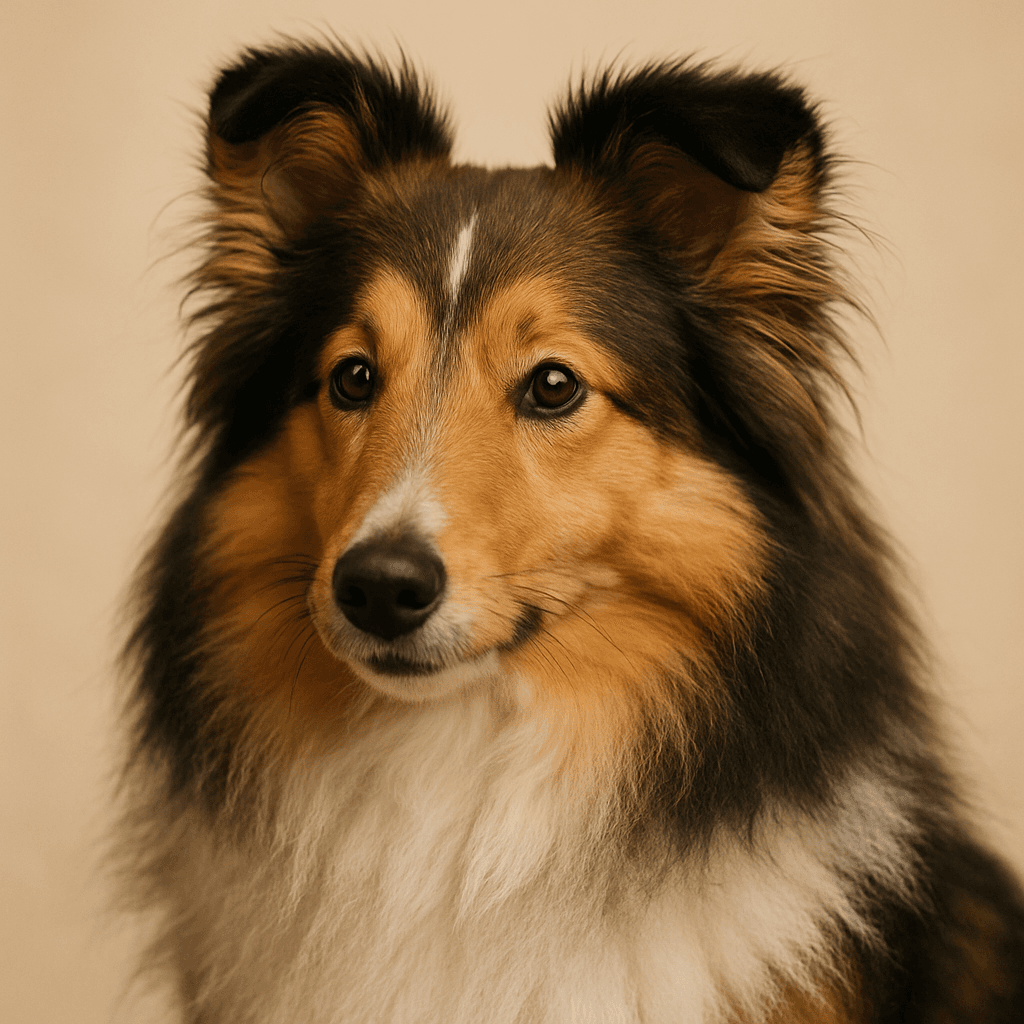
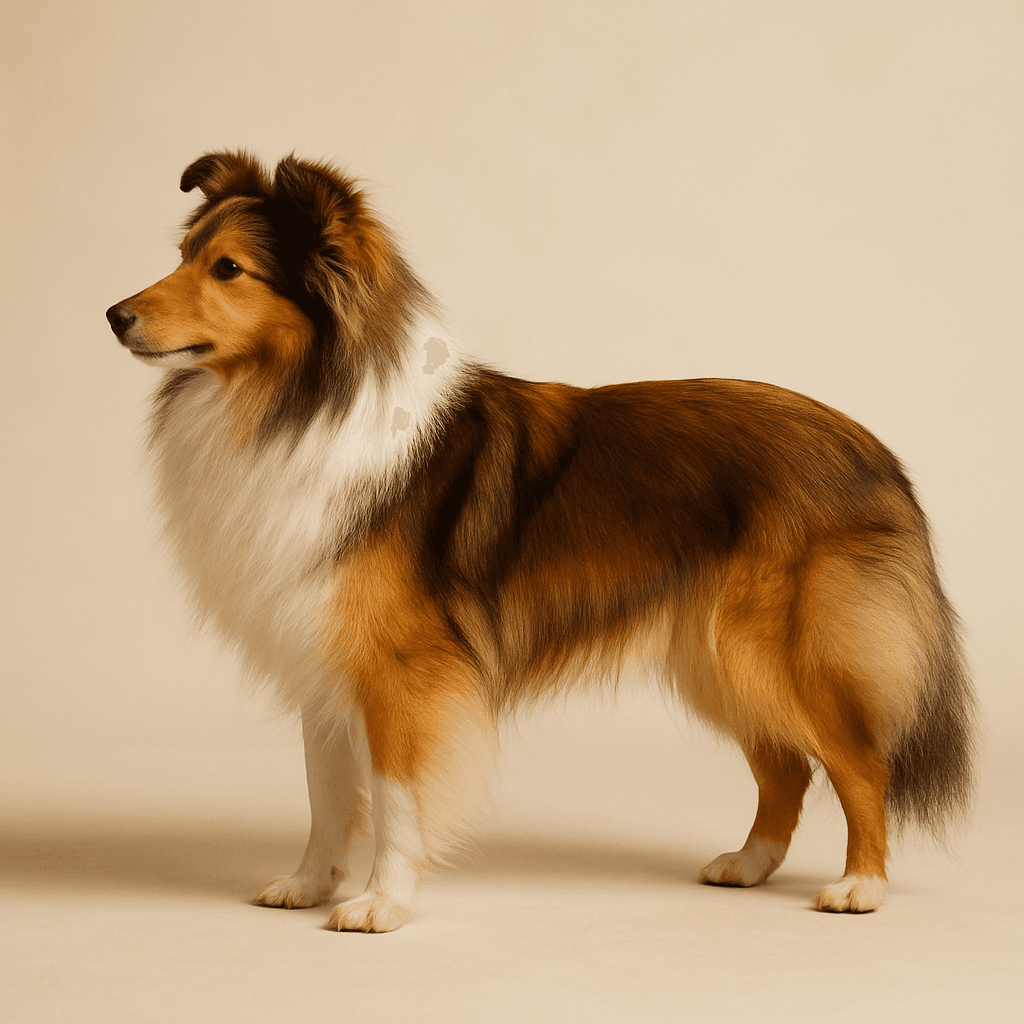
The Shetland Sheepdog is a small but highly capable herding dog from the Shetland Isles, registered by the Kennel Club in the Pastoral Group. The breed combines the working intelligence and responsiveness of a herding dog with a size that is manageable for most households. It consistently ranks among the most intelligent of all dog breeds and is one of the most trainable. The Sheltie's intelligence is its defining characteristic and its greatest practical consideration. This is a breed that learns with extraordinary speed, needs regular mental engagement, and will develop problematic behaviours when under-stimulated. The physical exercise requirement is moderate; the mental engagement requirement is high. Owners who invest in obedience training, agility, trick training or other structured activities find the Sheltie one of the most rewarding breeds to work with. Barking is the most commonly reported challenge. The Sheltie is a vocal breed: it barks to alert, to herd, when excited and as a general form of communication. This can be managed and reduced with training but not eliminated. It is a genuine consideration for owners in flats, terraced houses or close-neighbour situations. Health screening is important. The MDR1 gene mutation is present in a proportion of the breed and can cause severe reactions to commonly used drugs. All Shelties should be tested before any drug treatment is administered, and the result should be held by the owner's vet. Collie Eye Anomaly is the most prevalent eye condition and should be tested in both parents of any puppy. The breed's sensitivity and loyalty make it a deeply rewarding companion for owners who understand its needs. Those who invest in training, provide mental stimulation and respect its sensitive nature find a partnership that is difficult to match in any other small breed. Purchase prices from KC-registered breeders typically range from £800 to £1,500. Monthly running costs of £120 to £200 are moderate. Shetland Sheepdog Rescue UK rehomes dogs nationally. Lifespan is 12 to 13 years. The Shetland Sheepdog is the ideal breed for owners who want a small, beautiful dog with the intelligence and responsiveness of a much larger working dog. Its combination of trainability, sensitivity and loyalty makes it one of the most complete small breeds available. Invest in the training, manage the vocalisation from puppyhood, and the Sheltie is one of the most rewarding canine companions in the KC register. Those who choose the Sheltie for its trainability and intelligence are rarely disappointed. It is a breed that meets its owner's investment fully and returns it with interest across a 12 to 13 year life.
Quick facts
Meet Our Shetland Sheepdogs
Register your dog on My Dog and it will appear here automatically.
Shetland Sheepdog Photos
No photos yet. Be the first to share yours.
Add a photoActivity Feed
How much exercise does your Shetland Sheepdog really need each day?
The physical exercise requirement is moderate, around 45 to 60 minutes for an adult, but that's almost the smaller part of the picture. What my Sheltie genuinely needs, and what makes the biggest difference to how settled she is, is mental stimulation. We do obedience work, trick training, agility sessions, and regular nose work. On days when we've done a training session alongside the walks, she's calm and content. On days when we've only done the physical exercise, she can be restless and vocal. Shelties learn extraordinarily quickly, which is one of the great pleasures of the breed, but it also means an unstimulated Sheltie finds her own entertainment. Enrolling in a good positive training class early and keeping up a daily mental engagement routine is honestly more important for this breed than simply hitting a walk target.
30 June 2026
Any health issues to watch for with Shetland Sheepdogs?
The MDR1 gene mutation is the one I'd prioritise knowing about above everything else. Shelties can carry a genetic variant that affects how they process certain drugs, including ivermectin (found in some antiparasitic treatments) and certain chemotherapy agents. Dogs with two copies of the mutation can have severe reactions to drugs that are routine in other breeds. There's a DNA test for it, all Shelties should be tested, and the result must be given to any vet treating the dog. Collie Eye Anomaly is also common in the breed, ranging from subclinical to serious. Progressive Retinal Atrophy has a DNA test available. Hip scores are worth checking in parents. And Dermatomyositis, an immune-mediated skin and muscle condition, is seen in the breed. A responsible breeder will have documentation across all of these. Ask for it.
30 June 2026
What's the one thing you wish you'd known before getting a Shetland Sheepdog?
How vocal they are, and that you can manage it but you can't eliminate it. My Sheltie barks at the postman, at sounds outside, when she's excited, and when her herding instinct fires at a cyclist. I grew up thinking of Shelties as gentle, quiet little dogs. They're gentle, absolutely, but they are not quiet. The barking is a breed characteristic that runs deep. Training a solid 'quiet' cue from puppyhood helps, and building a calm post-walk routine reduces the excitable barking. But anyone living in a flat with close neighbours, or expecting a reliably calm dog in a stimulating environment, needs to research this properly first. The other thing is the herding instinct, which is very much alive. She rounds up children, joggers, my cat. It's manageable with training but it never disappears entirely.
30 June 2026
What do you feed your Shetland Sheepdog, and why?
A good quality complete dry food for a small to medium active breed, split into two meals. Sheltie size varies quite a bit within the breed, so feeding guidelines are a starting point rather than a fixed rule. I check her waist and ribs regularly rather than relying on the scales. The breed can gain weight without it being obvious until you look, and excess weight increases joint and cardiac risk. I include omega fatty acids in her diet, either from a food that lists them or through a supplement, because they make a real difference to her double coat condition. Dental health matters in smaller breeds, so dental chews are part of the routine. Puppy feeding was three times a day until six months, then I moved to twice daily.
30 June 2026
Shetland Sheepdog of the Month
🏆 September 2026 -- Be the first nominee
Could be your dog.
The first dog registered in this community earns the first Dog of the Month nomination automatically.
Register your dogUpcoming Shetland Sheepdog Meetups
No meetups planned yet. Be the first to organise one.
Sign in to organise a meetupCommunity Members
Be the first to join and become the Shetland Sheepdog Founding Member.
Join Club