

Be the first to join. Keep the badge forever.
The first members of this community earn permanent Founding Member status. It shows on your profile and your dog's profile for as long as you're here.
- ✓Founding Member badge on your profile
- ✓Your dog featured first
- ✓First Dog of the Month nomination
- ✓Always free
⭐ Founding Member spots open
First to join gets the badge
🐕 Be the first dog registered
Add your Lab to the community
📷 Add the first photo
Start the photo wall
8
Discussions
0 members
8 discussions
About the Skye Terrier
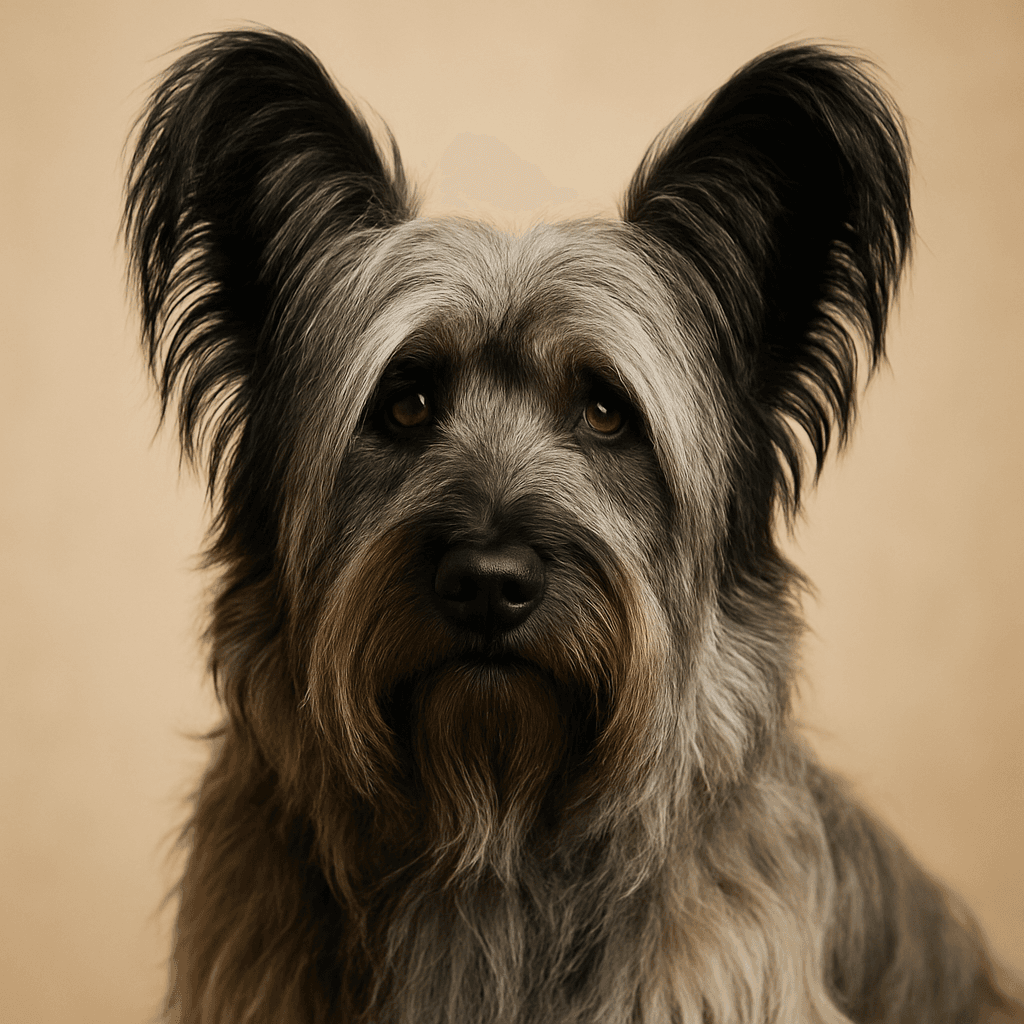
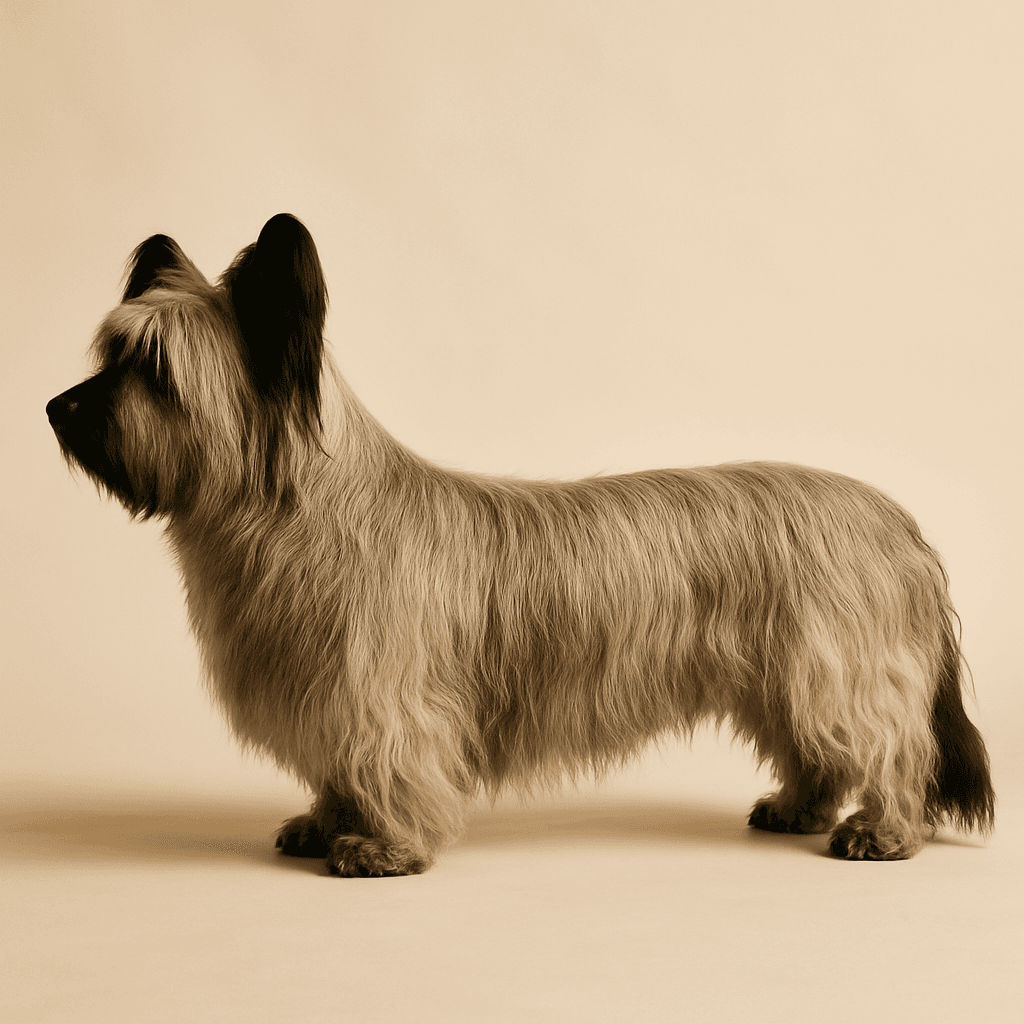
The Skye Terrier is one of Britain's oldest and most distinctive terrier breeds, a low-slung, long-coated and elegantly proportioned earth dog developed on the Isle of Skye in the Scottish Highlands to hunt otter, fox and other quarry in the rocky, broken terrain of the island, where its low build and determination allowed it to follow quarry into tight rock crevices and burrows that would defeat a taller dog. The breed was well established by the sixteenth century and attracted the patronage of Queen Victoria, who kept Skye Terriers and contributed significantly to the breed's popularity in the Victorian era. The Skye Terrier is now one of Britain's most endangered native dog breeds, appearing on the Kennel Club's Vulnerable Native Breeds list with annual registrations consistently very low, and preservation of the breed depends on a small community of dedicated enthusiasts. It is registered by the Kennel Club in the Terrier Group. The Skye Terrier is a striking and immediately recognisable dog - low to the ground, twice as long as it is tall, with a profuse, long, flat outer coat that falls either side of the body from a straight parting running from nose to tail, and large, feathered ears that may be either prick or drop. The head is long and the expression alert and intelligent. The coat is hard on the outside with a soft, woolly undercoat. Adults typically stand 23 to 25 centimetres at the shoulder and weigh 8 to 10 kilograms. The character is one of the most distinctive in the dog world - fiercely devoted to its own person or family to a degree that has become legendary. The story of Greyfriars Bobby, the Skye Terrier who reportedly guarded his owner's grave in Edinburgh for fourteen years after the owner's death in 1858, reflects a trait that is genuinely characteristic of the breed: an intensity of loyalty that borders on obsession. This devotion makes the breed an extraordinarily bonded companion for the right owner while also meaning it is poorly suited to frequent rehoming or handling by many different people. Training is effective when conducted by the person to whom the dog is bonded, using positive, patient methods. The independent terrier character means the breed will not submit readily to handling by strangers. Health considerations include Premature Closure of the Distal Radius in puppies and the importance of not over-exercising young dogs before twelve months of age. Purchase prices from KC-registered, health-tested breeders range from £700 to £1,500. Monthly running costs average £65 to £110. The Skye Terrier Club is the primary resource for breed information, responsible breeders and rescue contact.
Quick facts
Meet Our Skye Terriers
Register your dog on My Dog and it will appear here automatically.
Skye Terrier Photos
No photos yet. Be the first to share yours.
Add a photoActivity Feed
How much exercise does your Skye Terrier really need each day?
Around 45 minutes works well for my adult Skye, though they have more stamina than the elegant silhouette suggests. This is a proper working terrier underneath the striking coat, and they have genuine drive and purpose when they're out. I combine one solid walk with some off-lead time in a safe enclosed area. Recall training is worth investing time in before you rely on it anywhere near wildlife, because the prey drive is real and a Skye on a scent is not thinking about coming back. On-lead management around areas with rabbits or squirrels is genuinely the sensible approach rather than testing recall every time. The key thing I'd note for prospective owners is the puppy exercise restriction. Growth plate issues have been documented in the breed, so I kept exercise genuinely minimal in the first year.
30 June 2026
Any health issues to watch for with Skye Terriers?
The growth plate condition, Premature Closure of the Distal Radius, is worth knowing about before you bring a puppy home. It's associated with over-exercise before skeletal maturity, which means the first year of a Skye Terrier's life calls for genuinely restricted physical activity. No long walks, no jumping on and off furniture, no forced exercise. It's an inconvenient truth for an active breed, but ignoring it can cause lasting orthopaedic problems. Autoimmune conditions have also been reported in the breed. I'd also note that the Skye Terrier is a rare breed with a small population, which limits the breadth of health data available. The Skye Terrier Club is the best source of current guidance, and I'd encourage any prospective owner to speak to the club directly before purchasing.
30 June 2026
What's the one thing you wish you'd known before getting a Skye Terrier?
The depth of the loyalty and what that means in practice. The Skye Terrier's bond with its primary person is not like most breeds. It's intense, exclusive, and genuinely one of the most profound human-dog relationships I've experienced. The flip side is that they are reserved with people they don't know, to a degree that requires patient socialisation from puppyhood. My Skye is warm and devoted with me and with the people she knows well. With strangers she is dignified and watchful rather than open. That reserve is a breed characteristic, not a training failure, and trying to force sociability through pressure makes things worse. The other thing I'd say is that this is not a breed to take on lightly and then rehome. The intensity of the bond makes changes in ownership genuinely hard on the dog.
30 June 2026
What do you feed your Skye Terrier, and why?
A good quality complete food for small active breeds, twice a day in measured portions. The long coat is the thing that catches people out with weight management: it hides the body shape almost completely. I check the ribs and waist by touch every couple of weeks rather than relying on how the dog looks, because excess weight under all that coat is genuinely easy to miss. Dental disease is common in smaller breeds, so dental chews and regular toothbrushing are part of the routine. Treats count toward the daily calorie total rather than sitting outside it. The breed doesn't have known food sensitivities beyond what you'd expect in any small dog, but I feed a consistent, quality diet and haven't had any reason to change it.
30 June 2026
Skye Terrier of the Month
🏆 September 2026 -- Be the first nominee
Could be your dog.
The first dog registered in this community earns the first Dog of the Month nomination automatically.
Register your dogUpcoming Skye Terrier Meetups
No meetups planned yet. Be the first to organise one.
Sign in to organise a meetupCommunity Members
Be the first to join and become the Skye Terrier Founding Member.
Join Club