Be the first to join. Keep the badge forever.
The first members of this community earn permanent Founding Member status. It shows on your profile and your dog's profile for as long as you're here.
- ✓Founding Member badge on your profile
- ✓Your dog featured first
- ✓First Dog of the Month nomination
- ✓Always free
⭐ Founding Member spots open
First to join gets the badge
🐕 Be the first dog registered
Add your Lab to the community
📷 Add the first photo
Start the photo wall
8
Discussions
0 members
8 discussions
About the Yorkshire Terrier
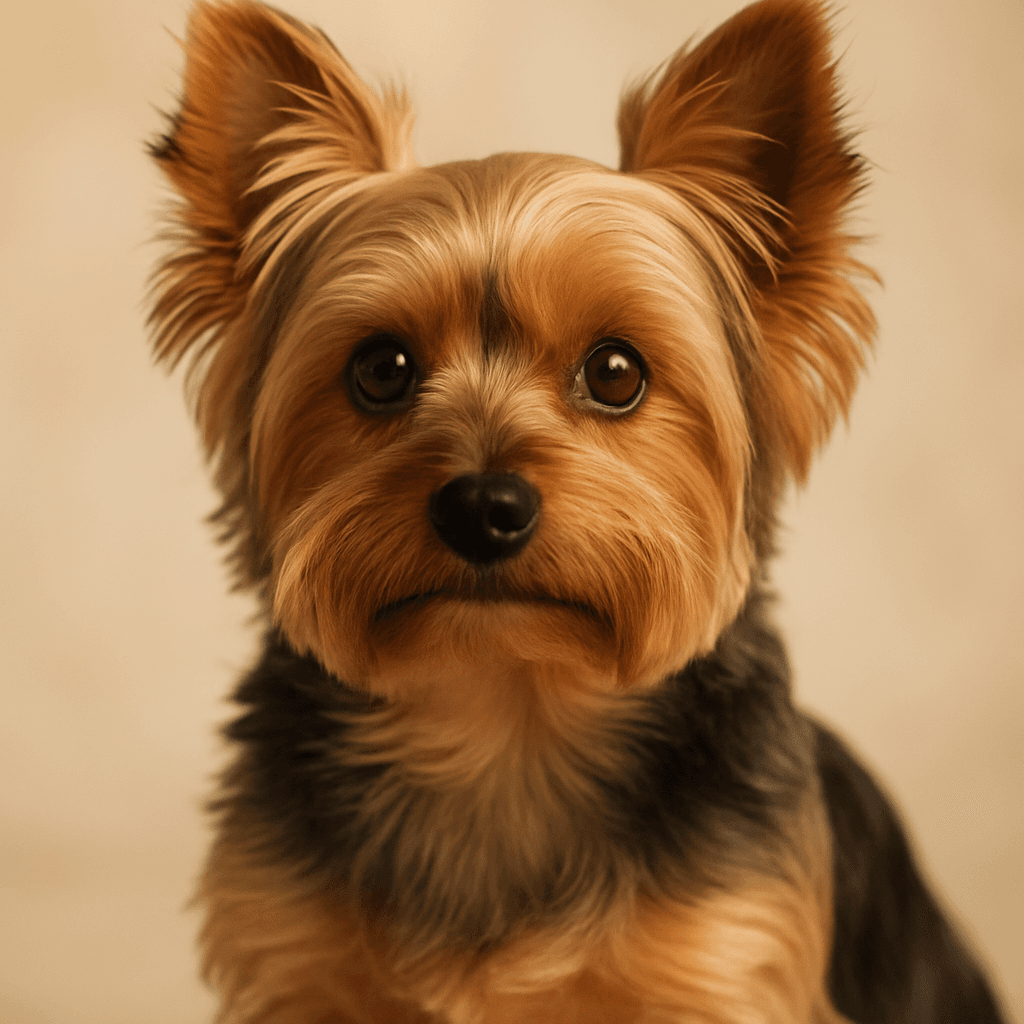
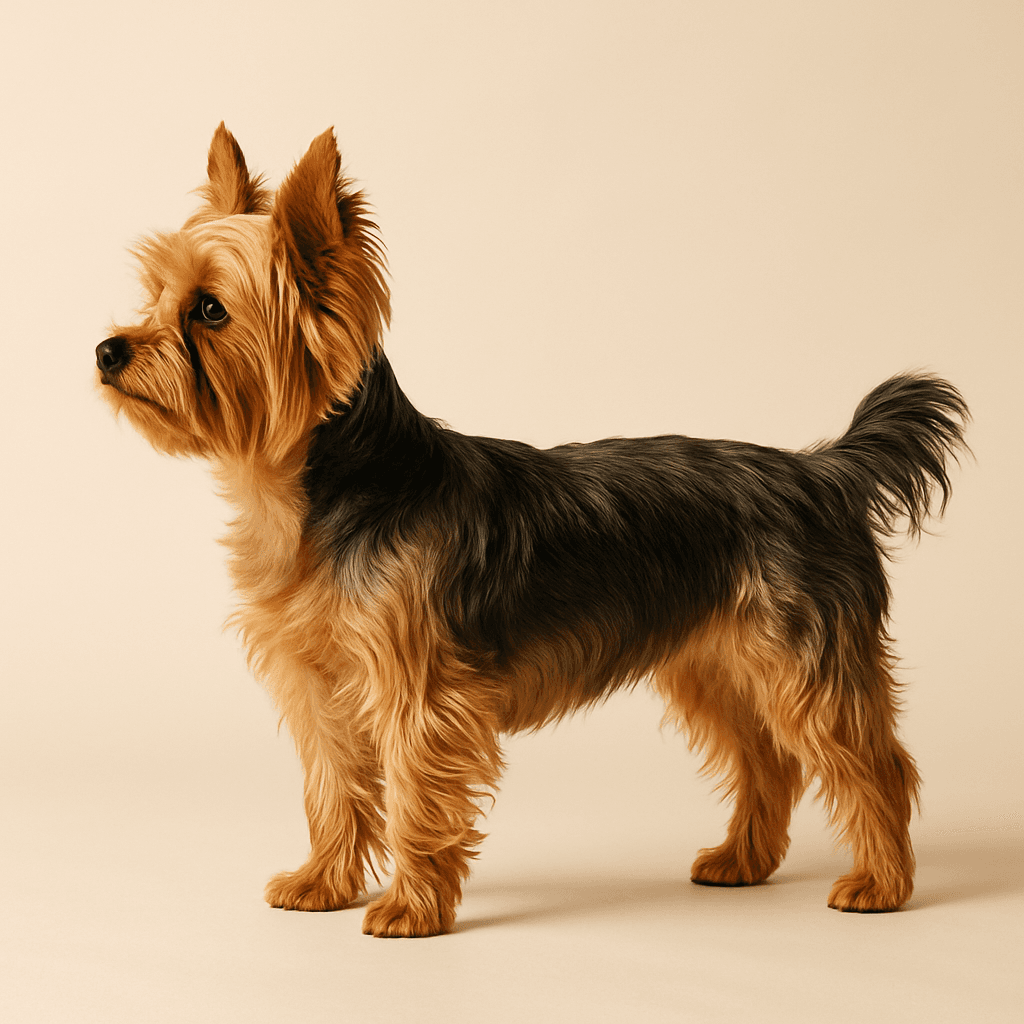
The Yorkshire Terrier is one of the UK's most enduringly popular small breeds, registered by the Kennel Club in the Toy Group. Despite its classification as a Toy breed, the Yorkshire Terrier has a thoroughly terrier character: bold, spirited, confident and sometimes stubborn. Bred in 19th-century Yorkshire to catch rats in mills and mines, the modern Yorkie carries that working heritage in a small but unmistakeably purposeful package. Their most striking feature is the coat: a long, silky, steel-blue and tan hair that grows continuously and requires either daily brushing and regular professional grooming to maintain in full length, or a practical shorter puppy trim that most pet owners find far more manageable. Either approach is entirely valid. Yorkshire Terriers are affectionate with their family and often strongly bonded to one person. They tend to be alert and will announce visitors and changes in their environment with enthusiasm. This alerting behaviour can be managed with training but is a breed characteristic. In flat or terraced house living, this is worth considering. Health-wise, the breed has several conditions to be aware of. Luxating patella (a slipping kneecap) is common in small breeds and very prevalent in Yorkshire Terriers. Legg-Calvé-Perthes disease, tracheal collapse and portosystemic shunts are also seen. Responsible breeders should be eye testing and assessing for luxating patella in breeding stock. Yorkshire Terriers are one of the longer-lived breeds, with typical lifespans of 13 to 16 years. Purchase prices from KC-registered breeders range from £600 to £1,500, though very small or so-called 'teacup' Yorkshire Terriers bred for extreme miniature size carry significantly greater health risks and should be avoided. For the right owner, the Yorkshire Terrier offers enormous personality and genuine devotion in a compact package. Their long lifespan means this is a commitment of 13 to 16 years: approach it seriously, invest in training and socialisation from puppyhood, commit to the grooming routine, and manage the health conditions proactively. The Yorkshire Terrier has been one of Britain's most popular small dogs for over a century, and its enduring appeal reflects just how rewarding the breed is in the right hands. Avoid breeders advertising very small or teacup Yorkshire Terriers: dogs bred for extreme miniature size have significantly elevated health risks including hypoglycaemia, fragile bones and organ crowding. A Yorkie of standard size from a health-conscious breeder will always be the better long-term choice. Their terrier spirit and long lifespan, combined with adaptability to urban living, ensure the Yorkshire Terrier will remain one of the UK's most beloved small breeds for generations to come.
Quick facts
Meet Our Yorkshire Terriers
Register your dog on My Dog and it will appear here automatically.
Yorkshire Terrier Photos
No photos yet. Be the first to share yours.
Add a photoActivity Feed
How much exercise does your Yorkshire Terrier really need each day?
Mine needs 45 minutes to an hour a day, and I'd push back firmly against anyone who tells you Yorkies are low-effort dogs who manage fine with a quick walk around the block. She is active, curious and genuinely interested in the world. A proper walk with interesting smells and varied terrain satisfies something in her that a short pavement trip doesn't touch. We always walk on a harness, never a collar, because of her tracheal vulnerability. Her pace is a brisk trot and she tires faster than a larger dog on the same distance, so I keep routes sensible rather than ambitious. Off-lead time happens in enclosed secure areas only: the terrier in her will pursue a scent without any warning and I don't rely on recall in situations with competing interests. Mental stimulation through scent games and short training sessions is as valuable as the physical walk. A tired Yorkie brain is as important as a tired Yorkie body.
1 July 2026
Any health issues to watch for with Yorkshire Terriers?
I went into Yorkie ownership knowing this breed carries a cluster of specific health concerns and I'm glad I did, because it shaped my insurance decisions and breeding choices. Luxating patella is extremely common: the kneecap periodically slips out of position, causing a characteristic skip-step. Severe cases need surgery at £1,500 to £3,000 per knee. All breeding dogs should be assessed by a vet before mating. Legg-Calve-Perthes disease affects the femoral head in young small breeds and typically presents before 12 months as lameness: again, usually treatable with surgery but costly. Tracheal collapse is progressive and presents as a honking cough during excitement or exercise: harness use, weight control and vet management help, and surgical options exist for severe cases. Portosystemic shunt is seen in some lines and is a serious liver condition requiring specialist management. PRA is testable by DNA. Insure from day one and choose a breeder who health-tests.
1 July 2026
What's the one thing you wish you'd known before getting a Yorkshire Terrier?
That the independence I found charming in the first few weeks becomes the most important thing to train around, and training it works far better than accommodating it. Mine has significant opinions. She learns quickly, retains commands well and is genuinely clever. She also decides on some days that a particular command doesn't apply to her, and if I let that pass it becomes the new normal very quickly. The mistake I see with small dogs generally and Yorkies specifically is that people find the pushback endearing when the dog is tiny and give it a pass, and then find themselves with an adult dog that has established its own rules. Short, varied, food-motivated sessions from the start and consistent expectations produced a dog I enjoy enormously. Also: toilet training takes longer than you'd expect and cold wet weather makes her categorically unwilling to go outside. That required sustained patience rather than any accommodation of the reluctance.
1 July 2026
What do you feed your Yorkshire Terrier, and why?
Weight management is the first thing I think about with her food, because a Yorkie carrying extra weight puts additional strain on joints that are already at risk of luxating patella, and adds pressure to the trachea in a breed prone to tracheal collapse. Keeping her lean is a genuine health priority, not just an aesthetic one. She eats a high-quality small-breed complete dry food in two meals a day: small breeds benefit from two or three smaller meals rather than one large one, and hypoglycaemia can occur in very small or young Yorkshire Terriers, so meal frequency matters. Portions are weighed. Treats are small, frequent enough to be useful in training, and counted within her daily allowance. Dental health is something I actively manage alongside nutrition: Yorkies are prone to crowded dentition and dental disease, so toothbrushing and dental chews are part of the routine. Fresh water always available.
1 July 2026
Yorkshire Terrier of the Month
🏆 September 2026 -- Be the first nominee
Could be your dog.
The first dog registered in this community earns the first Dog of the Month nomination automatically.
Register your dogUpcoming Yorkshire Terrier Meetups
No meetups planned yet. Be the first to organise one.
Sign in to organise a meetupCommunity Members
Be the first to join and become the Yorkshire Terrier Founding Member.
Join Club