Yorkshire Terrier
Complete UK breed guide
Quick answer
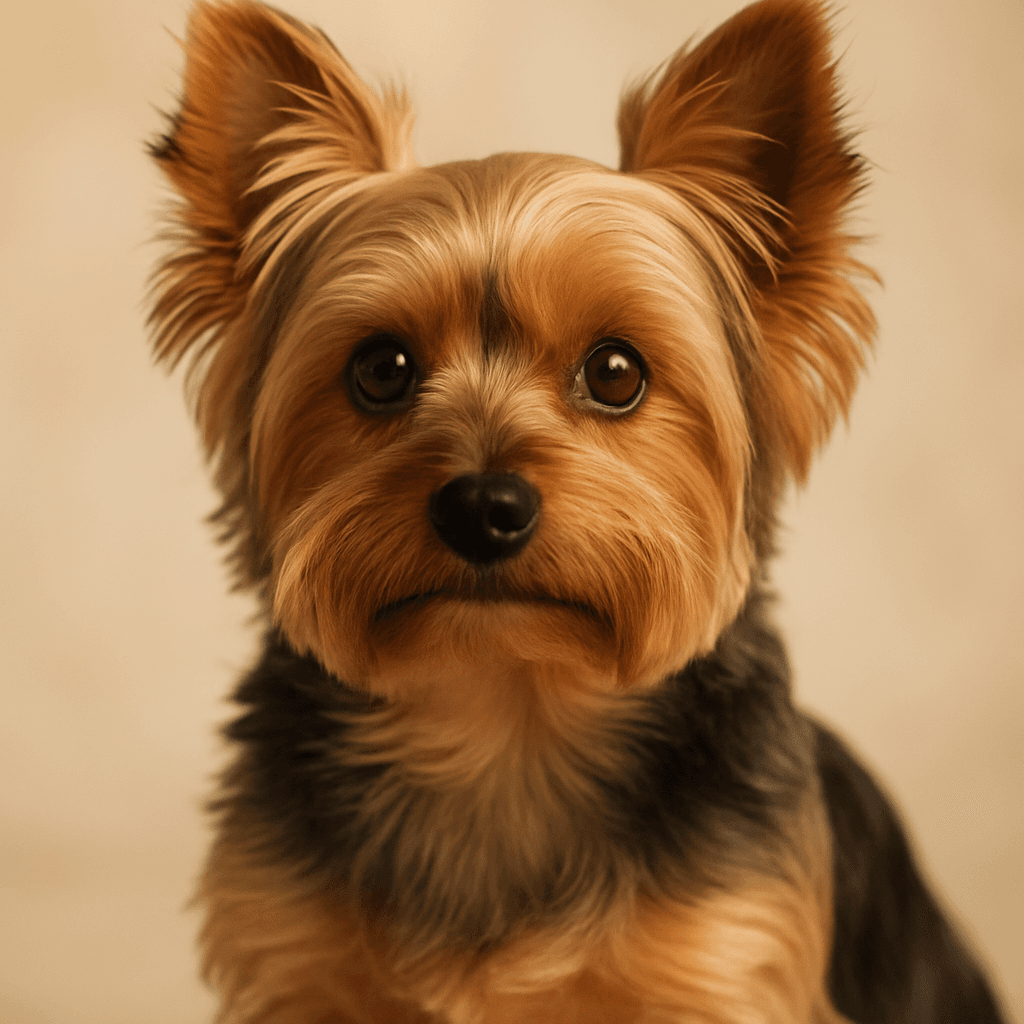
The Yorkshire Terrier is a bold, loyal Toy Group breed with a lifespan of 13 to 16 years. Luxating patella and tracheal collapse are common: always walk on a harness, never a collar. They need 45 minutes to one hour of daily exercise and regular professional grooming. Expect monthly costs of £80 to £150.
Quick Facts
- Size
- Small
- Weight
- 2–3 kg
- Lifespan
- 13–16 years
- Breed Group
- Terrier
- Exercise
- 30–45 mins/day
- Activity Level
- Moderate
- Grooming
- High
- Monthly Cost
- £80–£130/month
- Temperament
- Affectionate, Spirited, Loyal
- Good with Children
- Yes
- Good with Dogs
- Yes
- Good for First Timers
- Yes
- Suits Flats
- Yes
Free care guide
Get the Complete Yorkshire Terrier Care Guide
Feeding, health, grooming, training and costs for your Yorkshire Terrier. Free, straight to your inbox.
Getting set up
Getting a Yorkshire Terrier? Here's what you'll need.
Our editors have picked the essentials for Yorkshire Terrier owners.
See the Anxious Dog Kit →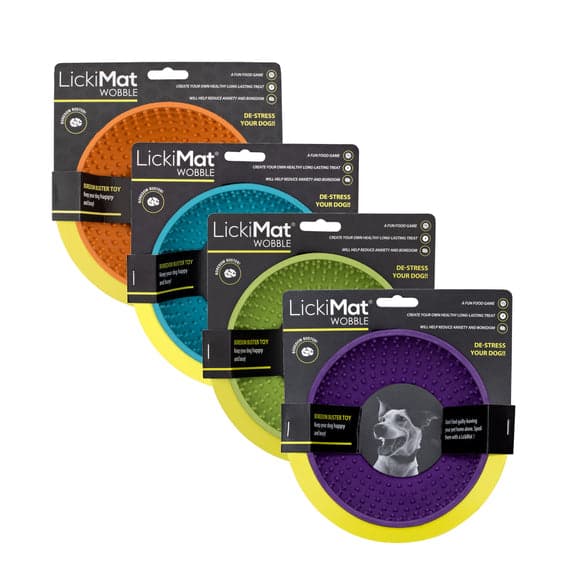
Recommended for Adult Dogs for Yorkshire Terriers
Products selected for Yorkshire Terrier size, coat type, and life stage. Affiliate disclosure.
PetFusion
PetFusion Ultimate Dog Bed (Small)
Memory foam orthopedic bed with waterproof cover. Ideal for small and medium dogs.
Shop PetFusionTuffies
Shop NowKurgo
Shop NowWhimzees by Wellness
VOHC-accepted. Plant-based, grain-free. Five sizes. Best all-round dental chew for most dogs.
Buy on AmazonHurtta
Hurtta Mudventure ECO Raincoat (Small)
Reflective, eco-friendly raincoat built for UK weather. Small size.
Shop HurttaHarringtons
The UK's bestselling dry dog food. No artificial colours, flavours or preservatives. Made with natural ingredients including chicken, brown rice and vegetables. Available in multiple sizes.
Shop NowLily's Kitchen
Shop NowBarking Heads
Shop NowAATU Dog and Cat Food
Shop NowRoyal Canin
Royal Canin Breed-Specific Food
Nutrition precision-tailored to your breed.
Shop Royal CaninAnimology
The UK groomer standard for removing fox poo and foul odours. Deep cleaning with built-in conditioner and Pro-Vitamin B5. Suitable for all coats from 6 weeks old.
Shop NowAndis
Shop NowBoshel
Shop NowChris Christensen
Shop NowPets Calm Down
Shop NowRosewood
Shop NowDrontal
Shop NowPitPat
Shop NowJulius-K9
Julius-K9 IDC Powerharness (Small)
Award-winning harness trusted by dog owners worldwide. Small size (7-15kg).
Shop Julius-K9Furbo
Shop NowKONG
KONG Classic (Small)
The classic rubber chew for small dogs and puppies.
Shop KONGLickiMat
LickiMat Wobble
Slows feeding, reduces anxiety, keeps dogs calm and engaged.
Try LickiMatChuckit
Chuckit! Ball Launcher (Small)
Launch further, throw less. Mini launcher for small dogs.
Shop Chuckit!Nina Ottosson
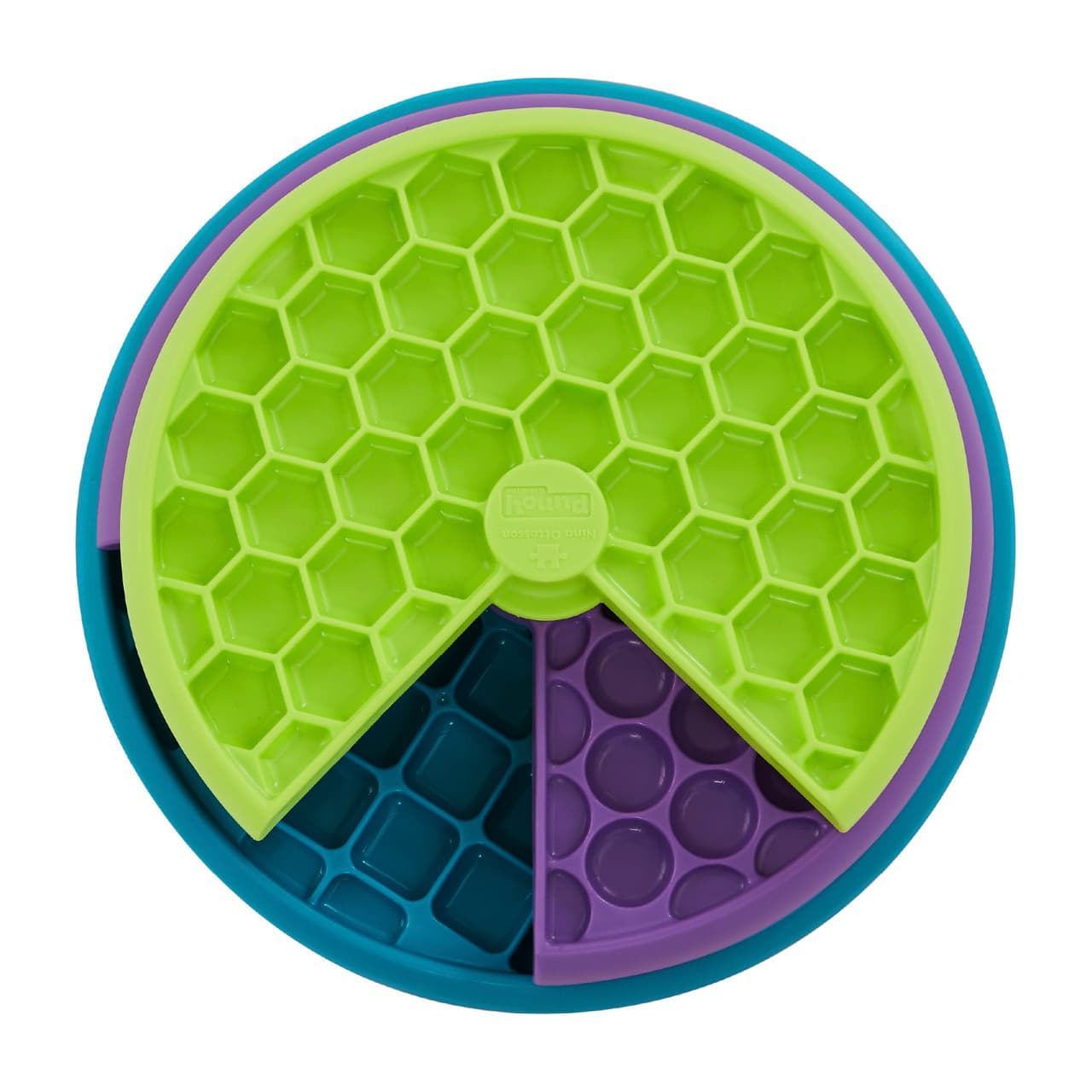
Nina Ottosson Dog Puzzle
Level 2 puzzle feeder. Engages your dog mentally and slows eating.
Try Nina OttossonTrixie
Shop NowDoggone Good
Shop NowFURminator
FURminator Deshedding Tool (Small, Long & Double Coat)
Reduces shedding by up to 90% for small long-coated dogs.
Shop FURminatorBreed Overview
The Yorkshire Terrier is one of the UK's most enduringly popular small breeds, registered by the Kennel Club in the Toy Group. Despite its classification as a Toy breed, the Yorkshire Terrier has a thoroughly terrier character: bold, spirited, confident and sometimes stubborn. Bred in 19th-century Yorkshire to catch rats in mills and mines, the modern Yorkie carries that working heritage in a small but unmistakeably purposeful package.
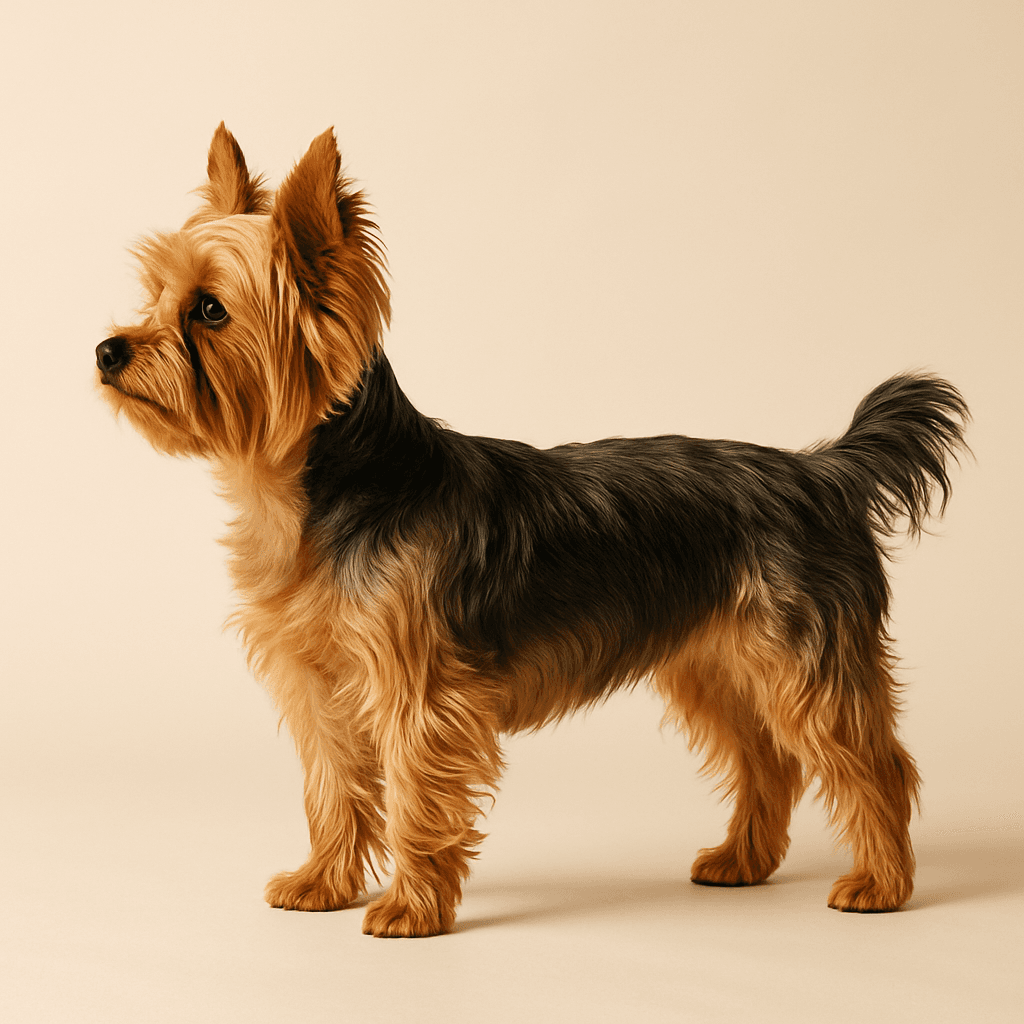
Their most striking feature is the coat: a long, silky, steel-blue and tan hair that grows continuously and requires either daily brushing and regular professional grooming to maintain in full length, or a practical shorter puppy trim that most pet owners find far more manageable. Either approach is entirely valid.
Yorkshire Terriers are affectionate with their family and often strongly bonded to one person. They tend to be alert and will announce visitors and changes in their environment with enthusiasm. This alerting behaviour can be managed with training but is a breed characteristic. In flat or terraced house living, this is worth considering.
Health-wise, the breed has several conditions to be aware of. Luxating patella (a slipping kneecap) is common in small breeds and very prevalent in Yorkshire Terriers. Legg-Calvé-Perthes disease, tracheal collapse and portosystemic shunts are also seen. Responsible breeders should be eye testing and assessing for luxating patella in breeding stock.
Yorkshire Terriers are one of the longer-lived breeds, with typical lifespans of 13 to 16 years. Purchase prices from KC-registered breeders range from £600 to £1,500, though very small or so-called 'teacup' Yorkshire Terriers bred for extreme miniature size carry significantly greater health risks and should be avoided.
For the right owner, the Yorkshire Terrier offers enormous personality and genuine devotion in a compact package. Their long lifespan means this is a commitment of 13 to 16 years: approach it seriously, invest in training and socialisation from puppyhood, commit to the grooming routine, and manage the health conditions proactively. The Yorkshire Terrier has been one of Britain's most popular small dogs for over a century, and its enduring appeal reflects just how rewarding the breed is in the right hands. Avoid breeders advertising very small or teacup Yorkshire Terriers: dogs bred for extreme miniature size have significantly elevated health risks including hypoglycaemia, fragile bones and organ crowding. A Yorkie of standard size from a health-conscious breeder will always be the better long-term choice. Their terrier spirit and long lifespan, combined with adaptability to urban living, ensure the Yorkshire Terrier will remain one of the UK's most beloved small breeds for generations to come.
Temperament & Personality
Yorkshire Terriers have far more personality than their size would suggest. They are confident, curious and unintimidated by dogs or situations much larger than themselves. This courage is admirable but can create management challenges: a Yorkie that launches itself at a large dog in assertive greeting is not reading the room safely.
They bond closely with their family and are typically devoted, affectionate companions. Many Yorkshire Terriers form a particularly strong attachment to one person. This devotion can tip into separation anxiety if the dog is not taught from puppyhood that periods of independence are safe and normal.
They are alert watchdogs and will bark at anything they deem notable. This alerting behaviour is genuine and breed-typical: with training it can be managed to a level that is not disruptive, but it cannot be eliminated entirely. In close-quarters living situations, this should be discussed with any prospective owner.
Yorkshire Terriers get on reasonably well with other dogs they know but can be selective with unfamiliar dogs, particularly larger ones that they perceive as threatening or too boisterous. Early socialisation from puppyhood is important. With children, they are best suited to households with older children who interact gently: a Yorkie is small enough to be injured by rough handling from a toddler.
Their terrier independent-mindedness means training requires patience and food motivation. They are capable learners when motivated but will disengage if training becomes boring or feels coercive.
Training
Yorkshire Terriers are intelligent and food-motivated but have a terrier's independent streak. Training works well when sessions are short, highly rewarding and varied. Repetitive or forceful training produces a Yorkie that simply refuses to engage.
Four priorities for a new Yorkshire Terrier owner:
- Bark management. Alerting bark is breed-typical but training a reliable quiet cue from puppyhood keeps it within manageable limits. Reward calm behaviour actively: do not inadvertently reward barking with attention.
- Harness not collar. Yorkshire Terriers should always walk on a harness due to their susceptibility to tracheal collapse. Even mild coughing on a collar can worsen tracheal vulnerability. Introduce the harness as a positive experience from puppyhood.
- Socialisation. Thorough positive exposure to people, environments and other dogs during the 8 to 16 week window is important. Well-socialised Yorkies are confident and adaptable; under-socialised ones can become reactive or snappy.
- Toilet training. Yorkshire Terriers can be slow to housetrain. Consistency, a strict routine and patience are essential. Cold or wet weather can make Yorkies reluctant to go outside: this requires persistent encouragement rather than accommodation.
Common mistakes: Carrying the Yorkie everywhere and protecting it from all challenge. This creates an anxious dog that cannot cope independently. A confident, well-socialised Yorkshire Terrier is a far more enjoyable companion than a poorly socialised one.
Good to know
Exercise Needs
Yorkshire Terriers need around 45 minutes to one hour of exercise per day. Despite their small size, they are active and curious dogs that enjoy outdoor exploration. They should not be underestimated as low-energy pets.
Exercise should be on a harness, never a collar, due to tracheal collapse risk. Walks should be at a pace comfortable for the dog: most Yorkies move at a brisk trot and tire faster than medium or large breeds on long routes.
Most Yorkshire Terriers enjoy off-lead play in secure gardens or enclosed areas. Their terrier recall is variable in environments with interesting scents or small animals: maintain reliable recall or use enclosed areas for off-lead activity.
Puppies should follow the five minutes per month of age guideline twice daily to protect developing joints, particularly given the breed's luxating patella susceptibility. Avoid rough play that involves jumping and twisting.
Mental stimulation through gentle scent games and short training sessions keeps the terrier mind engaged without physical strain.
Health & Vet Costs
Yorkshire Terriers have several health conditions that are common in the breed and that owners should understand.
Luxating Patella (slipping kneecap) is extremely common in small breeds and particularly so in Yorkshire Terriers. The kneecap periodically slips out of its groove, causing the dog to skip or hold the leg up temporarily. Severe cases cause pain and require surgical correction costing £1,500 to £3,000 per knee. All breeding dogs should be assessed for luxating patella by a vet before mating.
Legg-Calvé-Perthes Disease affects the head of the femur (hip joint) in young small breeds, causing degeneration and pain. It typically presents before 12 months of age as lameness. Surgical treatment is usually successful but costs £1,500 to £3,000.
Tracheal Collapse is a progressive condition in which the cartilage rings of the trachea weaken, causing a characteristic honking cough during exercise or excitement. It is more common in small breeds. Management includes harness use (never collar), weight control, and in severe cases medication or surgical stenting.
Portosystemic Shunt is a liver condition seen in some Yorkshire Terrier lines where blood bypasses the liver, causing neurological symptoms and poor growth in puppies. It requires specialist veterinary management.
Progressive Retinal Atrophy (PRA) causes gradual vision loss. A DNA test is available for the relevant form in the breed.
Monthly insurance typically costs £25 to £50. Lifespan is 13 to 16 years.
Feeding & Nutrition
Yorkshire Terriers are prone to weight gain if not managed, and obesity in a small breed with luxating patella risk places significant additional strain on already vulnerable joints. Keeping a Yorkie lean is important for long-term joint and tracheal health.
Feed a complete, high-quality food appropriate for small breeds and measure portions carefully. Do not free-feed. Small breeds benefit from two or three smaller meals rather than one large daily feed to maintain blood sugar stability (hypoglycaemia can occur in very small or young Yorkshire Terriers).
Dental health is particularly important in small breeds where teeth are crowded. Dental chews and regular toothbrushing should be part of the routine alongside appropriate nutrition. Fresh water should always be available.
Feeding your Yorkshire Terrier
How much to feed, which food types suit this breed, and what to avoid.
Grooming & Care
The Yorkshire Terrier's coat is one of its most defining features and one of the most demanding to maintain. The full show coat requires daily brushing to prevent matting and regular professional grooming. Most pet owners choose a shorter puppy trim, typically maintained by a professional groomer every six to eight weeks, which is far more practical.
Even in a shorter clip, weekly brushing is needed. The fine, silky texture of the Yorkie coat tangles readily around the ears and under the legs.
The topknot (hair on top of the head) needs to be secured or trimmed to keep it clear of the eyes: hair that rests on the cornea causes irritation and can damage eye health.
Ears should be checked weekly and cleaned with a veterinary ear cleaner as needed. Nails should be trimmed every three to four weeks: small dogs that spend time indoors often do not naturally wear their nails down. Teeth should be brushed daily if possible: dental disease is very common in Yorkshire Terriers and prevention is far preferable to treatment. Baths every three to four weeks using a gentle dog shampoo.
Costs of Ownership
Purchase price: A KC-registered Yorkshire Terrier puppy from a responsible breeder typically costs £600 to £1,500 in 2025 to 2026. Avoid breeders advertising 'teacup' or very miniature Yorkshire Terriers: extreme miniaturisation increases health risk significantly. Rescue rehoming fees range from £100 to £350.
Setup costs: Crate, bedding, harness (never a collar), bowls, initial vet check, vaccinations, microchip and neutering typically total £350 to £600.
Monthly running costs:
- Food (small breed): £20 to £40
- Insurance (comprehensive lifetime): £25 to £50
- Professional grooming (averaged monthly): £20 to £35
- Routine vet care and parasite prevention: £15 to £25
- Total monthly estimate: £80 to £150
Annual estimate: approximately £960 to £1,800, before unexpected vet costs.
Lifetime costs: With a lifespan of 13 to 16 years, total lifetime costs typically range from £13,000 to £25,000. Dogs requiring patella or Legg-Calvé-Perthes surgery will incur significant additional costs.
Estimated cost breakdown
Estimates based on UK average costs. Actual costs vary by location, vet, and lifestyle.
Owner note
Is your Yorkshire Terrier insured?
Yorkshire Terrier insurance typically costs £15–£40 per month depending on age, cover level and where you live. Getting the right policy before your first vet visit is one of the most important decisions you will make as a new owner.
Compare dog insuranceWe may earn a commission if you buy through our links. This never influences our recommendations.
Where to Find a Yorkshire Terrier in the UK
Whether you are looking for a Yorkshire Terrier puppy from a responsible breeder or hoping to give a rescue Yorkshire Terrier a second chance, there are reliable routes to finding the right dog. The most important thing is that you find them through the right channel — one that puts the dog's welfare first.
Finding a Yorkshire Terrier Puppy
The Kennel Club's Find a Puppy service is the safest starting point for anyone looking for a Yorkshire Terrier puppy. It connects buyers with breeders who register their litters and allows you to verify parental health test results.
For Yorkshire Terriers, the relevant breed club is Yorkshire Terrier Club. They maintain a breeder register and can be contacted directly for recommendations.
Before you commit, read our complete guide to finding a puppy responsibly — including the red flags that separate an ethical breeder from a puppy farm.
Read the Puppy Buying GuideRescuing a Yorkshire Terrier
Yorkshire Terrier-specific rescue organisations are run by people who know the breed inside out. They assess every dog carefully and match them to homes that genuinely suit their needs. Waiting lists exist but are worth it.
Key Yorkshire Terrier rescues in the UK include:
Our rescue guide covers the full adoption process in detail.
Find a Rescue DogIs a Yorkshire Terrier Right for You?
Well suited to: urban and flat dwellers (Yorkshire Terriers adapt well to smaller living spaces with their modest exercise needs); owners wanting a characterful small companion; households with older children who interact gently; those who enjoy grooming and coat maintenance.
Not suited to: households with very young children who handle dogs roughly; owners unwilling to commit to regular grooming or professional appointments; those who cannot manage a breed-typical alerting bark.
Flat suitability: good for a well-trained, quiet-ish individual. The alerting bark needs active management in close-quarters living. Yorkshire Terriers are otherwise well-suited to flat life given their modest exercise requirements.
The Yorkshire Terrier suits an owner who appreciates a bold, loyal companion in a small package and is prepared for the grooming commitment and health monitoring this spirited terrier requires.
Frequently Asked Questions
Yes, Yorkshire Terriers make excellent family companions and are good with children when properly socialised. Their small size and affectionate nature make them well-suited to family life, though supervision with very young children is recommended due to their delicate build.
Yorkshire Terriers require around 30-45 minutes of exercise per day, which can be achieved through daily walks and indoor play. Despite their small size, they have moderate energy levels and enjoy mental stimulation through games and training.
Yorkshire Terriers are low shedders, making them a good choice for those concerned about loose hair around the home. However, their long coat requires regular grooming to maintain its condition and prevent matting.
Yorkshire Terriers are intelligent and eager to please, which makes them relatively easy to train. They respond well to positive reinforcement and consistent, patient training methods, though they can be stubborn at times.
Yorkshire Terriers typically live between 13-16 years, making them a long-lived breed. With proper care, nutrition, and regular veterinary check-ups, many live well into their senior years.
Monthly costs for a Yorkshire Terrier typically range from £80-£130, covering food, grooming, and routine care. Professional grooming is a significant expense due to their high-maintenance coat, which may need trimming every 6-8 weeks.
Yes, Yorkshire Terriers are suitable for first-time owners due to their affectionate nature and trainability. However, prospective owners should be prepared for the commitment required for their grooming needs and be aware of their spirited, sometimes stubborn temperament.
Related Breeds
Cavalier King Charles Spaniel
The Cavalier King Charles Spaniel is an affectionate, gentle toy breed suited to family life. It carries high rates of M...
View breed guide →Maltese
The Maltese is a small, elegant toy breed with a long white coat requiring daily brushing and regular professional groom...
View breed guide →Shih Tzu
Shih Tzus are affectionate Utility Group companion dogs with brachycephalic health needs including BOAS and eye conditio...
View breed guide →Related Guides
Find local services for your Yorkshire Terrier
Search verified UK listings for vets, groomers, trainers and walkers near you.
Upcoming events for Yorkshire Terrier owners
Championship Show
Darlington Dog Show Society Championship Show 2026
18 to 20 September 2026 · Ripon, North Yorkshire
Companion Show
Paws in the Park — Kent 2026
19 to 20 September 2026 · Maidstone, Kent
Championship Show
Belfast Dog Show Society Championship Show 2026
26 to 27 September 2026 · Lisburn, County Antrim
Festival
DogFest at the Palace 2026
3 to 4 October 2026 · Woodstock, Oxfordshire
Championship Show
South Wales Kennel Association Championship Show 2026
8 to 11 October 2026 · Builth Wells, Powys