
York
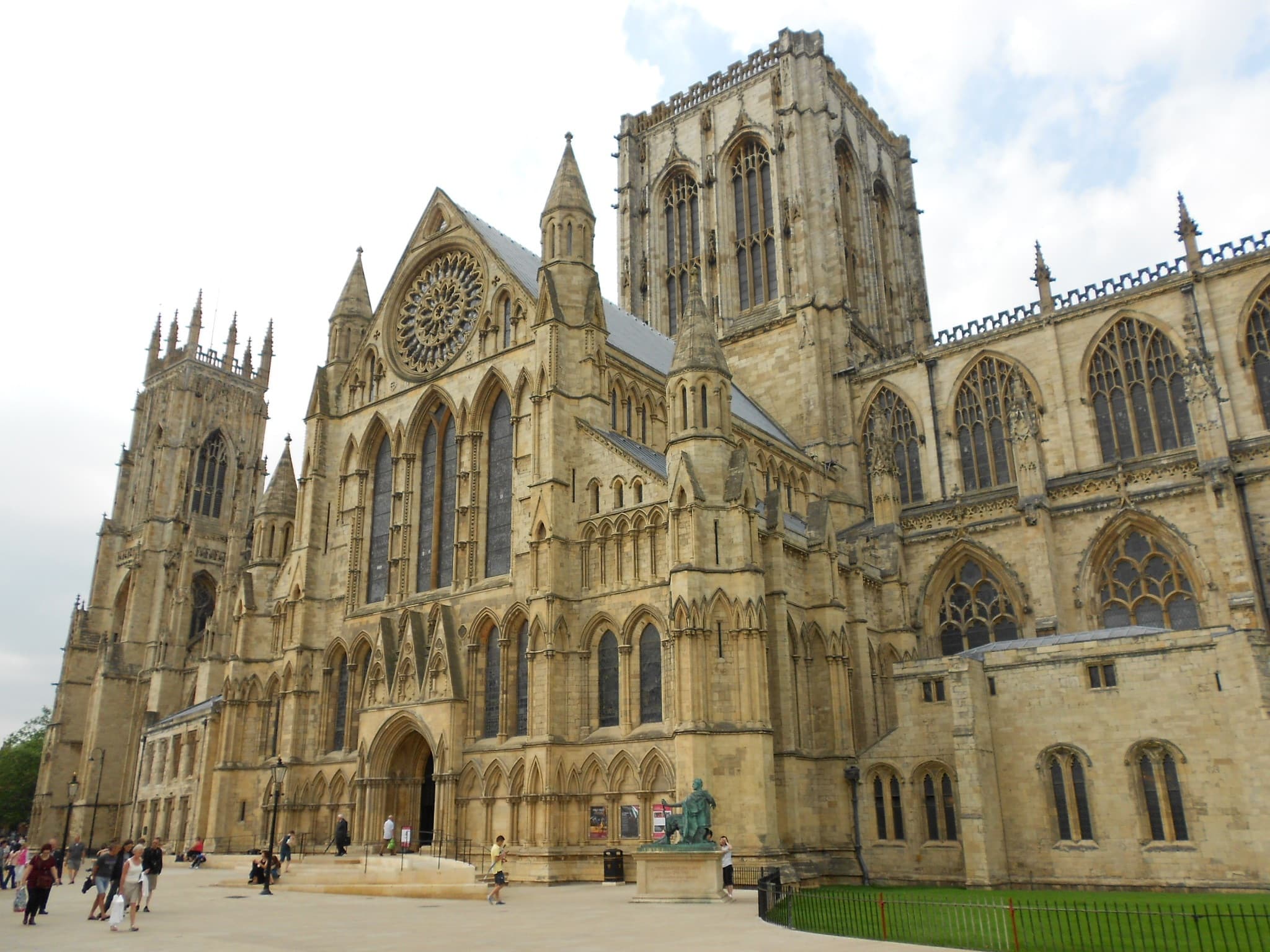
York is one of the most complete medieval cities in England, encircled by 2.5 miles of intact city walls dating from the 14th century and centred on a Minster that took over 250 years to build. The Romans founded it in AD 71 as their northern military headquarters, the Vikings held it for much of the 9th and 10th centuries, and the Normans built a castle that still stands above the river. The result is a city where the history is not curated into one or two sites but distributed across the streets themselves.
Taking your dog to York
- Dog-friendly pubs & cafes
- 30
- Nearby towns
- 4
Always check ahead before travelling
Closest: Knaresborough, 15.9 miles
York is a cathedral and walled city in North Yorkshire, founded by the Romans as Eboracum in AD 71 and occupied continuously since. The city served as Rome's northern military headquarters until the Roman withdrawal around AD 400, was subsequently a Viking settlement known as Jorvik, and was incorporated formally as a city in the 12th century. For a period after the Norman Conquest it was considered second only to London in size and importance among English cities.
What should you see on a weekend in York?
The medieval fabric is the central argument for a weekend here. The city walls, 2.5 miles in circumference and dating primarily from the 14th century, can be walked almost in their entirety and take around two hours at a comfortable pace. York Minster, the largest Gothic cathedral in England north of the Alps, was built between the 13th and 15th centuries and dominates the skyline from most directions. Entry to the Minster is ticketed and includes access to the Chapter House, the crypt, and, if you want the views, the tower.
The Shambles, a narrow medieval street of timber-framed buildings recorded in the Domesday Book of 1086, is the most photographed street in the city. The original buildings date from around 1350 to 1475 and were designed as butchers' shops, with the overhanging upper floors creating a canopy effect and the sloping floor designed to drain waste. Today it is lined with independent shops and has become a focal point for York's increasing reputation as a food destination.
The Jorvik Viking Centre, built on the excavated site of a Viking-age neighbourhood discovered during construction in 1976, offers a different kind of historical encounter: a reconstruction of 10th-century streetscapes with period artefacts and smells. It works better than it sounds.
Where should you eat and drink in York?
For food and drink, the city centre and the Shambles Market area hold a concentration of independent cafes, bakeries, and restaurants. The Humber Street area and various independent chocolatiers reflect York's long association with confectionery manufacturing.
York works well for families because of the variety of attractions, for history enthusiasts at any level of specialisation, for couples who want a city break with genuine depth, and for walkers who want the rare pleasure of a medieval city circuit still accessible on foot.
Dog-friendly stays in York
Find verified dog-friendly cottages, lodges and holiday parks. Every property listed genuinely welcomes dogs, not just tolerates them.
Powered by Snaptrip and Hoseasons. Affiliate partners.
Know a great spot in York?
Help other dog owners discover the best places. Your local knowledge makes this guide better.
York: common questions
Can I walk my dog on York's city walls?
Where can my dog go off the lead in York?
Are dogs allowed in York's Museum Gardens?
Part of a bigger adventure
Explore more of Yorkshire
York is one of many dog-friendly destinations across Yorkshire. See the full regional guide.
Explore Yorkshire