Active dog essentials UK: gear for high-energy and working dogs
Most dogs need a walk. Active dogs need equipment that keeps up with them. This kit is for high-energy breeds, working dogs, and owners who do more than a pavement circuit twice a day. Everything here is chosen for performance and durability, not for the lifestyle image on the packaging.
What this guide covers
Harness and control
Active and working dogs need equipment that keeps up with them. A harness that restricts shoulder movement is a performance problem as much as a welfare one. For off-lead work, GPS tracking is not optional.
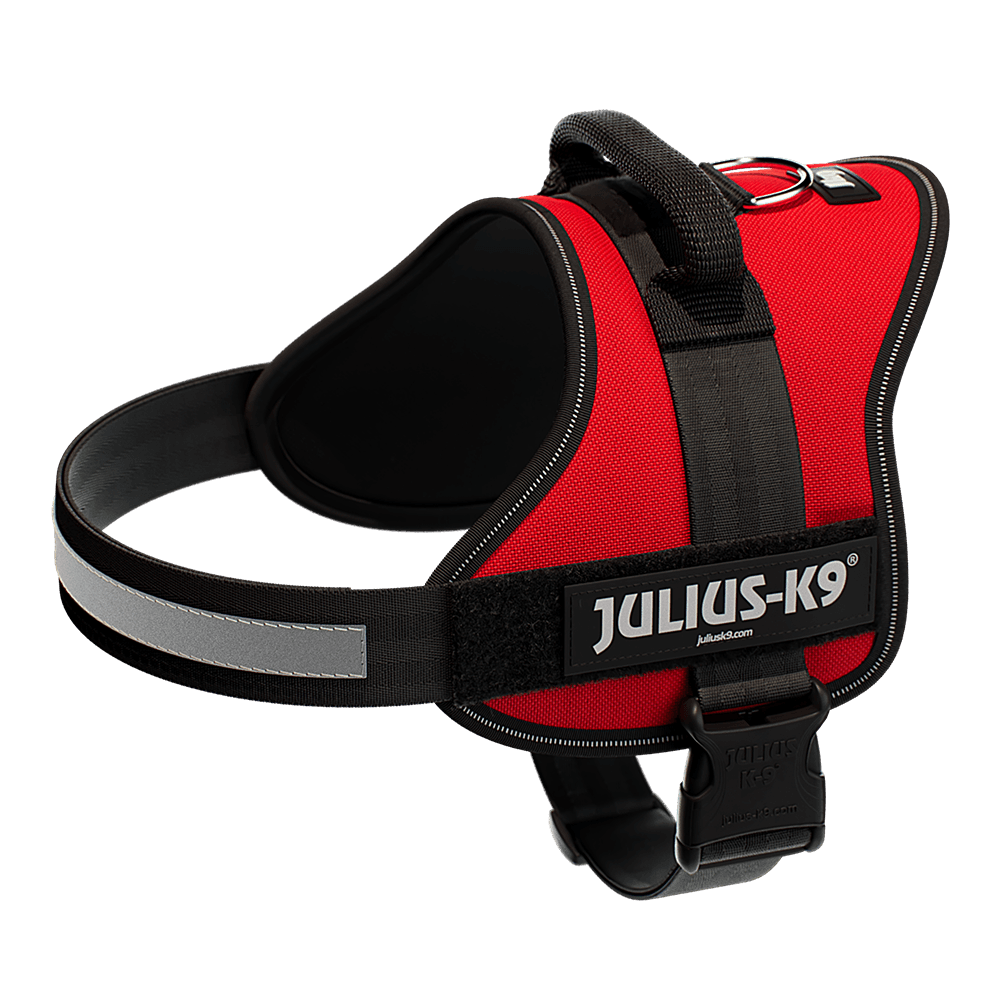
The working harness standard for active dogs in the UK.
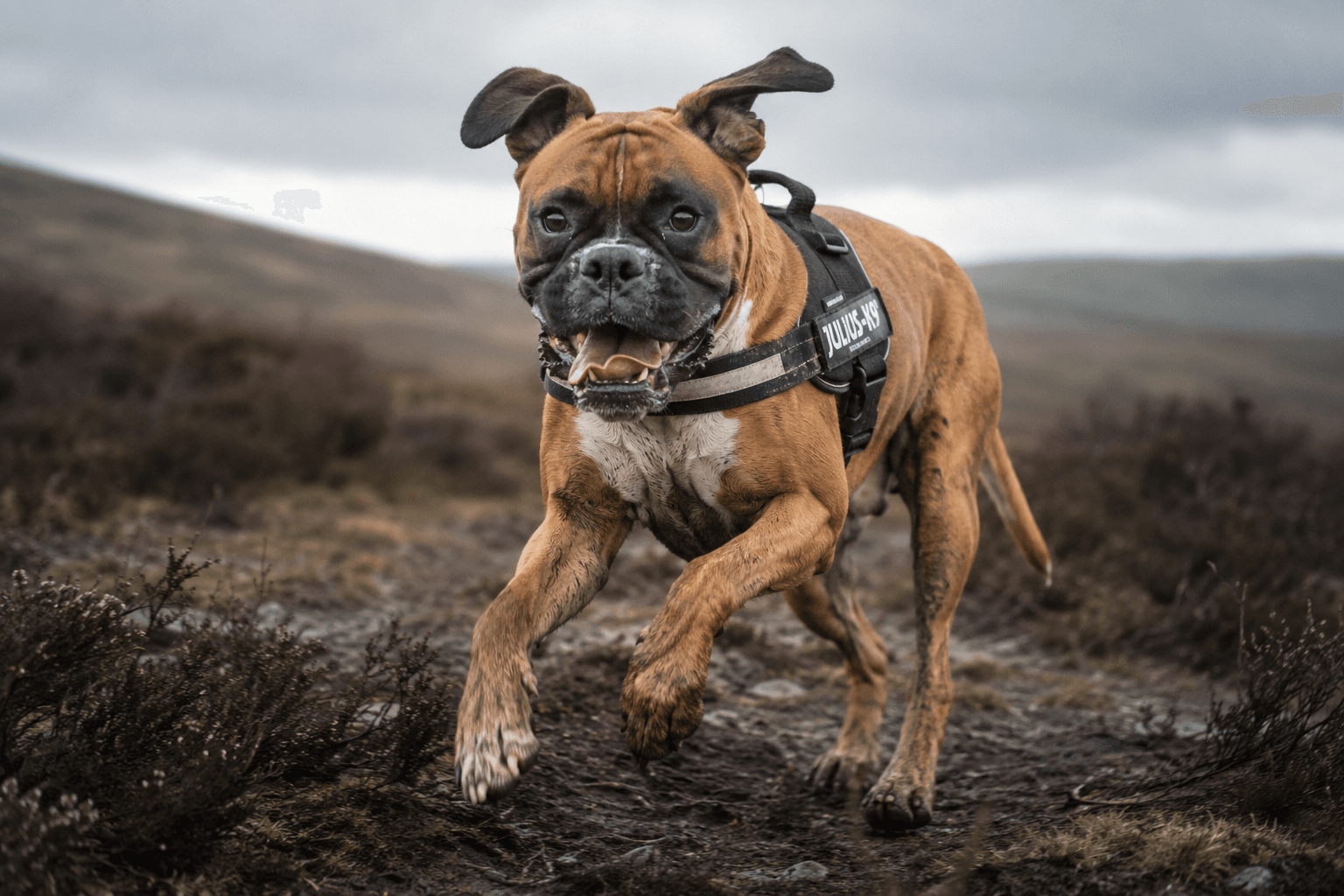
The Julius-K9 is the standard working harness for active dogs across UK canicross, search and rescue, and sporting dog communities. The padded chest plate and wide belly band distribute pressure without restricting the forward shoulder movement that active dogs need. The back handle gives immediate control without interrupting movement. The honest caveat: the velcro side patches collect mud and debris on active dogs; clean after every muddy walk.
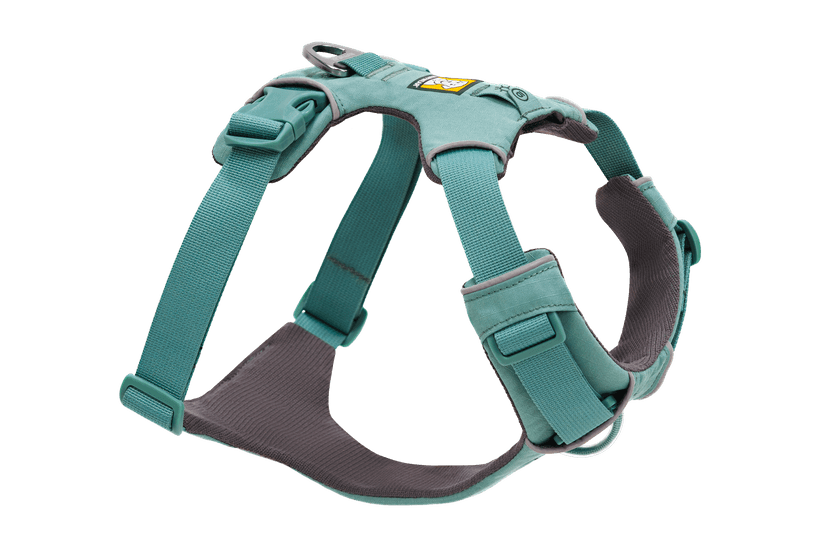
The most versatile active harness for varied terrain and weather conditions.
Four adjustment points give a fit that holds position during running, scrambling, and rough terrain without slipping sideways. The dual-clip design allows front or back attachment depending on whether you are managing pulling or working with a trained dog. Padded chest and belly straps work under a dog coat in winter. The honest caveat: it is not the right harness for dogs that spend most time in water; the padding retains moisture and takes time to dry.
The training tool that gives an active dog freedom without losing control.
For high-energy dogs whose recall is still being trained, a 10-metre long line gives genuine freedom to run without the risk of a failed recall in a dangerous environment. Used by sporting dog trainers as a standard training tool. The honest caveat: do not use a long line with a flexi-lead reel; the variable tension confuses recall training and the locking mechanism can break under load from an active dog.
Fetch, chase and play
Active dogs need high-intensity physical play as well as structured exercise. Fetch extends the physical output of a walk significantly without requiring additional owner effort. The right equipment makes the difference between a retrieving session that tires the dog and one that barely touches the sides.
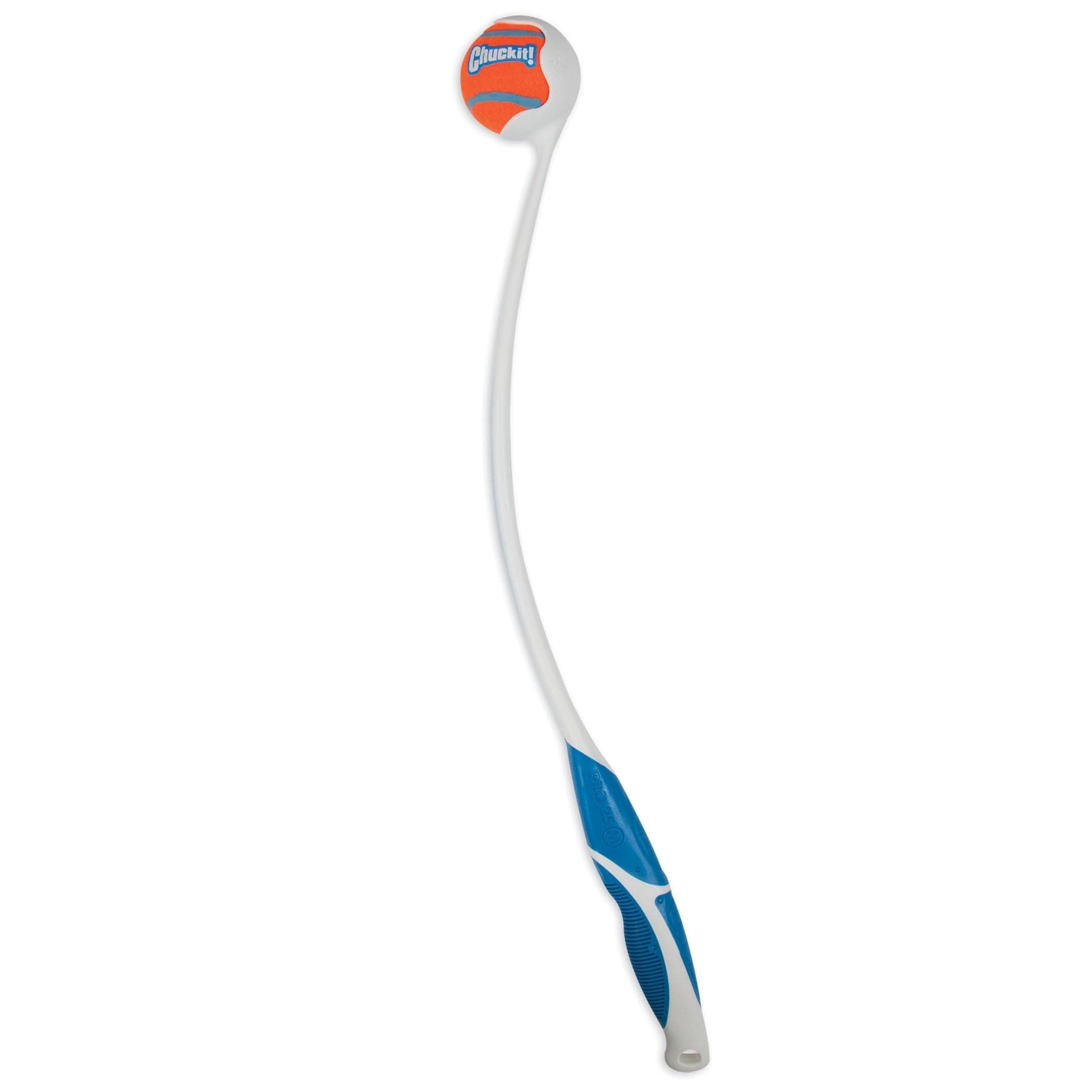
Doubles your throwing distance and halves the time needed to tire a high-energy dog.
Doubles throwing distance to 50 to 60 metres without effort, and picks up the ball without hand contact. For high-energy breeds, this additional range is the difference between a dog that is genuinely tired and one that is barely warmed up. The honest caveat: not suitable for dogs that are obsessive fetchers with compulsive behaviour around the ball; structured fetch with multiple rest breaks is safer than open-ended sessions.
The right size Chuckit for large and giant breeds.
The large version for bigger dogs who need a larger ball to carry comfortably. Reaches similar distances to the medium but with a ball sized for breeds over 25kg. The honest caveat: check that the ball size is appropriate for your dog; a ball that is too small is a choking hazard for large breeds.
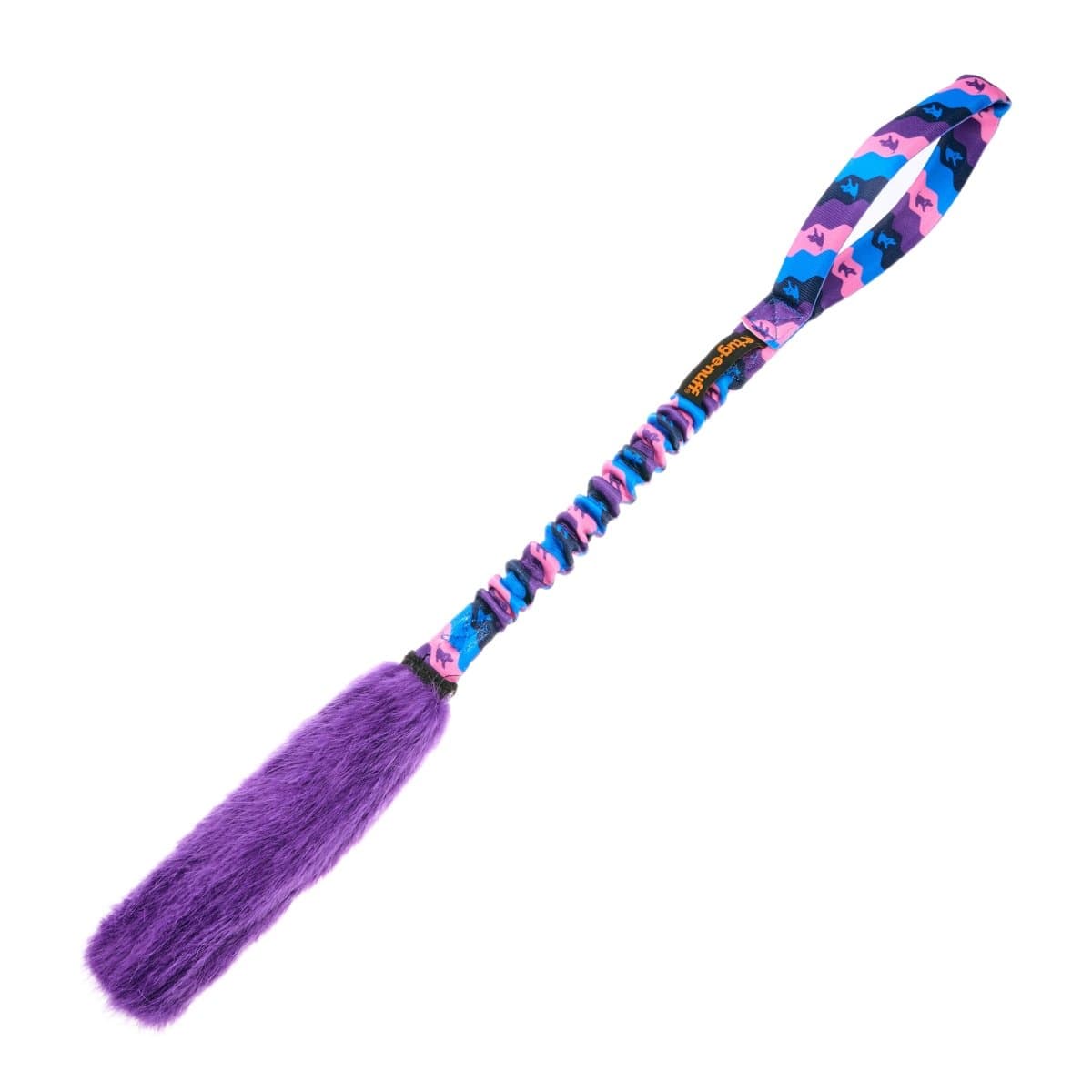
The play reward that drive-heavy working breeds respond to more than food.
A high-value tug toy used by working dog trainers and competitive obedience handlers as a reward tool and play outlet. More effective than treats for drive-heavy breeds including Belgian Malinois, Border Collies, and German Shepherds, where the play reward builds engagement faster than food. Made in the UK. The honest caveat: tug should always be played with clear start and stop rules; a dog that cannot release on command is a dog that should not be playing tug.
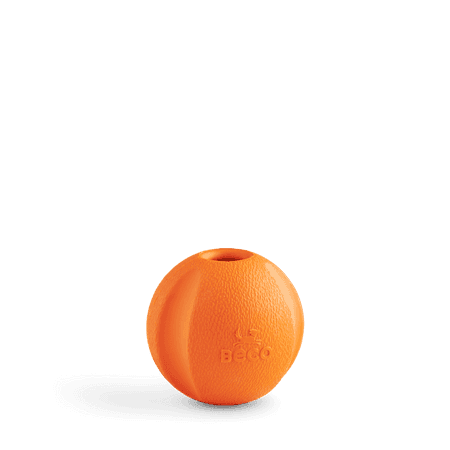
A durable, non-toxic alternative to tennis balls for dogs that destroy them.
A natural rubber ball with a squeaker that holds up to the bite pressure of active dogs significantly better than tennis balls, which shed toxic fuzz and degrade quickly under hard use. Available in medium and large. The honest caveat: no ball is indestructible; check regularly for damage and replace when the surface starts breaking down.
GPS and safety
An active dog that is regularly off-lead in open country, woodland, or moorland is at material risk of becoming separated from their owner. GPS tracking removes that risk. It is not a luxury for active dog owners; it is basic risk management.

The most cost-effective GPS tracker for UK active dog owners over two years.
A UK-designed GPS tracker with no monthly subscription fee for basic tracking, which makes it significantly cheaper to run than most competitors over a two-year period. Lightweight enough for medium and large breeds without affecting movement. Tracks live location via the PitPat app. The honest caveat: battery life is 7 to 10 days which requires weekly charging; the subscription-free model applies to basic tracking only and some advanced features require a paid plan.
Makes an active dog visible in low-light rural environments where it matters most.
Active dogs walked in early mornings or evenings in autumn and winter need to be visible. The Ruffwear Luminary uses an LED strip that makes the dog visible from several hundred metres in low light, which matters on rural paths, country lanes, and moorland with vehicle access. The honest caveat: the collar is for visibility, not recall; a dog that does not return reliably needs long-line work before off-lead evening walks.
Food and fuel
Active dogs have significantly higher calorie and protein requirements than sedentary dogs of the same weight. A dog doing two hours of exercise daily needs roughly 40 per cent more calories than the standard feeding guide suggests. Underfeeding an active dog produces poor coat, muscle loss, and reduced performance.

The food format that consistently produces the best physical condition in active dogs.
Raw feeding produces the most consistent improvements in coat condition, muscle tone, and energy output for active dogs, where the quality of protein matters more than it does for sedentary dogs. Bella and Duke supply pre-portioned frozen meals based on your dog's weight and activity level. The honest caveat: requires freezer space and careful handling; not suitable for immunocompromised households without veterinary guidance.
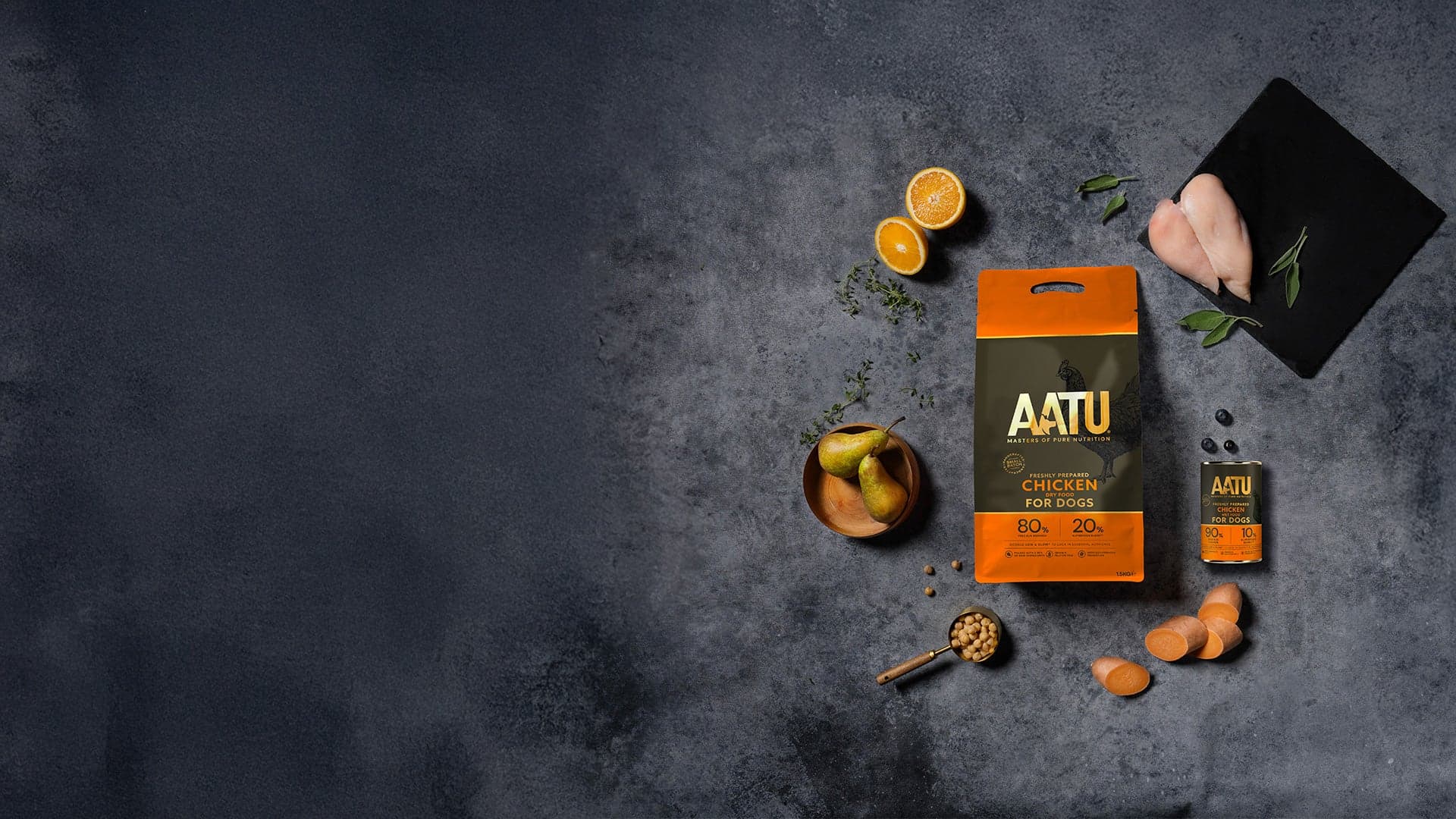
The highest-quality dry food option for active dogs who cannot be fed raw.
An 80 per cent meat content dry food with no artificial additives, grain-free, and with a high protein level appropriate for active dogs. A practical option for active dog owners who want the benefits of high-meat nutrition without the logistics of raw feeding. The honest caveat: high-meat, grain-free diets have been subject to an ongoing FDA investigation in the US into a possible link with dilated cardiomyopathy in dogs; discuss with your vet if your dog is a breed with cardiac risk.
Removes every excuse not to hydrate an active dog during exercise.
Active dogs dehydrate faster than sedentary dogs and most owners underestimate how much water a working dog needs during exercise. A travel water bottle that doubles as a bowl removes the barrier to regular hydration on walks. The honest caveat: clean the drinking trough section after every use; bacteria build-up in the trough is the most common maintenance failure with these products.
Recovery and after-walk
Active dogs get muddy, wet, and physically worked. Recovery equipment is not pampering; it reduces vet bills by managing the skin and coat damage that results from repeated wet-and-dry cycles, and keeps the car and home functional.
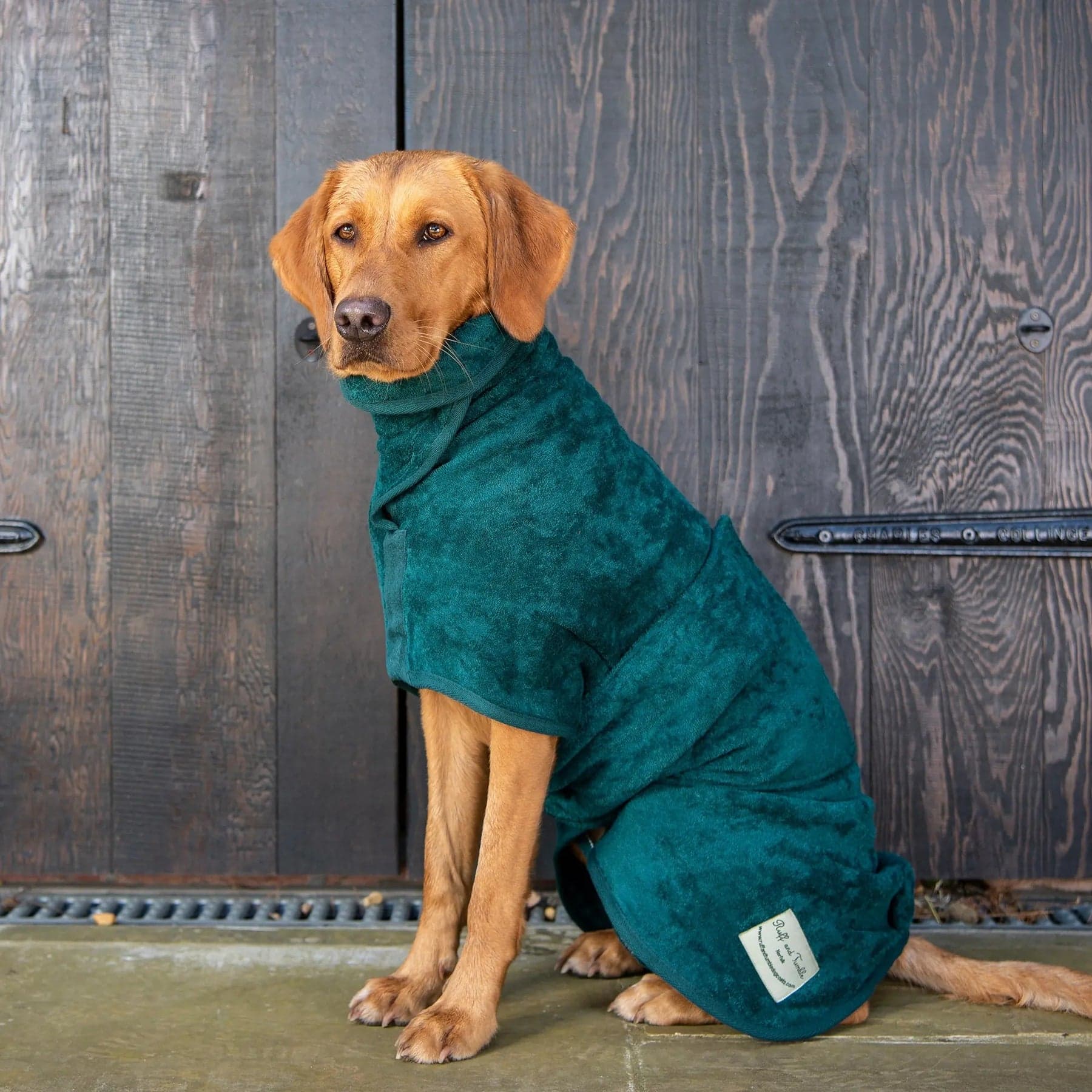
Gets a wet, heavy-coated active dog dry faster than any towel.
Microfibre towelling that absorbs water as the dog moves around post-walk, drying heavy-coated breeds in 15 to 20 minutes rather than the hour-plus of air drying. The standard choice among working dog owners and those with Spaniels, retrievers, and doodle types. The honest caveat: it dries the body but not the legs or paws; still need a towel for a complete post-walk routine on muddy dogs.
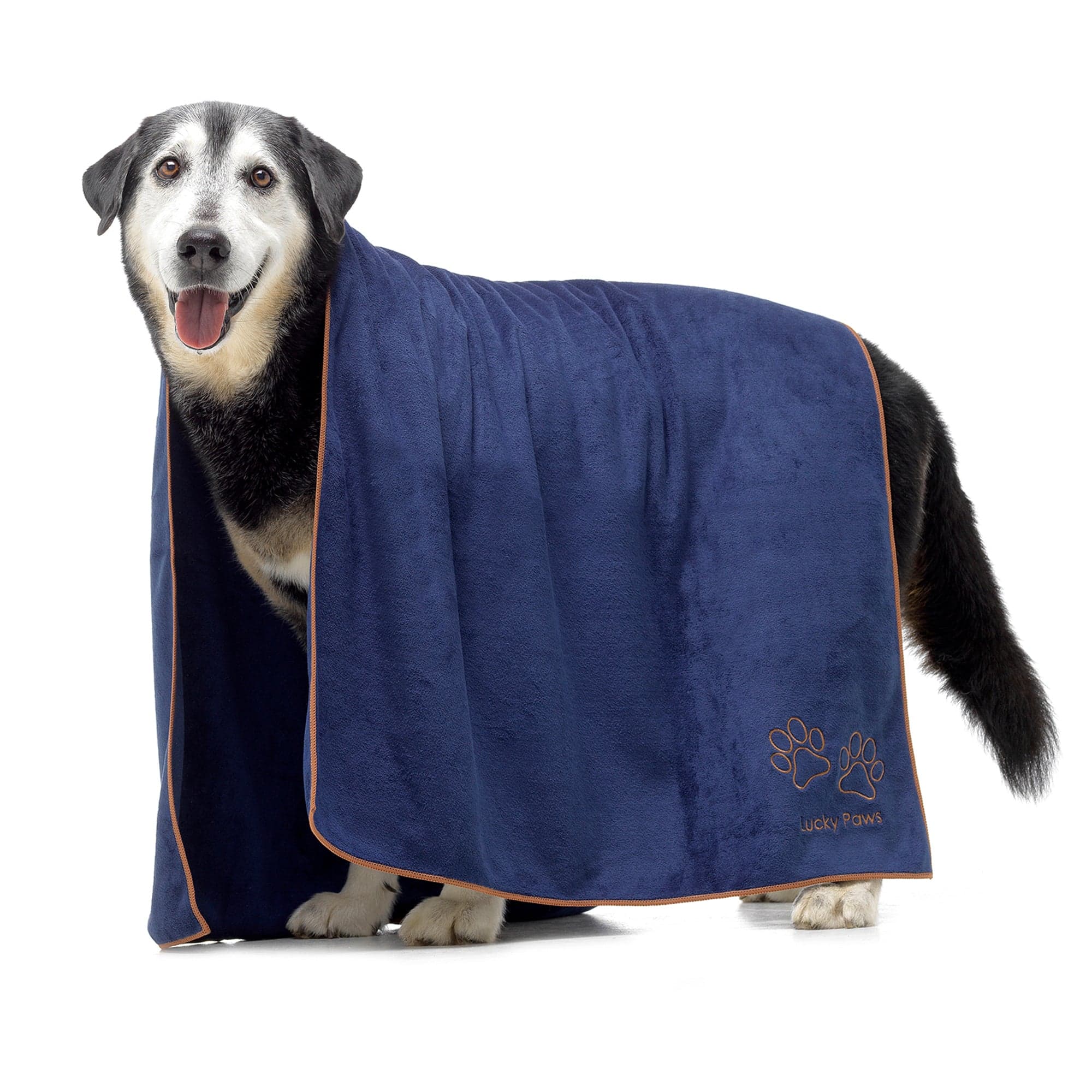
The right size and absorbency for post-walk drying of large active dogs.
An extra-large microfibre towel at 140x70cm that covers the whole body of most large dogs in a single wrap. Significantly more absorbent than a standard household towel and machine washable. The honest caveat: microfibre towels attract and retain hair over time; wash regularly and use a lint trap in the machine.
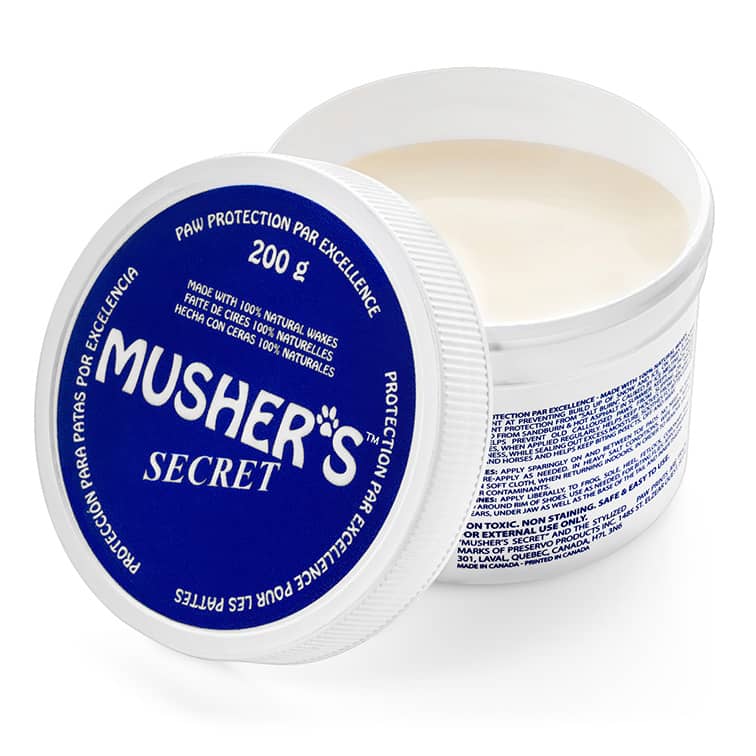
The paw maintenance product that prevents the cracked pads that active dogs develop over time.
Repeated exposure to wet ground, grit, and hard surfaces degrades paw pad condition over time in active dogs. Musher's Secret is a wax-based paw protector used by sled dog handlers and working dog owners to maintain pad integrity. Apply once or twice a week on active dogs. The honest caveat: it takes 30 seconds to apply and most dogs resist it initially; introduce with treats and it becomes a routine within a week.

The fast solution for post-walk maintenance on days when a full bath is not practical.
Thick, fragrance-free wipes for quick paw and coat cleaning after shorter walks when a full wash is not necessary. Removes mud, pollen, and environmental debris that accumulates on active dogs. The honest caveat: not a substitute for bathing; use for routine maintenance between proper washes.
Health and insurance
Active dogs carry higher injury risk than sedentary dogs: ligament damage, paw injuries, tick exposure, and muscle strains are all more common. Insurance that covers ongoing conditions rather than single incidents is the right choice for a dog in regular active use.
The insurer working dog owners choose for its cover depth on ongoing conditions.
Lifetime cover with higher per-condition limits, preferred by working dog owners and handlers because ongoing conditions such as cruciate ligament injuries and hip dysplasia require multi-year treatment that standard policies exhaust quickly. Strong reputation among UK sporting and working dog communities. The honest caveat: premiums are higher than standard insurers; the higher cover limit is the reason, and it represents better value for active dogs with higher injury exposure.

The correct tick removal tool for every active dog owner walking rural terrain.
Active dogs walked through grassland, woodland, and moorland are in the highest tick exposure category in the UK. The O Tom Tick Twister removes ticks by rotation rather than pulling, reducing the risk of leaving the mouthpart embedded. Check every active dog after every rural walk during tick season, which in the UK runs from March to October. The honest caveat: always check the removal site for several weeks and contact your vet if a rash or flu-like symptoms develop in you or the dog.
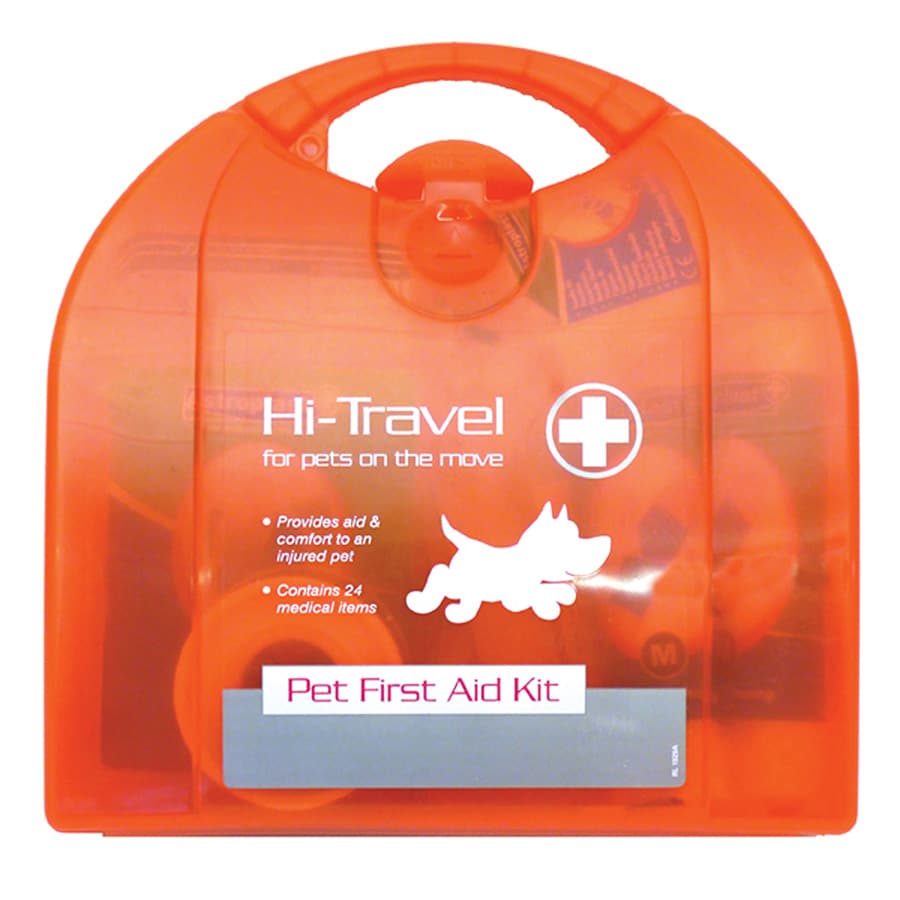
Non-optional for active dog owners walking in areas where vet access is not immediate.
Active dogs in rough terrain are more likely to sustain cuts, paw injuries, and minor trauma than dogs on pavements. A first aid kit in the car is essential for owners who regularly walk in remote or rural locations where veterinary access is not immediate. The honest caveat: a first aid kit manages the gap before veterinary care, not instead of it; always seek veterinary assessment for any wound beyond superficial.

Start joint support during peak activity years, not after the damage is done.
Active dogs accumulate joint wear over years of high-impact exercise. Starting joint supplementation during peak activity years, not only in old age, is the evidence-based approach to maintaining long-term joint health. YuMOVE is the most clinically studied joint supplement for dogs available in the UK. The honest caveat: requires 6 to 8 weeks of consistent daily dosing to assess effect; do not judge it on the first two weeks.
Woof & Woofer earns a small commission from some links on this page. This never influences our recommendations. Learn more.
More buying guides
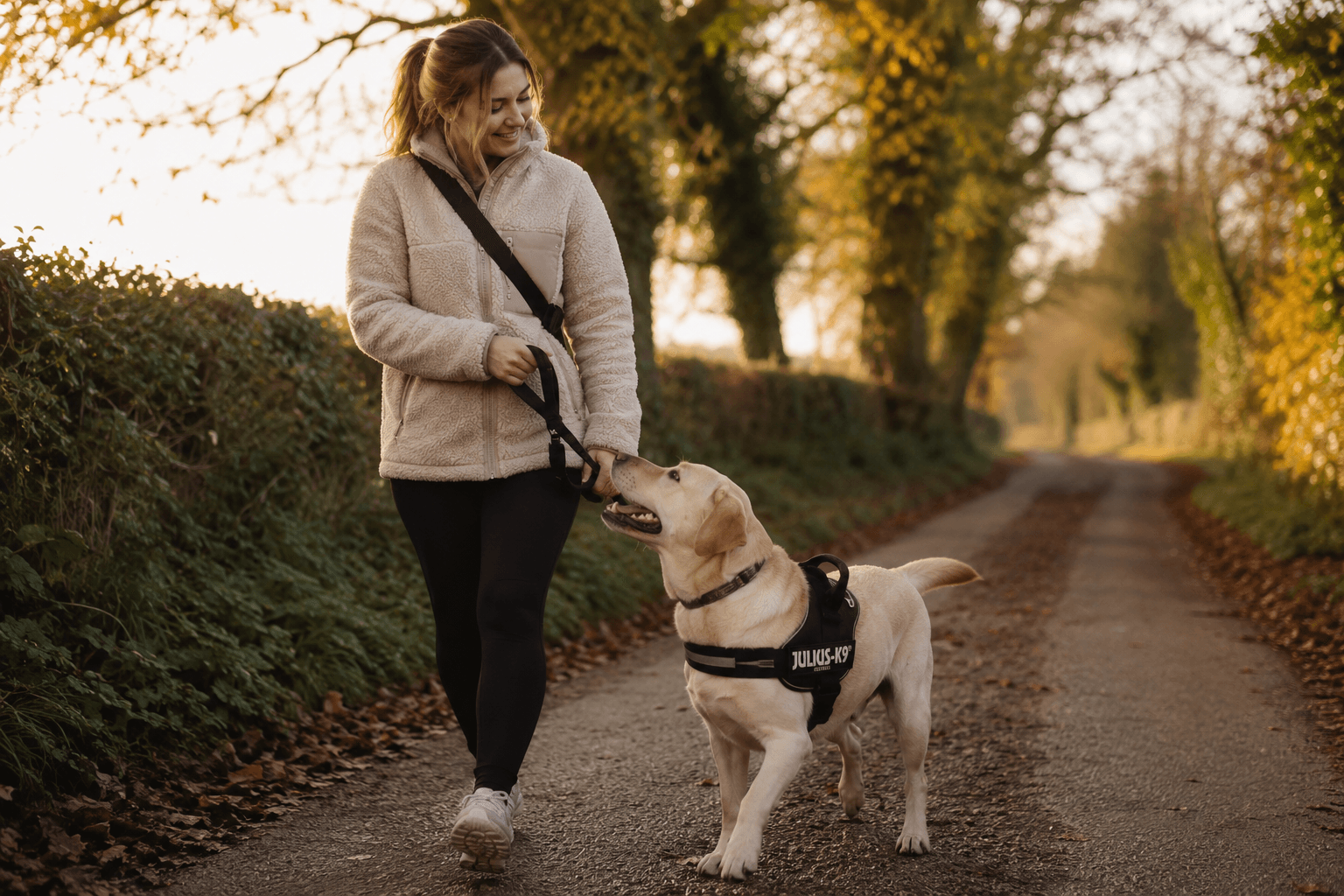
First dog essentials UK: everything you need
Getting a dog for the first time means buying before you know what you actually need. This kit covers the genuine essentials you will use from week one, plus the extras that prevent the most common first-dog mistakes. It works equally well for an adopted adult dog, a dog from a breeder, or an older puppy moving into its forever home.
Read the guide →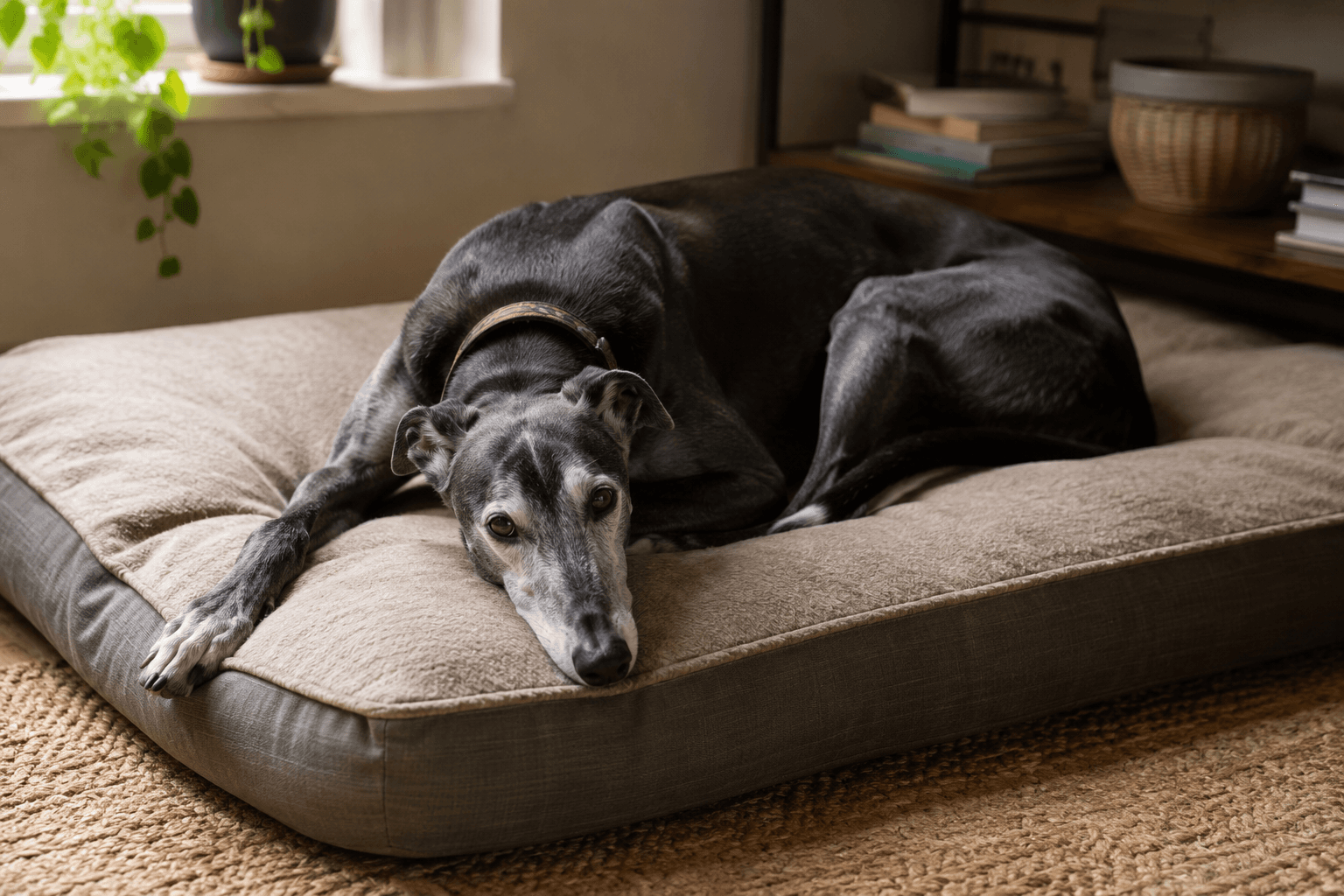
Senior dog essentials UK: what actually helps
Most senior dog products are repackaged standard products with a grey dog on the box. This kit covers what the evidence actually supports, from the only dog bed with peer-reviewed clinical data to the joint supplements UK vets recommend. Your dog cannot tell you they are in pain. These products help you manage what you cannot see.
Read the guide →
Anxious dog products UK: what actually helps
Most products marketed at anxious dogs do very little. This kit covers what is actually evidenced, what is useful in practice, and what to do first. For dogs with significant fear or reactivity, a referral to a qualified clinical animal behaviourist is the most important step. Everything here supports that process.
Read the guide →