

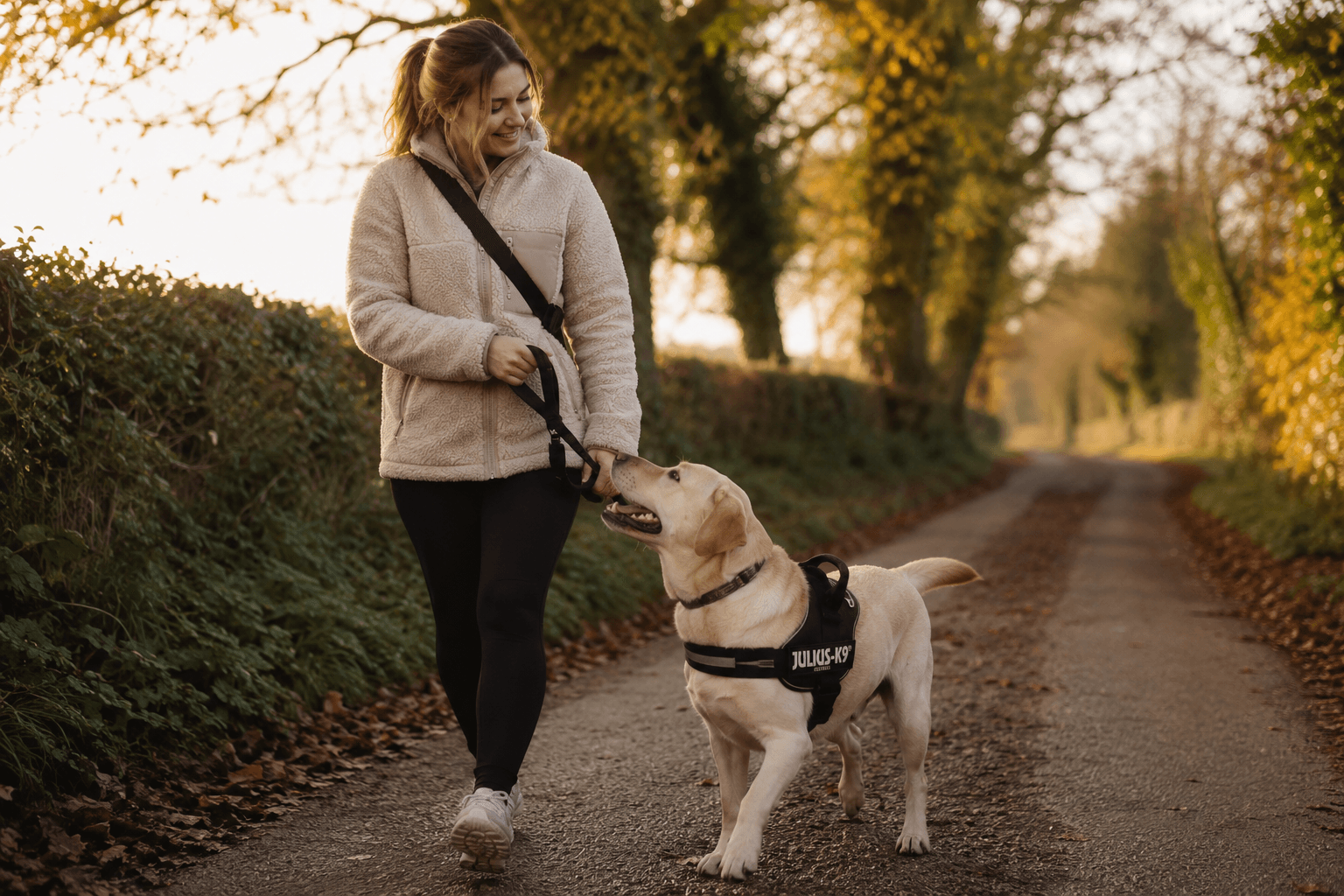
First dog essentials UK: everything you need
Getting a dog for the first time means buying before you know what you actually need. This kit covers the genuine essentials you will use from week one, plus the extras that prevent the most common first-dog mistakes. It works equally well for an adopted adult dog, a dog from a breeder, or an older puppy moving into its forever home.
What this guide covers
Identity and the law
An ID tag engraved with your name and address is a legal requirement in England, Scotland, and Wales whenever your dog is in a public place. Microchipping is also mandatory for all dogs over eight weeks old. Check with your breeder or rescue that the chip is registered before bringing the dog home.
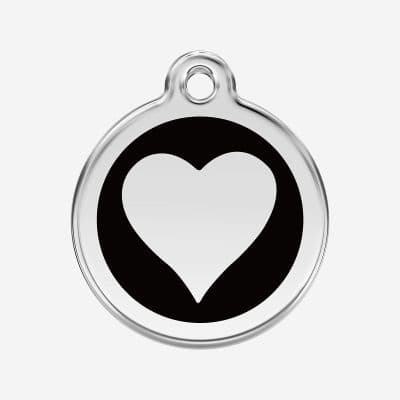
Durable, laser-engraved, and legally compliant from day one.
Red Dingo laser-engraves directly onto the tag rather than stamping, keeping contact details legible after years of collar hardware contact. Available in stainless steel, brass, and titanium with a wide range of shapes. The honest caveat: tags jingle against collar hardware; a silicone tag silencer costs under £2 and is worth adding to the order.
Walking and control
A harness distributes pressure across the chest and shoulders rather than concentrating it on the neck. For a first dog, a well-fitted harness is the safer daily walking choice, particularly during the training period. Add a long line before your dog has reliable recall.
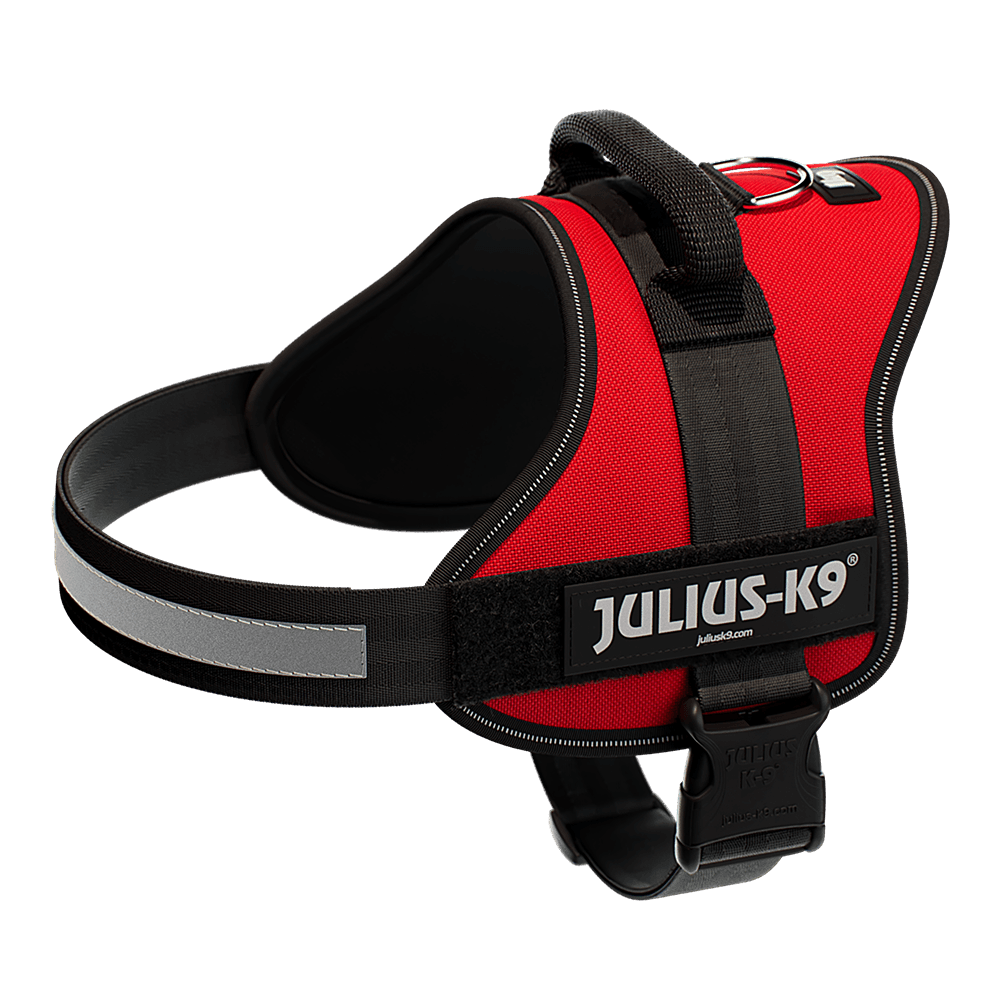
One of the most widely used working harnesses in the UK, built to outlast the first year.
A padded chest plate and wide belly band distribute pressure without restricting shoulder movement. The back handle gives useful control when a dog startles or pulls. Fits a wide range of medium breeds including Spaniels, Border Collies, and Staffies. The honest caveat: check the size guide carefully as the fit is precise rather than generous, and measure before ordering.
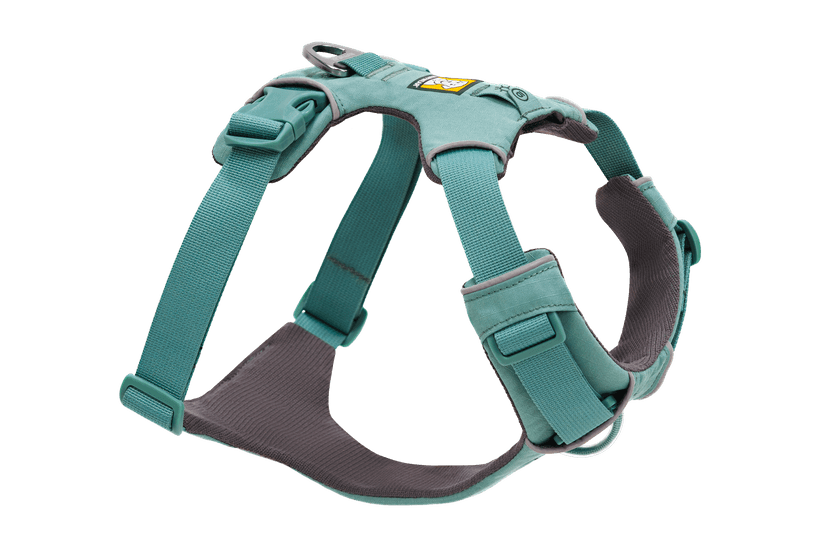
The best harness for a dog that will be worked hard across varied terrain.
Four adjustment points give a closer, more precise fit than most alternatives at this price. The central aluminium V-ring sits flush and does not shift sideways during pulling. The honest caveat: at £55-65 it is a significant outlay for a first harness; it is built to last years, but the Julius-K9 above is the better starting point if budget is a factor.
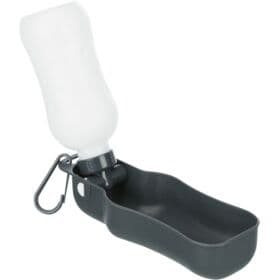
The most important piece of training equipment most first-dog owners never buy.
A 10-metre long line gives a dog freedom to sniff and move while keeping you in control before recall is reliable. Used by professional trainers as standard for the first six months with any dog. The honest caveat: long lines tangle and get muddy; do not use with dogs that have joint sensitivity as sudden stops on a long line carry significant force.

The standard choice for a reason.
Thick enough to use without puncturing, genuinely leak-proof, and the handle-tie closure means no tying a knot directly over the contents. At 120 bags per pack they last most owners several months. The honest caveat: not biodegradable in landfill conditions despite the packaging language; look for certified compostable alternatives if environmental impact matters to you.
Under £4 and solves a daily problem.
Clips to any lead, opens one-handed, holds a full roll. The kind of small friction removal that makes every walk easier. The honest caveat: the clip can work loose on narrow leads; check it is secure before each walk.
Sleep and rest
Most adult dogs sleep 12 to 14 hours per day. A bed that properly supports joints prevents the accumulated damage that shows up as stiffness and arthritis later in life. Buy the right bed once rather than working through cheaper ones.
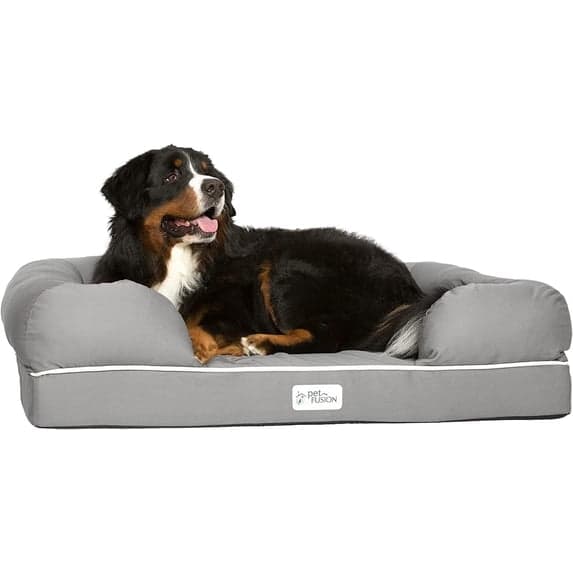
The bed that actually maintains its support rather than flattening in three months.
10cm of solid memory foam holds its support over years of daily use, unlike the shredded off-cuts inside most pet shop beds. The waterproof, machine-washable cover fastens with a zip and survives repeated washing. Suits medium to large breeds. The honest caveat: measure your floor space before ordering as it is genuinely large and is not suitable as a crate mattress.
The PetFusion in the right size for smaller breeds, with no compromise on quality.
Same solid memory foam construction and washable waterproof cover as the large, scaled for small breeds including French Bulldogs, Miniature Schnauzers, and Cavalier King Charles Spaniels. Dogs under 12kg will find this generously sized. The honest caveat: if your dog is likely to grow or spreads out when sleeping, consider sizing up.

The most durable and washable dog bed available in the UK.
Made in Scotland from veterinary-grade fleece used in vet practices and kennels. Wicks moisture away from the surface, machine washable at 60 degrees, and virtually indestructible against chewing. The honest caveat: it provides less joint cushioning than foam beds and is better suited to younger dogs or those without joint issues.

Functional, warm, and cheap enough to have several.
A machine-washable fleece blanket that travels well and survives repeated washing without significant pilling. Useful on sofas, in cars, and in crates. The honest caveat: not waterproof; buy two if you plan to use it in the car regularly so one is always available while the other is in the wash.
Feeding
Most adult dogs do well on two meals a day. Keep them on whatever food they have been eating for at least the first week, then transition gradually over seven to ten days to avoid digestive upset. Raise the bowl for large, deep-chested breeds to reduce bloat risk.
Functional, hygienic, and indestructible at a fraction of the price of branded alternatives.
Stainless steel resists bacterial build-up better than plastic and does not leach compounds into food or water. Non-slip rubber base reduces bowl sliding. Dishwasher safe. The honest caveat: no stand is included; large, deep-chested breeds prone to bloat benefit from a raised feeder, which should be added separately.
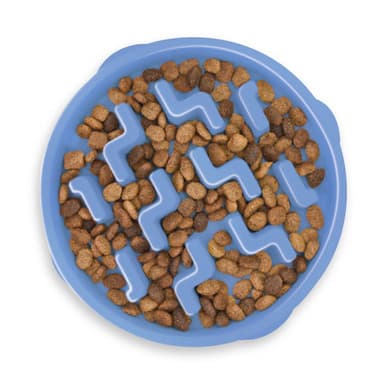
One of the highest-value welfare improvements per pound spent.
The maze-like ridge pattern slows eating from 30 seconds to several minutes, reducing bloat risk and providing a low-level enrichment task at every meal. Most dogs transfer without resistance. The honest caveat: some dogs learn to flip the bowl; a non-slip mat underneath or a heavier ceramic version solves this.

The most straightforward entry point to raw feeding for a first-time dog owner.
Pre-portioned frozen raw meals based on your dog's weight, breed, and activity level. Raw feeding produces visible improvements in coat condition, stool quality, and energy in most dogs that suit the format. The honest caveat: requires freezer space, careful handling to avoid cross-contamination, and is not suitable for immunocompromised households without veterinary guidance.
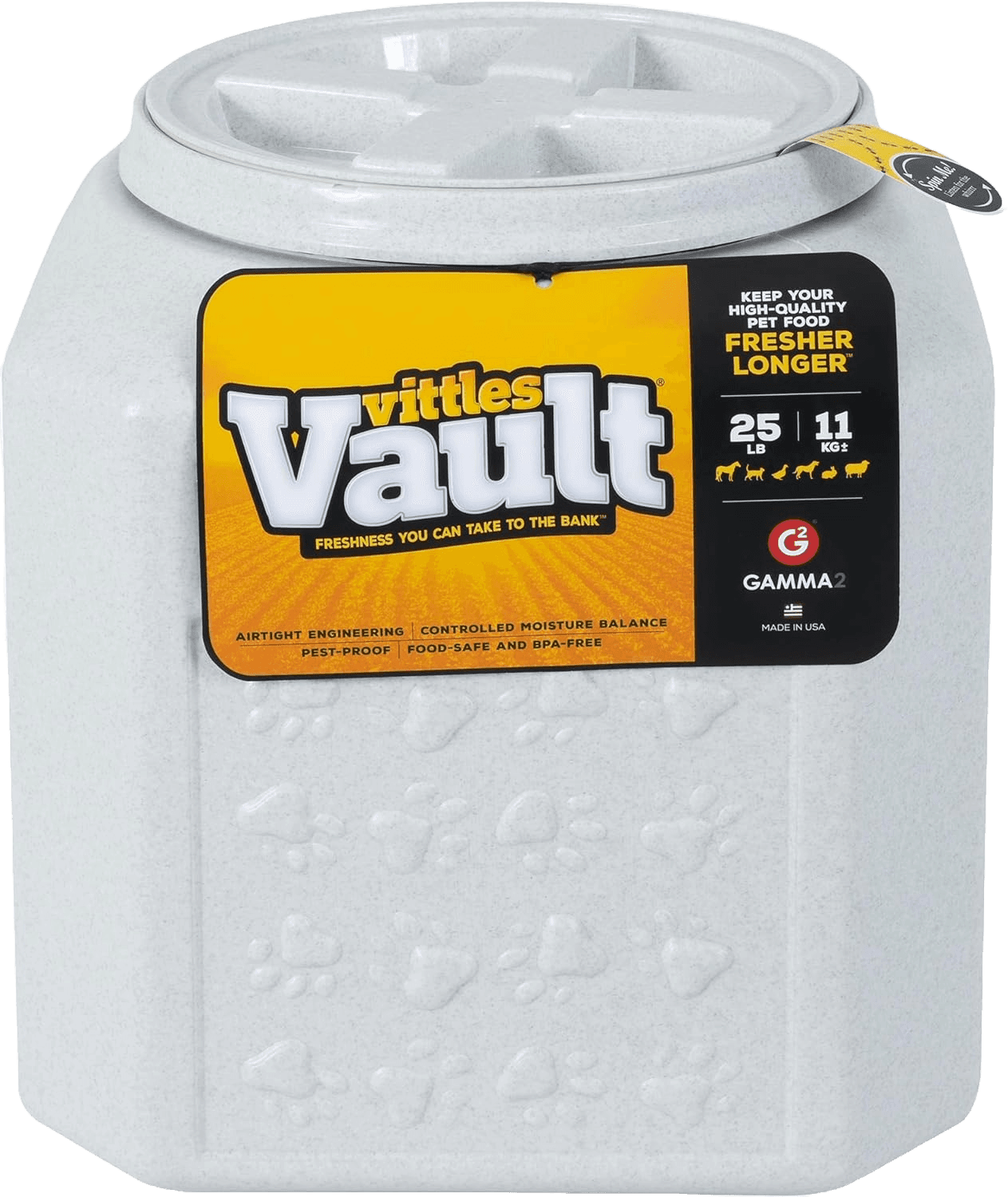
Keeps dry food fresh and pest-free without taking over the kitchen.
Dry dog food stored in its original bag goes stale faster and is more vulnerable to moisture and pests. The Vittles Vault uses a rolling seal lid that creates an airtight closure. Available in sizes to suit bags from 5kg to 25kg. The honest caveat: the rolling seal is unintuitive on first use; read the instructions before the first fill.
Grooming
Every dog needs some level of grooming regardless of coat type. The specific tools depend on your breed. A Labrador and a Cockapoo need entirely different approaches, but these cover the majority of breeds and scenarios.
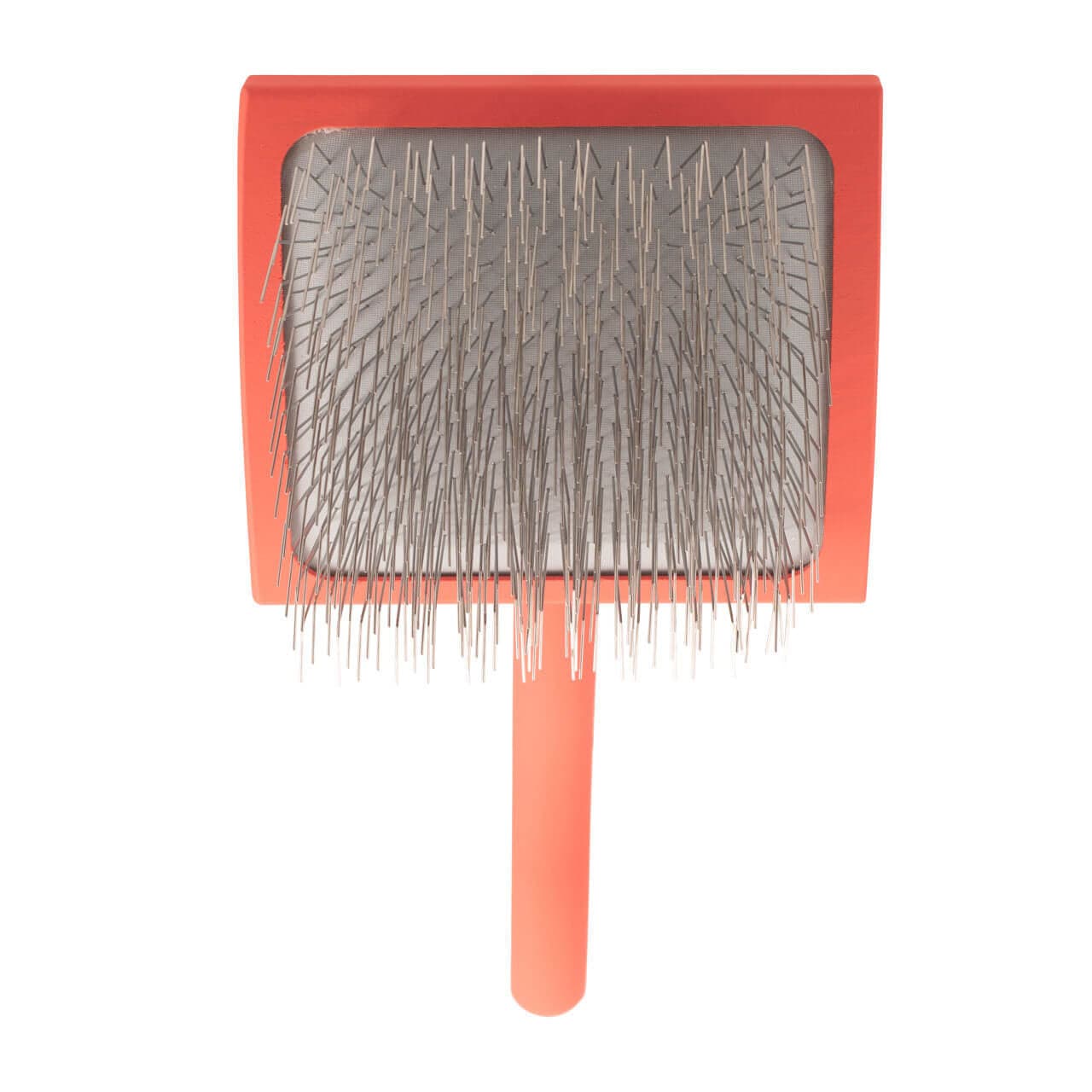
The grooming brush professionals use, worth the price if you have the right coat type.
The brush professional groomers in the UK use on doodle-type coats, long-haired breeds, and mixed coats. Flexible pad with fine curved pins that detangle without scratching the skin and significantly reduce grooming time on coats that matt. The honest caveat: expensive for a brush and only worth the outlay if you have a heavy-coated breed; a standard slicker is sufficient for smooth-coated breeds like Boxers or Labradors.
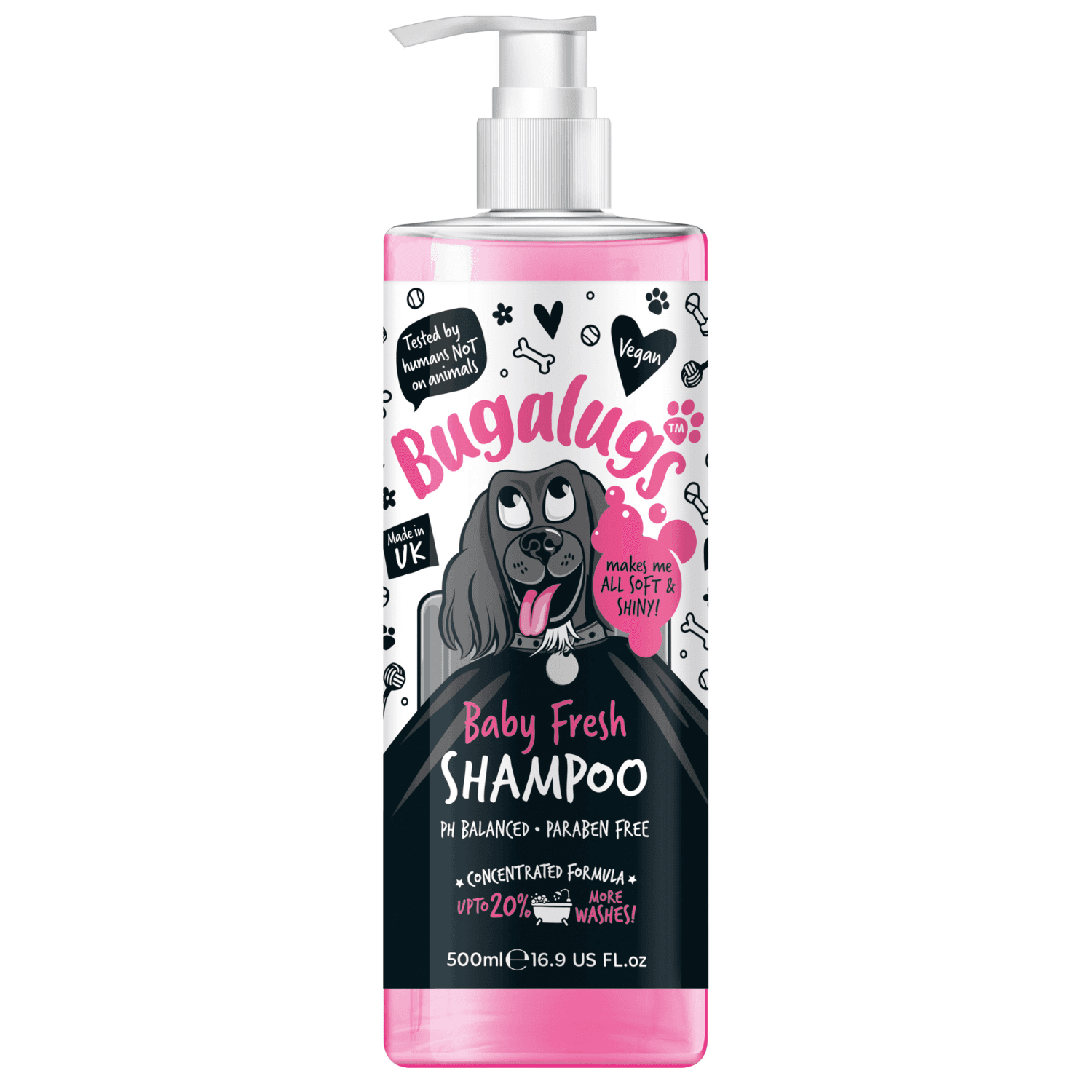
A reliable shampoo groomers use at a price that makes sense.
A pH-balanced shampoo that cleans without stripping natural oils. Widely used among UK groomers for bathing between professional appointments. The honest caveat: most dogs only need bathing every four to six weeks unless they have rolled in something; over-bathing strips the coat regardless of shampoo quality.
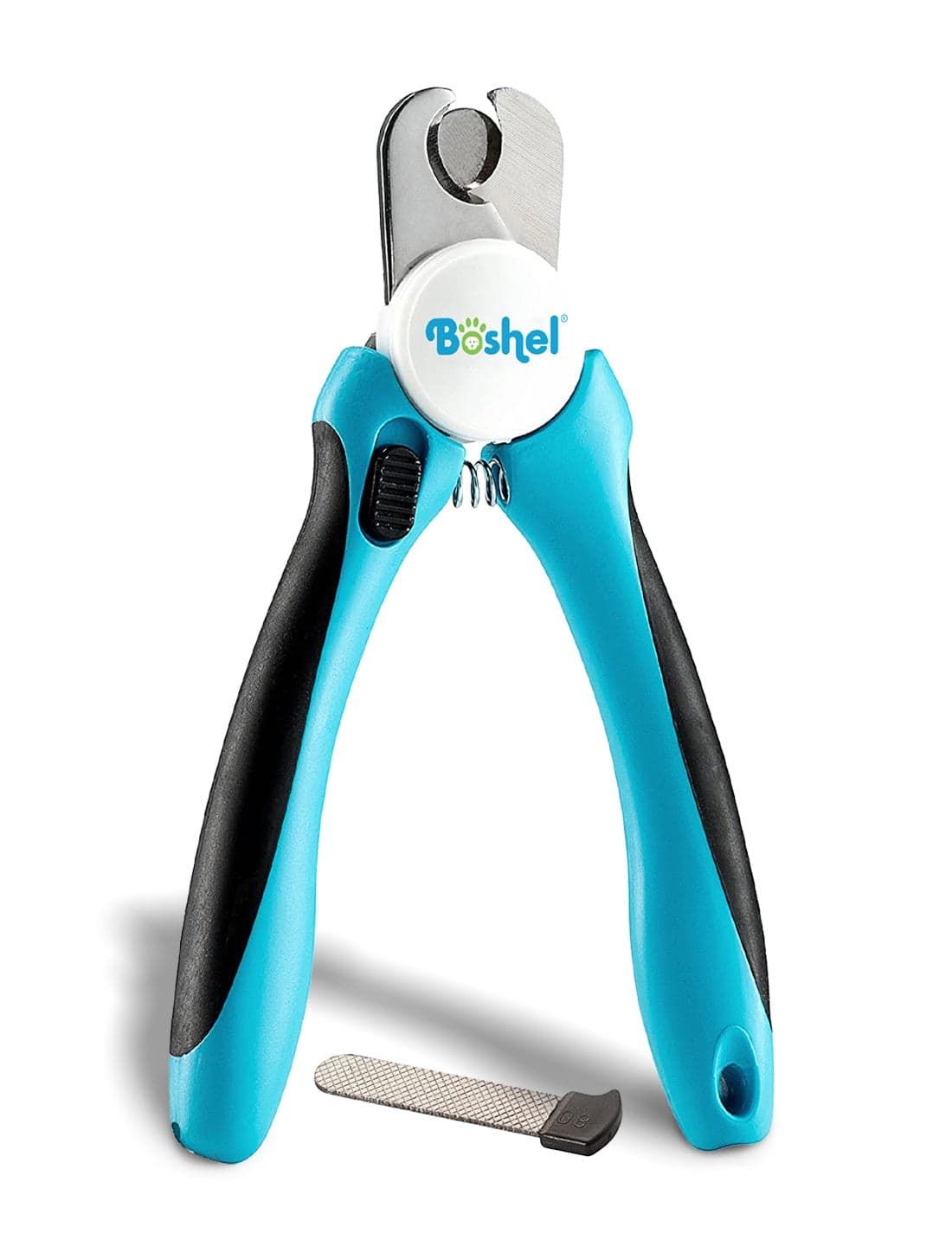
Competent, safe, and good enough for home use between professional grooming.
A safety guard prevents cutting too far into the quick. Stainless steel blades make clean cuts rather than crushing the nail. Includes a nail file. The honest caveat: nail trimming takes practice and most dogs resist it initially; watch a veterinary nurse demonstration before your first attempt and cut small amounts frequently rather than large amounts infrequently.
Solve the between-bath cleaning problem without a full wash.
Thick, fragrance-free wipes for paws, coat, and face between baths. Useful after muddy walks, before the dog gets on furniture, and for cleaning ears and paws on dogs that object to full baths. The honest caveat: not a substitute for bathing; use for spot cleaning and maintenance between washes.
Training
Training is not optional for a first dog. A dog that does not respond to the core commands will eventually cause a problem. Start from the first week, keep sessions to five minutes, and use positive reinforcement exclusively.
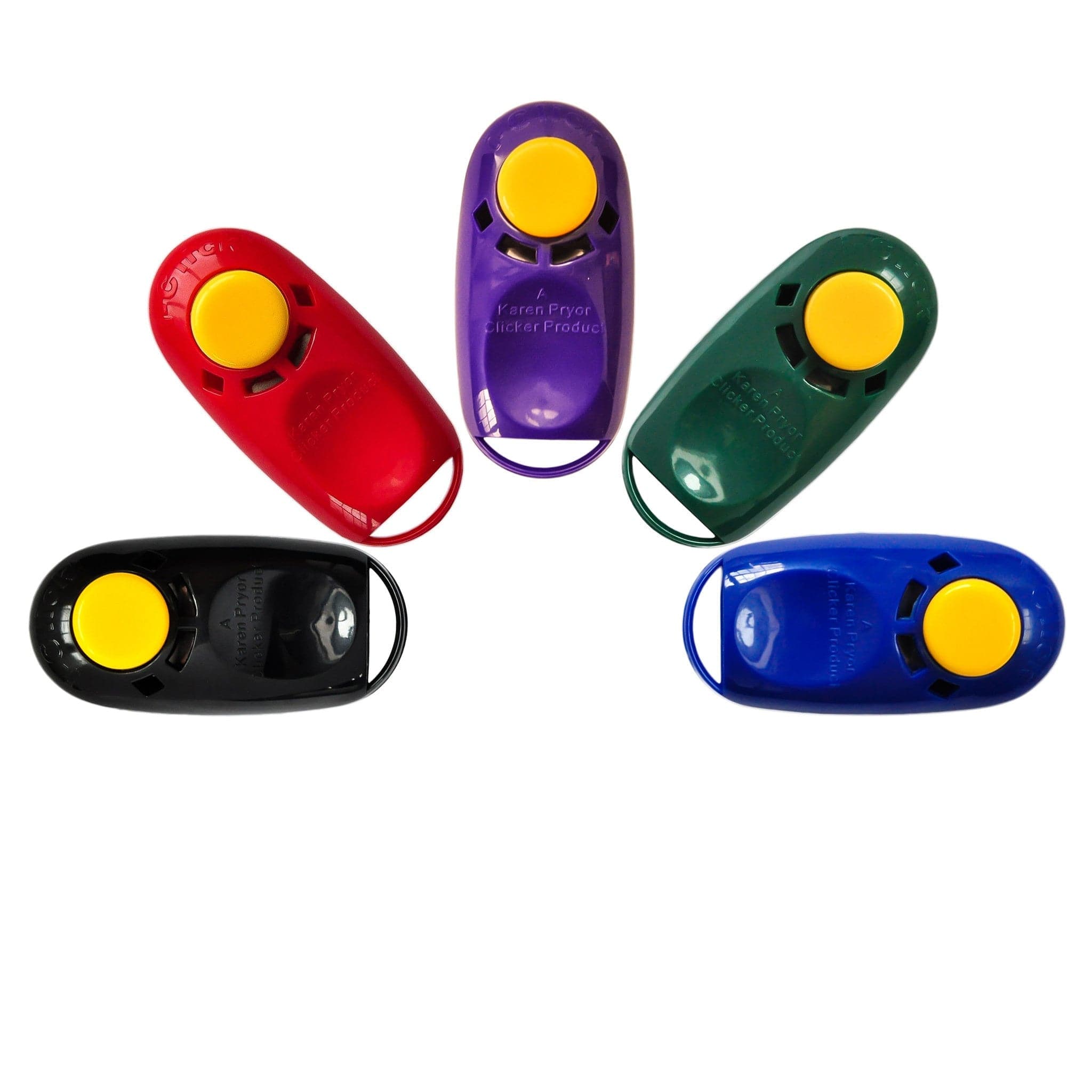
The clicker professional trainers use, at under £8.
A button mechanism rather than the traditional box press, producing a quieter, more consistent sound that is less startling for sensitive dogs. Small enough to hold alongside a lead. Used by professional trainers and behaviourists across the UK as standard. The honest caveat: a clicker used with poor timing creates confusion rather than clarity; pair it with a training resource before the first session.
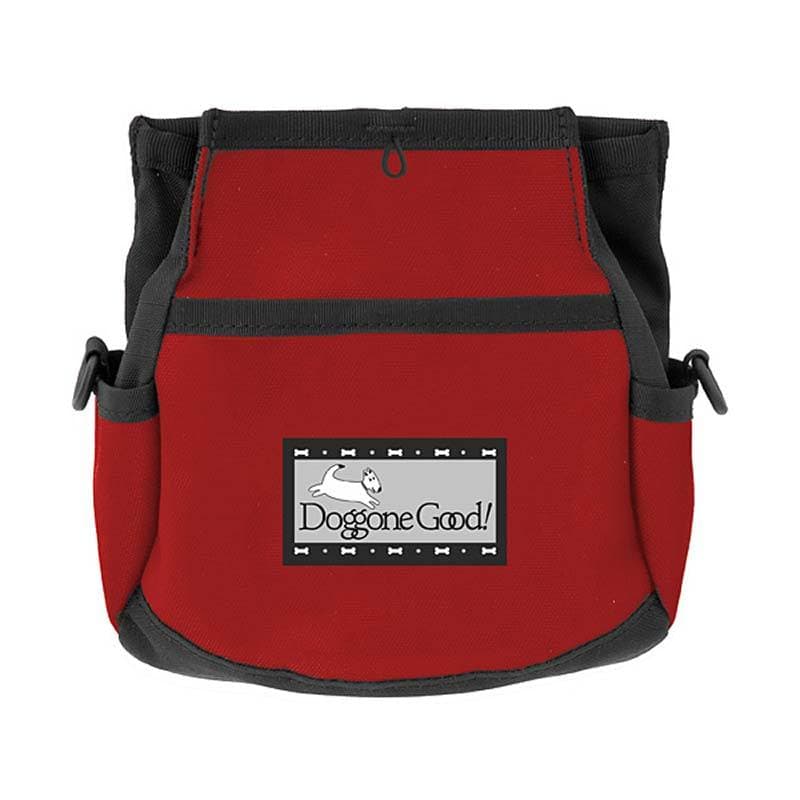
Solves the problem of getting treats out fast enough for effective training.
Opens and closes one-handed, clips to a waistband, and holds enough treats for a full training session. Fast treat delivery is critical for effective training; the timing between the behaviour and the reward determines whether the dog understands what is being reinforced. The honest caveat: the clip can mark lighter fabric belt loops; use the loop attachment instead.
The best structured starting point for a first-time owner training at home.
Step-by-step plans for the 25 most important commands, structured as short daily sessions with video guidance throughout. Built on positive reinforcement methods and useful for first-time owners who need a structured starting point. The honest caveat: it covers core commands well but is not a substitute for professional help with reactivity, aggression, or serious behavioural issues.

The most comprehensive online training resource for UK owners who are serious about getting it right.
One of the most respected positive reinforcement training curricula in the UK, with structured video content, live Q&A, and community support. Particularly useful for dogs between six months and two years where behaviour becomes more challenging. The honest caveat: requires consistent time commitment and rewards owners who engage with the material rather than those looking for a quick fix.
Health and insurance
Register with a vet before your dog arrives. Arrange pet insurance in the first week, before any health issues are recorded, as pre-existing conditions are typically excluded from cover. A dog that is not wormed, flea-treated, and vaccinated is a health risk to other dogs and your household.
The preferred insurer among many UK vets and breeders for serious lifetime cover.
A specialist pet insurer with a strong reputation among UK vets and breeders. Lifetime cover policies have higher per-condition limits than most standard policies, which matters significantly if your dog develops a chronic condition such as allergies or joint problems. The honest caveat: premiums are higher than budget insurers, which reflects the cover limits rather than margin; compare actual payout limits before assuming a cheaper policy is better value.

One of the most transparent pet insurance policies in the UK.
A straightforward policy structure with no co-pay on most claims and a well-reviewed claims process by UK standards. The online quote process is fast and the policy documents are readable, which is rarer than it should be in this market. The honest caveat: like all insurers, pre-existing conditions discovered after the policy starts may be excluded; read the definition of pre-existing carefully.
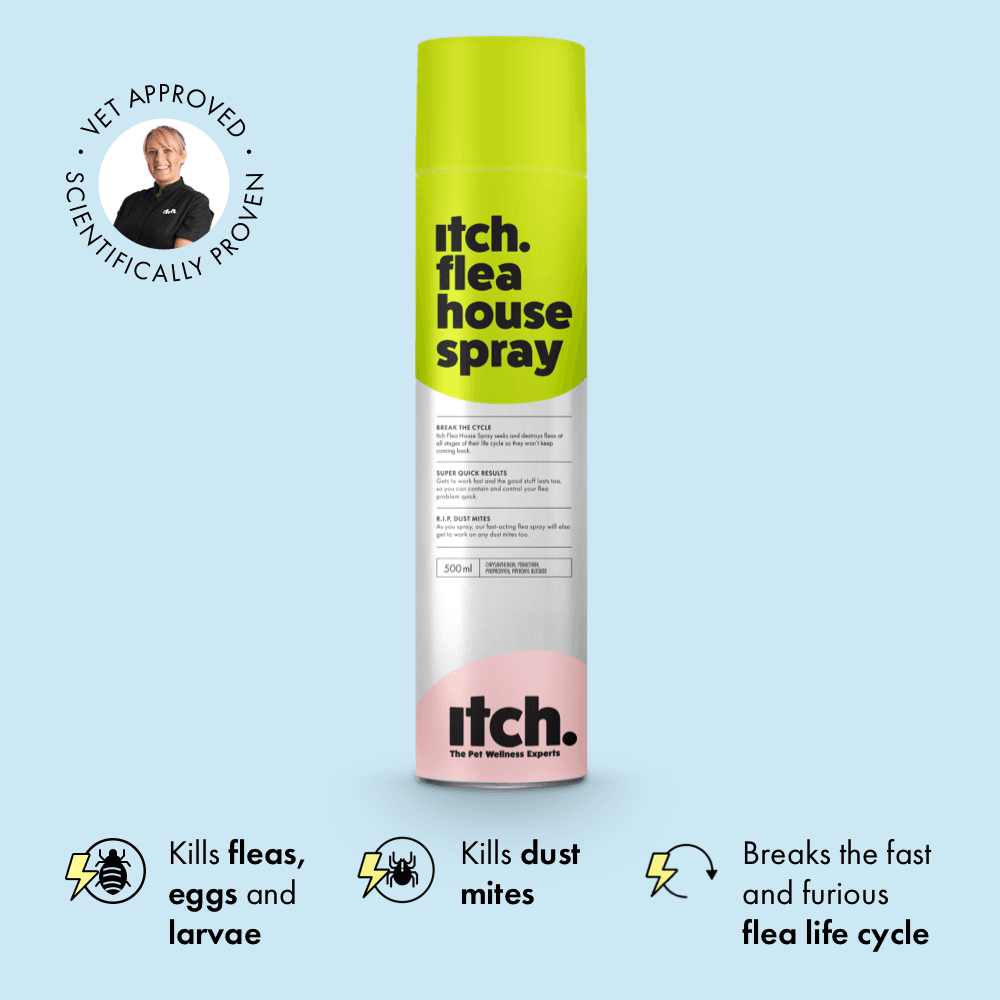
Breaks the flea lifecycle in the home rather than just treating the dog.
Fleas lay eggs in carpets, furniture, and bedding rather than just on the dog. Itch Home Spray contains s-methoprene, an insect growth regulator that kills eggs and larvae rather than just adult fleas on contact, breaking the cycle at the source. The honest caveat: this treats the home environment, not the animal; you also need a veterinary-grade on-animal flea treatment, and all pets in the household must be treated simultaneously.

The UK veterinary standard for broad-spectrum worming in adult dogs.
One of the most widely prescribed veterinary worming products in the UK, effective against roundworms, tapeworms, hookworms, and whipworms in a single tablet dosed by weight. Adult dogs should be wormed quarterly as a minimum, more frequently if they hunt, eat raw meat, or have regular contact with children. The honest caveat: dose by your dog's actual current weight; wrapping the tablet in a small piece of meat or cheese solves resistance in most dogs.
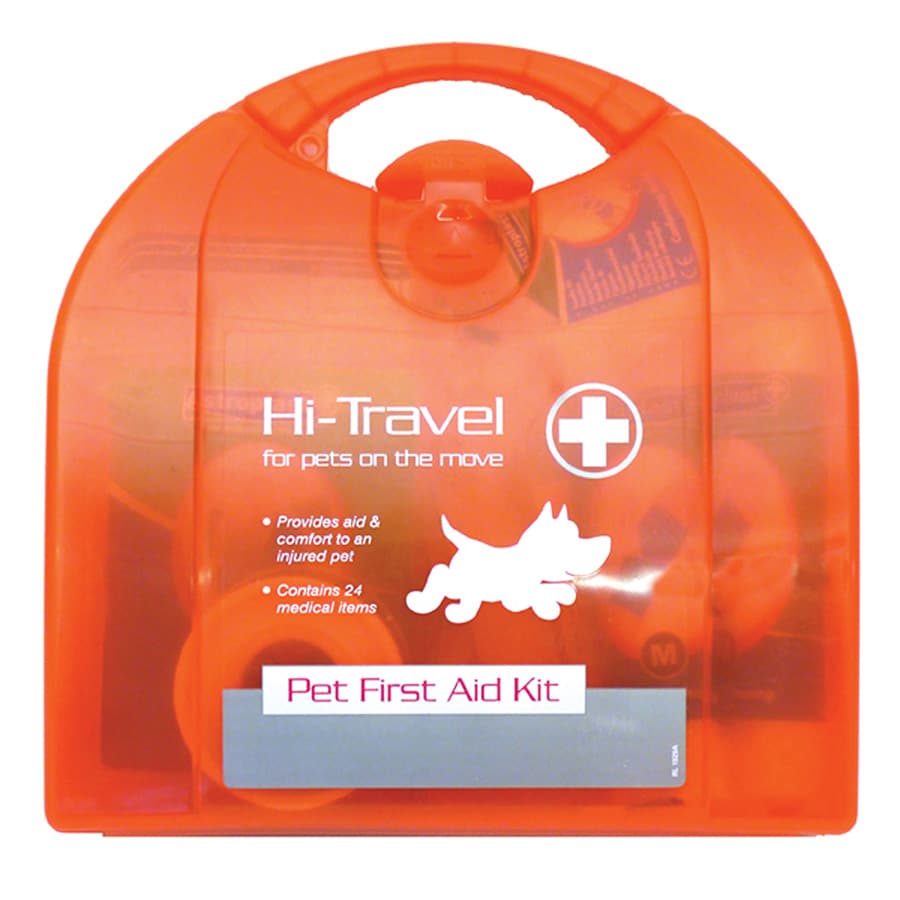
Worth having before you need it, not after.
Covers the gap between an incident and reaching a vet: bandages, gauze, antiseptic wipes, tick remover, foil blanket, and guidance cards. Most owners never use it and should not wish to. The honest caveat: a first aid kit does not replace veterinary treatment; use it to stabilise and transport, not to treat.
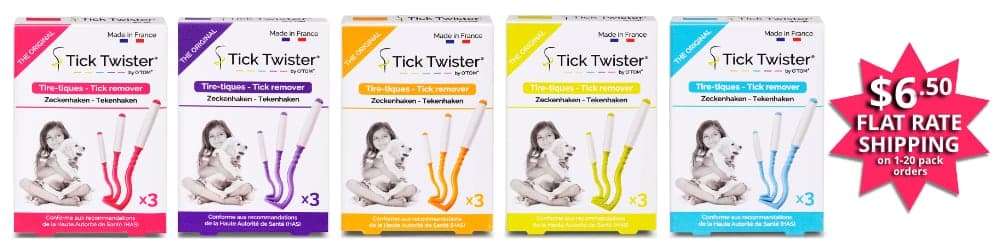
The correct way to remove a tick in under 30 seconds.
A hook-style tool that removes ticks by rotating rather than pulling, which reduces the risk of leaving the mouthparts embedded in the skin. Essential for dogs walked in woodland, grassland, or moorland in the UK. The honest caveat: always check the tick removal site for several weeks after removal and contact your vet if a rash or flu-like symptoms develop.
Enrichment and play
Mental stimulation is as important as physical exercise for most dogs. A bored dog creates its own entertainment, and that entertainment is usually destructive. Enrichment requires consistent use of simple tools, not expensive equipment.

The most useful dog enrichment product at any price point.
Stuff with kibble, peanut butter, or wet food and freeze. A frozen KONG lasts most medium dogs 20 to 30 minutes and provides focused mental effort rather than passive entertainment. Used by veterinary behaviourists, rescue centres, and trainers across the UK as the standard enrichment tool. The honest caveat: an unstuffed KONG is ignored within two minutes by most dogs; always pre-load it and freeze for maximum engagement.
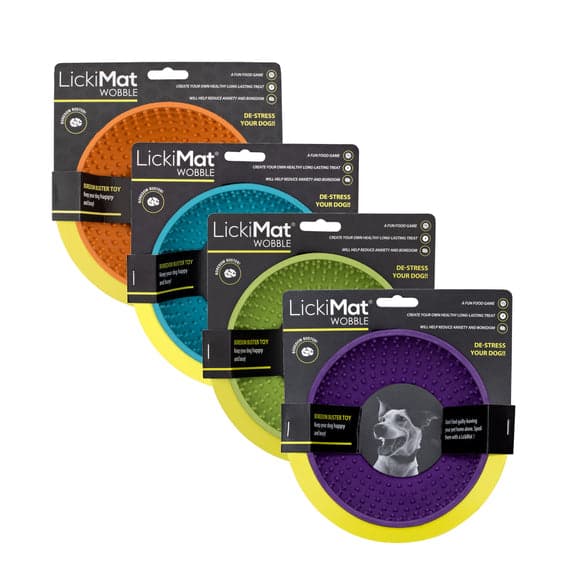
Calms anxious dogs and slows eating, two problems with one tool.
Spread with peanut butter, plain yoghurt, or wet food. Licking is a calming, repetitive behaviour that reduces cortisol in dogs, making the LickiMat particularly useful before stressful events such as vet visits or being left alone. The wobble base extends engagement. The honest caveat: requires washing after every use; dishwasher safe, which helps with the habit.
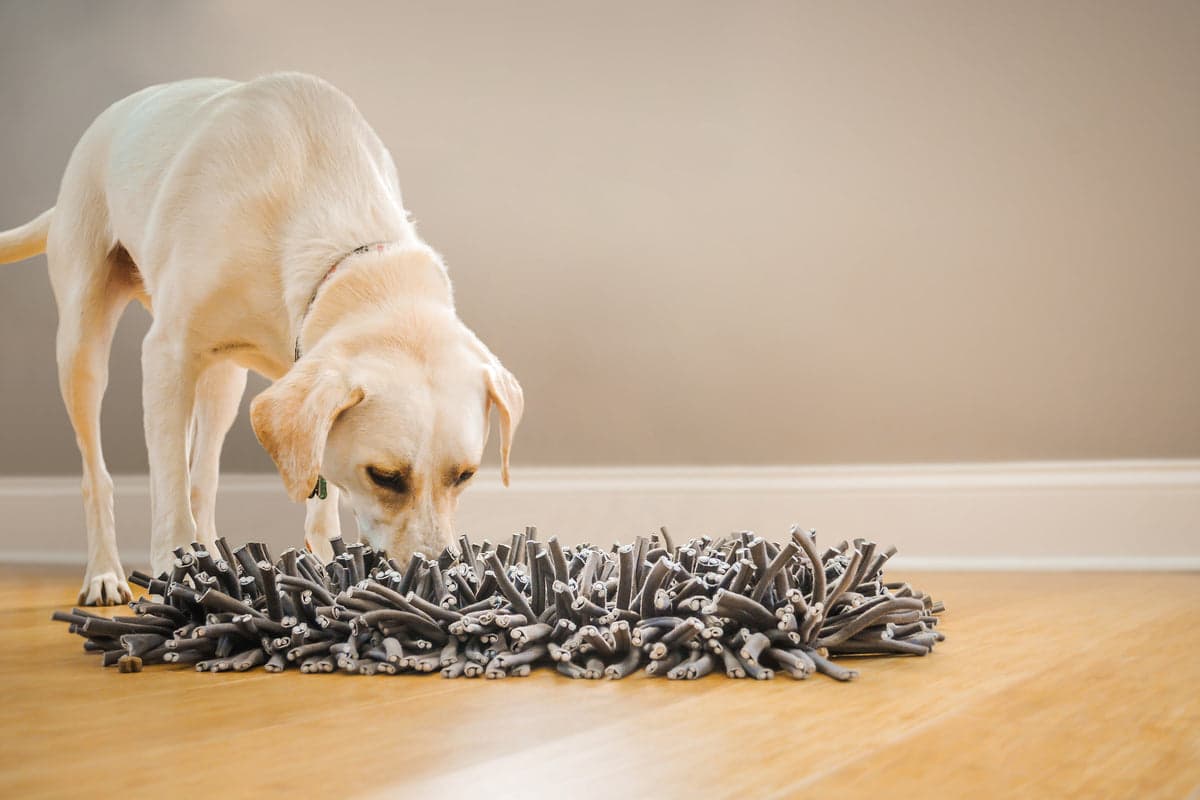
Turns any meal into mental enrichment with no training required.
Hides kibble in fabric fibres, converting a meal into a 10 to 20 minute nose-work session that tires a dog more effectively than physical exercise of the same duration. Suitable for all ages and particularly useful on days when walks are reduced due to weather or injury. The honest caveat: gets dirty quickly and needs regular washing; machine washable on a cold cycle.
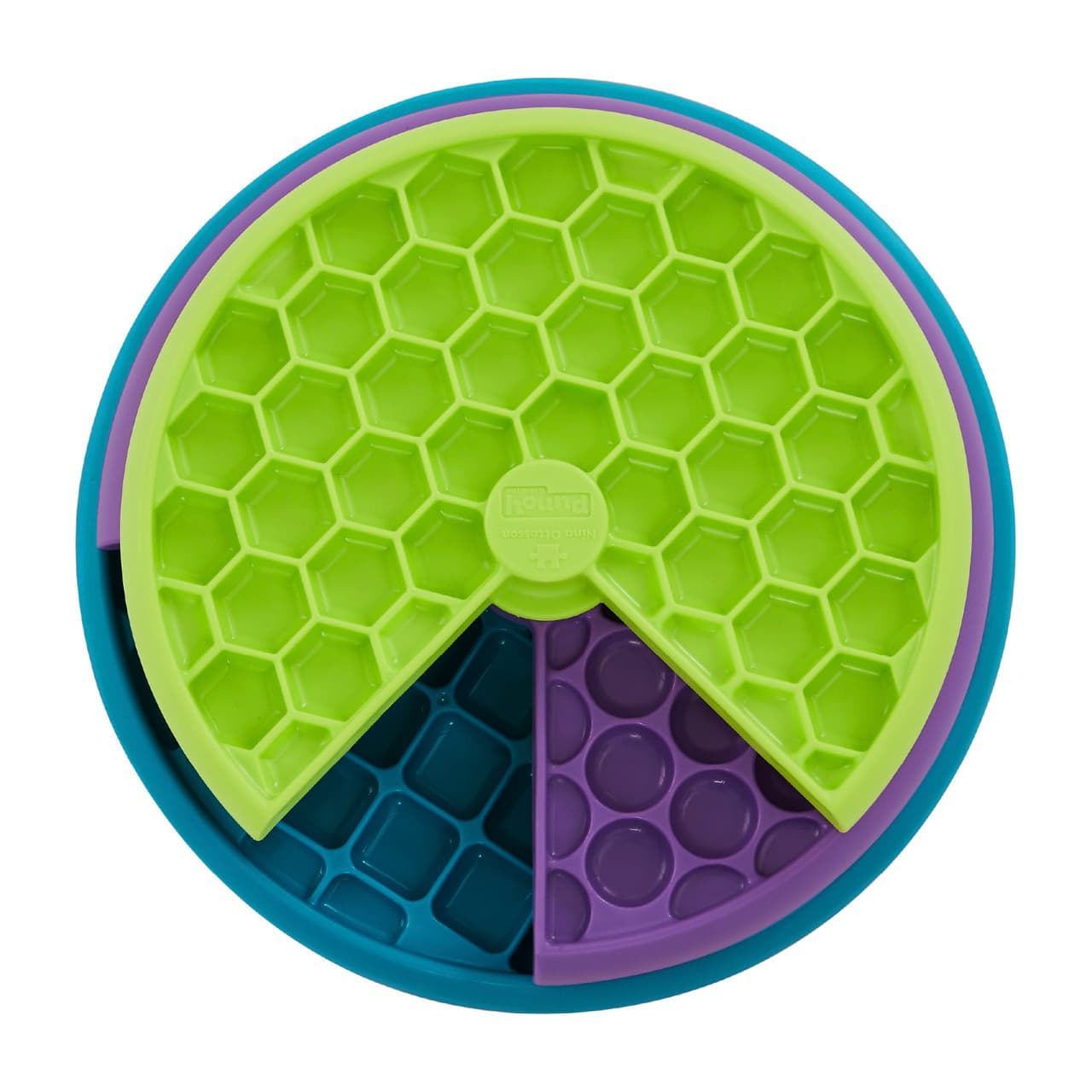
The right starting puzzle for most adult dogs new to enrichment feeding.
A level 2 puzzle requiring the dog to slide and lift compartments to access food rather than simply nosing around a flat surface. Appropriate for most adult dogs without prior puzzle experience. The honest caveat: very food-motivated dogs may attempt to chew through it rather than solve it; supervise the first few sessions and progress to a harder level once it is mastered.
Woof & Woofer earns a small commission from some links on this page. This never influences our recommendations. Learn more.
More buying guides
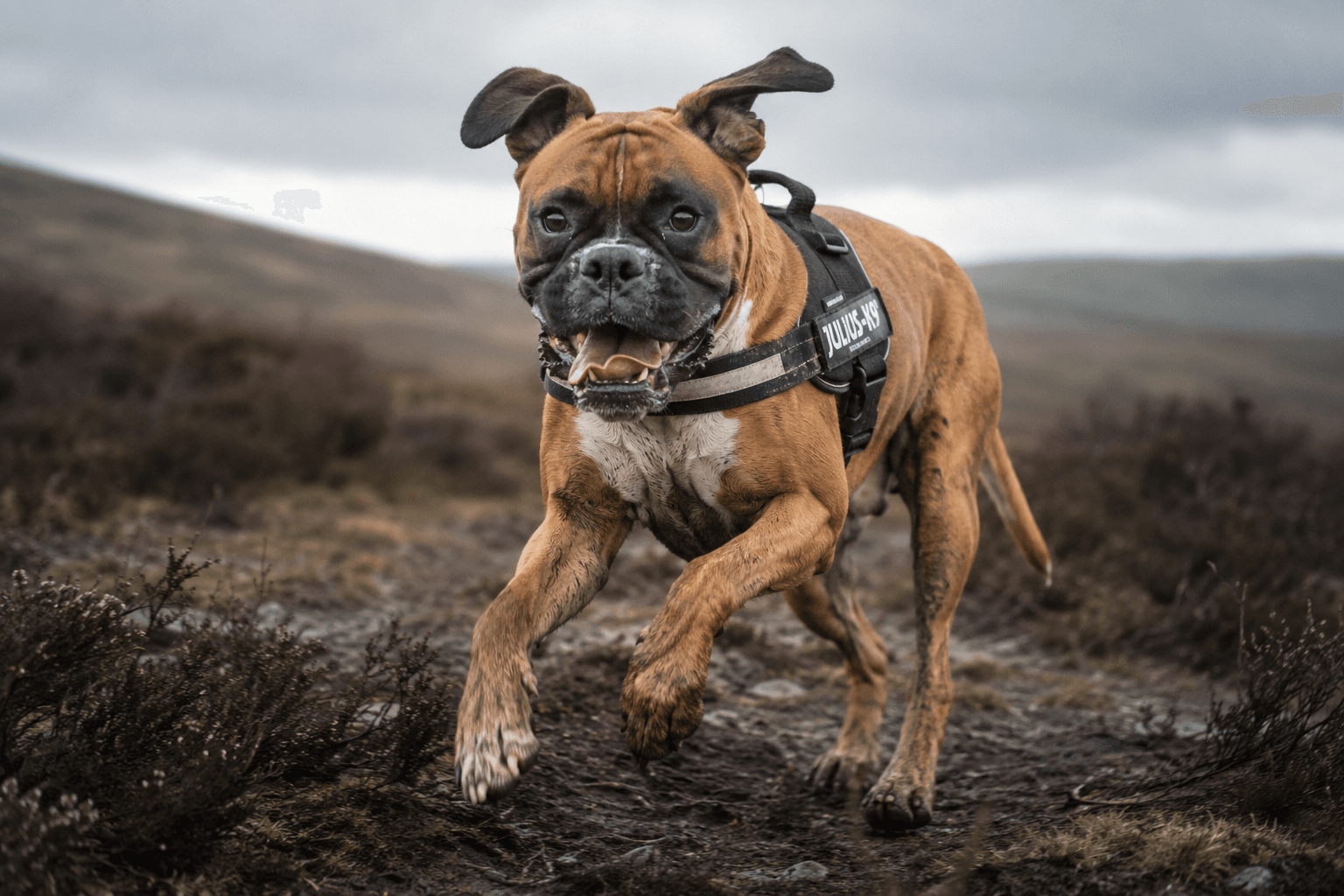
Active dog essentials UK: gear for high-energy and working dogs
Most dogs need a walk. Active dogs need equipment that keeps up with them. This kit is for high-energy breeds, working dogs, and owners who do more than a pavement circuit twice a day. Everything here is chosen for performance and durability, not for the lifestyle image on the packaging.
Read the guide →
Senior dog essentials UK: what actually helps
Most senior dog products are repackaged standard products with a grey dog on the box. This kit covers what the evidence actually supports, from the only dog bed with peer-reviewed clinical data to the joint supplements UK vets recommend. Your dog cannot tell you they are in pain. These products help you manage what you cannot see.
Read the guide →
Anxious dog products UK: what actually helps
Most products marketed at anxious dogs do very little. This kit covers what is actually evidenced, what is useful in practice, and what to do first. For dogs with significant fear or reactivity, a referral to a qualified clinical animal behaviourist is the most important step. Everything here supports that process.
Read the guide →