

Rescue dog essentials UK: everything you need for the first 30 days
Rescue dogs need time, not a house full of toys. The first 30 days are about decompression, safety, and building trust, not training. This kit covers what you actually need before your rescue comes home and what to introduce gradually in the weeks that follow. It works for dogs of any age, any history, and any breed.
What this guide covers
Identity and the law
An ID tag engraved with your name and address is a legal requirement before your rescue leaves the rescue centre. Most rescues arrive microchipped, verify this with the centre and update the microchip registration to your details before bringing them home.
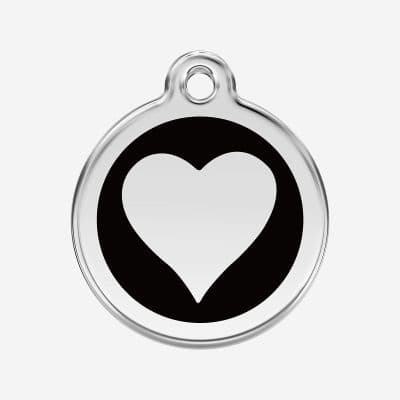
The first thing to order before a rescue comes home.
Red Dingo laser-engraves directly onto the tag rather than stamping, keeping contact details legible after years of collar hardware contact. A rescue dog must not be off-lead until recall is reliably established, but the ID tag is legally required from the first walk. The honest caveat: tags jingle against collar hardware; a silicone tag silencer costs under £2 and is worth adding to the order.

Reliable and the standard choice for a reason.
Thicker than budget alternatives, genuinely leak-proof, and the handle-tie closure means no double-bagging. At 120 bags per pack they last most owners several months. The honest caveat: not biodegradable in landfill conditions despite the packaging language; if environmental impact matters to you, look for certified compostable alternatives.
Sleep and settling
Give a rescue one quiet space that is entirely theirs from day one. Do not allow access to the whole house immediately. A bed or crate in a low-traffic room gives them somewhere to decompress without stimulation overload, which is one of the most common causes of early behavioural problems in rescues.
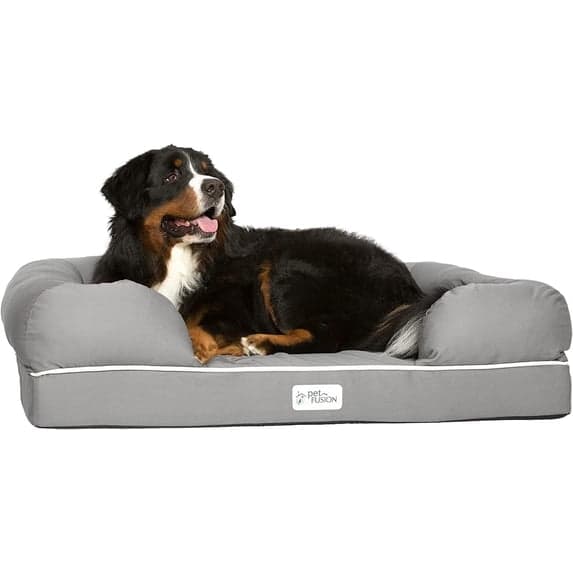
The bed that maintains support through the settling period and well beyond it.
10cm of solid memory foam holds its support over years of daily use, unlike the shredded off-cuts inside most pet shop beds. The waterproof, machine-washable cover handles the accidents common in the first weeks as a rescue adjusts to a new routine and home. The honest caveat: measure your floor space before ordering, the large is genuinely large and is not suitable as a crate mattress.

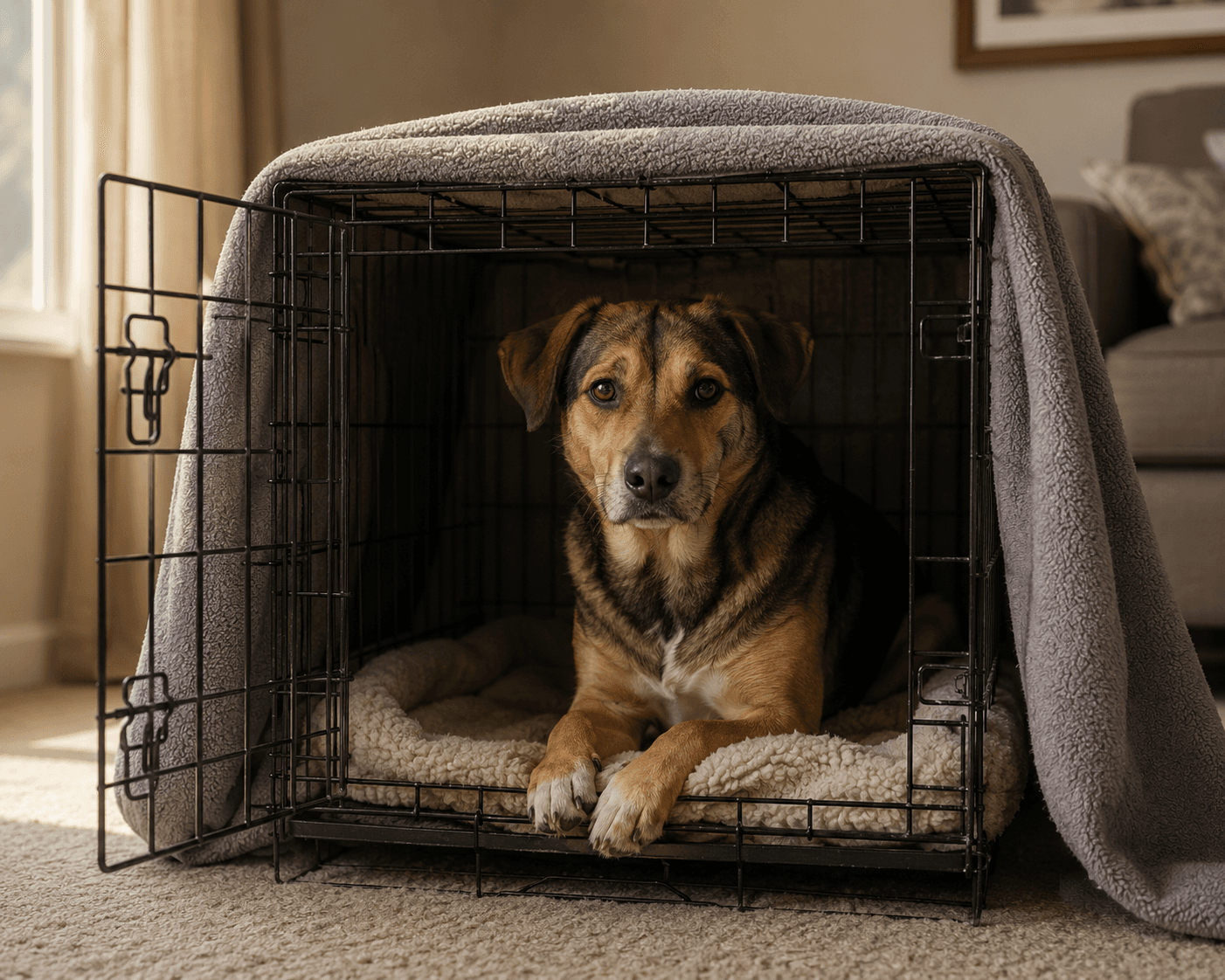
One of the most effective tools for settling a rescue dog in the first weeks.
A crate gives a rescue dog a defined safe space rather than the whole house, which reduces anxiety in dogs that are overwhelmed by open environments. Sets up in under a minute, double-door design, includes a divider. Used correctly as a sanctuary rather than a punishment, most rescues settle into a crate within days. The honest caveat: never use a crate as punishment and do not shut a distressed dog inside, the crate must be introduced gradually as a positive space.

Cheap, washable, and useful as a scent anchor during the settling period.
A machine-washable fleece blanket that can be placed in the crate or bed from day one. Ask the rescue centre for a piece of bedding from the dog's previous space if possible, familiar scent helps a dog settle faster in a new environment. The honest caveat: it is not waterproof; have a spare for washing rotation.
Calming and decompression
Most rescue dogs need three to twelve weeks to decompress fully. During this period they are processing a significant change and their behaviour is not representative of how they will be long-term. Calming products do not replace patience and structure but they reduce baseline stress during the adjustment.
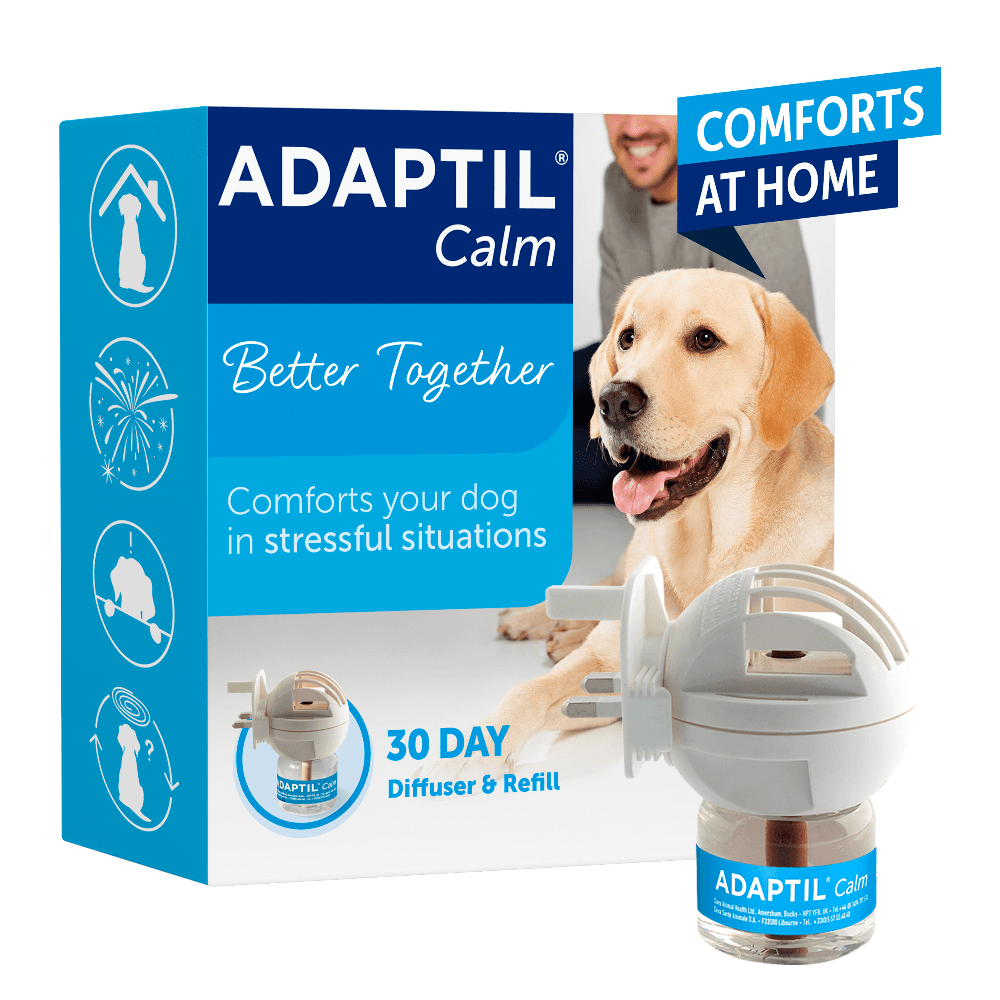
The most evidence-backed calming support for the settling-in period.
Releases a synthetic version of the calming pheromone a mother dog produces for her puppies. Plug it in two days before your rescue arrives, in the room where they will sleep. Clinical studies show it reduces stress behaviours in dogs adjusting to new environments. The honest caveat: refills are an ongoing cost and some dogs show no apparent response, which is within the normal range, it is not a guarantee.
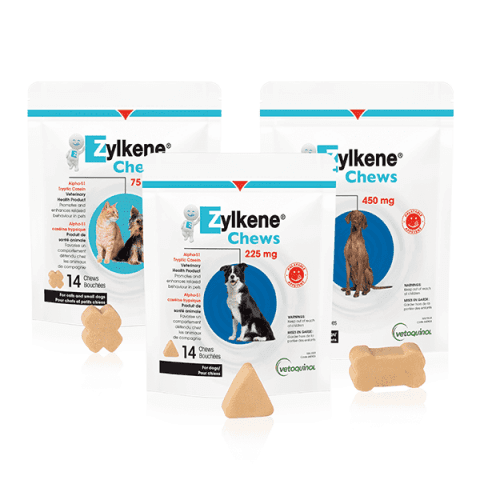
A veterinary-recommended supplement specifically suited to the rehoming adjustment period.
Alpha-casozepine derived from milk protein with clinical evidence for reducing anxiety in dogs during environmental changes. Capsules can be opened and mixed into food. Veterinary-grade, available without prescription, and often recommended by vets for rehoming situations specifically. The honest caveat: takes five to seven days to reach full effect, start it before the rescue arrives, not after.

A useful natural complement to evidence-backed calming products during the first weeks.
A UK-made natural calming supplement using a blend of botanicals including valerian, chamomile, and lemon balm. Available in liquid form for easy addition to food, which is useful for dogs that resist tablets. The honest caveat: natural supplements have less clinical trial evidence than Zylkene; use Zylkene as the primary calming supplement and Pets Calm Down as a supportive addition rather than a direct replacement.

A genuinely effective calming treat backed by real nutritional science.
A UK supplement brand using marine-sourced ingredients including omega-3 and magnesium to support calm behaviour in dogs. Particularly useful for dogs showing nervous or reactive behaviour during the adjustment period. The honest caveat: as with all supplements, results vary by individual dog, give it a minimum of three weeks before assessing effectiveness.
Feeding
Keep a rescue on the food they were eating at the rescue centre for at least the first two weeks. Changing food immediately adds digestive stress on top of environmental stress. Transition gradually once they are settled, over seven to ten days.
Functional, hygienic, and cheap enough that you do not need to think about it.
Stainless steel resists bacterial build-up better than plastic and does not leach compounds into food or water. Non-slip rubber base reduces sliding on hard floors. Dishwasher safe. The honest caveat: no stand is included; if your rescue is a large, deep-chested breed, add a raised bowl stand to reduce bloat risk.
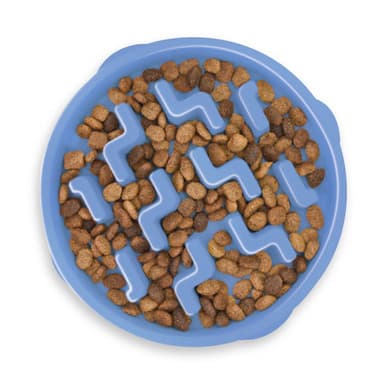
Reduces a common rescue behaviour problem while doubling as enrichment.
Many rescue dogs eat very fast, a behaviour developed through competition or food insecurity. A slow feeder bowl extends a 30-second meal to several minutes, reducing bloat risk and turning feeding into a mild enrichment task that builds positive association with their new routine. The honest caveat: some dogs learn to flip the bowl; a non-slip mat underneath solves this.

The most accessible entry point to raw feeding once your rescue has found their footing.
Once your rescue has settled and you are ready to transition their food, raw feeding produces consistent improvements in coat, digestion, and energy in dogs that suit the format. Bella and Duke supply pre-portioned frozen meals based on your dog's weight and activity level, making the transition straightforward. The honest caveat: do not transition food during the first two weeks regardless of what you plan to feed long-term, wait until the dog is settled.
Walking and control
Do not assume a rescue dog will walk calmly on a lead. Many have never been trained. Use a secure, well-fitted harness from day one and keep the dog on-lead until recall is reliable, this may take months, not weeks. A long line gives freedom without risk.
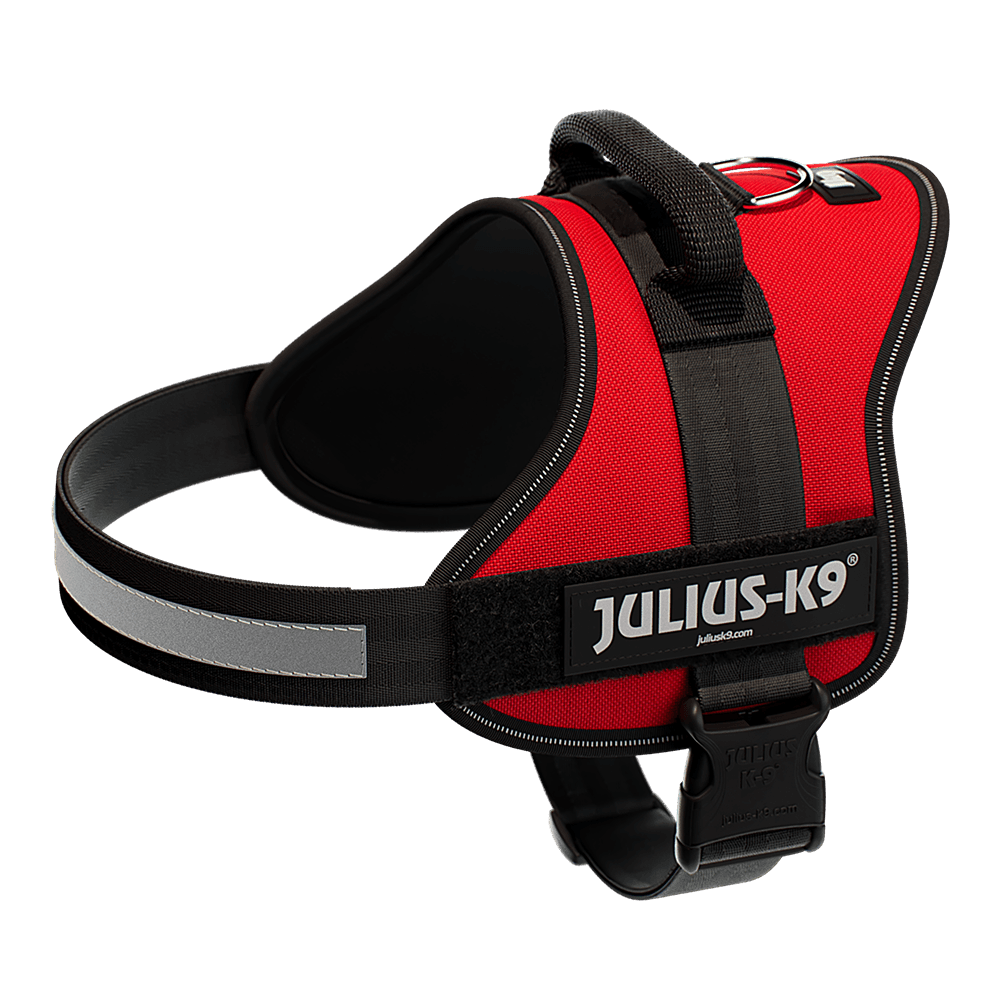
The harness rescue centres use, built for dogs that need reliable control.
A padded chest plate and wide belly band distribute pressure without restricting shoulder movement. The back handle gives control in situations where the dog reacts or startles, which is common in rescues during the first weeks outside the home. Widely used by rescue centres, behaviourists, and trainers across the UK. The honest caveat: check the size guide carefully as the fit is precise rather than generous, measure before ordering.
The safest way to give a rescue dog outdoor freedom before recall is trained.
A 10-metre long line gives a rescue dog freedom to sniff, explore, and move without being off-lead before their recall is established. Most professional trainers and rescue organisations recommend long line use as standard for newly rehomed dogs. The honest caveat: long lines tangle and require management, do not use on a flexi-lead reel and do not use with dogs that have any leg or joint sensitivity as sudden stops carry significant force.
Small thing, solves a daily problem, costs under £4.
Attaches to any lead via a clip, keeps bags accessible one-handed, and holds a full roll. The kind of small friction removal that makes daily walks genuinely easier rather than requiring you to remember bags at the door. The honest caveat: the clip can work loose on narrow leads, check it is secure before each walk.
Training and bonding
Do not start formal training in the first two weeks. Let the dog decompress first. After the initial settling period, start with short, positive sessions focused on name recognition, sit, and eye contact. These build trust before asking for more.
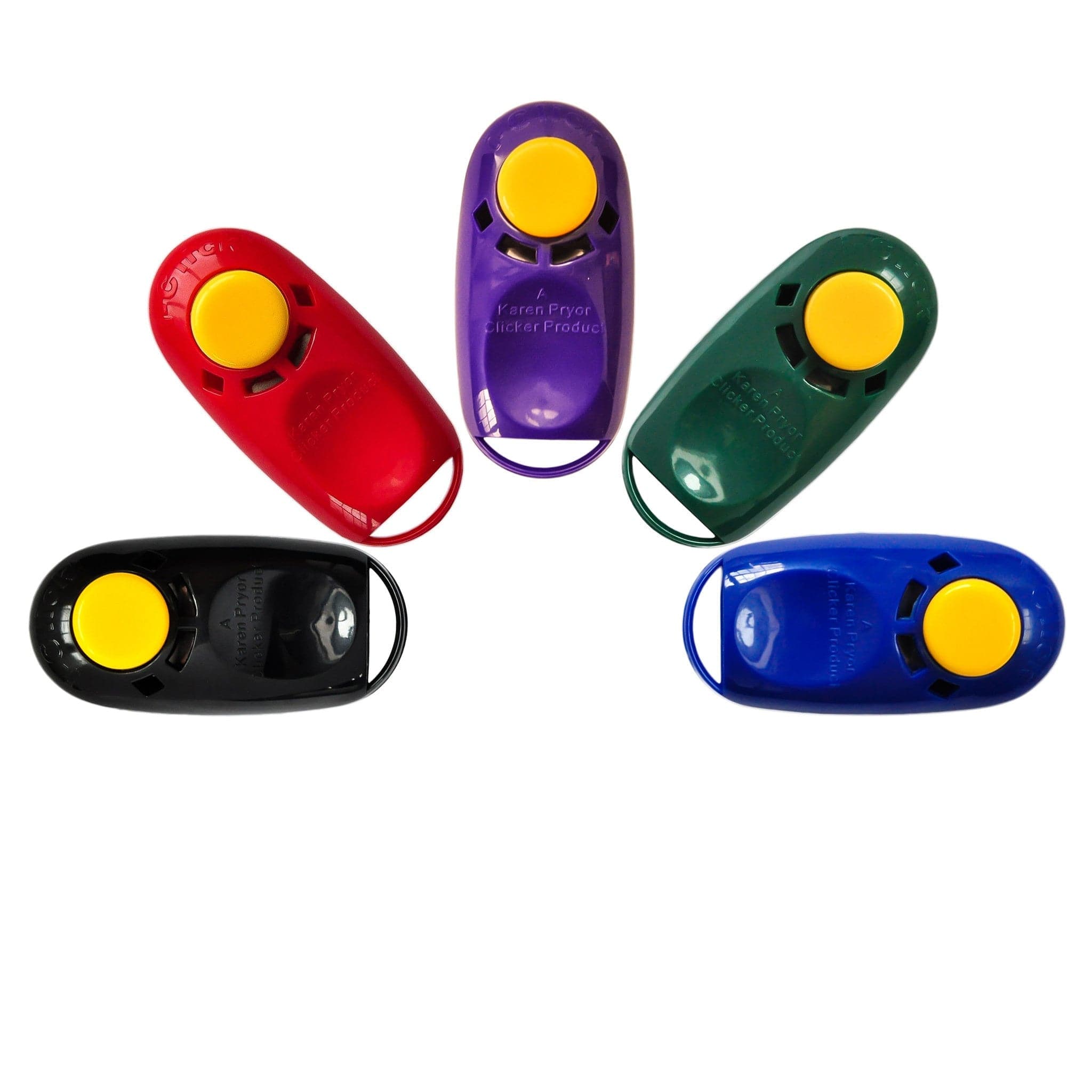
The clicker professional trainers use, at under £8.
The i-Click produces a quieter, more consistent sound than box-style clickers, which is important for rescue dogs that may be noise-sensitive. Used by professional trainers and rescue behaviourists across the UK as standard. The honest caveat: a clicker used with poor timing creates confusion, pair it with a training resource before your first session.
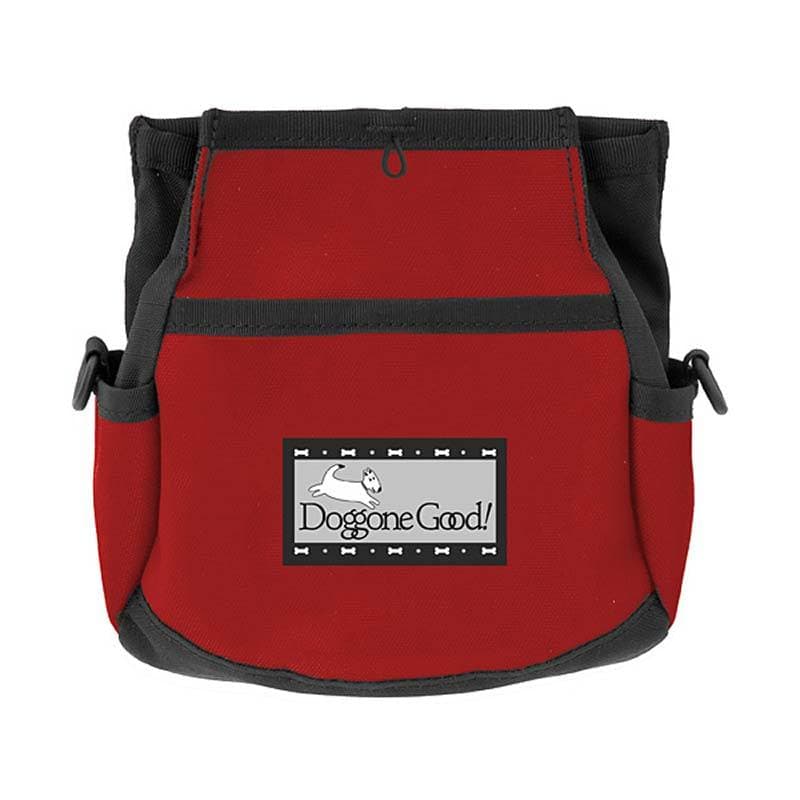
Solves the problem of getting treats out fast enough for effective training.
Opens and closes one-handed, clips to a waistband, and holds enough treats for a full training session. Fast treat delivery matters more than most new owners realise, the timing between the behaviour and the reward is what makes training work. The honest caveat: the clip can mark lighter fabric belt loops; use the loop attachment instead.

The best structured online training resource for a rescue owner who is serious about getting it right.
One of the most respected positive reinforcement training curricula in the UK, with structured video content, live Q&A, and community support. Particularly relevant for rescues, where the dog may have established behaviours that need working through rather than starting from scratch. The honest caveat: this requires consistent time investment, it rewards owners who engage with the material rather than those looking for a quick fix.
A solid structured starting point for basic command training at home.
Step-by-step training plans for the core commands, delivered as short daily sessions with video guidance. Useful for owners who want a structured starting point without the cost of one-to-one sessions. The honest caveat: it covers the core commands well but is not a substitute for professional help with reactivity, fear aggression, or serious behavioural issues that many rescues carry.
Health and insurance
Arrange pet insurance before the rescue comes home, ideally the day you sign the adoption paperwork. Any health issue arising after that point could become a pre-existing condition excluded from future cover. Register with a vet in the first week and book a health check.
The preferred insurer among many UK rescue organisations and vets for serious lifetime cover.
Agria is a specialist pet insurer with a strong reputation among UK rescue organisations and veterinary professionals. Their lifetime cover policies have higher per-condition limits than most standard policies, which matters for rescues where unknown health history increases the chance of a significant claim. The honest caveat: premiums reflect the higher cover limits, compare actual payout limits carefully before assuming a cheaper policy is better value.

One of the most transparent pet insurance policies in the UK market.
A straightforward policy structure with no co-pay on most claims and a well-reviewed claims process by UK standards. Their online quote process is fast and the policy documents are readable, which matters when you are comparing policies across multiple providers. The honest caveat: like all insurers, conditions discovered after the policy starts may be excluded as pre-existing, read the definition carefully.
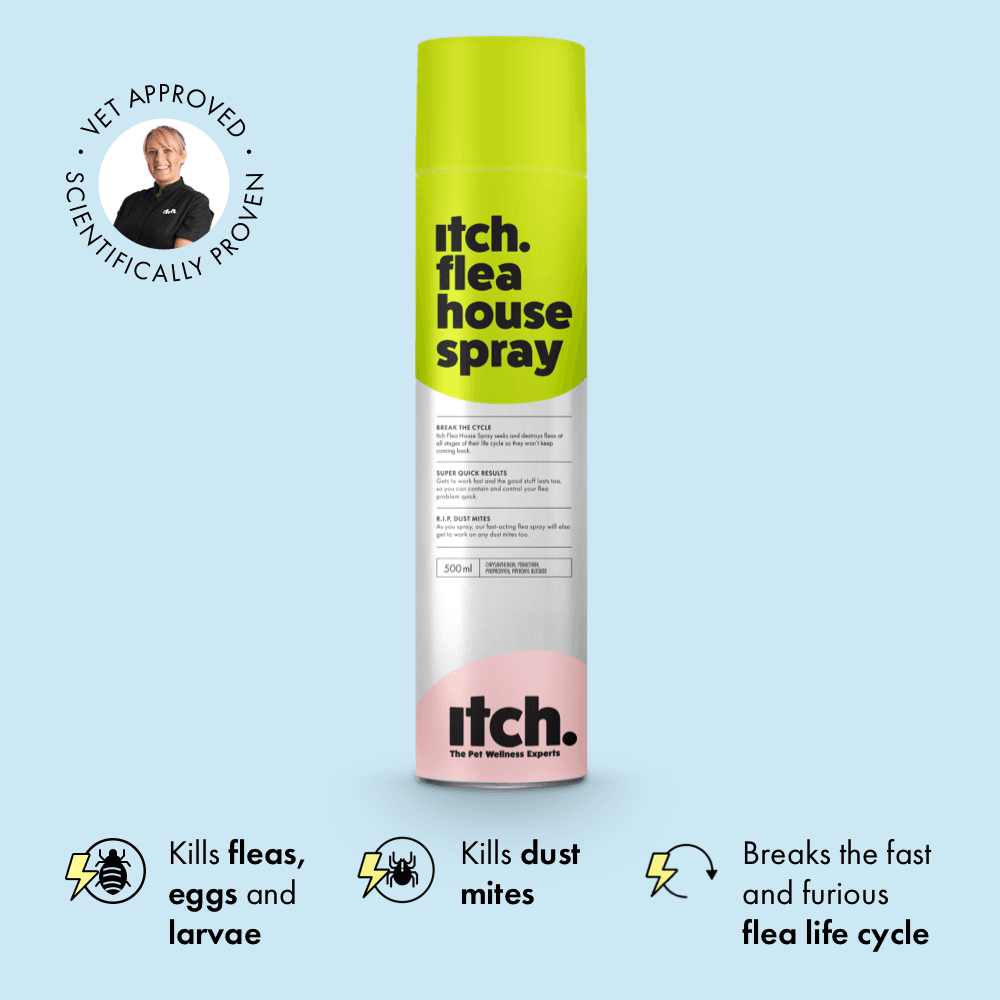
Treat the home immediately, fleas establish faster than most owners expect.
Rescues frequently arrive with fleas, and the eggs will already be in your soft furnishings within hours of the dog entering your home. Itch Home Spray contains s-methoprene, an insect growth regulator that kills eggs and larvae rather than just adult fleas on contact. Treat the home on day one, before or immediately after the dog arrives. The honest caveat: this treats the environment, not the dog, you also need a veterinary-grade on-animal flea treatment, which your vet can prescribe at the first appointment.

Worm on arrival. Do not wait for the vet appointment.
Most rescues arrive wormed but you cannot verify when or with what. Drontal is one of the most widely prescribed veterinary worming products in the UK, effective against roundworms, tapeworms, hookworms, and whipworms in a single tablet, dosed by weight. Worm on arrival and follow your vet's schedule from the first appointment. The honest caveat: dose by your dog's actual weight, ask the rescue centre or weigh them at a vet before dosing.
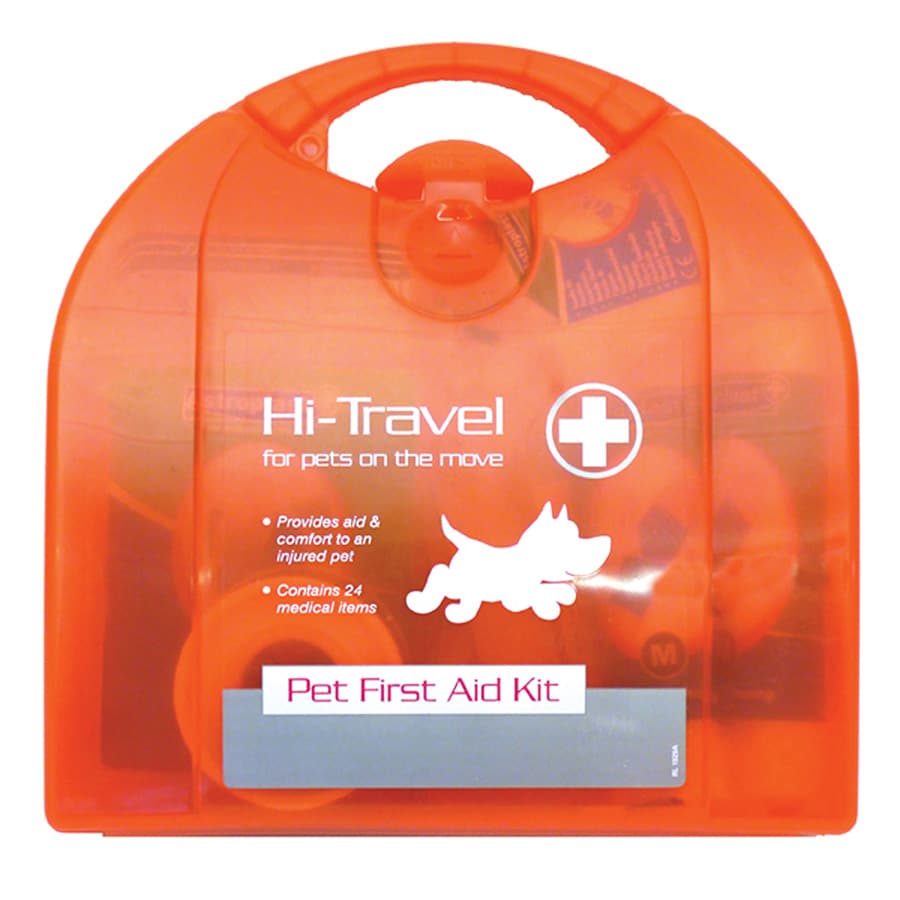
Worth having before you need it, not after.
Covers the gap between an incident and reaching a vet: bandages, gauze, antiseptic wipes, tick remover, foil blanket, and guidance cards. Rescues in the first weeks are in an unfamiliar environment and incidents happen more than with a settled dog. The honest caveat: a first aid kit does not replace veterinary treatment, use it to stabilise and transport, not to treat.
Woof & Woofer earns a small commission from some links on this page. This never influences our recommendations. Learn more.
More buying guides
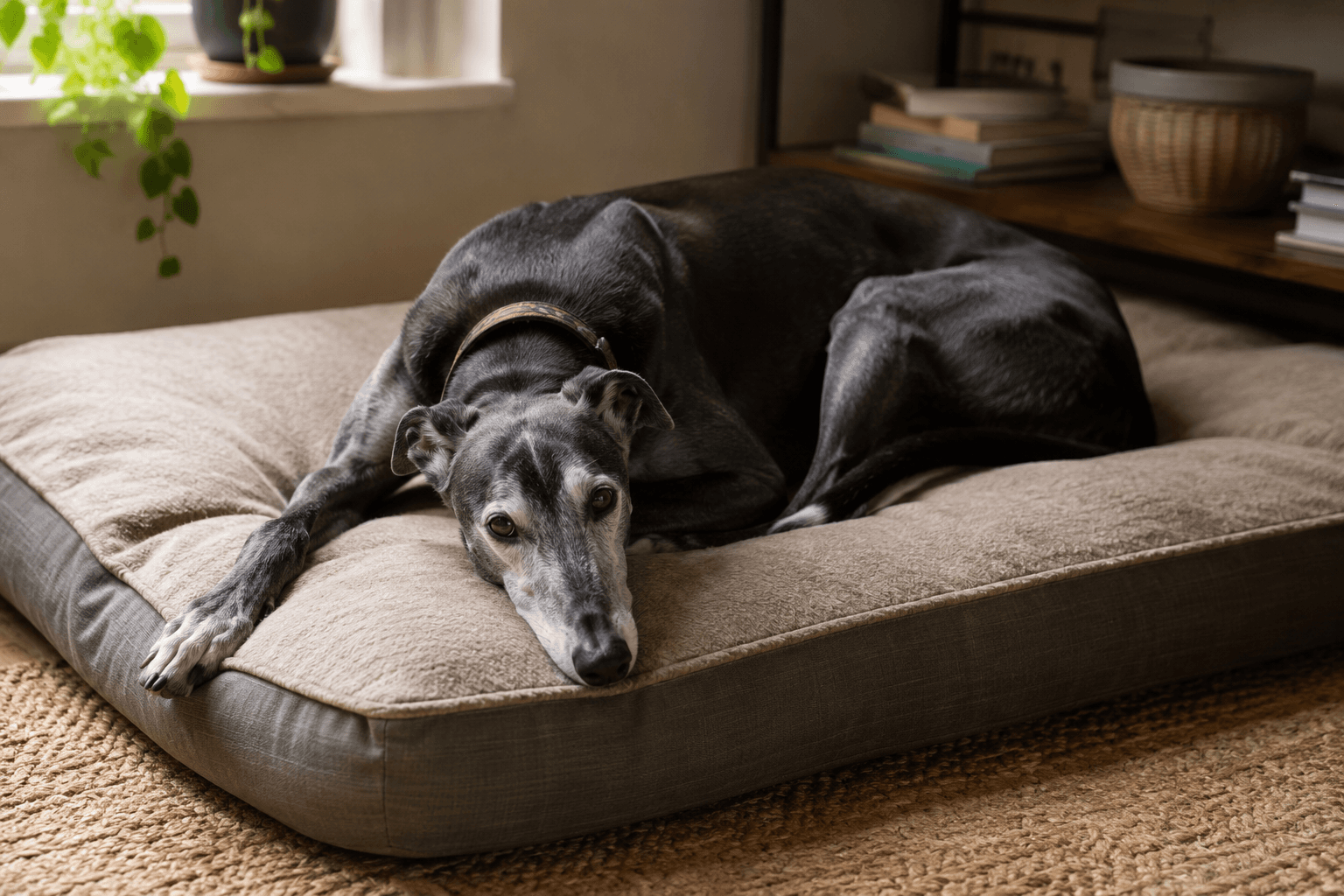
Senior dog essentials UK: what actually helps
Most senior dog products are repackaged standard products with a grey dog on the box. This kit covers what the evidence actually supports, from the only dog bed with peer-reviewed clinical data to the joint supplements UK vets recommend. Your dog cannot tell you they are in pain. These products help you manage what you cannot see.
Read the guide →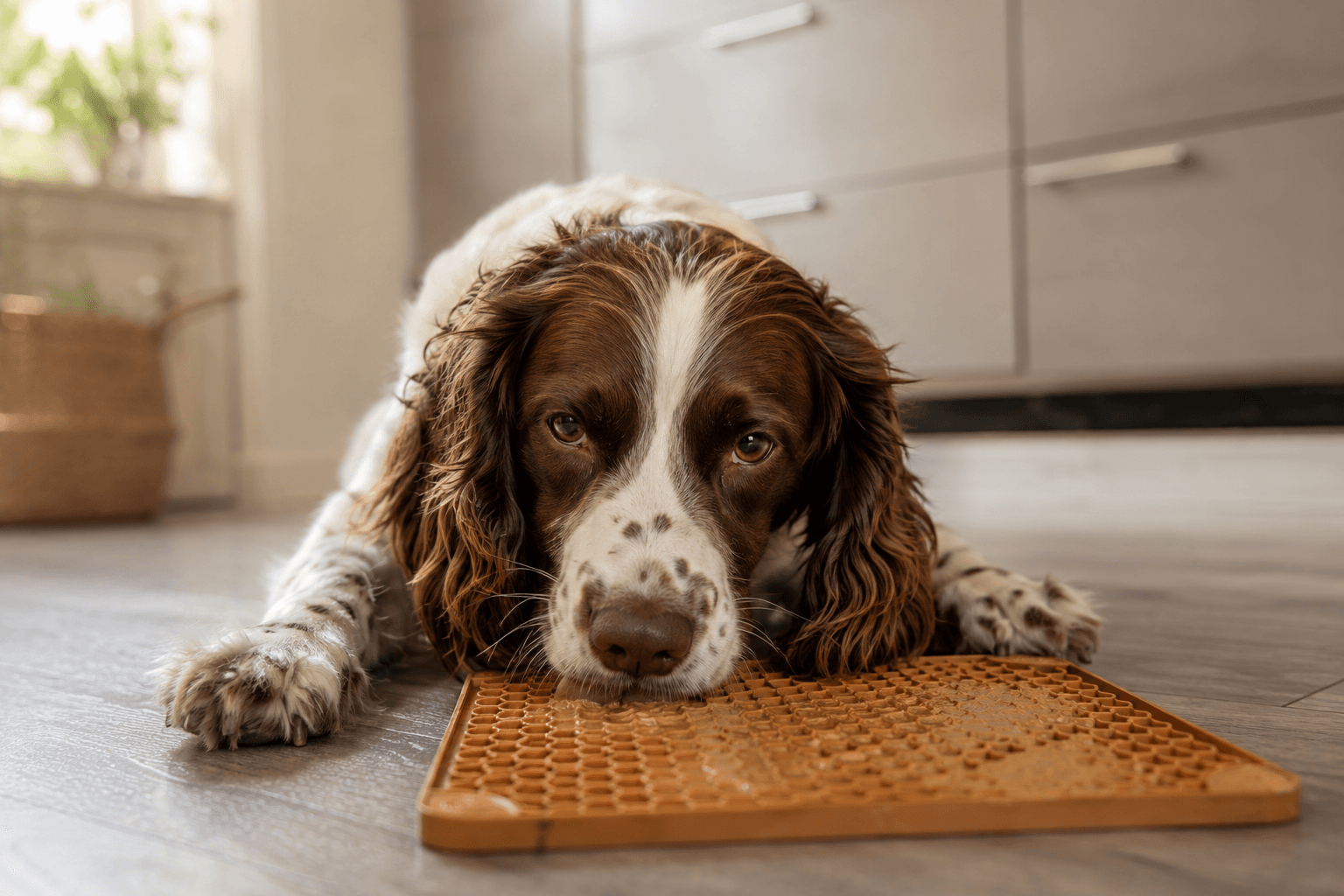
Anxious dog products UK: what actually helps
Most products marketed at anxious dogs do very little. This kit covers what is actually evidenced, what is useful in practice, and what to do first. For dogs with significant fear or reactivity, a referral to a qualified clinical animal behaviourist is the most important step. Everything here supports that process.
Read the guide →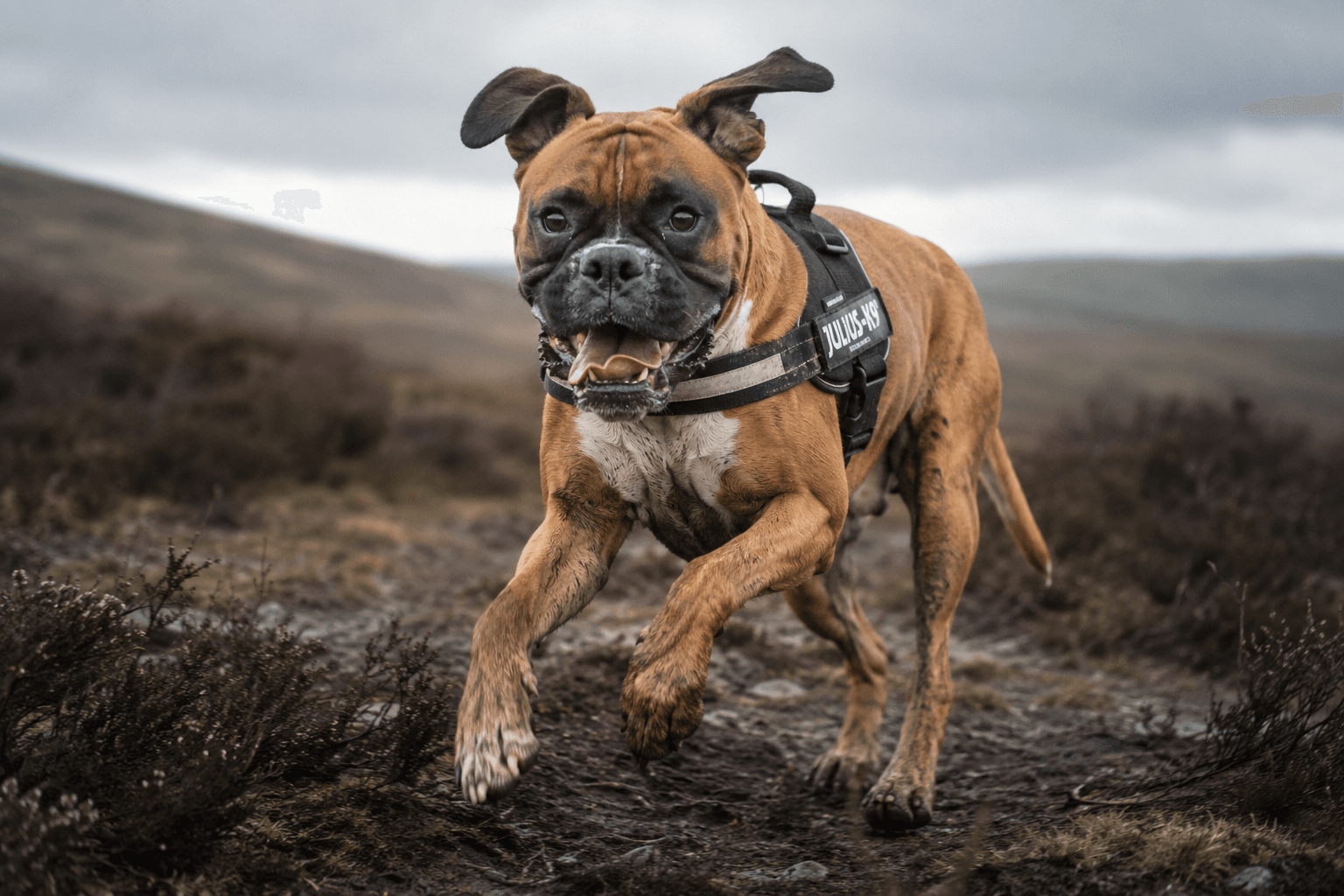
Active dog essentials UK: gear for high-energy and working dogs
Most dogs need a walk. Active dogs need equipment that keeps up with them. This kit is for high-energy breeds, working dogs, and owners who do more than a pavement circuit twice a day. Everything here is chosen for performance and durability, not for the lifestyle image on the packaging.
Read the guide →