

Akita
Complete UK breed guide
Quick answer
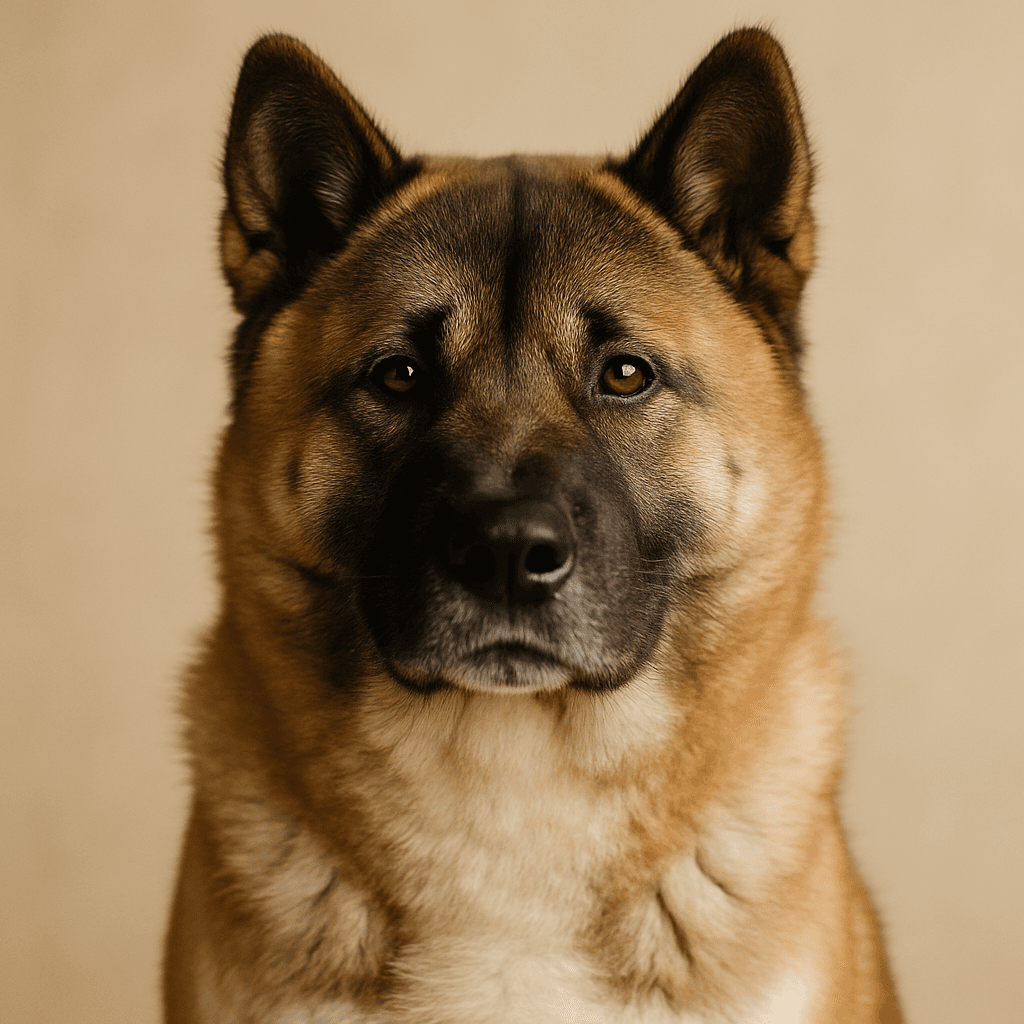
The Akita is a large, powerful Japanese breed loyal to its family but often aggressive toward other dogs and reserved with strangers. Not suitable for first-time owners. Key health concerns include hip dysplasia, Progressive Retinal Atrophy, Sebaceous Adenitis and Vogt-Koyanagi-Harada syndrome. They need 2 hours of daily exercise. Lifespan is 10 to 12 years. Prices range from £800 to £1,500.
Quick Facts
- Size
- Large
- Weight
- 34–54 kg
- Lifespan
- 10–14 years
- Breed Group
- Utility
- Exercise
- 120+ mins/day
- Activity Level
- Moderate
- Grooming
- Moderate
- Monthly Cost
- £150–£230/month
- Temperament
- Loyal, Independent, Dignified
- Good with Children
- No
- Good with Dogs
- No
- Good for First Timers
- No
- Suits Flats
- No
Free care guide
Get the Complete Akita Care Guide
Feeding, health, grooming, training and costs for your Akita. Free, straight to your inbox.
Getting set up
Getting a Akita? Here's what you'll need.
Our editors have picked the essentials for Akita owners.
See the First Dog Kit →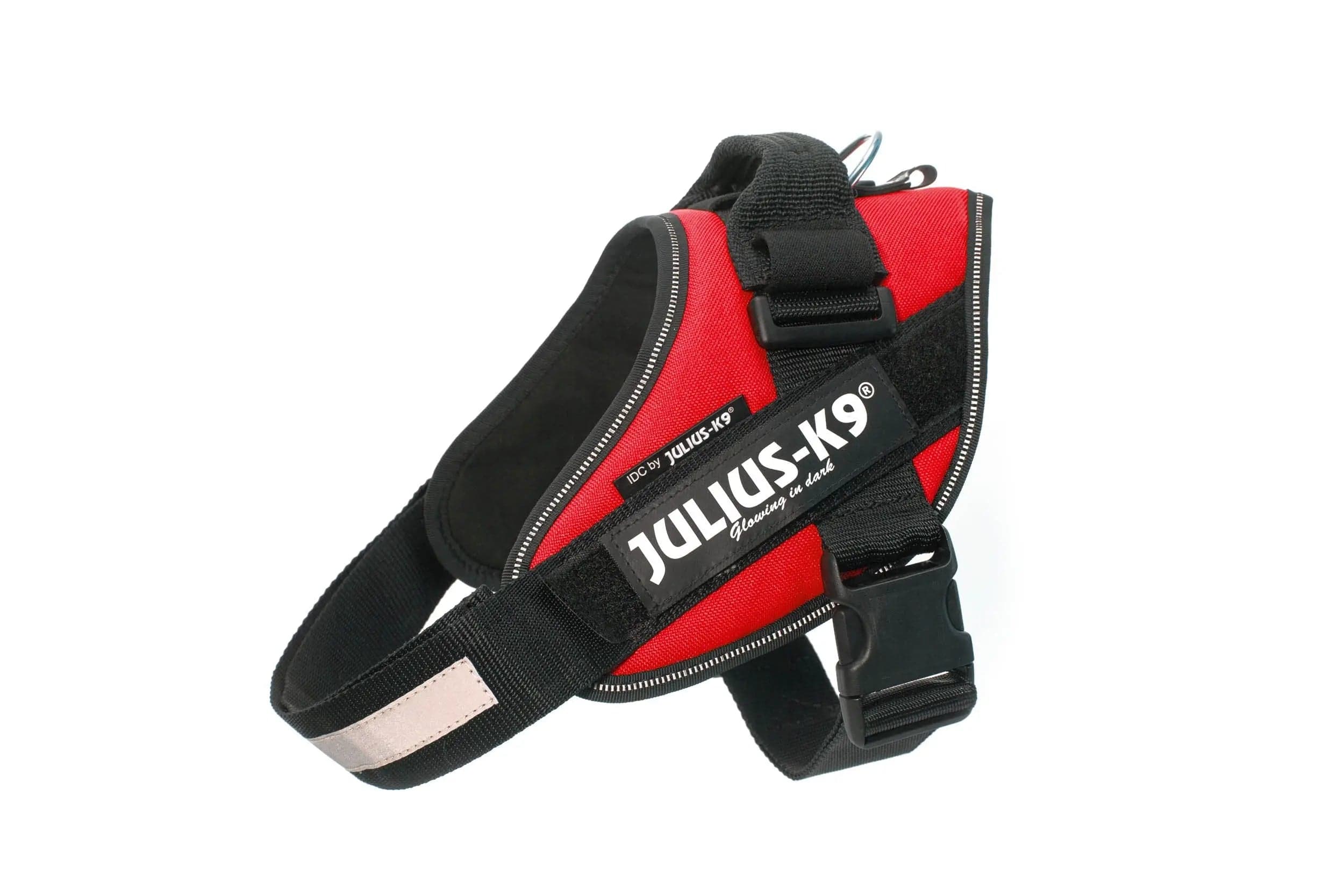
Recommended for Adult Dogs for Akitas
Products selected for Akita size, coat type, and life stage. Affiliate disclosure.
PetFusion
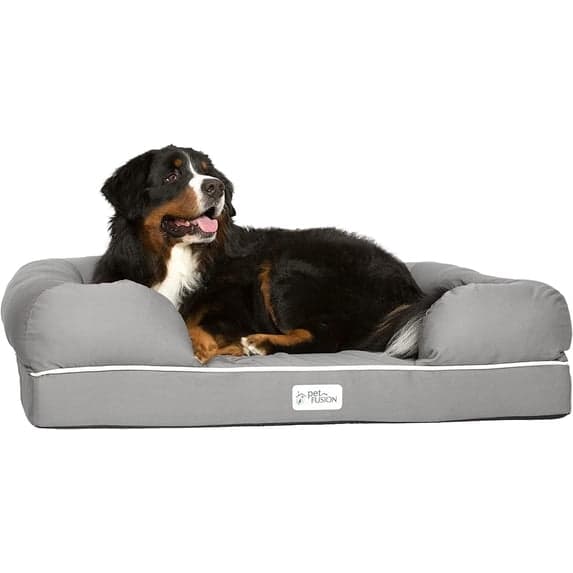
PetFusion Ultimate Dog Bed (Large)
Memory foam orthopedic bed with waterproof cover. Ideal for large breeds.
Shop PetFusionTuffies
Shop NowKurgo
Shop NowProDen PlaqueOff
VOHC-accepted. Seaweed-based dental bone with multiple flavours. From the makers of PlaqueOff Powder.
Buy on AmazonHurtta
Hurtta Mudventure ECO Raincoat (Large)
Reflective, eco-friendly raincoat built for UK weather. Large size.
Shop HurttaBarking Heads
Shop NowRoyal Canin
Royal Canin Breed-Specific Food
Nutrition precision-tailored to your breed.
Shop Royal CaninAATU Dog and Cat Food
Shop NowLily's Kitchen
Shop NowHarringtons
The UK's bestselling dry dog food. No artificial colours, flavours or preservatives. Made with natural ingredients including chicken, brown rice and vegetables. Available in multiple sizes.
Shop NowAnimology
The UK groomer standard for removing fox poo and foul odours. Deep cleaning with built-in conditioner and Pro-Vitamin B5. Suitable for all coats from 6 weeks old.
Shop NowChris Christensen
Shop NowBoshel
Shop NowRosewood
Shop NowDrontal
Shop NowPets Calm Down
Shop NowJulius-K9
Julius-K9 IDC Powerharness (Large)
Award-winning harness trusted by dog owners worldwide. Large size (23-30kg).
Shop Julius-K9PitPat
Shop NowFurbo
Shop NowNina Ottosson
Nina Ottosson Dog Puzzle
Level 2 puzzle feeder. Engages your dog mentally and slows eating.
Try Nina OttossonLickiMat
LickiMat Wobble
Slows feeding, reduces anxiety, keeps dogs calm and engaged.
Try LickiMatKONG
KONG Classic (Large)
The classic rubber chew for large and giant breeds.
Shop KONGChuckit
Chuckit! Ball Launcher (Large)
Launch further, throw less. Sport 26L launcher for large dogs.
Shop Chuckit!Trixie
Shop NowDoggone Good
Shop NowFURminator
FURminator Deshedding Tool (Large, Long & Double Coat)
Reduces shedding by up to 90% for large long-coated dogs.
Shop FURminatorBreed Overview
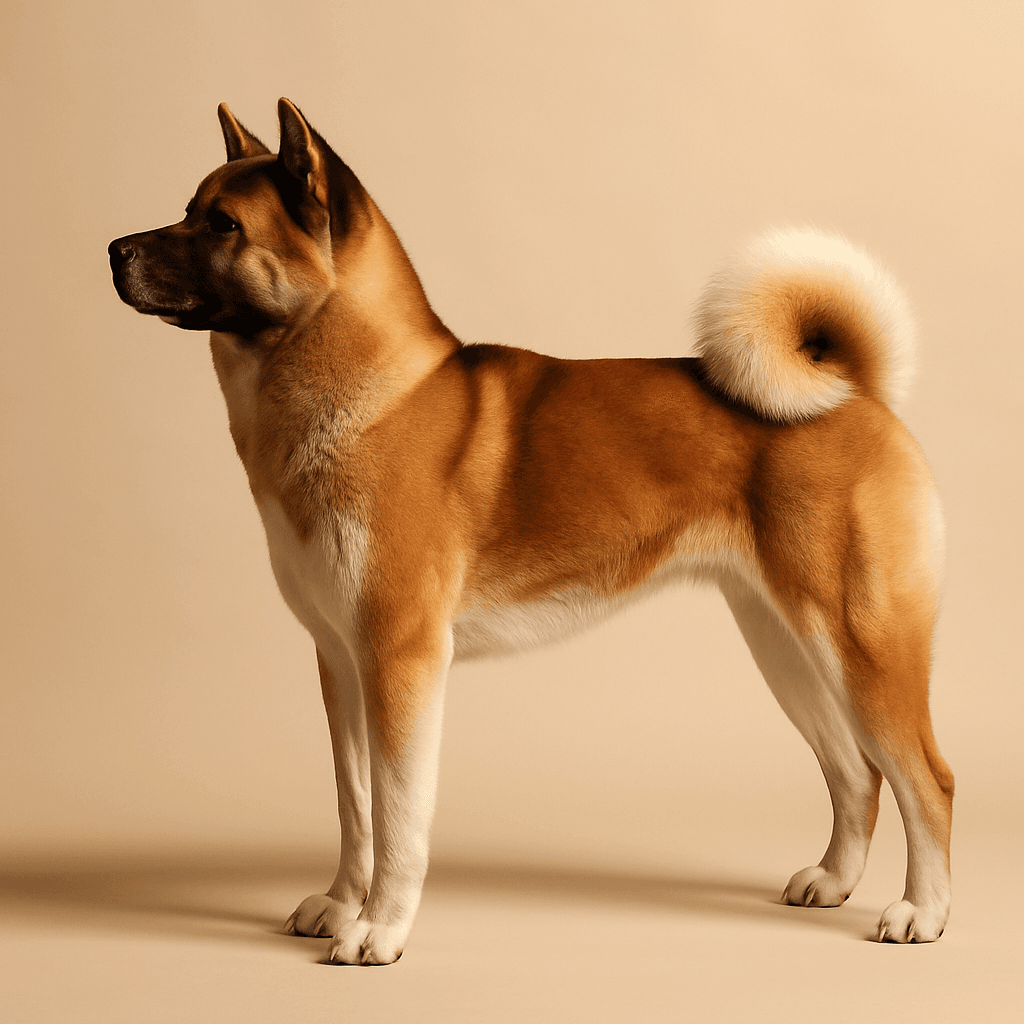
The Akita is a large, powerful and deeply loyal Japanese breed registered by the Kennel Club in the Utility Group. Originating in the mountainous Akita prefecture of Japan, it was developed as a hunting dog for large game including bear and boar, and later as a dog-fighting breed. It is the national dog of Japan, revered there for its loyalty and dignity, and is known worldwide through the story of Hachiko, the Akita who waited at Shibuya station every day for years after his owner's death. That story captures something true about the breed: the depth and exclusivity of the Akita's loyalty.
The Akita is not a dog for everyone. That statement bears repeating because the breed's striking appearance, the mythology surrounding it and its popularity in certain ownership communities can obscure just how demanding responsible Akita ownership is. This is a large, dominant, powerful dog with strong instincts toward same-sex aggression, a reserved attitude toward strangers and a self-possessed independence that requires consistent, experienced handling. In the wrong hands, an Akita is a genuinely dangerous dog. In the right hands, it is one of the most rewarding breeds available.
Within the family they have bonded to, Akitas are gentle, devoted and often playful. They are quiet dogs that do not bark excessively and carry themselves with a natural dignity. They tend to be particularly loyal to one person in the household, though their bond with the whole family is real. They are good with children in their household when raised with them, though their size always requires supervision with young children.
The dog-aggression tendency is the most important management challenge and must be understood before acquiring this breed. Akitas - particularly same-sex pairs - can be seriously aggressive toward other dogs. This is not a training problem: it is a breed characteristic with roots in the breed's history. Multi-dog households can work but require extensive experience and permanent vigilance. Akitas should be walked on lead in public areas where encounters with other dogs cannot be controlled. Dog parks are not appropriate.
Exercise needs are substantial: a minimum of 2 hours per day for an adult Akita. The double coat produces dramatic seasonal shedding twice yearly, with daily brushing sessions required to manage the volume of undercoat. This is not a low-maintenance breed in terms of time, management effort or ongoing cost.
Health considerations include hip dysplasia, Progressive Retinal Atrophy, Sebaceous Adenitis and the uncommon but breed-associated Vogt-Koyanagi-Harada syndrome, an autoimmune condition affecting skin and eyes. Insurance of £50 to £100 per month reflects a meaningful health risk profile. Purchase prices from KC-registered breeders range from £800 to £1,500. Lifespan is 10 to 14 years.
Akita rescue organisations do good work rehoming dogs whose previous placements broke down, usually because owners underestimated what they had taken on. Rescue Akitas are placed in experienced-only homes with strict criteria.
For the right owner - experienced, consistent, with a genuine understanding of dominant, independent breeds - the Akita is a breed of profound loyalty and character. Go in with full awareness of what you are committing to, and this is one of the most extraordinary dogs you will ever own.
Temperament & Personality
Akitas are loyal, dignified and deeply devoted to their family. Within the household they know and trust, they are affectionate, calm and often playful. With strangers and other dogs, they are an entirely different proposition.
The breed's loyalty is intense and can manifest as protectiveness that requires careful management in public settings. Akitas are alert to their environment and take their role as family protector seriously. Proper socialisation channels this instinct appropriately.
The dog-aggression tendency is the defining management characteristic. Akitas have historically been used in dog-fighting contexts in Japan and retain strong same-sex aggression in particular. This is a breed characteristic, not an individual fault. Multi-dog households are possible but require extensive experience and permanent management.
Reserve with strangers is normal. Akitas are not outgoing, gregarious dogs. They observe and assess. Forced interaction with unfamiliar people is not appropriate.
At home with their bonded family, Akitas are often described by owners as deeply rewarding companions with a quiet, intense loyalty unlike any other breed. The commitment required to manage them safely in the wider world is the price of that loyalty.
Training
Akitas are intelligent but require an experienced handler who understands dominant, independent breeds.
Dominance: Akitas will test the hierarchy in their household. Clear, consistent rules established from day one are essential. An Akita that has not received consistent leadership will make its own.
Positive reinforcement: Works well when applied consistently. Harsh corrections can produce defensiveness in a breed of this size and power.
Early socialisation: Absolutely critical. Broad, positive exposure to people, dogs and environments before 16 weeks reduces the likelihood of reactivity and aggression. Even well-socialised Akitas retain breed characteristics, but socialisation reduces the severity.
Dog-aggression management: This cannot be fully trained away. Management - leads, separation, controlled introductions - is a permanent feature of Akita ownership in multi-dog situations.
Obedience: Basic obedience to a high standard is a safety requirement given the breed's size. Sit, stay, recall and heel should be reliably established.
Exercise Needs
Akitas are working dogs that need substantial daily exercise and mental engagement.
Daily exercise: Minimum 2 hours per day for adults.
On-lead management: Akitas should be walked on lead in most public areas due to their dog-aggression potential. A strong, well-fitted harness or collar and lead that the owner can control is essential.
Off-lead exercise: Requires a very securely fenced private area. Akitas should not be exercised off-lead in public dog parks where encounters with other dogs are uncontrolled.
Mental stimulation: Akitas have working intelligence that needs engagement. Scent work, training sessions and tasks all help. A bored Akita with pent-up energy is challenging to manage.
Health & Vet Costs
Akitas carry several inherited health conditions that responsible breeders screen for.
Hip Dysplasia: A significant concern in the breed. KC/BVA Hip Scoring assesses breeding dogs. Ask for hip scores on both parents.
Progressive Retinal Atrophy (PRA): Hereditary eye condition causing progressive vision loss. DNA testing is available. Ask breeders to confirm test status for both parents.
Sebaceous Adenitis: An inflammatory skin disease specific to certain breeds including the Akita, causing hair loss, scaling and skin lesions. It can range from mild to severe and requires long-term management.
Vogt-Koyanagi-Harada (VKH) Syndrome: An immune-mediated condition more prevalent in Akitas than in most other breeds. It causes depigmentation of skin and eyes and uveitis. Early diagnosis and treatment with immunosuppressants are important.
Bloat (GDV): Deep-chested breed risk. See nutrition section.
Hypothyroidism: Occurs in some individuals.
Monthly insurance typically costs £50 to £100. Lifespan is 10 to 14 years.
Feeding & Nutrition
Akitas are large, powerful dogs with significant nutritional requirements.
Daily food cost: £3 to £5 per day.
Monthly food cost: Approximately £60 to £100 per month.
Feeding routine: Two meals per day. As with all large, deep-chested breeds, avoid vigorous exercise immediately before and after feeding.
Bloat risk: Akitas are a deep-chested breed with elevated GDV risk. Slow-feeding bowls and calm feeding routines are sensible precautions. Know the signs of bloat and treat as an emergency.
Weight management: Excess weight worsens joint conditions in a breed already prone to hip dysplasia. Maintain a lean body condition.
Feeding your Akita
How much to feed, which food types suit this breed, and what to avoid.
Grooming & Care
Akitas have a thick double coat that requires regular maintenance and produces significant shedding.
Brushing: Two to three times per week during normal periods. Daily brushing during the twice-yearly heavy coat blow, which produces substantial volumes of loose undercoat.
Coat blow: Akitas shed their entire undercoat twice a year. During these periods, daily brushing with a de-shedding tool is essential. Hair accumulation in the home during coat blow is considerable.
Bathing: Every six to eight weeks, or when dirty. The thick coat takes time to dry fully.
Professional grooming: Not routinely required for the coat itself, though professional bathing and de-shedding treatments are offered by many groomers.
Monthly grooming cost: Minimal for home maintenance; budget £30 to £50 for occasional professional bathing.
Costs of Ownership
Purchase price: £800 to £1,500 from a KC-registered health-tested breeder.
Monthly food: £60 to £100.
Pet insurance: £50 to £100 per month for lifetime comprehensive cover. Large, powerful breeds with elevated health conditions attract higher premiums.
Professional grooming: Occasional; budget £30 to £50 for professional bathing.
Veterinary costs: Routine annual care. Budget for potential hip follow-up, eye testing and skin condition treatment.
Total estimated monthly running cost: £160 to £250 per month for an adult Akita in good health.
Estimated cost breakdown
Estimates based on UK average costs. Actual costs vary by location, vet, and lifestyle.
Owner note
Is your Akita insured?
Akita insurance typically costs £30–£75 per month depending on age, cover level and where you live. Getting the right policy before your first vet visit is one of the most important decisions you will make as a new owner.
Compare dog insuranceWe may earn a commission if you buy through our links. This never influences our recommendations.
Where to Find a Akita in the UK
Whether you are looking for a Akita puppy from a responsible breeder or hoping to give a rescue Akita a second chance, there are reliable routes to finding the right dog. The most important thing is that you find them through the right channel — one that puts the dog's welfare first.
Finding a Akita Puppy
The Kennel Club's Find a Puppy service is the safest starting point for anyone looking for a Akita puppy. It connects buyers with breeders who register their litters and allows you to verify parental health test results.
For Akitas, the relevant breed club is Akita Association. They maintain a breeder register and can be contacted directly for recommendations.
Before you commit, read our complete guide to finding a puppy responsibly — including the red flags that separate an ethical breeder from a puppy farm.
Read the Puppy Buying GuideRescuing a Akita
Akita-specific rescue organisations are run by people who know the breed inside out. They assess every dog carefully and match them to homes that genuinely suit their needs. Waiting lists exist but are worth it.
Key Akita rescues in the UK include:
Our rescue guide covers the full adoption process in detail.
Find a Rescue DogIs a Akita Right for You?
Best suited to: Experienced, confident owners who can provide firm, consistent leadership. Families without other dogs or small pets.
Not suited to: First-time owners, multi-dog households (particularly same-sex), homes with small animals, those wanting a sociable, gregarious breed.
Children: Akitas bonded to children in their family are typically gentle and protective. Their size and strength require supervision with young children. They are not suitable in households where neighbourhood children visit frequently.
Other dogs: This is the primary management challenge. Akitas are prone to same-sex aggression and dog-on-dog aggression generally. Multi-dog households require very careful management. Males with males is a significant risk.
Cats and small animals: Strong prey drive. Cohabitation with small animals is high risk without very early and careful introduction.
Flat or house: Requires a house with securely fenced garden. Fencing must be substantial given the breed's size and strength.
First-time owners: Not appropriate. The Akita's dominance and strength make consistent, experienced handling a safety requirement.
Frequently Asked Questions
Akitas are not recommended for families with children due to their size, strength and independent nature. They require experienced owners who can provide firm, consistent leadership and proper socialisation from puppyhood. They are best suited to households without young children or other pets.
Akitas require 60-75 minutes of exercise daily to maintain their physical and mental wellbeing. They benefit from regular walks and off-lead time in secure areas, though they have a strong prey drive and independent streak that requires careful management.
Yes, Akitas shed heavily, particularly during their twice-yearly coat blows when they shed their entire undercoat. Regular brushing several times a week, and daily during shedding season, is essential to manage loose hair and maintain coat health.
Akitas are intelligent but notoriously independent and stubborn, making them challenging to train. They require an experienced owner with strong leadership skills, consistent boundaries and positive reinforcement methods. They are not suitable for first-time dog owners.
Akitas typically live between 10-12 years. Providing good nutrition, regular exercise, preventative healthcare and maintaining a healthy weight can help ensure they live a full and healthy life.
Monthly costs for an Akita typically range from £150-£230, covering food, routine healthcare and general care. Additional expenses such as emergency veterinary treatment, training classes or boarding should be factored into your budget.
No, Akitas are not recommended for first-time dog owners. They require experienced handling, firm leadership and extensive socialisation. Their size, strength and independent temperament demand an owner with proven dog training experience and understanding of large breed management.
Related Breeds
Alaskan Malamute
The Alaskan Malamute is a large, powerful Arctic sled dog bred for endurance hauling. They need 2 or more hours of vigor...
View breed guide →Japanese Shiba Inu
The Shiba Inu is Japan's most popular native dog breed - a bold, spirited and independent spitz with a fox-like appearan...
View breed guide →Siberian Husky
Siberian Huskies are striking Working Group dogs that need secure fencing, cannot be trusted off-lead, and howl signific...
View breed guide →Related Guides
Find local services for your Akita
Search verified UK listings for vets, groomers, trainers and walkers near you.
Upcoming events for Akita owners
Championship Show
Darlington Dog Show Society Championship Show 2026
18 to 20 September 2026 · Ripon, North Yorkshire
Companion Show
Paws in the Park — Kent 2026
19 to 20 September 2026 · Maidstone, Kent
Championship Show
Belfast Dog Show Society Championship Show 2026
26 to 27 September 2026 · Lisburn, County Antrim
Festival
DogFest at the Palace 2026
3 to 4 October 2026 · Woodstock, Oxfordshire
Championship Show
South Wales Kennel Association Championship Show 2026
8 to 11 October 2026 · Builth Wells, Powys