Bichon Frise
Complete UK breed guide
Quick answer
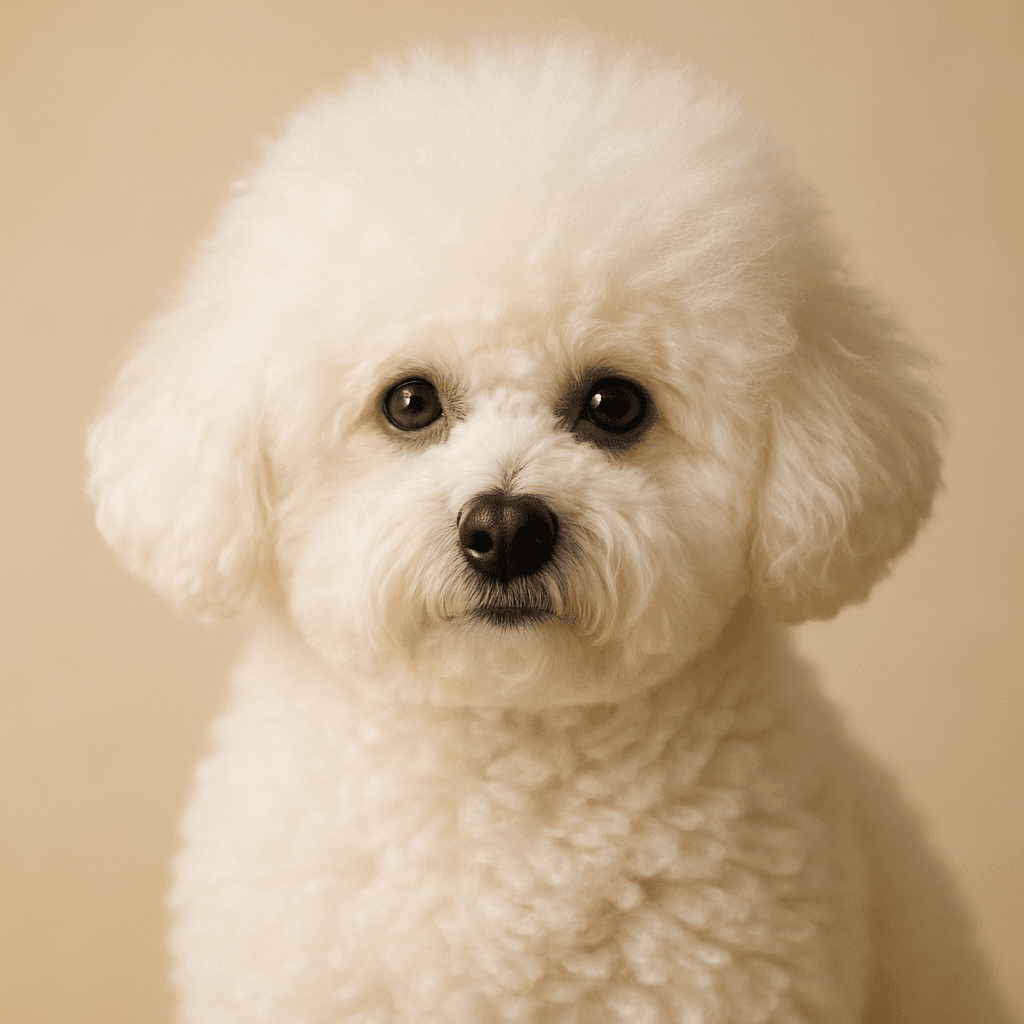
The Bichon Frise is a cheerful, sociable small breed with a low-shedding curly coat requiring regular professional grooming. It is prone to skin allergies, dental disease and cataracts. Insurance costs are moderate for a small breed.
Quick Facts
- Size
- Small
- Weight
- 5–10 kg
- Lifespan
- 12–15 years
- Breed Group
- Toy
- Exercise
- 30–45 mins/day
- Activity Level
- Moderate
- Grooming
- High
- Monthly Cost
- £90–£150/month
- Temperament
- Cheerful, Affectionate, Sociable
- Good with Children
- Yes
- Good with Dogs
- Yes
- Good for First Timers
- Yes
- Suits Flats
- Yes
Free care guide
Get the Complete Bichon Frise Care Guide
Feeding, health, grooming, training and costs for your Bichon Frise. Free, straight to your inbox.
Getting set up
Getting a Bichon Frise? Here's what you'll need.
Our editors have picked the essentials for Bichon Frise owners.
See the Anxious Dog Kit →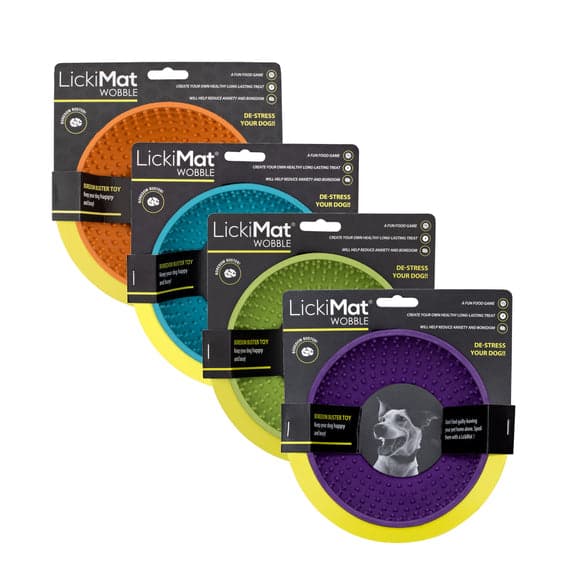
Recommended for Adult Dogs for Bichon Frises
Products selected for Bichon Frise size, coat type, and life stage. Affiliate disclosure.
PetFusion
PetFusion Ultimate Dog Bed (Small)
Memory foam orthopedic bed with waterproof cover. Ideal for small and medium dogs.
Shop PetFusionTuffies
Shop NowKurgo
Shop NowWhimzees by Wellness
VOHC-accepted. Plant-based, grain-free. Five sizes. Best all-round dental chew for most dogs.
Buy on AmazonHurtta
Hurtta Mudventure ECO Raincoat (Small)
Reflective, eco-friendly raincoat built for UK weather. Small size.
Shop HurttaHarringtons
The UK's bestselling dry dog food. No artificial colours, flavours or preservatives. Made with natural ingredients including chicken, brown rice and vegetables. Available in multiple sizes.
Shop NowLily's Kitchen
Shop NowBarking Heads
Shop NowAATU Dog and Cat Food
Shop NowRoyal Canin
Royal Canin Breed-Specific Food
Nutrition precision-tailored to your breed.
Shop Royal CaninAnimology
The UK groomer standard for removing fox poo and foul odours. Deep cleaning with built-in conditioner and Pro-Vitamin B5. Suitable for all coats from 6 weeks old.
Shop NowAndis
Shop NowBoshel
Shop NowChris Christensen
Shop NowPets Calm Down
Shop NowRosewood
Shop NowDrontal
Shop NowPitPat
Shop NowJulius-K9
Julius-K9 IDC Powerharness (Small)
Award-winning harness trusted by dog owners worldwide. Small size (7-15kg).
Shop Julius-K9Furbo
Shop NowKONG
KONG Classic (Small)
The classic rubber chew for small dogs and puppies.
Shop KONGLickiMat
LickiMat Wobble
Slows feeding, reduces anxiety, keeps dogs calm and engaged.
Try LickiMatChuckit
Chuckit! Ball Launcher (Small)
Launch further, throw less. Mini launcher for small dogs.
Shop Chuckit!Nina Ottosson
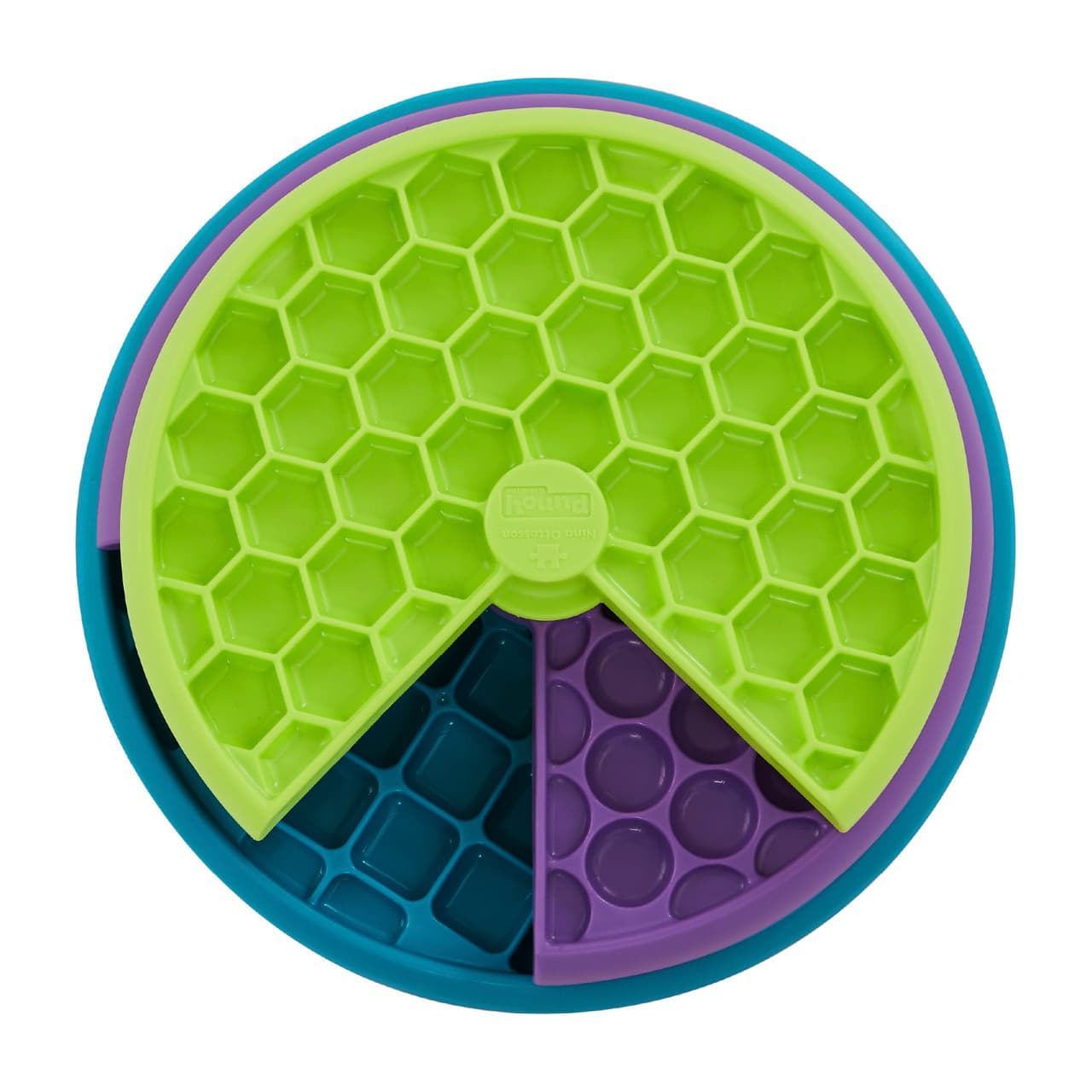
Nina Ottosson Dog Puzzle
Level 2 puzzle feeder. Engages your dog mentally and slows eating.
Try Nina OttossonTrixie
Shop NowDoggone Good
Shop NowFURminator
FURminator Deshedding Tool (Small, Long & Double Coat)
Reduces shedding by up to 90% for small long-coated dogs.
Shop FURminatorBreed Overview
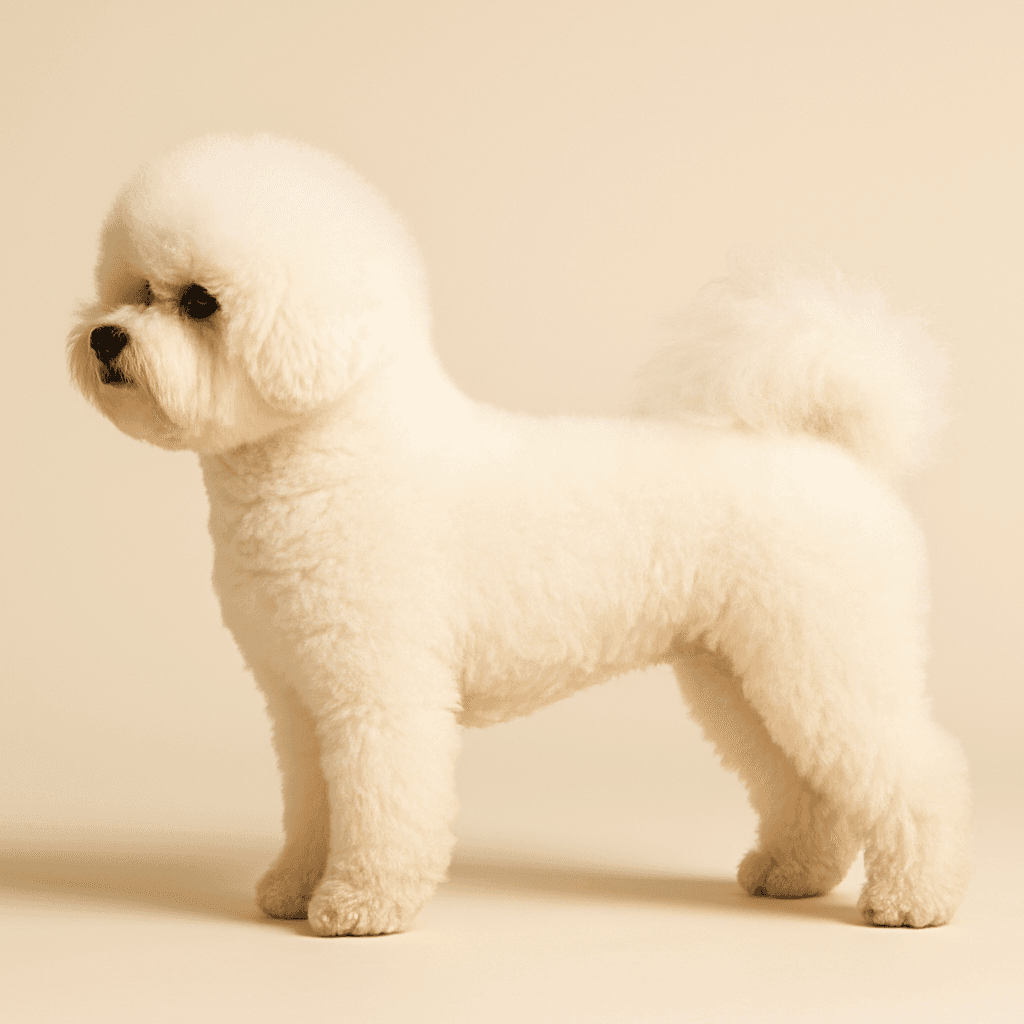
The Bichon Frise is a small, non-shedding companion breed with a cheerful, sociable temperament and an immediately recognisable fluffy white coat. Registered by the Kennel Club in the Toy Group, the Bichon has been a popular companion breed in Europe for centuries and remains consistently well-regarded in the UK for its adaptable temperament and minimal shedding.
For owners who can commit to the grooming schedule, the Bichon is an excellent companion. It suits a wide range of households from flats to family homes, gets on well with children, other dogs and typically cats, and has moderate exercise needs that suit less active owners. Its low-shedding coat reduces the dog hair in the home compared to most breeds, though no dog is truly hypoallergenic.
The grooming commitment is real and non-negotiable. The Bichon's curly coat grows continuously, mats easily without daily brushing, and must be professionally clipped every four to six weeks. This costs £40 to £65 per visit. Over the course of a year, grooming alone can cost £400 to £780. Owners who do not factor this into their budget before acquiring a Bichon frequently find it becomes a financial strain. This is the single most important practical consideration when deciding whether a Bichon is the right breed.
Health-wise, Bichons are a relatively robust small breed. Skin allergies affect a meaningful proportion of the breed and can require ongoing management. Dental disease is very common, making daily toothbrushing and periodic professional dental cleaning under anaesthetic a routine part of ownership. Bladder stones, cataracts and luxating patella also occur.
Purchase prices from KC-registered breeders typically range from £800 to £1,500. Monthly insurance is £25 to £50 for comprehensive lifetime cover. Lifespan is 12 to 15 years.
The Bichon Frise Club of Great Britain operates breed rescue nationally. Dogs Trust and RSPCA also rehome Bichons when they come into their care.
Research the grooming commitment thoroughly, budget for it from day one, and the Bichon is a reliable, affectionate and adaptable small companion that suits a wide range of owners and living situations.
On the health front, most Bichons live full and active lives without serious illness. Skin conditions and dental disease are the most likely ongoing management requirements: both are manageable with the right preventive routine. Building daily toothbrushing into your routine from puppyhood is the single most cost-effective health investment you can make with this breed.
The Bichon suits a wide range of owners. It is one of the more adaptable small breeds: comfortable in flats, good with children, tolerant of different activity levels, and genuinely warm in character. The primary requirements are grooming commitment, company during the day, and a budget that includes professional clipping throughout the dog's life. Meet those requirements and the Bichon is a reliably affectionate and cheerful companion.
Temperament & Personality
Bichons are cheerful, playful and sociable dogs with an upbeat, affectionate character. They tend to get on well with most people, other dogs and cats when properly socialised, and are generally reliable with children.
They are companion dogs in the true sense: they want to be with their people. This makes them warm and engaging at home but means they can struggle with extended periods alone. Separation anxiety is a genuine issue in the breed and should be addressed through training from puppyhood.
They are alert dogs that will notify their owners of visitors and changes in their environment, though they are not excessive barkers by small breed standards when properly trained. Their bark is used to communicate rather than as a continuous background habit.
They are playful into middle age and enjoy games, short training sessions and interactive toys. Their intelligence means they need some mental engagement to remain settled. A bored Bichon with unspent energy will find its own entertainment.
They are sensitive dogs that read household atmosphere. They thrive in calm, consistent environments and can become anxious in tense or unpredictable households. This sensitivity is part of what makes them perceptive companions; it also means they do not respond well to harsh handling or punishment-based training.
Training
Bichons are intelligent and sociable dogs that respond well to reward-based training. They enjoy interaction and learning but can be sensitive to tension or harsh handling.
Four priorities for a new Bichon owner:
- Separation tolerance. Begin from day one. Crate training positively, gradually increasing alone time, and not reinforcing anxious behaviour prevents separation anxiety from becoming established.
- House training. Small breeds can take longer to house train reliably. Consistent routine, frequent trips outside, and reward for toileting in the correct place are the keys. Do not punish accidents.
- Basic obedience. Sit, stay, down, come and leave it using positive reward-based methods. Bichons are food-motivated and respond well.
- Socialisation. Thorough positive exposure to people, environments, sounds and other dogs during the 8 to 16 week window. Well-socialised Bichons are confident and adaptable.
Common mistakes: Inconsistency with house training and alone time in puppyhood. Small breed puppies are often carried more than large breed puppies, which inadvertently reinforces the expectation of constant contact and makes separation anxiety more likely.
Good to know
Exercise Needs
Bichons are active small dogs that need regular exercise but are not demanding in terms of duration or intensity. They are playful and enjoy games as well as walks.
Adult Bichons: 30 minutes of exercise per day is sufficient for most adult Bichons, delivered in one or two shorter walks plus play sessions. They can comfortably walk further if the owner is active, but do not require it.
Mental stimulation: Bichons are intelligent and enjoy learning. Short training sessions, puzzle feeders and interactive games provide the mental engagement that keeps them settled and well-behaved at home.
Off-lead exercise: Bichons can be exercised off lead in safe, enclosed areas. Their recall is generally good when trained positively from puppyhood. In open areas near roads or livestock, use a lead or long line.
Weather sensitivity: Bichons do not have a heavy weather-resistant coat. In very cold or wet weather, a dog coat may be appreciated. In hot weather, avoid exercising during the hottest part of the day.
Puppies: Short, unforced play sessions and brief walks increasing gradually as the puppy matures. Avoid excessive exercise on developing joints.
Health & Vet Costs
Bichons are generally a fairly healthy small breed with good longevity, but several conditions occur at meaningful rates.
Skin allergies and atopic dermatitis are among the most common health issues in the breed. Environmental allergens, food triggers and contact allergies can all cause itchy skin, recurring ear infections, paw chewing and skin thickening. Management depends on the cause and may include dietary changes, medicated shampoos, antihistamines or immunotherapy. Chronic skin management is a meaningful cost and effort commitment for affected dogs.
Dental disease affects the Bichon disproportionately due to the breed's small jaw relative to tooth size, which causes overcrowding. Most Bichons will require professional dental cleaning under anaesthetic at some point in their lives, and many need it periodically. Daily toothbrushing significantly reduces the rate of disease progression.
Cataracts and eye conditions including hereditary cataracts occur in the breed. The BVA/KC Eye Scheme tests breeding dogs. Ask breeders for current eye testing certificates.
Luxating Patella (slipping kneecap) occurs in small breeds including the Bichon. Severity ranges from mild and intermittent to requiring surgical correction.
Bladder stones occur at higher rates in Bichons than in many other breeds. Signs include straining to urinate, blood in urine and frequent urination. Diet modification can reduce recurrence in some stone types.
Monthly insurance typically costs £25 to £50. Lifespan is 12 to 15 years.
Feeding & Nutrition
Bichons can be selective eaters and some develop food sensitivities or allergies, which may manifest as skin irritation, ear infections or digestive upset. Identifying and managing dietary triggers is part of life with a Bichon for many owners.
Daily feeding: Adult Bichons typically need 80 to 130g of a good quality dry complete food per day, split into two meals. Exact quantities depend on the food, the dog's activity level and body condition.
Food allergies and sensitivities: If your Bichon shows chronic ear infections, itchy skin, paw chewing or digestive irregularity, a dietary food trial may be indicated. Your vet may recommend a novel protein diet (a protein the dog has not previously eaten) or a hydrolysed protein food. Follow veterinary guidance and commit to the full exclusion trial period.
Dental health: Bichons are highly prone to dental disease. Diet can support dental health: dry kibble is generally better than wet food for dental hygiene. Dental-specific diets and chews can also help. Daily toothbrushing is the most effective preventive measure.
Weight management: Although small, Bichons can become overweight on excessive treats and table scraps. Obesity worsens joint health and overall quality of life. Check body condition regularly and adjust food accordingly.
Puppy feeding: Three to four times daily until 12 weeks, then three times until six months, then twice daily.
Feeding your Bichon Frise
How much to feed, which food types suit this breed, and what to avoid.
Grooming & Care
The Bichon Frise coat is the breed's most labour-intensive characteristic. The curly, non-shedding double coat grows continuously and requires significant grooming commitment.
Brushing: Daily brushing is required to prevent the coat from matting. A slicker brush and wide-toothed comb are essential. Neglected Bichon coats mat quickly, particularly behind the ears, in the armpits and around the legs.
Professional grooming: Every four to six weeks without exception. The Bichon coat must be clipped regularly to maintain coat health and the dog's comfort. Professional grooming costs £40 to £65 per session depending on location. Over a year, this represents £400 to £780 in grooming costs alone. This is a non-negotiable expense.
Bathing: Every three to four weeks between professional appointments, or as directed by your groomer. Use a gentle dog-specific shampoo suitable for white coats.
Tear staining: Bichons are prone to reddish-brown tear staining around the eyes, caused by normal tear pigment. Gently clean the area daily with a damp cotton pad. Persistent staining may indicate a blocked tear duct or eye irritation that warrants veterinary assessment.
Ear care: Check ears weekly. The Bichon's drop ears and the hair that grows inside the ear canal can predispose to ear infections. Keep the area clean and dry.
Nails: Clip every four to six weeks or as needed.
Costs of Ownership
Purchase price: £800 to £1,500 from a KC-registered breeder.
Monthly insurance: £25 to £50 for comprehensive lifetime cover for a small breed. Bichons have moderate health risks relative to some other small breeds.
Food: £25 to £40 per month for a good quality complete dry food.
Professional grooming: £40 to £65 every four to six weeks. This is one of the highest ongoing costs for this breed and must be budgeted for before acquiring a Bichon.
Routine veterinary care: Annual vaccination and health check approximately £60 to £80. Dental cleaning under anaesthetic may be required periodically, costing £200 to £500 depending on extent.
Dental care supplies: Regular toothbrushing with dog-safe toothpaste. A finger brush or soft dog toothbrush costs a few pounds.
Total estimated monthly cost: £120 to £220 when insurance, food, grooming (amortised monthly) and routine care are combined. Dental and skin treatment costs can add significantly in affected dogs.
Estimated cost breakdown
Estimates based on UK average costs. Actual costs vary by location, vet, and lifestyle.
Owner note
Is your Bichon Frise insured?
Bichon Frise insurance typically costs £15–£40 per month depending on age, cover level and where you live. Getting the right policy before your first vet visit is one of the most important decisions you will make as a new owner.
Compare dog insuranceWe may earn a commission if you buy through our links. This never influences our recommendations.
Where to Find a Bichon Frise in the UK
Whether you are looking for a Bichon Frise puppy from a responsible breeder or hoping to give a rescue Bichon Frise a second chance, there are reliable routes to finding the right dog. The most important thing is that you find them through the right channel — one that puts the dog's welfare first.
Finding a Bichon Frise Puppy
The Kennel Club's Find a Puppy service is the safest starting point for anyone looking for a Bichon Frise puppy. It connects buyers with breeders who register their litters and allows you to verify parental health test results.
For Bichon Frises, the relevant breed club is The Bichon Frisé Club of Great Britain. They maintain a breeder register and can be contacted directly for recommendations.
Before you commit, read our complete guide to finding a puppy responsibly — including the red flags that separate an ethical breeder from a puppy farm.
Read the Puppy Buying GuideRescuing a Bichon Frise
Bichon Frise-specific rescue organisations are run by people who know the breed inside out. They assess every dog carefully and match them to homes that genuinely suit their needs. Waiting lists exist but are worth it.
Key Bichon Frise rescues in the UK include:
Our rescue guide covers the full adoption process in detail.
Find a Rescue DogIs a Bichon Frise Right for You?
Best suited to: Families, couples and older owners wanting a sociable small companion; people who prefer minimal shedding in the home; households where someone is home for much of the day.
Can work with: First-time dog owners; flat and apartment dwellers provided daily exercise needs are met; households with gentle children.
Not ideal for: Owners who cannot commit to regular professional grooming; those wanting a low-maintenance coat; very active owners wanting an athletic breed; owners who need a dog that manages long periods alone.
Size and living situation: Bichons are small dogs (3 to 5kg) well-suited to urban and apartment living. They do not need a large garden but require daily walks and play.
Children and other pets: Bichons are typically gentle and playful with children. They get on well with other dogs and usually with cats when properly introduced.
Alone time: Bichons are companion dogs that struggle with extended isolation. Separation anxiety is common in the breed. This should be addressed positively from puppyhood.
Frequently Asked Questions
Yes, Bichon Frises make excellent family dogs. They are affectionate, playful, and patient with children, whilst their small size makes them manageable for most households. They thrive on companionship and enjoy being part of family activities.
Bichon Frises require around 30-45 minutes of exercise per day. They enjoy walks, playtime, and interactive games, but are adaptable to both active and more relaxed lifestyles. Mental stimulation through training and puzzle toys is equally important.
Bichon Frises are low-shedding dogs, making them a good choice for people concerned about loose hair around the home. However, their curly coat requires regular grooming to prevent matting and maintain their characteristic fluffy appearance.
Bichon Frises are intelligent and eager to please, which generally makes them responsive to training. They respond well to positive reinforcement methods, though they can be slightly stubborn at times. Consistency and patience will yield the best results.
Bichon Frises typically live between 14-16 years, which is a good lifespan for a small breed. With proper care, regular veterinary check-ups, and a healthy lifestyle, many live well into their senior years.
The monthly cost of owning a Bichon Frise is typically between £90-£150. This covers food, routine veterinary care, and general maintenance. Professional grooming costs should be budgeted separately, as their coat requires regular professional attention every 6-8 weeks.
Yes, Bichon Frises are suitable for first-time dog owners. They are adaptable, affectionate, and relatively easy to train with consistent guidance. Their small size and moderate exercise needs make them manageable, though prospective owners should be prepared for regular grooming commitments.
Related Breeds
Bolognese
The Bolognese is a small Italian companion breed with a fluffy white non-shedding coat. Gentle, calm and devoted, it bon...
View breed guide →Havanese
The Havanese is Cuba's only native breed and national dog - a small, silky-coated, cheerful companion with excellent tra...
View breed guide →Maltese
The Maltese is a small, elegant toy breed with a long white coat requiring daily brushing and regular professional groom...
View breed guide →Related Guides
Find local services for your Bichon Frise
Search verified UK listings for vets, groomers, trainers and walkers near you.
Upcoming events for Bichon Frise owners
Championship Show
Darlington Dog Show Society Championship Show 2026
18 to 20 September 2026 · Ripon, North Yorkshire
Companion Show
Paws in the Park — Kent 2026
19 to 20 September 2026 · Maidstone, Kent
Championship Show
Belfast Dog Show Society Championship Show 2026
26 to 27 September 2026 · Lisburn, County Antrim
Festival
DogFest at the Palace 2026
3 to 4 October 2026 · Woodstock, Oxfordshire
Championship Show
South Wales Kennel Association Championship Show 2026
8 to 11 October 2026 · Builth Wells, Powys