Bulldog
Complete UK breed guide
Quick answer
Bulldogs are gentle, docile dogs registered in the KC Utility Group with a typical lifespan of just 8 to 10 years. BOAS requires surgical correction in many dogs; most litters are born by caesarean section. Insurance costs £100 to £200 monthly. They need only 20 to 30 minutes of exercise daily in cool conditions. Lifespan is 8 to 10 years.
Quick Facts
- Size
- Medium
- Weight
- 18–25 kg
- Lifespan
- 8–10 years
- Breed Group
- Utility
- Exercise
- 20–30 mins/day
- Activity Level
- Low
- Grooming
- Moderate
- Monthly Cost
- £120–£180/month
- Temperament
- Affectionate, Loyal, Determined
- Good with Children
- Yes
- Good with Dogs
- Yes
- Good for First Timers
- Yes
- Suits Flats
- Yes
Free care guide
Get the Complete Bulldog Care Guide
Feeding, health, grooming, training and costs for your Bulldog. Free, straight to your inbox.

Getting set up
Getting a Bulldog? Here's what you'll need.
Our editors have picked the essentials for Bulldog owners.
See the Senior Dog Kit →

Recommended for Adult Dogs for Bulldogs
Products selected for Bulldog size, coat type, and life stage. Affiliate disclosure.
Tuffies
Shop NowKurgo
Shop NowPedigree
VOHC-accepted. Most affordable evidence-backed daily chew. Widely available. X-shape targets gumline.
Buy on AmazonHurtta
Hurtta Mudventure ECO Raincoat (Medium)
Reflective, eco-friendly raincoat built for UK weather. Medium size.
Shop HurttaLily's Kitchen
Shop NowRoyal Canin
Royal Canin Breed-Specific Food
Nutrition precision-tailored to your breed.
Shop Royal CaninBarking Heads
Shop NowAATU Dog and Cat Food
Shop NowHarringtons
The UK's bestselling dry dog food. No artificial colours, flavours or preservatives. Made with natural ingredients including chicken, brown rice and vegetables. Available in multiple sizes.
Shop NowBoshel
Shop NowAnimology
The UK groomer standard for removing fox poo and foul odours. Deep cleaning with built-in conditioner and Pro-Vitamin B5. Suitable for all coats from 6 weeks old.
Shop NowPets Calm Down
Shop NowDrontal
Shop NowRosewood
Shop NowJulius-K9
Julius-K9 IDC Powerharness (Medium)
Award-winning harness trusted by dog owners worldwide. Medium size (14-25kg).
Shop Julius-K9PitPat
Shop NowFurbo
Shop NowChuckit
Chuckit! Ball Launcher (Medium)
Launch further, throw less. Sport 25 launcher for medium dogs.
Shop Chuckit!LickiMat
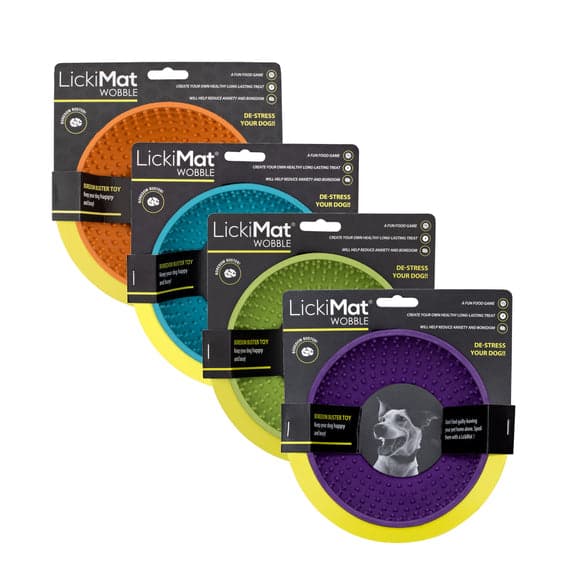
LickiMat Wobble
Slows feeding, reduces anxiety, keeps dogs calm and engaged.
Try LickiMatKONG
KONG Classic (Medium)
The classic rubber chew for medium breeds.
Shop KONGNina Ottosson
Nina Ottosson Dog Puzzle
Level 2 puzzle feeder. Engages your dog mentally and slows eating.
Try Nina OttossonTrixie
Shop NowDoggone Good
Shop NowBreed Overview
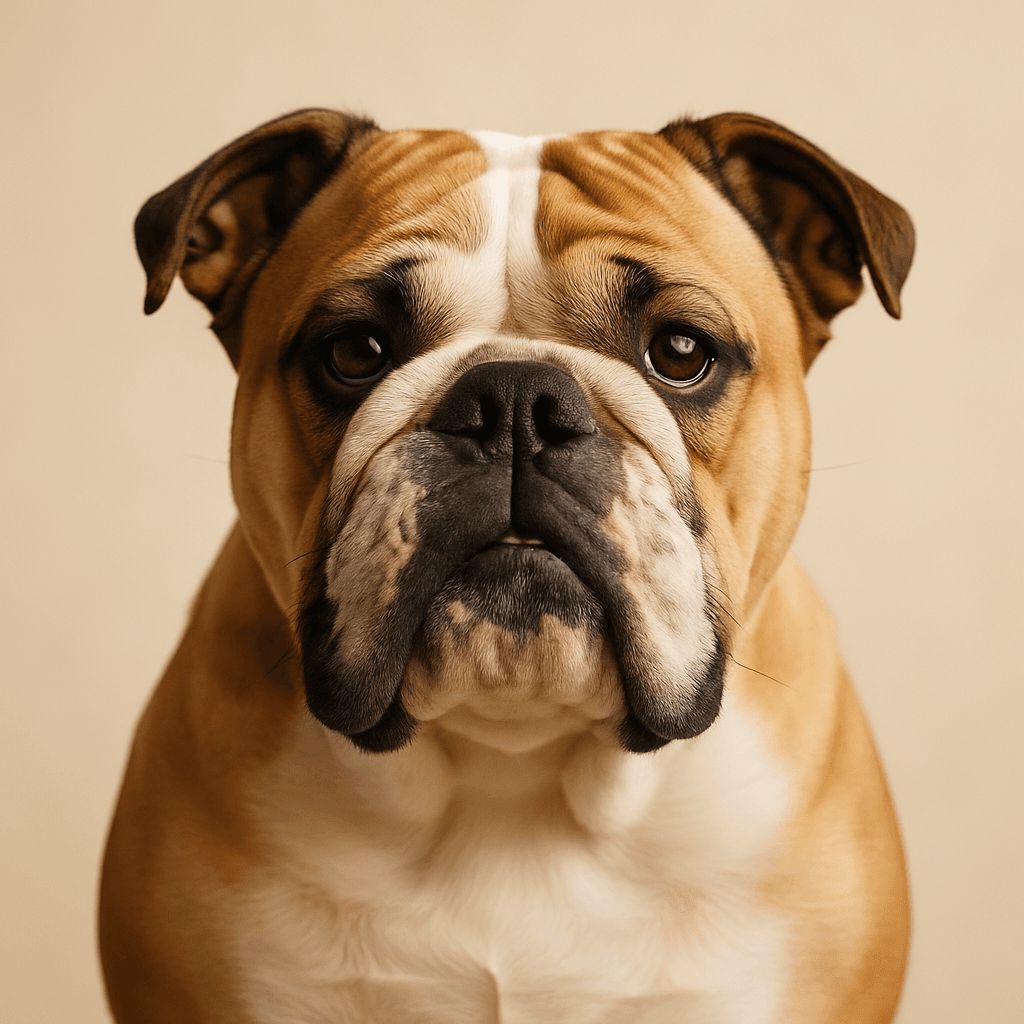
The Bulldog, sometimes called the English Bulldog, is one of the most iconic British dog breeds and a symbol of national character that has been recognised by the Kennel Club in the Utility Group for over a century. In temperament they are sweet-natured, docile and loyal: the stubbornness they are sometimes given credit for is largely myth, and the reliable, affectionate character of a well-bred Bulldog is one of the genuine pleasures of the breed.
Prospective Bulldog owners must, however, go into the relationship fully informed about a significant set of health realities. The Bulldog is one of the most health-challenged breeds in the UK. Its conformation, the very features that define its appearance, are also the source of conditions that require active management and can generate substantial veterinary bills throughout a relatively short life.
The Bulldog's typical lifespan is 8 to 10 years, one of the shortest of any breed. They are a brachycephalic breed: their flat face causes Brachycephalic Obstructive Airway Syndrome (BOAS), which can range from mild to severe and frequently requires surgical correction. They struggle with heat to an even greater degree than other flat-faced breeds and must never be exercised in warm weather or left in hot vehicles or conservatories. They are also prone to skin fold dermatitis, hip and elbow dysplasia, eye conditions, and spinal issues.
Most Bulldogs cannot breed or give birth naturally. The combination of narrow hips and large, broad heads means that the vast majority of Bulldog litters are delivered by caesarean section, at a cost to the breeder of £1,500 to £3,000 or more. This is a routine rather than exceptional part of breeding this breed.
Insurance costs for Bulldogs are among the highest of any breed, typically between £100 and £200 per month. Purchase prices from KC-registered, health-tested breeders range from £1,500 to £3,500. Anyone considering a Bulldog should run the full lifetime cost calculation before committing: the numbers are substantial.
With all of that said, a well-bred Bulldog with an informed, committed owner is a rewarding companion. They are adaptable, low-exercise, good with children and reliably gentle. The breed suits the right owner very well.
The Bulldog is a breed in transition. Welfare concerns about the conformation have led to increasing focus on responsible breeding that prioritises health alongside type, and the KC Respiratory Function Grading Scheme is an important step in that direction. Buyers should actively seek breeders who engage with health testing, produce puppies with open nostrils and good respiratory grades, and are honest about the health realities of the breed. Buying from a health-tested breeder is the most meaningful contribution an individual owner can make to the breed's future.
Temperament & Personality
Bulldogs are gentle, loyal and reliably good-natured. They are rarely aggressive and tend to be patient and tolerant with children, making them excellent family companions in the right household. Their historical reputation for stubbornness is somewhat overstated: while they can be self-willed, they are not difficult dogs in the same sense as some working breeds.
They are affectionate with their family and tend to form strong bonds. They enjoy human company and do not do well with extended isolation: a Bulldog left alone for long periods can become anxious or develop separation-related behaviour. They are not demanding dogs by any measure, but they do need to be part of family life rather than kept apart from it.
Bulldogs are calm and docile in the home, which suits many owners well. They do not require extensive mental stimulation in the way a working breed does, and they are content with gentle activity, company and comfort. Their low energy in the house makes them excellent dogs for calmer households.
With other dogs, Bulldogs are generally sociable when properly introduced. Some males can be assertive with other male dogs, but this is manageable with proper socialisation from puppyhood. Early positive exposure to a range of dogs, people and environments produces the most confident and well-adjusted adult.
Their characteristic sounds, including snoring, grunting, wheezing and occasional sneezing, are part of living with a brachycephalic breed. These sounds can be significant and are entirely normal for the conformation, though any sudden change in respiratory character warrants veterinary assessment.
Training
Bulldogs are cooperative and trainable dogs that respond well to gentle, consistent positive reinforcement. They are not highly driven or intensely motivated in the way working breeds are, which means training needs to be kept engaging and rewarding to hold their attention. Food motivation is generally good.
Four priorities for a new Bulldog owner:
- Heat awareness during training. Never train a Bulldog in warm conditions or to the point of heavy panting. All training sessions should be indoors in cool environments or outdoors only in the cooler parts of the day. Stop immediately if any respiratory distress is apparent.
- Skin fold care routine. Establishing daily fold cleaning as a positive, familiar routine from puppyhood makes it much easier as the dog ages. Desensitise your puppy to having its face handled and cleaned early.
- Socialisation. Comprehensive exposure to different people, dogs and environments during the 8 to 16 week window produces the most well-adjusted adult. Bulldogs are generally sociable by nature but socialisation is still important.
- Loose lead walking. Bulldogs are strong for their size and can become significant pullers if lead training is not addressed from the start. A well-fitted harness and consistent positive lead training from puppyhood avoids problems later.
Common mistakes: Owners sometimes exercise Bulldogs too much in warm weather, mistaking the dog's willingness to continue for tolerance of the conditions. A Bulldog will push through respiratory distress to please its owner: it is the owner's responsibility to recognise when to stop.
Good to know
Exercise Needs
Bulldogs are a low-exercise breed. Most adult Bulldogs need around 20 to 30 minutes of gentle walking per day, split into two shorter outings. This should take place only in cool conditions: before 9am or after 7pm in warm months. Never exercise a Bulldog in direct sunshine, on a warm afternoon, or in any conditions where the temperature could compromise their airway.
Bulldogs are not built for vigorous or sustained activity. Their respiratory limitations and physical conformation make prolonged exercise counterproductive and potentially dangerous. A Bulldog showing open-mouth breathing, excessive wheezing or apparent distress should be allowed to rest immediately in a cool environment.
Puppies need even less exercise than adults: five minutes per month of age, twice daily, applies and protects their developing joints. Free play in a cool indoor space is ideal at this stage.
Most Bulldogs cannot swim safely due to their top-heavy build and respiratory limitations. They should never be left unsupervised near water.
The Bulldog's low exercise requirements make them surprisingly adaptable to flat living and urban environments, provided their health needs are met and overheating is avoided.
Good to know
Health & Vet Costs
The Bulldog has one of the most significant health profiles of any breed in the UK. Owners should understand these conditions fully before acquiring this breed.
Brachycephalic Obstructive Airway Syndrome (BOAS) is the defining health challenge. Narrowed nostrils, an elongated soft palate, a narrow trachea and sometimes everted laryngeal saccules all restrict airflow. The KC Respiratory Function Grading Scheme assesses breeding dogs from 0 to 3: only dogs graded 0 or 1 should be used for breeding. Surgical correction of BOAS costs £1,500 to £4,000 and is sometimes necessary for the dog to have an acceptable quality of life. Bulldogs cannot tolerate heat: they must never be exercised in warm weather and should have access to air conditioning or cool environments in summer.
Short lifespan: The Bulldog's typical lifespan is 8 to 10 years. This is factual and must be part of any prospective owner's decision. The breed's conformation contributes to a range of compounding health issues that reduce both lifespan and, in some dogs, quality of life.
Hip and elbow dysplasia are present in the breed and assessed through the KC/BVA Hip Scoring and Elbow Grading schemes. The Bulldog's broad, low build places particular stress on the hip and elbow joints.
Skin fold dermatitis in the facial wrinkles, tail pocket and any other body folds requires daily cleaning and drying. Infections cost £80 to £200 per episode to treat.
Eye conditions including cherry eye, entropion and corneal ulcers are common. Surgical correction costs £300 to £800 per eye.
Birthing difficulties: most Bulldog litters are born by caesarean section at a cost of £1,500 to £3,000. This is standard rather than exceptional for the breed.
Monthly insurance typically costs £100 to £200. Comprehensive lifetime cover is not optional for this breed.
Important warning
Feeding & Nutrition
Bulldogs are prone to weight gain, and excess weight worsens respiratory function, joint stress and overall health in a breed already dealing with significant physical challenges. Keeping a Bulldog at a healthy weight is a priority.
Feed a complete, high-quality food appropriate for medium breeds. Follow the feeding guidelines and adjust based on body condition. Bulldogs should have a visible waist when viewed from above: this is difficult to assess in a heavy-set breed but remains the standard to aim for. Do not free-feed.
Many Bulldogs eat quickly and can develop digestive issues including vomiting and flatulence. A slow feeder bowl and smaller, more frequent meals rather than one large daily portion can help. Their flat face makes deep bowls difficult: a raised, shallow or slanted bowl is more comfortable.
Some Bulldogs have food sensitivities. If persistent loose stools, skin irritation or digestive discomfort occurs, a veterinary consultation is advisable. Treats must be counted within the daily calorie allowance.
Feeding your Bulldog
How much to feed, which food types suit this breed, and what to avoid.
Grooming & Care
Bulldogs have a short, smooth coat that needs minimal brushing: a weekly rub-down with a rubber grooming mitt removes dead hair and keeps the coat in good condition. They shed moderately throughout the year.
Daily skin fold care is the most significant grooming commitment. The wrinkles across the face, the fold above the nose, and the tail pocket must all be cleaned and thoroughly dried every day. Use a soft damp cloth or veterinary fold wipes. Dampness in the folds leads to bacterial and yeast infections that are uncomfortable for the dog and require veterinary treatment. This takes only a few minutes daily and should become an automatic part of the routine.
Ears should be checked and cleaned weekly. Bulldogs are prone to ear infections. Eye discharge should be gently cleaned daily from the corners of the eyes: watch for any changes in appearance that could indicate a developing condition.
Nails should be trimmed every three to four weeks. Teeth should be brushed regularly with dog-safe toothpaste: dental disease is common in flat-faced breeds. Baths every four to six weeks using a gentle dog shampoo, ensuring all folds are thoroughly dried afterwards.
Costs of Ownership
Purchase price: A Bulldog puppy from a KC-registered, health-tested breeder (including KC Respiratory Function Grading Scheme) typically costs £1,500 to £3,500 in 2025 to 2026. Rescue rehoming fees range from £100 to £350.
Setup costs: Crate, bedding, harness, shallow food bowl, cooling mat, initial vet check, vaccinations, microchip and neutering typically total £500 to £900.
Monthly running costs:
- Food (medium breed): £40 to £70
- Insurance (comprehensive lifetime): £100 to £200
- Routine vet care and parasite prevention: £20 to £35
- Fold care products: £10 to £20
- Total monthly estimate: £170 to £325
Annual estimate: approximately £2,040 to £3,900, before unexpected vet costs.
Lifetime costs: With a lifespan of 8 to 10 years and insurance premiums among the highest of any breed, total lifetime costs typically range from £18,000 to £36,000 including purchase. Dogs requiring BOAS surgery, hip management, eye procedures or other interventions will cost significantly more. This is a breed where the true lifetime cost must be calculated and accepted before purchase.
Estimated cost breakdown
Estimates based on UK average costs. Actual costs vary by location, vet, and lifestyle.
Is your Bulldog insured?
Bulldog insurance typically costs £20–£55 per month depending on age, cover level and where you live. Getting the right policy before your first vet visit is one of the most important decisions you will make as a new owner.
Compare dog insuranceWe may earn a commission if you buy through our links. This never influences our recommendations.
Where to Find a Bulldog in the UK
Whether you are looking for a Bulldog puppy from a responsible breeder or hoping to give a rescue Bulldog a second chance, there are reliable routes to finding the right dog. The most important thing is that you find them through the right channel — one that puts the dog's welfare first.
Finding a Bulldog Puppy
The Kennel Club's Find a Puppy service is the safest starting point for anyone looking for a Bulldog puppy. It connects buyers with breeders who register their litters and allows you to verify parental health test results.
For Bulldogs, the relevant breed club is The Bulldog Club Incorporated. They maintain a breeder register and can be contacted directly for recommendations.
Before you commit, read our complete guide to finding a puppy responsibly — including the red flags that separate an ethical breeder from a puppy farm.
Read the Puppy Buying GuideRescuing a Bulldog
Bulldog-specific rescue organisations are run by people who know the breed inside out. They assess every dog carefully and match them to homes that genuinely suit their needs. Waiting lists exist but are worth it.
Key Bulldog rescues in the UK include:
Our rescue guide covers the full adoption process in detail.
Find a Rescue DogIs a Bulldog Right for You?
Well suited to: calmer households that want a gentle, low-exercise companion; families with children who understand how to interact respectfully with dogs; owners in urban or flat environments (provided the home can be kept cool in summer); those who have researched and accepted the full health costs.
Not suited to: owners unprepared for very high insurance costs and potential veterinary bills; active owners wanting a vigorous exercise companion; households in hot climates without reliable air conditioning; those who cannot commit to daily fold care; anyone who has not fully accounted for a lifespan of 8 to 10 years.
Flat suitability: possible for a Bulldog with low exercise requirements, provided the flat can be kept cool in summer and the owner is home frequently. Heat management is the primary challenge in flat living for this breed.
The Bulldog suits a patient, informed owner who accepts the health realities as the price of the breed's considerable charm and affectionate character. Go in fully informed, insure from day one, and be prepared for the daily commitment.
Frequently Asked Questions
Yes, Bulldogs make excellent family companions. They are affectionate, patient with children, and have a calm temperament that suits household life well. Their moderate exercise needs and gentle nature make them well-suited to families with young children.
Bulldogs require around 20-30 minutes of exercise per day, making them ideal for less active owners. They prefer short walks and play sessions rather than strenuous activity, and should avoid excessive exercise in hot weather due to their brachycephalic nature.
Yes, Bulldogs shed moderately throughout the year. Regular brushing with a soft-bristled brush will help manage loose hair and keep their short coat in good condition. Shedding may increase during seasonal changes.
Bulldogs can be stubborn and independent, which may present training challenges for inexperienced owners. However, they respond well to positive reinforcement, consistency, and patience. Early socialisation and training are important for developing good behaviour.
Bulldogs typically live between 8-10 years. Their lifespan can be influenced by genetics, health care, diet, and exercise levels. Regular veterinary check-ups are important for monitoring their health and addressing any breed-specific concerns.
Monthly costs for a Bulldog typically range from £120-£180, covering food, routine care, and general maintenance. This estimate may increase if the dog requires specialist veterinary care or treatment for breed-specific health conditions.
Yes, Bulldogs can be suitable for first-time owners due to their affectionate nature and low exercise requirements. However, potential owners should be prepared for their stubborn streak, grooming needs, and potential health issues associated with their brachycephalic structure.
Related Breeds
Boxer
Boxers are playful, loyal Working Group dogs with a typical lifespan of 10 to 12 years. ARVC (a breed-specific heart con...
View breed guide →French Bulldog
French Bulldogs are compact, affectionate dogs and the second most popular breed in the UK. They need just 20 to 30 minu...
View breed guide →Mastiff
The Mastiff (English Mastiff) is one of the world's heaviest dog breeds, an ancient English giant with a history stretch...
View breed guide →Related Guides
Find local services for your Bulldog
Search verified UK listings for vets, groomers, trainers and walkers near you.
Upcoming events for Bulldog owners
Championship Show
Darlington Dog Show Society Championship Show 2026
18 to 20 September 2026 · Ripon, North Yorkshire
Companion Show
Paws in the Park — Kent 2026
19 to 20 September 2026 · Maidstone, Kent
Championship Show
Belfast Dog Show Society Championship Show 2026
26 to 27 September 2026 · Lisburn, County Antrim
Festival
DogFest at the Palace 2026
3 to 4 October 2026 · Woodstock, Oxfordshire
Championship Show
South Wales Kennel Association Championship Show 2026
8 to 11 October 2026 · Builth Wells, Powys