

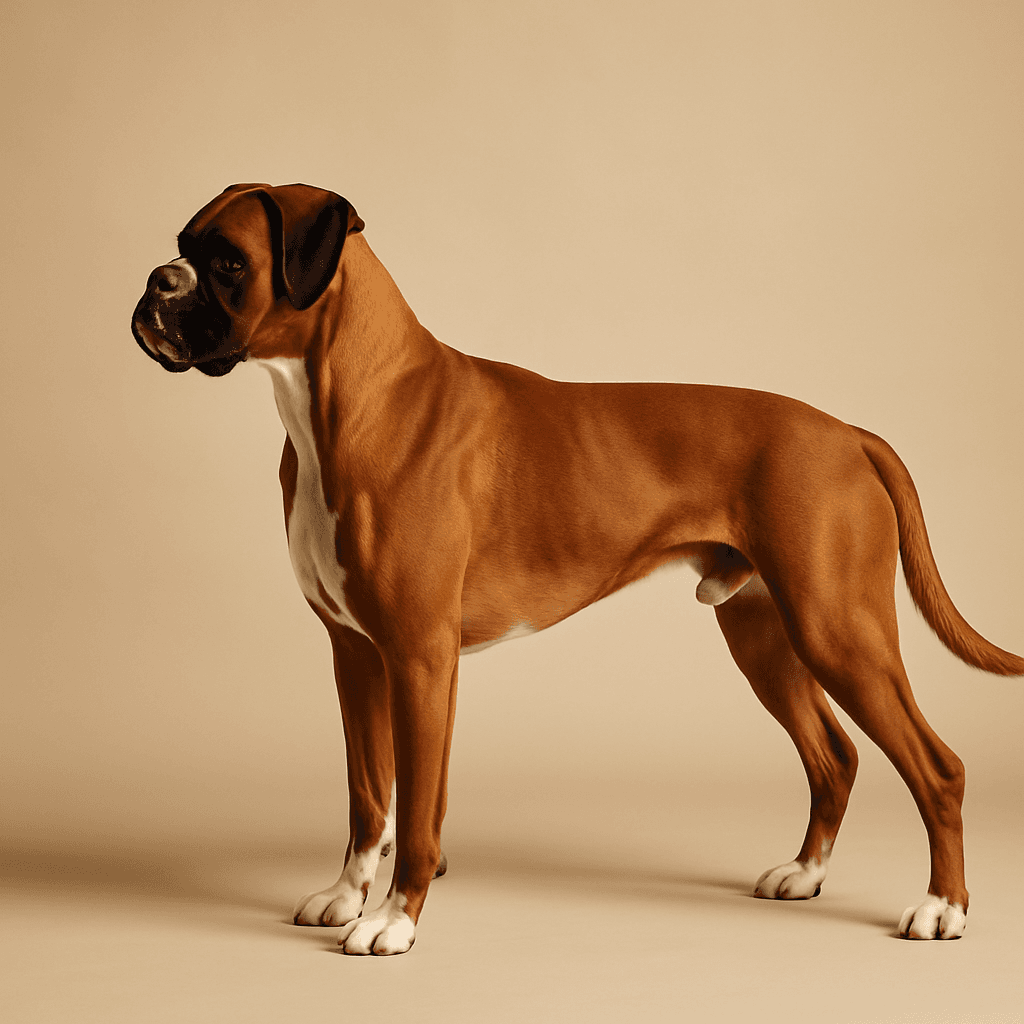
Boxer
Complete UK breed guide

Quick answer
Boxers are playful, loyal Working Group dogs with a typical lifespan of 10 to 12 years. ARVC (a breed-specific heart condition) and above-average cancer rates are the key health concerns. They need two hours of daily exercise but are heat-sensitive. Expect monthly costs of £125 to £220. Lifespan is 10 to 12 years.
Quick Facts
- Size
- Large
- Weight
- 25–32 kg
- Lifespan
- 10–12 years
- Breed Group
- Working
- Exercise
- 90–120 mins/day
- Activity Level
- High
- Grooming
- Low
- Monthly Cost
- £130–£200/month
- Temperament
- Playful, Loyal, Affectionate
- Good with Children
- Yes
- Good with Dogs
- Yes
- Good for First Timers
- Yes
- Suits Flats
- No
Free care guide
Get the Complete Boxer Care Guide
Feeding, health, grooming, training and costs for your Boxer. Free, straight to your inbox.
Getting set up
Getting a Boxer? Here's what you'll need.
Our editors have picked the essentials for Boxer owners.
See the Active Dog Kit →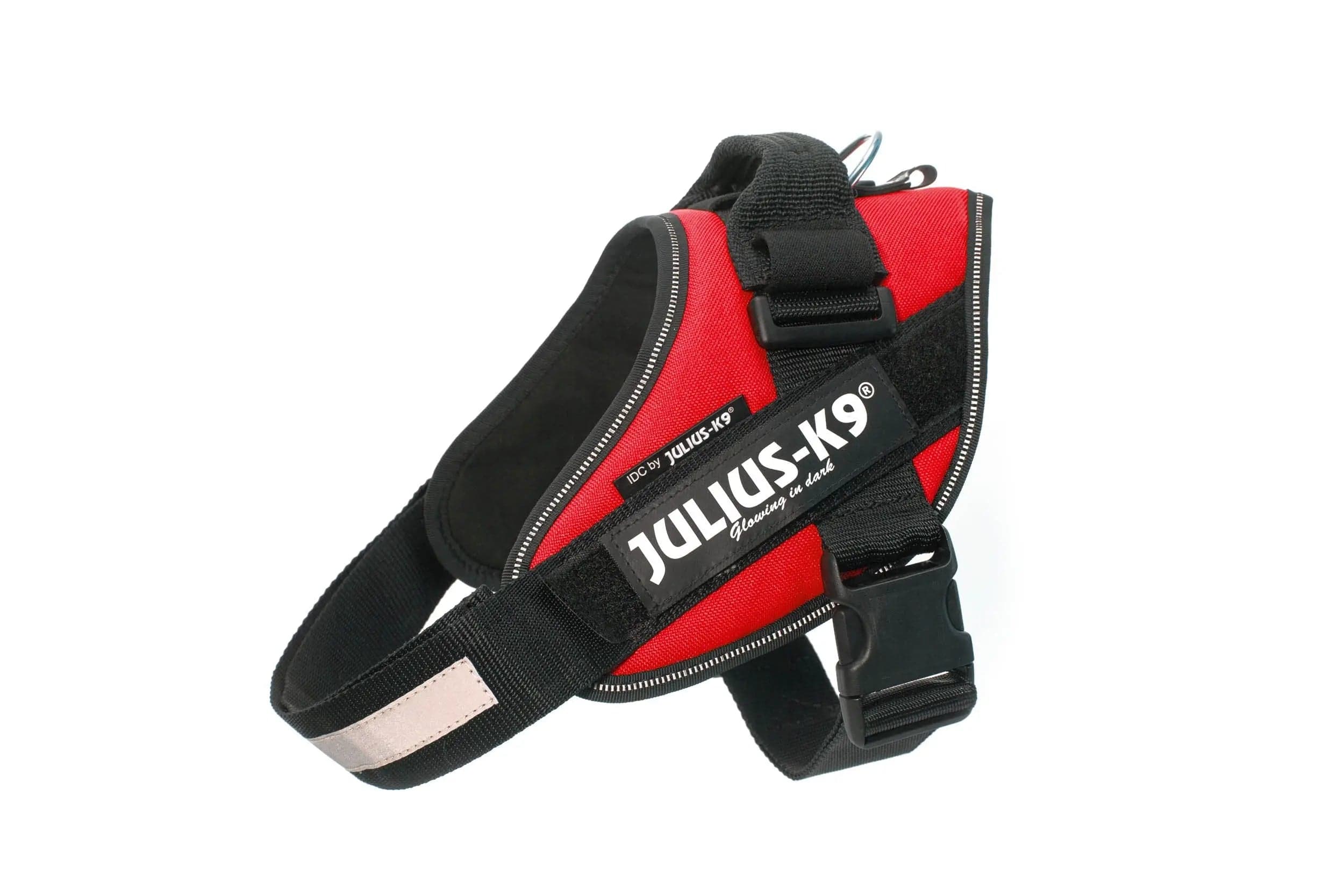

Recommended for Adult Dogs for Boxers
Products selected for Boxer size, coat type, and life stage. Affiliate disclosure.
Tuffies
Shop NowPetFusion
PetFusion Ultimate Dog Bed (Large)
Memory foam orthopedic bed with waterproof cover. Ideal for large breeds.
Shop PetFusionKurgo
Shop NowProDen PlaqueOff
VOHC-accepted. Seaweed-based dental bone with multiple flavours. From the makers of PlaqueOff Powder.
Buy on AmazonHurtta
Hurtta Mudventure ECO Raincoat (Large)
Reflective, eco-friendly raincoat built for UK weather. Large size.
Shop HurttaLily's Kitchen
Shop NowAATU Dog and Cat Food
Shop NowBarking Heads
Shop NowRoyal Canin
Royal Canin Breed-Specific Food
Nutrition precision-tailored to your breed.
Shop Royal CaninHarringtons
The UK's bestselling dry dog food. No artificial colours, flavours or preservatives. Made with natural ingredients including chicken, brown rice and vegetables. Available in multiple sizes.
Shop NowAnimology
The UK groomer standard for removing fox poo and foul odours. Deep cleaning with built-in conditioner and Pro-Vitamin B5. Suitable for all coats from 6 weeks old.
Shop NowBoshel
Shop NowPets Calm Down
Shop NowRosewood
Shop NowDrontal
Shop NowPitPat
Shop NowJulius-K9
Julius-K9 IDC Powerharness (Large)
Award-winning harness trusted by dog owners worldwide. Large size (23-30kg).
Shop Julius-K9Furbo
Shop NowKONG
KONG Classic (Large)
The classic rubber chew for large and giant breeds.
Shop KONGLickiMat
LickiMat Wobble
Slows feeding, reduces anxiety, keeps dogs calm and engaged.
Try LickiMatChuckit
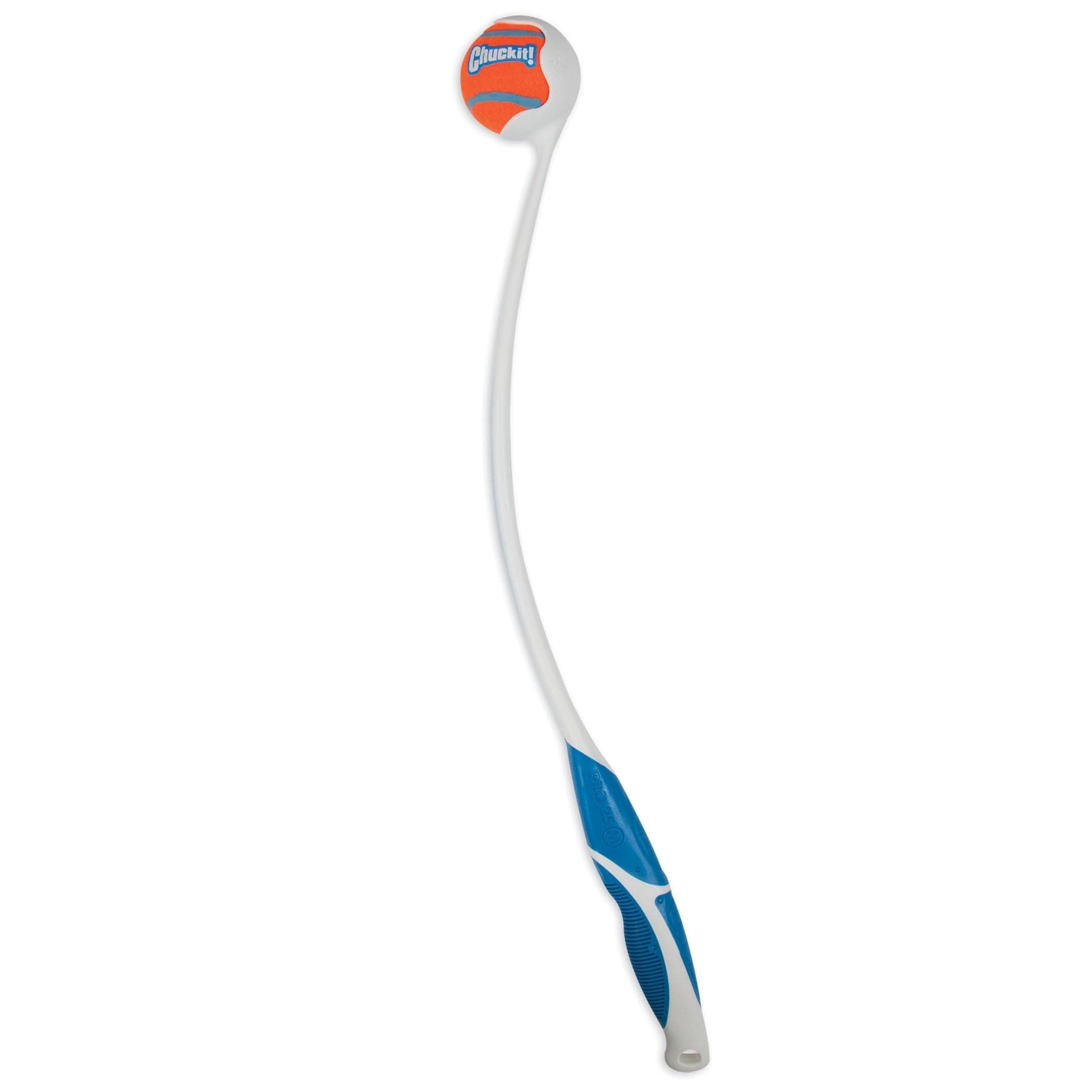
Chuckit! Ball Launcher (Large)
Launch further, throw less. Sport 26L launcher for large dogs.
Shop Chuckit!Nina Ottosson
Nina Ottosson Dog Puzzle
Level 2 puzzle feeder. Engages your dog mentally and slows eating.
Try Nina OttossonTrixie
Shop NowDoggone Good
Shop NowBreed Overview
Boxers are playful, loyal and exuberantly affectionate dogs that consistently rank among the UK's most popular large breeds. Registered with the Kennel Club in the Working Group, they were originally developed in Germany as working and guard dogs, and while the modern Boxer is overwhelmingly a family companion, the intelligence, energy and physical capability of the breed are still very much present.
In terms of character, few breeds are quite as entertaining. Boxers are clownish, joyful and deeply attached to their families. They are excellent with children, patient enough to tolerate a great deal, and enthusiastic enough to match a child's energy. They also remain puppy-like in their exuberance well into adulthood, which is endearing but means consistent training from the start is essential.
Prospective owners should understand two health realities before choosing a Boxer. The first is cardiac disease. Arrhythmogenic Right Ventricular Cardiomyopathy (ARVC) is a breed-specific heart condition for which a DNA test is now available. It can cause sudden cardiac death in young dogs, and responsible breeders test their breeding stock. Subaortic Stenosis (SAS) is also seen in the breed. The second is cancer. Boxers have an above-average incidence of several cancer types, including mast cell tumours and brain tumours, and owners should be vigilant for any unusual lumps, swellings or behavioural changes.
Boxers are moderately brachycephalic: their pushed-in face is less extreme than that of a French Bulldog or Pug, but it does mean they are sensitive to heat and should not be exercised in hot weather. They are also not strong swimmers due to their physical conformation.
Insurance costs of £50 to £90 per month are typical. Purchase prices from KC-registered, health-tested breeders range from £900 to £1,800. Lifespan is typically 10 to 12 years. For active families who can meet the exercise commitment and are prepared for the health realities, the Boxer is a wonderful companion: loyal, playful, and deeply family-oriented.
The Boxer's moderately brachycephalic conformation is worth understanding specifically in the context of heat. Unlike French Bulldogs or Pugs, Boxers can exercise relatively freely in cool conditions without significant respiratory concern, but in warm weather the same caution applies. Building awareness of your individual dog's respiratory comfort during exercise is part of responsible Boxer ownership, and any apparent increase in respiratory effort warrants a veterinary assessment. The Boxer is a deeply rewarding family dog for owners who commit to training, understand the health monitoring needs and meet the exercise requirements. Their loyalty, playfulness and affection make them among the most popular large breeds in the UK, and for good reason.
Temperament & Personality
Boxers are among the most entertaining and people-focused breeds you will encounter. They are exuberant, playful and thoroughly devoted to their families, combining a clownish sense of humour with genuine intelligence and a strong desire to be involved in everything that is happening.
Their relationship with children is one of the breed's greatest strengths. Boxers are patient, tolerant and playful with children and will generally match their energy enthusiastically. Their size and physical exuberance means that supervision with very young children or toddlers is advisable: a bouncing Boxer can knock over a small child without any intent to do so.
Boxers tend to be sociable with other dogs when well socialised from puppyhood. Some males can be assertive with other male dogs: early socialisation and consistent management makes a significant difference. With people, including strangers, they are typically friendly and outgoing rather than reserved.
The breed has an alert, watchful side that reflects its working dog heritage. Boxers are aware of their environment and will notify their owners of anything unusual. This makes them effective natural deterrents rather than dedicated guard dogs in the traditional sense.
They require consistent training and clear boundaries from puppyhood. A Boxer that has been allowed to jump up, pull on the lead or demand attention on its own terms will be a significant management challenge as an adult. Their intelligence and food motivation make them very trainable when the approach is positive and consistent. Boxers mature more slowly than many breeds and can retain puppy-like behaviour until three years of age or beyond.
Training
Boxers are intelligent, food-motivated dogs that respond well to positive reinforcement training. They are enthusiastic learners but can be boisterous and slow to fully mature, which means training must be consistent, patient and started from puppyhood.
Four priorities for a new Boxer owner:
- Jumping up. This is the single most important behaviour to address immediately. A Boxer puppy jumping up is manageable and amusing. A 30kg adult Boxer jumping up on guests or children is a significant problem. Train four paws on the floor from day one with consistent rewards.
- Loose lead walking. Boxers are strong and can pull hard. Harness and consistent loose lead training from puppyhood prevents the most common practical management challenge with the breed.
- Socialisation. Thorough exposure to people, environments, sounds and other dogs during the 8 to 16 week window. Boxers are naturally sociable but comprehensive socialisation builds the confidence and reliability that makes an adult Boxer a pleasure in any situation.
- Independence. Boxers form strong attachments and can develop separation anxiety. Building short positive periods of alone time gradually from puppyhood is important. Use a crate positively and increase alone time incrementally.
Common mistakes: Allowing puppy Boxer behaviours, jumping, pulling, demanding attention, because they seem manageable or cute. The Boxer's slow maturation means these habits can become very well-established before the owner realises the problem. Start as you mean to go on.
Good to know
Exercise Needs
Boxers need around two hours of exercise per day and thrive on vigorous, varied activity. They are powerful, athletic dogs with good stamina that genuinely enjoy running, fetch games and interactive play.
Exercise should always be managed with heat in mind. Boxers are moderately brachycephalic and cannot cool themselves as efficiently as open-faced breeds. In warm weather, exercise should take place early morning or in the evening, never in direct sunshine or on warm afternoons. Watch for any signs of respiratory distress and stop immediately if they occur.
Boxers are not strong swimmers. Their conformation makes them relatively buoyant but they can tire quickly in water and should not be left unsupervised near open water.
Puppies should follow the five minutes per month of age guideline, twice daily. Avoid sustained high-impact exercise such as road running until skeletal maturity at 18 months. Mental stimulation through training and interactive games is valuable at all ages and complements physical exercise well.
Health & Vet Costs
Boxers have several significant hereditary health conditions that prospective owners should understand.
Arrhythmogenic Right Ventricular Cardiomyopathy (ARVC) is a breed-specific inherited heart condition that causes abnormal electrical activity in the right ventricle. In affected dogs it can cause exercise intolerance, fainting episodes or sudden cardiac death, including in apparently young and healthy dogs. A DNA test is available that identifies dogs as Clear, Carrier or Affected. Responsible breeders test all breeding stock and provide results on request. All breeding dogs should also have a cardiac assessment by a veterinary cardiologist as part of the KC Boxer health scheme.
Subaortic Stenosis (SAS) is a heart condition causing narrowing of the aortic valve. It ranges from mild to severe and requires cardiac screening of breeding dogs.
Cancer occurs at above-average rates in Boxers. Mast cell tumours are particularly common: owners should check their dog regularly for any unusual lumps, and any new skin lump should be assessed by a vet promptly rather than being left to monitor. Brain tumours are also seen at higher rates than in many other breeds.
Hip dysplasia is assessed through the KC/BVA Hip Scoring scheme. Buyers should ask for hip scores on both parents.
Degenerative Myelopathy (DM) is a progressive neurological condition; a DNA test is available.
Brachycephalic concerns: Boxers are moderately flat-faced and can experience heat sensitivity and some respiratory effort in warm weather. They should not be exercised in hot conditions.
Monthly insurance typically costs £50 to £90. Lifespan is 10 to 12 years.
Important warning
Feeding & Nutrition
Boxers are active, muscular dogs with good appetites. Feed a complete, high-quality food appropriate for large breeds, using large breed puppy formulas during the growth phase. This supports controlled growth and protects developing joints.
Boxers can be prone to food allergies and sensitivities, presenting as skin irritation, digestive upset or loose stools. If this occurs persistently, a vet or veterinary nutritionist can advise on an elimination diet or alternative formula.
Boxers are a deep-chested breed and at some risk of bloat (Gastric Dilatation-Volvulus, GDV). Avoid exercising the dog for at least an hour before and after meals. Feed two smaller meals per day rather than one large one. Treat any signs of bloating, restlessness, unproductive retching or swollen abdomen as a veterinary emergency. Fresh water should always be available.
Feeding your Boxer
How much to feed, which food types suit this breed, and what to avoid.
Grooming & Care
Boxers have a short, smooth, tight coat that is very low-maintenance. A weekly rub-down with a rubber grooming mitt removes dead hair and keeps the coat healthy and shiny. They do shed but not heavily compared to double-coated breeds.
Bathing every four to six weeks or when needed using a gentle dog shampoo is sufficient. Their tight coat dries quickly, which is practical.
Boxers have some wrinkles around the face that should be checked and wiped regularly to prevent moisture accumulation and skin fold dermatitis, though this is less pronounced than in more extreme brachycephalic breeds.
Ears should be checked and cleaned weekly. Nails should be trimmed every three to four weeks. Teeth should be brushed regularly with dog-safe toothpaste. Boxers are an easy-care breed from a grooming perspective.
Costs of Ownership
Purchase price: A Boxer puppy from a KC-registered, health-tested breeder (ARVC DNA test, cardiac assessment, hip scoring) typically costs £900 to £1,800 in 2025 to 2026. Rescue rehoming fees range from £100 to £350.
Setup costs: Crate (large), bedding, harness, bowls, initial vet check, vaccinations, microchip and neutering typically total £500 to £900.
Monthly running costs:
- Food (large breed): £50 to £85
- Insurance (comprehensive lifetime): £50 to £90
- Routine vet care and parasite prevention: £20 to £35
- Grooming products: £5 to £10
- Total monthly estimate: £125 to £220
Annual estimate: approximately £1,500 to £2,640, before unexpected vet costs.
Lifetime costs: With a lifespan of 10 to 12 years, total lifetime costs typically range from £16,000 to £28,000 including purchase. Boxers with cardiac conditions requiring management, or those requiring cancer treatment, will cost significantly more. Comprehensive lifetime insurance is essential.
Estimated cost breakdown
Estimates based on UK average costs. Actual costs vary by location, vet, and lifestyle.
Is your Boxer insured?
Boxer insurance typically costs £30–£75 per month depending on age, cover level and where you live. Getting the right policy before your first vet visit is one of the most important decisions you will make as a new owner.
Compare dog insuranceWe may earn a commission if you buy through our links. This never influences our recommendations.
Where to Find a Boxer in the UK
Whether you are looking for a Boxer puppy from a responsible breeder or hoping to give a rescue Boxer a second chance, there are reliable routes to finding the right dog. The most important thing is that you find them through the right channel — one that puts the dog's welfare first.
Finding a Boxer Puppy
The Kennel Club's Find a Puppy service is the safest starting point for anyone looking for a Boxer puppy. It connects buyers with breeders who register their litters and allows you to verify parental health test results.
For Boxers, the relevant breed club is The Boxer Club. They maintain a breeder register and can be contacted directly for recommendations.
Before you commit, read our complete guide to finding a puppy responsibly — including the red flags that separate an ethical breeder from a puppy farm.
Read the Puppy Buying GuideRescuing a Boxer
Boxer-specific rescue organisations are run by people who know the breed inside out. They assess every dog carefully and match them to homes that genuinely suit their needs. Waiting lists exist but are worth it.
Key Boxer rescues in the UK include:
Our rescue guide covers the full adoption process in detail.
Find a Rescue DogIs a Boxer Right for You?
Well suited to: active families with older children; owners who enjoy vigorous daily exercise and want a dog that matches their energy; households with secure gardens and space for a large dog; owners prepared for the health monitoring and insurance costs.
Not suited to: sedentary owners or those unable to provide two hours of daily exercise; households with very young children who could be knocked over by an exuberant large dog (supervision is essential); owners unprepared for high insurance costs or potential cardiac and cancer expenses; first-time owners who do not seek qualified training support from the start.
Flat suitability: not ideal. Boxers are large, energetic dogs and are better suited to homes with garden access. An exceptionally committed flat owner who provides consistent daily exercise can make it work, but it requires significant effort.
The Boxer is one of the most rewarding family dogs when the owner is prepared. Start training immediately, insure comprehensively, and monitor heart and skin health throughout the dog's life.
Frequently Asked Questions
Yes, Boxers are excellent family dogs and consistently rank among the UK's most popular large breeds. They are playful, affectionate and patient with children, though their exuberant nature means supervision with very young children is recommended.
Boxers require 90-120 minutes of exercise per day to stay healthy and happy. They thrive with a combination of walks, play sessions and mental stimulation, and benefit from access to a secure garden where they can run freely.
Boxers shed moderately throughout the year. Regular brushing with a soft brush or rubber grooming mitt will help manage loose hair and keep their short coat in good condition.
Boxers are intelligent and eager to please, making them relatively easy to train. They respond well to positive reinforcement and consistent, firm leadership, though early socialisation and puppy training classes are recommended.
Boxers typically live between 10-12 years. Providing regular exercise, a balanced diet and routine veterinary care will help ensure they enjoy a long and healthy life.
Monthly costs for a Boxer typically range from £130-£200, covering food, routine veterinary care and general maintenance. This can vary depending on the individual dog's health, diet quality and any additional activities or training.
Yes, Boxers can be good for first-time owners due to their loyal, affectionate nature and trainability. However, they require significant daily exercise and space, so they are better suited to owners with an active lifestyle and access to a garden rather than flat living.
Related Breeds
Bullmastiff
The Bullmastiff is a large, powerful British guard breed developed to apprehend poachers. Loyal and calm with its family...
View breed guide →German Shepherd
German Shepherds are loyal, intelligent working dogs registered in the KC Pastoral Group. They need two-plus hours of ex...
View breed guide →Rottweiler
Rottweilers are large, confident working dogs needing experienced owners and thorough socialisation. Key health tests in...
View breed guide →Related Guides
Find local services for your Boxer
Search verified UK listings for vets, groomers, trainers and walkers near you.
Upcoming events for Boxer owners
Championship Show
Darlington Dog Show Society Championship Show 2026
18 to 20 September 2026 · Ripon, North Yorkshire
Companion Show
Paws in the Park — Kent 2026
19 to 20 September 2026 · Maidstone, Kent
Championship Show
Belfast Dog Show Society Championship Show 2026
26 to 27 September 2026 · Lisburn, County Antrim
Festival
DogFest at the Palace 2026
3 to 4 October 2026 · Woodstock, Oxfordshire
Championship Show
South Wales Kennel Association Championship Show 2026
8 to 11 October 2026 · Builth Wells, Powys