

Irish Setter
Complete UK breed guide

Quick answer
The Irish Setter is a large, energetic Irish gundog known for its rich mahogany coat and exuberant personality. They require 2 or more hours of vigorous daily exercise and are slow to mature mentally, remaining puppy-like until 3 or 4 years. Key health issues include hip dysplasia, epilepsy, PRA and bloat. Lifespan is 12 to 14 years. Prices range from £800 to £1,500.
Quick Facts
- Size
- Large
- Weight
- 27–32 kg
- Lifespan
- 12–14 years
- Breed Group
- Gundog
- Exercise
- 120+ mins/day
- Activity Level
- High
- Grooming
- Moderate
- Monthly Cost
- £130–£200/month
- Temperament
- Affectionate, Energetic, Eager to please
- Good with Children
- Yes
- Good with Dogs
- Yes
- Good for First Timers
- No
- Suits Flats
- No
Free care guide
Get the Complete Irish Setter Care Guide
Feeding, health, grooming, training and costs for your Irish Setter. Free, straight to your inbox.

Getting set up
Getting a Irish Setter? Here's what you'll need.
Our editors have picked the essentials for Irish Setter owners.
See the Active Dog Kit →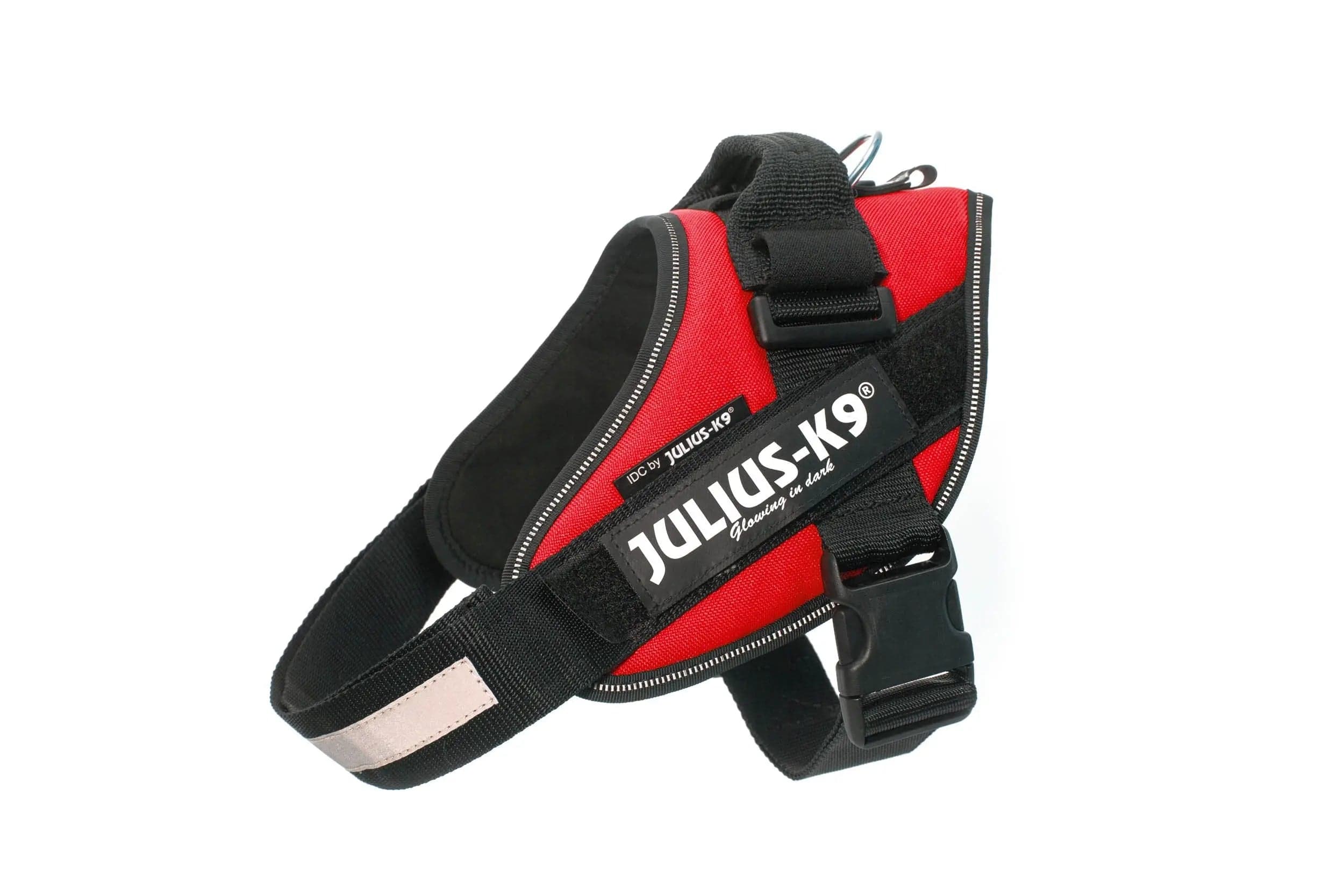
Recommended for Adult Dogs for Irish Setters
Products selected for Irish Setter size, coat type, and life stage. Affiliate disclosure.
PetFusion
PetFusion Ultimate Dog Bed (Large)
Memory foam orthopedic bed with waterproof cover. Ideal for large breeds.
Shop PetFusionTuffies
Shop NowKurgo
Shop NowProDen PlaqueOff
VOHC-accepted. Seaweed-based dental bone with multiple flavours. From the makers of PlaqueOff Powder.
Buy on AmazonHurtta
Hurtta Mudventure ECO Raincoat (Large)
Reflective, eco-friendly raincoat built for UK weather. Large size.
Shop HurttaLily's Kitchen
Shop NowAATU Dog and Cat Food
Shop NowBarking Heads
Shop NowRoyal Canin
Royal Canin Breed-Specific Food
Nutrition precision-tailored to your breed.
Shop Royal CaninHarringtons
The UK's bestselling dry dog food. No artificial colours, flavours or preservatives. Made with natural ingredients including chicken, brown rice and vegetables. Available in multiple sizes.
Shop NowAndis
Shop NowAnimology
The UK groomer standard for removing fox poo and foul odours. Deep cleaning with built-in conditioner and Pro-Vitamin B5. Suitable for all coats from 6 weeks old.
Shop NowBoshel
Shop NowChris Christensen
Shop NowDrontal
Shop NowPets Calm Down
Shop NowRosewood
Shop NowJulius-K9
Julius-K9 IDC Powerharness (Large)
Award-winning harness trusted by dog owners worldwide. Large size (23-30kg).
Shop Julius-K9PitPat
Shop NowFurbo
Shop NowNina Ottosson
Nina Ottosson Dog Puzzle
Level 2 puzzle feeder. Engages your dog mentally and slows eating.
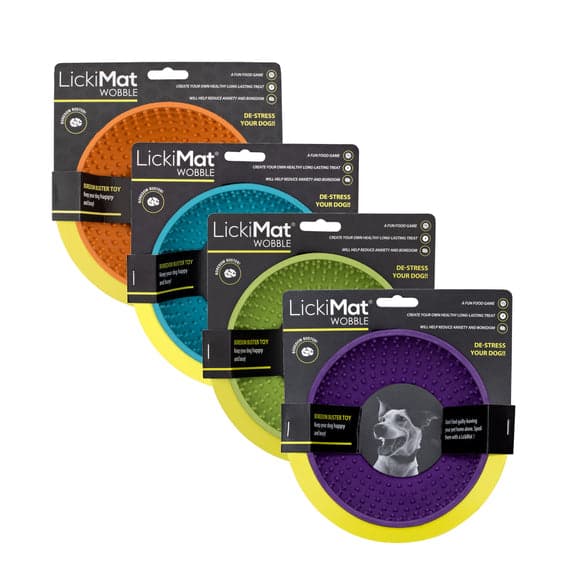
Try Nina OttossonLickiMat
LickiMat Wobble
Slows feeding, reduces anxiety, keeps dogs calm and engaged.
Try LickiMatKONG
KONG Classic (Large)
The classic rubber chew for large and giant breeds.
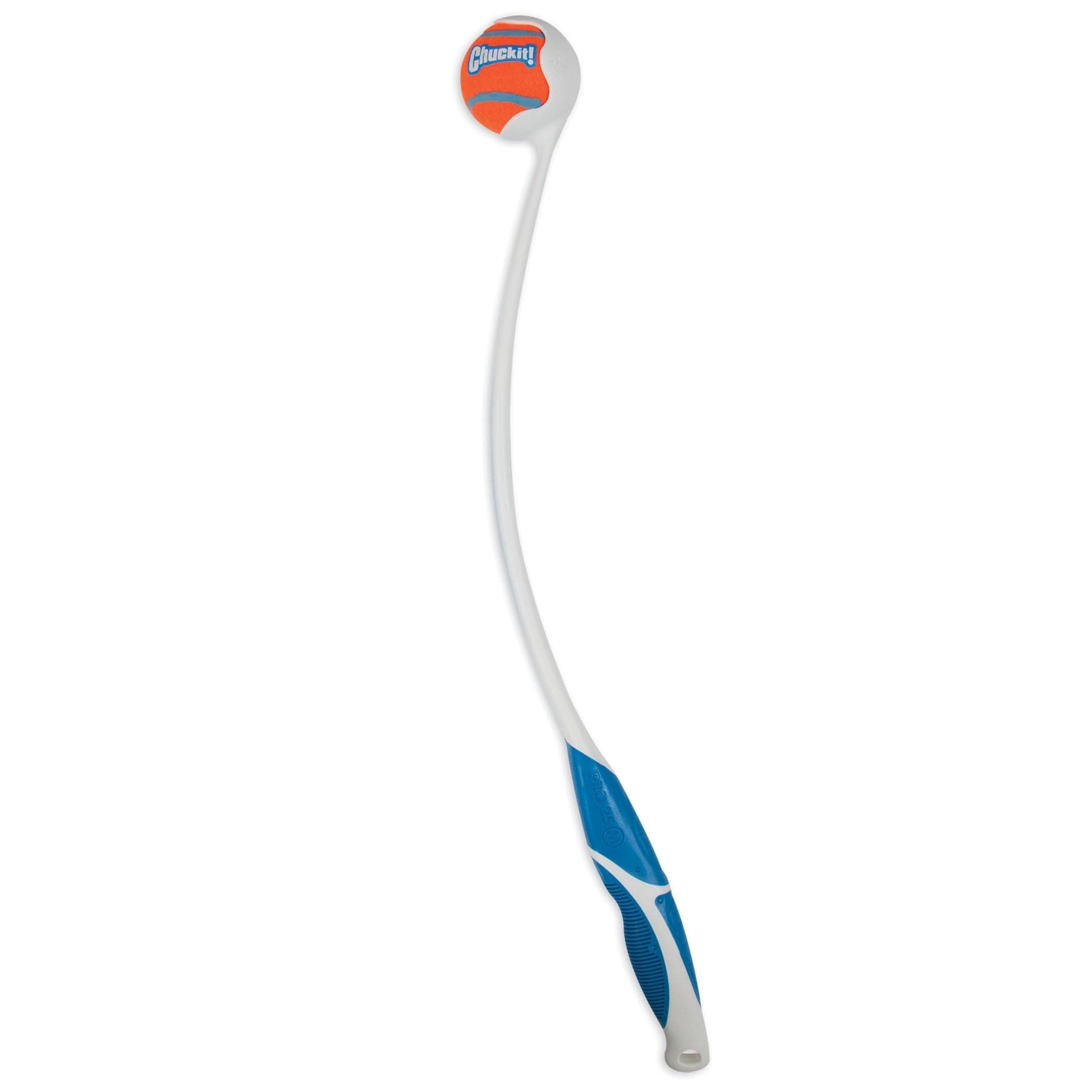
Shop KONGChuckit
Chuckit! Ball Launcher (Large)
Launch further, throw less. Sport 26L launcher for large dogs.
Shop Chuckit!Trixie
Shop NowDoggone Good
Shop NowFURminator
FURminator Deshedding Tool (Large, Long & Double Coat)
Reduces shedding by up to 90% for large long-coated dogs.
Shop FURminatorBreed Overview
The Irish Setter is one of the most beautiful and instantly recognisable breeds in the world. Its rich mahogany coat, athletic build and endlessly enthusiastic personality have made it a breed of enduring appeal - and enduring challenge. Registered by the Kennel Club in the Gundog Group, it was developed in Ireland as a bird dog of considerable ability, and in the modern domestic environment retains every element of that working heritage: the energy, the drive, the nose, and the very slow path to maturity that comes with a breed bred for sustained endurance over open terrain.
The Irish Setter's character is one of its most compelling qualities. These are warm, joyful, deeply sociable dogs that greet the world with an enthusiasm that is hard to resist. They are excellent with children, sociable with other dogs, and so people-oriented that they are practically incapable of indifference. For owners who can match their energy, they are exceptional companions.
Exercise is the central commitment and it is not a modest one. An adult Irish Setter needs a minimum of 2 hours of vigorous daily exercise, split across sessions, with access to secure off-lead running. Large enclosed spaces - securely fenced fields and parks - where the dog can run freely are ideal. The breed needs to move at speed. Long slow walks do not fully meet the requirement. Without adequate exercise, the Irish Setter's energy turns inward and expresses itself destructively: chewing, restlessness, barking and attention-seeking behaviours that can overwhelm an unprepared household.
The slow maturity is the Irish Setter's defining ownership challenge. Most large breeds reach mental maturity at 18 months to 2 years. The Irish Setter is reliably puppy-like until 3 years and often until 4. This means that the combination of a large, fast, strong dog and puppy-level concentration and impulse control persists for a very long time. Owners who approach the breed expecting the reliability and focus of a mature dog at 18 months are consistently disappointed. Owners who build their timeline around this reality and enjoy the breed's exuberance rather than resisting it find those years enormously entertaining.
Training requires patience, consistency and positive methods. Irish Setters are intelligent but easily distracted and slow to consolidate what they have learned. Recall is a non-negotiable training priority for a large, fast breed and must be developed intensively from the first weeks at home. Gundog training is strongly recommended: it provides a structured framework that the breed's working instincts respond to naturally, and the mental engagement it provides is as valuable as the physical output.
Health screening matters for this breed. Hip dysplasia, Progressive Retinal Atrophy, hereditary epilepsy and bloat are all conditions of elevated risk in Irish Setters. Responsible breeders hip-score both parents, DNA test for PRA, and are transparent about epilepsy in their breeding lines. GDV is a life-threatening emergency: knowing the signs - unproductive retching, distended abdomen, restlessness after eating - and acting immediately is part of Irish Setter ownership. Insurance of £45 to £90 per month reflects a genuine health risk profile. Purchase prices from KC-registered breeders range from £800 to £1,500. Lifespan is 12 to 14 years.
The Irish Setter is not for everyone. The exercise requirement is high, the maturity timeline is long, and the training investment is substantial. But for owners who embrace those demands, the Irish Setter returns them in kind with a warmth, joy and companionship that is genuinely hard to find in another breed.
The Irish Setter Breeders Club operates a rescue service for the breed. Adult rescue Irish Setters, particularly those aged 4 years and over, are often well past the most demanding adolescent phase and can settle into new homes with considerable ease. Rescue is a genuinely good option for experienced owners who want to skip the puppy years with this breed.
Temperament & Personality
Irish Setters are exuberant, affectionate and joyful dogs. They approach the world with an enthusiasm that is infectious and occasionally exhausting. They are not reserved, not cautious, and not quiet. They are warm, sociable and emphatically alive.
They are deeply people-oriented, excellent with children and typically sociable with other dogs and animals. Their default is friendliness, curiosity and play. For owners who match this energy, they are extraordinary companions.
The defining characteristic - beyond exercise needs - is the very slow maturity. An Irish Setter at two years behaves in most respects like a puppy. An Irish Setter at three years is beginning to look like an adult. Full mental maturity is typically not reached until three to four years. Owners who are not prepared for an extended adolescence find this the most challenging aspect of the breed.
Despite the exuberance, Irish Setters are sensitive dogs. They respond poorly to tension, harsh handling or punitive training. They are attuned to their owner's mood and work best with calm, consistent direction and genuine engagement.
For owners with the energy, the space and the patience for a slow-maturing large breed, the Irish Setter is one of the most rewarding and joyful companions in the gundog group.
Training
Irish Setters are intelligent but training them requires patience, humour and a realistic timeline. They are not quick-maturing dogs.
The slow-maturity challenge: The single biggest training reality is that an Irish Setter will behave like a puppy - easily distracted, exuberant, limited concentration - for two to four years. This is normal for the breed, not a training failure.
Positive reinforcement: Food and toy rewards work well. Irish Setters respond to enthusiasm and engagement. Harsh corrections produce confusion and shutdown.
Early socialisation: Begin immediately. Broad exposure to people, animals, environments and sounds before 16 weeks is essential for a large, energetic breed.
Recall: Train intensively from day one. A reliable recall on a large, fast Irish Setter is non-negotiable for safe off-lead exercise. Expect this to take considerable time given the breed's maturity timeline.
Gundog training: Highly recommended. Provides structure, mental stimulation and a productive outlet for the breed's natural working instincts.
Consistency: Essential. An inconsistently trained Irish Setter will exploit any gap in the rules with characteristic enthusiasm.
Exercise Needs
Irish Setters are working gundogs with very high exercise demands that persist throughout their long adolescence and into adulthood.
Daily exercise: Minimum 2 hours per day of vigorous exercise for adults, split into two or more sessions.
Off-lead running: Irish Setters need the opportunity to run freely at speed. Large, securely fenced areas - sports fields, enclosed parks - are ideal.
Mental stimulation: Gundog training, scent work and retrieving exercises channel the breed's working instincts and provide important mental engagement alongside physical activity.
The slow-maturing problem: Irish Setters remain mentally and physically immature for longer than most large breeds. The combination of large-breed body and puppy-level brain persists until 3 or 4 years. Exercise must be managed carefully in puppyhood - restrict sustained running on hard surfaces until growth plates close at around 18 months.
Swimming: Many Irish Setters enjoy water and swimming provides excellent exercise.
Health & Vet Costs
Irish Setters carry several inherited health conditions that responsible breeders screen for.
Hip Dysplasia: A significant concern in the breed. The KC/BVA Hip Scoring scheme assesses breeding dogs. Both parents should have hip scores. Buyers should ask for scores on both parents before purchasing.
Progressive Retinal Atrophy (PRA): Hereditary eye condition causing progressive vision loss. DNA testing identifies carriers and affected dogs. Ask breeders to confirm DNA test status for both parents.
Epilepsy: Hereditary epilepsy occurs in Irish Setter lines. Onset is typically between one and five years. Severity varies considerably. Asking about epilepsy history in the breeding lines is a valid and important question.
Bloat (Gastric Dilatation-Volvulus): Irish Setters are a deep-chested breed at elevated risk of GDV. This is a life-threatening emergency requiring immediate surgical intervention. See nutrition section for management guidance.
Hypothyroidism occurs in some individuals, causing weight gain, lethargy and coat changes.
Progressive Retinal Atrophy (rcd-1): An earlier-onset form of PRA is also present in the breed; DNA testing identifies affected dogs.
Monthly insurance typically costs £45 to £90. Lifespan is 12 to 14 years.
Feeding & Nutrition
Irish Setters are large, high-energy dogs requiring a diet that supports sustained activity without excess weight gain.
Daily food cost: £2.50 to £4.50 per day depending on food quality and activity level.
Monthly food cost: Approximately £50 to £90 per month.
Feeding routine: Two meals per day. Do not feed immediately before or after vigorous exercise - the breed has a risk of bloat (GDV).
Weight management: An overweight Irish Setter puts additional stress on joints. Maintain a lean build - visible waist, ribs easily felt.
Bloat risk: Feed from a raised bowl only if your vet recommends it (current evidence is mixed). Avoid food immediately before and after heavy exercise. Monitor for signs of bloat - unproductive retching, distended abdomen, restlessness - and treat as an emergency.
Feeding your Irish Setter
How much to feed, which food types suit this breed, and what to avoid.
Grooming & Care
The Irish Setter's silky mahogany coat is stunning but requires regular maintenance.
Brushing: Four to five times per week to prevent tangles and remove debris. The feathering on the ears, legs, chest and tail is prone to matting.
Bathing: Every four to six weeks, or after muddy exercise.
Professional grooming: Every 8 to 12 weeks for trimming of feathering, tidying the coat outline and nail care.
Monthly professional grooming cost: £50 to £80.
Ear care: The long, feathered ears need weekly cleaning and checking. Ensure ears are dried properly after swimming or bathing to prevent otitis.
Seasonal shedding: Irish Setters shed moderately, with heavier shedding seasons requiring more frequent brushing.
Costs of Ownership
Purchase price: £800 to £1,500 from a KC-registered health-tested breeder.
Monthly food: £50 to £90.
Pet insurance: £45 to £90 per month for lifetime comprehensive cover. Large breeds with hip dysplasia, epilepsy and bloat risk attract higher premiums.
Professional grooming: £50 to £80 every 8 to 12 weeks.
Veterinary costs: Routine annual care. Budget for potential hip follow-up, epilepsy management if applicable, and GDV emergency surgery if bloat occurs (typically £2,000 to £5,000).
Total estimated monthly running cost: £150 to £230 per month for an adult Irish Setter in good health.
Estimated cost breakdown
Estimates based on UK average costs. Actual costs vary by location, vet, and lifestyle.
Owner note
Is your Irish Setter insured?
Irish Setter insurance typically costs £30–£75 per month depending on age, cover level and where you live. Getting the right policy before your first vet visit is one of the most important decisions you will make as a new owner.
Compare dog insuranceWe may earn a commission if you buy through our links. This never influences our recommendations.
Where to Find a Irish Setter in the UK
Whether you are looking for a Irish Setter puppy from a responsible breeder or hoping to give a rescue Irish Setter a second chance, there are reliable routes to finding the right dog. The most important thing is that you find them through the right channel — one that puts the dog's welfare first.
Finding a Irish Setter Puppy
The Kennel Club's Find a Puppy service is the safest starting point for anyone looking for a Irish Setter puppy. It connects buyers with breeders who register their litters and allows you to verify parental health test results.
For Irish Setters, the relevant breed club is Irish Setter Breeders Club. They maintain a breeder register and can be contacted directly for recommendations.
Before you commit, read our complete guide to finding a puppy responsibly — including the red flags that separate an ethical breeder from a puppy farm.
Read the Puppy Buying GuideRescuing a Irish Setter
Irish Setter-specific rescue organisations are run by people who know the breed inside out. They assess every dog carefully and match them to homes that genuinely suit their needs. Waiting lists exist but are worth it.
Key Irish Setter rescues in the UK include:
Our rescue guide covers the full adoption process in detail.
Find a Rescue DogIs a Irish Setter Right for You?
Best suited to: Very active families, owners with large gardens and access to open exercise areas, experienced dog owners who appreciate a high-energy, slow-maturing breed.
Not suited to: Sedentary or moderately active households, owners wanting quick results from training, homes without large outdoor space, anyone who cannot commit to 2+ hours of vigorous daily exercise.
Children: Generally excellent with children. Their friendly, exuberant nature makes them sociable family dogs, though their size and energy require supervision with very young children.
Other dogs: Typically sociable and playful with other dogs.
Cats and small animals: The gundog instinct means caution with birds and small furries, though many Irish Setters cohabit with cats when raised together.
Flat or house: Requires a house with a large, securely fenced garden. Not suitable for flat living.
First-time owners: Not recommended. The combination of high energy, very slow maturity and training demands suit experienced owners.
Frequently Asked Questions
Yes, Irish Setters make excellent family dogs and are particularly good with children due to their affectionate and playful nature. They thrive in active households where they receive plenty of attention and exercise, and their gentle temperament makes them reliable companions for families with older children.
Irish Setters require 90-120 minutes of exercise daily to stay happy and healthy. They are high-energy dogs bred for hunting and need regular opportunities to run, play and explore, making them best suited to owners with an active lifestyle.
Yes, Irish Setters shed moderately throughout the year and more heavily during spring and autumn. Regular brushing, ideally several times a week, helps manage loose hair and keeps their beautiful mahogany coat in good condition.
Irish Setters are intelligent and eager to please, which makes them trainable, but they can be stubborn and easily distracted by scents or movement. Consistent, positive reinforcement training from an experienced owner works best, as they respond poorly to harsh corrections.
Irish Setters typically live between 11 and 15 years with proper care, nutrition and regular veterinary check-ups. Maintaining a healthy weight and providing adequate exercise throughout their life helps support longevity.
The monthly cost of owning an Irish Setter is estimated at £130-£200, covering food, routine veterinary care, grooming and other essentials. This can vary depending on the individual dog's health, quality of food chosen and local service costs.
Irish Setters are not recommended for first-time owners due to their high exercise requirements, need for consistent training and potential for stubborn behaviour. They require experienced handling and an owner who can provide structured training and plenty of physical activity.
Related Breeds
English Setter
The English Setter is one of Britain's most elegant gundog breeds - a long-coated, gentle and affectionate working dog d...
View breed guide →Gordon Setter
The Gordon Setter is Scotland's only native setter breed - a large, handsome black and tan gundog known for its loyalty ...
View breed guide →Hungarian Vizsla
The Hungarian Vizsla is a gentle, loyal gundog needing two hours of daily exercise and near-constant human company. It i...
View breed guide →Related Guides
Find local services for your Irish Setter
Search verified UK listings for vets, groomers, trainers and walkers near you.
Upcoming events for Irish Setter owners
Championship Show
Darlington Dog Show Society Championship Show 2026
18 to 20 September 2026 · Ripon, North Yorkshire
Companion Show
Paws in the Park — Kent 2026
19 to 20 September 2026 · Maidstone, Kent
Championship Show
Belfast Dog Show Society Championship Show 2026
26 to 27 September 2026 · Lisburn, County Antrim
Festival
DogFest at the Palace 2026
3 to 4 October 2026 · Woodstock, Oxfordshire
Championship Show
South Wales Kennel Association Championship Show 2026
8 to 11 October 2026 · Builth Wells, Powys