

Jack Russell Terrier
Complete UK breed guide

Quick answer
The Jack Russell Terrier is a bold, energetic KC Terrier Group breed with a lifespan of 13 to 16 years. Primary Lens Luxation (PLL) DNA testing of both parents is essential. They need one to two hours of daily exercise and a secure garden. Expect monthly costs of £60 to £135, with a lifespan of 13 to 16 years.
Quick Facts
- Size
- Small
- Weight
- 6–8 kg
- Lifespan
- 13–16 years
- Breed Group
- Terrier
- Exercise
- 60–75 mins/day
- Activity Level
- High
- Grooming
- Moderate
- Monthly Cost
- £80–£130/month
- Temperament
- Energetic, Tenacious, Intelligent
- Good with Children
- Yes
- Good with Dogs
- No
- Good for First Timers
- Yes
- Suits Flats
- Yes
Free care guide
Get the Complete Jack Russell Terrier Care Guide
Feeding, health, grooming, training and costs for your Jack Russell Terrier. Free, straight to your inbox.

Getting set up
Getting a Jack Russell Terrier? Here's what you'll need.
Our editors have picked the essentials for Jack Russell Terrier owners.
See the Active Dog Kit →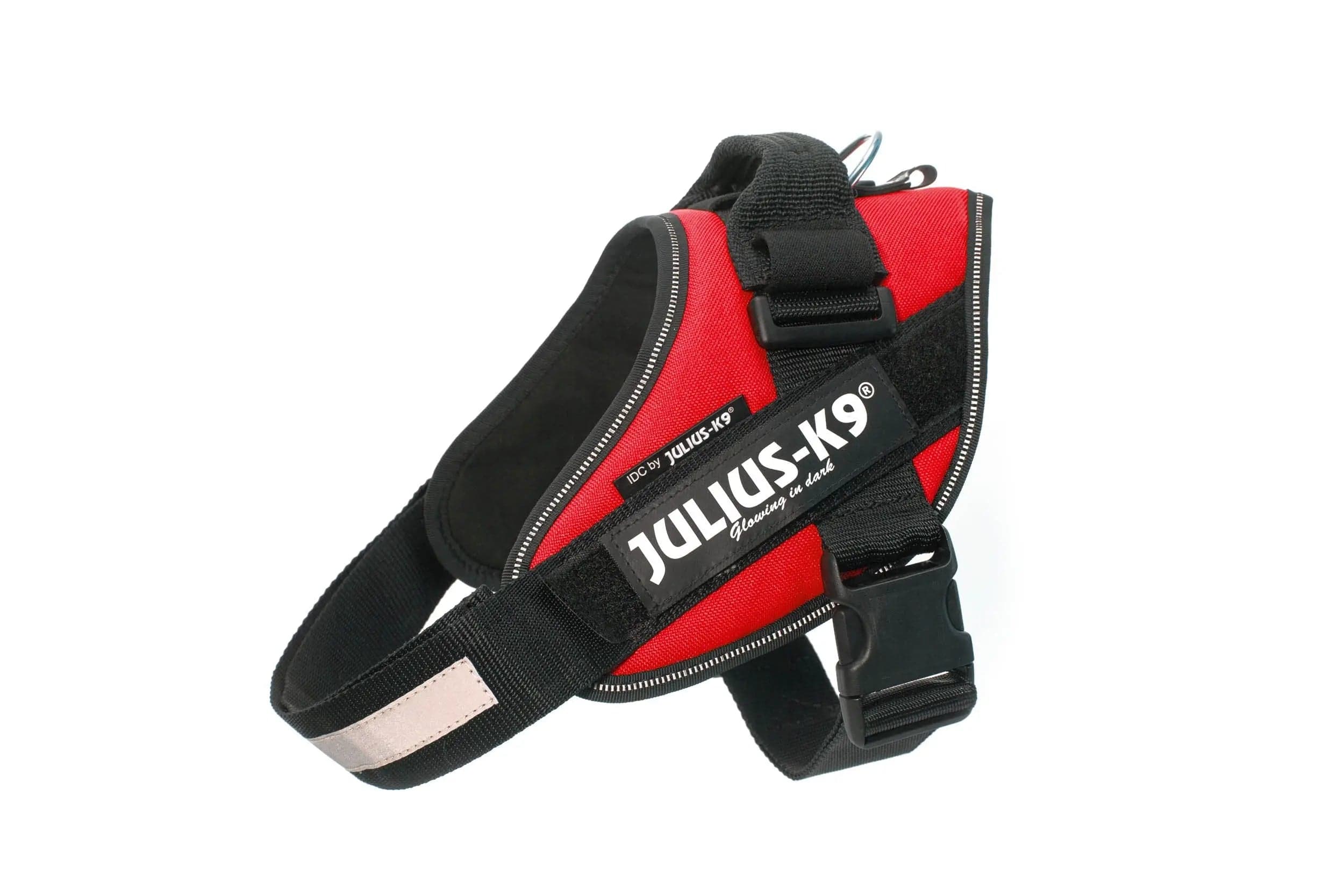
Recommended for Adult Dogs for Jack Russell Terriers
Products selected for Jack Russell Terrier size, coat type, and life stage. Affiliate disclosure.
PetFusion
PetFusion Ultimate Dog Bed (Small)
Memory foam orthopedic bed with waterproof cover. Ideal for small and medium dogs.
Shop PetFusionTuffies
Shop NowKurgo
Shop NowWhimzees by Wellness
VOHC-accepted. Plant-based, grain-free. Five sizes. Best all-round dental chew for most dogs.
Buy on AmazonHurtta
Hurtta Mudventure ECO Raincoat (Small)
Reflective, eco-friendly raincoat built for UK weather. Small size.
Shop HurttaHarringtons
The UK's bestselling dry dog food. No artificial colours, flavours or preservatives. Made with natural ingredients including chicken, brown rice and vegetables. Available in multiple sizes.
Shop NowLily's Kitchen
Shop NowAATU Dog and Cat Food
Shop NowBarking Heads
Shop NowRoyal Canin
Royal Canin Breed-Specific Food
Nutrition precision-tailored to your breed.
Shop Royal CaninBoshel
Shop NowAnimology
The UK groomer standard for removing fox poo and foul odours. Deep cleaning with built-in conditioner and Pro-Vitamin B5. Suitable for all coats from 6 weeks old.
Shop NowPets Calm Down
Shop NowDrontal
Shop NowRosewood
Shop NowPitPat
Shop NowJulius-K9
Julius-K9 IDC Powerharness (Small)
Award-winning harness trusted by dog owners worldwide. Small size (7-15kg).
Shop Julius-K9Furbo
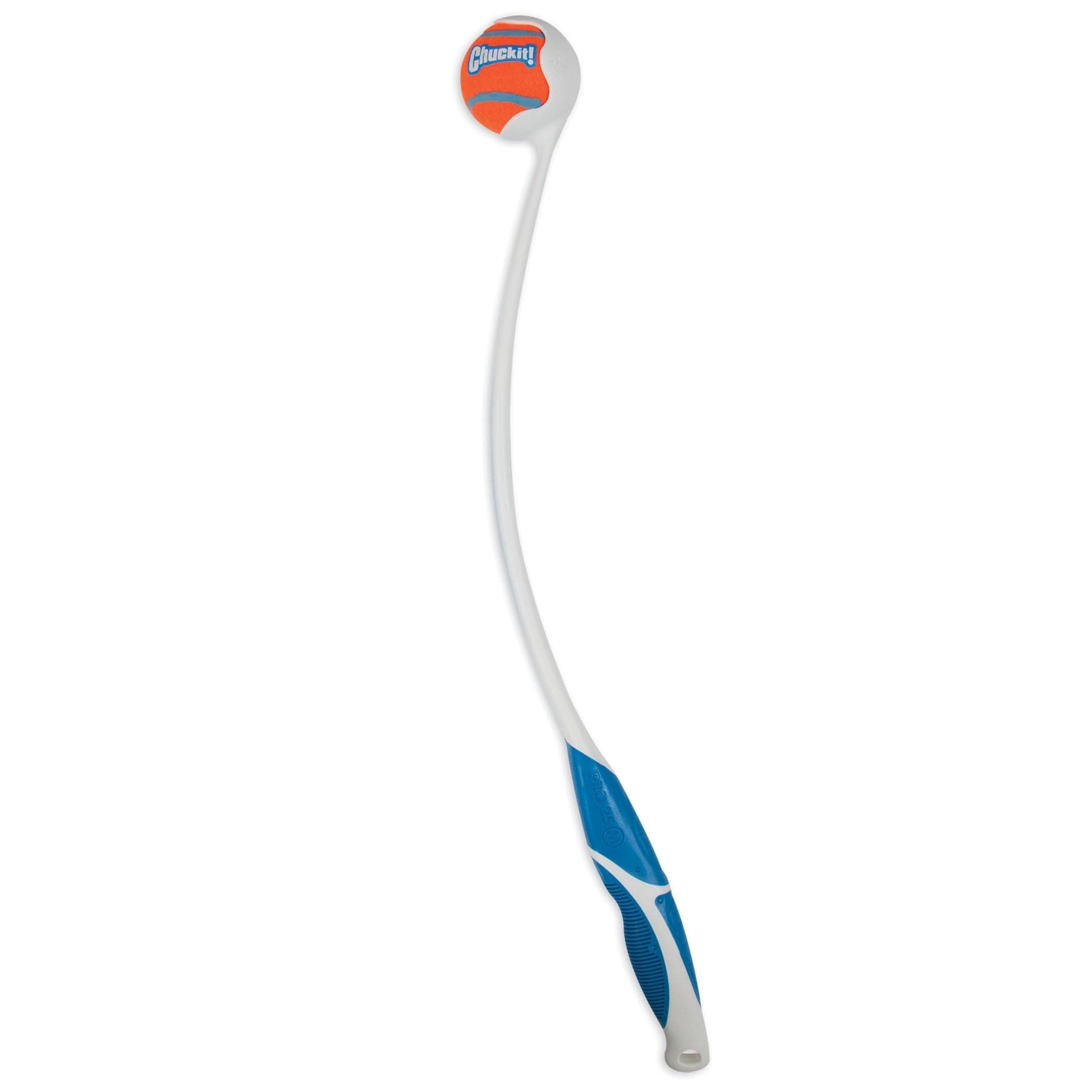
Shop NowChuckit
Chuckit! Ball Launcher (Small)
Launch further, throw less. Mini launcher for small dogs.
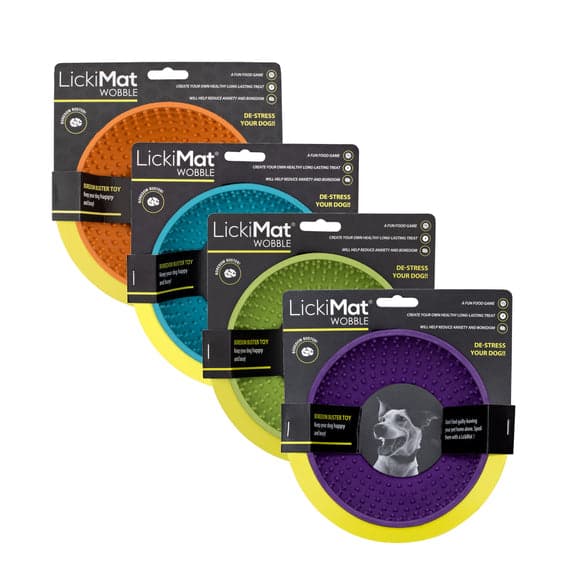
Shop Chuckit!LickiMat
LickiMat Wobble
Slows feeding, reduces anxiety, keeps dogs calm and engaged.
Try LickiMatKONG
KONG Classic (Small)
The classic rubber chew for small dogs and puppies.
Shop KONGNina Ottosson
Nina Ottosson Dog Puzzle
Level 2 puzzle feeder. Engages your dog mentally and slows eating.
Try Nina OttossonTrixie
Shop NowDoggone Good
Shop NowBreed Overview
The Jack Russell Terrier is one of the most spirited, tenacious and energetic small dogs in existence, and one of the most popular. Bred to bolt foxes from their earths and work alongside hunts, the Jack Russell carries a working terrier's boldness, independence and drive in a compact package that makes it deceptively easy to underestimate.
The Kennel Club registered the Jack Russell Terrier as a distinct breed in 2016, placing it in the Terrier Group. It is a separate KC registration from the Parson Russell Terrier, which is a longer-legged breed. Both share the same foundation stock and similar character.
The Jack Russell Terrier's most appealing qualities, courage, intelligence, tenacity and loyalty, are also the source of its management challenges. These are not dogs that defer to the owner as a default. They make decisions, pursue interests and follow their own instincts with confidence. This is engaging and entertaining in a trained, well-exercised Jack Russell. In an under-trained or under-occupied one, it produces a dog that is difficult to manage: vocal, escape-prone and selectively deaf.
They have a strong prey drive that is genuinely instinctive and requires active management. Recall around small animals or stimulating environments should not be taken for granted. Underground access, cat flaps and unsecured garden fences are all routes by which a Jack Russell will depart when motivated.
On the positive side, Jack Russells are among the longest-lived breeds. A healthy individual can live 13 to 16 years, and many reach 16 or beyond. They are relatively robust dogs with fewer breed-specific health conditions than many popular breeds, though Primary Lens Luxation (PLL) is an important condition with a DNA test available that all responsible breeders should use. Purchase prices from KC-registered, health-tested breeders typically range from £500 to £1,200.
Jack Russells are one of the best examples in the canine world of a dog whose character is genuinely shaped by its original purpose. Understanding that heritage, the working terrier's independence, tenacity and physical courage, is the key to appreciating the breed and managing it successfully. In the right home, with a patient and experienced owner who provides consistent training, adequate exercise and appropriate mental stimulation, the Jack Russell Terrier is a devoted, entertaining and remarkably long-lived companion. Buying from a breeder who tests for PLL and other relevant conditions gives you the best foundation for a long, healthy partnership with one of the UK's most characterful breeds.
Temperament & Personality
Jack Russell Terriers are bold, alert and intensely curious. They approach the world with a confidence that exceeds their size, which makes them simultaneously admirable and challenging. They are not dogs that submit easily: they are dogs that assess situations, form opinions, and act accordingly.
They are loyal to and affectionate with their family, but their affection tends to be on their own terms rather than unconditionally. Many Jack Russells have a clear preference for a particular person in the household and express that preference clearly.
With children, Jack Russells can be excellent when properly socialised and when the children are old enough to interact calmly and respectfully. They do not tolerate rough handling or teasing: a Jack Russell that feels cornered or provoked will snap, not as aggression but as a clear and direct communication. Supervision with very young children is important.
Their prey drive is strong and genuine. Small animals, cats they do not know, squirrels, rabbits and birds can trigger a chase response that is difficult to interrupt once started. Jack Russells that have been raised alongside cats or other small pets may coexist peacefully, but new introductions require careful management.
With other dogs, Jack Russells can be bold and sometimes confrontational, particularly with larger dogs. Early, positive socialisation from puppyhood is important. They are often more comfortable with dogs they know well.
Their working terrier heritage means they are energetic, alert and highly stimulated by outdoor environments. A well-exercised, well-trained Jack Russell is a rewarding companion. A bored one can be persistently challenging.
Training
Training a Jack Russell Terrier well requires an understanding of what you are working with: an intelligent, independent, working dog that has strong opinions and is accustomed to acting on them. They are trainable, but they are not naturally deferential. Consistency, patience and high-value rewards are essential.
Four priorities for a new Jack Russell owner:
- Recall. Given the breed's prey drive and independence, a reliable recall is the most important safety skill to develop. Build this in fully enclosed environments using the highest-value rewards available. Never allow off-lead exercise in unfenced areas near roads or livestock until recall is genuinely solid.
- Garden security. Before your Jack Russell arrives, assess your garden fence for gaps, loose panels, anything that can be squeezed under, and any features that could be used as a launch pad. Jack Russells are determined escape artists when motivated. A secure garden is not optional.
- Impulse control. The terrier's instinct is to pursue anything interesting. Building a reliable leave it and wait from puppyhood creates the foundation for managing the prey drive safely.
- Socialisation. Thorough exposure to dogs, people and environments during the 8 to 16 week window is important. A well-socialised Jack Russell is confident and adaptable; an under-socialised one can become defensive or reactive in unfamiliar situations.
Common mistakes: Underestimating the breed because of its size. A Jack Russell that has not been trained consistently is not manageable through physical restraint. Address recall, impulse control and socialisation early.
Good to know
Exercise Needs
Jack Russell Terriers need between one and two hours of exercise per day despite their small size. They have the stamina and drive of a working dog in a compact body and will rarely tire before their owner.
Exercise should include both physical activity and mental stimulation. Scent work, earthdog activities, retrieve games and agility all provide excellent outlets for the terrier's natural instincts. A Jack Russell that is physically but not mentally exercised will still find ways to entertain itself.
Off-lead exercise should only take place in fully enclosed, secure areas until recall is genuinely reliable. Proximity to rabbits, squirrels or other small animals can trigger a chase response that overrides even solid recall training.
Puppies need conservative exercise: five minutes per month of age, twice daily, to protect developing joints. Free play in a secure garden is appropriate and encouraged at this stage. Mental stimulation through scent games and short training sessions can begin from the day the puppy arrives home.
Health & Vet Costs
Jack Russell Terriers are a relatively robust breed, but there are hereditary conditions that responsible breeders test for.
Primary Lens Luxation (PLL) is the most important hereditary condition in the breed. The lens of the eye dislocates from its normal position, which is extremely painful and rapidly leads to glaucoma and blindness if untreated. It typically presents in dogs between three and eight years of age. Emergency surgical treatment is required: costs range from £1,500 to £3,500 per eye. A DNA test is available and responsible breeders test both parents. Dogs can be Clear, Carrier or Affected: Carriers can be bred but only to Clear dogs. This is a mandatory health test for any responsible Jack Russell Terrier breeder.
Legg-Calvé-Perthes Disease is a condition affecting the hip joint in small breeds, causing degeneration of the femoral head in young dogs. It typically presents before 12 months of age as lameness. Surgical treatment is usually successful but costs £1,500 to £3,000.
Late Onset Ataxia (LOA) is a neurological condition causing progressive loss of coordination. A DNA test is available.
Congenital Myasthenic Syndrome (CMS) affects neuromuscular transmission, causing muscle weakness. A DNA test is available.
Deafness occurs in some lines, particularly those with predominantly white colouring. BAER (Brainstem Auditory Evoked Response) testing is available.
Monthly insurance typically costs £20 to £45 for comprehensive lifetime cover. Typical lifespan is 13 to 16 years, making the Jack Russell one of the longer-lived breeds.
Feeding & Nutrition
Jack Russell Terriers have a tendency to put on weight if not managed, particularly as they age or if their exercise level decreases. Obesity in a small dog places significant strain on joints and reduces quality of life. Feed a complete, high-quality food appropriate for small breeds and measure portions carefully. Do not free-feed.
Jack Russells are enthusiastic eaters and benefit from a slow feeder bowl if they tend to bolt their food. Treats are valuable in training and should be counted within the daily calorie allowance.
Some Jack Russells have food sensitivities. If persistent loose stools, skin irritation or digestive upset occurs, a vet or veterinary nutritionist can advise on an appropriate diet. Fresh water should always be available.
Feeding your Jack Russell Terrier
How much to feed, which food types suit this breed, and what to avoid.
Grooming & Care
Jack Russell Terriers come in three coat types: smooth, rough (broken) and long. Grooming requirements differ between them.
Smooth-coated Jack Russells are the lowest-maintenance, needing only a weekly rub-down with a rubber mitt to remove dead hair. They shed moderately year-round.
Rough or broken-coated Jack Russells have a denser, wiry outer coat that requires hand-stripping two to three times per year to maintain correct texture. A groomer experienced with wire coats is advisable. Regular brushing between stripping sessions removes dead hair and prevents matting.
Long-coated Jack Russells need brushing two to three times per week to prevent tangles, particularly around the ears and underbelly.
For all coat types: ears should be checked and cleaned weekly. Nails should be trimmed every three to four weeks, though active dogs that work on hard surfaces will naturally wear them down. Teeth should be brushed regularly with dog-safe toothpaste: small breeds are prone to dental disease. Baths every four to six weeks as needed.
Costs of Ownership
Purchase price: A KC-registered, health-tested Jack Russell Terrier puppy (PLL DNA tested) typically costs £500 to £1,200 in 2025 to 2026. Rescue rehoming fees range from £100 to £350.
Setup costs: Crate, bedding, harness, bowls, initial vet check, vaccinations, microchip and neutering typically total £350 to £600.
Monthly running costs:
- Food (small breed): £20 to £40
- Insurance (comprehensive lifetime): £20 to £45
- Routine vet care and parasite prevention: £15 to £25
- Grooming (depending on coat type): £5 to £25
- Total monthly estimate: £60 to £135
Annual estimate: approximately £720 to £1,620, before unexpected vet costs.
Lifetime costs: With a lifespan of 13 to 16 years, the Jack Russell is one of the more affordable breeds to own on a lifetime basis. Total costs typically range from £10,000 to £22,000 including purchase. PLL treatment if required adds £1,500 to £3,500 per eye.
Estimated cost breakdown
Estimates based on UK average costs. Actual costs vary by location, vet, and lifestyle.
Owner note
Is your Jack Russell Terrier insured?
Jack Russell Terrier insurance typically costs £15–£40 per month depending on age, cover level and where you live. Getting the right policy before your first vet visit is one of the most important decisions you will make as a new owner.
Compare dog insuranceWe may earn a commission if you buy through our links. This never influences our recommendations.
Where to Find a Jack Russell Terrier in the UK
Whether you are looking for a Jack Russell Terrier puppy from a responsible breeder or hoping to give a rescue Jack Russell Terrier a second chance, there are reliable routes to finding the right dog. The most important thing is that you find them through the right channel — one that puts the dog's welfare first.
Finding a Jack Russell Terrier Puppy
The Kennel Club's Find a Puppy service is the safest starting point for anyone looking for a Jack Russell Terrier puppy. It connects buyers with breeders who register their litters and allows you to verify parental health test results.
For Jack Russell Terriers, the relevant breed club is Jack Russell Terrier Club of Great Britain. They maintain a breeder register and can be contacted directly for recommendations.
Before you commit, read our complete guide to finding a puppy responsibly — including the red flags that separate an ethical breeder from a puppy farm.
Read the Puppy Buying GuideRescuing a Jack Russell Terrier
Jack Russell Terrier-specific rescue organisations are run by people who know the breed inside out. They assess every dog carefully and match them to homes that genuinely suit their needs. Waiting lists exist but are worth it.
Key Jack Russell Terrier rescues in the UK include:
Our rescue guide covers the full adoption process in detail.
Find a Rescue DogIs a Jack Russell Terrier Right for You?
Well suited to: active owners who enjoy one to two hours of outdoor activity daily; owners with secure gardens; experienced dog owners who understand terrier character; households with older children who interact calmly with dogs; those who enjoy training and want a responsive, intelligent small dog.
Not suited to: owners expecting a lap dog or low-energy small breed; households with young children who cannot be supervised with the dog; those with unsecured gardens; owners who cannot commit to consistent training; those with cats or small pets unless the dog has been raised alongside them.
Flat suitability: possible for a mature, calm Jack Russell with a very committed owner who provides daily off-lead exercise in a secure area. Not ideal for a young, high-energy terrier without garden access.
The Jack Russell Terrier suits an owner who respects its working dog heritage, invests in training and socialisation from the start, and provides the activity and mental engagement this breed genuinely needs.
Frequently Asked Questions
Jack Russell Terriers can be excellent family dogs, particularly with older children who understand their energetic nature. They are loyal and affectionate with their families, though their high energy and prey drive mean they require experienced handling and constant supervision around younger children.
Jack Russell Terriers require 60-75 minutes of exercise daily to stay happy and well-behaved. This should include a mix of walks, play, and mental stimulation, as they were bred to work all day and become destructive if under-exercised.
Yes, Jack Russell Terriers shed moderately throughout the year. Regular brushing with a slicker brush or grooming glove will help manage loose hair and keep their wiry coat in good condition.
Jack Russell Terriers are intelligent but can be stubborn and independent, making training moderately challenging. They respond best to consistent, positive reinforcement methods and require an owner with experience in handling spirited, determined dogs.
Jack Russell Terriers typically live between 13 and 16 years, making them a long-term commitment. With proper care, nutrition, and regular veterinary check-ups, many live well into their senior years.
The monthly cost of owning a Jack Russell Terrier is estimated at £80-£130, covering food, routine veterinary care, and general maintenance. Additional costs may apply for training, grooming, or unexpected health issues.
Jack Russell Terriers can suit first-time owners who are prepared for their high energy and independent nature. However, they require commitment to daily exercise, consistent training, and understanding of their strong prey drive and terrier temperament.
Related Breeds
Border Terrier
The Border Terrier is a hardy, adaptable working terrier with a wiry double coat and strong prey drive. It is one of the...
View breed guide →Cairn Terrier
The Cairn Terrier is one of Scotland's oldest terrier breeds, hardy, alert and independent. Good with families, moderate...
View breed guide →Parson Russell Terrier
The Parson Russell Terrier is the longer-legged, working-conformation fox terrier developed by Reverend John (Jack) Russ...
View breed guide →Related Guides
Find local services for your Jack Russell Terrier
Search verified UK listings for vets, groomers, trainers and walkers near you.
Upcoming events for Jack Russell Terrier owners
Championship Show
Darlington Dog Show Society Championship Show 2026
18 to 20 September 2026 · Ripon, North Yorkshire
Companion Show
Paws in the Park — Kent 2026
19 to 20 September 2026 · Maidstone, Kent
Championship Show
Belfast Dog Show Society Championship Show 2026
26 to 27 September 2026 · Lisburn, County Antrim
Festival
DogFest at the Palace 2026
3 to 4 October 2026 · Woodstock, Oxfordshire
Championship Show
South Wales Kennel Association Championship Show 2026
8 to 11 October 2026 · Builth Wells, Powys