
Japanese Chin
Complete UK breed guide

Quick answer
The Japanese Chin is an ancient oriental companion breed - elegant, cat-like and intensely devoted. Brachycephalic (flat-faced) - BOAS health assessment of parents essential. Sensitive to heat. Quiet and gentle in the home. KC Toy Group. Lifespan 10-12 years.
Quick Facts
- Size
- Small
- Weight
- 3–9 kg
- Lifespan
- 10–12 years
- Breed Group
- Toy
- Exercise
- 20–30 mins/day
- Activity Level
- Low
- Grooming
- Moderate
- Monthly Cost
- £80–£130/month
- Temperament
- Affectionate, Intelligent, Gentle
- Good with Children
- Yes
- Good with Dogs
- Yes
- Good for First Timers
- Yes
- Suits Flats
- Yes
Free care guide
Get the Complete Japanese Chin Care Guide
Feeding, health, grooming, training and costs for your Japanese Chin. Free, straight to your inbox.

Getting set up
Getting a Japanese Chin? Here's what you'll need.
Our editors have picked the essentials for Japanese Chin owners.
See the Anxious Dog Kit →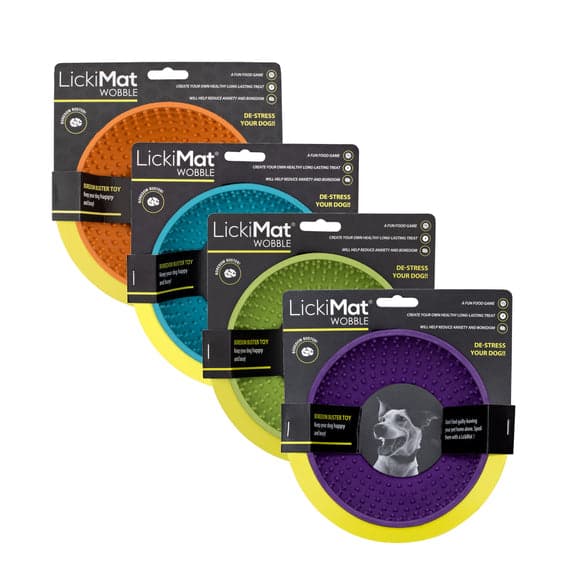
Recommended for Adult Dogs for Japanese Chins
Products selected for Japanese Chin size, coat type, and life stage. Affiliate disclosure.
PetFusion
PetFusion Ultimate Dog Bed (Small)
Memory foam orthopedic bed with waterproof cover. Ideal for small and medium dogs.
Shop PetFusionTuffies
Shop NowKurgo
Shop NowWhimzees by Wellness
VOHC-accepted. Plant-based, grain-free. Five sizes. Best all-round dental chew for most dogs.
Buy on AmazonHurtta
Hurtta Mudventure ECO Raincoat (Small)
Reflective, eco-friendly raincoat built for UK weather. Small size.
Shop HurttaHarringtons
The UK's bestselling dry dog food. No artificial colours, flavours or preservatives. Made with natural ingredients including chicken, brown rice and vegetables. Available in multiple sizes.
Shop NowLily's Kitchen
Shop NowBarking Heads
Shop NowAATU Dog and Cat Food
Shop NowRoyal Canin
Royal Canin Breed-Specific Food
Nutrition precision-tailored to your breed.
Shop Royal CaninAnimology
The UK groomer standard for removing fox poo and foul odours. Deep cleaning with built-in conditioner and Pro-Vitamin B5. Suitable for all coats from 6 weeks old.
Shop NowAndis
Shop NowBoshel
Shop NowChris Christensen
Shop NowPets Calm Down
Shop NowRosewood
Shop NowDrontal
Shop NowPitPat
Shop NowJulius-K9
Julius-K9 IDC Powerharness (Small)
Award-winning harness trusted by dog owners worldwide. Small size (7-15kg).
Shop Julius-K9Furbo
Shop NowKONG
KONG Classic (Small)
The classic rubber chew for small dogs and puppies.
Shop KONGLickiMat
LickiMat Wobble
Slows feeding, reduces anxiety, keeps dogs calm and engaged.
Try LickiMatChuckit
Chuckit! Ball Launcher (Small)
Launch further, throw less. Mini launcher for small dogs.
Shop Chuckit!Nina Ottosson
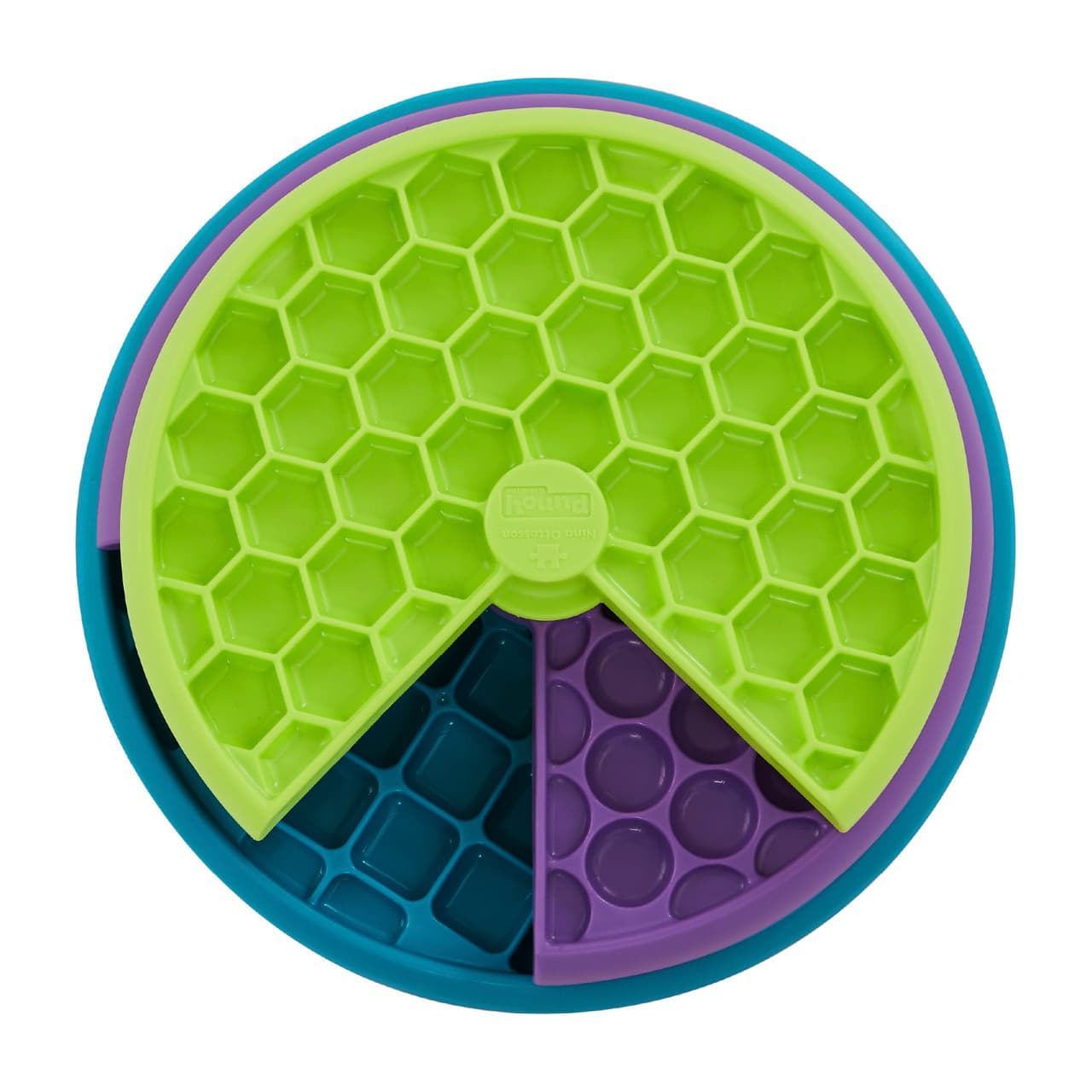
Nina Ottosson Dog Puzzle
Level 2 puzzle feeder. Engages your dog mentally and slows eating.
Try Nina OttossonTrixie
Shop NowDoggone Good
Shop NowBreed Overview
The Japanese Chin, known in Japan as the Chin or Chin-inu, is one of the oldest and most refined of all companion breeds, an ancient toy dog that was treasured by the Japanese imperial court for over a thousand years before being introduced to the Western world in the mid-nineteenth century. Despite its Japanese name, the breed's origins are believed to trace back to China, with dogs of similar type given as diplomatic gifts between Chinese and Japanese imperial courts in antiquity. The breed was brought to Europe in the 1850s, when examples were given as gifts to Queen Victoria and other European royalty, quickly becoming fashionable among the aristocracy. Registered by the Kennel Club in the Toy Group, it is an established if uncommon breed in the United Kingdom.
The Japanese Chin is an unmistakably refined small dog with a distinctive flat face, large dark eyes, a silky flowing coat and an expression of intelligent aristocratic calm. The coat is typically black and white, red and white, or sable and white. Adults typically stand 20 to 27 centimetres at the shoulder and weigh 1.4 to 3.2 kilograms.
The character is genuinely distinctive - the Japanese Chin is often described as cat-like in its movements, habits and manner. It is graceful and quiet, tends to perch in high places and cleans its face with its paws as cats do. It is intensely devoted to its own people but can be reserved or cautious with strangers and in new situations. It is gentle, sensitive and does not respond well to loud or chaotic environments - households with very young children or boisterous activity are not well suited to this refined breed.
The flat face makes this a brachycephalic breed. Brachycephalic Obstructive Airway Syndrome is the primary health concern and prospective owners must insist on BOAS grading of both parents before purchasing a puppy. The breed is also sensitive to heat and should not be exercised or kept in hot conditions. Heart conditions including Mitral Valve Disease are a concern and heart testing is recommended.
GM2 Gangliosidosis, a hereditary neurological storage disorder documented in the breed, requires DNA testing of parents - this is a serious condition and no responsible breeder should produce puppies without clear certificates.
Purchase prices from KC-registered, health-assessed breeders range from £1,000 to £2,500. Monthly running costs average £75 to £130. The Japanese Chin Club is the primary resource for breed information, health testing, responsible breeders and rescue contact.
Temperament & Personality
Elegant, devoted, quiet and cat-like - the Japanese Chin is one of the most refined of all toy breeds. Intensely bonded to its own people. Can be reserved or cautious with strangers. Gentle and graceful indoors. Sensitive to tension. Not boisterous. Good with other calm animals.
Training
Japanese Chins are intelligent but sensitive and independent - they are not highly obedient by nature. Gentle positive reinforcement works best. Harsh handling causes shut-down and anxiety. Early socialisation is important. Manageable with patient, understanding owners.
Good to know
Exercise Needs
Japanese Chins need 20-30 minutes of gentle daily exercise. They are not high-energy dogs. Avoid exercise in hot or humid conditions given the flat face. Mental stimulation through gentle play and interaction is important. Good for less active owners.
Good to know
Health & Vet Costs
Brachycephalic Obstructive Airway Syndrome (BOAS) is the primary health concern - insist on BOAS grading of both parents. Heart conditions including Mitral Valve Disease occur. GM2 Gangliosidosis is a hereditary neurological condition documented in the breed - DNA testing advisable. Sensitive to heat. Lifespan 10-12 years.
Important warning
Feeding & Nutrition
High-quality small breed complete food. Adults typically need 80-130g dry food daily across two meals. Monitor body condition. Fresh water always available. Prone to obesity - avoid overfeeding.
Feeding your Japanese Chin
How much to feed, which food types suit this breed, and what to avoid.
Grooming & Care
The silky, flowing coat needs brushing two to three times weekly to prevent tangling. The breed sheds moderately despite the silky appearance. Facial folds need daily cleaning. Ears need checking. Dental care critical in small breeds.
Costs of Ownership
Japanese Chin puppies from KC-registered, BOAS-assessed breeders typically cost £1,000-£2,500. Annual ongoing costs average £900-£1,500. Potential veterinary costs for brachycephalic-related conditions should be factored in.
Estimated cost breakdown
Estimates based on UK average costs. Actual costs vary by location, vet, and lifestyle.
Is your Japanese Chin insured?
Japanese Chin insurance typically costs £15–£40 per month depending on age, cover level and where you live. Getting the right policy before your first vet visit is one of the most important decisions you will make as a new owner.
Compare dog insuranceWe may earn a commission if you buy through our links. This never influences our recommendations.
Where to Find a Japanese Chin in the UK
Whether you are looking for a Japanese Chin puppy from a responsible breeder or hoping to give a rescue Japanese Chin a second chance, there are reliable routes to finding the right dog. The most important thing is that you find them through the right channel — one that puts the dog's welfare first.
Finding a Japanese Chin Puppy
The Kennel Club's Find a Puppy service is the safest starting point for anyone looking for a Japanese Chin puppy. It connects buyers with breeders who register their litters and allows you to verify parental health test results.
For Japanese Chins, the relevant breed club is The Japanese Chin Club UK. They maintain a breeder register and can be contacted directly for recommendations.
Before you commit, read our complete guide to finding a puppy responsibly — including the red flags that separate an ethical breeder from a puppy farm.
Read the Puppy Buying GuideRescuing a Japanese Chin
Japanese Chin-specific rescue organisations are run by people who know the breed inside out. They assess every dog carefully and match them to homes that genuinely suit their needs. Waiting lists exist but are worth it.
Key Japanese Chin rescues in the UK include:
Our rescue guide covers the full adoption process in detail.
Find a Rescue DogIs a Japanese Chin Right for You?
Gentle, experienced owners in calm households. Good for less active owners but still needs daily walks. Brachycephalic - BOAS assessment of parents is non-negotiable. Sensitive to heat and stress. Not suitable for boisterous households. Can be reserved with strangers. Devoted and cat-like character.
Frequently Asked Questions
Yes, Japanese Chins make excellent family dogs. They are affectionate, gentle, and patient with children, though their small size means supervision with very young children is advisable. They thrive in family environments where they receive plenty of attention and companionship.
Japanese Chins require around 20-30 minutes of exercise per day, making them ideal for owners with a more relaxed lifestyle. Short walks and indoor play sessions are usually sufficient to keep them happy and healthy. They are not high-energy dogs and are content with moderate activity levels.
Yes, Japanese Chins shed moderately throughout the year, with heavier shedding during spring and autumn. Regular brushing, ideally several times a week, helps manage loose hair and keeps their long coat in good condition. This breed is not hypoallergenic.
Japanese Chins are intelligent and eager to please, which makes them relatively easy to train. They respond well to positive reinforcement and gentle handling. However, they can be somewhat independent, so consistent, patient training methods work best.
Japanese Chins typically live between 12-14 years, which is a good lifespan for a toy breed. With proper care, regular veterinary check-ups, and a healthy lifestyle, some individuals may live even longer. Their longevity makes them a long-term commitment for owners.
The monthly cost of owning a Japanese Chin is estimated at £80-£130, covering food, grooming, and routine care. Grooming expenses can be significant due to their long coat requiring regular professional maintenance. Additional costs may apply for veterinary care or unexpected health issues.
Yes, Japanese Chins are excellent for first-time dog owners. They are adaptable, affectionate, and do not require extensive exercise or complex training. Their small size and gentle nature make them manageable, though potential owners should be prepared for regular grooming needs.
Related Breeds
Cavalier King Charles Spaniel
The Cavalier King Charles Spaniel is an affectionate, gentle toy breed suited to family life. It carries high rates of M...
View breed guide →King Charles Spaniel
The King Charles Spaniel (English Toy Spaniel) is the smaller, more domed-headed older cousin of the Cavalier. Brachycep...
View breed guide →Pekingese
The Pekingese is one of the world's most ancient breeds, a Chinese imperial companion with a history spanning over two t...
View breed guide →Related Guides
Find local services for your Japanese Chin
Search verified UK listings for vets, groomers, trainers and walkers near you.
Upcoming events for Japanese Chin owners
Championship Show
Darlington Dog Show Society Championship Show 2026
18 to 20 September 2026 · Ripon, North Yorkshire
Companion Show
Paws in the Park — Kent 2026
19 to 20 September 2026 · Maidstone, Kent
Championship Show
Belfast Dog Show Society Championship Show 2026
26 to 27 September 2026 · Lisburn, County Antrim
Festival
DogFest at the Palace 2026
3 to 4 October 2026 · Woodstock, Oxfordshire
Championship Show
South Wales Kennel Association Championship Show 2026
8 to 11 October 2026 · Builth Wells, Powys