
Cavalier King Charles Spaniel
Complete UK breed guide

Quick answer
The Cavalier King Charles Spaniel is an affectionate, gentle toy breed suited to family life. It carries high rates of Mitral Valve Disease and Syringomyelia, both requiring ongoing monitoring. Insurance is among the highest of any small breed.
Quick Facts
- Size
- Small
- Weight
- 5–8 kg
- Lifespan
- 9–14 years
- Breed Group
- Toy
- Exercise
- 30–45 mins/day
- Activity Level
- Moderate
- Grooming
- Moderate
- Monthly Cost
- £100–£160/month
- Temperament
- Affectionate, Gentle, Adaptable
- Good with Children
- Yes
- Good with Dogs
- Yes
- Good for First Timers
- Yes
- Suits Flats
- Yes
Free care guide
Get the Complete Cavalier King Charles Spaniel Care Guide
Feeding, health, grooming, training and costs for your Cavalier King Charles Spaniel. Free, straight to your inbox.

Getting set up
Getting a Cavalier King Charles Spaniel? Here's what you'll need.
Our editors have picked the essentials for Cavalier King Charles Spaniel owners.
See the Anxious Dog Kit →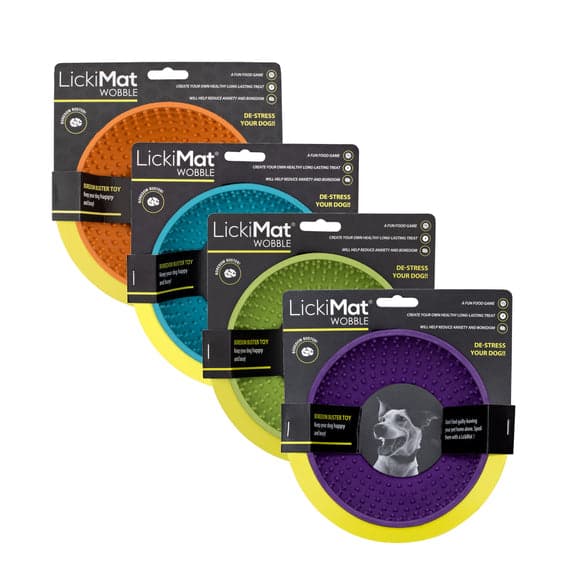
Recommended for Adult Dogs for Cavalier King Charles Spaniels
Products selected for Cavalier King Charles Spaniel size, coat type, and life stage. Affiliate disclosure.
PetFusion
PetFusion Ultimate Dog Bed (Small)
Memory foam orthopedic bed with waterproof cover. Ideal for small and medium dogs.
Shop PetFusionTuffies
Shop NowKurgo
Shop NowWhimzees by Wellness
VOHC-accepted. Plant-based, grain-free. Five sizes. Best all-round dental chew for most dogs.
Buy on AmazonHurtta
Hurtta Mudventure ECO Raincoat (Small)
Reflective, eco-friendly raincoat built for UK weather. Small size.
Shop HurttaHarringtons
The UK's bestselling dry dog food. No artificial colours, flavours or preservatives. Made with natural ingredients including chicken, brown rice and vegetables. Available in multiple sizes.
Shop NowLily's Kitchen
Shop NowBarking Heads
Shop NowAATU Dog and Cat Food
Shop NowRoyal Canin
Royal Canin Breed-Specific Food
Nutrition precision-tailored to your breed.
Shop Royal CaninAnimology
The UK groomer standard for removing fox poo and foul odours. Deep cleaning with built-in conditioner and Pro-Vitamin B5. Suitable for all coats from 6 weeks old.
Shop NowAndis
Shop NowBoshel
Shop NowChris Christensen
Shop NowPets Calm Down
Shop NowRosewood
Shop NowDrontal
Shop NowPitPat
Shop NowJulius-K9
Julius-K9 IDC Powerharness (Small)
Award-winning harness trusted by dog owners worldwide. Small size (7-15kg).
Shop Julius-K9Furbo
Shop NowKONG
KONG Classic (Small)
The classic rubber chew for small dogs and puppies.
Shop KONGLickiMat
LickiMat Wobble
Slows feeding, reduces anxiety, keeps dogs calm and engaged.
Try LickiMatChuckit
Chuckit! Ball Launcher (Small)
Launch further, throw less. Mini launcher for small dogs.
Shop Chuckit!Nina Ottosson
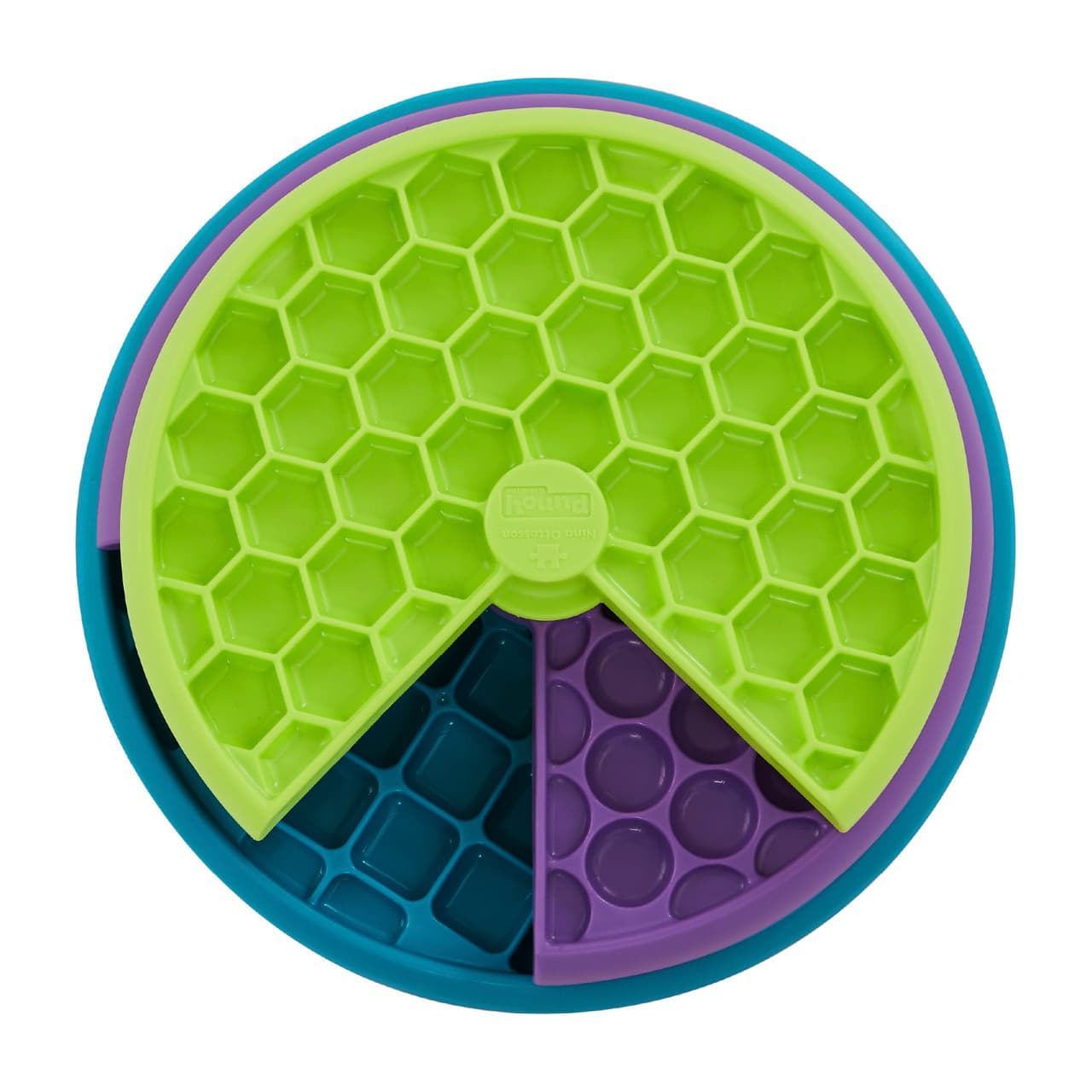
Nina Ottosson Dog Puzzle
Level 2 puzzle feeder. Engages your dog mentally and slows eating.
Try Nina OttossonTrixie
Shop NowDoggone Good
Shop NowBreed Overview
The Cavalier King Charles Spaniel is one of the UK's most popular toy breeds, consistently in the top ten most registered with the Kennel Club. It is an affectionate, gentle and adaptable companion with a temperament that suits a wide range of households. It is also a breed that carries some of the most significant inherited health conditions of any dog in the UK, and this fact should be the starting point for any research into the breed.
The Cavalier's appeal is genuine and well-founded. They are warm, sociable dogs that bond closely with their family, get on well with children, other dogs and typically cats, and adapt to a range of living situations from small flats to larger homes. Their exercise needs are moderate rather than demanding. Their temperament is consistently gentle and they rarely show aggression. For the right owner who goes in fully informed and financially prepared, the Cavalier is an excellent companion.
The health picture, however, must be confronted honestly. Mitral Valve Disease (MVD) affects the vast majority of the breed by middle to older age, progressively degrading the mitral heart valve and ultimately causing heart failure. Research published in veterinary journals consistently shows that most Cavaliers will have some degree of murmur by age ten and many earlier. Responsible breeding schemes, including the British Veterinary Cardiac Society's MVD scheme, require dogs to meet cardiac clearance standards before breeding. Buyers must ask for evidence that both parents have been screened.
Syringomyelia (SM), caused by the skull being too small for the brain, causes pain and neurological symptoms. The MRI Scheme assesses breeding dogs. Again, both parents should be screened before any puppy is purchased.
The consequence of these conditions is that insurance for a Cavalier is among the highest of any small breed. Comprehensive, non-time-limited lifetime cover is essential: this is not a breed where you can self-insure or rely on cheaper time-limited policies. Monthly premiums of £50 to £100 are typical. Budget also for regular cardiac auscultation and, when your vet recommends it, echocardiography.
Purchase prices from KC-registered, health-tested breeders typically range from £1,000 to £2,000. Be very sceptical of cheaper puppies where cardiac and neurological screening cannot be evidenced. The Cavalier King Charles Spaniel Club Rescue rehomes dogs nationally.
This is a breed that rewards serious preparation with genuine, warm companionship. Go in with full knowledge of the health and financial picture, buy from a breeder who screens rigorously, insure comprehensively from day one, and you will have one of the most devoted companion dogs available.
Temperament & Personality
Cavaliers are gentle, affectionate and deeply people-oriented dogs. They are happiest in close contact with their owners and are not suited to a lifestyle where the dog is left alone for long periods.
They are sociable dogs that typically get on well with other dogs, cats when properly introduced, and children who interact gently. Their temperament is consistently described as sweet-natured, adaptable and willing. They rarely show aggression and their default response to unfamiliar people is friendliness rather than wariness.
Their attachment to people is one of their most defining characteristics. Cavaliers want to be where their people are. This makes them deeply rewarding companions but also means they are particularly vulnerable to separation anxiety. A Cavalier that is left alone for extended periods without proper preparation will become distressed.
They retain a spaniel's instinct to follow movement and scent, which means they should not be trusted off lead in unenclosed areas without a reliable recall. Their gentle nature does not override their instinct to follow an interesting smell.
They are relatively low intensity compared to working breeds. They adapt well to a range of activity levels and are comfortable with quieter owners as long as their daily exercise needs are met.
Training
Cavaliers are gentle, responsive dogs that want to please their owners. They are generally easy to train using positive reinforcement methods and take well to basic obedience.
Four priorities for a new Cavalier owner:
- Recall. Cavaliers have a spaniel's interest in following scents. A reliable recall using positive reinforcement and high-value food rewards is essential before off-lead exercise in open areas.
- Separation tolerance. This is the most important training priority for a breed this attachment-prone. Build alone time positively from day one using gradual departures and crate training. A Cavalier that is never left will not cope when circumstances require it.
- Basic obedience. Sit, stay, down, come and leave it using reward-based training. Cavaliers are sensitive dogs that do not respond well to harsh correction.
- Socialisation. Thorough positive exposure to people, environments, sounds, other dogs and children during the 8 to 16 week window. Well-socialised Cavaliers are confident and adaptable.
Common mistakes: Using aversive methods with a sensitive breed. Cavaliers shut down under pressure and this creates anxiety rather than compliance. Purely positive reward-based training works best.
Good to know
Separation anxiety in Cavalier King Charles Spaniels
Cavalier King Charles Spaniels are known for close attachment to their owners. Without early alone-time training, this can develop into separation anxiety.
Read the complete separation anxiety guide →Exercise Needs
Cavaliers are moderate-exercise dogs. They enjoy walks and play but are not high-endurance athletes. Their exercise needs must be balanced against their health: dogs with heart disease may need exercise restriction as their condition progresses.
Adult Cavaliers: 30 to 45 minutes of exercise per day is typical for a healthy adult. Two shorter walks are better than one long one. Cavaliers enjoy gentle sniffing walks as much as brisk exercise.
Puppies: Exercise should be brief and unforced in puppies to protect developing joints. Short play sessions and gentle walks, increasing gradually as the puppy matures.
Heat sensitivity: Cavaliers have a moderate muzzle length but can be sensitive to heat in hot weather. Avoid exercising during the hottest part of the day in summer and always provide fresh water. Brachycephalic features are not as severe as in flat-faced breeds but should be considered.
Exercise with heart disease: If your Cavalier is diagnosed with Mitral Valve Disease and placed on medication, your vet may recommend adjusting exercise intensity. Follow veterinary guidance carefully and monitor for signs of breathlessness or fatigue during activity.
Health & Vet Costs
Cavalier King Charles Spaniels carry two very significant inherited health conditions that all prospective owners must understand before buying or adopting.
Mitral Valve Disease (MVD) is the most prevalent and important health issue in the breed. The mitral valve in the heart degrades progressively over time, eventually causing heart failure. The condition is so prevalent that research suggests the majority of Cavaliers will show some sign of MVD by age ten, and many are affected earlier. The British Veterinary Cardiac Society Cavalier Health Scheme requires breeding dogs to be clear of murmurs at age 2.5 years, and parents must meet specific criteria. Ask any breeder to confirm both parents meet the BVS/MVD scheme requirements before buying. Once diagnosed, MVD is managed with cardiac medication. Monthly insurance premiums for Cavaliers are among the highest of any small breed, reflecting this risk.
Syringomyelia (SM) and Chiari-like Malformation (CM) is a neurological condition caused by the skull being too small for the brain, causing pain and neurological dysfunction. Symptoms include scratching at the neck and shoulders (often in air), sensitivity around the head and neck, and in more severe cases, weakness and incoordination. The MRI Scheme for Cavaliers assesses breeding dogs. Ask breeders for SM/CM screening results on both parents.
Eye conditions including cataracts and retinal problems occur in the breed. The BVA/KC Eye Scheme tests breeding dogs.
Hip and elbow dysplasia can occur though at lower rates than in larger breeds.
Monthly insurance typically costs £50 to £100. Lifespan is 9 to 14 years, often affected by the progression of cardiac disease.
Important warning
Feeding & Nutrition
Cavaliers are prone to weight gain, which puts additional strain on a heart that is already at high risk of disease. Maintaining a lean body condition is a genuine health priority.
Daily feeding: Most adult Cavaliers need 120 to 180g of a good quality dry complete food per day, split across two meals. Exact quantities depend on the food used, the dog's activity level and its age. Follow the manufacturer's guidelines and adjust based on body condition.
Foods to avoid: Grapes and raisins are toxic to dogs and potentially fatal. Onion, garlic, chocolate and xylitol (found in some sugar-free foods) are also toxic. Avoid giving table scraps, which typically add excess calories and salt.
Weight management: Use your hands to check body condition regularly. You should be able to feel the ribs easily without pressing hard. If you cannot, the dog is overweight. For a breed with heart disease risk, obesity is not a minor inconvenience: it is a genuine health risk.
Dental care: Cavaliers have a predisposition to dental disease. Daily toothbrushing with dog-safe toothpaste is the most effective preventive measure. Dental chews are a supplement, not a replacement for brushing.
Puppy feeding: Cavalier puppies should be fed three to four times daily until 12 weeks, then three times until six months, then twice daily. Do not leave food down continuously.
Feeding your Cavalier King Charles Spaniel
How much to feed, which food types suit this breed, and what to avoid.
Grooming & Care
The Cavalier's silky, medium-length coat is relatively straightforward to maintain but requires regular attention to prevent tangles and matting, particularly around the ears, chest and behind the legs.
Brushing: Two to three times per week minimum, daily in areas prone to tangles. A soft slicker brush and a wide-toothed comb are the core tools. Pay particular attention to feathering on the ears and legs.
Bathing: Every four to six weeks, or when dirty. Use a gentle dog-specific shampoo. Dry thoroughly, particularly inside the ear canals, which are prone to infection in drop-eared breeds.
Ear care: Cavaliers have long, drop ears that restrict airflow and create warm, moist conditions where yeast and bacteria thrive. Check ears weekly for redness, discharge or smell. Clean with a vet-recommended ear cleaner as directed. Do not insert anything into the ear canal.
Eye area: The large, prominent eyes of the Cavalier can accumulate discharge. Gently clean the corners daily with a damp cotton wool pad.
Nails: Clip every four to six weeks or as needed. If you can hear the nails clicking on hard floors, they are too long.
Professional grooming: Most Cavalier owners have the coat professionally groomed every eight to twelve weeks. The breed is not typically clipped to a short style but the feathering can be tidied.
Costs of Ownership
Cavaliers are among the more expensive small breeds to own, primarily because of high insurance costs driven by the breed's significant health risks.
Purchase price: £1,000 to £2,000 from a KC-registered, health-tested breeder. Be very wary of significantly cheaper puppies, particularly from breeders who cannot produce evidence of cardiac and neurological health screening.
Monthly insurance: £50 to £100 for comprehensive lifetime cover. Some insurers charge considerably more for this breed given the MVD and Syringomyelia risk. Non-lifetime policies are not appropriate for a breed with known progressive conditions. Get quotes from multiple providers before committing.
Food: £30 to £50 per month for a good quality complete dry food.
Routine veterinary care: Annual vaccination and health check approximately £60 to £80. Regular cardiac monitoring (auscultation, and echocardiography once recommended by the vet) adds to annual costs.
Grooming: Professional grooming every eight to twelve weeks, approximately £40 to £60 per session.
Cardiac monitoring: Echocardiography to monitor Mitral Valve Disease costs approximately £200 to £400 when required. This becomes a regular cost as the dog ages.
Total estimated monthly cost: £180 to £300 when insurance, food, grooming and routine care are combined. Higher if specialist cardiac care is required.
Estimated cost breakdown
Estimates based on UK average costs. Actual costs vary by location, vet, and lifestyle.
Is your Cavalier King Charles Spaniel insured?
Cavalier King Charles Spaniel insurance typically costs £15–£40 per month depending on age, cover level and where you live. Getting the right policy before your first vet visit is one of the most important decisions you will make as a new owner.
Compare dog insuranceWe may earn a commission if you buy through our links. This never influences our recommendations.
Where to Find a Cavalier King Charles Spaniel in the UK
Whether you are looking for a Cavalier King Charles Spaniel puppy from a responsible breeder or hoping to give a rescue Cavalier King Charles Spaniel a second chance, there are reliable routes to finding the right dog. The most important thing is that you find them through the right channel — one that puts the dog's welfare first.
Finding a Cavalier King Charles Spaniel Puppy
The Kennel Club's Find a Puppy service is the safest starting point for anyone looking for a Cavalier King Charles Spaniel puppy. It connects buyers with breeders who register their litters and allows you to verify parental health test results.
For Cavalier King Charles Spaniels, the relevant breed club is The Cavalier King Charles Spaniel Club. They maintain a breeder register and can be contacted directly for recommendations.
Before you commit, read our complete guide to finding a puppy responsibly — including the red flags that separate an ethical breeder from a puppy farm.
Read the Puppy Buying GuideRescuing a Cavalier King Charles Spaniel
Cavalier King Charles Spaniel-specific rescue organisations are run by people who know the breed inside out. They assess every dog carefully and match them to homes that genuinely suit their needs. Waiting lists exist but are worth it.
Key Cavalier King Charles Spaniel rescues in the UK include:
Our rescue guide covers the full adoption process in detail.
Find a Rescue DogIs a Cavalier King Charles Spaniel Right for You?
Best suited to: Families, couples and older owners who want a devoted companion; households with gentle children; people who can commit to ongoing vet monitoring.
Can work with: First-time dog owners willing to research the health picture thoroughly; flat and apartment dwellers provided daily exercise needs are met.
Not ideal for: Owners who want a robust, low-maintenance dog; those on a tight budget (insurance and vet costs are high); very active owners wanting an athletic breed.
Size and living situation: Cavaliers are small dogs (5 to 8kg) that adapt well to most living situations including flats. They do not need a garden but require daily walks.
Children and other pets: Cavaliers are gentle and generally excellent with children. They typically get on well with cats and other dogs when properly introduced.
Alone time: Cavaliers are companion dogs with a strong attachment to people. They do not manage extended periods alone well and are prone to separation anxiety. This is a breed that thrives with company.
Frequently Asked Questions
Yes, Cavalier King Charles Spaniels are excellent family dogs and are consistently ranked among the UK's most popular breeds for this reason. They are gentle, affectionate and patient with children, making them ideal companions for households with young families.
Cavalier King Charles Spaniels require around 30-45 minutes of exercise per day to stay healthy and content. They enjoy walks and playtime but are adaptable to both active families and more sedentary lifestyles, making them suitable for various living situations.
Yes, Cavalier King Charles Spaniels shed moderately throughout the year and more heavily during spring and autumn. Regular brushing, ideally several times a week, helps manage loose hair and keeps their long coat in good condition.
Cavalier King Charles Spaniels are generally eager to please and respond well to positive reinforcement training methods. However, they can be sensitive dogs, so harsh corrections should be avoided in favour of gentle, consistent guidance.
Cavalier King Charles Spaniels typically live between 9-14 years. Responsible breeding and regular health checks are important, as the breed can be prone to certain inherited conditions such as heart issues.
Monthly costs for a Cavalier King Charles Spaniel typically range from £100-£160, covering food, routine veterinary care, grooming and other essentials. This estimate may increase if the dog requires specialist treatment or preventative health measures.
Yes, Cavalier King Charles Spaniels are excellent for first-time dog owners due to their gentle temperament and adaptability. Their moderate exercise needs and eagerness to please make them relatively straightforward to care for compared to many other breeds.
Related Breeds
Bichon Frise
The Bichon Frise is a cheerful, sociable small breed with a low-shedding curly coat requiring regular professional groom...
View breed guide →Cocker Spaniel
Cocker Spaniels are energetic, affectionate gundogs and one of the UK's most popular family breeds. They need around two...
View breed guide →King Charles Spaniel
The King Charles Spaniel (English Toy Spaniel) is the smaller, more domed-headed older cousin of the Cavalier. Brachycep...
View breed guide →Related Guides
Find local services for your Cavalier King Charles Spaniel
Search verified UK listings for vets, groomers, trainers and walkers near you.
Upcoming events for Cavalier King Charles Spaniel owners
Championship Show
Darlington Dog Show Society Championship Show 2026
18 to 20 September 2026 · Ripon, North Yorkshire
Companion Show
Paws in the Park — Kent 2026
19 to 20 September 2026 · Maidstone, Kent
Championship Show
Belfast Dog Show Society Championship Show 2026
26 to 27 September 2026 · Lisburn, County Antrim
Festival
DogFest at the Palace 2026
3 to 4 October 2026 · Woodstock, Oxfordshire
Championship Show
South Wales Kennel Association Championship Show 2026
8 to 11 October 2026 · Builth Wells, Powys