

West Highland White Terrier
Complete UK breed guide

Quick answer
West Highland White Terriers are confident, robust small terriers well-suited to urban living. Key health concerns include Westie Lung Disease (idiopathic pulmonary fibrosis), chronic skin conditions and Legg-Calvé-Perthes disease. Insurance costs £30 to £60 per month. Lifespan is 12 to 16 years.
Quick Facts
- Size
- Small
- Weight
- 7–10 kg
- Lifespan
- 12–16 years
- Breed Group
- Terrier
- Exercise
- 45–60 mins/day
- Activity Level
- Moderate
- Grooming
- High
- Monthly Cost
- £100–£160/month
- Temperament
- Confident, Affectionate, Alert
- Good with Children
- Yes
- Good with Dogs
- Yes
- Good for First Timers
- Yes
- Suits Flats
- Yes
Free care guide
Get the Complete West Highland White Terrier Care Guide
Feeding, health, grooming, training and costs for your West Highland White Terrier. Free, straight to your inbox.

Getting set up
Getting a West Highland White Terrier? Here's what you'll need.
Our editors have picked the essentials for West Highland White Terrier owners.
See the First Dog Kit →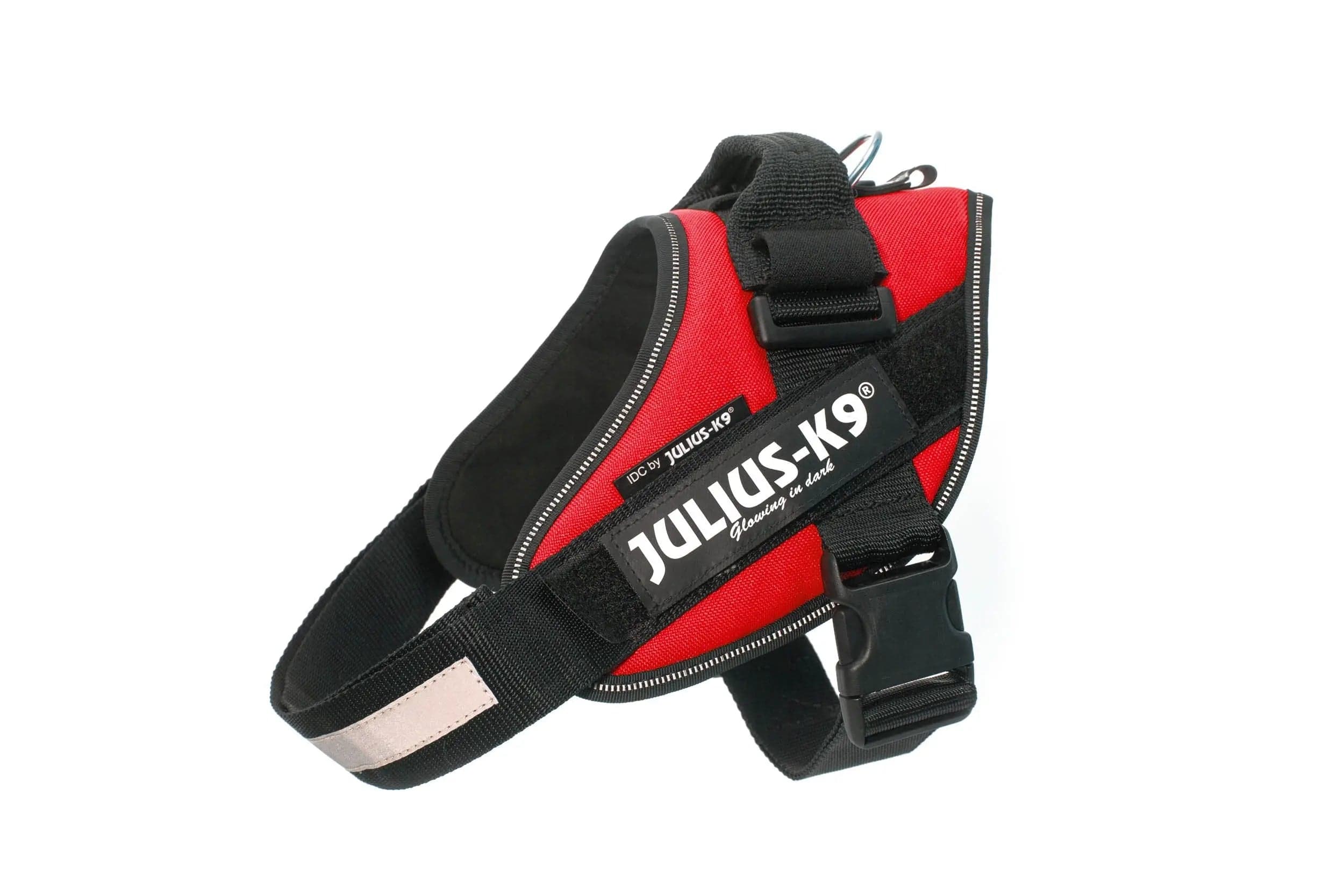

Recommended for Adult Dogs for West Highland White Terriers
Products selected for West Highland White Terrier size, coat type, and life stage. Affiliate disclosure.
PetFusion
PetFusion Ultimate Dog Bed (Small)
Memory foam orthopedic bed with waterproof cover. Ideal for small and medium dogs.
Shop PetFusionTuffies
Shop NowKurgo
Shop NowWhimzees by Wellness
VOHC-accepted. Plant-based, grain-free. Five sizes. Best all-round dental chew for most dogs.
Buy on AmazonHurtta
Hurtta Mudventure ECO Raincoat (Small)
Reflective, eco-friendly raincoat built for UK weather. Small size.
Shop HurttaHarringtons
The UK's bestselling dry dog food. No artificial colours, flavours or preservatives. Made with natural ingredients including chicken, brown rice and vegetables. Available in multiple sizes.
Shop NowLily's Kitchen
Shop NowAATU Dog and Cat Food
Shop NowBarking Heads
Shop NowRoyal Canin
Royal Canin Breed-Specific Food
Nutrition precision-tailored to your breed.
Shop Royal CaninBoshel
Shop NowAnimology
The UK groomer standard for removing fox poo and foul odours. Deep cleaning with built-in conditioner and Pro-Vitamin B5. Suitable for all coats from 6 weeks old.
Shop NowPets Calm Down
Shop NowDrontal
Shop NowRosewood
Shop NowPitPat
Shop NowJulius-K9
Julius-K9 IDC Powerharness (Small)
Award-winning harness trusted by dog owners worldwide. Small size (7-15kg).
Shop Julius-K9Furbo
Shop NowChuckit
Chuckit! Ball Launcher (Small)
Launch further, throw less. Mini launcher for small dogs.
Shop Chuckit!LickiMat
LickiMat Wobble
Slows feeding, reduces anxiety, keeps dogs calm and engaged.
Try LickiMatKONG
KONG Classic (Small)
The classic rubber chew for small dogs and puppies.
Shop KONGNina Ottosson
Nina Ottosson Dog Puzzle
Level 2 puzzle feeder. Engages your dog mentally and slows eating.
Try Nina OttossonTrixie
Shop NowDoggone Good
Shop NowBreed Overview
The West Highland White Terrier, universally known as the Westie, is one of the UK's most recognisable and enduringly popular small breeds, registered by the Kennel Club in the Terrier Group. Developed in Scotland as a working earth dog bred to hunt foxes, otters and vermin, the modern Westie is an adaptable, lively and characterful companion that fits well into urban and family life.
Despite its small size, the Westie has a thoroughly terrier temperament: confident, bold, curious and entirely certain of its own importance. They are not lap dogs. They are working terriers in a compact frame, and their energy, intelligence and independent streak reflect that heritage. This is part of their considerable appeal.
Westies are adaptable and suit a wide range of living situations including flats and terraced houses, provided they get sufficient daily exercise and mental stimulation. They are sociable, generally good with children who interact appropriately, and tend to be friendly with people they know. With other dogs, they are usually sociable when well socialised, though some same-sex selectivity is seen. Their terrier prey drive means they may not be reliable around small animals including cats, particularly those they have not grown up with.
Health-wise, Westies have several conditions that prospective owners should understand thoroughly before buying or adopting. Westie Lung Disease, the common name for Idiopathic Pulmonary Fibrosis (IPF), is a progressive, incurable condition causing scarring of the lung tissue and worsening breathlessness. It typically presents in middle to older age and is the most serious health condition in the breed. There is currently no cure and management is palliative.
Chronic skin disease is extremely common in Westies, manifesting as Malassezia dermatitis (a yeast skin infection), atopic dermatitis or a combination of both. Many Westies require ongoing management of skin conditions throughout their lives. Legg-Calvé-Perthes disease, a condition affecting the femoral head in young small breeds, is also seen.
Purchase prices from KC-registered breeders typically range from £800 to £1,500. Monthly insurance costs £30 to £60 for comprehensive lifetime cover. Lifespan is typically 12 to 16 years.
For the right owner, the Westie is a delightful companion: full of character, adaptable and robust for its size. Go in with full awareness of the health picture, buy from a responsible breeder, and budget appropriately for ongoing skin management and the possibility of pulmonary disease in later life. The Westie's enduring popularity reflects how much it delivers for owners who are properly prepared.
Temperament & Personality
Westies are confident, spirited and curious dogs with a personality considerably larger than their physical size. They are alert, engaged with the world around them and have a terrier's characteristic boldness: a Westie will investigate anything that interests it without much concern for what is on the other side.
Within the family they are affectionate and loyal, tending to be good with children who interact respectfully. Their independent nature means they will remove themselves from situations they dislike rather than tolerate them indefinitely. They are generally sociable dogs but have their own opinions about how they want to spend their time.
Their alerting bark is genuine and breed-typical. Westies will announce visitors and changes in their environment with enthusiasm. This can be managed with training to within acceptable limits but cannot be eliminated entirely. In flats or terraced houses, this characteristic is worth factoring into the decision.
They are terriers and retain the prey drive of working earth dogs. Small animals including cats, rabbits and hamsters are at risk unless the Westie has been carefully introduced and socialised with them from puppyhood. Even then, instinct can override sociability.
Westies are playful well into adulthood. Puzzle feeders, scent games and training sessions provide the mental engagement they need alongside physical exercise. A bored Westie will find its own entertainment, which often involves digging, chewing or general mischief.
Training
Westies are intelligent and food-motivated but have the terrier's characteristic independence. They engage well when motivated but may decide a command is beneath their dignity if training becomes repetitive or unrewarding. Short, varied, positive sessions work well.
Four priorities for a new Westie owner:
- Recall. Westies have a strong prey drive and will pursue a scent or small animal given the opportunity. Build a reliable recall using high-value food rewards in safe enclosed areas. Do not test it near roads or livestock. Use a long line in open spaces.
- Bark management. The Westie's alerting bark is genuine and persistent. Train a reliable quiet cue from puppyhood and reward calm behaviour actively. Consistent management from puppyhood is far more effective than trying to address entrenched barking in an adult.
- Socialisation. Thorough positive exposure to people, environments, other dogs and small animals (carefully) during the 8 to 16 week window. Well-socialised Westies are confident and adaptable.
- Harness walking. Many small breeds have tracheal sensitivity: walking on a harness rather than a collar is recommended.
Common mistakes: Allowing the Westie to dictate terms because it is small and its pushback seems harmless. An adult Westie with established bad habits is harder to live with than the size implies.
Good to know
Exercise Needs
Westies need approximately 45 to 60 minutes of exercise per day. They are more robust and energetic than their small size suggests and benefit from varied, interesting walks rather than repetitive routes.
Their terrier instincts make off-lead exercise in unfenced areas a risk: a Westie that catches a scent or spots a small animal will pursue it. Secure enclosed areas or a reliable long-line setup are important for safe off-lead exercise.
Mental stimulation through puzzle feeders, scent games and training sessions is important alongside physical walks. Westies use their brains and need engagement.
Exercise should be monitored as the dog ages. Westies developing Westie Lung Disease will show reduced exercise tolerance: any change in exercise capacity, increased breathing rate or reluctance to walk should prompt a vet visit.
Health & Vet Costs
Westies have several health conditions that owners should understand thoroughly before committing to the breed.
Westie Lung Disease (Idiopathic Pulmonary Fibrosis, IPF) is the most serious health condition in the breed. It causes progressive scarring of the lung tissue, leading to worsening breathlessness, reduced exercise tolerance and coughing. It typically presents in middle to older age, usually after seven years, though earlier onset occurs. There is currently no cure. Management is palliative: corticosteroids and supportive care can slow progression in some cases, but the condition is ultimately terminal. Any Westie showing reduced exercise tolerance, increased respiratory rate or coughing should be assessed by a vet. This condition is the primary reason Westie insurance costs are higher than comparable small breeds.
Chronic Skin Disease is extremely common. Malassezia dermatitis (a yeast overgrowth causing itching, redness and odour), atopic dermatitis (environmental allergy) and a combination of both affect a large proportion of the breed. Many Westies require ongoing management including specialist shampoos, dietary changes, medication or allergen testing throughout their lives. Costs for managing chronic skin disease can be significant.
Legg-Calvé-Perthes Disease affects the femoral head in young small breeds, causing degeneration of the hip joint. It typically presents before 12 months as lameness. Surgical treatment is usually successful but costs £1,500 to £3,000.
Luxating Patella occurs in some lines.
Monthly insurance typically costs £30 to £60. Lifespan is 12 to 16 years.
Feeding & Nutrition
Westies do well on a high-quality complete small-breed diet. Given the breed's high incidence of skin conditions, diet can play a significant role in skin health management. Some Westies benefit from a hypoallergenic diet or a diet with a novel protein source if food allergy is a contributing factor in their skin problems.
Avoid overfeeding. Westies will eat beyond their needs and excess weight worsens joint stress and adds load to compromised lungs in dogs with pulmonary disease.
If your Westie shows persistent skin problems including itching, redness or ear infections, discuss a dietary elimination trial with your vet before assuming the cause is environmental. Food allergy and environmental allergy frequently coexist in the breed.
Treats should be counted within the daily calorie allowance.
Feeding your West Highland White Terrier
How much to feed, which food types suit this breed, and what to avoid.
Grooming & Care
Westies have a double coat: a dense, soft undercoat and a wiry, straight outer coat. The coat can be maintained by hand-stripping (which preserves the correct wiry texture) or clipping (which is more practical for most pet owners). Professional grooming every six to eight weeks is the standard approach for most pet Westies. Cost is typically £40 to £65 per session.
The iconic white coat requires regular cleaning, particularly around the muzzle and paws, where staining from food and outdoor dirt accumulates. Specialist whitening shampoos can help maintain colour.
Ears should be checked weekly and cleaned when needed. Nails should be trimmed every three to four weeks. Teeth should be brushed regularly. Skin folds and the area around the eyes should be kept clean and dry, particularly important given the breed's predisposition to skin conditions.
Costs of Ownership
Purchase price: A KC-registered Westie puppy from a responsible breeder typically costs £800 to £1,500 in 2025 to 2026. Rescue rehoming fees range from £100 to £350.
Setup costs: Crate, bedding, harness, bowls, initial vet check, vaccinations, microchip and neutering typically total £350 to £650.
Monthly running costs:
- Food (small breed): £25 to £45
- Insurance (comprehensive lifetime): £30 to £60
- Professional grooming (averaged monthly): £25 to £40
- Routine vet care and parasite prevention: £15 to £25
- Skin management (if required): £20 to £60
- Total monthly estimate: £115 to £230
Annual estimate: approximately £1,380 to £2,760, before unexpected vet costs.
Lifetime costs: With a lifespan of 12 to 16 years, total lifetime costs typically range from £17,000 to £38,000. Dogs with ongoing skin management needs or pulmonary fibrosis will sit at the higher end.
Estimated cost breakdown
Estimates based on UK average costs. Actual costs vary by location, vet, and lifestyle.
Owner note
Is your West Highland White Terrier insured?
West Highland White Terrier insurance typically costs £15–£40 per month depending on age, cover level and where you live. Getting the right policy before your first vet visit is one of the most important decisions you will make as a new owner.
Compare dog insuranceWe may earn a commission if you buy through our links. This never influences our recommendations.
Where to Find a West Highland White Terrier in the UK
Whether you are looking for a West Highland White Terrier puppy from a responsible breeder or hoping to give a rescue West Highland White Terrier a second chance, there are reliable routes to finding the right dog. The most important thing is that you find them through the right channel — one that puts the dog's welfare first.
Finding a West Highland White Terrier Puppy
The Kennel Club's Find a Puppy service is the safest starting point for anyone looking for a West Highland White Terrier puppy. It connects buyers with breeders who register their litters and allows you to verify parental health test results.
For West Highland White Terriers, the relevant breed club is The West Highland White Terrier Club of England. They maintain a breeder register and can be contacted directly for recommendations.
Before you commit, read our complete guide to finding a puppy responsibly — including the red flags that separate an ethical breeder from a puppy farm.
Read the Puppy Buying GuideRescuing a West Highland White Terrier
West Highland White Terrier-specific rescue organisations are run by people who know the breed inside out. They assess every dog carefully and match them to homes that genuinely suit their needs. Waiting lists exist but are worth it.
Key West Highland White Terrier rescues in the UK include:
Our rescue guide covers the full adoption process in detail.
Find a Rescue DogIs a West Highland White Terrier Right for You?
Well suited to: urban and flat dwellers (Westies adapt well to smaller living spaces provided they get daily exercise); families with older children; owners who want a characterful, robust small dog with personality; those prepared for the grooming commitment and health management costs.
Not suited to: owners expecting a low-maintenance breed (skin management can be significant and ongoing); households with small pets including cats, rabbits or guinea pigs (terrier prey drive is genuine); owners who want a reliably off-lead dog in open countryside; those unprepared for the possibility of pulmonary disease in later life.
The Westie is a rewarding breed for owners who go in with realistic expectations of the health picture and temperament. Its adaptability to urban living and distinctive appearance have made it consistently popular across many decades.
Frequently Asked Questions
Yes, Westies make excellent family companions and are particularly good with children who understand how to handle small dogs respectfully. Their playful, affectionate nature and sturdy build make them well-suited to family life, though supervision with very young children is always recommended.
West Highland White Terriers require around 45-60 minutes of exercise daily to stay healthy and content. They enjoy walks, play sessions, and mental stimulation, though they adapt well to both urban and rural environments.
Westies shed moderately year-round, with slightly heavier shedding during spring and autumn. Regular brushing, ideally several times a week, helps manage loose hair and keeps their wiry coat in good condition.
Westies are intelligent and eager to please, making them reasonably trainable, though their independent terrier nature means they can be stubborn at times. Consistent, positive reinforcement methods work best, and early socialisation is important for developing good behaviour.
West Highland White Terriers typically live between 13-15 years, which is a good lifespan for a small breed. Providing proper nutrition, regular exercise, and veterinary care helps ensure they enjoy a long and healthy life.
Monthly costs for a West Highland White Terrier typically range from £100-£160, covering food, routine veterinary care, grooming, and other essentials. Grooming expenses can be significant due to their wiry coat requiring regular professional attention.
Yes, Westies are suitable for first-time dog owners due to their manageable size, affectionate temperament, and adaptability to different living situations. However, prospective owners should be prepared for their grooming needs and independent nature.
Related Breeds
Border Terrier
The Border Terrier is a hardy, adaptable working terrier with a wiry double coat and strong prey drive. It is one of the...
View breed guide →Cairn Terrier
The Cairn Terrier is one of Scotland's oldest terrier breeds, hardy, alert and independent. Good with families, moderate...
View breed guide →Norfolk Terrier
The Norfolk Terrier is one of the smallest of all working terriers, a British breed distinguished from the Norwich Terri...
View breed guide →Related Guides
Find local services for your West Highland White Terrier
Search verified UK listings for vets, groomers, trainers and walkers near you.
Upcoming events for West Highland White Terrier owners
Championship Show
Darlington Dog Show Society Championship Show 2026
18 to 20 September 2026 · Ripon, North Yorkshire
Companion Show
Paws in the Park — Kent 2026
19 to 20 September 2026 · Maidstone, Kent
Championship Show
Belfast Dog Show Society Championship Show 2026
26 to 27 September 2026 · Lisburn, County Antrim
Festival
DogFest at the Palace 2026
3 to 4 October 2026 · Woodstock, Oxfordshire
Championship Show
South Wales Kennel Association Championship Show 2026
8 to 11 October 2026 · Builth Wells, Powys